
The University Farm as Micro-City
- Home Page 8



Top Five Coffee Shops in Madison
University of Wisconsin System Financial Report | $6.4B (2023)
The Haus always wins. 🃏 pic.twitter.com/SbHaIQtECT
— Wisconsin Hockey (@BadgerMHockey) April 10, 2026

University of Wisconsin | Dane County

The University of Wisconsin in Madison, ladies and gentlemen.
As a University of Florida 🐊 grad it’s hard for me to admit, but this is the prettiest campus I’ve ever seen. #OnWisconsin pic.twitter.com/9rxGFScZa5
— Marc Ryan (@MarcRyanOnAir) August 4, 2025
Democrat Wisconsin Secretary of State refuses to remove RFK from ballot

“Liberal woman WILL NOT date conservatives” – Bombshells


Heather McDonald: The feminization of the American university is all but complete
Heather McDonald: Why have young women been so prominent in the recent campus chaos?

Facilities Planning & Management
I’m so excited to share that I will be joining the University of Wisconsin-Madison Department of Neurology as a Neuropsychologist this fall, with a special focus on neuro-oncology and epilepsy! #OnWisconsin pic.twitter.com/JuS1Von6AB
— Taylor McMillan, PhD (@McMillanNeuro) August 27, 2025


A Procedure to Estimate the Energy Requirements for Lighting
A Procedure to Estimate the Energy Requirements for Lighting
Giuseppe Parise – Luigi Martirano – Luigi Parise
Sapienza, University of Rome
Abstract: The amount of the electrical energy used for the interior lighting of medium and large buildings is generally considerable. The European Standard EN15193 was devised to establish conventions and procedures for the estimation of energy requirements of lighting in buildings by an energy performance numeric indicator. This methodology is based on the three derating factors that consider the influence of the daylight exploitation, the occupancy behavior and, if present, of a constant illuminance sensor. The factors are evaluated by a statistical approach on the basis of general reference data tabulated by the same Standard, not considering more detailed parameters of the control system that can impact severely in the effective energy savings. The Standard methodology appears extremely useful for a preliminary evaluation. For a more accurate evaluation, this paper suggests an improvement of the procedure that considers the effective operation time and occupancy behavior, the type of control and lamps, the number of control groups, the technique of modulation (dimming or switching), and the delay in turning off. The suggested procedure is compared with the Standard one to highlight the improvements.
Related:
Energy performance of interior lighting systems
Topology of Continuous Availability for LED Lighting Systems

$3 Billion Miami-Dade County Campus
Carnegie Mellon University Announces Historic $3 Billion Gift from Ken Griffin, Pioneering a New Model for Higher Education https://t.co/lV9ShArPAD
— Standards Michigan (@StandardsMich) October 1, 2026
First there was Michael Bloomberg’s $1.8 billion Johns Hopkins gift in 2018
Then there was Phil and Penny Knight’s $2 billion gift to Oregon Health & Science University in 2025
Now comes $3 billion Ken Griffin gift — $1 billion to strengthen CMU Pittsburgh and $2 billion to build a new CMU in Dade County Miami Florida.
[FSC 003242]

Education Management Systems
2026 UPDATE
The ISO 21001 project has matured considerably since our original 2019 coverage. ISO 21001:2018 has been withdrawn and replaced by ISO 21001:2025, Educational organizations — Management systems for educational organizations — Requirements with guidance for use. The second edition continues the effort to adapt management-system principles to schools, universities, training organizations and other providers of education and learning services. Responsibility resides with ISO/TC 232, Education and learning services.
The supporting infrastructure is also expanding. In June 2026 ISO published ISO/PAS 25171:2026, providing guidance for auditing ISO 21001 management systems, including suggested questions, evidence and measures for evaluating conformity. The development is
significant: what began as an effort to translate lessons from industrial quality management into education now has a second-edition requirements standard together with dedicated auditing guidance and an increasingly mature conformity-assessment framework.
ISO Focus: Education Enterprise | M. Anthony & Richard Robben
Update: 2019-07-03

“The Attributes of the Arts and the Rewards Which Are Accorded Them” | Jean Baptiste Siméon Chardin (1766)
“Education is simply the soul of a society as it passes from one generation to another.”
–G.K. Chesterton
Since 2013 we have been following developments in an International Organization for Standardization committee: ISO 288 – Educational organizations management systems – Requirements with guidance for use; a committee spun off from the committee that develops the more widely known ISO 9000-family of quality management standards prepared for industries and global regulatory agencies. The global Secretariat is South Korea; with 40 participating member nations and 11 observing nations. The status of this project can be tracked at the link below (You will need login credentials)
It is noteworthy that the US education industry is not a participant in this global standard which will likely have implications for standards setting for all aspects of educational organizations including the management of Massive Open Online Courses which we have covered in previous posts.
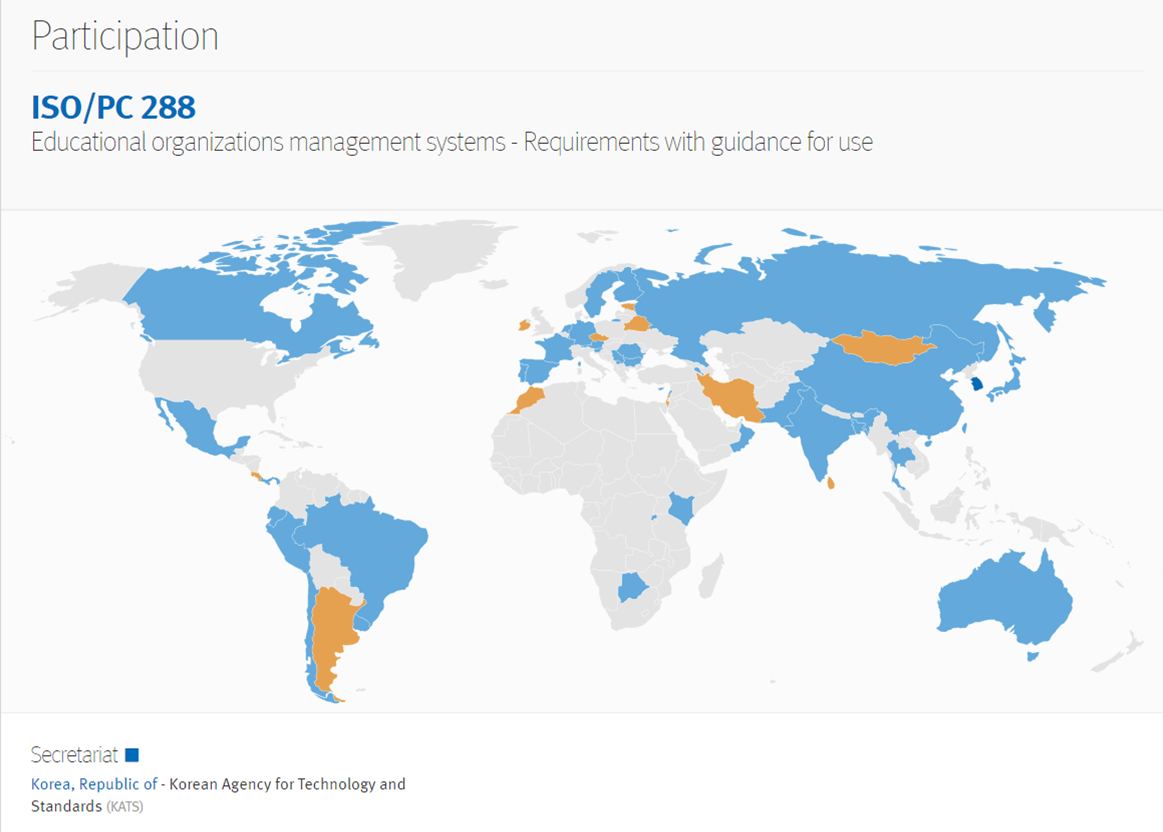
Click on image
The ISO/TC 288 has reached a milestone with its May 1st of the First Edition of ISO 21001:2018 (Click on image). A Spanish translation is still ongoing under the auspices of PC 288, once it will be delivered, ISO/PC 288 will be disbanded. Another ISO Committee — TC 232 — is currently requesting to have its scope modified (enlarged) to be able to standardize subject pertaining to formal education too (its current scope is limited to non-formal learning and education). The result of this request is expected for the end of December. Should it be granted, TC 232 will be able to take care of ISO 21001 maintenance (e.g. revision of the standard) in the future.

We are happy to discuss any ISO consensus product any day at 11 AM Eastern Time. We also walk through the developmental status of all international standards once per month. See our CALENDAR for the next teleconference; open to everyone. Use the login credentials at the upper right of our homepage.
Issue: [13-100]
Contact: Mike Anthony, Christine Fischer, Jack Janveja, Rich Robben
Category: Academic Interest, Management, Finance & Administration, International Standards
LEARN MORE:

Gallery: School Bond Referenda
In terms of total spend, the US elementary and secondary school industry is about twice the size of the higher education industry according to IBISWorld. About $100 billion is in play every year for both (which we cover during our Ædificare colloquia); with higher education spending only half of what elementary and secondary school systems spend on facilities.
Note that some districts are including construction for faculty housing.
Our focus remains on applying global standard to create educational settlements that are safer, simpler, lower-cost and longer-lasting — not on the hurly-burly of local school bond elections. We recommend consulting the coverage in American School & University for more detailed and more timely information.


Declining Enrollment
- Boulder Valley School District, Colorado — especially useful because the district itself has an excellent “Resilient Schools: Responding to declining enrollment” page. On September 22 it approved closing Douglass, Mesa and Flatirons elementary schools for 2027–28, along with relocations and consolidation. Boulder Valley School District
Boulder Valley — Resilient Schools Plan - Duval County Public Schools, Florida — four elementary schools closed for 2026–27: Don Brewer, George Washington Carver, Hyde Grove and Hidden Oaks. The district explicitly describes the process as “right-sizing.” Duval County Public Schools
Duval County — Consolidations and Closures - Miami-Dade County Public Schools, Florida — approved nine closures/consolidations for 2026–27 after enrollment fell about 4% in one year. The district expected roughly $10 million in savings. K-12 Dive
- Houston-area districts, Texas — particularly striking: districts across the Houston region closed 26 campuses over the past year, citing combinations of declining enrollment, aging buildings and budget deficits. Houston ISD itself approved 12 closures. Houston Chronicle
- Poudre School District, Colorado — very current. Its planning committee recommended nine school closures and two consolidations this week. Superintendent Brian Kingsley points directly to fewer births, high cost of living and fewer families residing in the area. KUNC
Poudre school-closure report - Norfolk Public Schools, Virginia — particularly valuable for the long view. Enrollment fell from 34,023 in 2005–06 to 24,754, a 27% decline. Norfolk consequently adopted a phased plan to close and consolidate nine schools through 2034. Norfolk.gov
- Salem-Keizer Public Schools, Oregon — plans to close as many as eight elementary schools in 2027. District enrollment, recently above 40,000, is projected to fall toward 35,000 over five years.

Open Commission Meeting
“The wireless age has brought us closer together,
yet we must work to ensure that it does not divide us.”
— Guglielmo Marconi

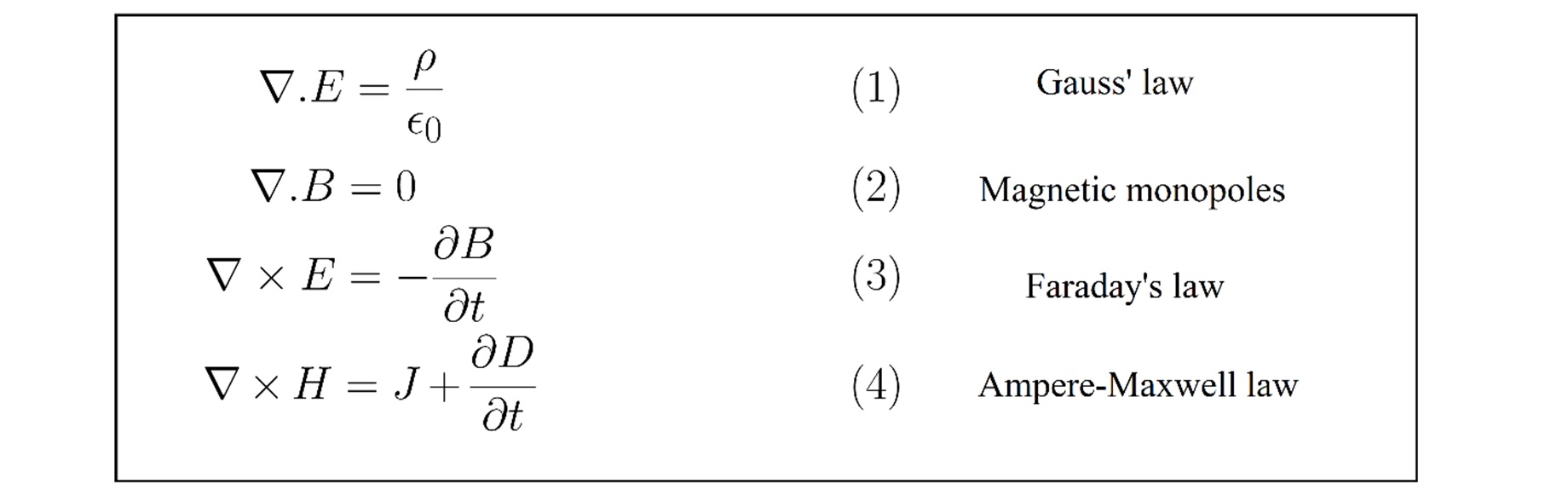
Maxwell equations: A complete description of electromagnetism and light
FCC Proposes to Modify Technical Rules for Digital FM Stations
Our Office of Engineering & Technology maintains the U.S. Table of Frequency Allocations, manages Experimental Licensing & Equipment Authorization programs, regulates operation of unlicensed devices, and conducts engineering & technical studies. https://t.co/MATs1ThyxL #FCC101
— FCC (@FCC) August 17, 2023
The FCC is the United States’ primary authority for communications laws, regulation and technological innovation. We provide a link to the August 3rd meeting during which time rules for Digital FM Radio and Non-Federal Spectrum Usage were discussed. Campus Security Radio, National Public Radio and Student Radio are central features of education community culture and safety and are typically available when the internet is not.

Schenkingen
“The secret of great fortunes without apparent cause
is a crime forgotten, for it was properly done.”
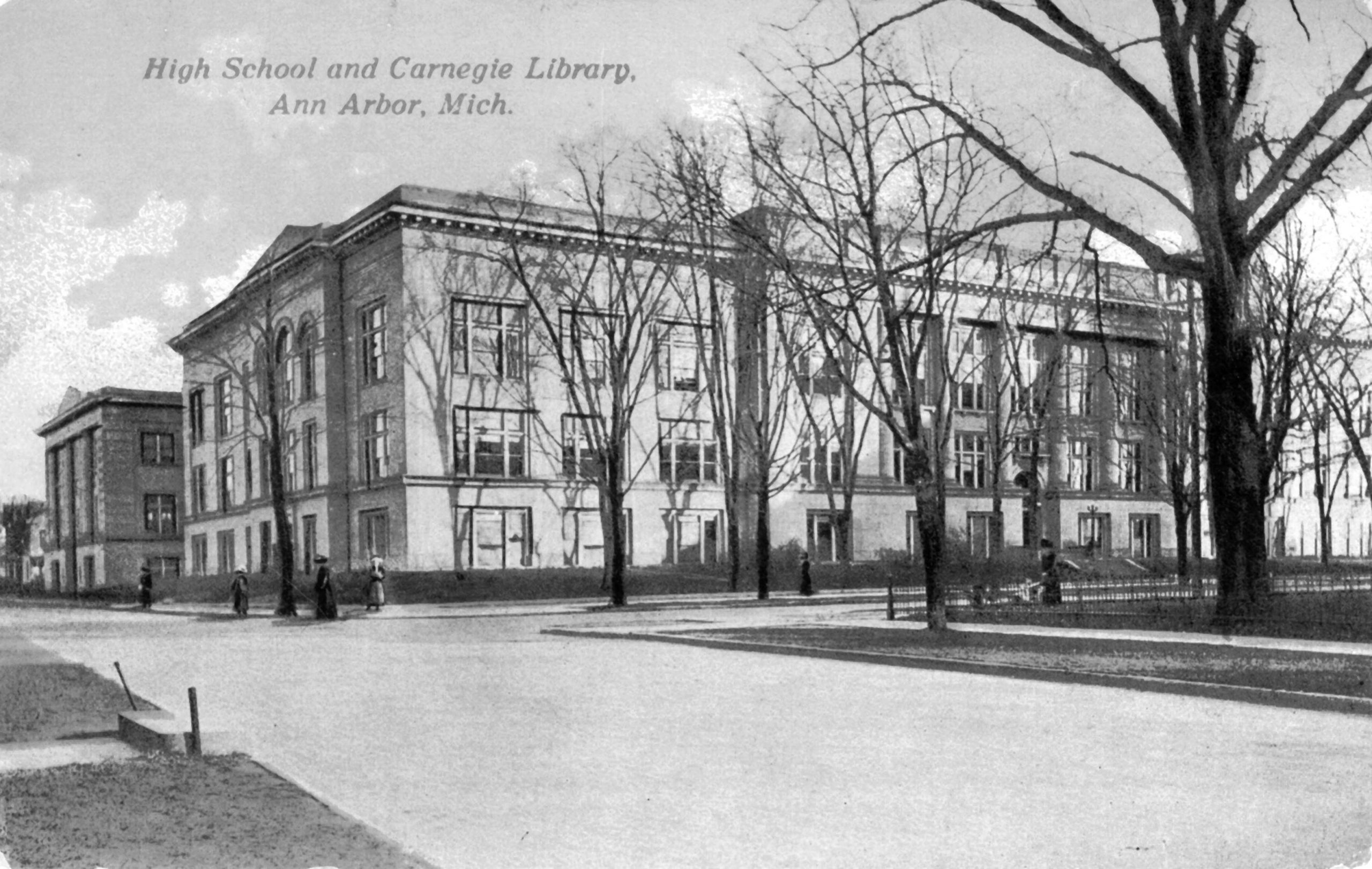
CASE FAQ for Standards: Definition of Educational Philanthropy
Are they hedge funds with a side hustle in teaching, research and building construction? Are they tricked out memorial gardens for philanthropists? In either case leaders of educational settlements are expected to act in the best interests of both their institution and their donors, and to maintain high standards of transparency, accountability, and ethical conduct when accepting charitable gifts.
University endowments are comprised of money or other financial assets that are donated to academic institutions. Charitable donations are the primary source of funds for endowments. Endowment funds support the teaching, research, and public service missions of colleges and universities.
In the case of endowment funds for academic institutions, the income generated is intended to finance a portion of the operating or capital requirements of the institution. In addition to a general university endowment fund, institutions may also maintain a number of restricted endowments that are intended to fund specific areas within the institution, including professorships, scholarships, and fellowships.
More
2021 NACUBO-TIAA Study of Endowments
University of Michigan: Policy Guidelines for Naming of Facilities, Spaces and Streets
Dartmouth University Endowment Report 2023
https://www.dartmouth.edu/investments/docs/dartmouthendowmentreport2023.pdf
The largest philanthropic gift ever given to a United States college or university is the donation of $9.6 billion made by MacKenzie Scott to various organizations, including several universities, in 2020. Scott, the ex-wife of Amazon founder Jeff Bezos, made the donation as part of her commitment to give away the majority of her wealth to charitable causes. The universities that received donations from Scott include historically black colleges and universities, community colleges, and research universities such as the University of California, San Diego, and Johns Hopkins University. The donation was considered significant not only for its size but also for its focus on supporting organizations that serve underrepresented and marginalized communities.
There are several standards and best practices that are generally followed by universities and colleges when accepting charitable gifts. These standards are designed to ensure that the gift is used effectively and that the interests of both the donor and the institution are protected. Some of the key standards include:
- Transparency and accountability: Universities and colleges are expected to be transparent about how gifts are used and to provide regular reports to donors on the impact of their gifts.
- Due diligence: Universities and colleges are expected to conduct due diligence on potential donors to ensure that their gifts do not create conflicts of interest or ethical concerns.
- Gift acceptance policies: Many universities and colleges have established gift acceptance policies that outline the types of gifts that will be accepted and the procedures for accepting them.
- Donor recognition: Universities and colleges are expected to recognize donors in an appropriate and meaningful way, while avoiding actions that could be seen as an endorsement of the donor’s business or political interests.
- Ethical fundraising: Universities and colleges are expected to follow ethical fundraising practices, including avoiding pressure tactics or misleading information, and ensuring that donors are aware of any tax implications of their gifts.
Overall, universities and colleges are expected to act in the best interests of both their institution and their donors, and to maintain high standards of transparency, accountability, and ethical conduct when accepting charitable gifts.

Naming & Signs
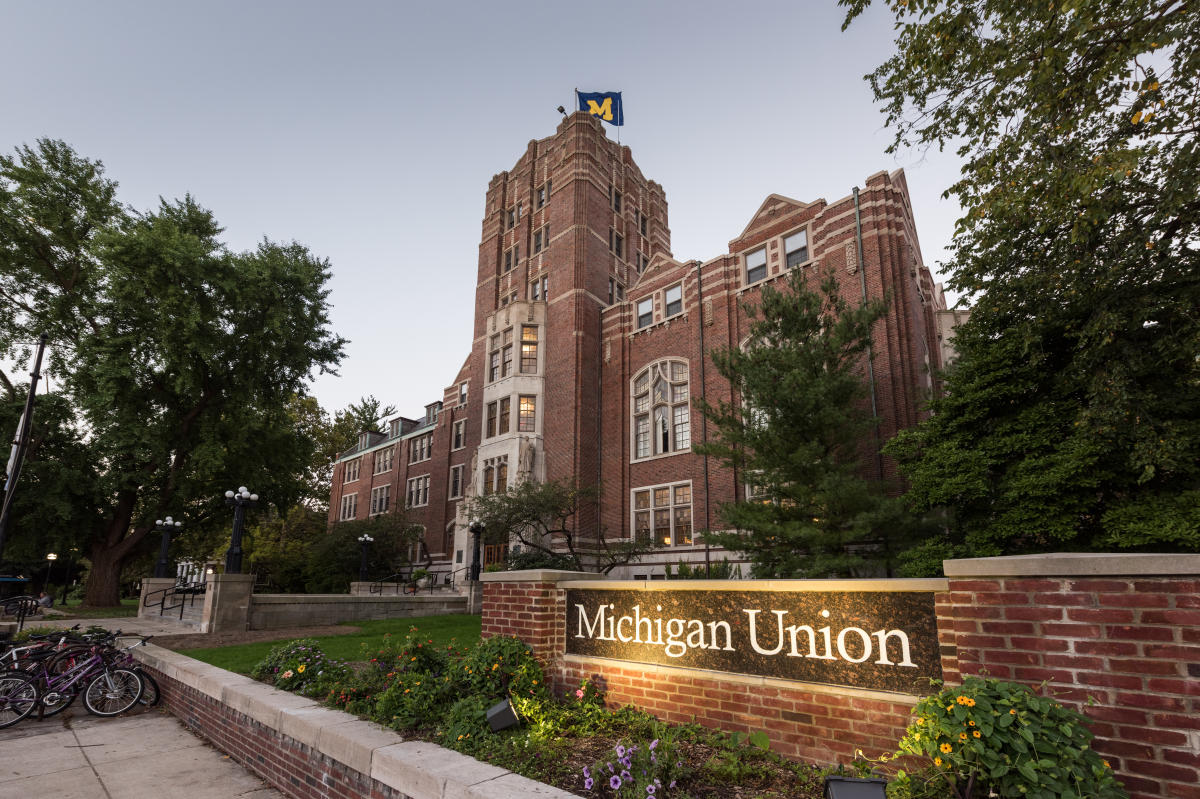
ANSI Z535.2-2023: Environmental and Facility Safety Signs
Consistency with Institutional Branding
- Signage must align with the educational institution’s brand identity, including logos, colors, and typography (e.g., Helvetica font is often specified, as seen in some university standards).
- Corporate logos are typically prohibited on primary exterior signage to maintain institutional focus.
Compliance with Local Zoning and Building Codes
- Signs must adhere to municipal zoning regulations, which dictate size, height, placement, and illumination (e.g., NYC Building Code Appendix H or similar local codes).
- Permits may be required, and signage must not obstruct traffic visibility or pedestrian pathways.
ADA Accessibility Requirements
- Exterior signs identifying permanent spaces (e.g., entrances or exits) must meet Americans with Disabilities Act (ADA) standards, including visual character requirements (legible fonts, sufficient contrast).
- Tactile signs with Braille are required at specific locations like exit stairways or discharge points, per the U.S. Access Board guidelines, though not all exterior signs need to be tactile.
Wayfinding and Identification Functionality
- Signs should clearly identify buildings, provide directional guidance, and include essential information (e.g., building names, departments, or campus districts).
- Placement is typically near main entrances, limited to one per building unless otherwise justified.
Material and Durability Standards
- Materials must be weather-resistant and durable (e.g., extruded or cast aluminum with finishes like natural or dark bronze, avoiding plastic in some cases).
- Maintenance considerations ensure longevity and legibility over time.
Size and Placement Restrictions
- Size is often regulated (e.g., no larger than necessary for legibility, with some institutions capping temporary signs at 32 square feet).
- Placement avoids upper building portions unless in urban settings or campus peripheries, ensuring aesthetic harmony.
Approval and Review Processes
- Exterior signage often requires review by a campus design or sign committee (e.g., a university’s Design Review Board).
- For partnerships or donor-funded buildings, a Memorandum of Understanding (MOU) may govern signage rights and standards.
Safety and Visibility Standards
- Signs must not create hazards (e.g., minimum clearance of 7.5 feet above walkways, no sharp edges).
- Illumination, if allowed, must comply with safety codes and enhance visibility without causing glare or distraction.
Temporary Signage Regulations
- Temporary signs (e.g., banners or construction signs) have time limits (e.g., 30-90 days per year) and must be approved, with size and frequency restrictions. The National Electrical Code Article 590 covers temporary wiring for festoon illumination and defines “temporary” as 90 days.
Somewhat Related:
Before CAD, Architect wrote like this. A handwriting everyone could understand. pic.twitter.com/dYyIJMNsOx
— LMD (Arc.) (@Layemie001) June 14, 2026
University of Michigan Naming Policy Guideline
Michigan State University: Building and Facilities Naming
University of Buffalo Naming Guidelines
University of Vienna: Analyzing wayfinding processes in the outdoor environment
New update alert! The 2022 update to the Trademark Assignment Dataset is now available online. Find 1.29 million trademark assignments, involving 2.28 million unique trademark properties issued by the USPTO between March 1952 and January 2023: https://t.co/njrDAbSpwB pic.twitter.com/GkAXrHoQ9T
— USPTO (@uspto) July 13, 2023
Standards Michigan Group, LLC
455 East Eisenhower Parkway, Suite 300
Ann Arbor, MI 48108 USA
888-748-3670
DIRECTIONS
 |
 |
|
 |
 |
|
 |
 |