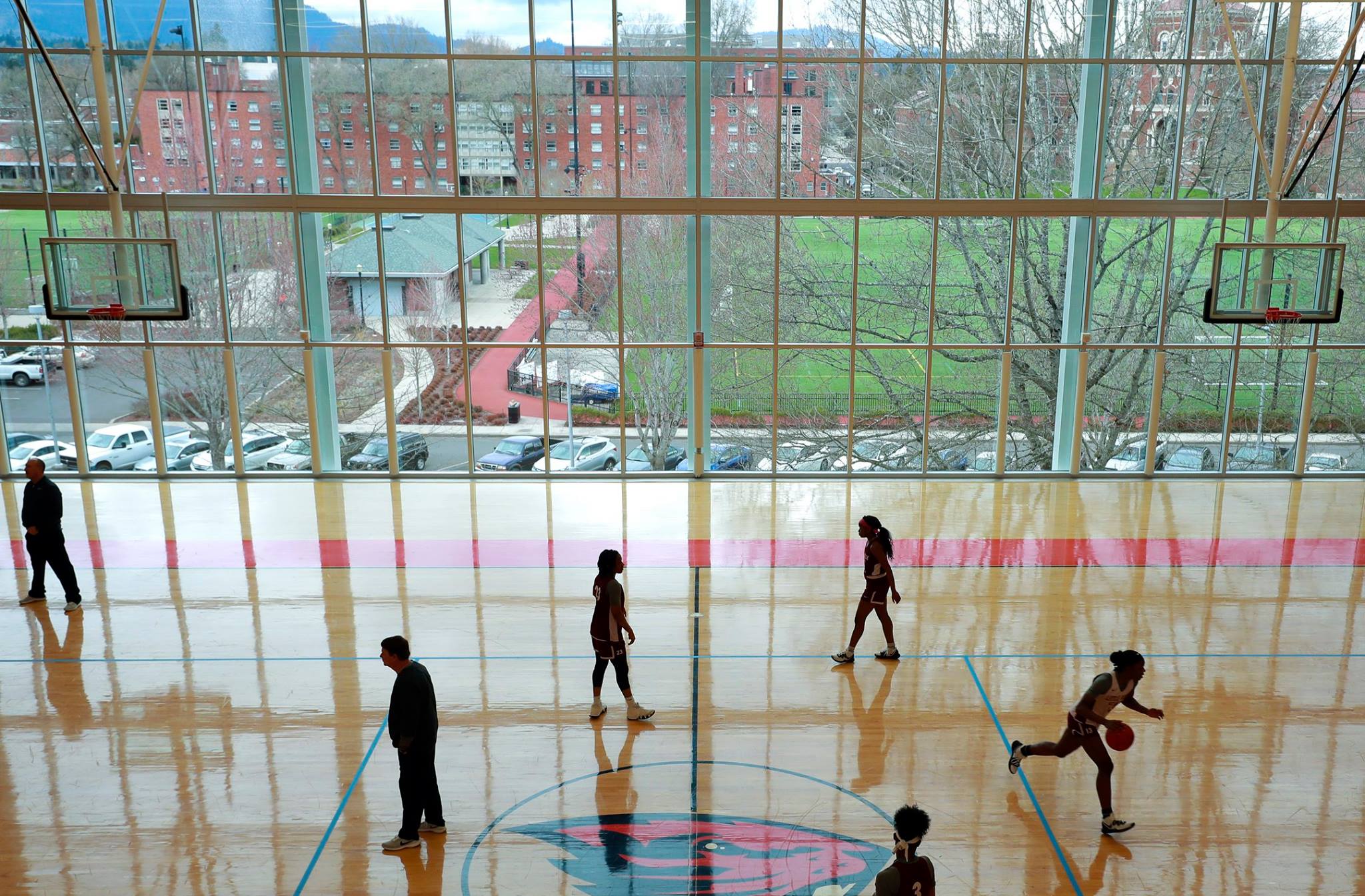
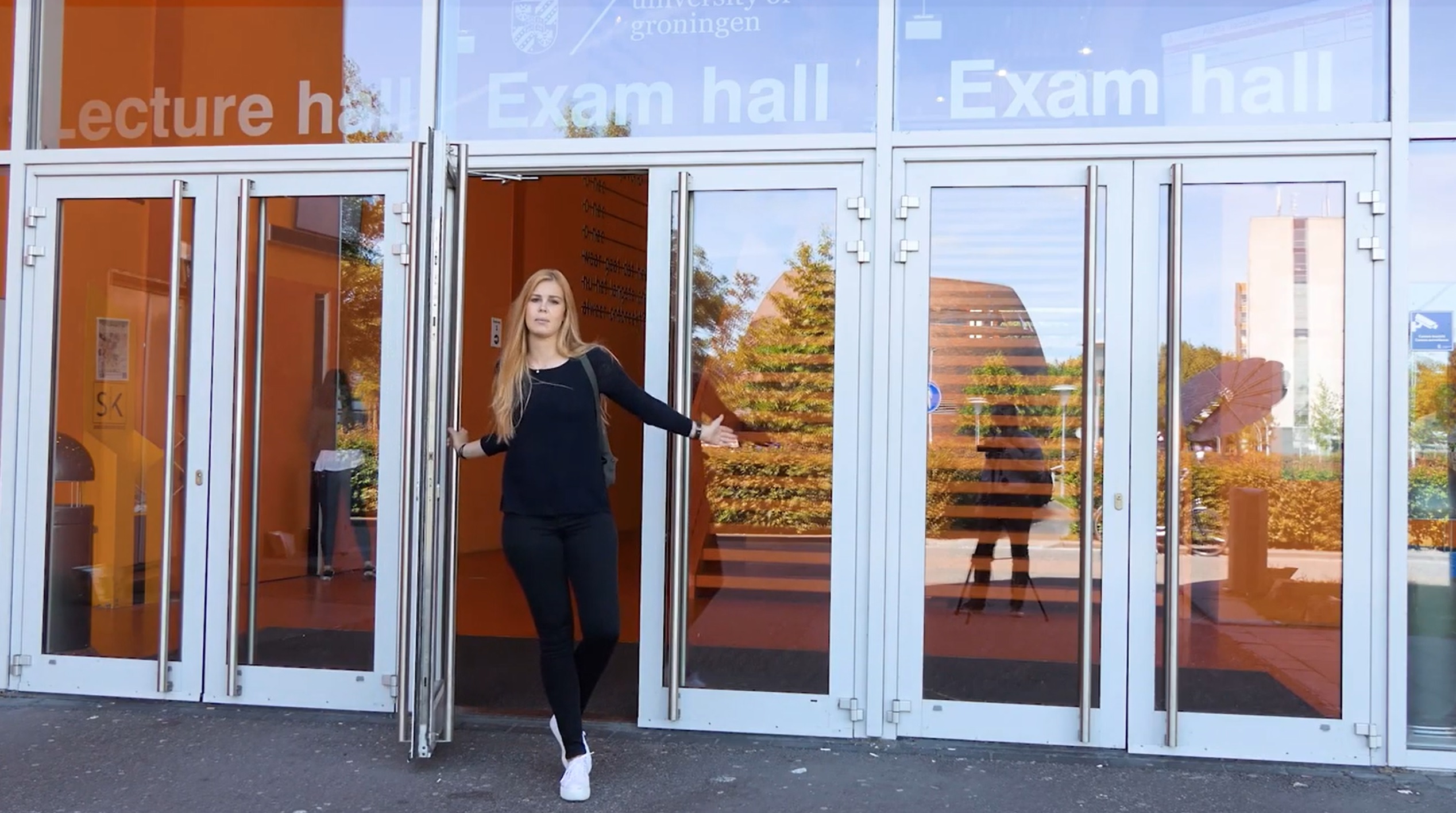
Some places just feel like home. From the big-time SEC experience to the even bigger opportunities, here’s what makes Mississippi State unforgettable. pic.twitter.com/rUjxUnq6FM
Today during our usual hour we sweep through standards action in building glazing, entrances and means of egress. The word fenestration (Latin: fenestra) has become a term of art for the design, construction, and placement of openings in a building, including windows, doors, skylights, and other glazed elements. While the word has sparse use in the International Code Council and National Fire Protection Association catalog it is widely used by the Construction Specifications Institute in its MasterFormat system for organizing construction standards, guidelines and building contracts.
The percentage of a building envelope “skin” that is comprised of doors and windows varies depending on the specific building design, function, and location. However, a commonly cited range is between 15% to 25% of the total building envelope. The actual percentage will depend on several factors such as the building’s purpose, orientation, local climate, and energy performance goals. Buildings that require more natural light or ventilation, such as schools, hospitals, and offices, may have a higher percentage of windows and doors in their envelope. In contrast, buildings with lower lighting and ventilation requirements, such as warehouses, may have a smaller percentage of windows and doors.
Fenestration presents elevated risk to facility managers. The education facility industry is a large target and a pattern of settling out of court. For example:
In 2013, a former student at Yale University sued the school over a broken window in her dorm room. The student alleged that the university was negligent in failing to repair the window, which allowed a burglar to enter her room and sexually assault her. The case was settled out of court in 2015 for an undisclosed amount.
In 2019, a student at the University of California, Los Angeles sued the school over a broken window in her apartment. The student alleged that the university was negligent in failing to repair the window, which allowed a swarm of bees to enter her apartment and sting her. The case was settled out of court for $4.5 million.
In 2020, a group of students at Harvard University sued the school over its decision to require them to move out of their dorms due to the COVID-19 pandemic. The students alleged that the university breached its contract with them by failing to provide suitable alternative housing, including functioning windows and doors. (The case is ongoing; best we can tell as of the date of this post).
These cases illustrate that colleges and universities can face legal action related to doors and windows, either due to alleged negligence in maintaining or repairing them, or due to issues related to student housing and accommodations.
Our inquiry breaks down into two modules at the moment:
North façade: a curtain-wall system uses a custom frit pattern. Architecturally, the frit makes the glass read as more solid and relates its pattern and limestone-like coloration to the adjacent building. Functionally, CO says explicitly that the frit reduces solar heat gain.
East façade: instead of relying entirely on the glazing, the designers introduced angled vertical aluminum fins to respond to the harsh morning sun. The fins also echo the curved geometry of the terra-cotta elsewhere on the building. That’s a particularly nice example of an external architectural element simultaneously becoming a passive solar-control device.
South façade: interestingly, CO uses masonry itself to establish some of the visual rhythm normally supplied by curtain wall. The brick gradually racks outward and eastward, creating changing shadows through the day; its proportions and shadow lines intentionally mimic those of the north curtain wall.
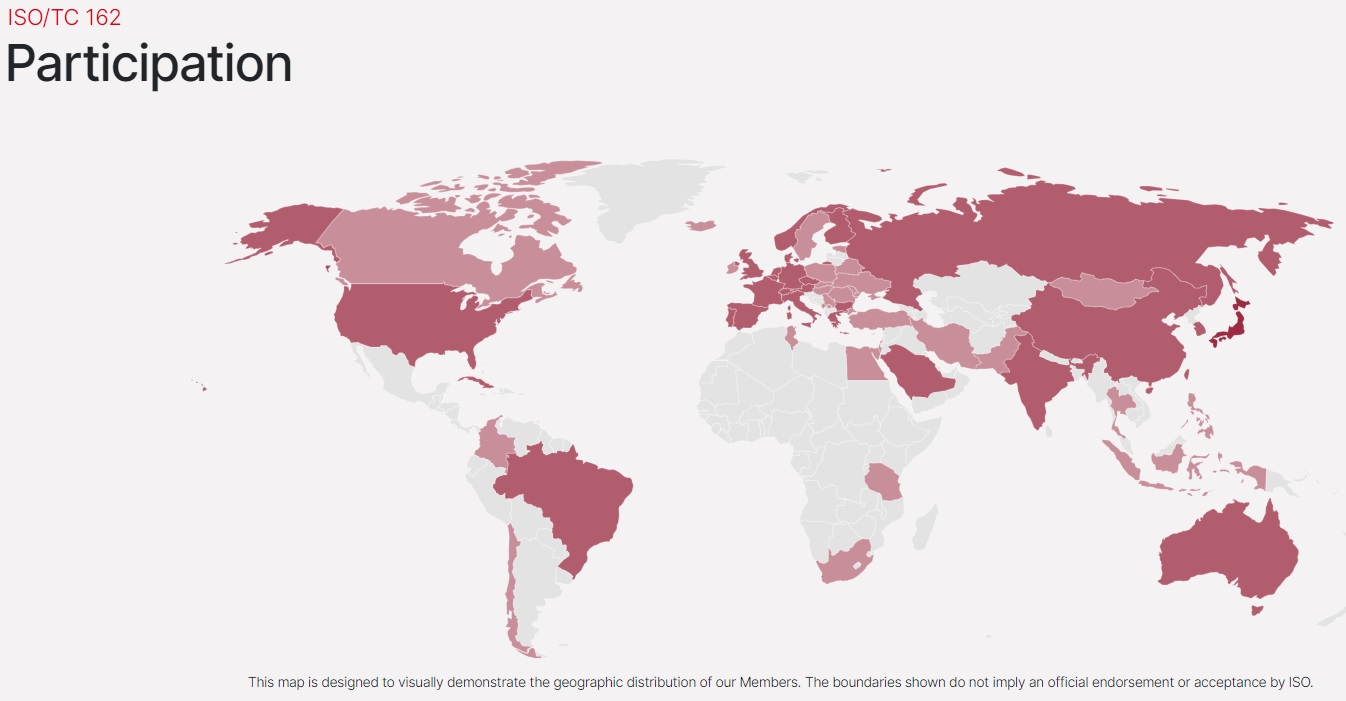
Scope: Standardization in the field of doors, doorsets, windows, and curtain wall including hardware, manufactured from any suitable material covering the specific performance requirements, terminology, manufacturing sizes and dimensions, and methods of test. The Japanese Engineering Standards Committee is the Global Secretariat.
Multinational manufacturing and trade in the door manufacturing industry involve the production, distribution, and sale of doors across international borders. This industry encompasses a wide range of door types, including residential, commercial, industrial, and specialty doors. Here are some of the key fine points to consider in multinational manufacturing and trade within the door manufacturing sector:
Global Supply Chains:
Multinational door manufacturers often have complex global supply chains. Raw materials, components, and finished products may be sourced from various countries to optimize costs and quality.
Regulatory Compliance:
Compliance with international trade regulations and standards is crucial. This includes adhering to import/export laws, product safety regulations, and quality standards, such as ISO certifications.
Market Segmentation:
Different regions and countries may have varying preferences for door types, materials, and styles. Multinational manufacturers need to adapt their product offerings to meet local market demands.
Distribution Networks:
Establishing efficient distribution networks is essential. This involves selecting appropriate distribution channels, including wholesalers, retailers, and e-commerce platforms, in different countries.
Tariffs and Trade Barriers:
Import tariffs and trade barriers can significantly impact the cost of doing business across borders. Understanding and navigating these trade policies is essential for multinational door manufacturers.
Localization:
Multinational manufacturers often localize their products to suit the preferences and requirements of specific markets. This may involve language translation, customization of door designs, or adjustments to product dimensions.
Quality Control:
Ensuring consistent product quality across borders is critical for maintaining brand reputation. Implementing quality control processes and standards at all manufacturing locations is essential.
Cultural Considerations:
Understanding cultural nuances and local customs can help multinational manufacturers market their products effectively and build strong customer relationships.
Logistics and Transportation:
Efficient logistics and transportation management are essential for timely delivery of doors to international markets. This includes selecting appropriate shipping methods and managing inventory efficiently.
Sustainability:
Sustainability concerns, such as environmental impact and responsible sourcing of materials, are becoming increasingly important in the door manufacturing industry. Multinational manufacturers may need to comply with different environmental regulations in various countries.
Intellectual Property:
Protecting intellectual property, including patents and trademarks, is crucial in a global market. Manufacturers must be vigilant against counterfeiting and IP infringement.
Market Research:
Conducting thorough market research in each target country is essential. This includes understanding local competition, pricing dynamics, and consumer preferences.
Risk Management:
Multinational manufacturing and trade involve various risks, including currency fluctuations, political instability, and supply chain disruptions. Implementing risk mitigation strategies is vital for long-term success.
In summary, multinational manufacturing and trade in the door manufacturing industry require a comprehensive understanding of global markets, regulatory compliance, cultural differences, and logistics. Successfully navigating these complexities can help manufacturers expand their reach and compete effectively in a globalized world.
Relevant agencies:
ASTM International: ASTM develops and publishes voluntary consensus standards used in various industries, including construction. ASTM standards cover materials, testing procedures, and specifications related to doors, windows, and associated components.
National Fenestration Rating Council (NFRC): NFRC is a U.S.-based organization that focuses on rating and certifying the energy performance of windows, doors, and skylights. They provide performance ratings and labels used by manufacturers to communicate product energy efficiency to consumers.
American Architectural Manufacturers Association (AAMA): AAMA is a U.S.-based organization that develops standards and specifications for windows, doors, and curtain walls. Their standards cover performance, design, and testing.
National Institute of Building Sciences (NIBS): NIBS is involved in research, education, and the development of standards for the building and construction industry in the United States.
Abstract: Indoor signage plays an essential component to find destination for blind and visually impaired people. In this paper, we propose an indoor signage and doors detection system in order to help blind and partially sighted persons accessing unfamiliar indoor environments. Our indoor signage and doors recognizer is builded based on deep learning algorithms. We developed an indoor signage detection system especially used for detecting four types of signage: exit, wc, disabled exit and confidence zone. Experiment results demonstrates the effectiveness and the high precision of the proposed recognition system. We obtained 99.8% as a recognition rate.
The Clery Act has been amended by the Stop Campus Hazing Act. Institutions must now include hazing incidents among their reported campus-safety statistics and include policies concerning hazing, reporting, investigation and prevention in their Annual Security Reports.
Institutions must also develop a Campus Hazing Transparency Reportidentifying student organizations found responsible for hazing violations. The report includes the organization, a general description of the violation, sanctions and relevant dates. Where violations have occurred, the report must be published on the institution’s website and updated at least twice annually.
The federal requirement for a school safety plan is outlined in the Jeanne Clery Disclosure of Campus Security Policy and Campus Crime Statistics Act, commonly known as the Clery Act. The Clery Act requires all colleges and universities that participate in federal student financial aid programs to develop and publish an annual security report that includes certain safety-related policies, procedures, and crime statistics.
The Clery Act requires that schools include specific information in their security reports, including:
The school’s crime statistics for the previous three years.
Information about the school’s policies and procedures related to campus safety and security.
Information about crime prevention programs and services offered by the school.
Information about the school’s emergency response and evacuation procedures.
Information about the school’s policies and procedures for addressing and reporting incidents of sexual assault, domestic violence, dating violence, and stalking.
Information about the school’s drug and alcohol policies and prevention programs.
While the Clery Act only applies to colleges and universities that receive federal student financial aid, many states and school districts have adopted similar requirements for K-12 schools to develop and implement comprehensive safety plans. These plans may include many of the same elements as Clery Act-compliant security reports, such as emergency response protocols, crime prevention programs, and policies for addressing incidents of violence and harassment.
The most recent changes to the Clery Act were made in March 2020, when the Department of Education published the final rule amending the Clery Act regulations. The changes include:
Expanding the definition of sexual harassment to include quid pro quo and hostile environment harassment, which aligns with Title IX regulations.
Requiring institutions to report stalking and domestic violence in addition to existing crime categories.
Adding hazing as a reportable crime category.
Requiring institutions to compile and publish hate crime statistics for all categories of prejudice, including gender identity and national origin.
Requiring institutions to include specific policies and procedures in their annual security reports, such as those related to prevention and response to sexual assault, domestic violence, dating violence, and stalking.
Requiring institutions to provide survivor-centered and trauma-informed services to individuals who report or experience sexual assault, domestic violence, dating violence, or stalking.
Requiring institutions to include information about prevention and response to cyberbullying and electronic harassment in their annual security reports.
Allowing institutions to provide annual security reports electronically and requiring institutions to make their crime statistics publicly available on their website.
These changes aim to strengthen the Clery Act’s requirements for campus safety and to better address sexual harassment and other forms of violence on college and university campuses.
Every new federal law involving paperwork creates an uncountable number of trade associations and compliance enterprises. A simple web search on “Cleary Act” will reveal half the internet full of pages for more information. Our focus is on the user-side — i.e. making inquiries and pushing back on the gaudy proliferation of regulatory requirements, the integrity of purpose of the law notwithstanding. We maintain this title on the standing agenda on all of our Security colloquia. See our CALENDAR for the next online meeting; open to everyone.
This content is accessible to paid subscribers. To view it please enter your password below or send mike@standardsmichigan.com a request for subscription details.
Meatloaf is traced back to ancient times when people started combining ground meat with other ingredients for a more economical and substantial meal.
Colonial America: The concept of mixing ground meat with breadcrumbs or grains dates back to medieval Europe. When settlers arrived in North America, they adapted these techniques to the ingredients available to them, such as native grains and game meats.
19th Century: As meat grinders became more widely available in the 19th century, the preparation of ground meat dishes became easier. Meatloaf gained popularity during this time, with regional variations emerging across the United States. Families would incorporate various seasonings, herbs, and fillers based on local ingredients and preferences.
World War II and Post-War Era: Meatloaf became even more popular during World War II and the post-war era due to its affordability and versatility. Families could stretch a small amount of meat by combining it with breadcrumbs, rice, or oats, making it an economical choice during times of rationing.
1950s and 1960s: Meatloaf reached its peak of popularity in the mid-20th century, becoming a staple of American home cooking. The dish was often featured in cookbooks and advertisements, showcasing its versatility and ease of preparation.
Over time, meatloaf recipes have evolved with regional and personal preferences. Some variations include using different meats (beef, pork, veal, or a combination), adding vegetables, experimenting with various seasonings, and glazing with sauces.
Ketchup, 1 & 1/2 oz.
Water, 2 3/8 tsp.
Instructions
Preheat oven to 325 degrees.
Place ground beef in mixing bowl. Add eggs and combine.
Add ketchup (2 & 1/3 Tbsp.), mustard, Worcestershire sauce, Italian seasoning, onions, celery, breadcrumbs, salt, and pepper. Mix well to combine. Meatloaf should be firm. If mixture is not, add more bread crumbs.
Place meatloaf in a loaf pan. Make sure it is spread evenly.
Bake for about 45 minutes, uncovered. Remove from oven.
Combine ketchup (1 & 1/2 oz.) and water. Spread over meatloaf.
Return to oven for another 15-20 minutes, or until internal temperature reaches 155 degrees.
Let the meatloaf rest for 30 minutes prior to cutting.
Today we examine the catalog of several ANSI-accredited, consortia and ad hoc standard developers with titles relevant to the planning, construction and management of the built environment of education communities nested within human settlements characterized by a high population density, extensive infrastructure, and various economic, social, and cultural activities. In other words, from the point of view of a campus as a “city within a city” with attention to infrastructure.
Several organizations and bodies in the United States that develop model codes and standards related to zoning and land use. These model codes and standards are often adopted or referenced by municipalities in their zoning ordinances. Here are some prominent organizations and their model codes:
Each of the foregoing titles have some bearing upon decisions about land use. However, keep in mind, that zoning regulations are primarily established at the local level by municipalities, cities, and counties, rather than through national standard bodes. These organizations and their codes provide guidance and best practices for zoning, but specific regulations can vary significantly between different jurisdictions. They are frequently incorporated by reference into regulations by governments at all levels.
Join us today with the login credentials at the upper right of our home page.
Here are some community colleges in the United States that are embedded within cities, offering students the advantages of an urban setting:
City College of San Francisco – San Francisco, California
Los Angeles City College – Los Angeles, California
Borough of Manhattan Community College – New York, New York
Miami Dade College – Wolfson Campus – Miami, Florida
City College of Chicago – Chicago, Illinois
Seattle Central College – Seattle, Washington
Austin Community College – Rio Grande Campus – Austin, Texas
Houston Community College – Central Campus – Houston, Texas
San Antonio College – San Antonio, Texas
Portland Community College – Cascade Campus – Portland, Oregon
Washtenaw Community College – Ann Arbor-Ypsilanti, Michigan
These community colleges not only provide access to higher education but also offer the benefits of being located within major urban centers, including proximity to job markets, cultural institutions, and public transportation.
New update alert! The 2022 update to the Trademark Assignment Dataset is now available online. Find 1.29 million trademark assignments, involving 2.28 million unique trademark properties issued by the USPTO between March 1952 and January 2023: https://t.co/njrDAbSpwBpic.twitter.com/GkAXrHoQ9T