Leers Weinzapfel Associates: Complete Project Prospectus 2021
Harvard Capital Project Vitals



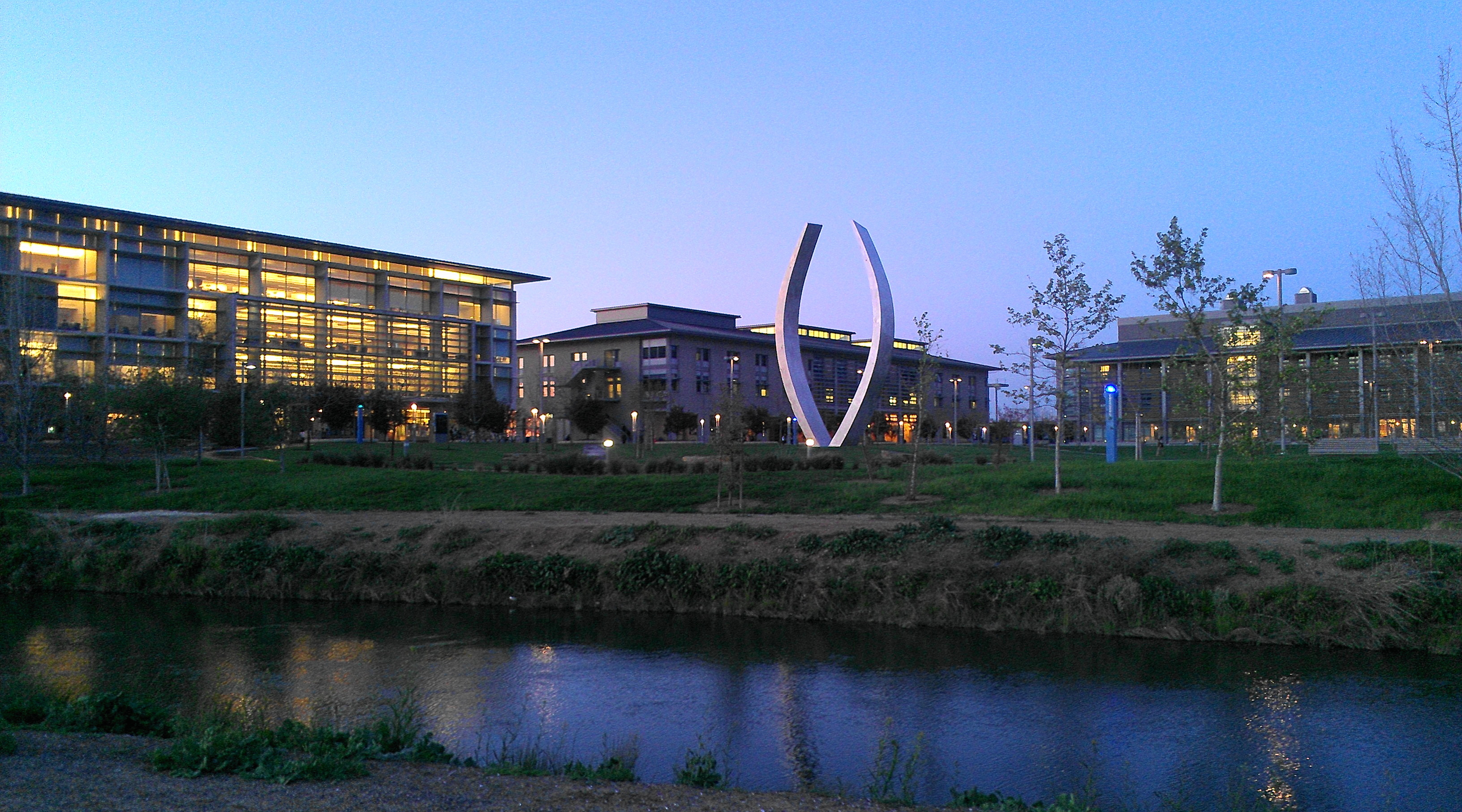
University of California Merced
Lucas Hyman is the co-author of “Sustainable On Site CHP Systems: Design, Construction and Operations” published by McGraw-Hill 2010 ISBN 978-0-07-160317-1, Co-Editor Martin Meckler is a graduate of the University of Michigan. Mike Anthony contributed Chapter 23 — Government Mission Critical – A combined FMECA and time value of money study on Critical Operations Power Systems.
Goss Engineering was one of the engineers for the University of California Merced; the first university campus with an energy infrastructure begun from “scratch”. Here, Lucas offers his insight into the subtle energy economic trade-offs between centralized and de-centralized systems.
LEARN MORE:
Backgrounder from 2007 ASHRAE conference presentation by Goss Engineering: Designing Sustainable CHP Systems
Yes — and there is serious academic treatment of the New England clambake, enough that it could support something richer than a food post.
The place I would begin is Katherine D. Neustadt’s Clambake: A History and Celebration of an American Tradition, published by the University of Massachusetts Press edition listing in 1992. It is essentially a scholarly ethnography/history of the clambake. Neustadt organizes the subject around its social, economic, political and regional history, then studies the long-running Allen’s Neck clambake in Massachusetts and finally treats the clambake as food, ritual and festival.
That last formulation is especially promising for Standards Michigan. Neustadt’s work treats the meal not simply as a recipe but as a community institution — something through which people express place, season, memory and belonging. An Indiana University scholarly review describes the book as an ethnography concerned with the “invention of tradition,” usable pasts, power and the relationship between observer and participant.
There is also an interesting historical complication. The familiar story says coastal Native Americans taught colonists the clambake. The scholarship is considerably more cautious. A University of Rhode Island Sea Grant environmental history, drawing on Neustadt, notes that archaeological and written evidence does not establish the familiar nineteenth-century version of that origin story. Neustadt consequently sees something more complicated: Native cultural inheritance intertwined with a tradition subsequently constructed and ritualized by white New Englanders. Historic New England reaches much the same conclusion: Indigenous peoples unquestionably harvested and cooked shellfish, but the genealogy of the recognizable New England beach clambake is not securely established.
What really catches my attention for an August Sunday, however, is a scholarly archaeological treatment that quotes Neustadt describing clambaking as a seasonal rite marking the end of summer and as a means of transmitting traditional knowledge. The same research discusses the physical process itself — gathering stone, firewood and rockweed, heating the stones and orchestrating the bake — as part of the tradition rather than merely a cooking technique.
And there is a campus connection. Massachusetts Institute of Technology has actually used the New England clambake as part of institutional social life: its 2014 reunion program included a clambake on Kresge Oval for the 25th reunion class.
So I think you’ve stumbled onto an unusually good late-August Sunday subject. It gives us seafood and summer dining on the surface, but underneath it are season, landscape, fire, water, inherited practice, community assembly and the transmission of culture. In other words, rather more Standards Michigan material than the clams initially let on.
McGrath Clambakes and Catering
Yes. Harvard gives you a couple of good college-site examples, though one is stronger on the tradition itself and another on how the custom survives in university life.
The best historical/cultural reference I found is a Harvard Environmental Law Review article that explicitly describes the New England clambake as a longstanding regional custom with origins in the cooking practices of Indigenous coastal peoples, later adopted broadly into New England culture.
For a more accessible campus-life angle, Harvard’s Biophysics Graduate Program has an annual Year-End Clambake held around Commencement. The university describes it as a recurring celebration for graduating Ph.D. students, faculty and guests, featuring lobster and other traditional fare.
Harvard College Observatory has also hosted a summer staff and faculty clambake, with lobster, littleneck clams, New England clam chowder, mussels, corn and strawberry shortcake—a very recognizable New England summer menu.
For Standards Michigan, I think the Harvard Biophysics example is especially useful: it shows the clambake not merely as regional cuisine, but as a summer academic custom marking the end of the university year. That’s exactly the kind of ordinary cultural continuity you’ve been looking for in educational settlements.
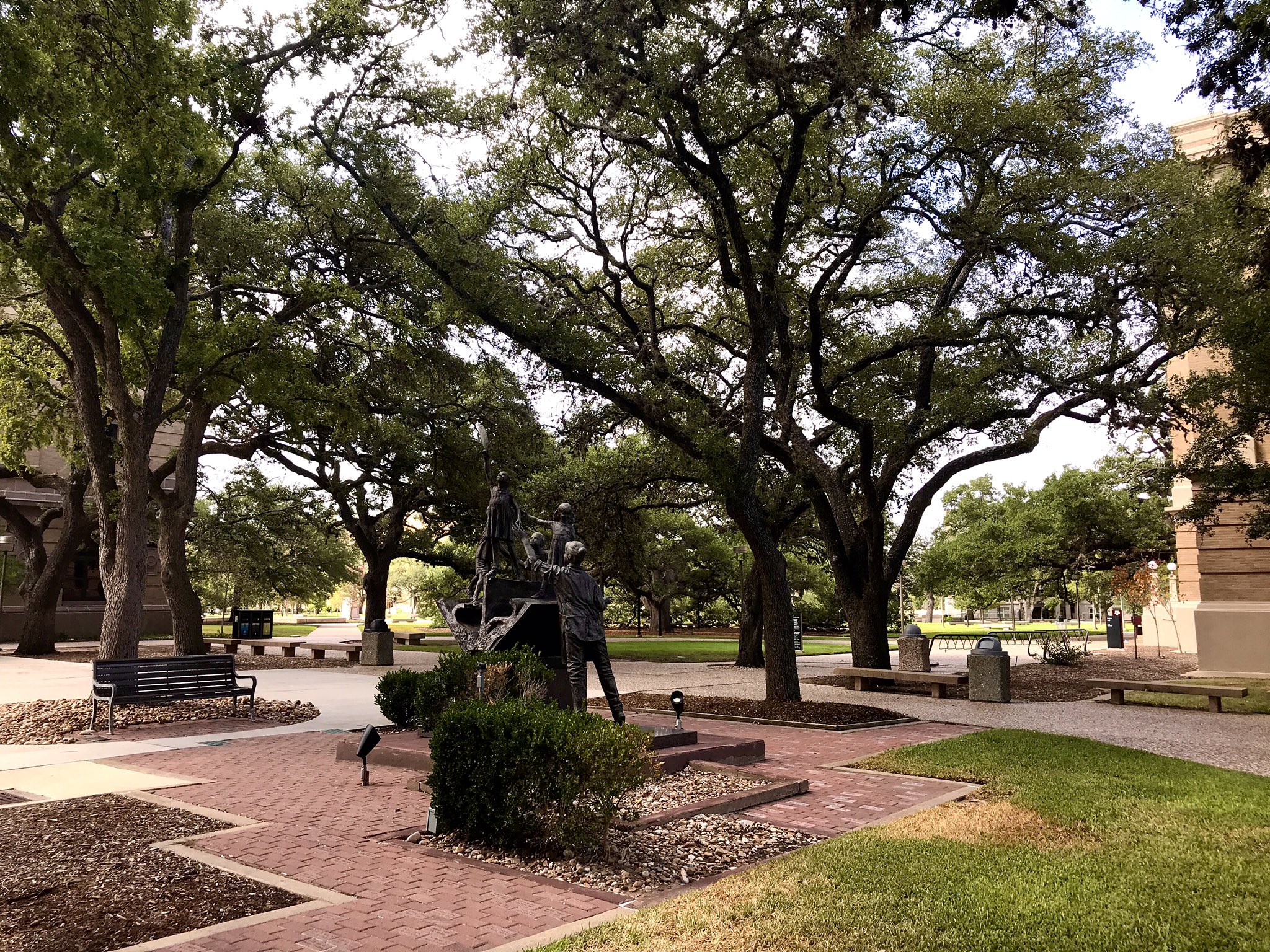
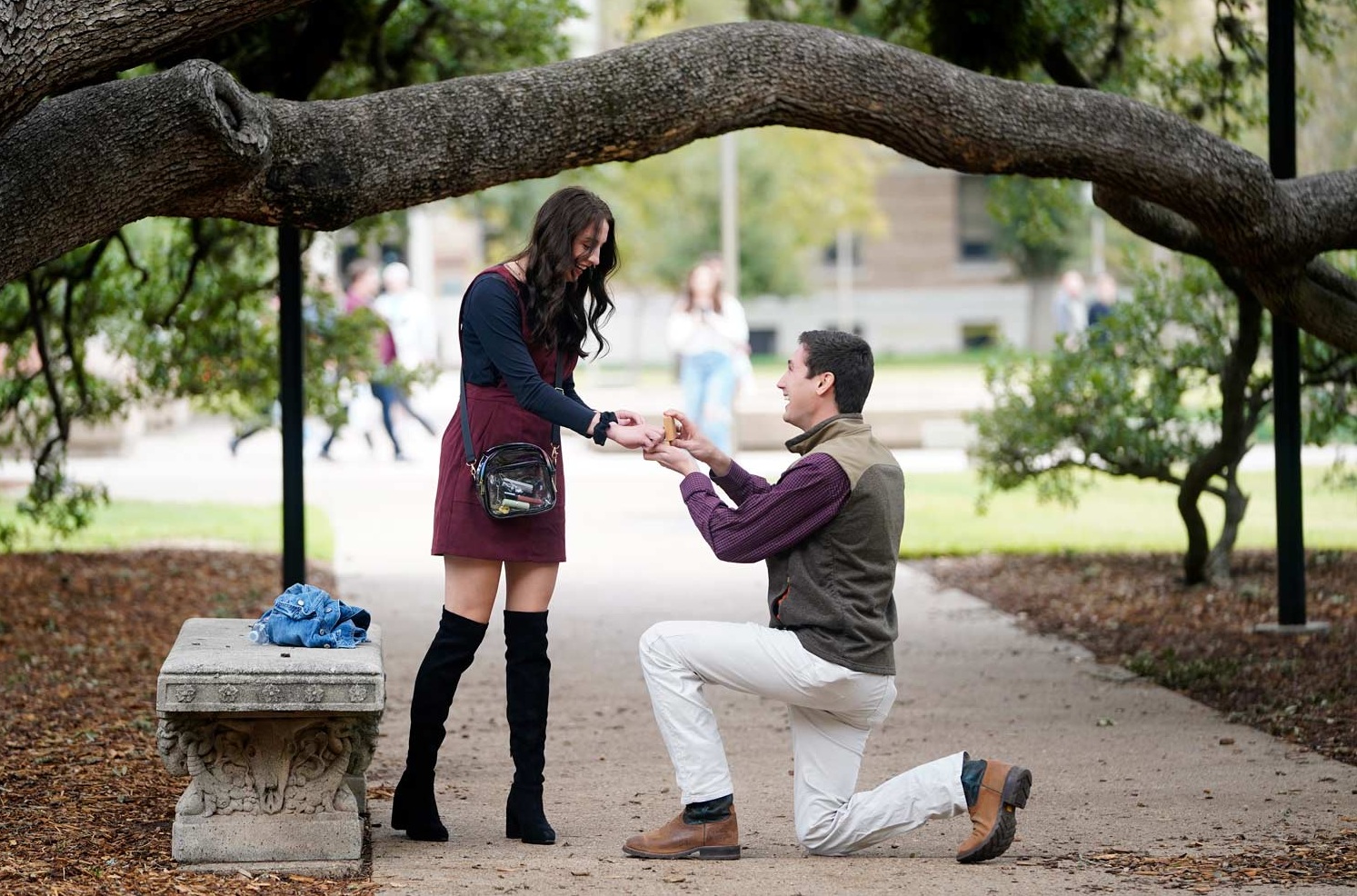
Medal of Honor recipient Matt Williams ’25 grew up in an Aggie household in Boerne, Texas, learning the value of hard work and service from his dad ’77. Matt was recognized at the Military Appreciation game as one of nine Aggie Medal of Honor recipients.
Read his story:… pic.twitter.com/F1RKUtqm9r
— Texas A&M University (@TAMU) November 25, 2025
Standards Minnesota | Tax-Exempt Bond Compliance
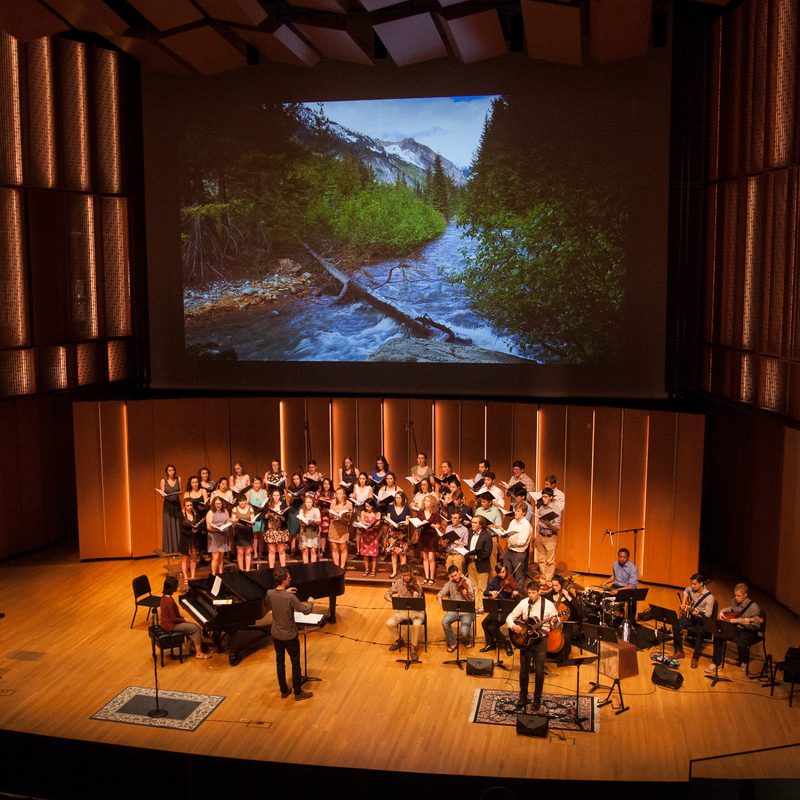

From picnics on the Bald Spot to campus architecture tours to a newly dedicated football field, this year’s Family Weekend was one to remember! Here are just a few of our favorite moments 💛💙https://t.co/gSFXmYwCVp pic.twitter.com/KvFFrtqKnc
— Carleton College (@CarletonCollege) October 19, 2022
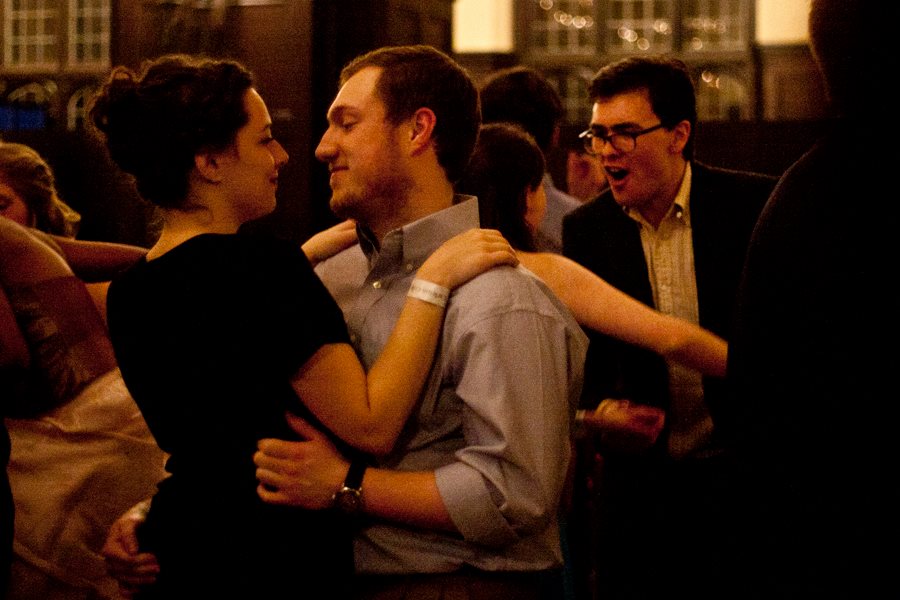

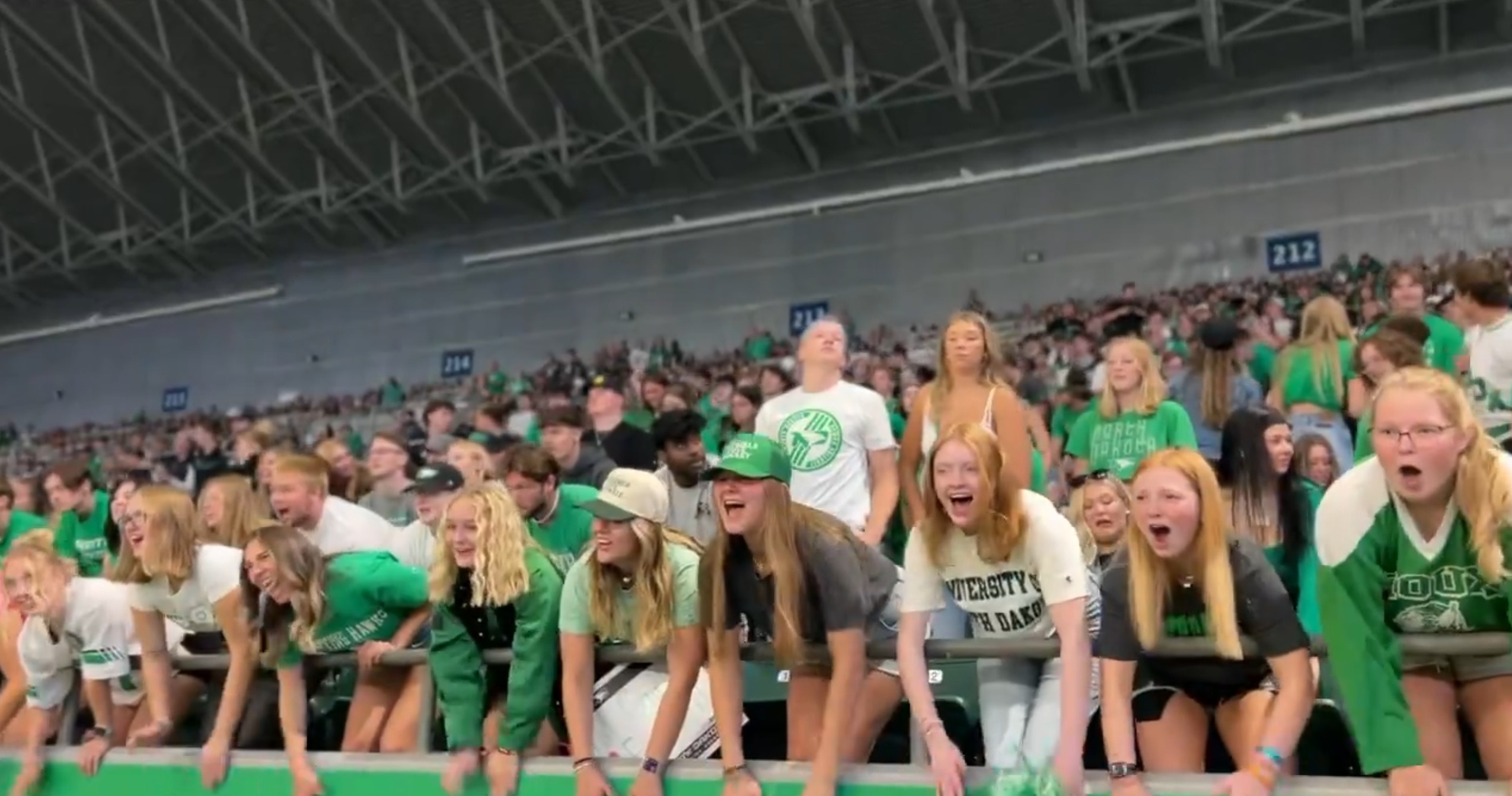
Student Musicians Perform Backyard Concerts | University of North Dakota@UofNorthDakotahttps://t.co/mOy8oKr6Ke pic.twitter.com/X8gobawkrQ
— Standards Michigan (@StandardsMich) June 24, 2023
While there isn’t a universally standardized pizza that everyone agrees upon, certain types of pizza have become iconic and widely recognized. Some of these include:
Margherita Pizza: This classic pizza features tomato sauce, fresh mozzarella cheese, fresh basil, and a drizzle of olive oil. It’s named after Queen Margherita of Italy.
Pepperoni Pizza: Topped with tomato sauce, mozzarella cheese, and slices of pepperoni (a cured pork and beef sausage).
Margarita Pizza: Similar to the Margherita, but without the basil. It typically has tomato sauce, fresh mozzarella, and sometimes a drizzle of olive oil.
Neapolitan Pizza: This style originated in Naples, Italy. It has a thin, soft, and chewy crust with simple and fresh ingredients like San Marzano tomatoes, mozzarella, fresh basil, and olive oil.
New York Style Pizza: Characterized by its large, foldable slices with a thin and flexible crust. It’s often topped with tomato sauce and mozzarella cheese.
Chicago Deep-Dish Pizza: Known for its thick crust, this pizza has layers of cheese, toppings, and tomato sauce. It’s baked in a deep pan, resulting in a substantial and hearty pizza.
Sicilian Pizza: Square-shaped and thick-crusted, Sicilian pizza is often topped with tomato sauce, mozzarella, and various toppings.
California Pizza: Often associated with innovative and non-traditional toppings, California-style pizza might include ingredients like barbecue chicken, goat cheese, arugula, and more.
North Dakota doesn’t have one iconic, universally recognized “official” pizza style that the whole country talks about. The state is more known for hearty, loaded, comfort-food pizzas that reflect Midwestern tastes — generous toppings, practical portions, and creative local twists. Pizza here often leans toward heavily topped pies (think “the more toppings, the better”), with locals frequently praising places that pile on ingredients rather than keeping things minimalist.
Overall, North Dakota pizza is more about satisfying, no-fuss, topping-heavy eats that pair perfectly with cold winters than about rigid “style” rules.
Next week, @kipras_r and I will be at Como – Optical Probes 2023 conference to try some authentic Italian pizza. If you'd like to meet up, drop me a message or simply catch us at the conference! See you there! #OpticalProbes2023 #femtoinfluencer @light_con pic.twitter.com/7vdMCFaOfN
— Greta Bučytė (@GretaBucyte) September 5, 2023

Construction keeps on rocking and rolling on our campus. Soon, music will be filling the halls of the Surack-Sweetwater Music Industry Building. pic.twitter.com/us9Ppj7fNO
— Purdue University Fort Wayne (@purduefw) June 4, 2026
C
MSU’s Extension’s Beef Production program supports Michigan’s beef industry through research, education, and outreach to enhance producer profitability, sustainability, and quality of life. It focuses on key areas like nutrition, genetics, grazing management, health, reproduction, and economics. Notable efforts include advancing grass-fed beef systems, feedlot management, and beef x dairy crossbreeding.
Conducted at facilities such as the Lake City and Upper Peninsula Research Farms, the program offers workshops, resources (e.g., pricing tools, disease prevention guides), and youth education via 4-H market beef projects and family recipes.
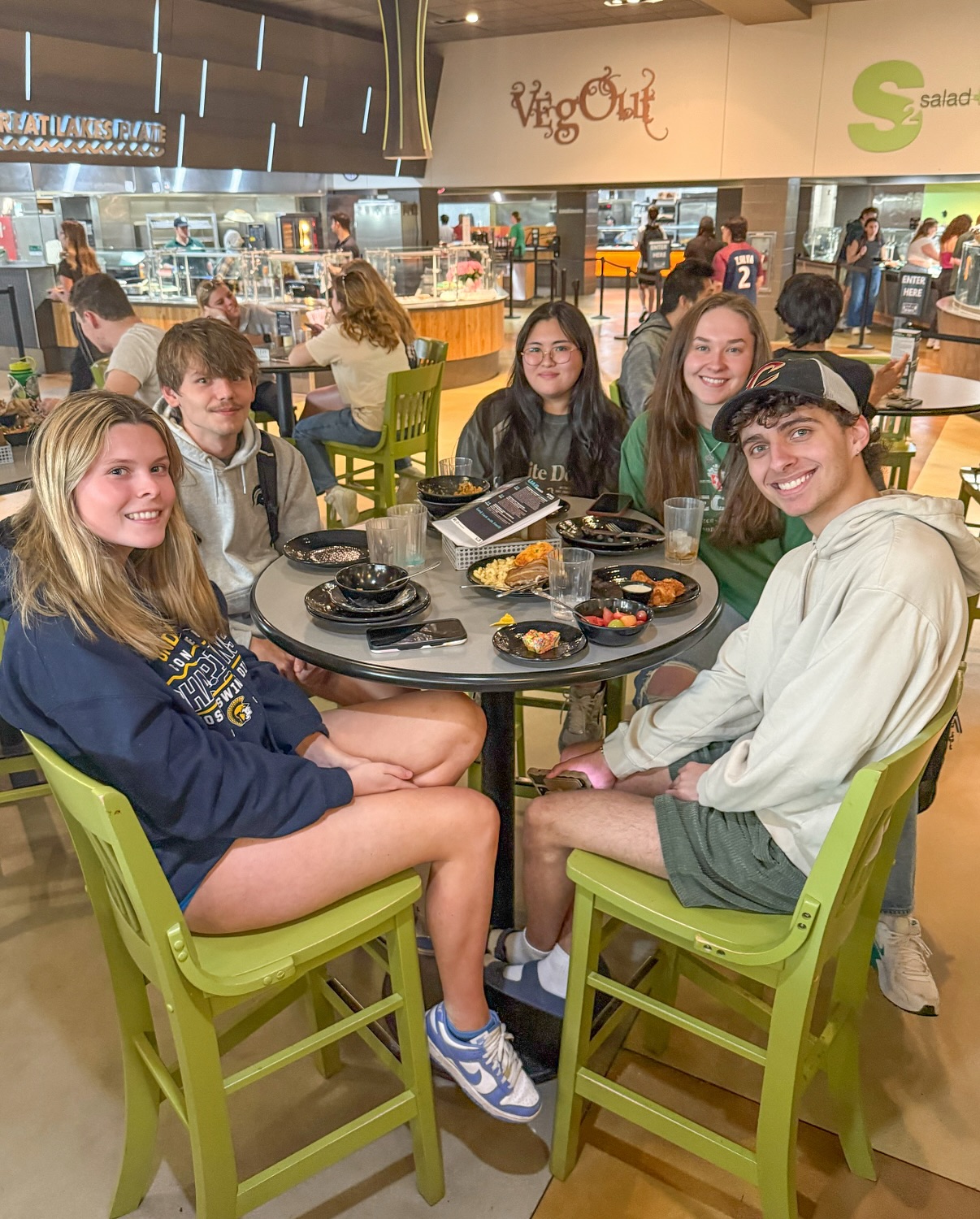
Our Master Gardeners are wrapping up a great educational tour of Alberta and British Columbia, Canada. They participated in learning opportunities at Canadian National Parks, agricultural sites, and gardens, and gained a better understanding of Indigenous and Asian cultures. pic.twitter.com/47jcrlYJfv
— MSU Extension (@MSUExtension) July 30, 2024

“The All-Campus Radio Network, known as ACRN Media, is Ohio University’s student-run radio station. Founded in 1971, we’ve evolved over the past 50-plus years into a media hub, producing visual, editorial and audio content in addition to radio and live music shows. ACRN Media has several departments working together to foster discussion, interaction and participation within accepting popular and DIY music cultures.”

Athens County Live Audio Feeds
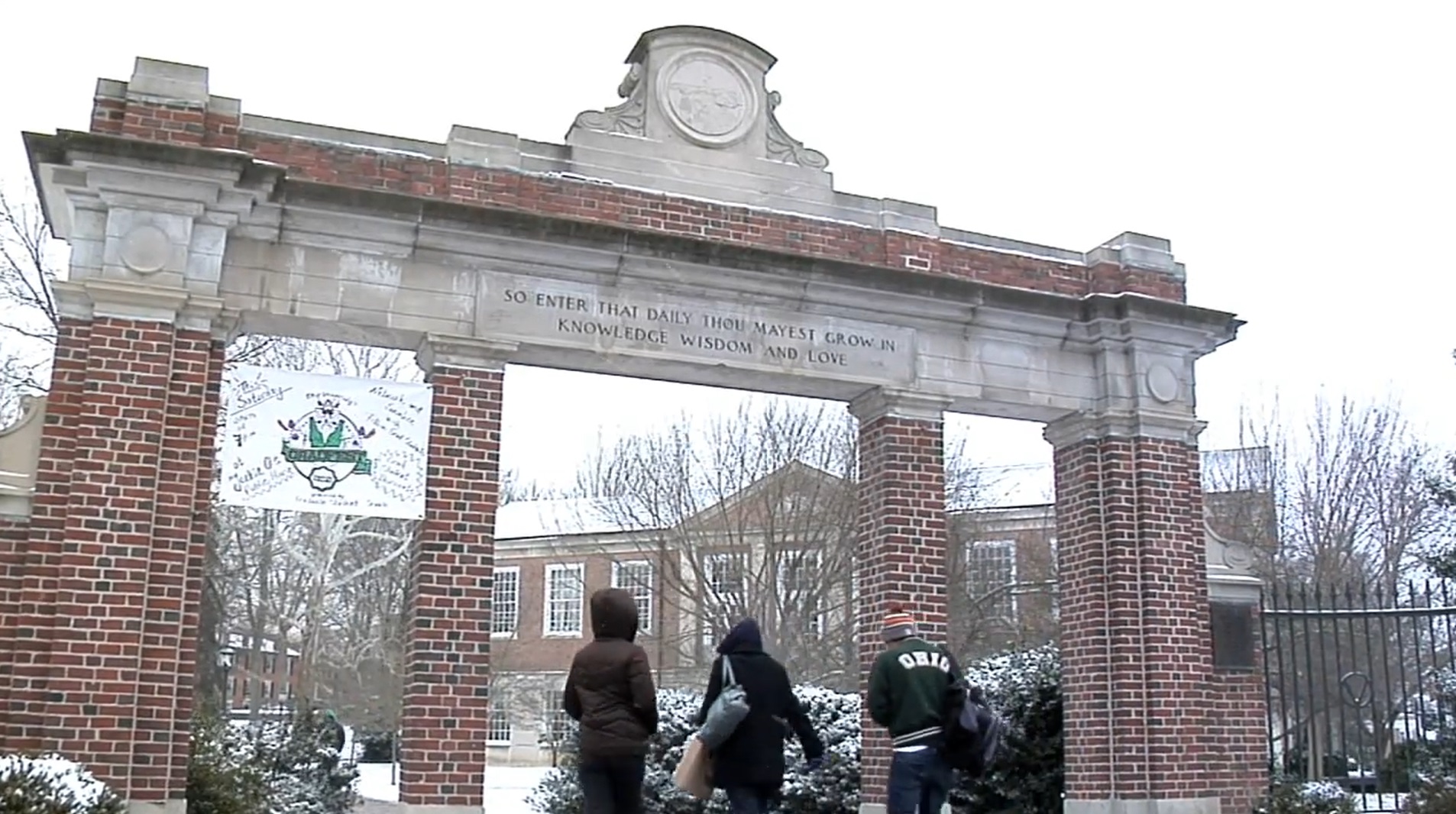
Ohio University | Athens County
We hope you’re soaking up the last couple weeks of the semester, Bobcats 🌷 pic.twitter.com/c9tuUIyM5N
— OHIO Chaddock + Morrow College of Fine Arts (@OHIOFineArts) April 20, 2026
New update alert! The 2022 update to the Trademark Assignment Dataset is now available online. Find 1.29 million trademark assignments, involving 2.28 million unique trademark properties issued by the USPTO between March 1952 and January 2023: https://t.co/njrDAbSpwB pic.twitter.com/GkAXrHoQ9T
— USPTO (@uspto) July 13, 2023
Standards Michigan Group, LLC
455 East Eisenhower Parkway, Suite 300
Ann Arbor, MI 48108 USA
888-748-3670
 |
 |
|
 |
 |
|
 |
 |