This content is accessible to paid subscribers. To view it please enter your password below or send mike@standardsmichigan.com a request for subscription details.
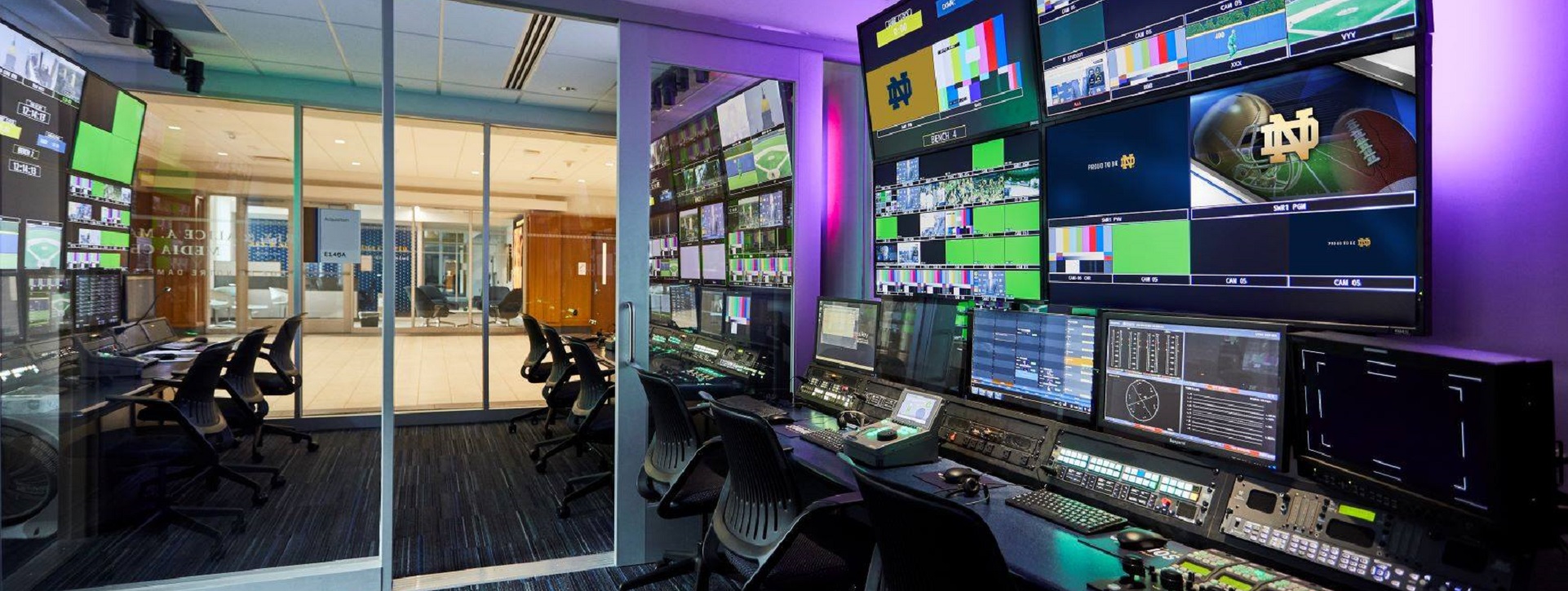
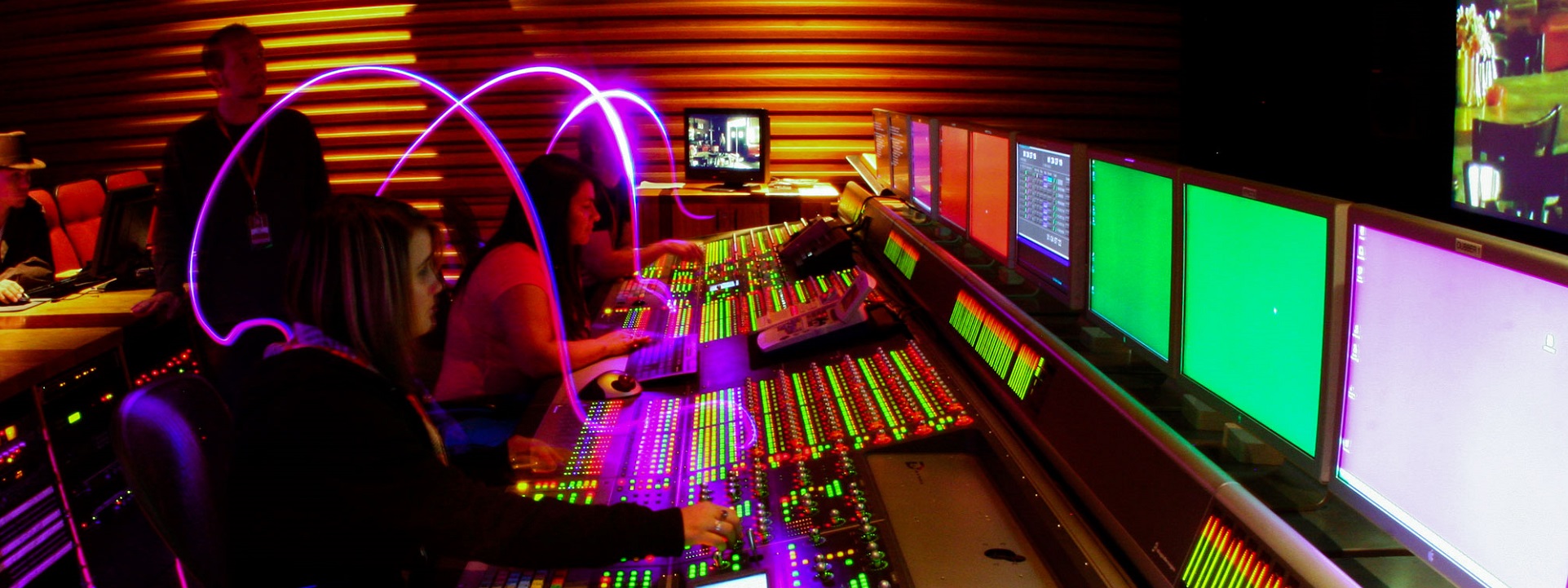
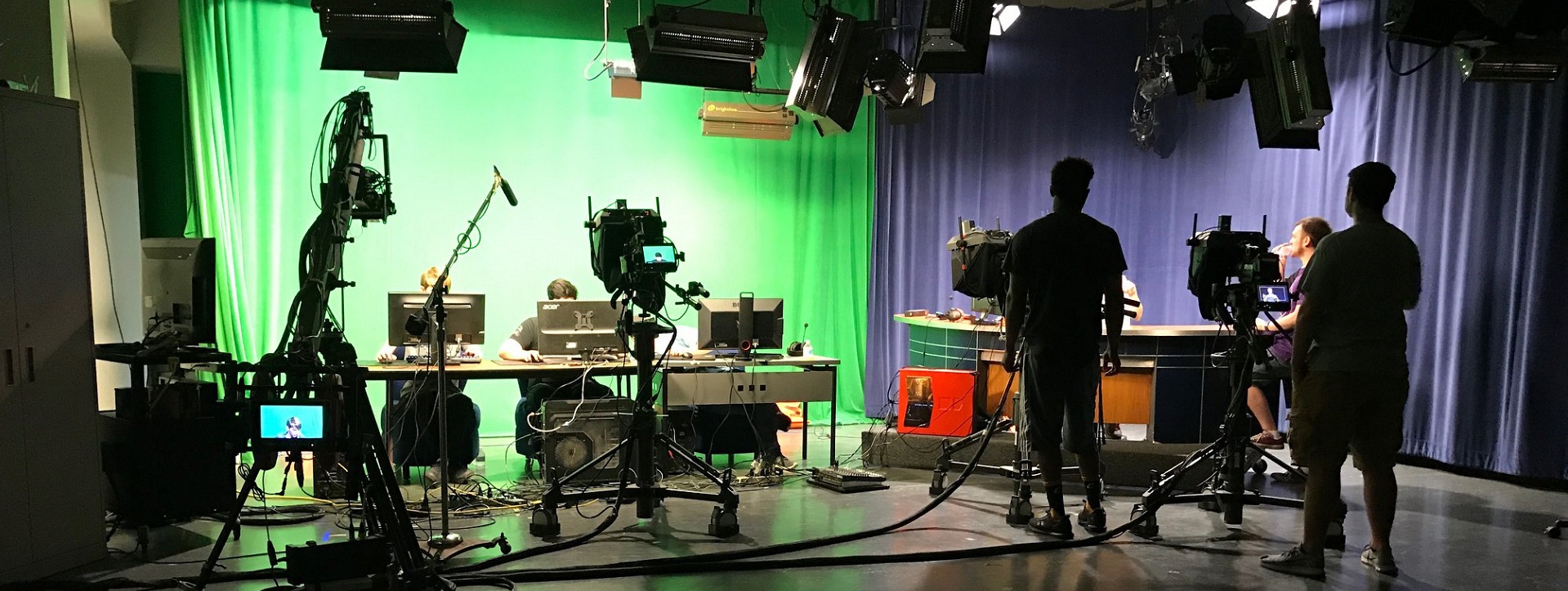
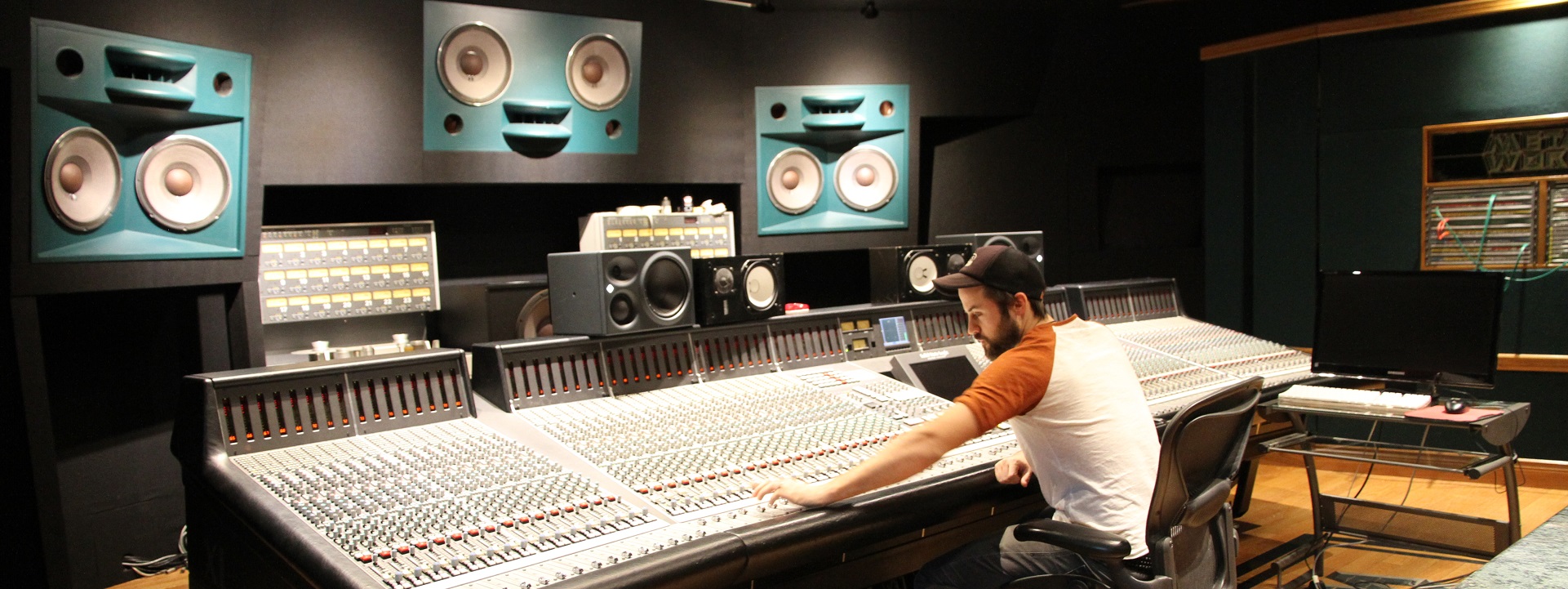
Slowly (perhaps) but surely, universities have morphed into media companies. The standards ecosystem spans electrical engineering, networking, acoustics, lighting, interoperability, and cybersecurity. Today at the usual hour we sort through the technical standards that make these enterprises safe and sustainable. Use the login credentials at the upper right of our home page.
University of Notre Dame | St. Joseph County Indiana
The standards ecosystem spans electrical engineering, networking, acoustics, lighting, interoperability and cybersecurity. Today, at the usual hour, we sort through the technical standards that make these enterprises safe and sustainable. Use the login credentials at the upper right of our home page.
The most relevant standards organizations are:
Society of Motion Picture and Television Engineers (SMPTE)
Audio Engineering Society (AES)
Advanced Media Workflow Association (AMWA)
Video Services Forum (VSF)
IEEE Standards Association
National Electrical Code (NFPA 70)
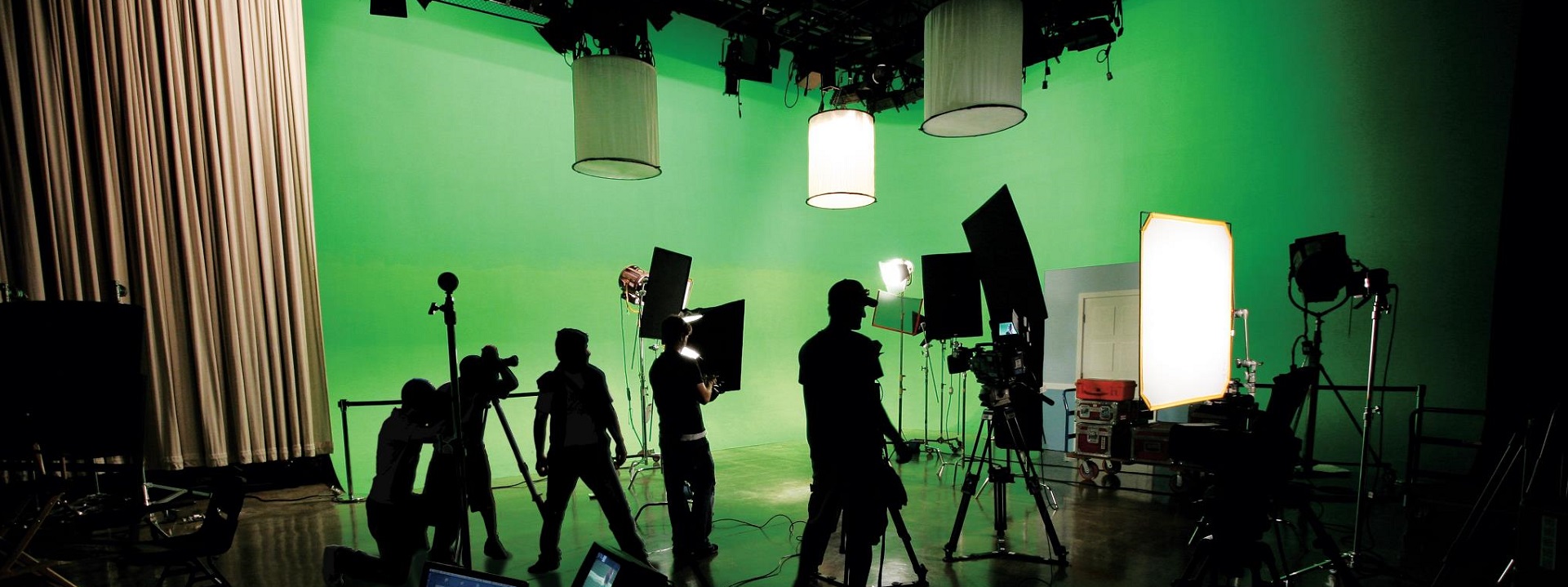
For campus engineers, the dominant broadcast transport standard is SMPTE 2110 which replaces traditional SDI wiring with Ethernet/IP networks while maintaining frame-accurate synchronization.
The standard encompasses:
Uncompressed video transport
PCM audio transport
Timing through IEEE 1588 Precision Time Protocol (PTP)
Metadata
Subtitles and captions
Traffic shaping
Synchronization across production networks
SMPTE ST 2110 has become the foundation for modern broadcast facilities. Instead of simply televising football games, many institutions now produce:
Linear television
ESPN+ productions
Conference network programming
Documentaries
Recruiting content
Podcasts
Social media
NIL athlete content
Instructional programming
The engineering challenge is therefore much broader than installing cameras.
“ I think that the theater is the initial glamorizer of thought; where it can be told – without too much disguise but without too much directness either – the secrets, and thereby its antipathies and sympathies – the secrets and the knowledge of the human heart…
…I think that makes the art of the theater as important as the doctor or the psychologist or the Minister…
…I think it’s vitally important that the world knows itself and I think the theater is one of the most immediate means of expression towards that end…”
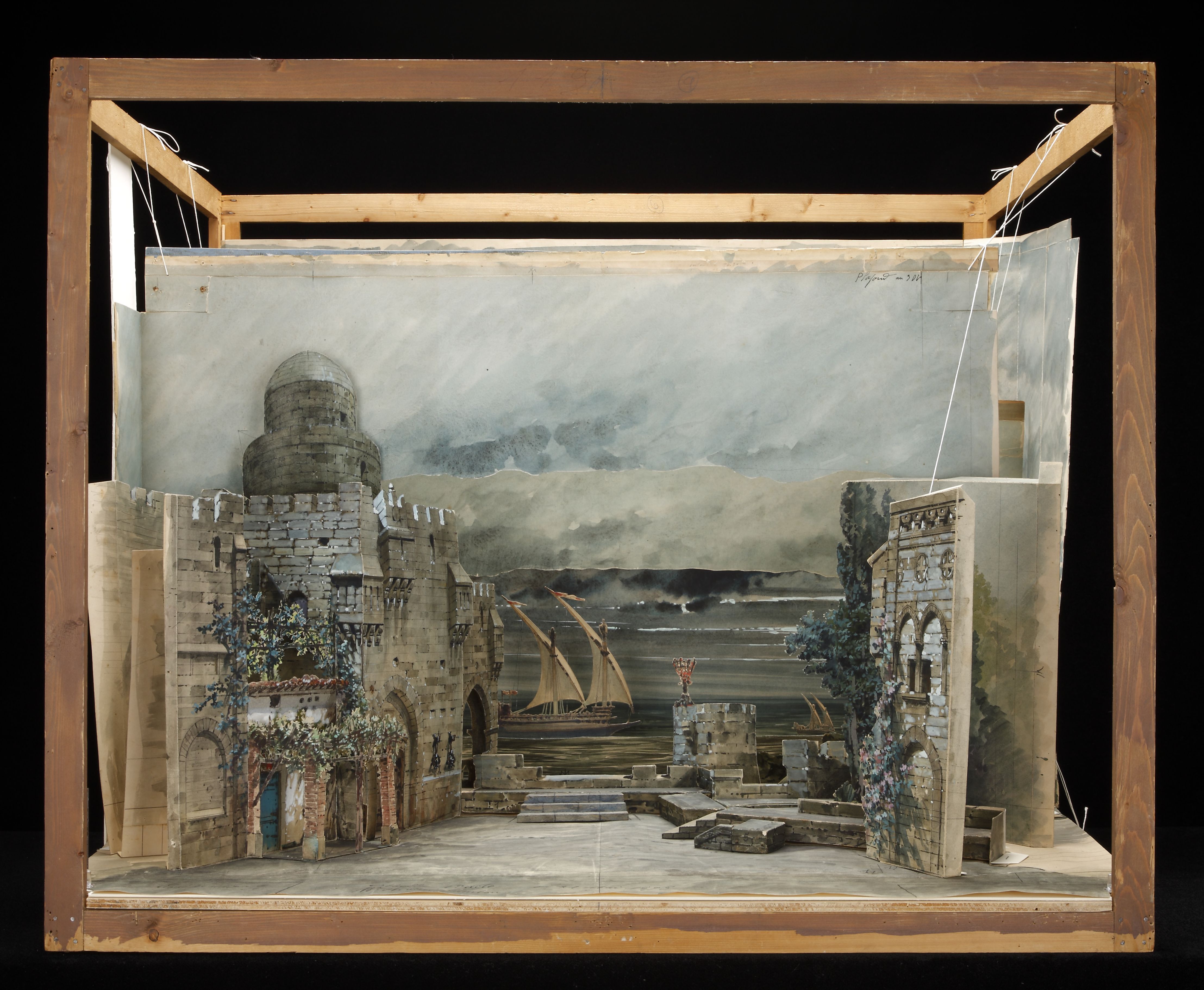
Set design model by Marcel Jambon for an 1895 Paris production of Giuseppe Verdi’s Otello
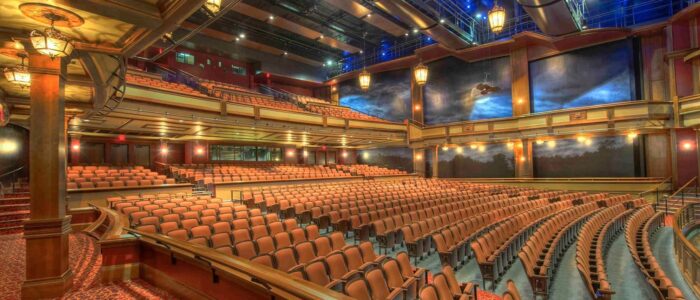
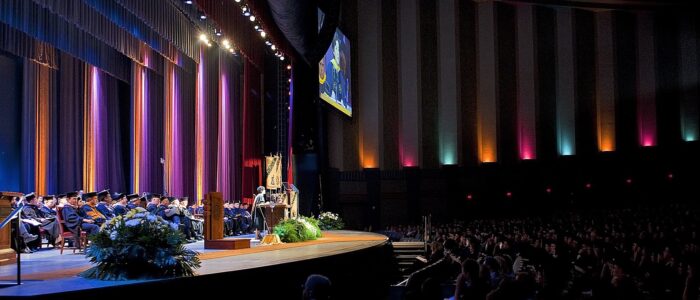
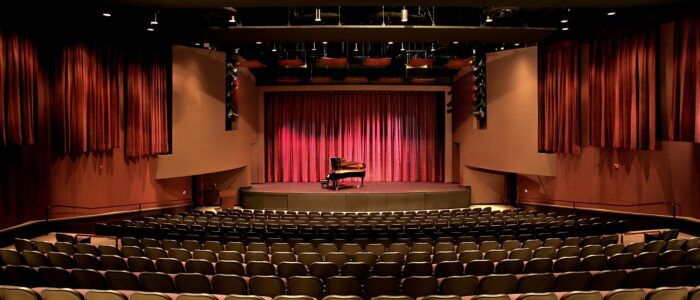
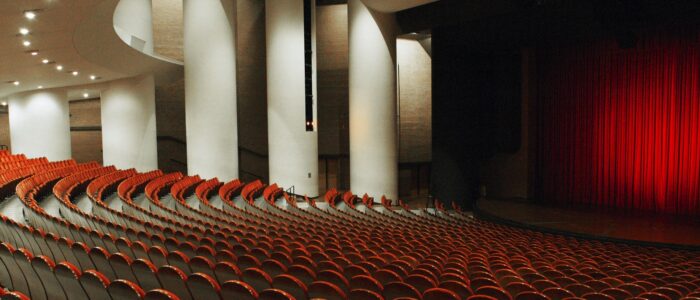
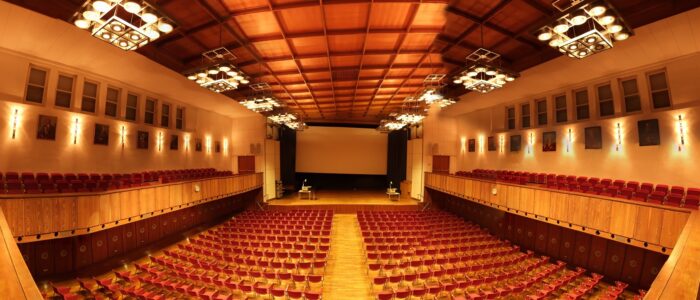
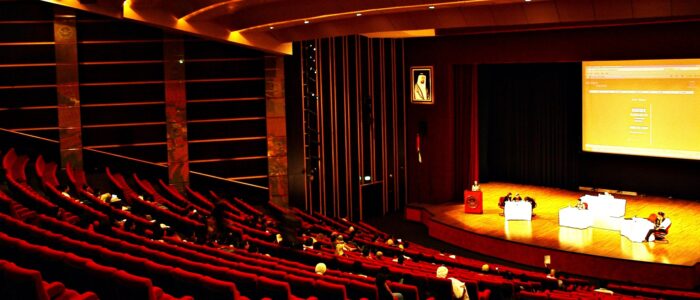
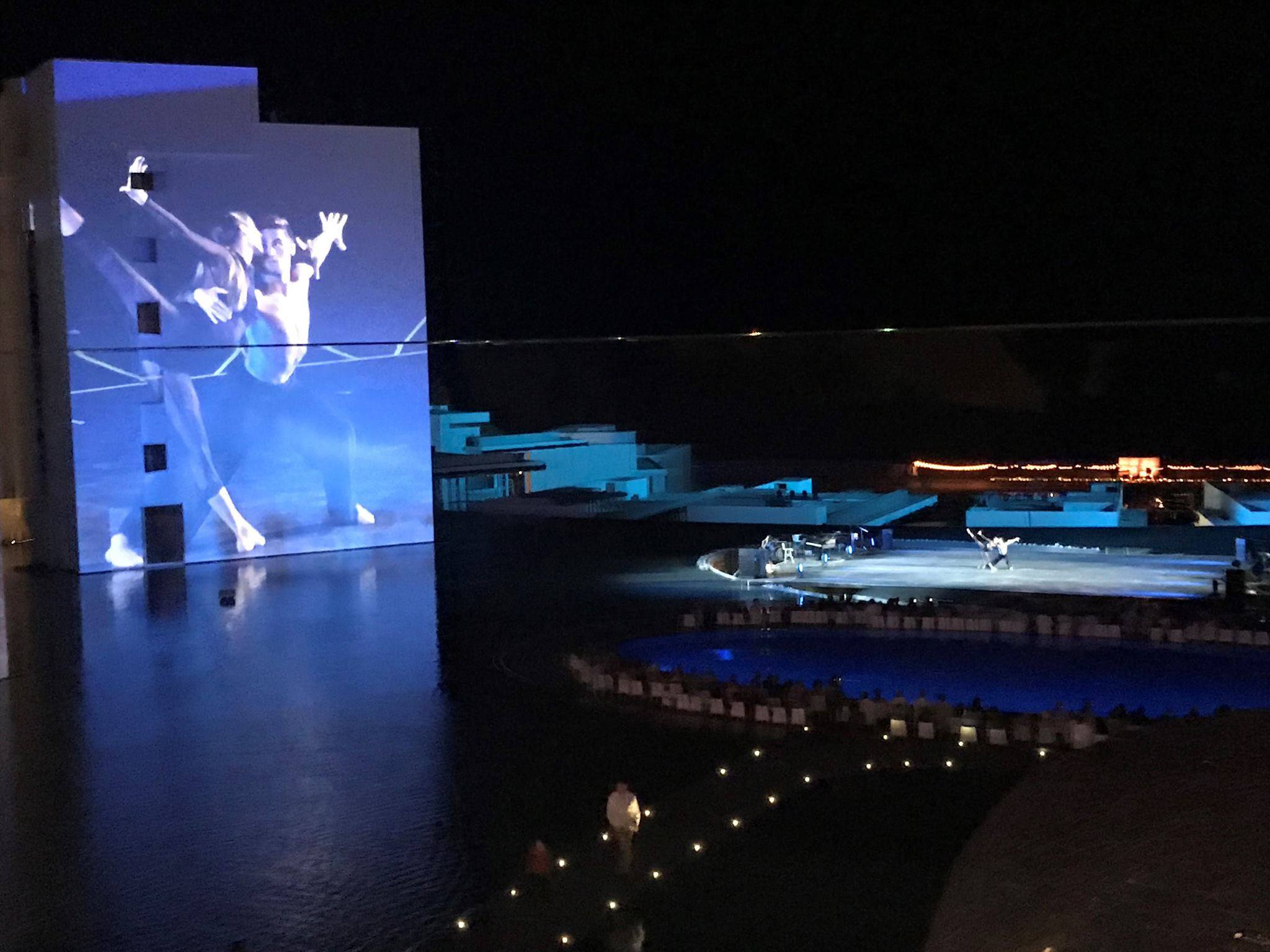
Demand for live events in college towns — what is now called “entertainment content” — is gathering pace; owed somewhat to an older demographic that prefers expanded social interaction to the online entertainment offerings that the younger demographic prefers*. We see an expansion of the market in the construction of architecturally astonishing buildings; though the circumstances of pandemic has changed everything.
Today our interest lies in the complex safety and sustainability characteristics of the physical infrastructure — with particular interest in the fire protection, environmental air and electrotechnologies required to make them safe and sustainable. This facility class is far more complicated technologically and operates at significantly higher risk than, say, classrooms or office space.
The Entertainment Services and Technology Association is one of the first names in trade associations that support the ‘business of show business’ through networking, safe practices, education, and representation. We follow the standards making activity of its technical committees and monitor public commenting opportunities. ESTA releases markups of its consensus products for public comment at a fairly brisk pace on its standards development landing page:
You may obtain an electronic copy at the link above, along with a comment form. Send your comments to Karl Ruling, (212) 244-1505, standards@esta.org with an optional copy to psa@ansi.org). We encourage our colleagues in school districts and in colleges and universities large and small; with responsibilities for the safety and sustainability of cultural resource properties, media centers, performance venues to participate in the ESTA technical standards development program.
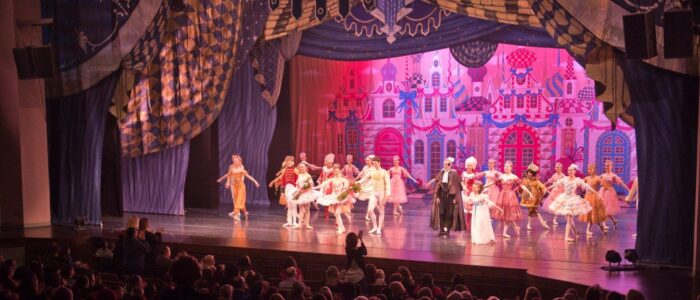
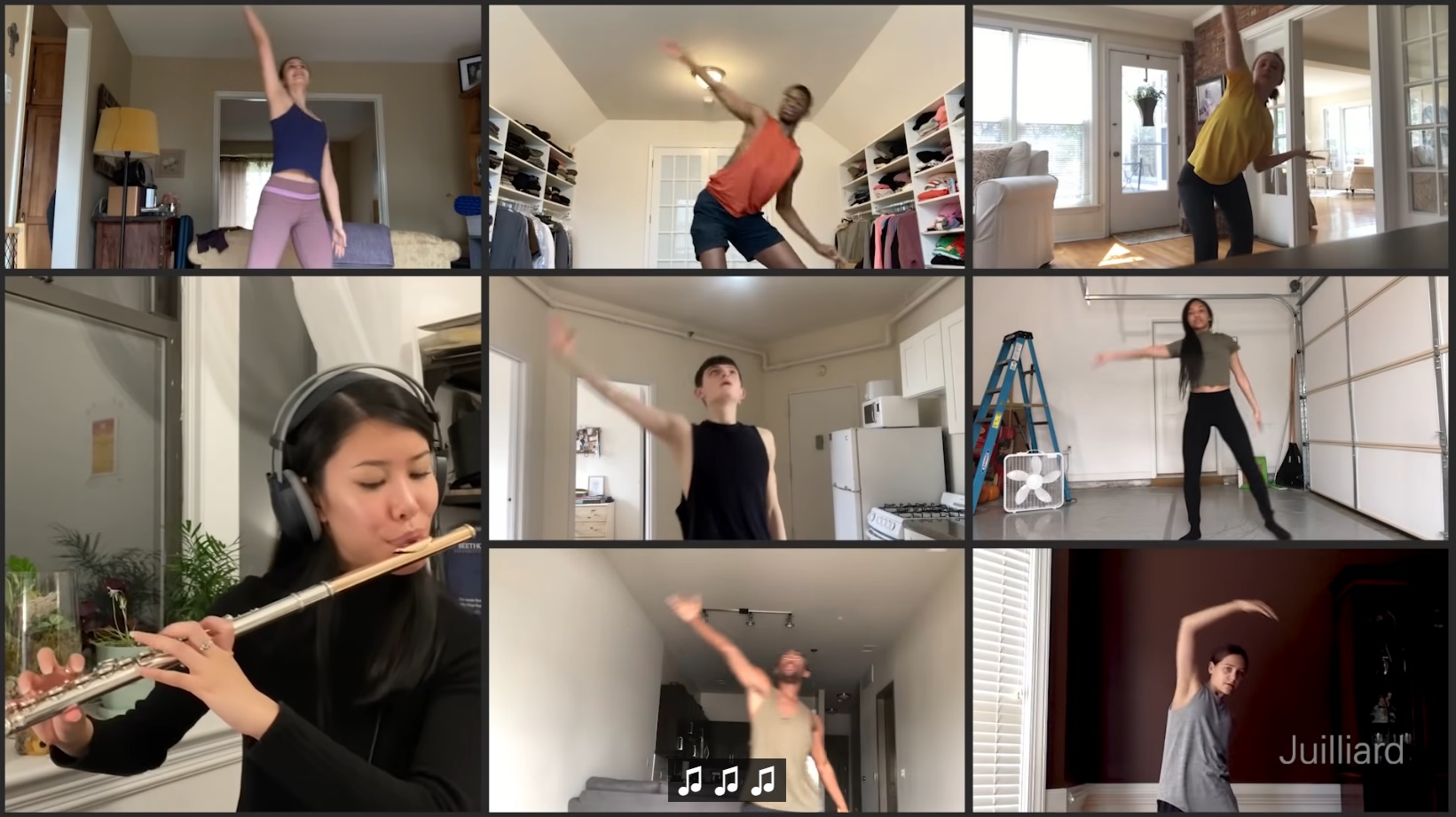
Glorya Kaufman School of Dance / University of Southern California
We keep the ESTA suite on the standing agenda of our Lively Arts colloquia; open to everyone. See our CALENDAR for the next online meeting.
Since the electrotechnologies for the lively arts have evolved into complex, interoperable systems we also collaborate with the IEEE Education & Healthcare Facilities Committee on technical specifics. That committee meets online four times per month in European and American time zones.
“We’re all actors: We all play different roles in different situations.”
Marlon Brando
Issue: [Various]
Category: Electrical, Infotech, Lively Arts,
Colleagues: Mike Anthony, Christine Fischer, Mike Hiler, Nehad El-Sherif
Education communities in every nation provide a locus for community cultural art production, enjoyment and instruction. It is both a consumer and producer; with the expansion of massive open online curricula drawing from the best practices conveyed from the visual arts.
One of the first names in this domain is the Society of Motion Picture and Television Engineers that support the technical framework and global professional community that makes motion picture, television and professional media available for all humanity to enjoy for artistic, educational and social purposes. The landing pages for its standards development enterprise are linked below:
We maintain SMPTE titles on the standing agenda of our Lively Arts, Power, Fine Art and Infotech colloquia. We also collaborate with the IEEE Education & Healthcare Facilities Committee which meets 4 times monthly in European and American time zones. See our CALENDAR for the next online meetings; open to everyone.
Issue: [Various]
Category: Academics, Seven Lively Arts Facilities, Electrical, Telecommunication
Contact: Mike Anthony, Sanne Clare Anthony, Jim Harvey, Richard Robben
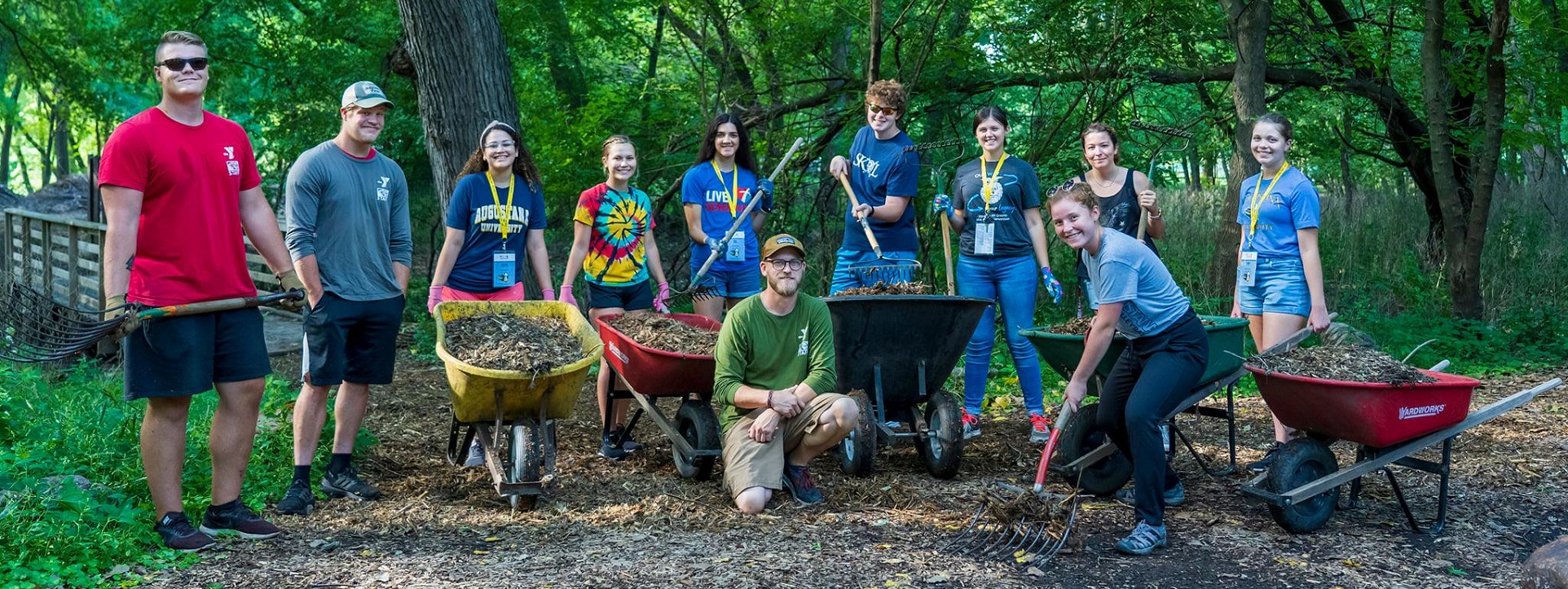
🔎 We spy some extra special visitors! Students of many ages attend summer camps on UAA’s Anchorage campus. From engineering and anthropology to real estate and journalism, there’s a camp for every interest. View the slideshow ▶️ https://t.co/8tAvPRKKzV. pic.twitter.com/s9fb4IfUDp
🖼️ The newly established UAA Art Collection Stewardship Fund aims to make UAA’s diverse art collection accessible to the public. Learn more and explore the public art gallery ▶️ https://t.co/T2i9CAFLuE! pic.twitter.com/q6Vpzp9AFB
Here is a list of key Standards Development Organizations (SDOs) and related bodies that develop or maintain facility safety, accessibility, and sustainability standards applicable to K-12 schools, including those serving special education students. These organizations create voluntary consensus standards, codes, and guidelines. Special education facilities emphasize accessibility (mobility, sensory, etc.), safety (egress, fire protection, security), and sustainability (energy efficiency, indoor air quality, resilience). Many of these standards are adopted into building codes or used as best practices.
International Code Council (ICC) Develops the International Building Code (IBC), International Fire Code (IFC), International Mechanical Code, and International Green Construction Code (IgCC). Includes provisions for educational occupancies, accessibility (via ICC A117.1), and safety features relevant to special education classrooms. Website:www.iccsafe.org
National Fire Protection Association (NFPA) Develops NFPA 101 (Life Safety Code) and NFPA 5000 (Building Construction and Safety Code). Covers fire safety, emergency planning, and provisions for occupants with disabilities. Website:www.nfpa.org
American National Standards Institute (ANSI) Accredits many SDOs and publishes standards like ANSI/ICC A117.1 (Accessible and Usable Buildings and Facilities). Critical for accessibility in special education spaces. Website:www.ansi.org
ASHRAE (American Society of Heating, Refrigerating and Air-Conditioning Engineers) Develops standards for indoor air quality (ASHRAE 62.1), energy efficiency (ASHRAE 90.1), and thermal comfort. Highly relevant for healthy learning environments in special education. Website:www.ashrae.org
U.S. Green Building Council (USGBC) / LEED Administers LEED for Schools rating system. Focuses on sustainability, energy, water, materials, and indoor environmental quality. Website:www.usgbc.org
Collaborative for High Performance Schools (CHPS) Develops the CHPS Criteria and rating system specifically for K-12 schools. Emphasizes health, safety, accessibility, and sustainability ideal for inclusive/special education environments. Website:www.chps.net
Other Notable Organizations and Guidelines
International Association of Accessibility Professionals (IAAP) and U.S. Access Board: Develop federal ADA Standards and guidelines for accessible design in schools.
ASTM International: Standards for materials, testing, and safety features.
Partner Alliance for Safer Schools (PASS): K-12-specific safety and security guidelines.
Additional Context
The Americans with Disabilities Act (ADA) and Individuals with Disabilities Education Act (IDEA) require accessible facilities; these reference the standards above. Many states adopt ICC/NFPA codes with amendments for schools and special education (e.g., universal design, sensory rooms). U.S. Access Board (ADA), ASTM International, and Partner Alliance for Safer Schools (PASS).
Four Year Institutions Offering Special Education Programs
Eastern Michigan University (EMU, Ypsilanti) — Strong K-12 Special Education BS endorsement programs (multiple categories like Cognitive Impairment, Emotional Impairment, Learning Disabilities). Offers undergraduate and graduate options.emich.edu
Michigan State University (MSU, East Lansing) — BA in Special Education with elementary certification + Learning Disabilities endorsement.education.msu.edu
Western Michigan University (WMU, Kalamazoo) — Expedited MA programs and bachelor’s/master’s in areas like Autism Spectrum Disorder, Emotional Impairment, Learning Disabilities.wmich.edu
Alma College (Alma) — BA in Special Education; expedited programs in Learning Disabilities, Cognitive Impairment, Emotional Impairment. Para-to-Pro pathway.alma.edu
Central Michigan University (CMU, Mount Pleasant) — Programs for Teachers of Students with Emotional Impairment (and others).cmich.smartcatalogiq.com
Ferris State University (Big Rapids) — Bachelor’s and master’s in special education (multiple endorsements).michigan.gov
Oakland University (Rochester) — Special Education endorsements (e.g., Emotional Impairment, Learning Disabilities, Autism).mdoe.state.mi.us
Wayne State University (Detroit) — Undergraduate/graduate special education with various specializations (Cognitive Impairment, etc.).specialeducationguide.com
University of Michigan-Flint — BS in Special Education.umflint.edu
Concordia University (Ann Arbor) — Online options for endorsements (e.g., Learning Disabilities) or initial certification + master’s.onlineinfo.cuaa.edu
Others: Grand Valley State University, Northern Michigan University, University of Michigan-Ann Arbor/Dearborn, Madonna University, Spring Arbor University, etc.
New update alert! The 2022 update to the Trademark Assignment Dataset is now available online. Find 1.29 million trademark assignments, involving 2.28 million unique trademark properties issued by the USPTO between March 1952 and January 2023: https://t.co/njrDAbSpwBpic.twitter.com/GkAXrHoQ9T