International Zoning Code

Loading
loading...

International Zoning Code

March 4, 2026
mike@standardsmichigan.com
, ,
No Comments

2025 Group B Proposed Changes to IZC | Complete Monograph for Changes to I-Codes (2630 pages)

National Association of County Engineers

The purpose of the code is to establish minimum requirements to provide a reasonable level of health, safety, property protection and welfare by controlling the design, location, use or occupancy of all buildings and structures through the regulated and orderly development of land and land uses within this jurisdiction.

CLICK IMAGE

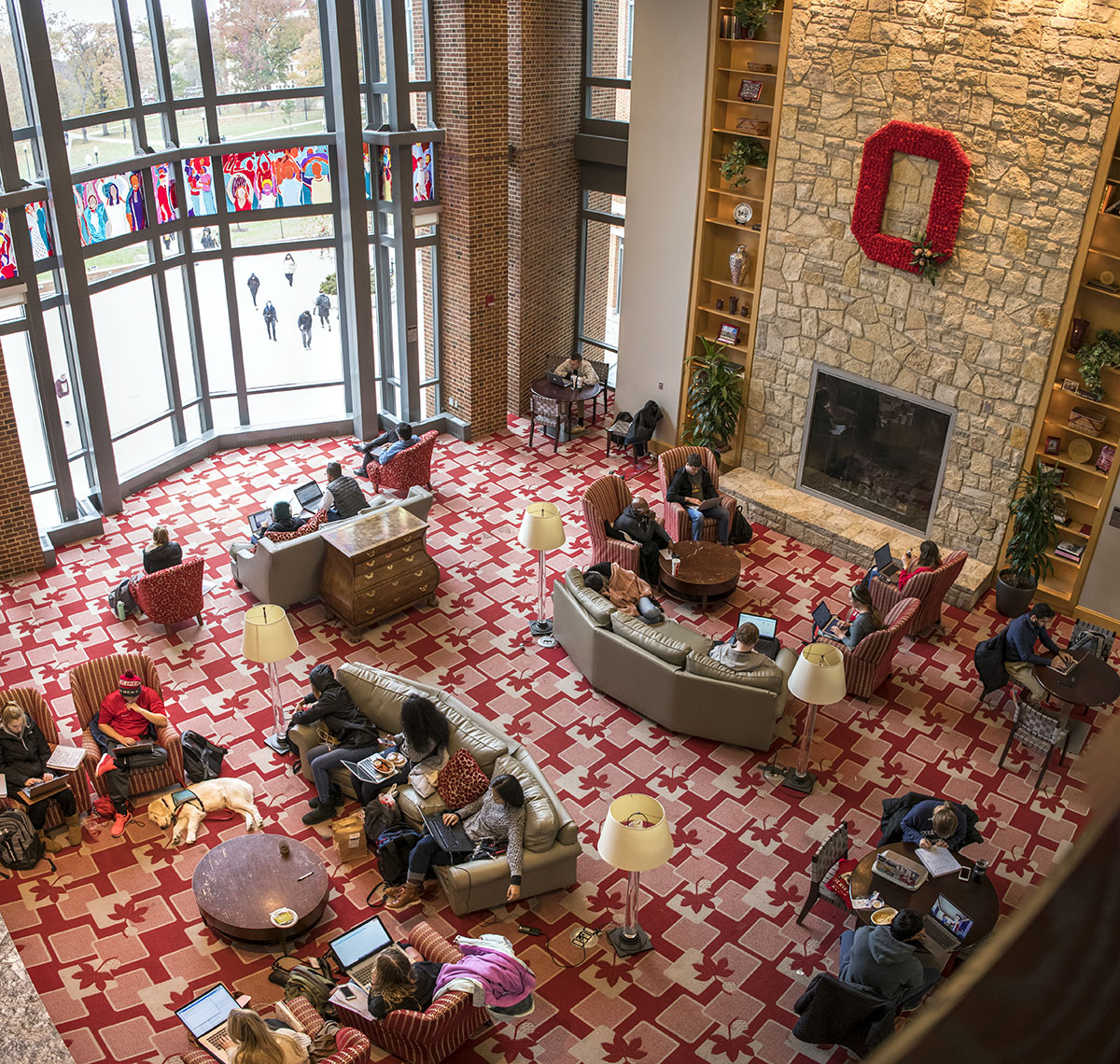
Municipalities usually have specific land use or zoning considerations to accommodate the unique needs and characteristics of college towns:

  1. Mixed-Use Zoning: Cities with colleges and universities often employ mixed-use zoning strategies to encourage a vibrant and diverse urban environment. This zoning approach allows for a combination of residential, commercial, and institutional uses within the same area, fostering a sense of community and facilitating interactions between students, faculty, and residents.
  2. Height and Density Restrictions: Due to the presence of educational institutions, cities may have specific regulations on building height and density to ensure compatibility with the surrounding neighborhoods and maintain the character of the area. These restrictions help balance the need for development with the preservation of the existing urban fabric.
  3. Student Housing: Cities with colleges and universities may have regulations or guidelines for student housing to ensure an adequate supply of affordable and safe accommodations for students. This can
    include requirements for minimum bedroom sizes, occupancy limits, and proximity to campus.
  4. Parking and Transportation: Given the concentration of students, faculty, and staff, parking and transportation considerations are crucial. Cities may require educational institutions to provide parking facilities or implement transportation demand management strategies, such as promoting public transit use, cycling infrastructure, and pedestrian-friendly designs.
  5. Community Engagement: Some cities encourage colleges and universities to engage with the local community through formalized agreements or community benefit plans. These may include commitments to support local businesses, contribute to neighborhood improvement projects, or provide educational and cultural resources to residents.

This is a relatively new title in the International Code Council catalog; revised every three years in the Group B tranche of titles.  Search on character strings such as “zoning” in the link below reveals the ideas that ran through the current revision:

Complete Monograph: 2022 Proposed Changes to Group B I-Codes (1971 pages)

We maintain it on our periodic I-Codes colloquia, open to everyone.  Proposals for the 2026 revision will be received until January 10, 2025.

2024/2025/2026 ICC CODE DEVELOPMENT SCHEDULE

We maintain it on our periodic I-Codes colloquia, open to everyone with the login credentials at the upper right of our home page.

The City Rises (La città che sale) | 1910 Umberto Boccioni


Related:

“What Happens When Data Centers Come to Town”

Signs, Signs, Signs

  1. Reed v. Town of Gilbert (2015): This Supreme Court case involved a challenge to the town of Gilbert, Arizona’s sign code, which regulated the size, location, and duration of signs based on their content. The court held that the sign code was a content-based restriction on speech and therefore subject to strict scrutiny.
  2. City of Ladue v. Gilleo (1994): In this Supreme Court case, the court struck down a municipal ordinance that banned the display of signs on residential property, except for signs that fell within specific exemptions. The court held that the ban was an unconstitutional restriction on the freedom of speech.
  3. Metromedia, Inc. v. San Diego (1981): This Supreme Court case involved a challenge to a San Diego ordinance that banned off-premises advertising signs while allowing on-premises signs. The court held that the ordinance was an unconstitutional restriction on free speech, as it discriminated against certain types of speech.
  4. City of Ladue v. Center for the Study of Responsive Law, Inc. (1980): In this Supreme Court case, the court upheld a municipal ordinance that prohibited the display of signs on public property, but only if the signs were posted for longer than 10 days. The court held that the ordinance was a valid time, place, and manner restriction on speech.
  5. City of Boerne v. Flores (1997): This Supreme Court case involved a challenge to a municipal sign code that regulated the size, location, and content of signs in the city. The court held that the sign code violated the Religious Freedom Restoration Act, as it burdened the exercise of religion without a compelling government interest.


MRS Degree

March 4, 2026
mike@standardsmichigan.com
,
No Comments

Dissertation | Standards North Dakota

ABSTRACT. As a collective, women’s experience in higher education has been disparate and differential to some men’s experience over the last two centuries, fundamentally based on the societal influences of the time. In the formative years of higher education women attended higher education institutions for social stratification reasons or for marital choice opportunities and to a lesser degree for college outcomes. This study’s purpose was to explore the current motivations of freshmen individuals who identified as female undergraduate students in their first year of pursuing a bachelor’s degree in higher education.

This study used a qualitative research design with semi-structured interviews of five undergraduate women at a mid-sized university campus in the Midwest United States. An initial pre-interview questionnaire was given to participants which provided background and demographic information to ensure an illustrative sample of undergraduate freshmen women who were pursuing a bachelor’s degree.

Considering societal changes for the advancement of women using a historical lens, this study used qualitative research methods to articulate what the current motivations and influences are for women who enroll in higher education in contemporary society. By listening to the women’s stories college going was seen as a viable and important next step in their life journey helping them to achieve their personal and professional goals and aspirations. Both K-12 and post-secondary practitioners and administrators can learn through their voices what matters most to them as they seek to fulfill their personal aspirations for a career to make a difference while having a better life not only for themselves but also for those who they plan to influence through their careers and with their future families.

By understanding women’s motivations for higher education credentials, institutional supports can be developed to foster a deeper understanding of women, as students, in higher education. With this knowledge, K-12 and post-secondary educators and leaders can design pre-college academic programs and student support services to facilitate student discovery built on the aspects that motivate female students to pursue the full higher education experience.

Related:

Homophily Michigan

Overcoming the Feminization of Culture

Family & Consumer Sciences

Related:

Third time’s the charm: The Michigan Marriage Pact returns to match students for a third year

University of Toronto: Why does everyone want a mid white boy?

Clark University: Love Isn’t Colorblind…

Columbia University Morningside Review: “Wouldn’t You Want to Marry a White Guy?”

Does racial diversity cause lower fertility?: Finding a spouse is harder when you are around genetic strangers

Boston College: E Pluribus, Pauciores (Out of Many, Fewer): Diversity and Birth Rates

Ring by Spring

March 4, 2026
mike@standardsmichigan.com
, , ,
No Comments

The Bachelor of Science in Family and Consumer Sciences  at Colorado State University prepares students to enhance individual, family, and community well-being through an interdisciplinary curriculum. The program offers two concentrations: Family and Consumer Sciences Education and Interdisciplinary FCS. The Education concentration trains students to become licensed middle or high school teachers, meeting Colorado’s teaching licensure requirements and boasting high job placement rates.
The Interdisciplinary concentration provides a broad foundation for careers in areas like counseling, advocacy, or community services, focusing on skills such as resource management, nutrition, and interpersonal relationships. Students engage in hands-on learning, including internships and student teaching, and benefit from nationally recognized faculty and professional development opportunities. The curriculum covers topics like personal finance, family systems, and wellness, equipping graduates to address real-world challenges. CSU’s program is accredited by the American Association of Family and Consumer Sciences, and students can pursue certification through the same organization.
best PTG

“One of the Family” 1880 | Frederick George Cotman

With a focus on leadership and civic engagement, the FCS degree ensures graduates are ready to make meaningful societal impacts. Scholarships and flexible online options are available, enhancing accessibility.

Related:

The De-Population Bomb

MaternityMetrix

Neonatal Care Units

How to Make Baby Food

Hegemon Cuyahoga & County Dublin

March 3, 2026
mike@standardsmichigan.com

No Comments

Financial Presentations & Webcasts

2025 Third Quarter Report

Here we shift our perspective 120 degrees to understand the point of view of the Producer interest in the American national standards system (See ANSI Essential Requirements).  The title of this post draws from the location of US and European headquarters.  We list proposals by a successful electrical manufacturer for discussion during today’s colloquium:

2026 National Electrical Code

CMP-1: short circuit current ratings, connections with copper cladded aluminum conductors, maintenance to be provided by OEM, field markings

CMP-2: reconditioned equipment, receptacles in accessory buildings, GFCI & AFCI protection, outlet placement generally, outlets for outdoor HVAC equipment(1)

(1) Here we would argue that if a pad mount HVAC unit needs service with tools that need AC power once every 5-10 years then the dedicated branch circuit is not needed.  Many campuses have on-site, full-time staff that can service outdoor pad mounted HVAC equipment without needing a nearby outlet.  One crew — two electricians — will run about $2500 per day to do anything on campus.

CMP-3: No proposals

CMP-4: solar voltaic systems (1)

(1) Seems reasonable – spillover outdoor night time lighting effect upon solar panel charging should be identified.

CMP-5: Administrative changes only

CMP-6: No proposals

CMP-7: Distinction between “repair” and “servicing”

CMP-8: Reconditioned equipment

CMP-9: Reconditioned equipment

CMP-10: Short circuit ratings, service disconnect, disconnect for meters, transformer secondary conductor, secondary conductor taps, surge protective devices, disconnecting means generally, spliced and tap conductors, more metering safety, 1200 ampere threshold for arc reduction technology, reconditioned surge equipment shall not be permitted, switchboard short circuit ratings

CMP-11: Lorem

CMP-12: Lorem

CMP-13: Lorem

Lorem ipsum

Facilities for Hire

March 2, 2026
mike@standardsmichigan.com

No Comments

Standards Wales (BSI Group) | Welsh Language Commissioner

“Our stunning location, combined with the wide range of facilities spread across 40 acres of grounds, makes Christ College Brecon the ideal venue for residential stays, sporting events, conferences, and special functions.  Nestled in the heart of the Brecon Beacons National Park, the site also offers opportunities for a wide range of exciting activities, including climbing, gorge walking, mountain biking, and pony-trekking within the local area.”

Facilities for Hire

Sacred Spaces

Ædificare & Utilization

March 2, 2026
mike@standardsmichigan.com
No Comments

New Construction Release Schedule: https://www.census.gov/construction/c30/release.html

Reports are usually released at 10 AM EST the first day of every month.


There’s been a significant redesign of the look and feel of the monthly Census Bureau reports construction activity. Today we sort through the rather more granular statistics that inform our recommendations for facility spend.


December 1, 2025

It has been 20 years since we began tracking educational settlement facility spend.  Starting this month we will examine federal government data together with the best available data about space utilization to enlighten our response to the perfectly reasonable question: “Are we over-building or under-building or building ineffectively”.  Use the login credentials at the upper right of our home page.

United States: Schools of Architecture

The Society for College and University Planning (Ann Arbor, Michigan)

National Center for Education Statistics

The Financial Impact of Architectural Design: Balancing Aesthetics and Budget in Modern Construction


Homeschooling

2022 International Existing Building Code 

  • University College London

As reported by the US Department of Commerce Census Bureau the value of construction put in place by August 2025 by the US education industry proceeded at a seasonally adjusted annual rate of $137.604 billionThis number does not include renovation for projects under 50,000 square feet and new construction in university-affiliated health care delivery enterprises.   Reports are released two months after calendar month.  The complete report is available at the link below:

MONTHLY CONSTRUCTION SPENDING August 2025 (released two months after calendar month)


This spend makes the US education facilities industry (which includes colleges, universities, technical/vocational and K-12 schools, most university-affiliated medical research and healthcare delivery enterprises, etc.) the largest non-residential building construction market in the United States after commercial property; and fairly close.  For perspective consider total public + private construction ranked according to the tabulation most recently released:

$137.604 billion| Education Facilities

$155.728 billion | Power

$69.625 billion | Healthcare

Keep in mind that inflation figures into the elevated dollar figures.  Overall — including construction, energy, custodial services, furnishings, security. etc., — the non-instructional spend plus the construction spend of the US education facilities is running at a rate of about $300 – $500 billion per year.

LIVE: A selection of construction cameras at  US schools, colleges and universities

Architectural Billings

We typically pick through the new data set; looking for clues relevant to real asset spend decisions.  Finally, we encourage the education facilities industry to contribute to the accuracy of these monthly reports by responding the US Census Bureau’s data gathering contractors.

Reconstruction of Ancient Agora


As surely as people are born, grow wealthy and die with extra cash,

there will be a home for that cash to sustain their memory and to steer

the cultural heritage of the next generation in beautiful settings.

More

National Center for Educational Statistics

AIA: Billings Index shows but remains strong May 2022

National Center for Education Statistics

Sightlines: Capital Investment College Facilities

OxBlue: Time-Lapse Construction Cameras for Education

Architectural Billing Index

IBISWorld Education Sector

US Census Bureau Form F-33 Survey of School System Finances

American School & University

New Report from Occuspace Finds U.S. Campuses Face Significant Underutilization

Global Consistency in Presenting Construction & Life Cycle Costs

Carnegie Classifications

Beef & Sour Cream

March 1, 2026
mike@standardsmichigan.com
,
No Comments

Standards Nebraska

Beef Stroganoff originated in 19th-century Russia, named after the wealthy Stroganov family (likely Count Pavel Alexandrovich or a relative). It first appeared in cookbooks like Elena Molokhovets’s “A Gift to Young Housewives” around the 1870s, featuring sautéed beef strips in a simple sauce of mustard, bouillon, and sour cream (smetana)—no mushrooms or onions in the earliest versions.

Russian aristocrats often employed French chefs, blending French techniques (like mustard seasoning and sautéing) with Russian ingredients (heavy sour cream). Legends claim it was created for a toothless count or due to frozen Siberian beef, but it’s likely a refined take on older Russian beef dishes. It spread globally after the 1917 Revolution via émigrés (so-called White Russians) that settled in Nebraska.

Thesis: The History of the German-Russian Colony in Lincoln (June 1909)

Beef Stroganoff over egg noodles

CLICK IMAGE FOR RECIPE

Standards NebraskaNebraska Extension


Iowa Variant

Welsh rarebit

March 1, 2026
mike@standardsmichigan.com
,
No Comments

What started as a tongue-in-cheek 18th-century English jest about Welsh poverty and cheese-loving habits has since found its way onto college town pub-fusion menus. Not a bit of rabbit in it.  The phylogenetic origin of Domino’s Stuffed Cheesy Bread.

Best Coffee Spots in Cardiff

LIVE: KAFA 97.7 FM | THE ACADEMY

March 1, 2026
mike@standardsmichigan.com
, , , , , ,
No Comments

Broadcast Club • United States Air Force Academy


Layout mode
Predefined Skins
Custom Colors
Choose your skin color
Patterns Background
Images Background
Standards Michigan
error: Content is protected !!
Skip to content