
Ruth Ann Musick Library
- Home Page 7


Dolce Vita
Standards West Virginia | 2024 Net Position $2.586B (Page 26) | Master Plans
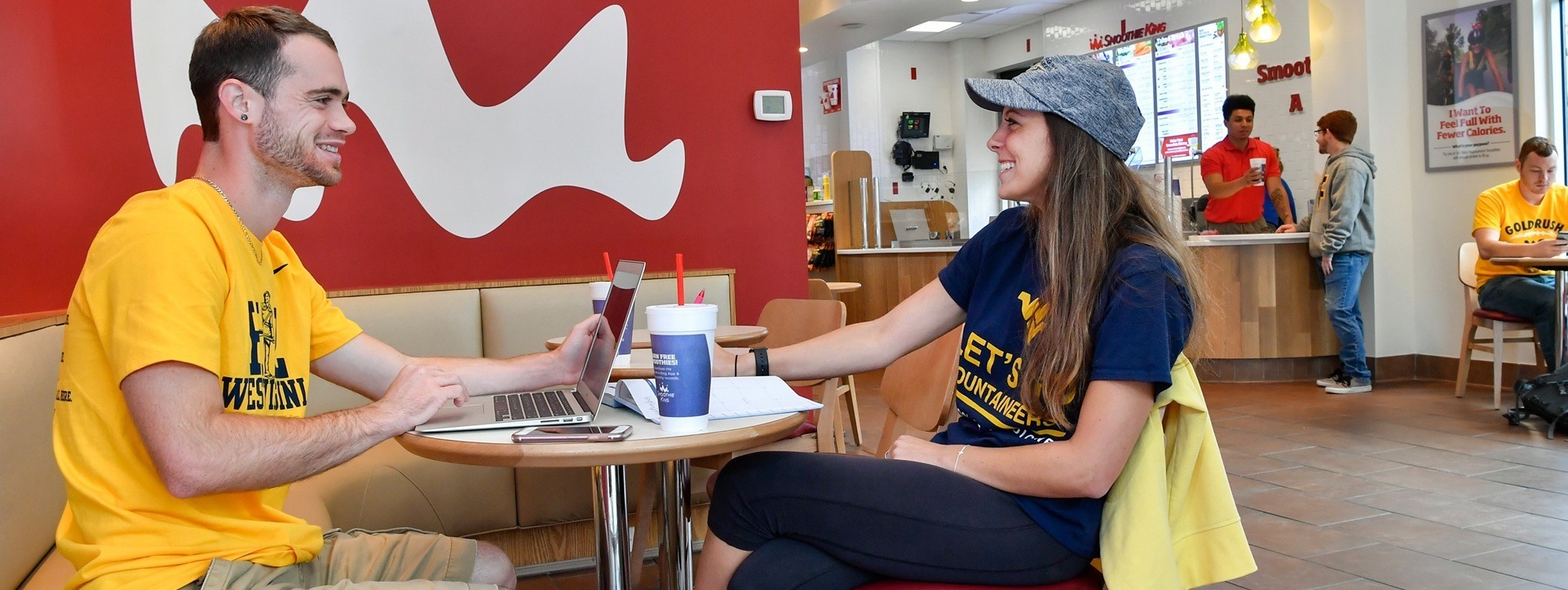
West Virginia University is integrated with the city of Morgantown in a way that shares some strong similarities with many European universities, though not identically in every aspect.
Many classic European universities (e.g., in cities like Oxford, Cambridge, Bologna, Paris/Sorbonne, Heidelberg, or Utrecht) are deeply embedded in their urban fabric. Buildings are often scattered throughout the historic city center, with lecture halls, libraries, and administrative spaces intermixed among shops, residences, cafes, and public streets rather than being confined to a walled-off or peripheral “campus.”
In Morgantown the university and city feel like one continuous, walkable entity — the institution essentially helped shape or co-evolved with the town over centuries, creating a seamless “town-gown” blend where university life spills directly into city life and vice versa.
West Virginia University Drinking Water Sanitation Program
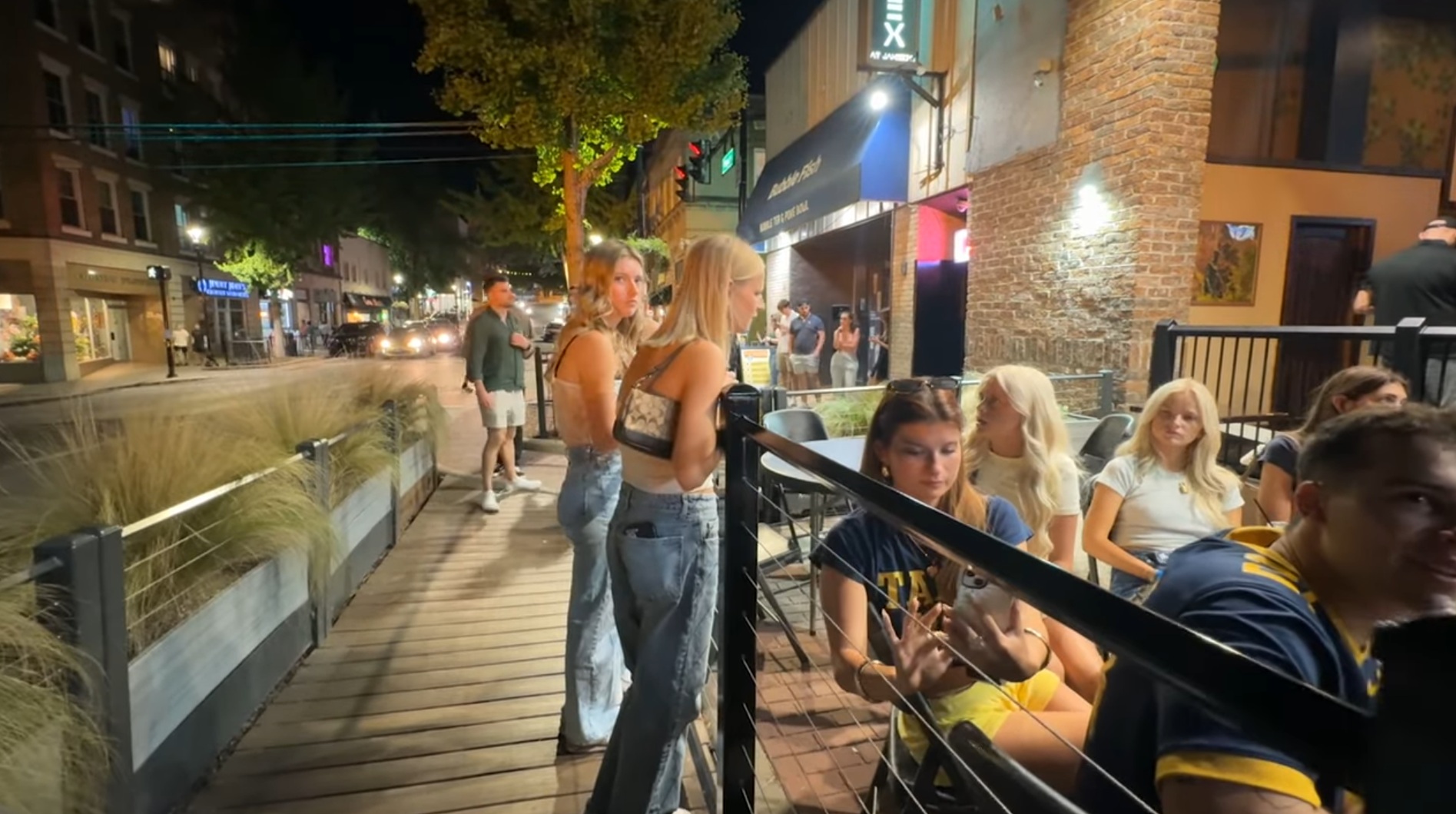
Did you grab a photo tonight with one of our four Mountaineer finalists? 🤳 pic.twitter.com/99fXWs5lF2
— WVU Mountaineers · Let’s Go! (@WestVirginiaU) February 19, 2026
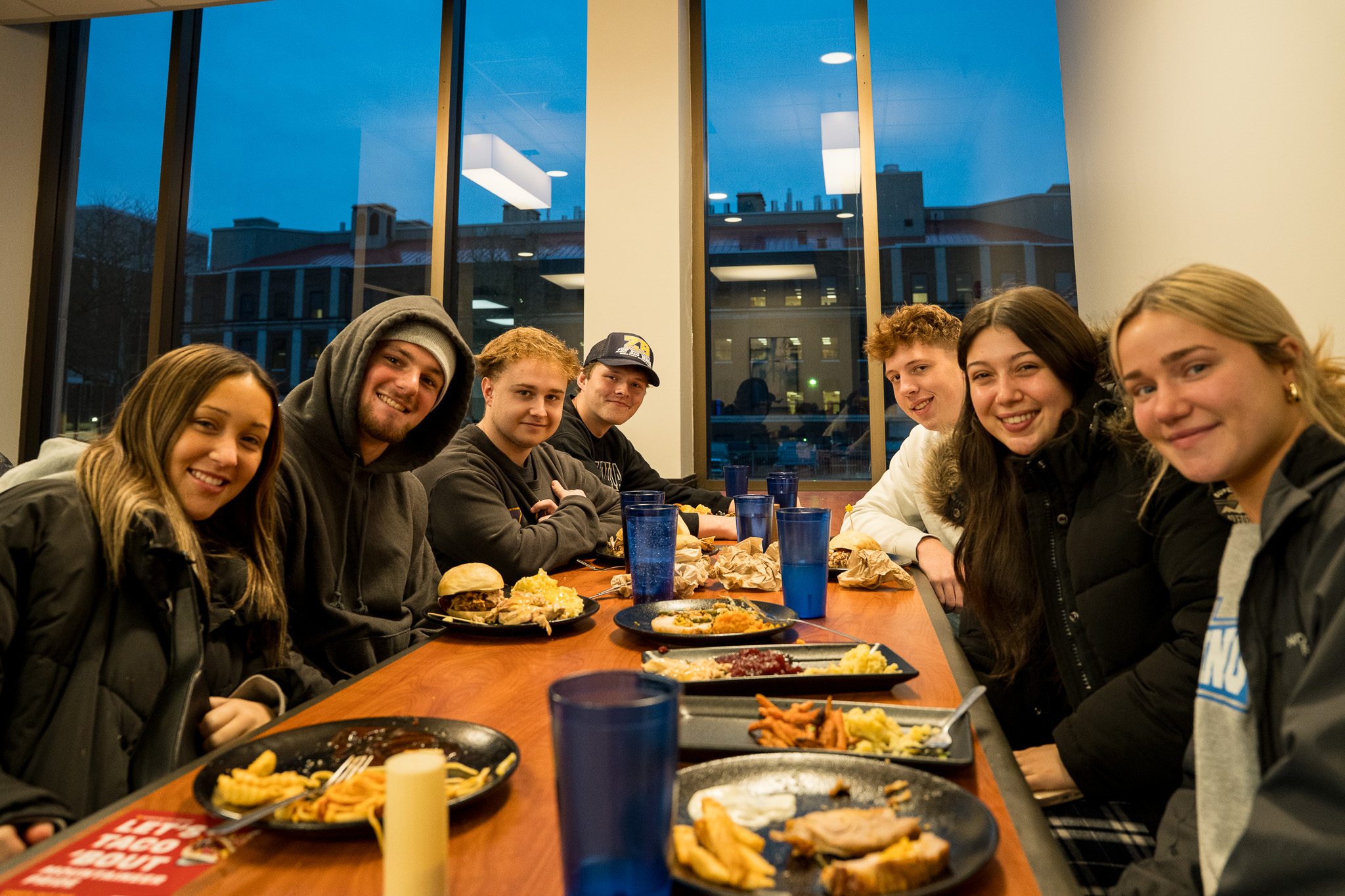
It’s an electric feeling when 60,000 of your closest friends lock arms and sing together as one.
When the Coliseum goes dark, and swirls of gold and blue flood the stands.@CharlesWesleyG‘s anthem captures the incredible feeling of being a Mountaineer. https://t.co/kqApoC4VdU pic.twitter.com/zMzI2Znms3
— WVU Mountaineers · Let’s Go! (@WestVirginiaU) November 24, 2025
West Virginia University is cutting over 140 faculty and gutting its liberal arts programs, but it still has money for training sessions on implicit bias, microaggressions, and DEI in research. pic.twitter.com/DYoTk8RjTL
— Steve McGuire (@sfmcguire79) February 12, 2024
Flagship public universities likely to cut more humanities, staff — especially in rural states
WVU walks it off & has the entire stadium singing Country Roads
Chills pic.twitter.com/T5Ng4bP3mw
— Barstool Sports (@barstoolsports) June 2, 2026



Mabon Breakfast

Tufts University Financial Statement: $4.602B
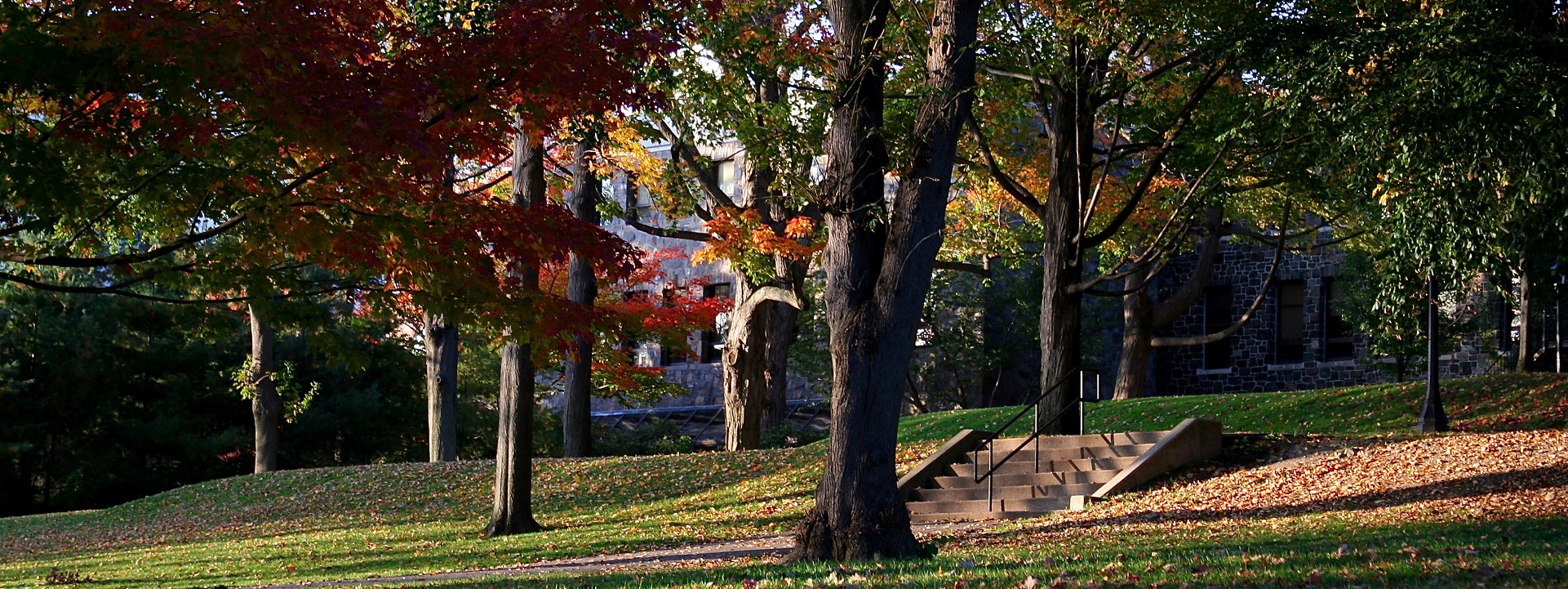
Middlesex County Massachusetts
Philanthropy — Brighter World
Tufts’ comprehensive campaign raised more than $1.5 billion from over 132,000 donors, supporting financial aid, research and campus living and learning spaces.
Tufts Giving / Brighter World
Capital — Capital Projects
Current and recent investments in housing, laboratories, engineering facilities, renovations and other physical assets across the university.
Tufts Capital Projects
Essential Works — Operations Division
Tufts describes Operations as directing the university’s “essential functions and services” across four campuses, including physical plant, construction, safety, dining, grounds and waste.
Tufts Operations Division
The word “fecund” comes from the Latin word “fecundus,” which means fertile or fruitful. Historically, it has been used to describe land, animals, or people that are capable of producing abundant offspring or vegetation.
The term conveys a sense of richness and productivity, often associated with fertility and the ability to generate new life or growth. In a broader sense, it can also be applied metaphorically to describe creative or intellectual productivity.
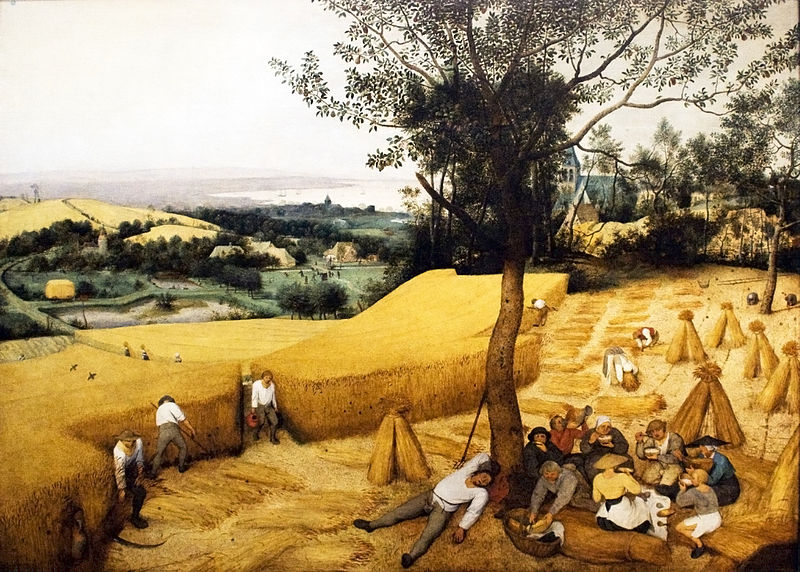
“The Harvesters” 1565 | Pieter Bruegel the Elder
Related:
Boston Public Library: The Origins and Practices of Mabon
Standards Michigan: Kitchen Safety & Sustainability

Pumpkin Spice Latte
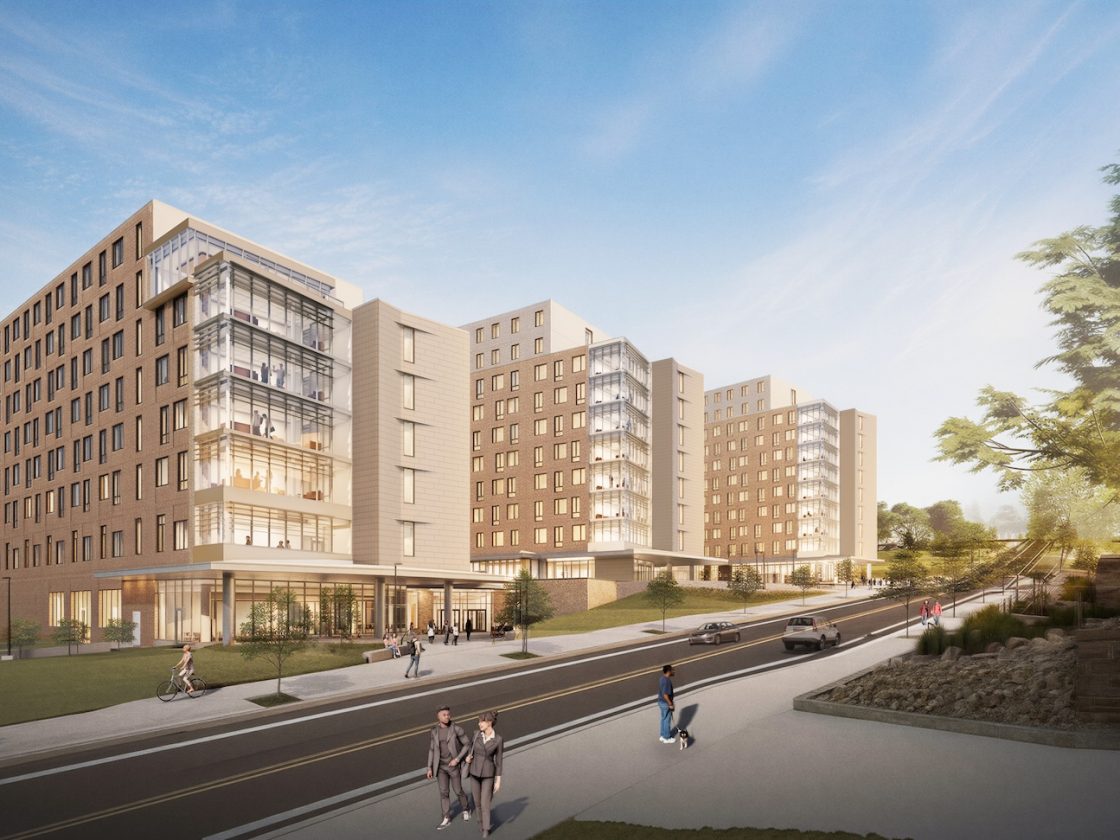
Inside the University’s Three Newest Residence Halls ($458M of new borrowing)
Syracuse University Financial Statement 2023 | Net Position $4.263B
Campus Planning, Design and Construction | Syracuse University Facilities Services

“Autumn on the Hudson River” 1860 | Jasper Francis Cropsey
“While the earth remaineth, seedtime and harvest, cold and heat,
and summer and winter, day and night will never cease.”
Syracuse University College Eats
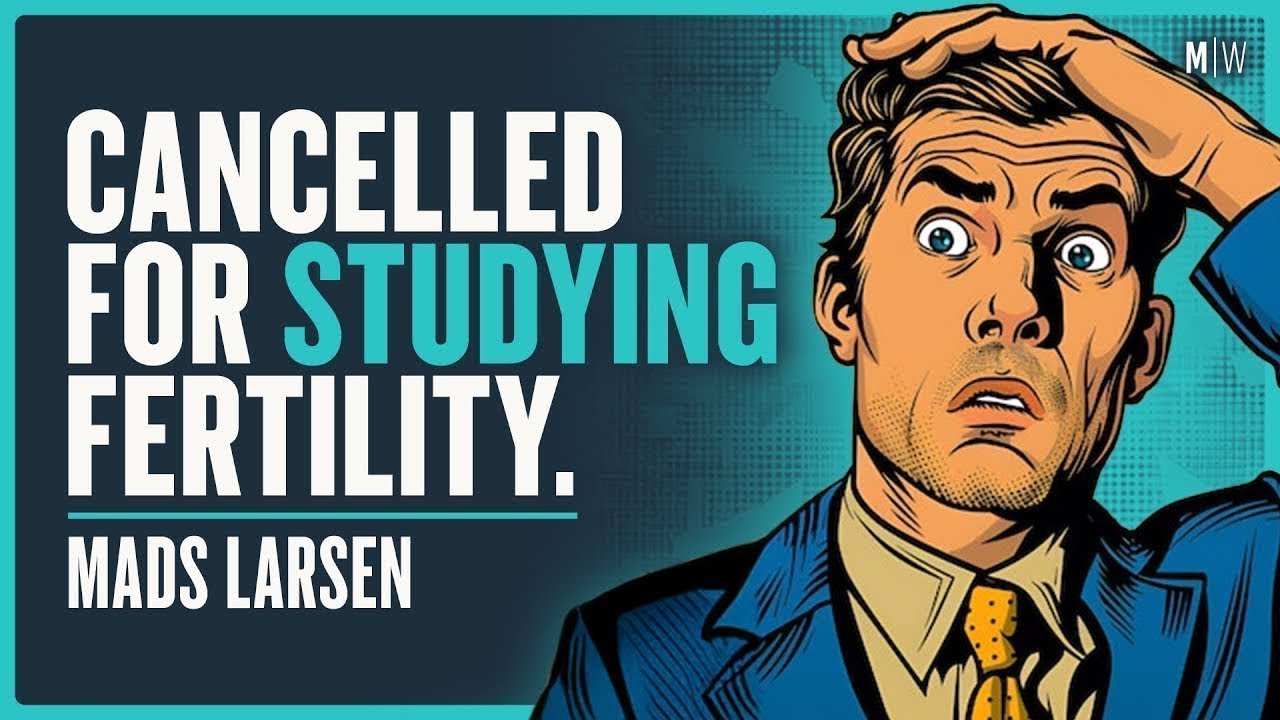
Chris Williamson Podcast:
Mads Larsen is an author and journalist whose research focuses on the history of human mating ideologies. The truth can be a tough pill to swallow, but when it comes to saving humanity, even the hardest truth is better than the softest lie. So why is Mads facing outrage for speaking a truth that could save a country? Expect to learn why Mads was cancelled for talking about Norway’s declining birth rates, the key reasons why people aren’t having more kids, the underlying psychology behind modern mating, the potential interventions to fix this and much more…
Slow Cooker Beef Dip Sandwiches
https://lsa.umich.edu/lsa/news-events/all-news/search-news/texas-flavor–ann-arbor-style.html?utm_source=chatgpt.com

Chapel of Reconciliation
https://www.augie.edu/news/2026/heart-campus-reimagined-renovation-and-expansion-brings-new-life-chapel-reconciliation?utm_source=chatgpt.com

Ædificare & Utilization
At a $137.4B annual rate, educational settlements represent the second-largest building construction market in the United Stateshttps://t.co/VIRZythRdBhttps://t.co/5NGDbqJIFk@uscensusbureau
Saugatuck High School | Allegan County Michiganhttps://t.co/pnQlUONrDj pic.twitter.com/w0ZyiuEYCL— Standards Michigan (@StandardsMich) October 1, 2026
Total #construction spending for July 2026 ($2,157.6 billion) was 0.5% below the revised June 2026 estimate ($2,167.7 billion).
Learn more: https://t.co/vO6ZkjBJMY #CensusEconData #ConstructionSpending pic.twitter.com/wplVG4338Z
— U.S. Census Bureau (@uscensusbureau) September 1, 2026
New Construction Release Schedule: https://www.census.gov/construction/c30/release.html
Reports are usually released at 10 AM EST the first day of every month except this month. (May 2026)
There’s been a significant redesign of the look and feel of the monthly Census Bureau reports construction activity. Today we sort through the rather more granular statistics that inform our recommendations for facility spend.
Total #construction activity for May 2026 ($2,210.2 billion) was 0.1% above the revised April 2026 estimate ($2,207.1 billion).
Learn more: https://t.co/vO6ZkjBJMY#CensusEconData #ConstructionSpending pic.twitter.com/0YZyIxT3F7
— U.S. Census Bureau (@uscensusbureau) July 1, 2026
Total #construction activity for October 2025 ($2,175.2 billion) was 0.5% above September 2025 ($2,164.3 billion).
Learn more: https://t.co/vO6ZkjBJMY #CensusEconData #ConstructionSpending pic.twitter.com/CYux8HXJ3W
— U.S. Census Bureau (@uscensusbureau) January 21, 2026
December 1, 2025
It has been 20 years since we began tracking educational settlement facility spend. Starting this month we will examine federal government data together with the best available data about space utilization to enlighten our response to the perfectly reasonable question: “Are we over-building or under-building or building ineffectively”. Use the login credentials at the upper right of our home page.
United States: Schools of Architecture
The Society for College and University Planning (Ann Arbor, Michigan)
National Center for Education Statistics
The Financial Impact of Architectural Design: Balancing Aesthetics and Budget in Modern Construction

Homeschooling
2022 International Existing Building Code
 University College London
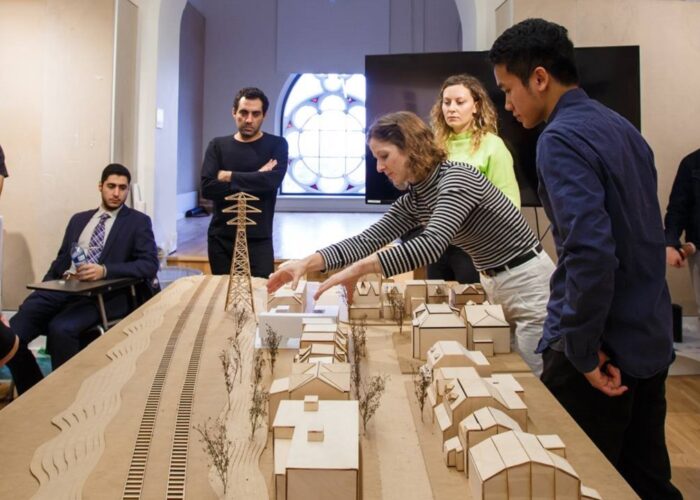 University of Toronto
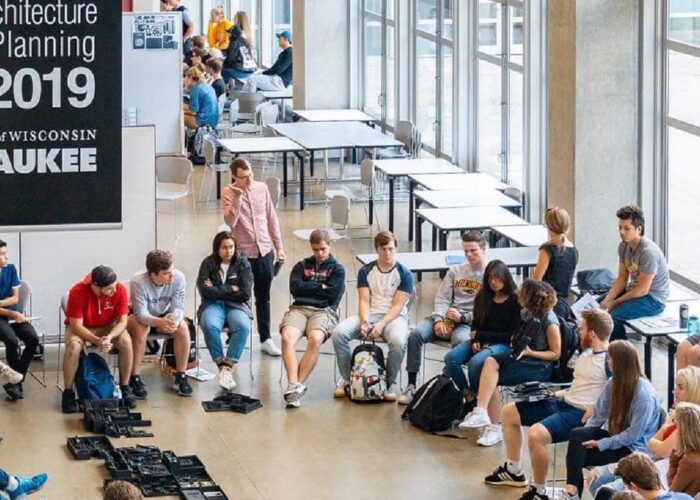 43.0764° N | 87.8816° W
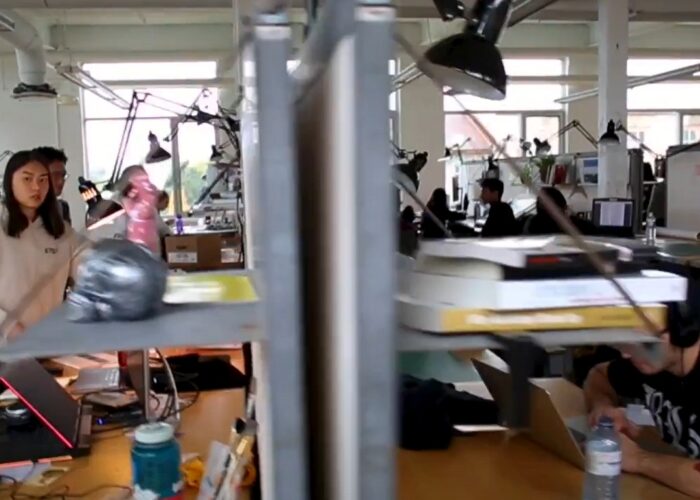 University of Waterloo Ontario
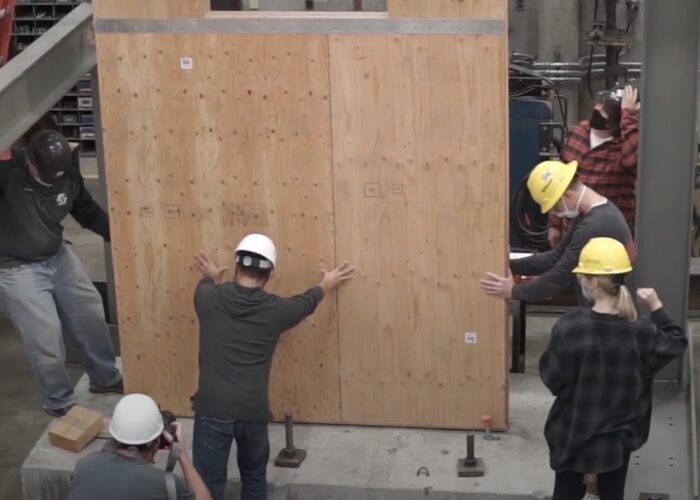 California Polytechnic University | San Luis Obispo County
 Oulun yliopisto | Pohjois-Pohjanmaa
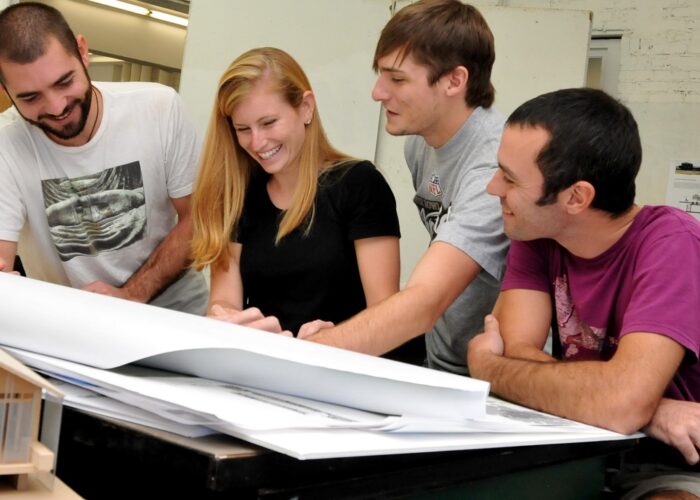 Tulane School of Architecture Louisiana
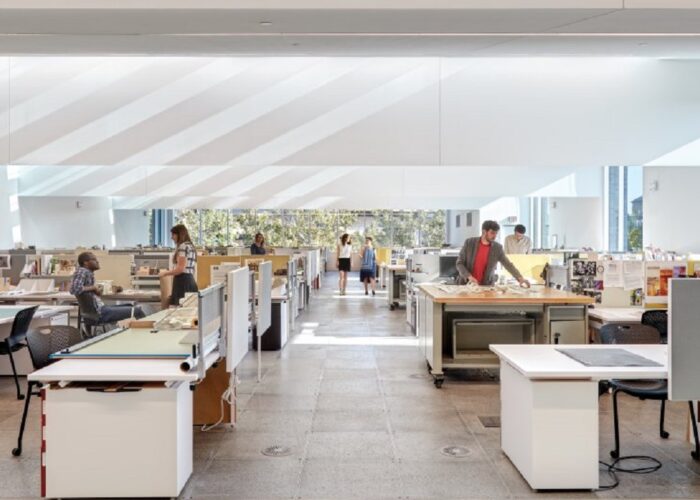 University of Michigan | Washtenaw County
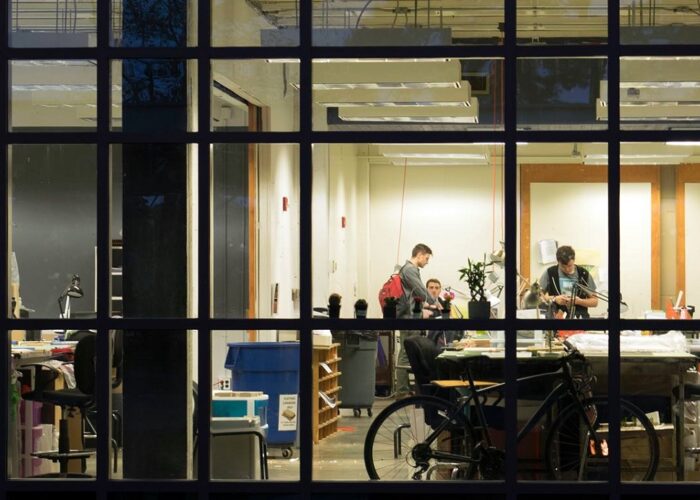 Auburn University | Lee County Alabama
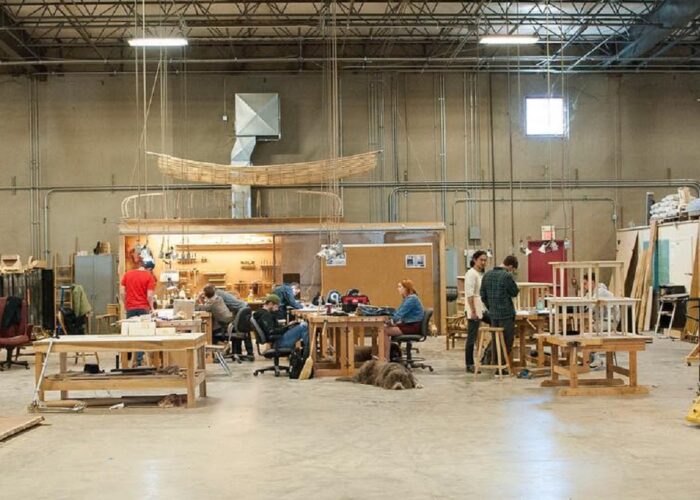 University of Kansas School of Architecture | Douglas County
As reported by the US Department of Commerce Census Bureau the value of construction put in place by August 2025 by the US education industry proceeded at a seasonally adjusted annual rate of $137.604 billion. This number does not include renovation for projects under 50,000 square feet and new construction in university-affiliated health care delivery enterprises. Reports are released two months after calendar month. The complete report is available at the link below:
MONTHLY CONSTRUCTION SPENDING August 2025 (released two months after calendar month)
Total construction activity for June 2025 ($2,136.2 billion) was 0.4 percent below the revised May 2025 estimate ($2,143.9 billion).
Learn more: https://t.co/ljpaYyKjuX#CensusEconData pic.twitter.com/TS6ewzZhc4
— U.S. Census Bureau (@uscensusbureau) August 1, 2025
This spend makes the US education facilities industry (which includes colleges, universities, technical/vocational and K-12 schools, most university-affiliated medical research and healthcare delivery enterprises, etc.) the largest non-residential building construction market in the United States after commercial property; and fairly close. For perspective consider total public + private construction ranked according to the tabulation most recently released:
$137.604 billion| Education Facilities
$155.728 billion | Power (Note data center buildout)
$69.625 billion | Healthcare
Keep in mind that inflation figures into the elevated dollar figures. Overall — including construction, energy, custodial services, furnishings, security. etc., — the non-instructional spend plus the construction spend of the US education facilities is running at a rate of about $300 – $500 billion per year.
LIVE: A selection of construction cameras at US schools, colleges and universities

We typically pick through the new data set; looking for clues relevant to real asset spend decisions. Finally, we encourage the education facilities industry to contribute to the accuracy of these monthly reports by responding the US Census Bureau’s data gathering contractors.

Reconstruction of Ancient Agora
As surely as people are born, grow wealthy and die with extra cash,
there will be a home for that cash to sustain their memory and to steer
the cultural heritage of the next generation in beautiful settings.

More
National Center for Educational Statistics
AIA: Billings Index shows but remains strong May 2022
National Center for Education Statistics
Sightlines: Capital Investment College Facilities
OxBlue: Time-Lapse Construction Cameras for Education
US Census Bureau Form F-33 Survey of School System Finances
New Report from Occuspace Finds U.S. Campuses Face Significant Underutilization
Global Consistency in Presenting Construction & Life Cycle Costs

Audio Standards
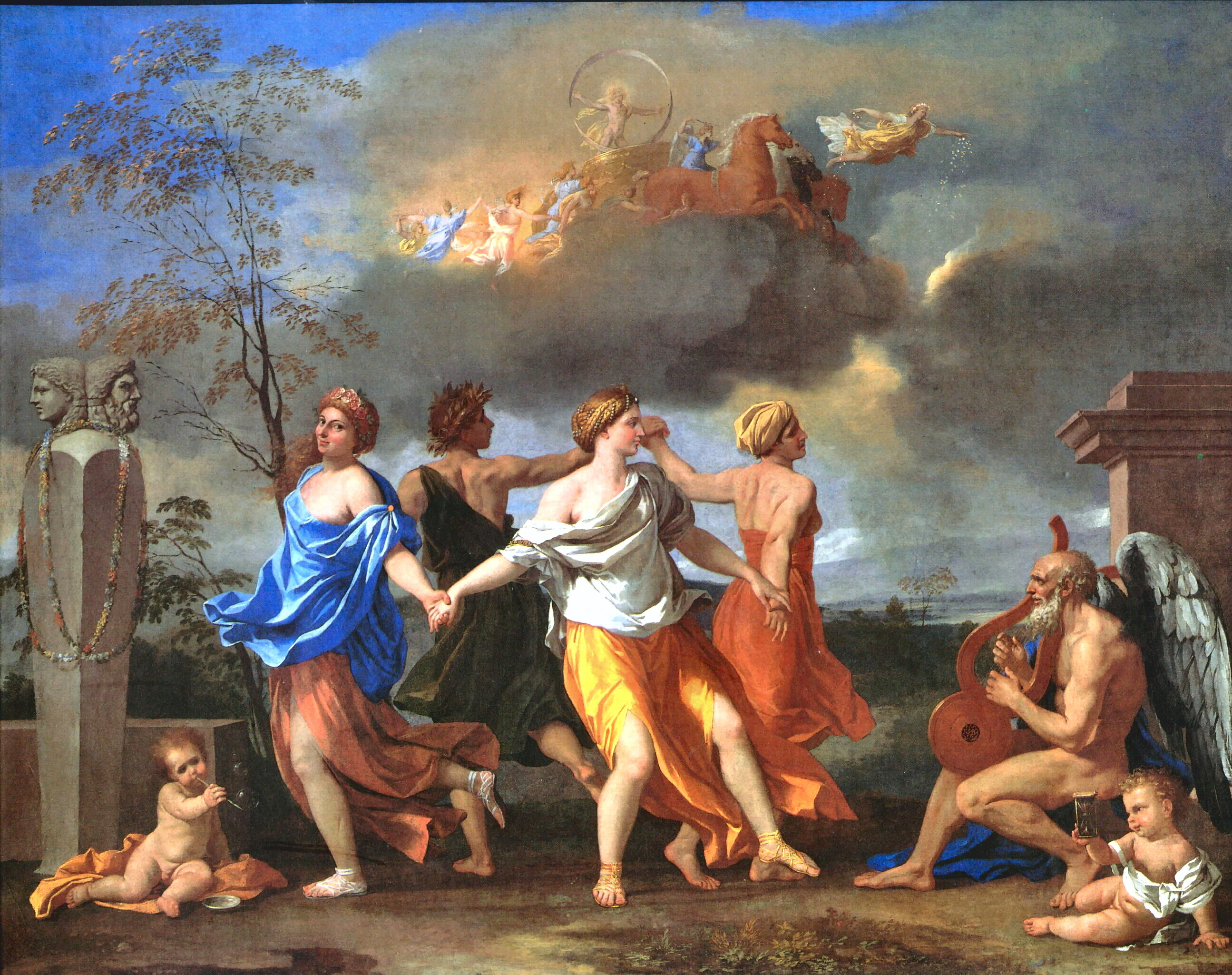
“A Dance to the Music of Time” 1640 Nicolas Poussin
“The voice of the intellect is a soft one,
but it does not rest until it has gained a hearing.”
— Sigmund Freud
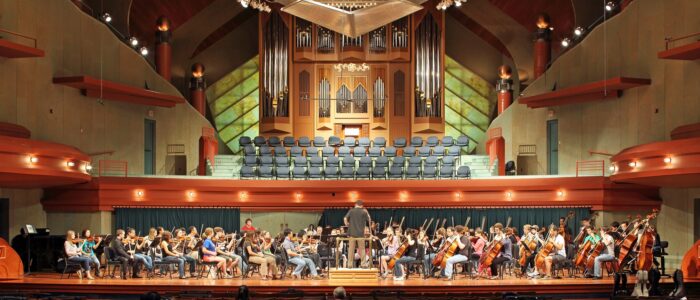
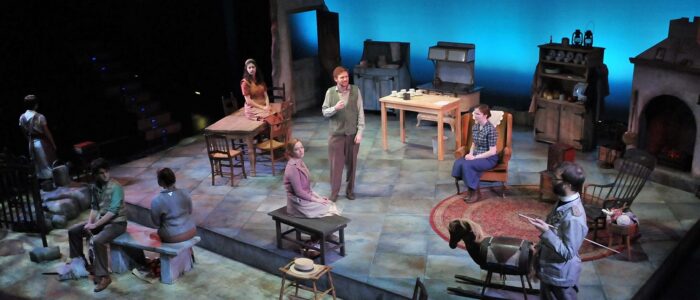
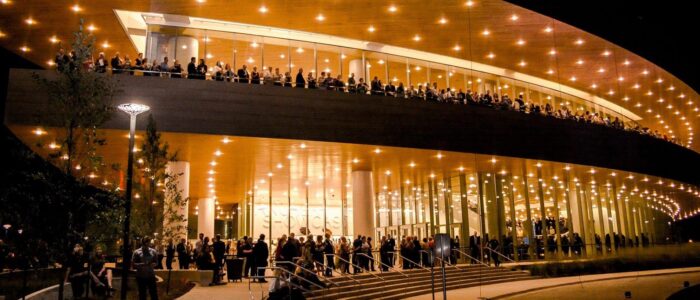
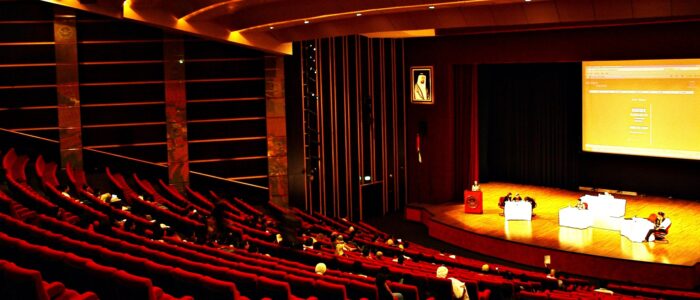
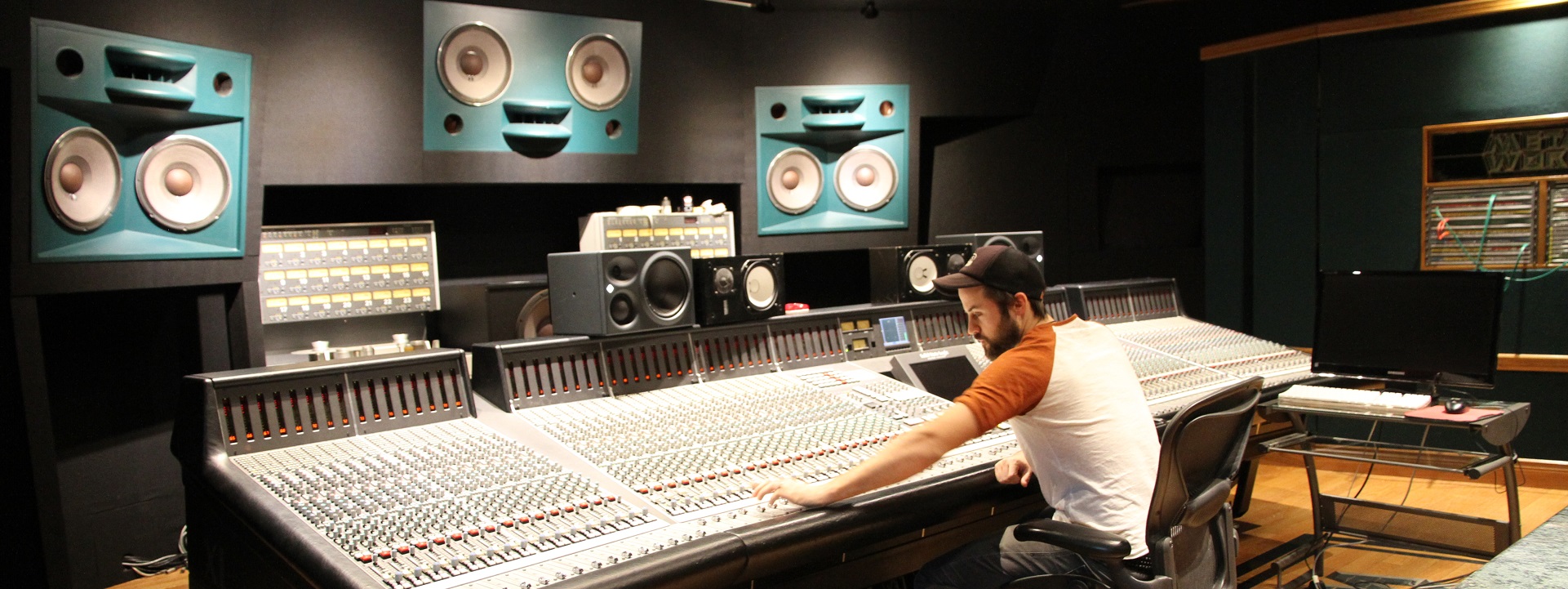
The education industry provides a large market for occupancy classes — athletic stadiums, student assembly spaces, performance theaters, large lecture halls– that depend upon effective audio systems*. To an unexpected degree the structural engineering, specification of materials and electrical system design and operation is informed by acoustical considerations. So does the integration of fire safety and mass notification systems into normal state enterprises so it is wise to follow and, ideally, participate in leading practice discovery and promulgation of audio standards.
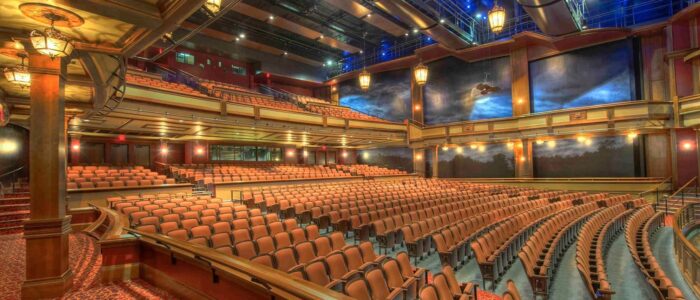
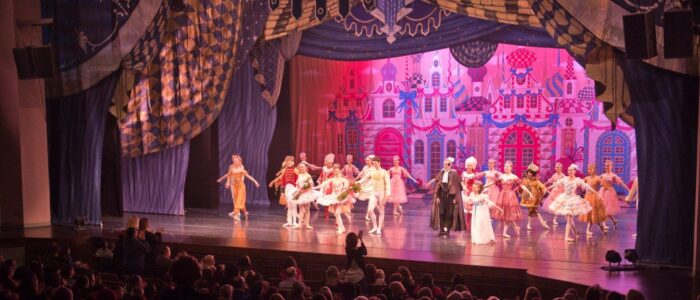
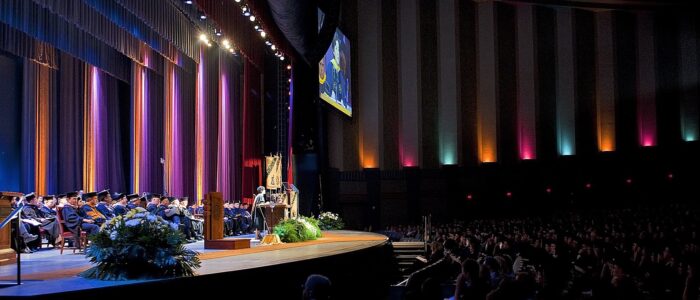
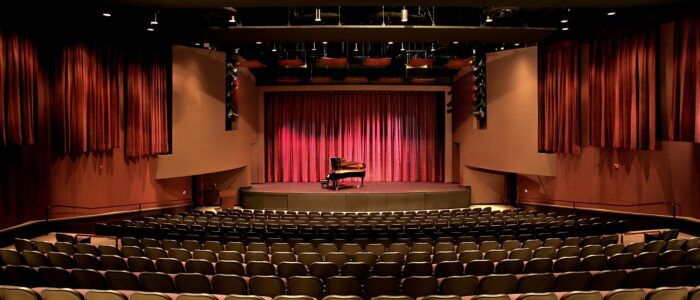
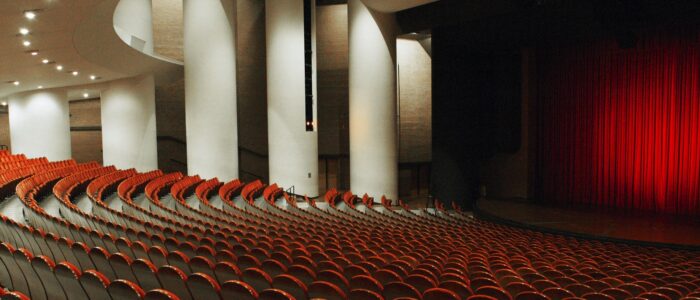
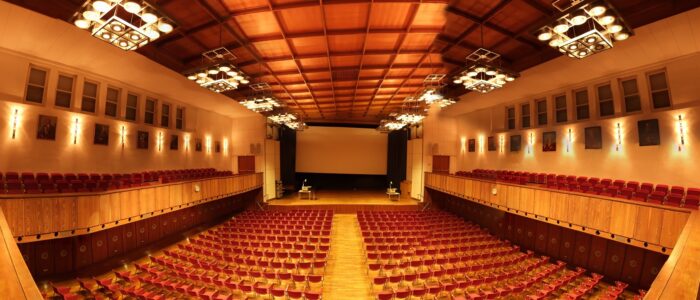
The Audio Engineering Society — one of the first names in this space — has a due process platform that welcomes public participation. All of its standards open for public comment completed their revision cycle mid-November as can be seen on its standards development landing page below:
Note that AES permits access to those revision even after the comment deadline. You are encouraged to communicate directly with the Direct communication with the standards staff at Audio Engineering Society International Headquarters, 551 Fifth Avenue, Suite 1225, New York NY 10176, Tel: +1 212 661 8528
We keep the AES suite on the standing agenda of our periodic Lively Arts teleconference. See our CALENDAR for the next online meeting.
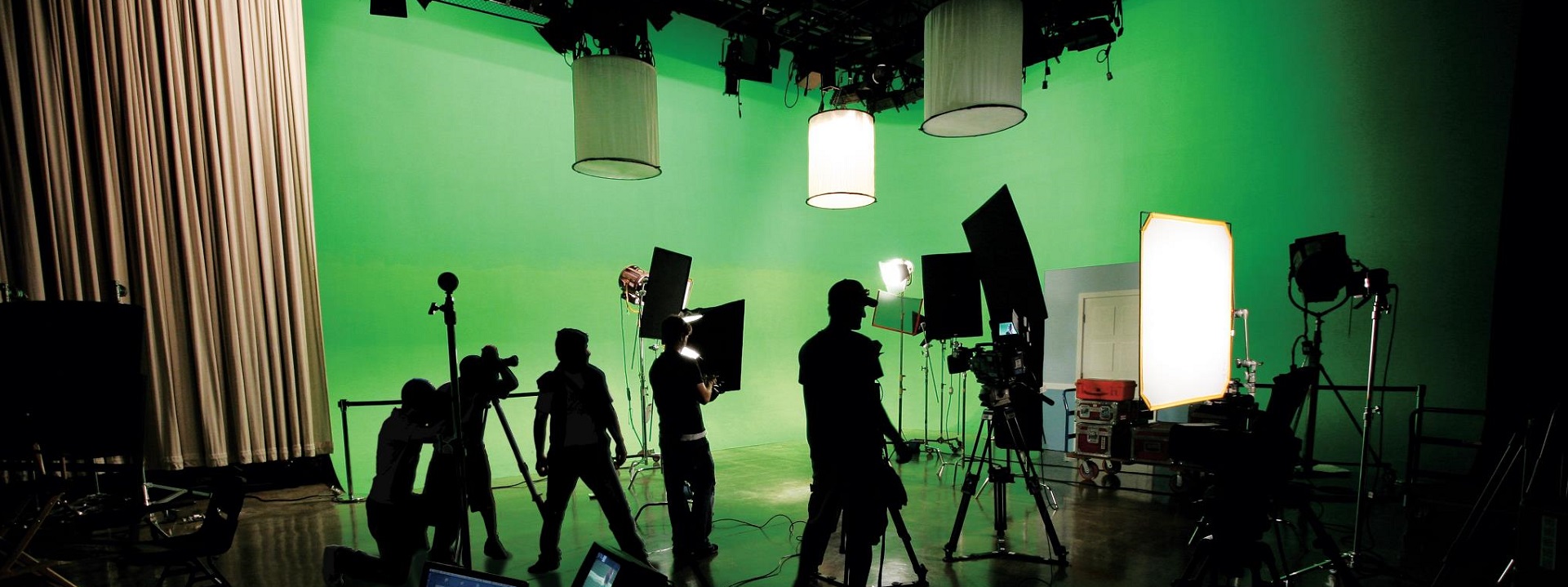
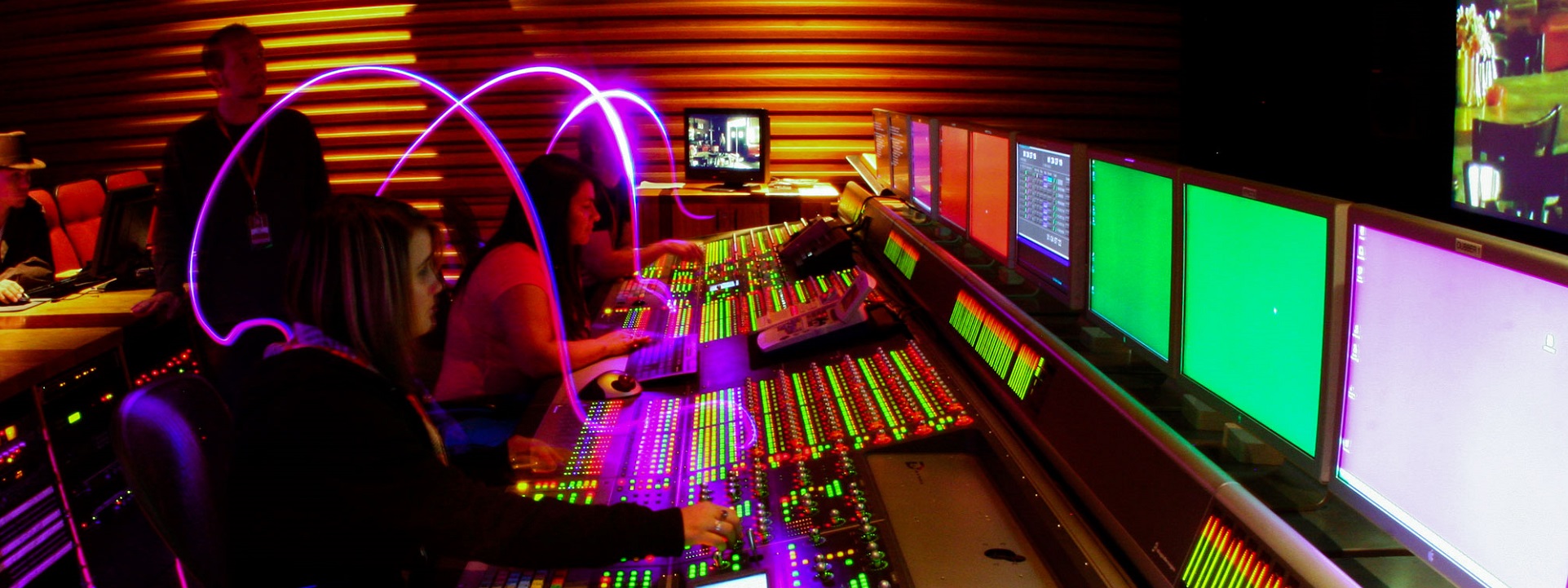
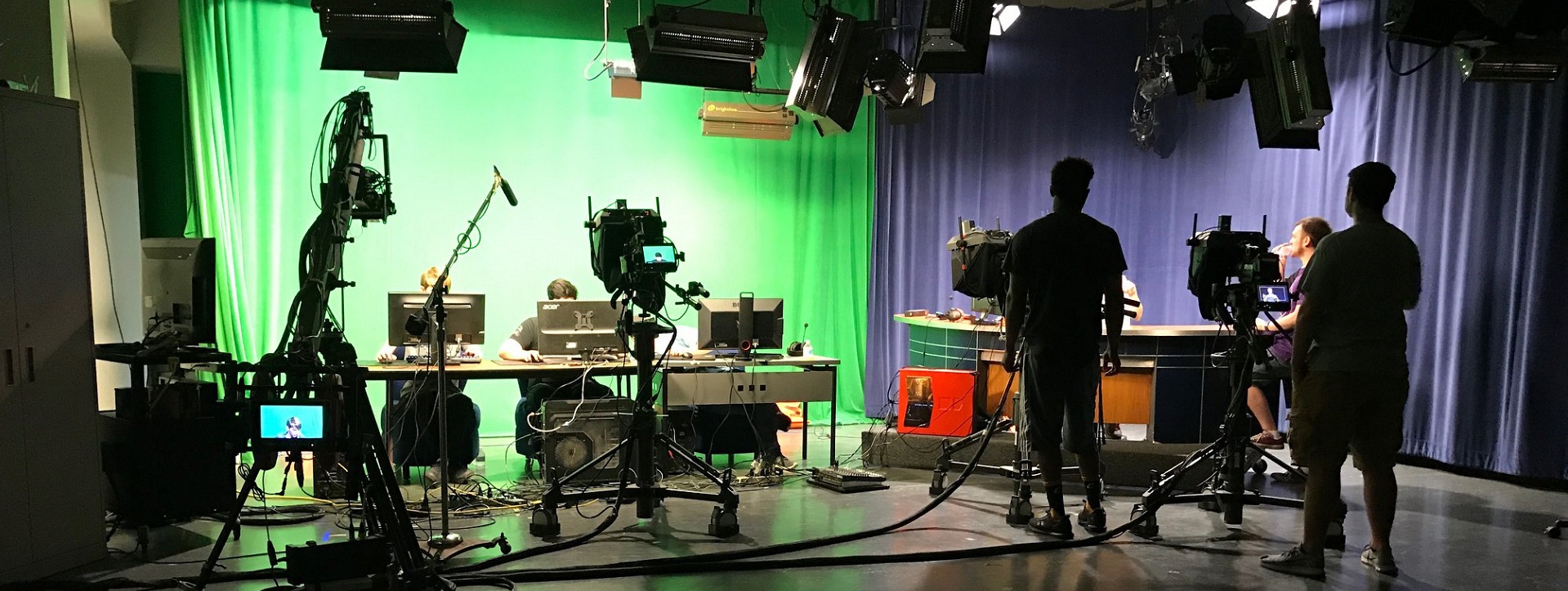
This facility class is one of most complex occupancy classes in education facilities industry so we also collaborate with experts active in the IEEE Education & Healthcare Facilities Committee. Much of the AES suite references, and borrows from, International Electrotechnical Commission system integration and interoperability standards. The IEEE E&H committee meets online again four times monthly in European and American time zones. The meeting dates are available on the IEEE E&H website
Issue: [19-23]
Category: Electrical, Academic, Athletics, Fire Safety, Public Safety, #WiseCampus
Contact: Mike Anthony, Jim Harvey
*Mass notification systems are governed by NFPA 72 and, while life safety wiring is separate from other wiring, the management of these systems involve coordination between workgroups with different business objectives and training.
LEARN MORE:
The AES welcomes new Executive Director, Colleen Harperhttps://t.co/r7DfPp6wfE#AESorg #proaudio #audioengineer pic.twitter.com/nTKBf8oHeR
— Audio Engineering Society (@AESorg) January 16, 2019

The University Farm as Micro-City
This content is accessible to paid subscribers. To view it please enter your password below or send mike@standardsmichigan.com a request for subscription details.
New update alert! The 2022 update to the Trademark Assignment Dataset is now available online. Find 1.29 million trademark assignments, involving 2.28 million unique trademark properties issued by the USPTO between March 1952 and January 2023: https://t.co/njrDAbSpwB pic.twitter.com/GkAXrHoQ9T
— USPTO (@uspto) July 13, 2023
Standards Michigan Group, LLC
455 East Eisenhower Parkway, Suite 300
Ann Arbor, MI 48108 USA
888-748-3670
DIRECTIONS
 |
 |
|
 |
 |
|
 |
 |