
Briar U
- Home Page 88


O lux beata Trinitas
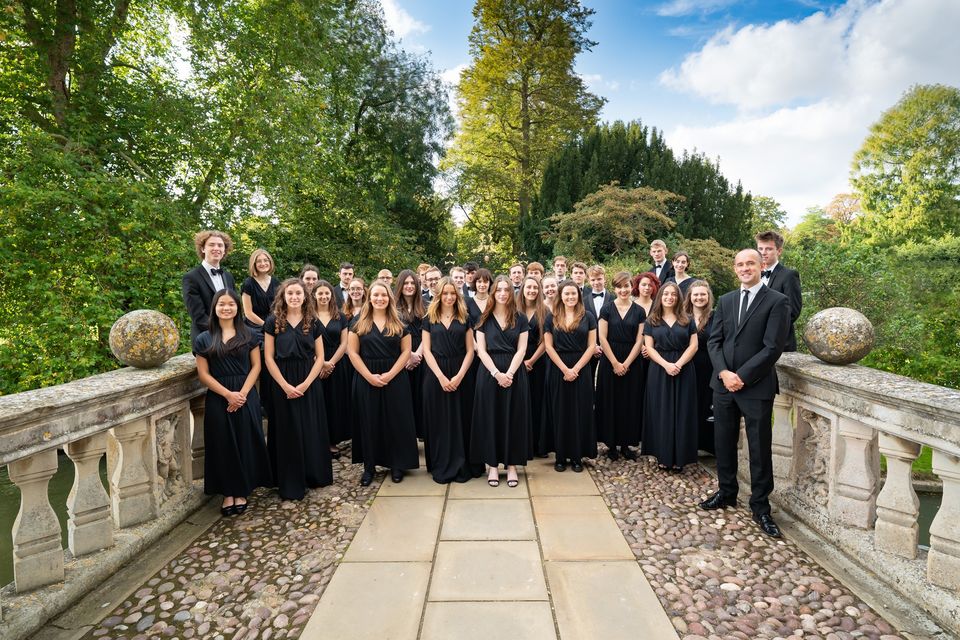
📣 2 days left to apply! Job Vacancies with the Choir of Clare College, Cambridge for the 2026-2027 academic year
🔹 Choir Administrator (https://t.co/gWxPX1EzYF)
🔹 Lay Clerk and Choir Librarian (https://t.co/Xy6mdY2J5k)🗓️ Closing date for entries: 9am, 30 April 2026 pic.twitter.com/LkzI1v2Bzc
— Clare College Choir (@ClareChoir) April 28, 2026
History of Western Civilization Told Through the Acoustics of its Worship Spaces
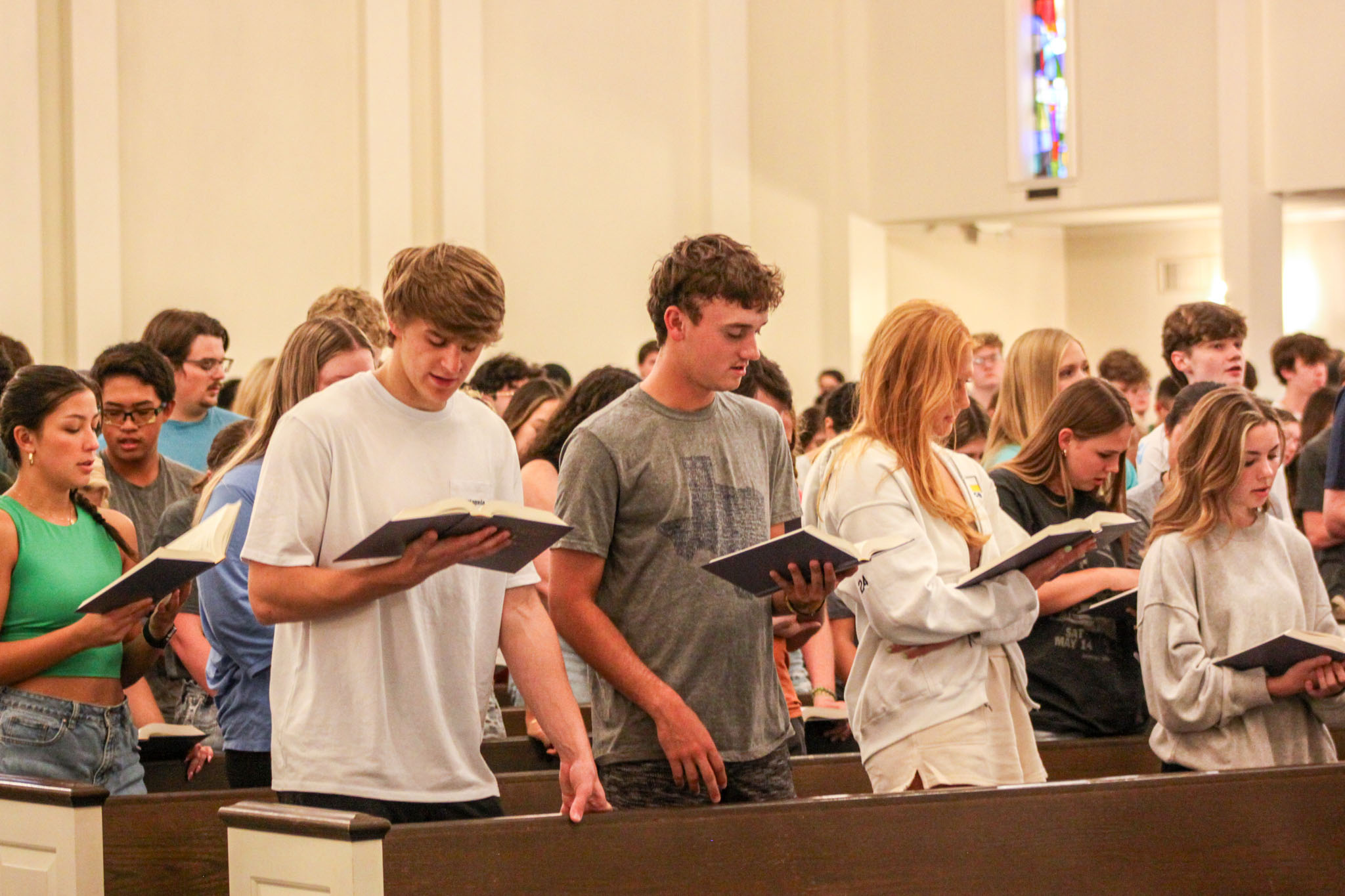
Baylor University Paul W. Powell Chapel
David H. Zysman Hall
This content is accessible to paid subscribers. To view it please enter your password below or send mike@standardsmichigan.com a request for subscription details.

Spring Break
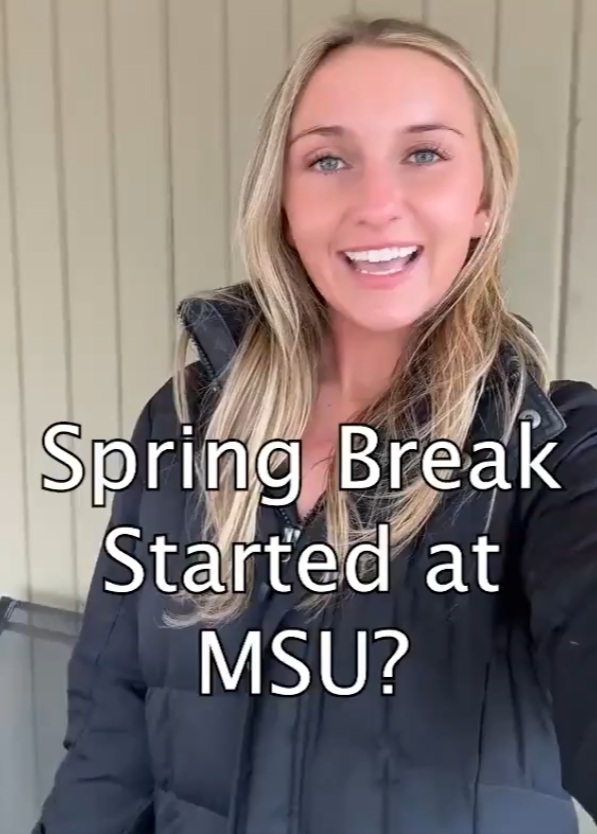
One MSU Professor Singlehandedly Started Spring Break
Hillsdale to Hilltop: The Story of Michigan Lass Kat Timpf
It’s actually good to see college kids on Spring Break drinking & socializing instead of playing video games alone in their room on a macrodose edible.
See the clip that caused your grandma to email me & call me a “disgusting person” here: pic.twitter.com/E00Xqx06Wy
— Kat Timpf (@KatTimpf) March 26, 2026
MAKE SPRING BREAK GREAT AGAIN! pic.twitter.com/dolvnKaxA4
— Old Row (@OldRowOfficial) March 4, 2026
“You’d get married? Well, what about school?”
“Girls like me weren’t built to be education. We were made to have children. That’s my ambition: to be a walking talking baby factory”
RETVRN TO TRADITION pic.twitter.com/kAqAYkAp6E
— Old Row (@OldRowOfficial) March 5, 2026
Spring Break Forever pic.twitter.com/vW5YulAoIN
— Old Row (@OldRowOfficial) March 7, 2026



Home Rule: Limits of Inspection Authority
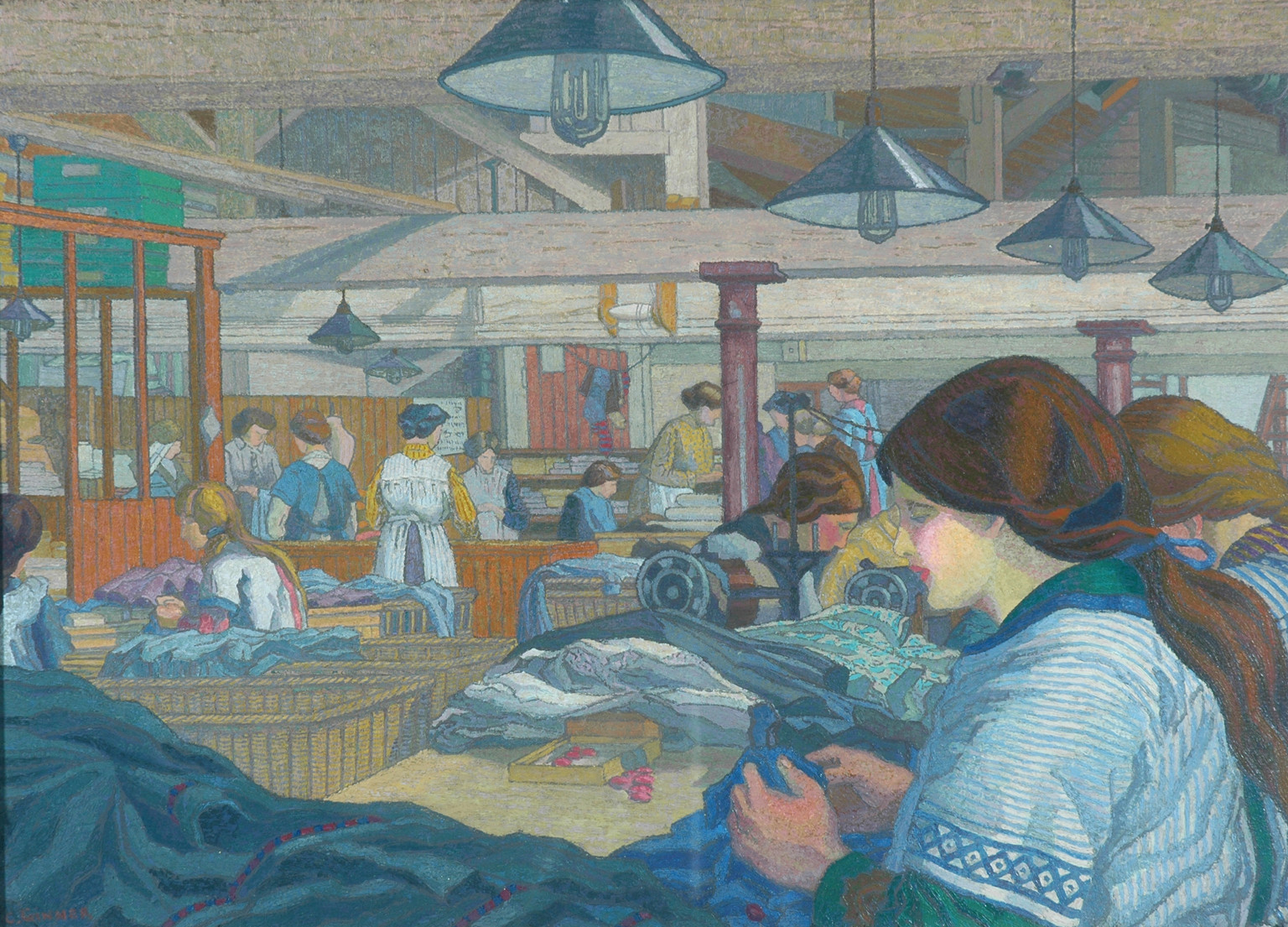
“The Dressmaking Factory” 1914 | Charles Ginnar
@Tate
Building inspection authority refers to the governmental power granted to building officials and inspectors to enforce building codes, conduct site visits, review plans, issue permits, and ensure construction complies with safety, structural, zoning, and environmental standards.
Its significance lies primarily in protecting public safety by identifying hazards, preventing structural failures, fire risks, and health threats from substandard work. This authority mandates minimum quality levels, reducing risks of collapses, injuries, or fatalities—lessons reinforced by historical disasters.
It promotes accountability among designers, builders, and owners, ensuring durability, energy efficiency, and accessibility while supporting sustainable urban development. By halting non-compliant projects or requiring fixes, inspectors safeguard communities, preserve property values, and minimize long-term costs from repairs or liabilities.
Ultimately, this regulatory framework upholds trust in the built environment, balancing innovation with life-protecting oversight for residents, workers, and the public.
Here are the primary **ANSI-accredited standards developers that develop and publish model building codes, related consensus standards for construction safety, inspection, structural integrity, energy efficiency, plumbing, fire safety, and similar areas incorporated into or referenced into public law:
– **International Code Council (ICC)** — Develops the International Building Code (IBC), International Residential Code (IRC), International Fire Code (IFC), and other model codes widely adopted for building inspection and enforcement, plus ANSI-approved standards.
Link: https://www.iccsafe.org
– **National Fire Protection Association (NFPA)** — Publishes NFPA 1 (Fire Code), NFPA 101 (Life Safety Code), NFPA 5000 (Building Construction and Safety Code), and numerous fire safety/inspection standards referenced in building codes.
Link: https://www.nfpa.org
– **International Association of Plumbing and Mechanical Officials (IAPMO)** — Develops the Uniform Plumbing Code (UPC) and Uniform Mechanical Code (UMC), key for plumbing/mechanical inspections.
Link: https://www.iapmo.org
– **ASHRAE (American Society of Heating, Refrigerating and Air-Conditioning Engineers)** — Develops ANSI/ASHRAE standards like 90.1 (Energy Standard for Buildings) and others for HVAC, energy, and indoor air quality, often referenced in codes.
Link: https://www.ashrae.org
– **ASTM International** — Produces thousands of material, testing, and performance standards (e.g., for construction materials and inspection methods) referenced in building codes.
Link: https://www.astm.org
– **American Society of Civil Engineers (ASCE)** — Develops ASCE 7 (Minimum Design Loads), ASCE 24 (Flood Resistant Design), and structural/inspection-related standards.
Link: https://www.asce.org
Building inspection authority, while essential for safety, can be abused through corruption, such as inspectors accepting bribes to approve substandard work, overlook violations, expedite permits, or ignore stop-work orders. Examples include cases in New York City, San Francisco, Los Angeles, and Honolulu, where inspectors took cash, gifts, or favors to falsify approvals or fast-track processes, enabling unsafe or non-compliant construction.This abuse distorts fair competition, favors corrupt developers or connected parties, and erodes public trust in regulatory systems.
More critically, it limits economic development by inflating costs (e.g., bribes add 10-30% to projects), causing delays from bureaucratic extortion or backlogs exploited for payoffs, deterring legitimate investment, and misallocating resources toward sub-optimal or risky builds.Corruption in permitting and inspections discourages foreign and domestic developers, slows urban growth, reduces infrastructure quality, and hampers long-term competitiveness. In booming markets, it exacerbates inefficiencies, diverts funds from productive uses, and ultimately stifles job creation and sustainable expansion.
Meet Cameron, a Buildings & Inspections Academy grad & a Building Inspector for the City of Cincinnati. He is proud of the work he does to make sure buildings are up to code & ensure housing is safe and sanitary.
More info: https://t.co/F6tgTKqZj6 pic.twitter.com/DLcofTw3cr
— City of Cincinnati (@CityOfCincy) February 13, 2026


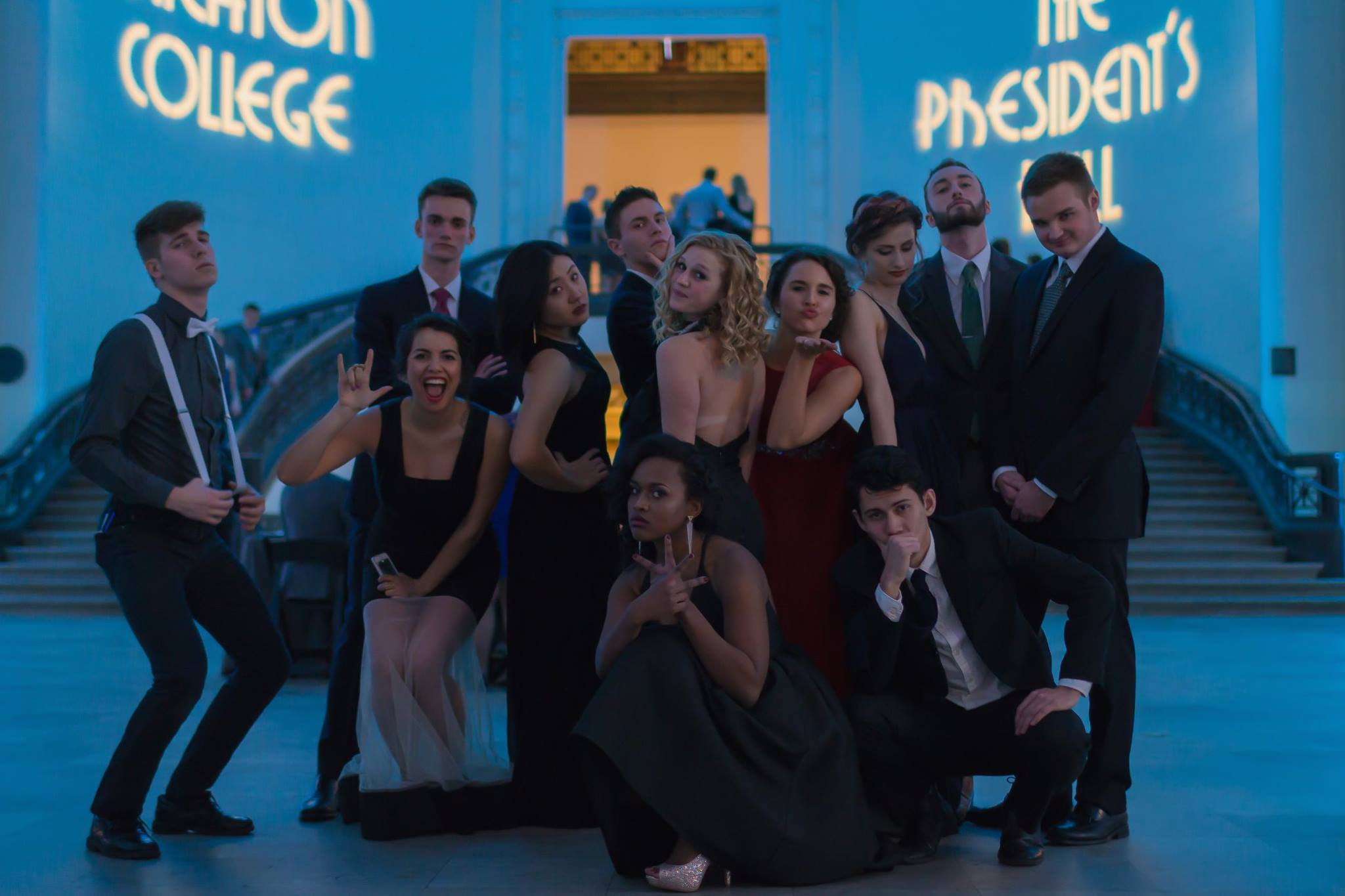

Midnight Breakfast
Financial Position 2024: $6.784B (Page 21) • Capital Projects • General Revenue Bonds
Battle of the Bands broke its fundraising record, earning $21,000 this year for the Joe Espy Needs-Based Scholarship! 🤯 This scholarship helps UA students in need of essential financial assistance due to a temporary hardship or emergency. Read more: https://t.co/WbB8jUebbu pic.twitter.com/pjmBdV1BHa
— The University of Alabama (@UofAlabama) November 7, 2025

Thanks to YOU @ua_babh raised 630,624 pounds of food! 🎉 Huge congrats to @AuburnU for winning the competition this year! Together we raised more than 1.2 million pounds of food! 😱 More details about the competition → https://t.co/agP51r7xXf pic.twitter.com/SOQHVoTctX
— The University of Alabama (@UofAlabama) November 21, 2025
Coffee Equity Lab
“How Vanderbilt University is Getting it Right” | Chancellor Diermeier
Vanderbilt University 2023 Financial Statement: Net Position $13,181 M
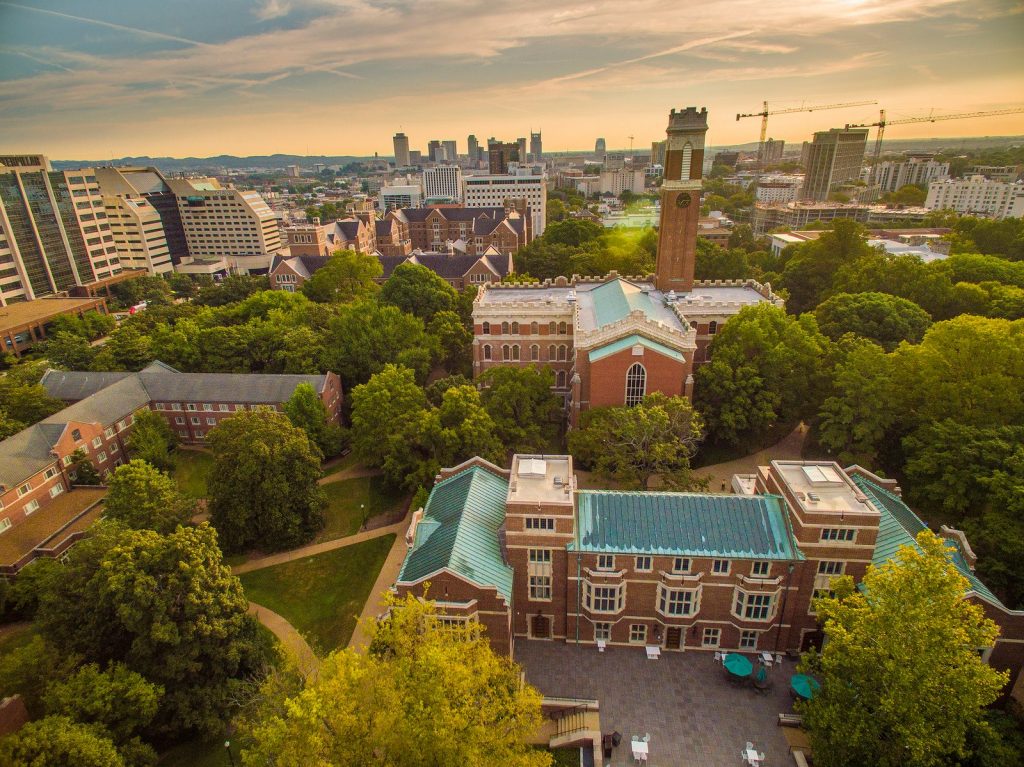
Vanderbilt University was founded in 1873 in Nashville during the post–Civil War Reconstruction era.
The university arose from a partnership between Cornelius Vanderbilt, one of the wealthiest figures of the Gilded Age, and Holland McTyeire, a bishop of the Methodist Episcopal Church, South. McTyeire, who was related to Vanderbilt by marriage, persuaded him to donate $1 million—an enormous sum at the time—to establish a university that would help heal sectional divisions and strengthen education in the American South.
Originally affiliated with the Methodist Episcopal Church, South, the institution aimed to combine moral instruction with rigorous academic training. Classes began in 1875, and the university quickly became a leading center of higher learning in the region. Over time, Vanderbilt evolved into an independent, nonsectarian research university while retaining its founding emphasis on scholarship and service.
Davidson County
Vanderbilt University Series 2024 Bond Document


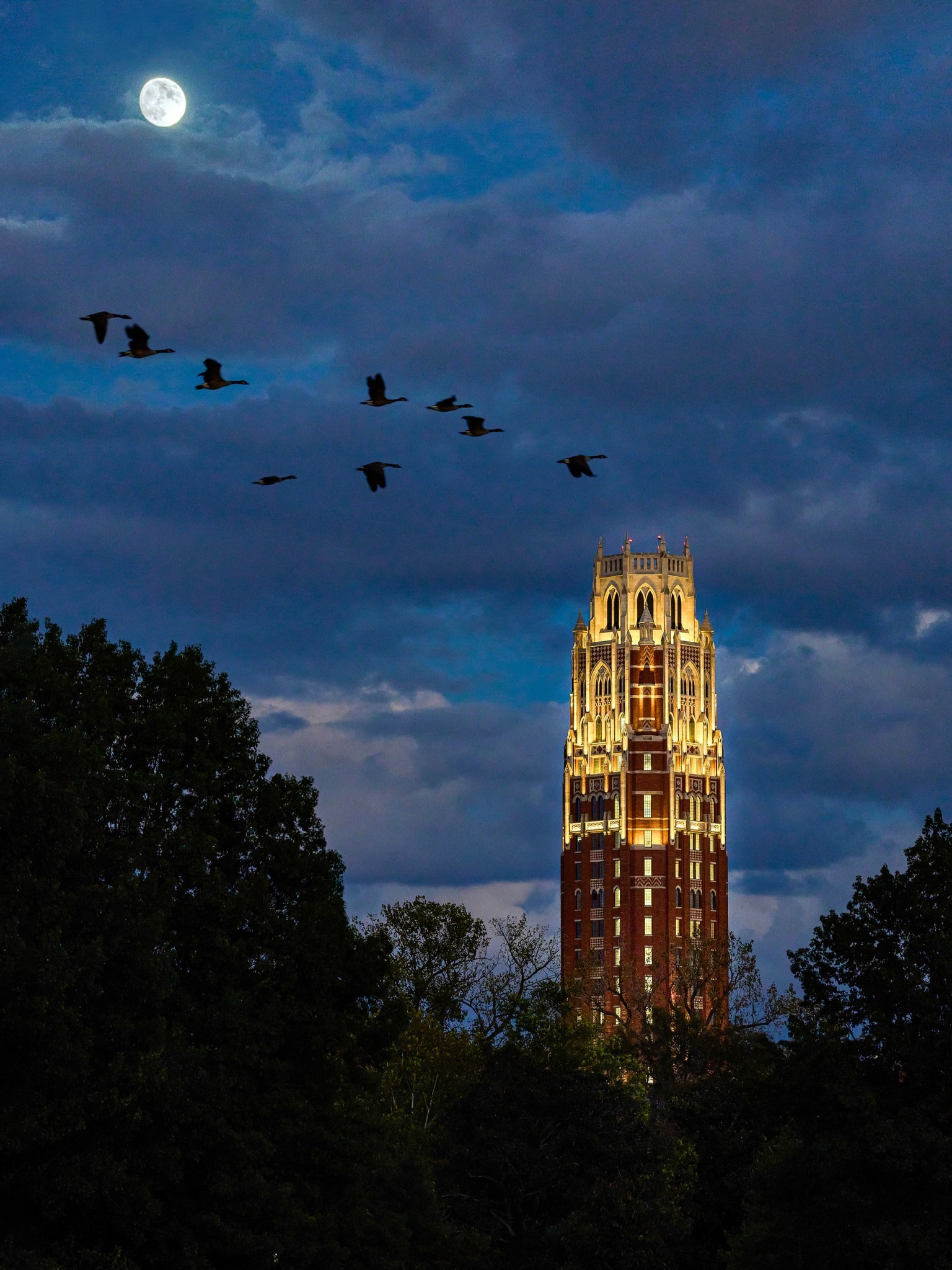
West End Neighborhood
End of Year Exhibitions
This content is accessible to paid subscribers. To view it please enter your password below or send mike@standardsmichigan.com a request for subscription details.
New update alert! The 2022 update to the Trademark Assignment Dataset is now available online. Find 1.29 million trademark assignments, involving 2.28 million unique trademark properties issued by the USPTO between March 1952 and January 2023: https://t.co/njrDAbSpwB pic.twitter.com/GkAXrHoQ9T
— USPTO (@uspto) July 13, 2023
Standards Michigan Group, LLC
455 East Eisenhower Parkway, Suite 300
Ann Arbor, MI 48108 USA
888-748-3670
DIRECTIONS
 |
 |
|
 |
 |
|
 |
 |