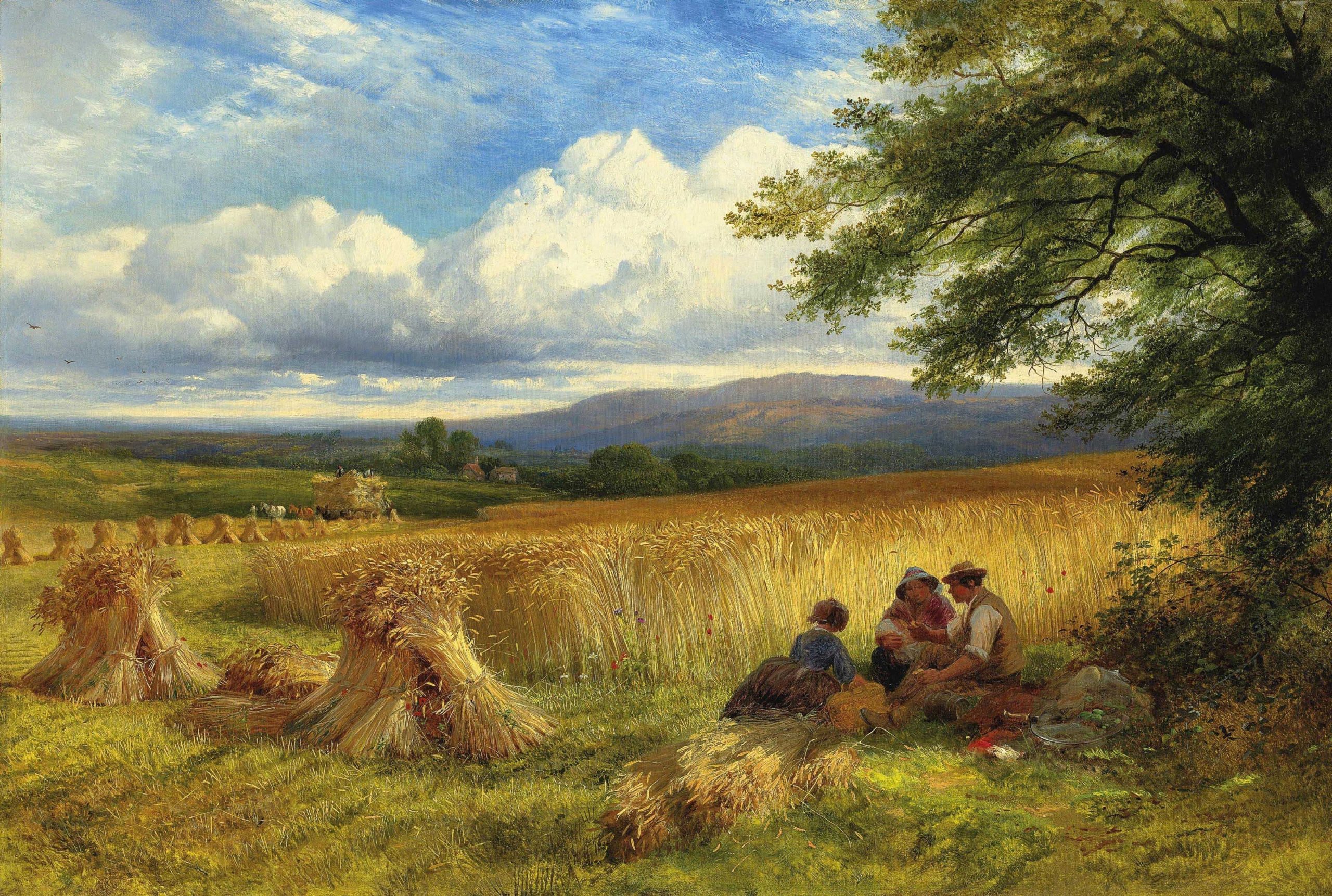
Detail of the fresco of the school of Aristotle by Gustav Adolph Spangenberg.
The first day of school is not fixed by any national standard. It is the product of law, custom, climate, and local choice. Before classes begin, both K–12 schools and colleges pass through a season of preparation. Grounds are tended, classrooms cleaned, technology tested, books delivered and schedules finalized. Teachers and professors return before students, using the remaining quiet days to organize lessons, review policies and prepare for another academic year. In both settings, “Back to School” is as much about the institution preparing itself as it is about students arriving.
The differences lie chiefly in scale and rhythm. K–12 schools usually reopen according to district calendars shaped by state law, transportation, meal service and family schedules. The first day is often a community event, with buses returning, parents taking photographs and routines resuming all at once. Colleges and universities, by contrast, stagger the process. Residence halls open over several days, orientation programs precede instruction and research, healthcare and utility operations continue throughout the summer. New students arrive first, followed by returning students, graduate assistants and faculty.
The educational mission also differs. Elementary and secondary schools emphasize continuity, supervision and age-based progression. Colleges balance teaching with research, healthcare, athletics and residential life, making the beginning of the academic year resemble the gradual awakening of a small city. In every case, however, the new school year marks a renewed investment in learning, community and the institutions that sustain both.
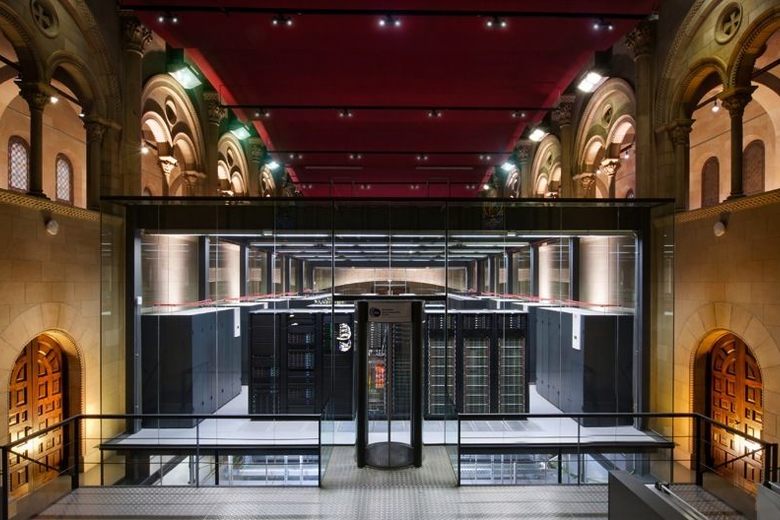
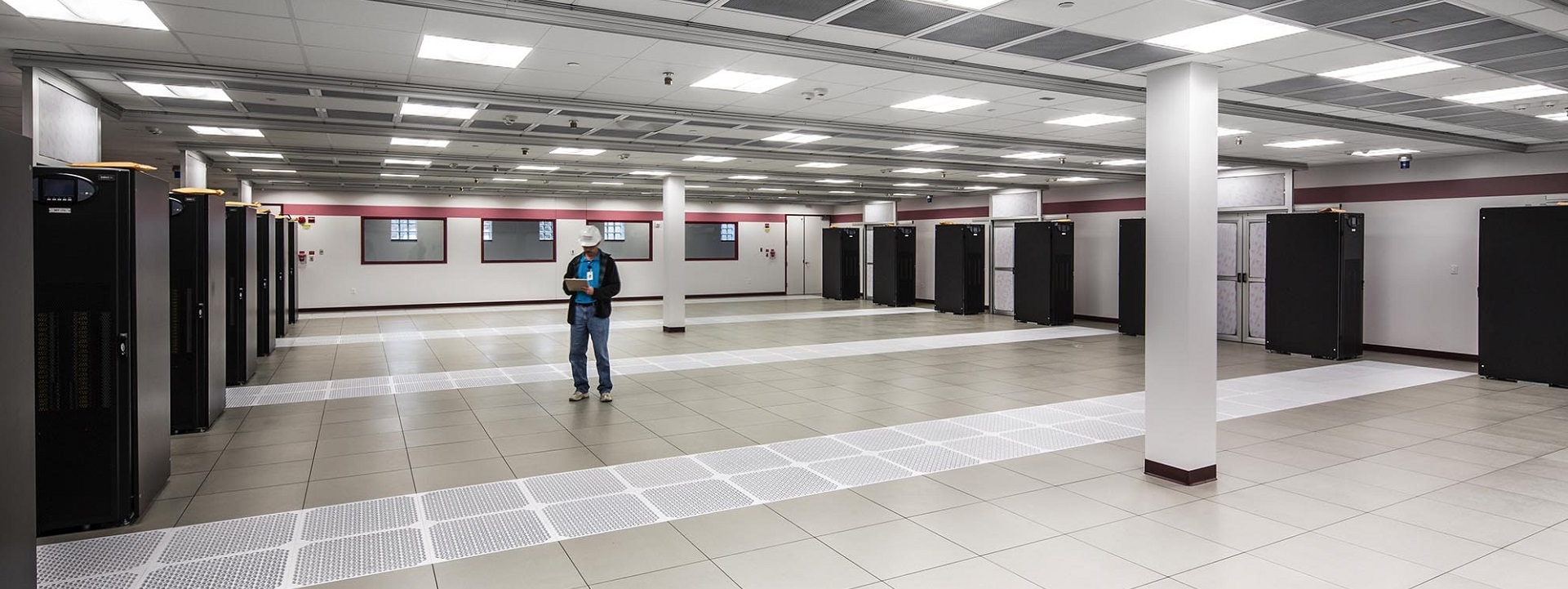
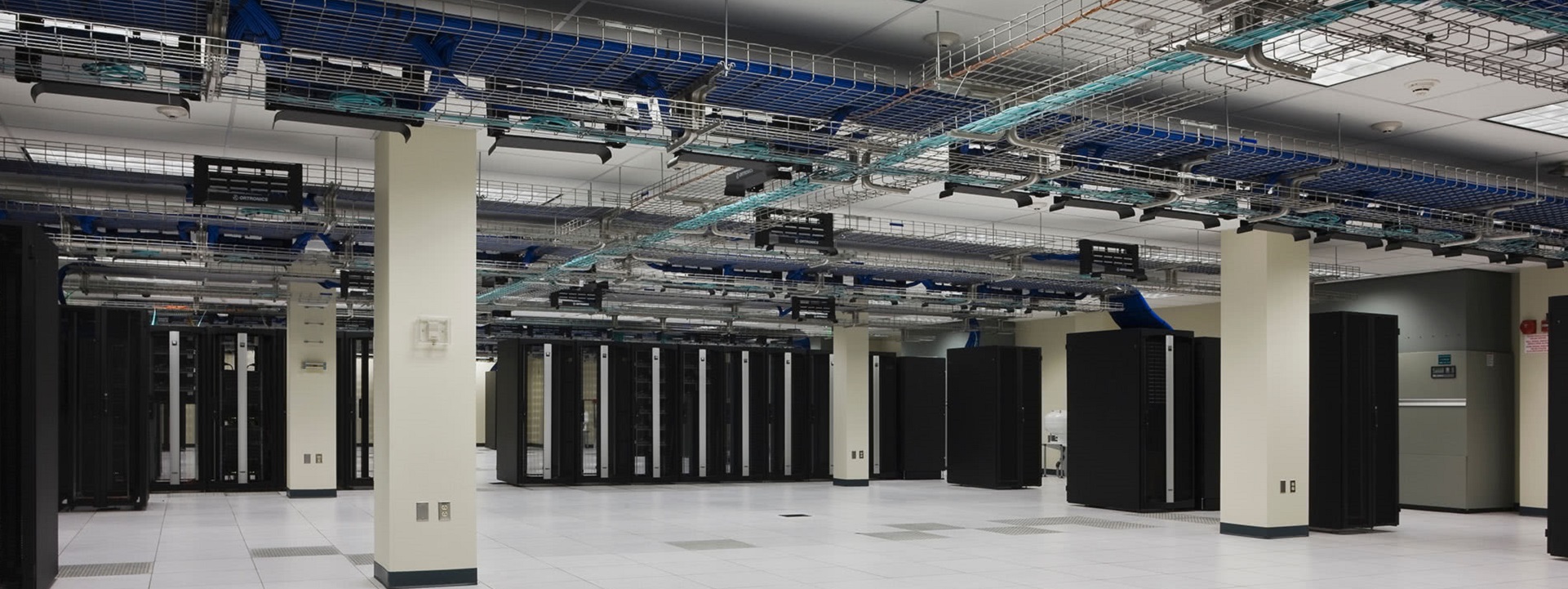
The fourth edition of ASHRAE Standard 90.4 was published in late 2025 (superseding the 2022 edition) and it provides leading practice for smaller enterprise level data centers as well as hyperscale campuses.
Key Highlights of the 2025 Edition
Establishes minimum energy efficiency requirements for the design, construction, operation, and maintenance of data centers.
Expanded sustainability scope: Goes beyond pure energy efficiency to explicitly include greenhouse gas emissions, water use, and broader resource impacts.
Maintains the performance-based approach using metrics like the Mechanical Load Component (MLC) and Electrical Loss Component (ELC), with refinements to make requirements more stringent.
Applies primarily to data centers with power density >20 W/ft² and IT loads >10 kW. It references ASHRAE 90.1 for non-data-center elements (envelope, lighting, etc.).
This marks a clear evolution toward decarbonization and resource efficiency, especially important for AI-driven hyperscale data centers.
Recent Developments (2025–2026)
Addendum b to the 2022 edition was approved in September 2025, providing clarifications for phased or modular data center designs.
The 2024 IECC now references ASHRAE 90.4-2022 (Sections 6 and 8) as a compliance path for data centers.
ASHRAE continues to advocate for wider adoption of 90.4 in state and local energy codes.
The Standing Standard Project Committee (SSPC 90.4) remains active with working groups on mechanical, electrical, ESG, and marketing aspects.
Data centers are among the fastest-growing energy consumers globally due to AI, cloud computing, and digital infrastructure. ASHRAE 90.4 was created because traditional building codes do not adequately address their unique high-density, mission-critical nature.
The 2025 edition’s inclusion of emissions and water use reflects increasing industry and regulatory pressure on data center environmental footprints.
This title establishes minimum energy efficiency requirements for data centers; a permanent fixture in all education communities now undergoing a virtual +∞ asymptotic spike in generative intelligence transformation in ℝ³. At the moment this title is stable but can be revised in 30-90 day consultation cycles which will make it the dominant standard compared with IEEE and NFPA titles which move on a 3 to 5 year revision cadence.
ASHRAE 90.4 defines an alternate compliance path, specific to data centers, while the compliance requirements for “non-data center” components are contained in ASHRAE 90.1 . The 90.4 structure also streamlines the ongoing maintenance process as well ensures that Standards 90.1 and 90.4 stay in their respective lanes to avoid any overlap and redundancies relating to the technical and administrative boundaries. Updates to ASHRAE 90.1 will still include the alternate compliance path defined in ASHRAE 90.4. Conversely the 2022 Edition of 90.4-2022 refers to ASHRAE 90.1-2022; cross-referencing one another synchronously
Links to noteworthy coverage from expert agencies on the 2022 revisions:
This title resides on the standing agenda of our Infotech 400 colloquium; hosted several times per year and as close coupled with the annual meetings of ASHRAE International as possible. Technical committees generally meet during these meetings make decisions about the ASHRAE catalog. The next all committee conference will be hostedJanuary 20-24, 2024 in Chicago. As always we encourage education industry facility managers, energy conservation workgroups and sustainability professionals to participate directly in the ASHRAE consensus standard development process. It is one of the better facilities out there.
Proposed Addendum g makes changes to definitions were modified in section 3 and mandatory language in Section 6 to support the regulation of process heat and process ventilation was moved in the section for clarity. Other changes are added based on comments from the first public review including changes to informative notes.
Consultation closes June 4th
Update: February 10, 2023
The most actively managed consensus standard for data center energy supply operating in education communities (and most others) is not published by the IEEE but rather by ASHRAE International — ASHRAE 90.4 Energy Standard for Data Centers (2019). It is not required to be a free access title although anyone may participate in its development. It is copyrighted and ready for purchase but, for our purpose here, we need only examine its scope and purpose. A superceded version of 90.4 is available in the link below:
It is likely that the technical committee charged with updating this standard are already at work preparing an updated version that will supercede the 2019 Edition. CLICK HERE for a listing of Project Committee Interim Meetings.
We maintain many titles from the ASHRAE catalog on the standing agenda of our Mechanical, Energy 200/400, Data and Cloud teleconferences. See our CALENDAR for the next online meeting; open to everyone.
Originally posted Summer 2020.
ASHRAE International has released four new addenda to its energy conservation consensus document ASHRAE 90.4-2016 Energy Standard for Data Centers. This document establishes the minimum energy efficiency requirements of data centers for design and construction, for the creation of a plan for operation and maintenance and for utilization of on-site or off-site renewable energy resources.
It is a relatively new document more fully explained in an article published by ASHRAE in 2016 (Click here). The addenda described briefly:
Addendum a – clarifies existing requirements in Section 6.5 as well as introduce new provisions to encourage heat recovery within data centers.
Addendum b – clarifies existing requirements in Sections 6 and 11 and to provide guidance for taking credit for renewable energy systems.
Addendum d – a response to a Request for Interpretation on the 90.4 consideration of DieselRotary UPS Systems (DRUPS) and the corresponding accounting of these systems in the Electrical Loss Component (ELC). In crafting the IC, the committee also identified several marginal changes to 90.4 definitions and passages in Section 8 that would add further clarity to the issue. This addendum contains the proposed changes for that aim as well as other minor changes to correct spelling or text errors, incorporate the latest ELC values into Section 11, and to refresh information in the Normative Reference.
Addendum e adds language to Section 11 intended to clarify how compliance with Standard 90.4 can be achieved through the use of shared systems.
Comments are due September 6th. Until this deadline you may review the changes and comment upon them by by CLICKING HERE
Education facility managers, energy conservation workgroups and sustainability professionals are encouraged to participate directly in the ASHRAE standard development process. Start at ASHRAE’s public commenting facility:
The ASHRAE catalog is a priority title in our practice. This title appears on the standing agenda of our Infotech sessions. See our CALENDAR for the next online meeting; open to everyone.
Settled in the Village of Berrien Springs (Population 2043, including students) Andrews University is the flagship educational institution of the Seventh-day Adventist Church, and is made up of the Seventh-day Adventist Theological Seminary, College of Arts and Sciences, School of Business Administration, School of Education, School of Health Professions, and the School of Architecture, Art & Design.
The University is named after John Nevins Andrews (1829–1883), the biggest thinker in the 19th-century Seventh-day Adventist Church. He was also the first sponsored missionary that the Church sent overseas. J.N. Andrews’ example of careful thought and compassionate action in Christian life is something we have taken to heart. Our motto is “Seek Knowledge. Affirm Faith. Change the World.”
Andrews University is honored to be ranked as one of the top 15 Christian universities and the highest ranked Adventist university in the country in the 2024 Niche Best Colleges report. pic.twitter.com/FQb7czeHoL
Pres. JW Taylor greeted Julianna Magan, her parents, Andy & Cindy Magan, & sister, Clara, at Sutherland House on Aug. 19. Julianna, a transfer student, & Clara are great-great-great-granddaughters of Percy T. Magan, 1 of the 2 major founders of the Andrews Berrien Springs campus. pic.twitter.com/2wqcgUQBdl
Although most closely associated with All Saints’ Day, “For All the Saints” is often sung throughout the year in Anglican churches and collegiate chapels because its theme is not confined to a single feast. It celebrates the Church as a continuing fellowship across generations, encouraging Christians in the ordinary work of discipleship. In that respect, it speaks naturally to the long green season of Ordinary Time
Music is the oldest continuously evolving grammar of ordered relationships in the Western intellectual tradition.
For all the saints, who from their labours rest, Who thee by faith before the world confessed, Thy Name, O Jesus, be for ever blessed. Alleluia, Alleluia!
Thou wast their Rock, their Fortress and their Might; Thou, Lord, their Captain in the well-fought fight; Thou, in the darkness drear, their one true Light. Alleluia, Alleluia!
O may thy soldiers, faithful, true and bold, Fight as the saints who nobly fought of old, And win, with them, the victor’s crown of gold. Alleluia, Alleluia!
O blest communion, fellowship divine! We feebly struggle, they in glory shine; Yet all are one in thee, for all are thine. Alleluia, Alleluia!
And when the strife is fierce, the warfare long, Steals on the ear the distant triumph song, And hearts are brave again and arms are strong. Alleluia, Alleluia!
The golden evening brightens in the west; Soon, soon to faithful warriors cometh rest; Sweet is the calm of Paradise the blest. Alleluia, Alleluia!
But lo! there breaks a yet more glorious day; The saints triumphant rise in bright array; The King of Glory passes on his way. Alleluia, Alleluia!
From earth’s wide bounds, from ocean’s farthest coast, Through gates of pearl streams in the countless host, Singing to Father, Son and Holy Ghost: Alleluia, Alleluia!
Soybeans play a critical role in the food chain as a source of protein and oil for human consumption, animal feed, food processing, industrial applications, and sustainable agricultural practices. They are a versatile and widely used crop that contributes to various aspects of the global food system.
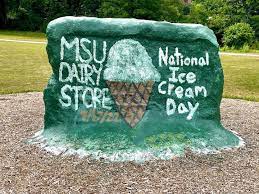
The invention of ice cream, as we know it today, is a product of historical evolution, and there isn’t a single individual credited with its creation. Various cultures and civilizations throughout history have contributed to the development of frozen treats resembling ice cream.
One of the earliest records of frozen desserts can be traced back to ancient China, where people enjoyed a frozen mixture of milk and rice around 200 BC. Similarly, ancient Persians and Arabs had a tradition of mixing fruit juices with snow or ice to create refreshing treats.
In Europe, frozen desserts gained popularity in the 17th and 18th centuries, and it was during this time that the more modern version of ice cream, made with sweetened milk or cream, began to take shape. During this period, ice cream became more widely accessible and enjoyed by the nobility and upper classes.
To produce ice cream on a commercial scale, several key pieces of infrastructure and equipment are necessary. The specific requirements may vary depending on the production capacity and the type of ice cream being produced, but the basic infrastructure typically includes:
Manufacturing Facility: A dedicated space or building is needed to house all the production equipment and storage facilities. The facility should comply with local health and safety regulations and be designed to maintain the required temperature and hygiene standards.
Mixing and Blending Equipment: Industrial-scale mixers and blending machines are used to mix ingredients like milk, cream, sugar, stabilizers, emulsifiers, and flavorings. These machines ensure that the mixture is homogenized and consistent.
Pasteurization Equipment: To ensure product safety and extend shelf life, ice cream mix needs to be pasteurized. Pasteurization equipment heats the mixture to a specific temperature and then rapidly cools it to destroy harmful microorganisms.
Homogenizers: Homogenizers help break down fat molecules in the ice cream mix to create a smoother and creamier texture.
Aging Vats: The ice cream mix is aged at a controlled temperature for a specific period, which allows the ingredients to fully blend and improves the ice cream’s texture.
Freezers: Continuous freezers or batch freezers are used to freeze the ice cream mix while incorporating air to create the desired overrun (the amount of air in the final product). Continuous freezers are more commonly used in large-scale production, while batch freezers are suitable for smaller batches.
Hardening and Storage Room: Once the ice cream is frozen, it needs to be hardened at a lower temperature to achieve the desired texture. Storage rooms are used to store finished ice cream at the appropriate temperature until distribution.
Packaging Equipment: Equipment for filling and packaging the ice cream into various containers, such as cartons, tubs, or cones.
Quality Control and Laboratory Facilities: A dedicated area for quality control testing, where ice cream samples are analyzed for consistency, flavor, and other characteristics.
Cleaning and Sanitation Systems: Proper cleaning and sanitation systems are essential to maintain hygiene and prevent contamination.
Utilities: Adequate water supply, electrical power, and refrigeration capacity are critical for ice cream production.
Last night, we celebrated the graduation of the 2nd class of Leadership GCISD! This incredible group of community members got a behind the scenes look at what makes GCISD thrive, and finished their semester-long program learning more from Finance, Human Resources and Technology. pic.twitter.com/CuMt95cZBm
What a sweet way to celebrate learning! About 40 Silver Lake students were honored with medals and treated to Kona Ice for reading at least 2,100 minutes this school year as part of their campuswide reading challenge. Nice job! pic.twitter.com/kkg7sDt7y5
New update alert! The 2022 update to the Trademark Assignment Dataset is now available online. Find 1.29 million trademark assignments, involving 2.28 million unique trademark properties issued by the USPTO between March 1952 and January 2023: https://t.co/njrDAbSpwBpic.twitter.com/GkAXrHoQ9T