Sacred Spaces

Loading
loading...

Sacred Spaces

November 1, 2026
mike@standardsmichigan.com
,
No Comments

“We need the sense of the sacred, and the sense that things transcend our grasp.

We need to know that we are dependent on others,

and that the condition of our existence is the existence of others.”

— Sir Roger Scruton

“View of Eton College Chapel” 1834 William Ingalton

Natural Religion

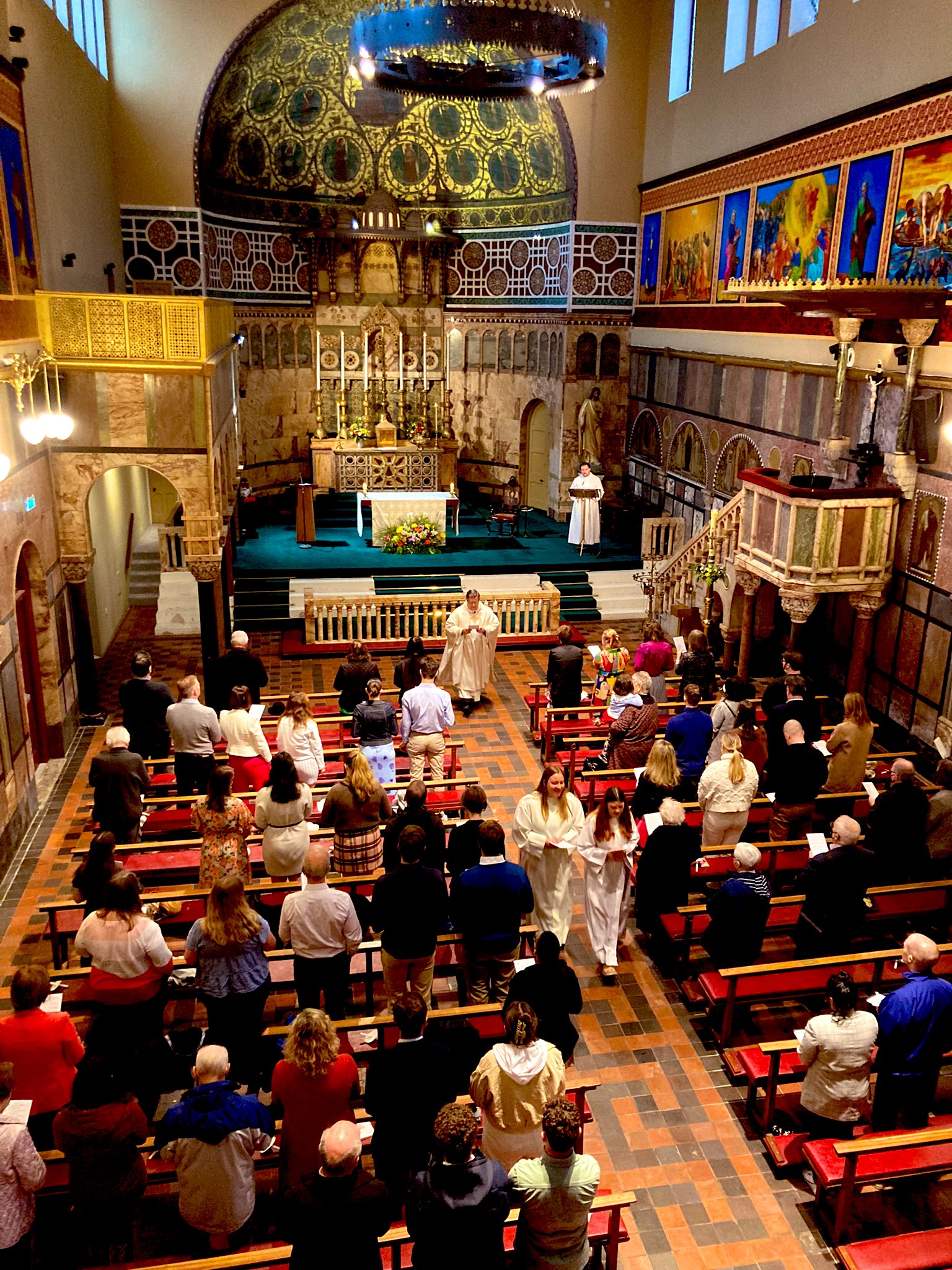
The founding of many education communities is inspired by faith communities.   In many of them the place of worship was the very first building.   College and university chapels are central places of worship for students, staff and faculty, and provide a space for solitude and reflection.  A place for feeling at home in the world.

International Building Code | Section 303.4 Assembly Group A-3

There are several hundred technical standards, or parts of standards,  that govern how churches and chapels are made safe and sustainable.  Owing to innovations in construction, operation and management methods, those standards move, ever so slightly, on a near-daily basis.  They are highly interdependent; confounded by county-level adaptations; and impossible to harmonize by adoption cycle.  That movement tracked here as best we can within the limit of our resources and priorities.  That’s why it’s best to simply click into our daily colloquia if you have a question or need guidance.

The Bible: Silly Stories or Symbolic Wisdom


Richard Miniter observes that the United States was founded as four distinct religious utopias, each originating from different regions and historical periods in England (and the broader British Isles). These groups, shaped by conflicts like the English Civil War, brought competing visions of society, governance, and faith that continue to influence American culture and politics today.1. New England Puritans (from East Anglia): Strict, communal Calvinists seeking a “city upon a hill” with moral oversight and collective piety.
2. Cavalier culture in Virginia and the South (from southwest England): Hierarchical, Anglican/Royalist tradition emphasizing order, honor, and aristocratic values.
3. Middle States (influenced by the West Midlands): More tolerant, pluralistic Quaker and other nonconformist approaches fostering commerce and individual liberty.
4. Appalachian borderlands (from the English-Scottish border): Scots-Irish Presbyterian folkways stressing independence, martial honor, and anti-authoritarian egalitarianism.These enduring subcultures create ongoing tensions over freedom, authority, and religion in America.

Maps of Meaning: The Architecture of Belief | Jordan Peterson, Douglas Murray, Sam Harris
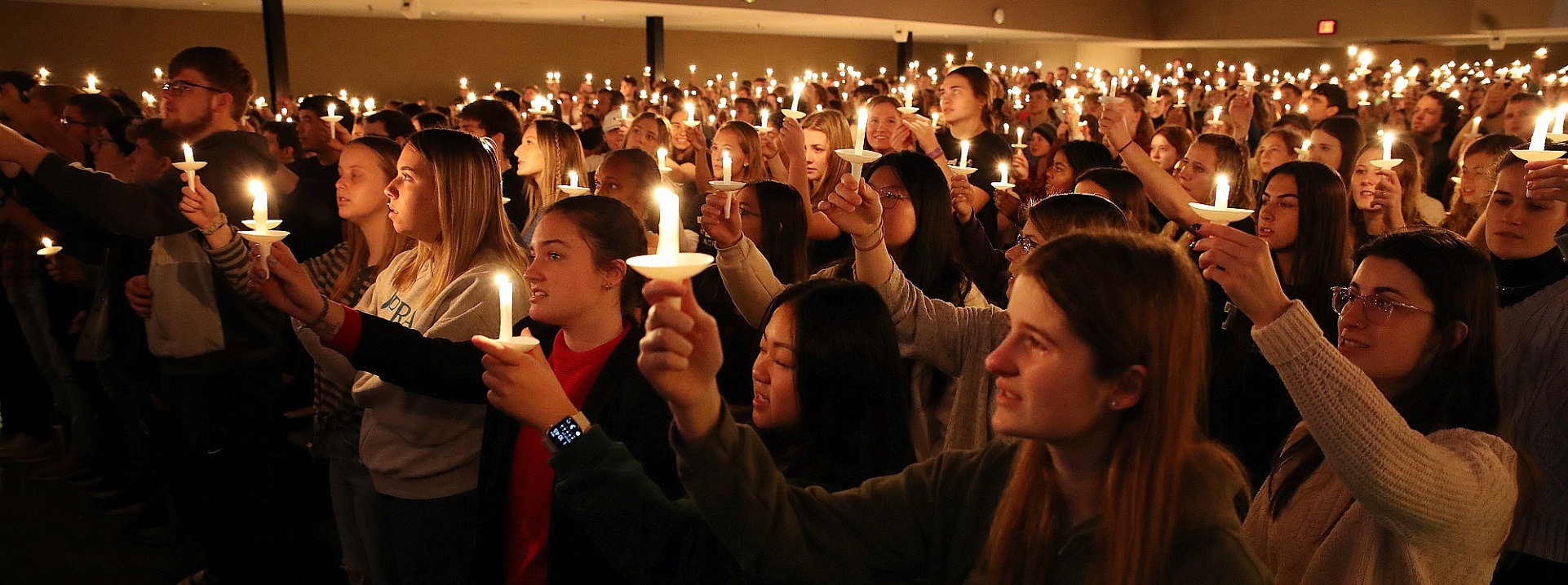
Taylor University | Grant County Indiana

The image criteria of our WordPress theme does not permit many images of college and university chapels to be shown fully-dimensioned on sliders or widget galleries.  We reproduce a few of the outsized images here and leave the complexities of financing, designing, building and maintaining of them in a safe and sustainable manner for another day.  CLICK HERE for the links to our Sacred Space Standards workspace.

Click on any image for author attribution, photo credit or other information*.
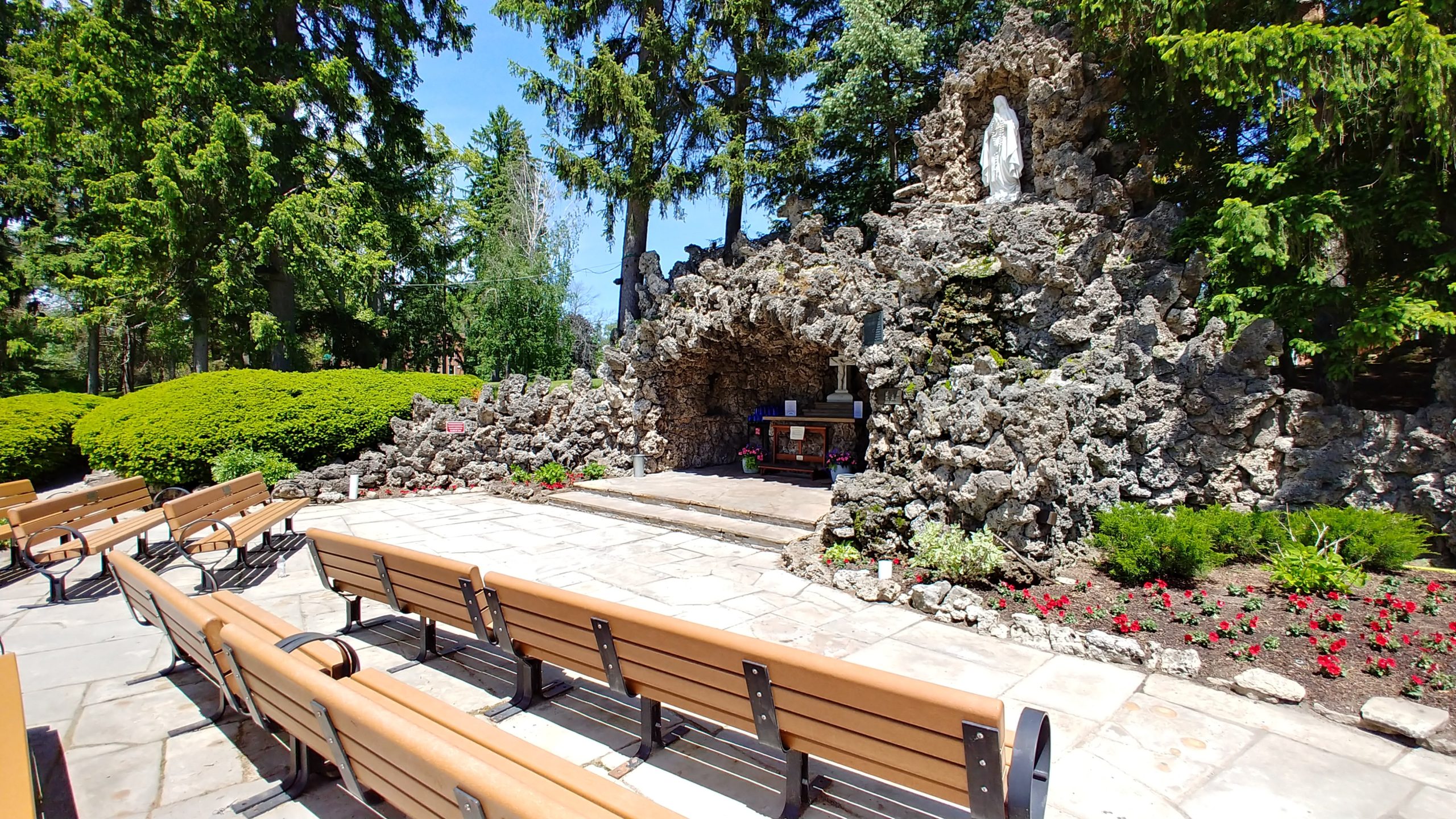
Orchard Lake Schools | Oakland County Michigan
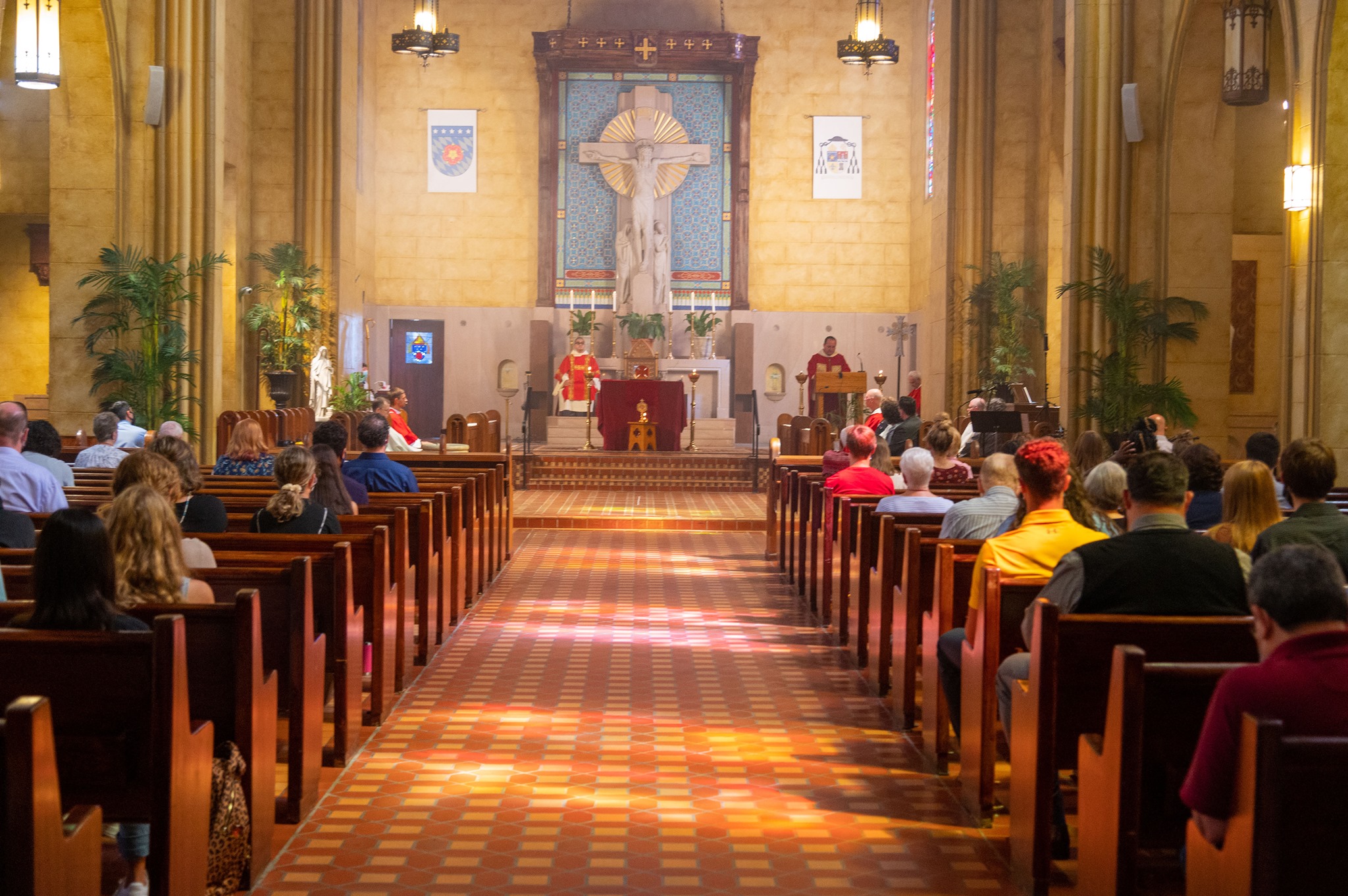
Saint Leo University | Pasco County Florida

Newman University Chapel Dublin

I believe in Christianity as I believe that the sun has risen:

not only because I see it, but because by it I see everything else.

— C.S. Lewis
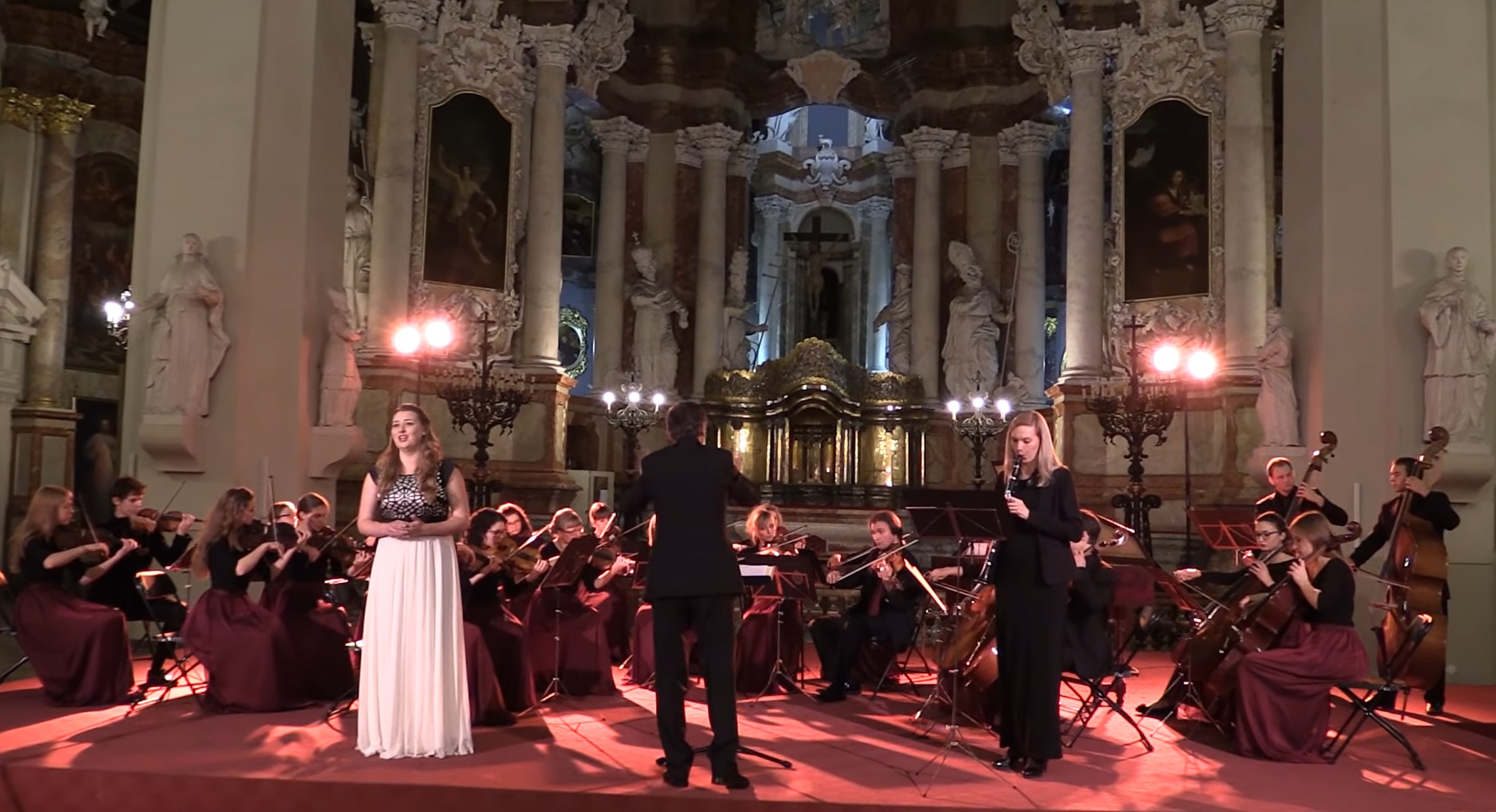
Vilnius University
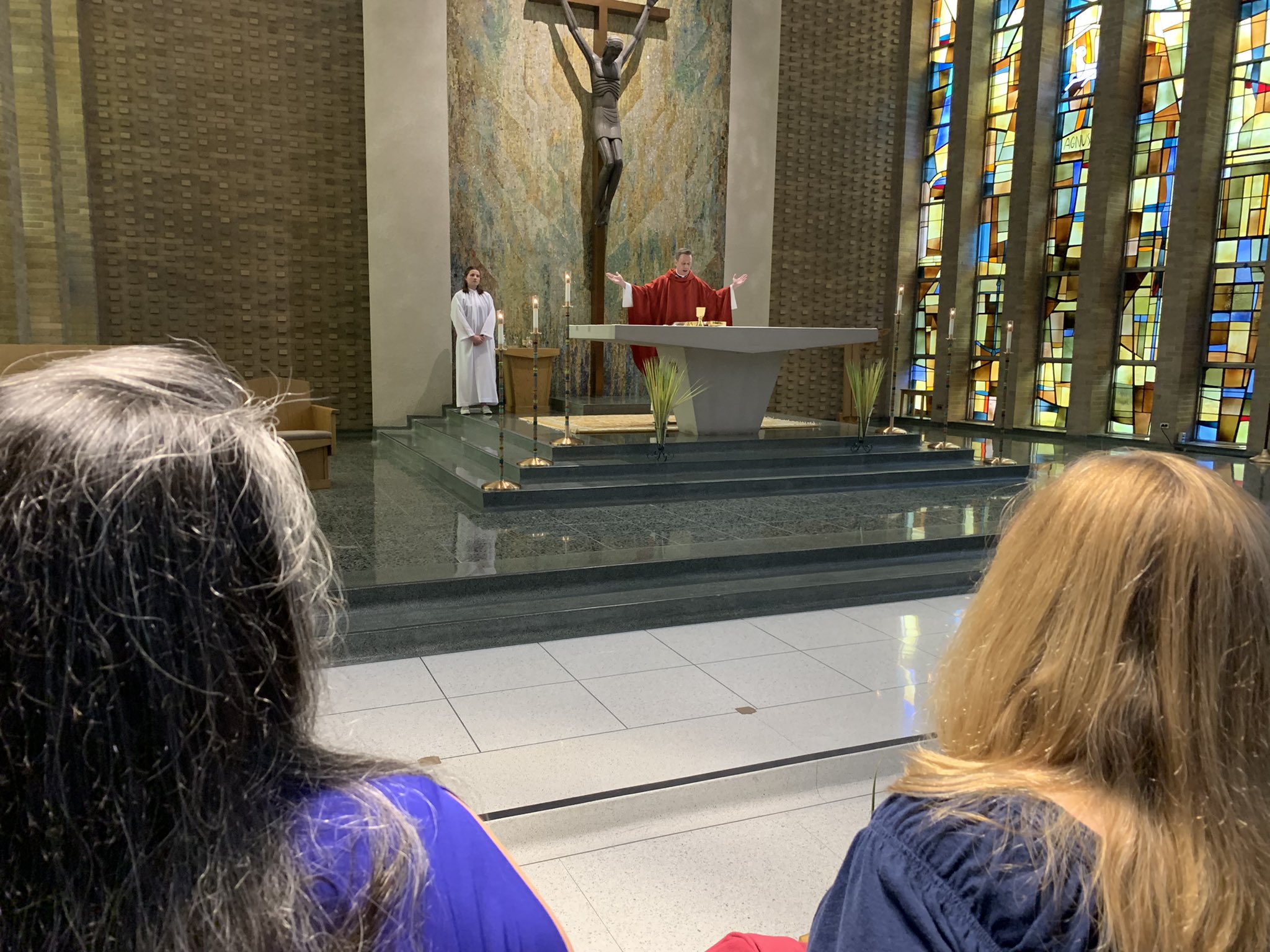
Mount St. Joseph University | Hamilton County Ohio

Sainte-Chapelle:pic.twitter.com/B2lPLtWEVx

— Culture Critic (@Culture_Crit) February 12, 2024
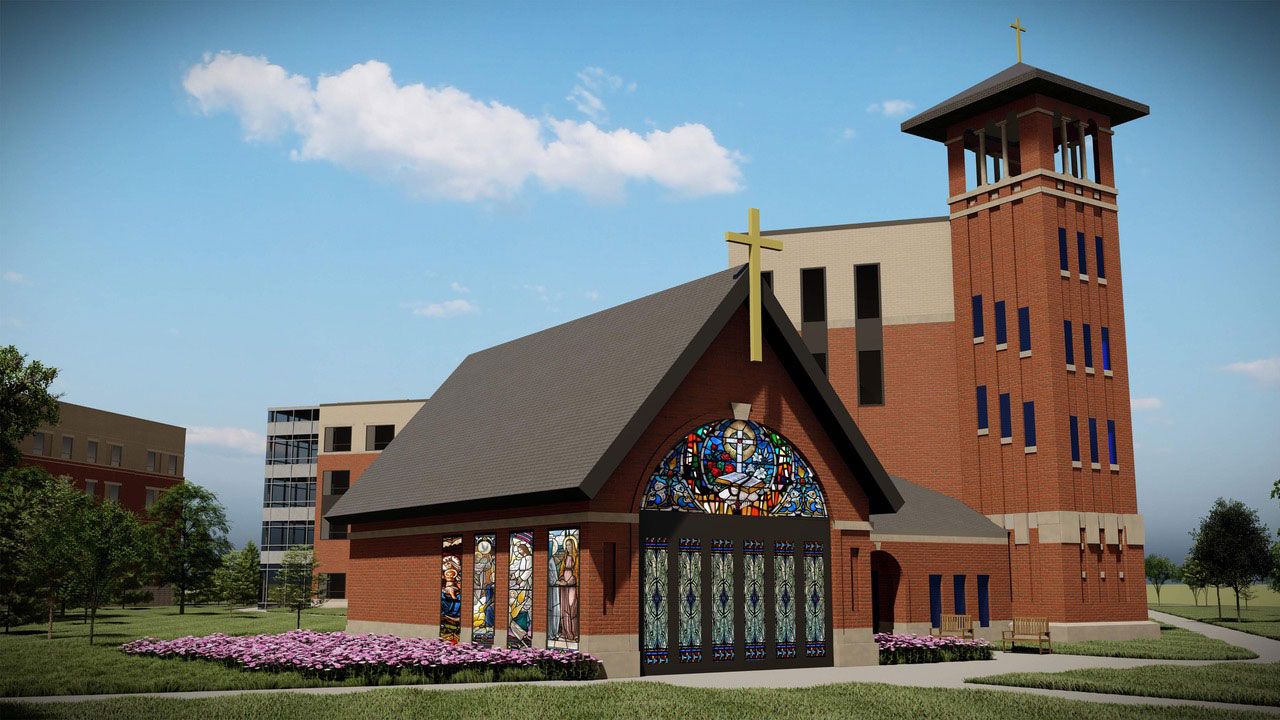
Marian University Indianapolis
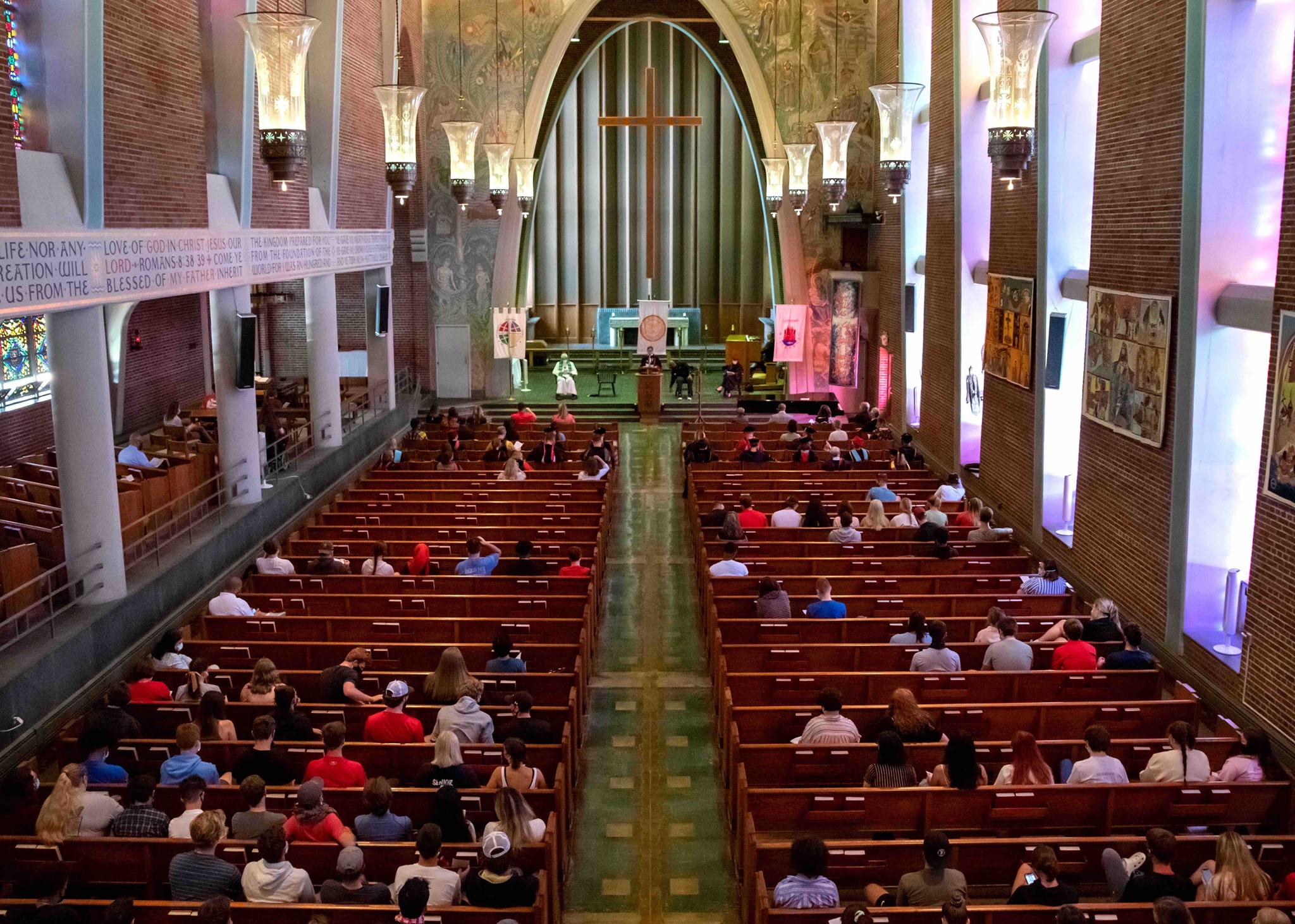
Wittenberg University
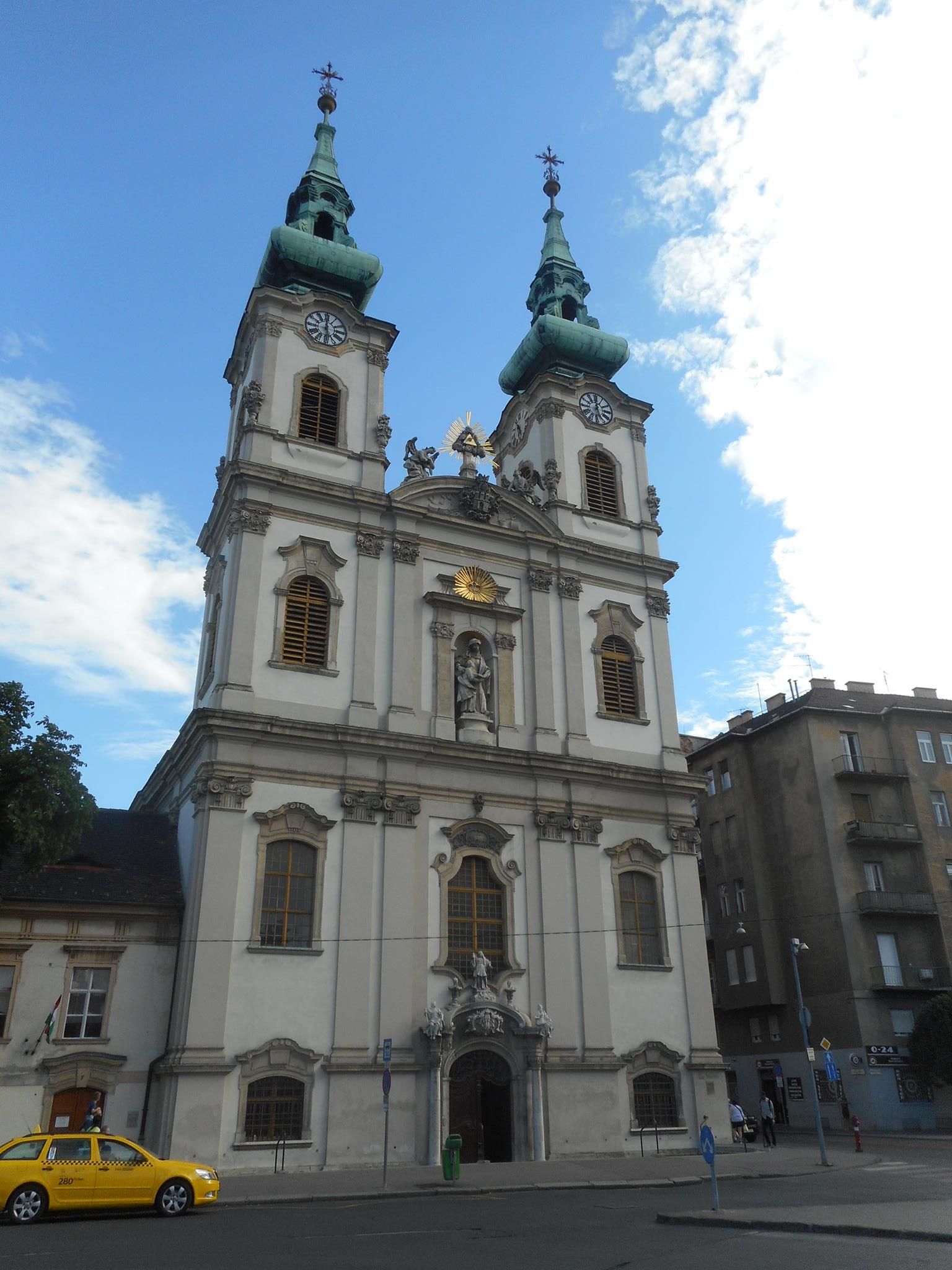
Károli Gáspár Református Egyetem

University of San Diego
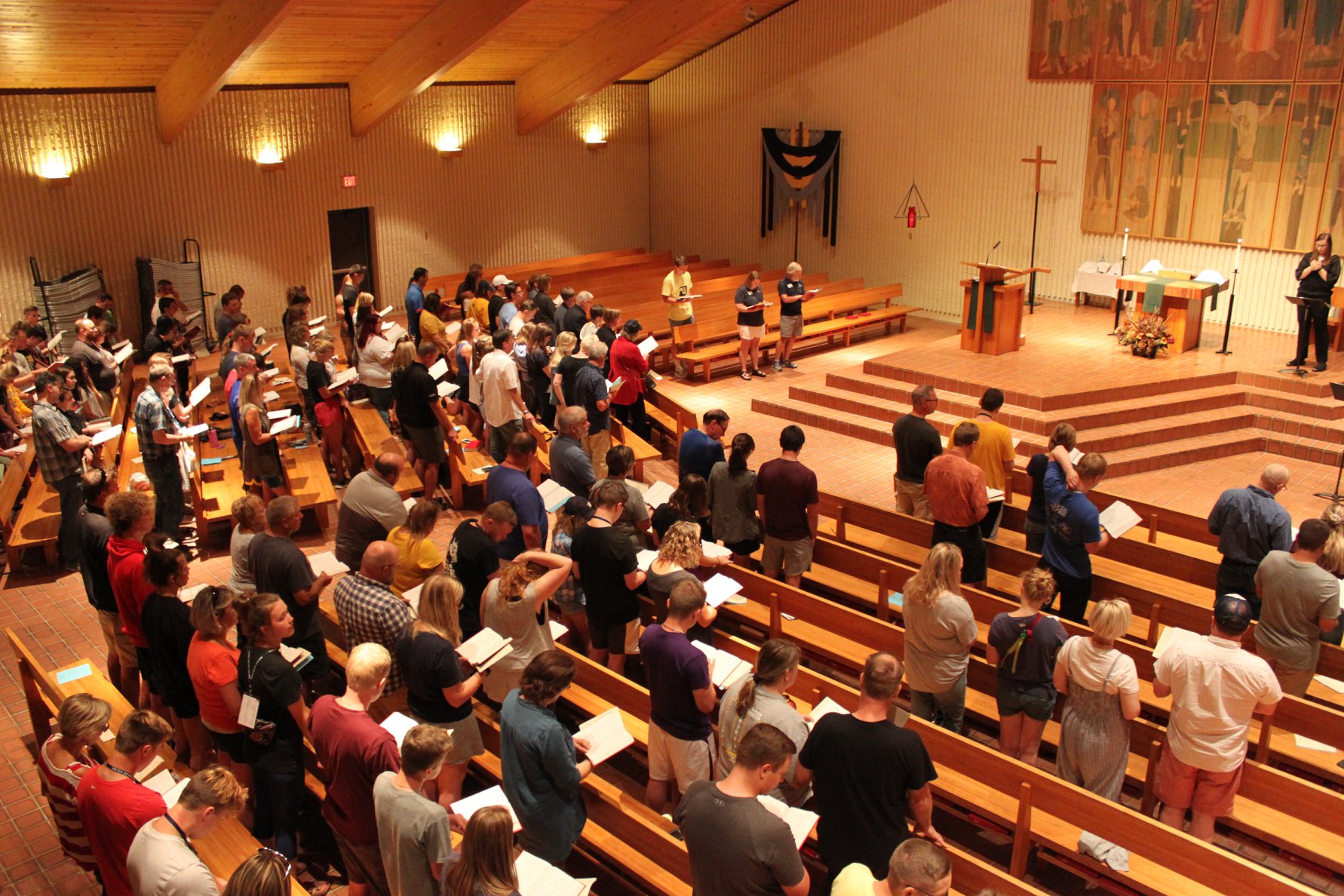
Augustana University | Minnehaha County South Dakota
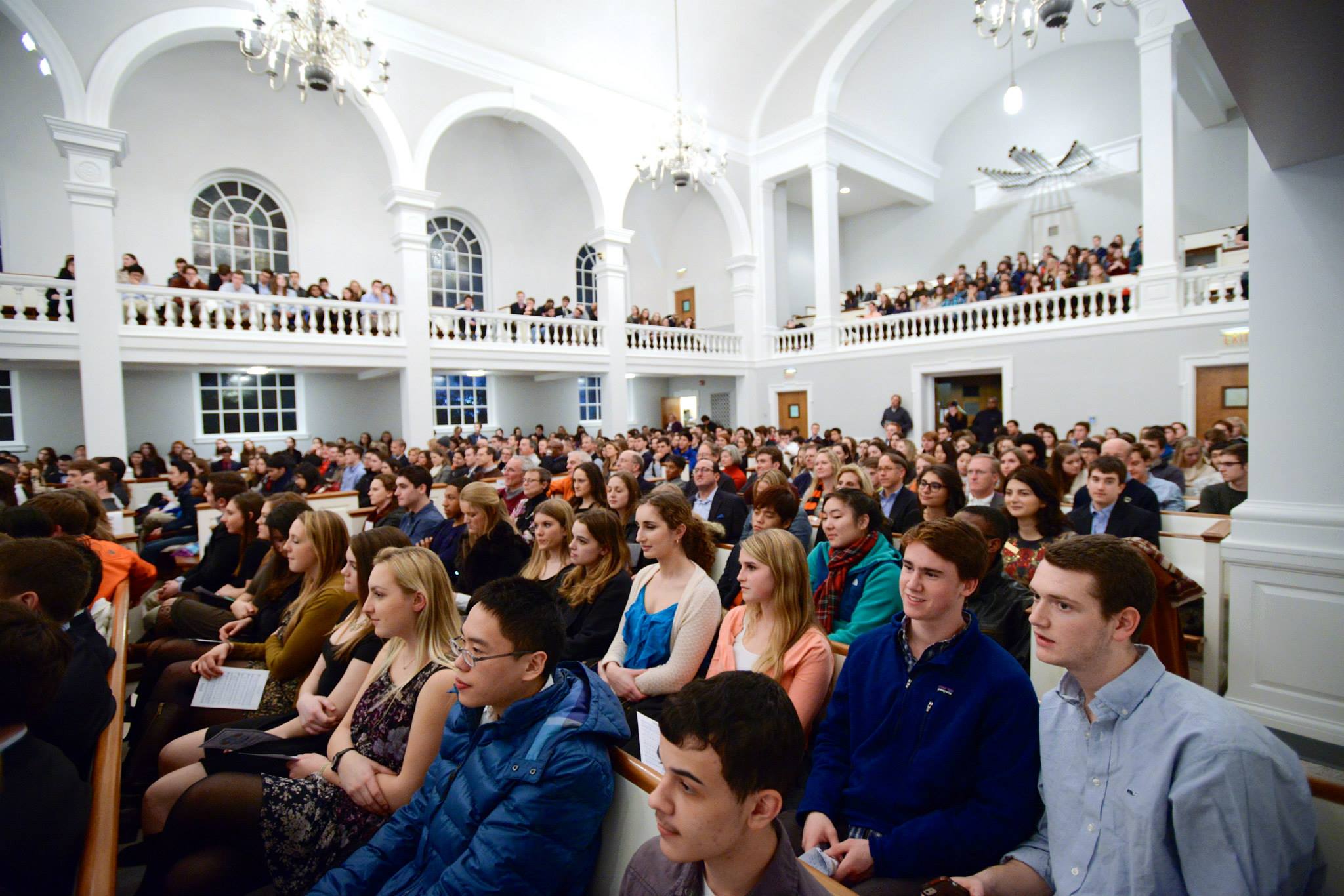
Bucknell University Pennsylvania
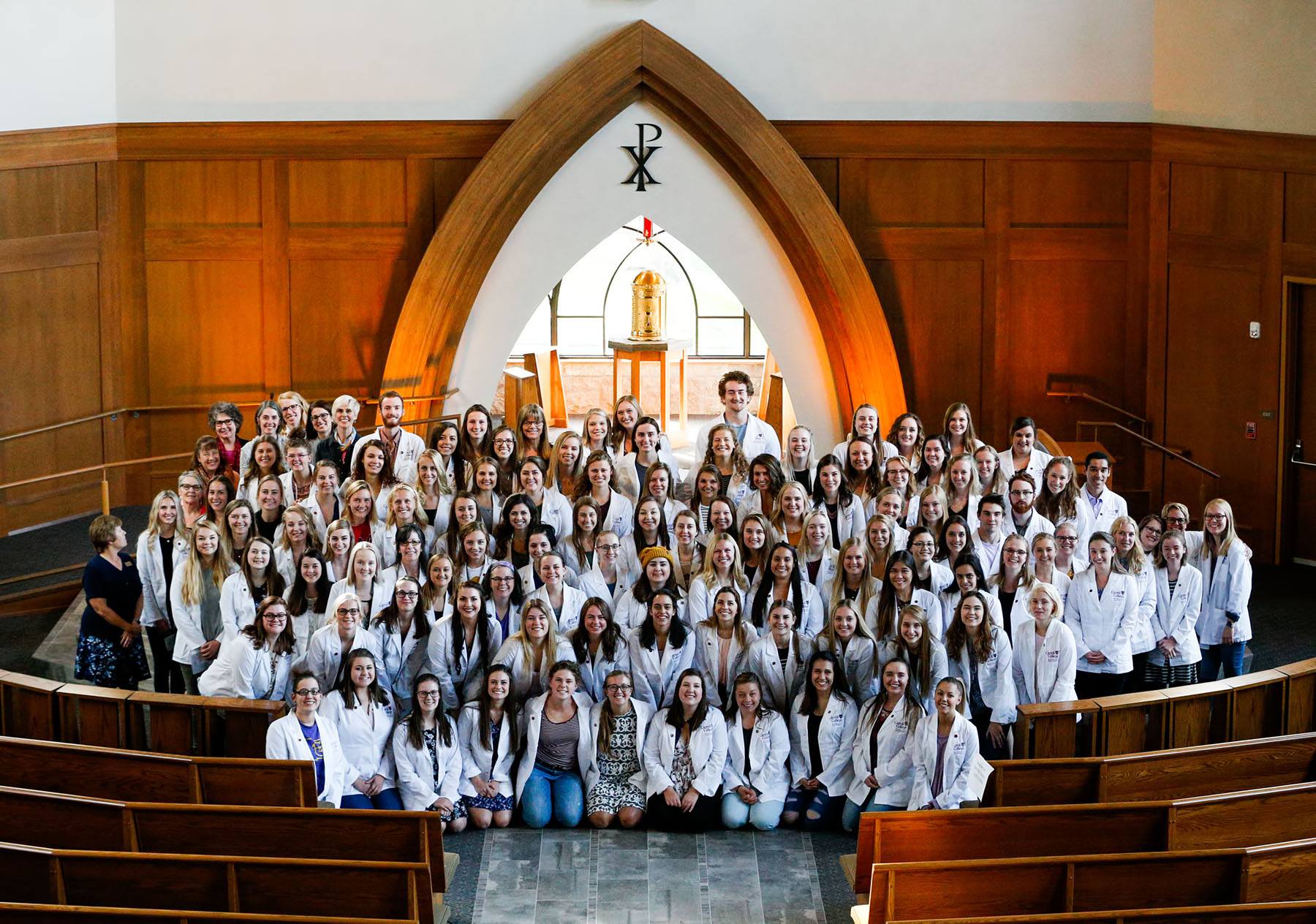
Carroll College All Saints Chapel Montana
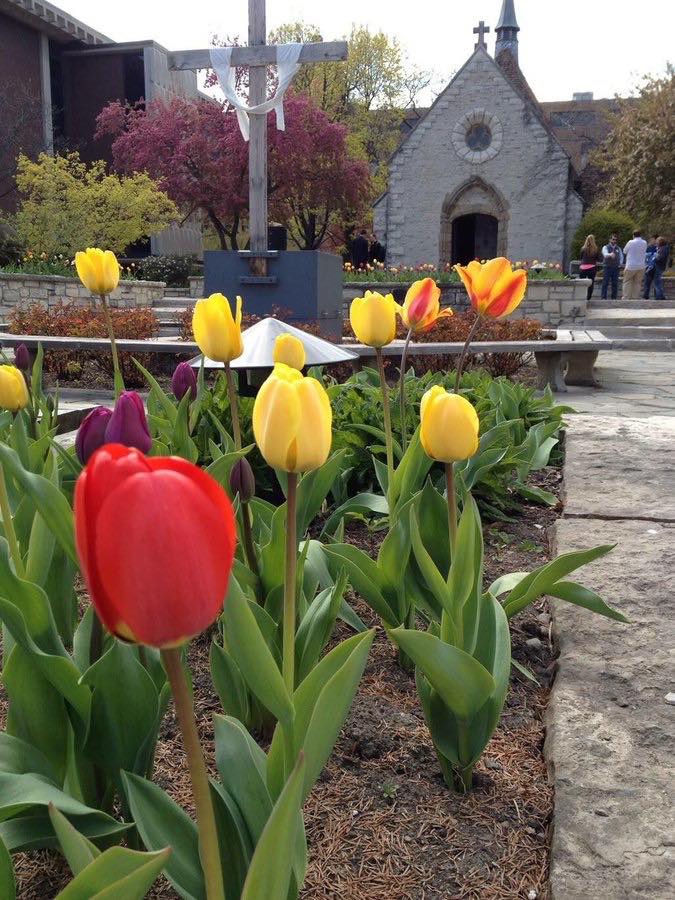
 

Marquette University Wisconsin
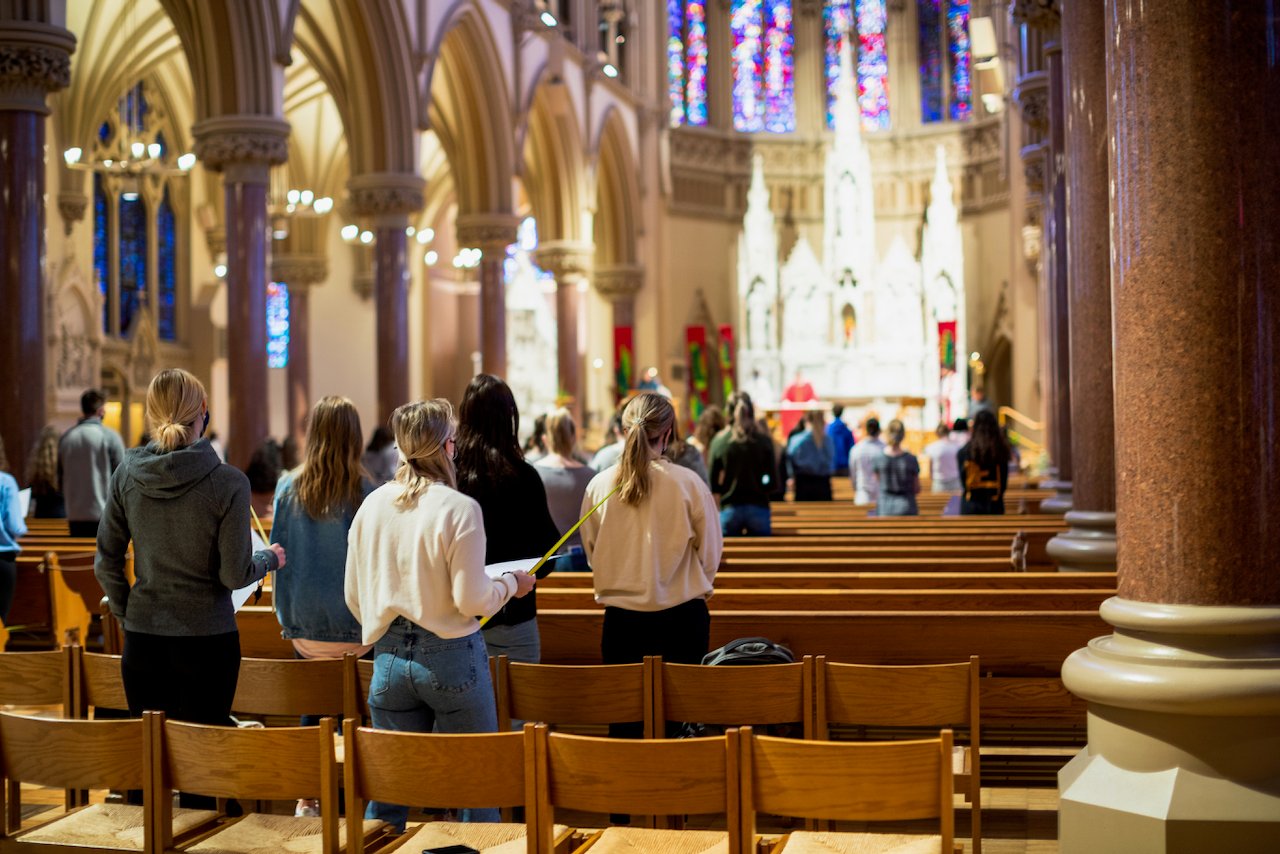
Saint Louis University Missouri
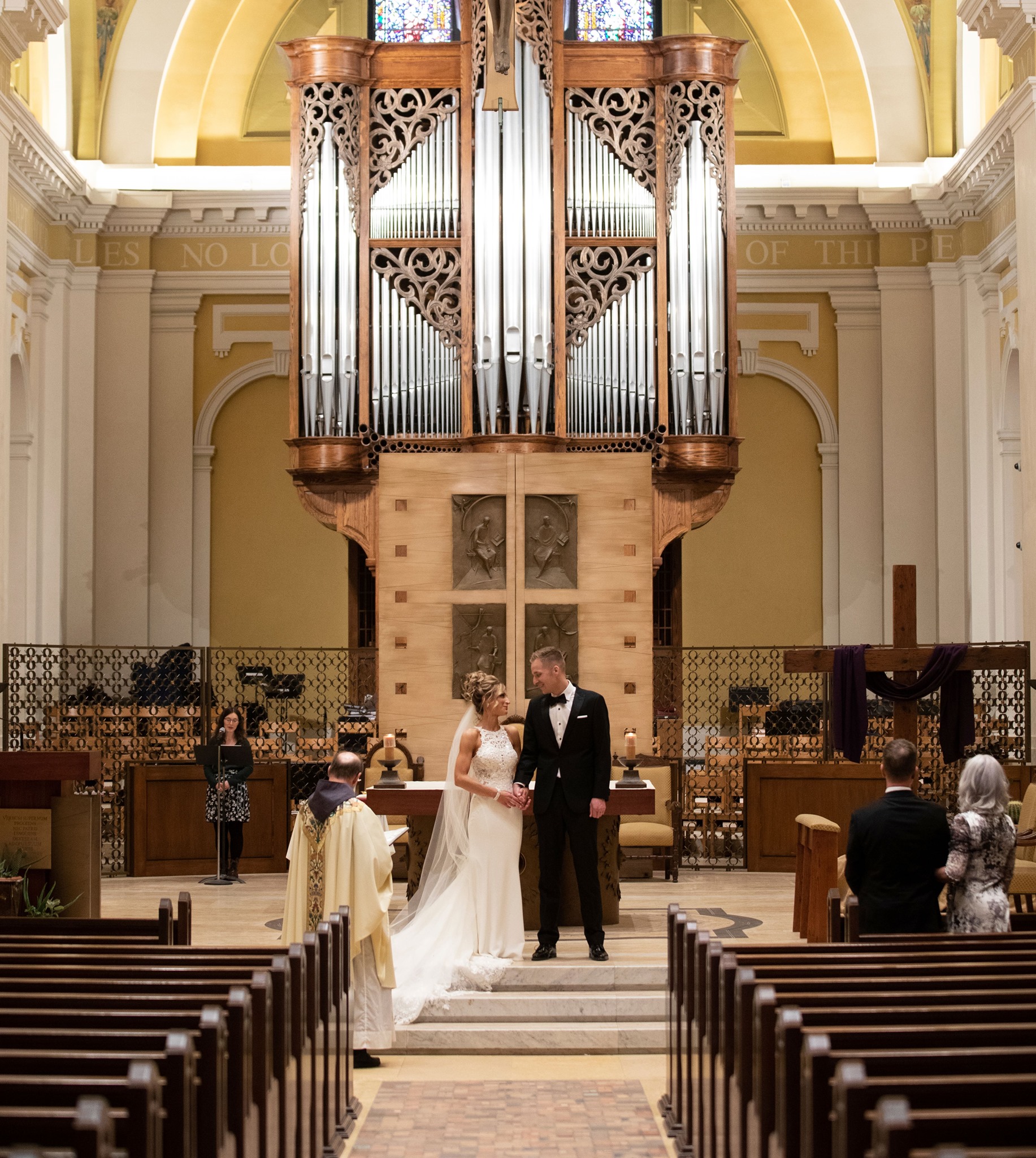
University of St. Thomas Minnesota
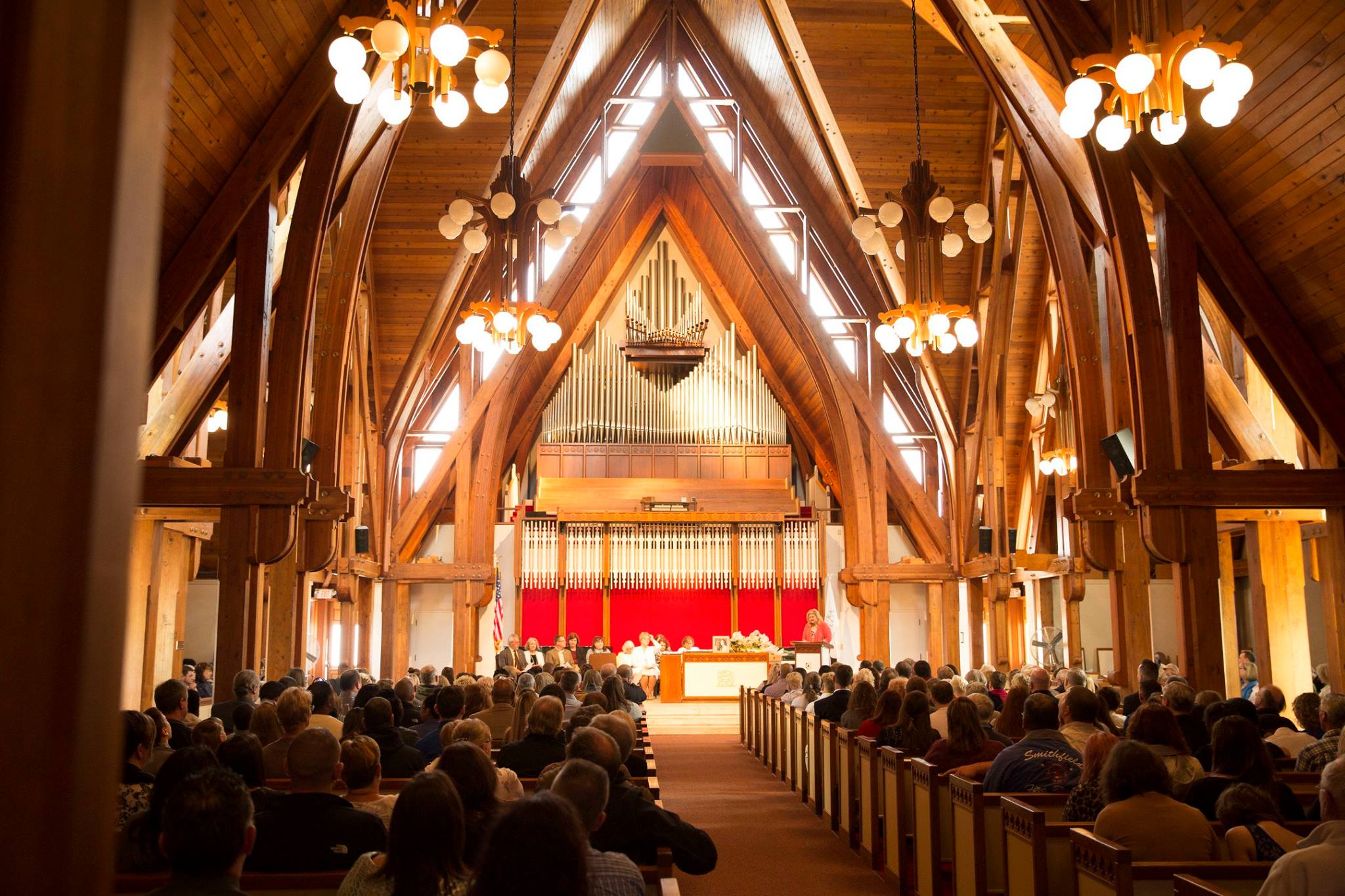
Keuka College New York

جامعة الأزهر (الشريف)
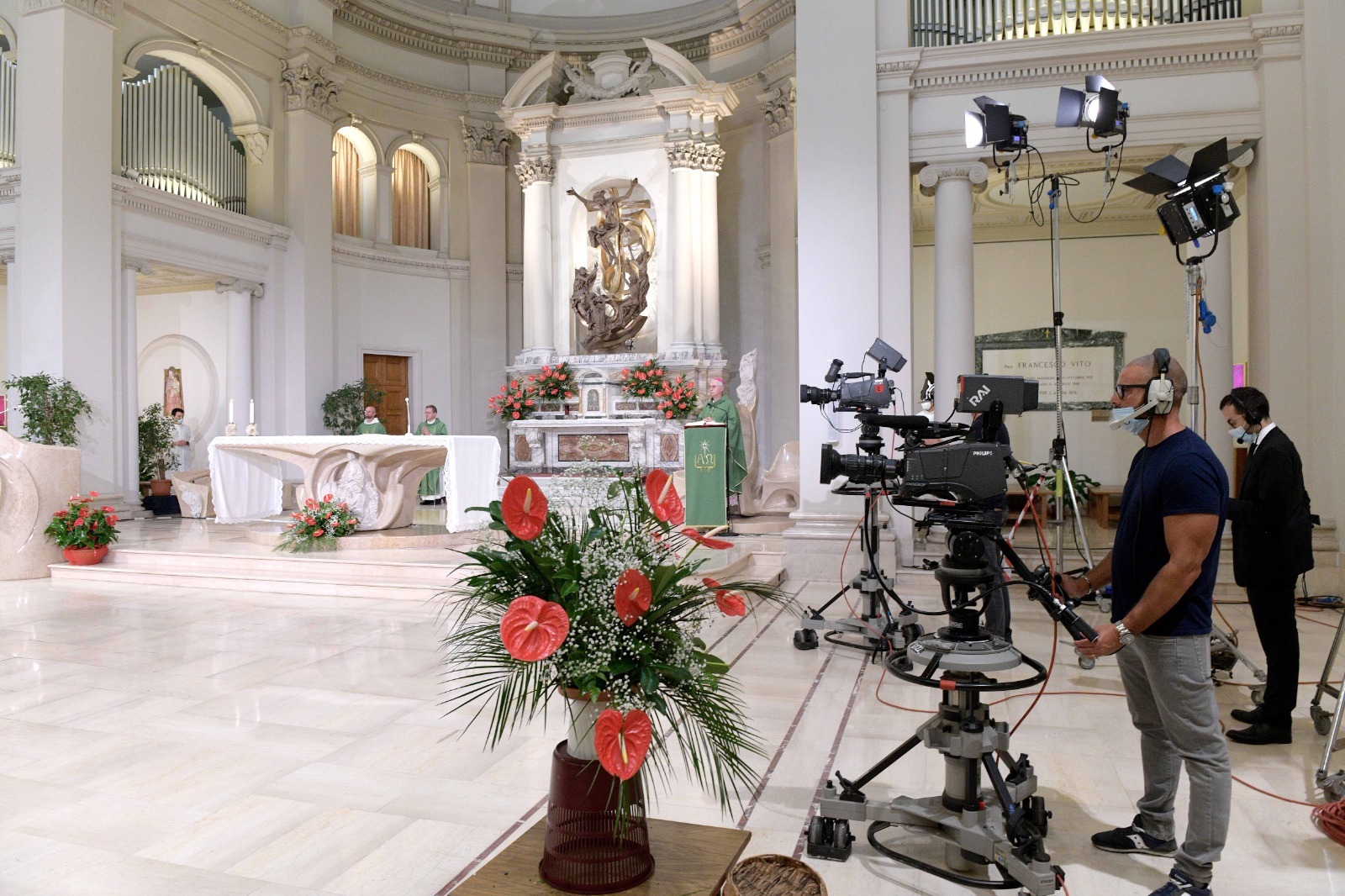
Università Cattolica del Sacro Cuore
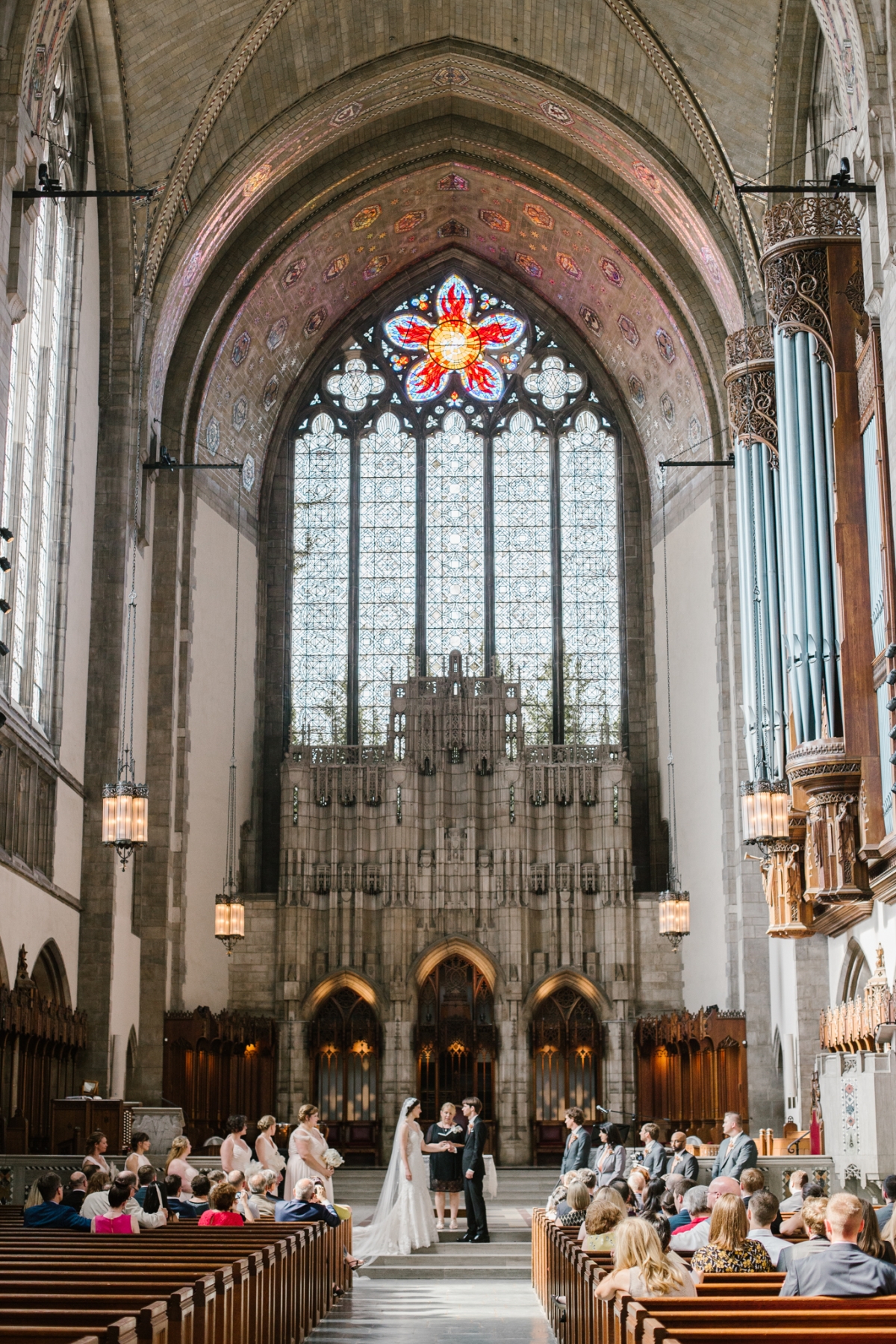
University of Chicago
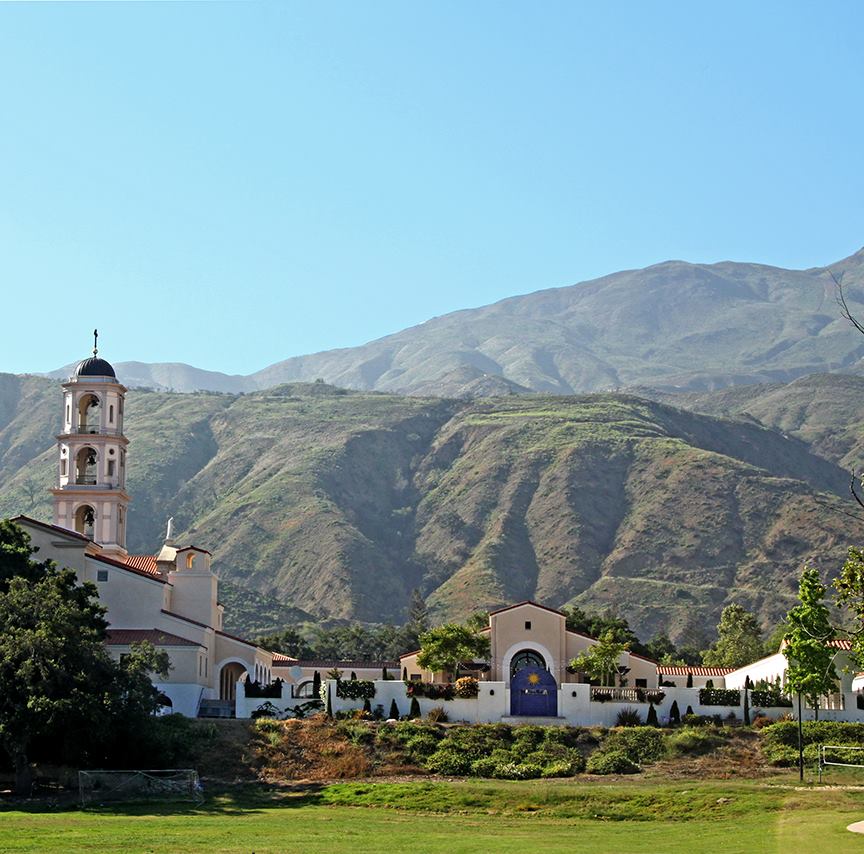
Thomas Aquinas College California
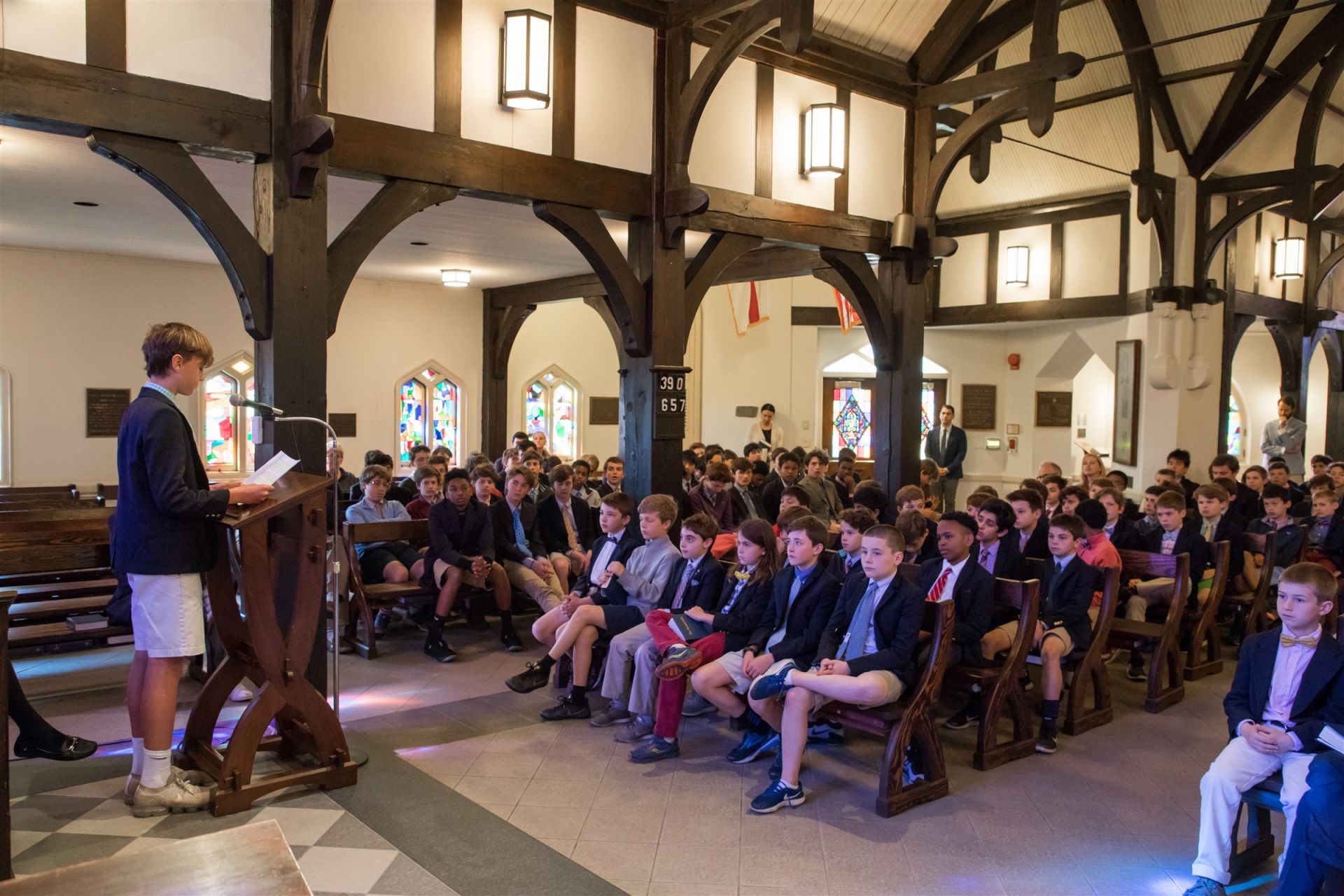
St. Albans School | District of Columbia
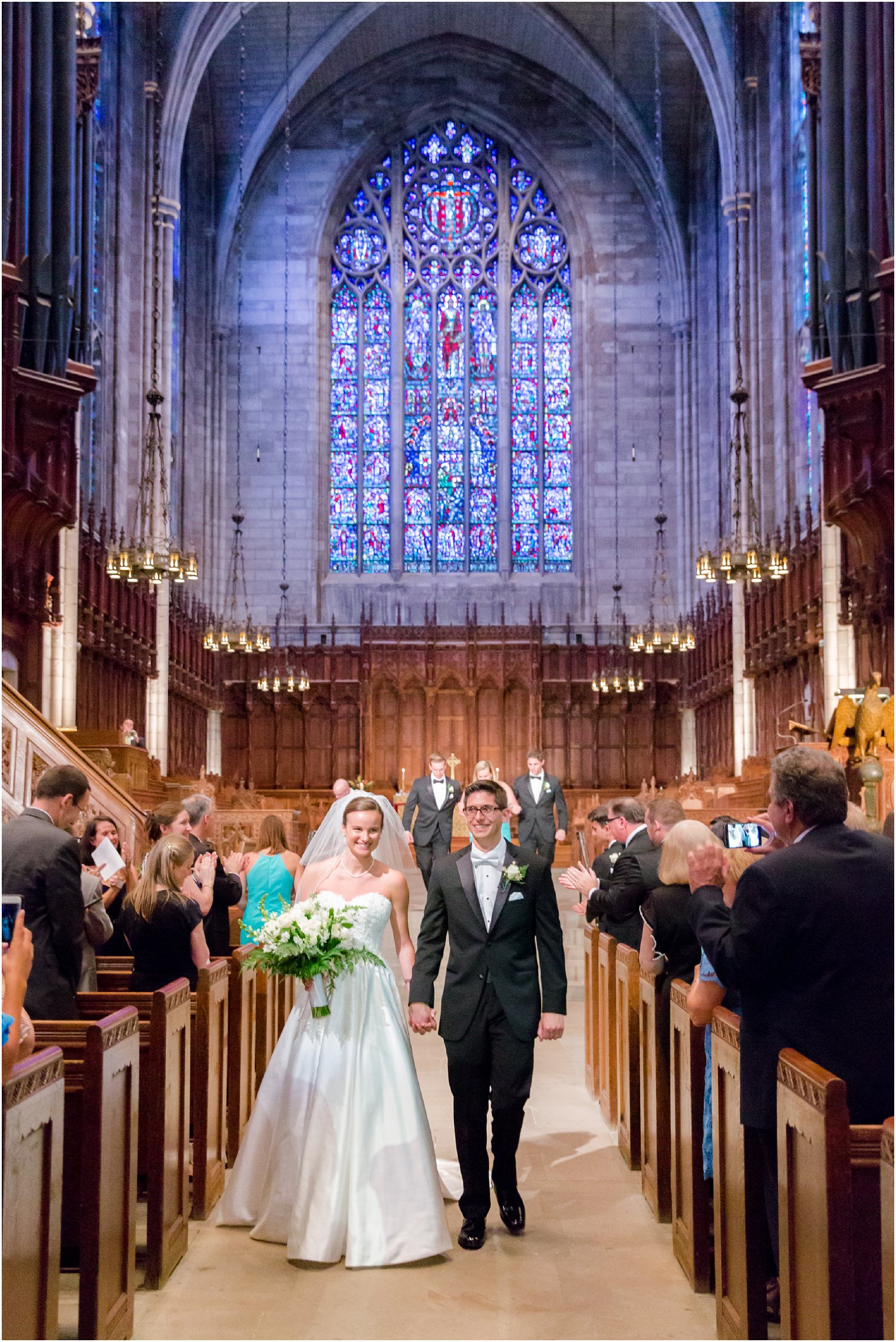
Princeton University
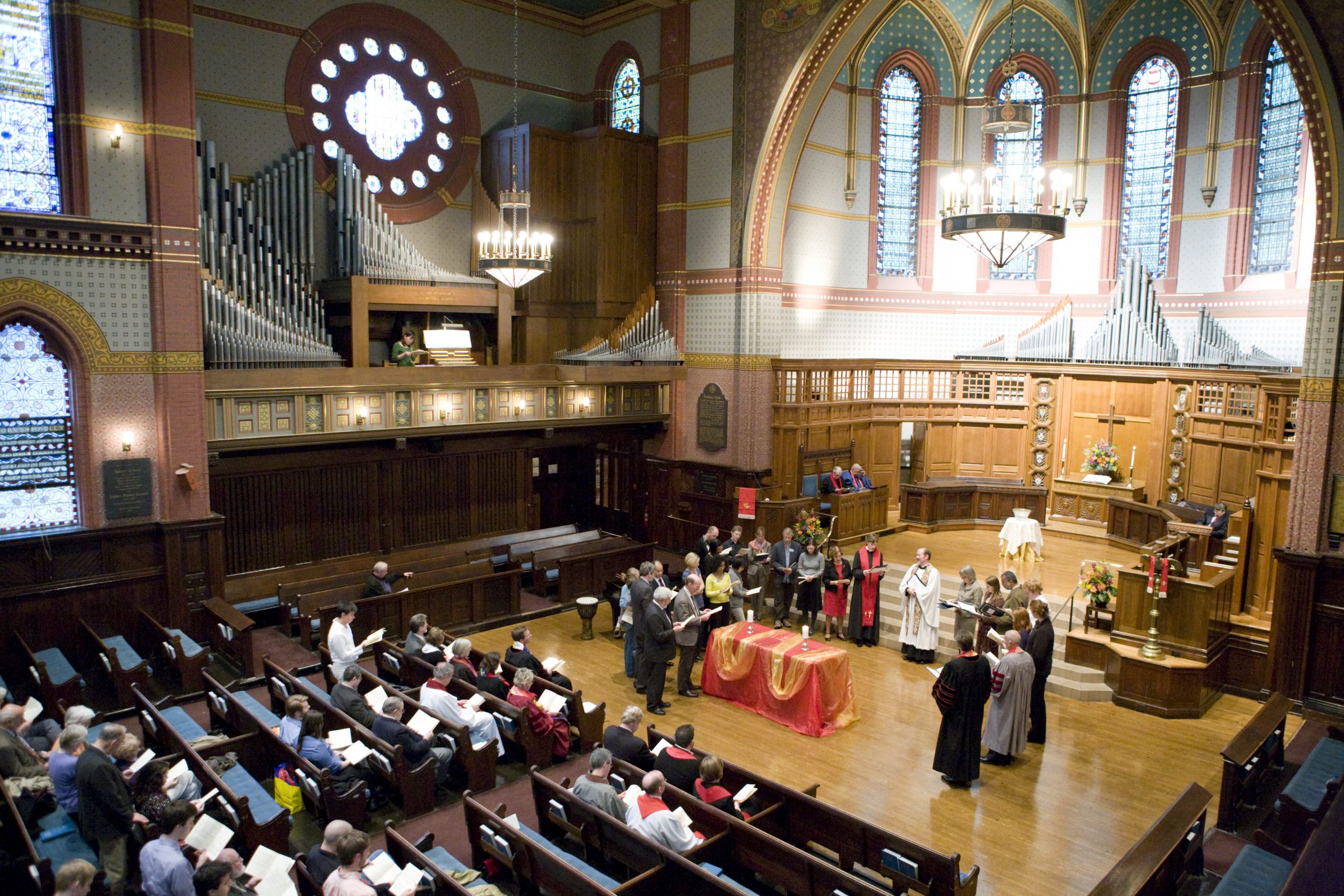
Yale University
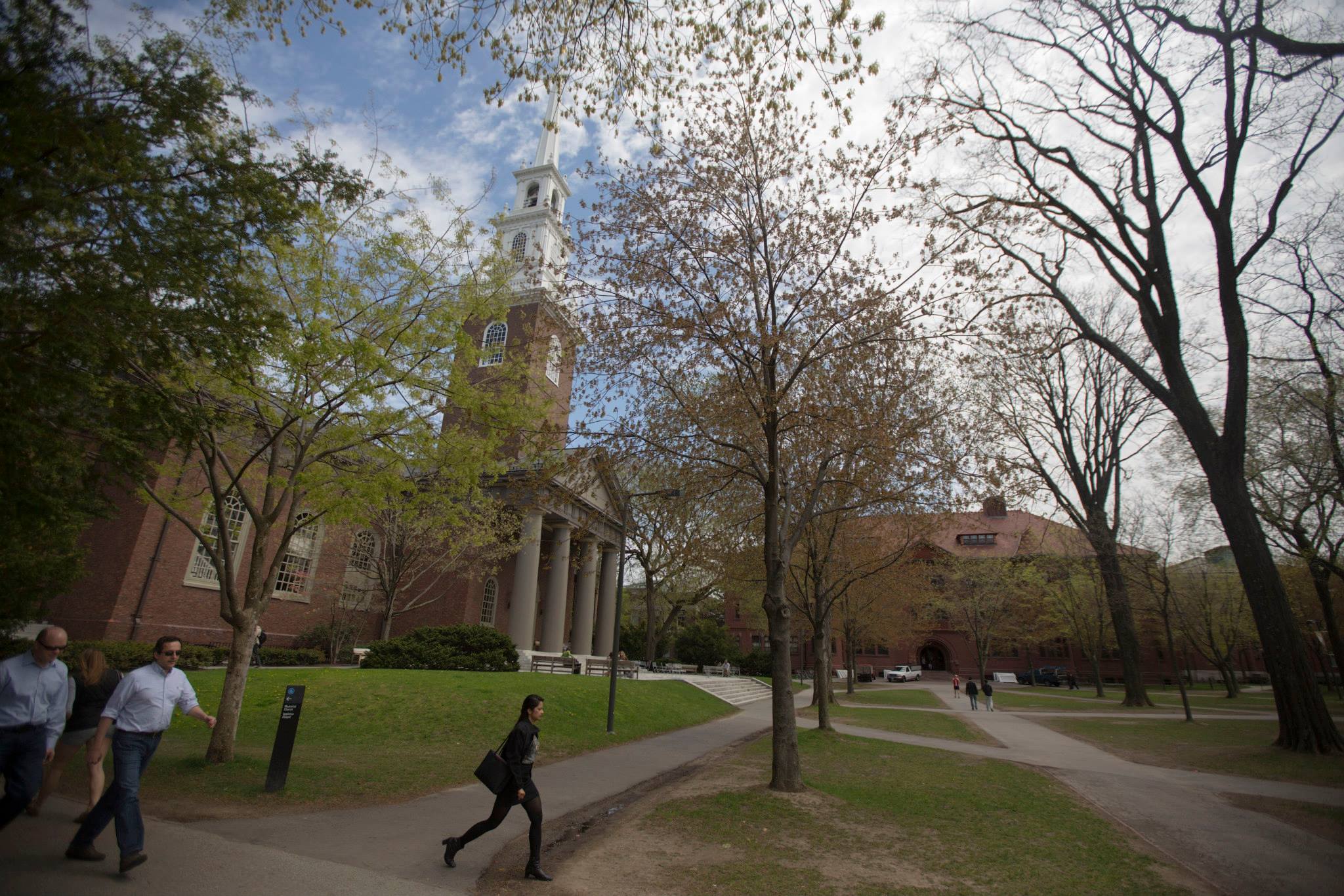
Harvard University
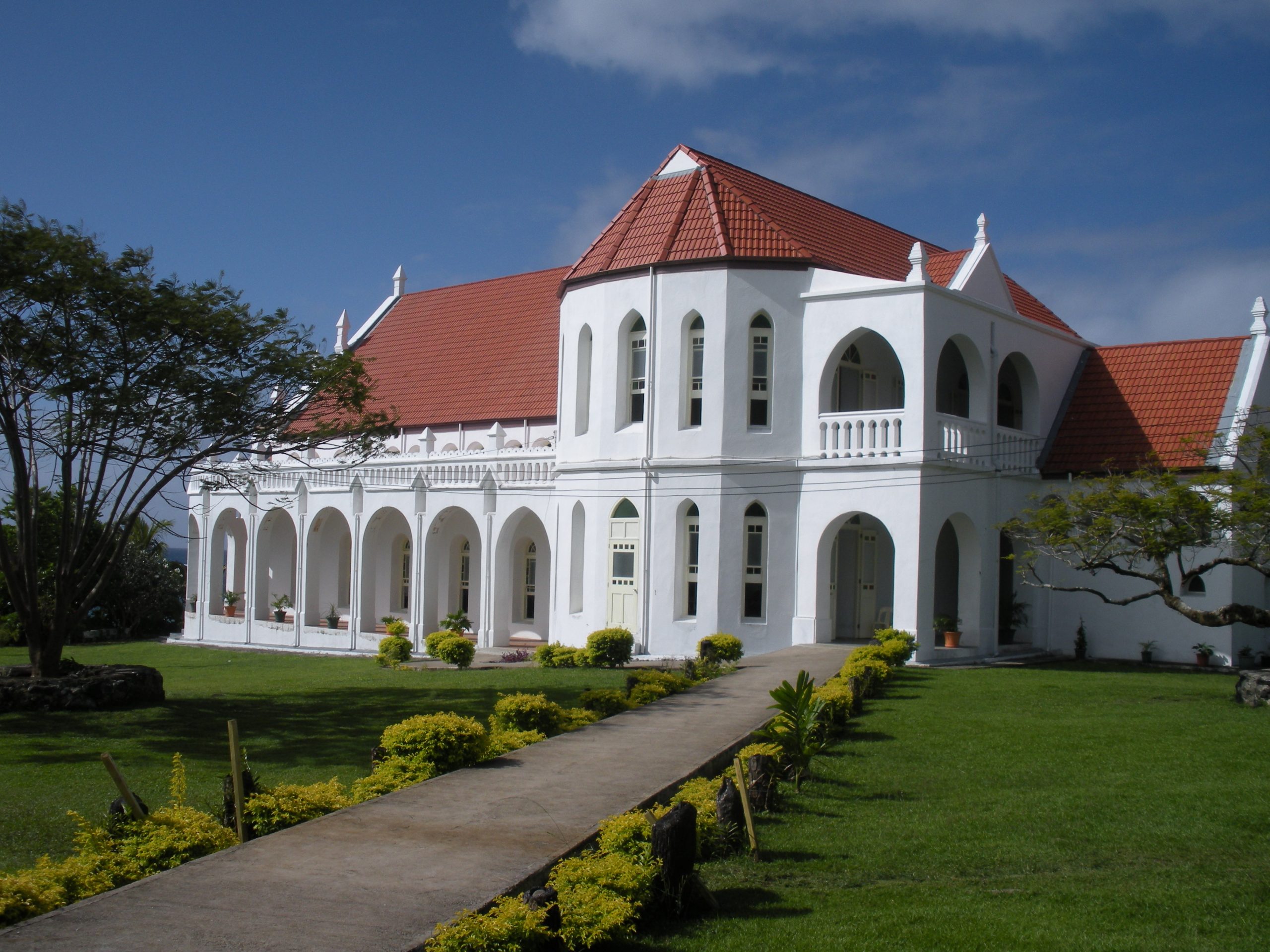
Piula Theological College Samoa
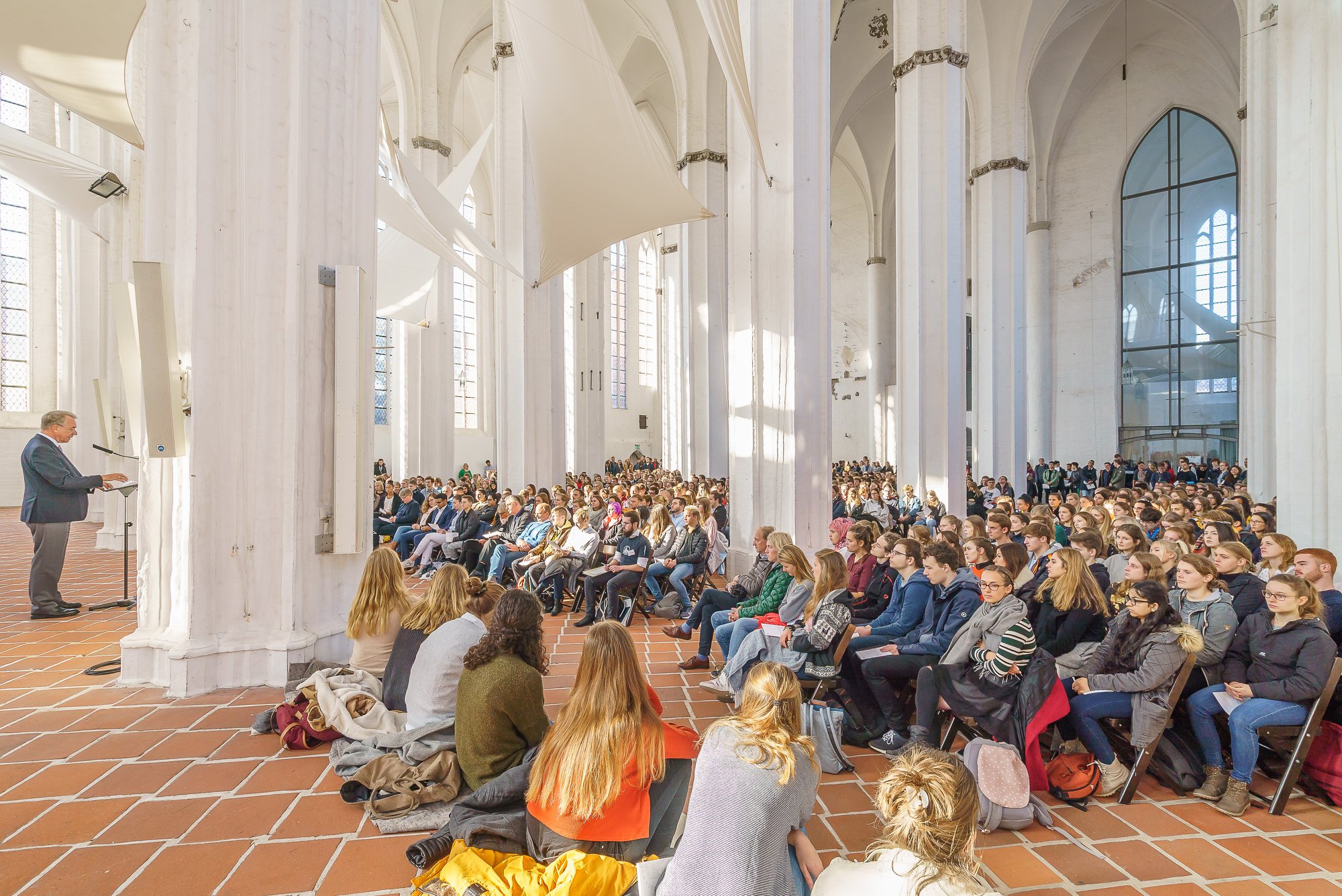
Universität zu Lübeck
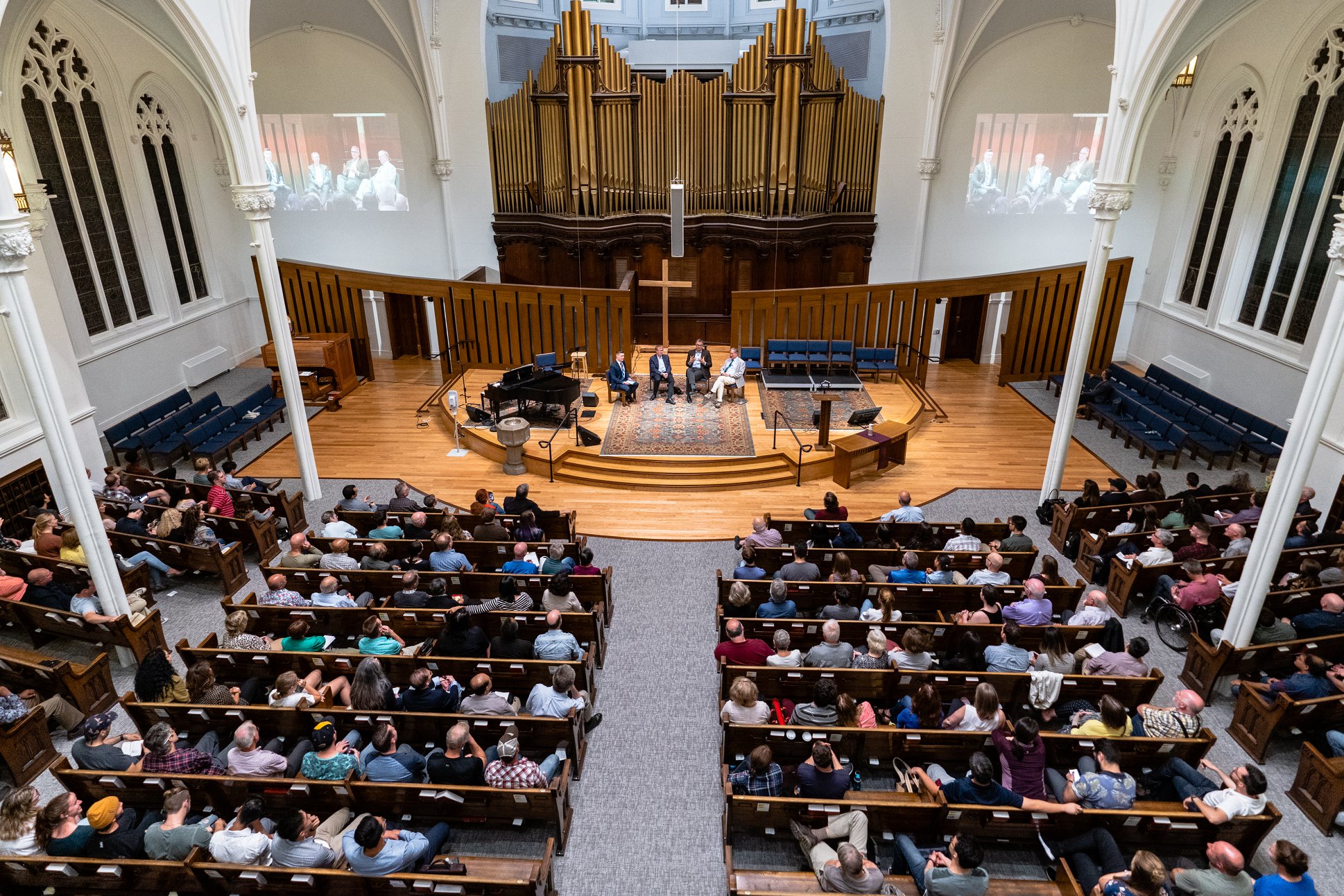
Wycliffe College
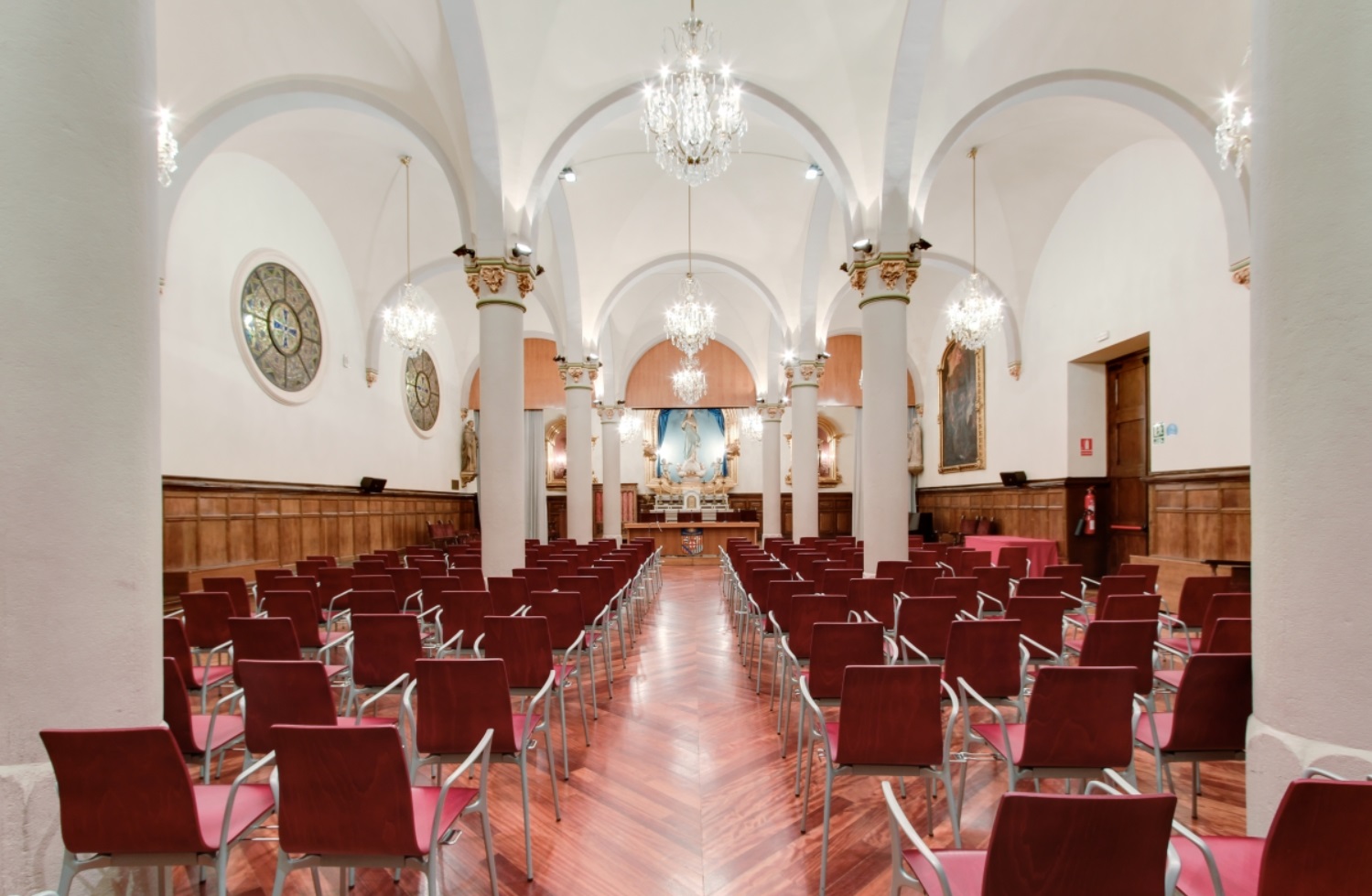
Universitat de Barcelona
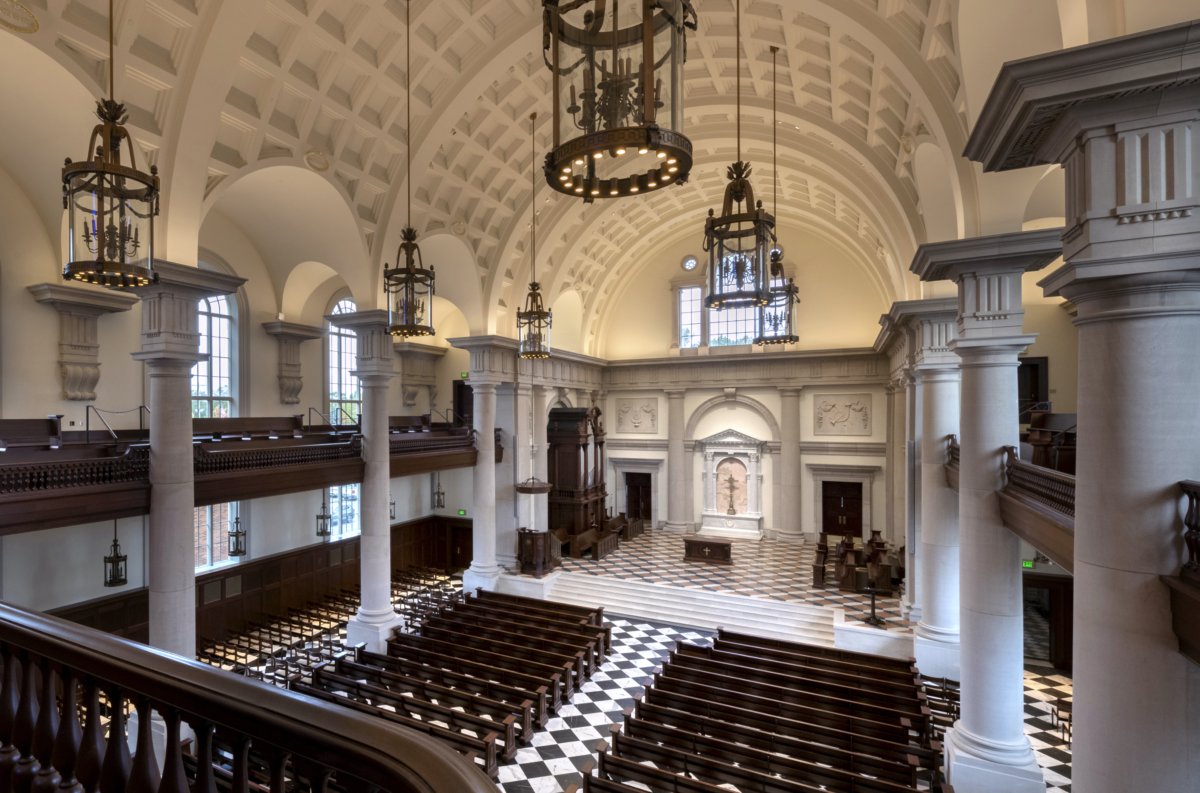
Hillsdale College
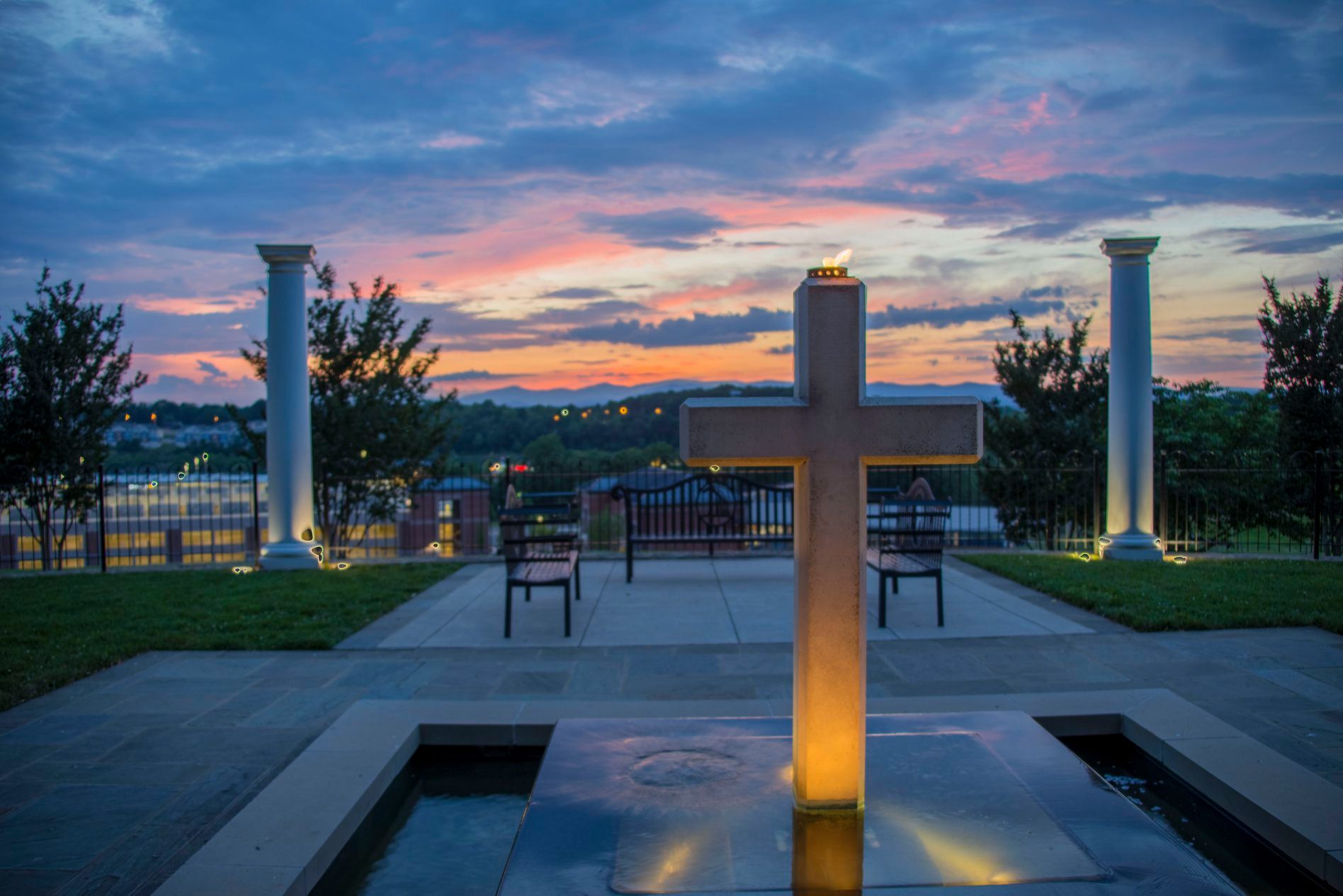
Liberty University
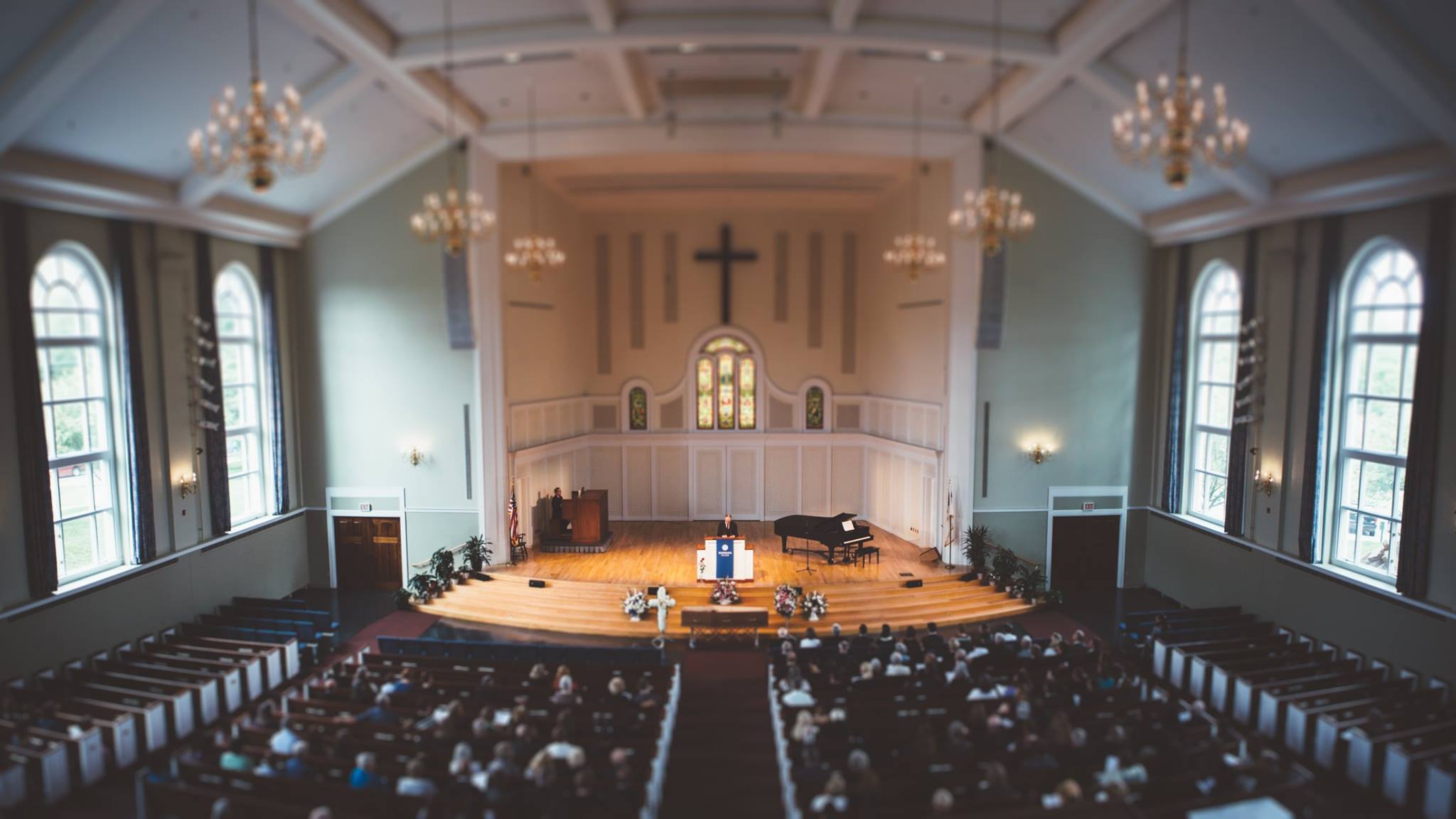
Gordon College
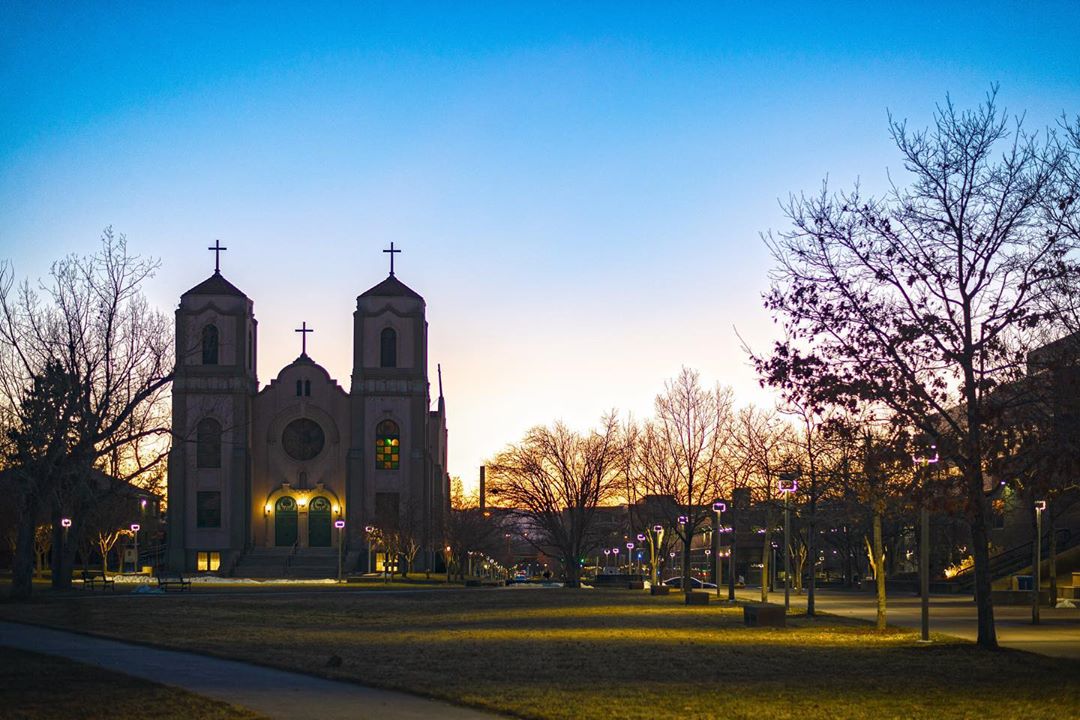
 

Colorado University Denver
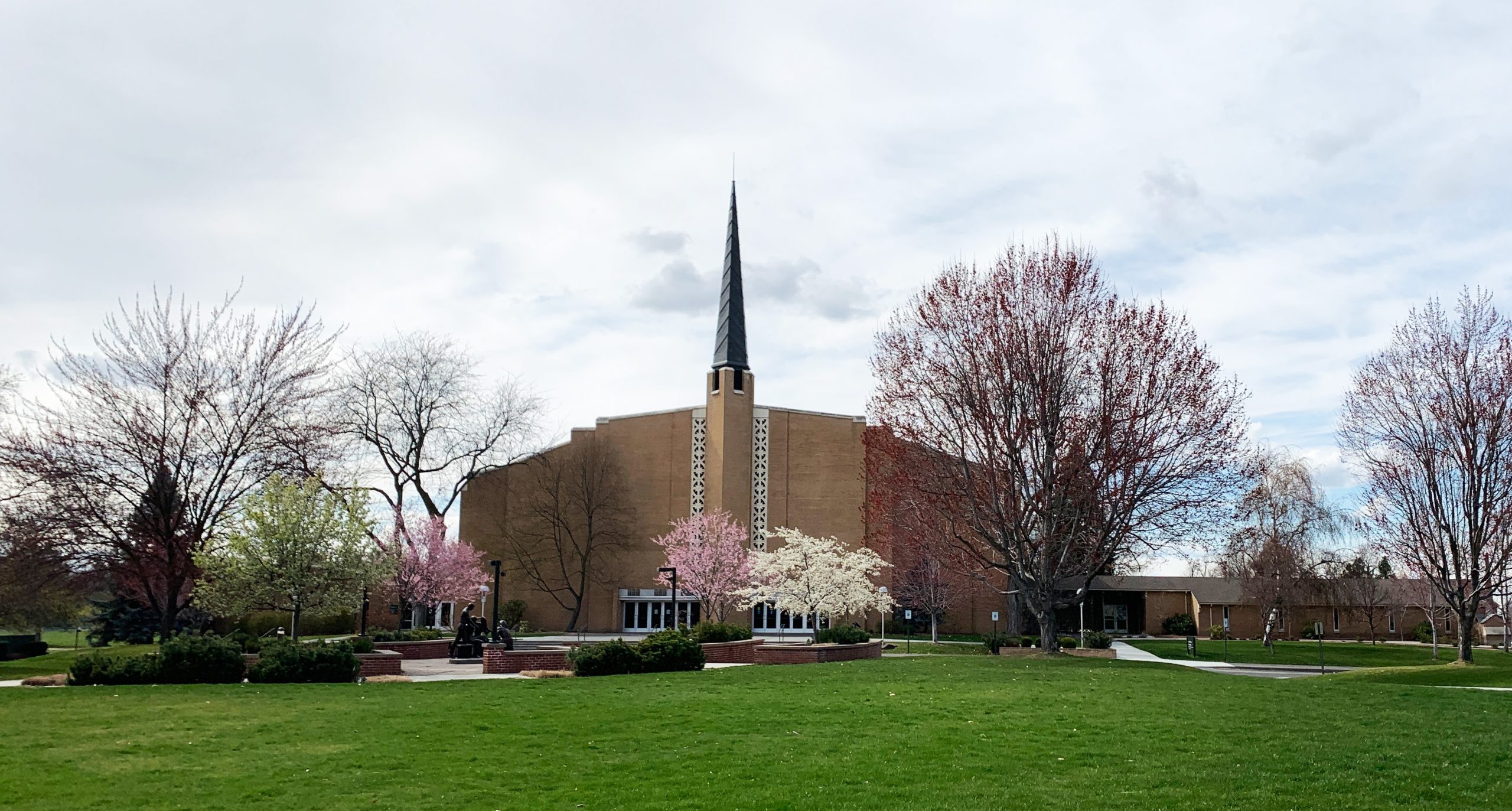
Walla Walla University / Washington
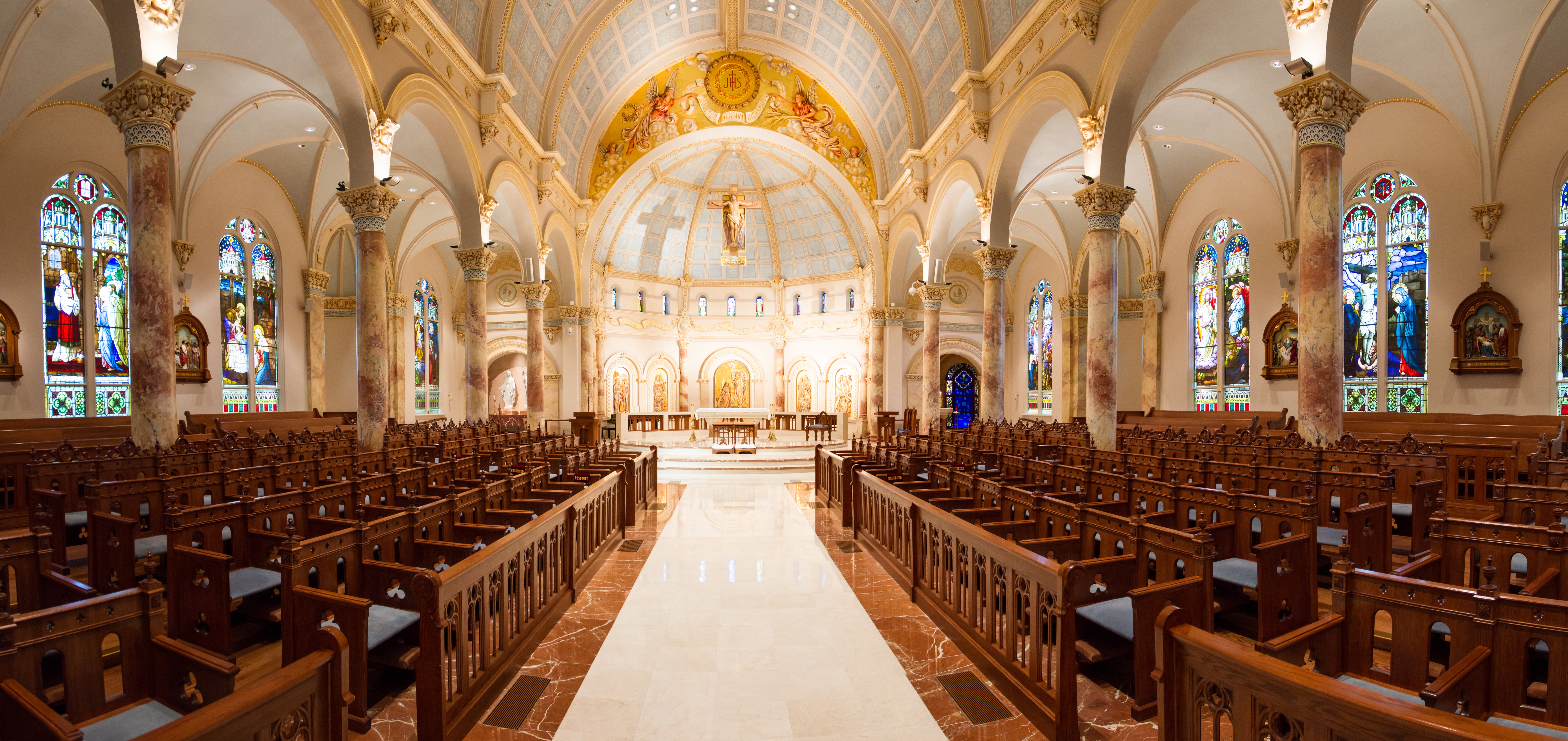
University of the Incarnate Word / San Antonio, Texas
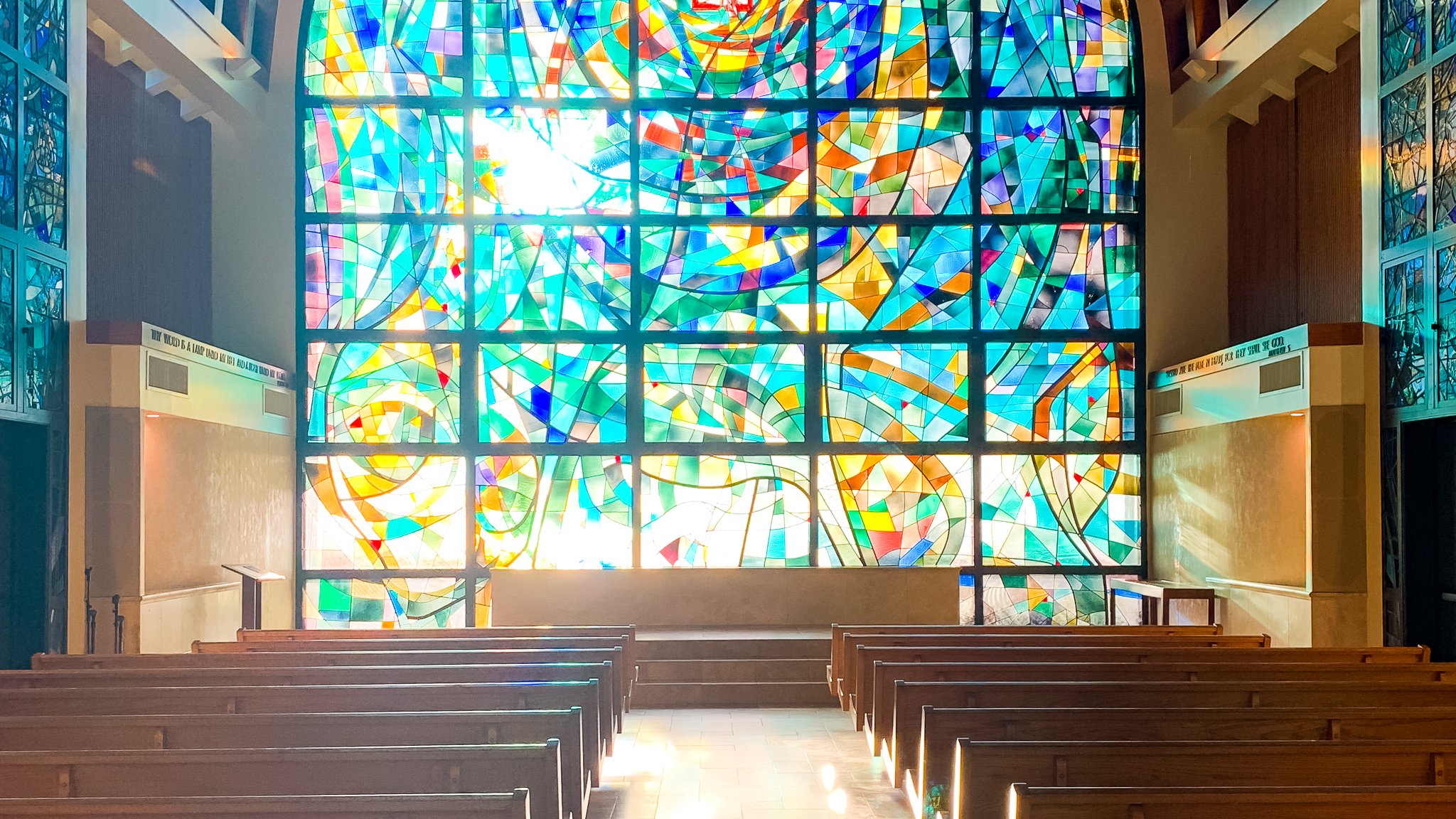
Pepperdine University / California
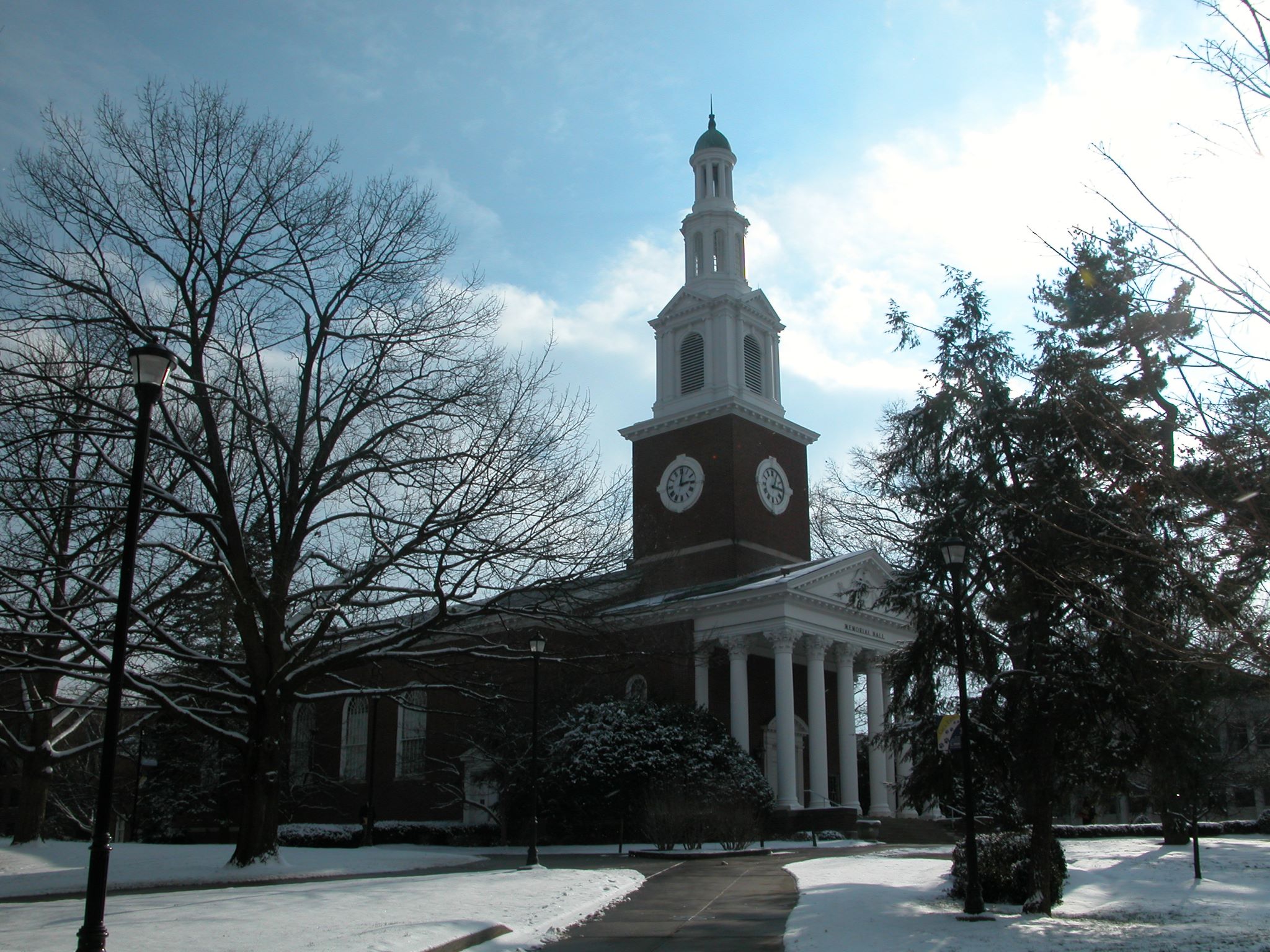
University of Kentucky
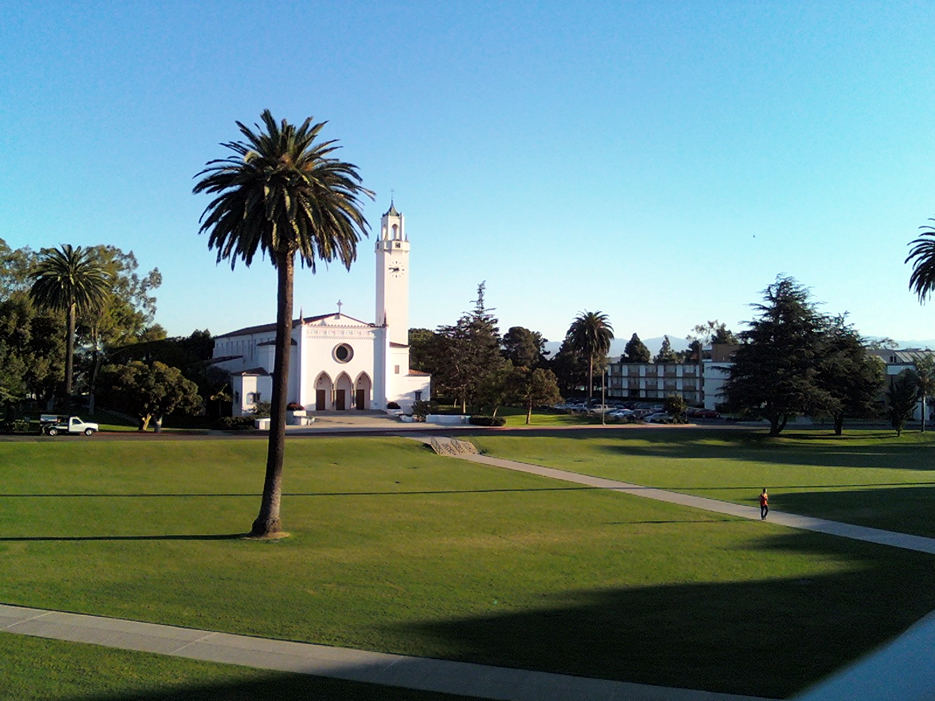
Loyola Marymount University / Los Angeles, California

Lourdes University
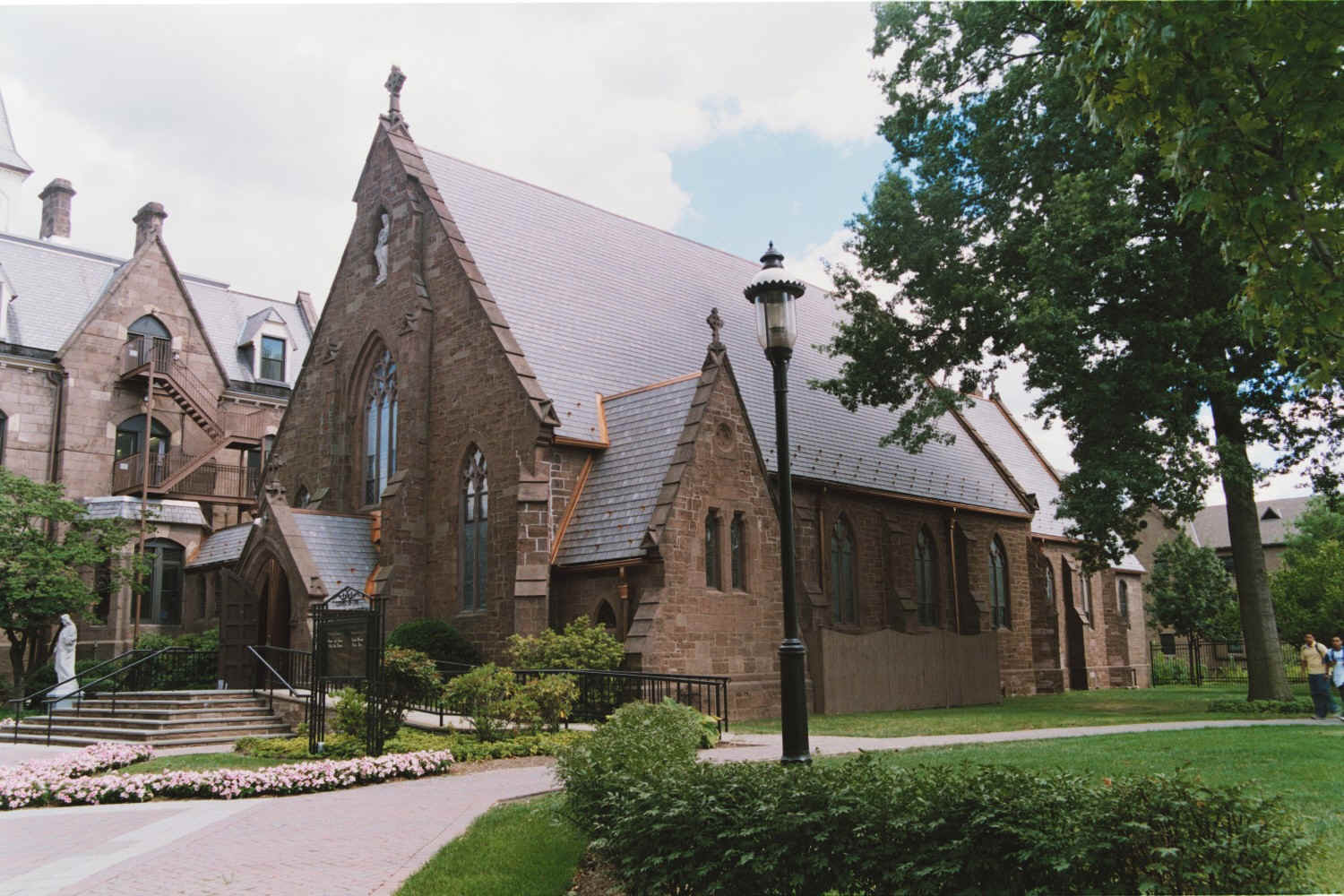
Seton Hall University
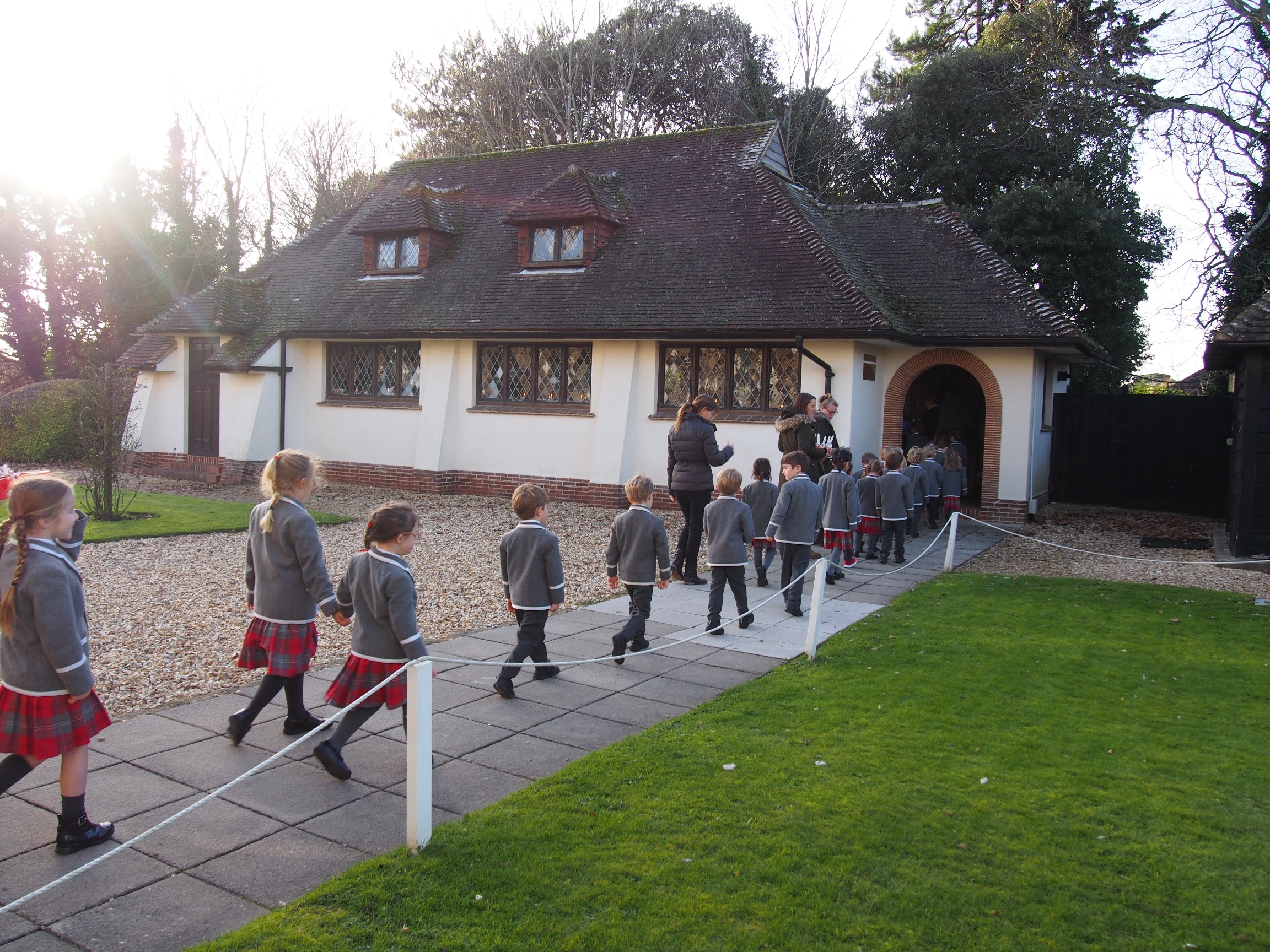
Durlston Court Prep School Chapel

Colorado University Denver
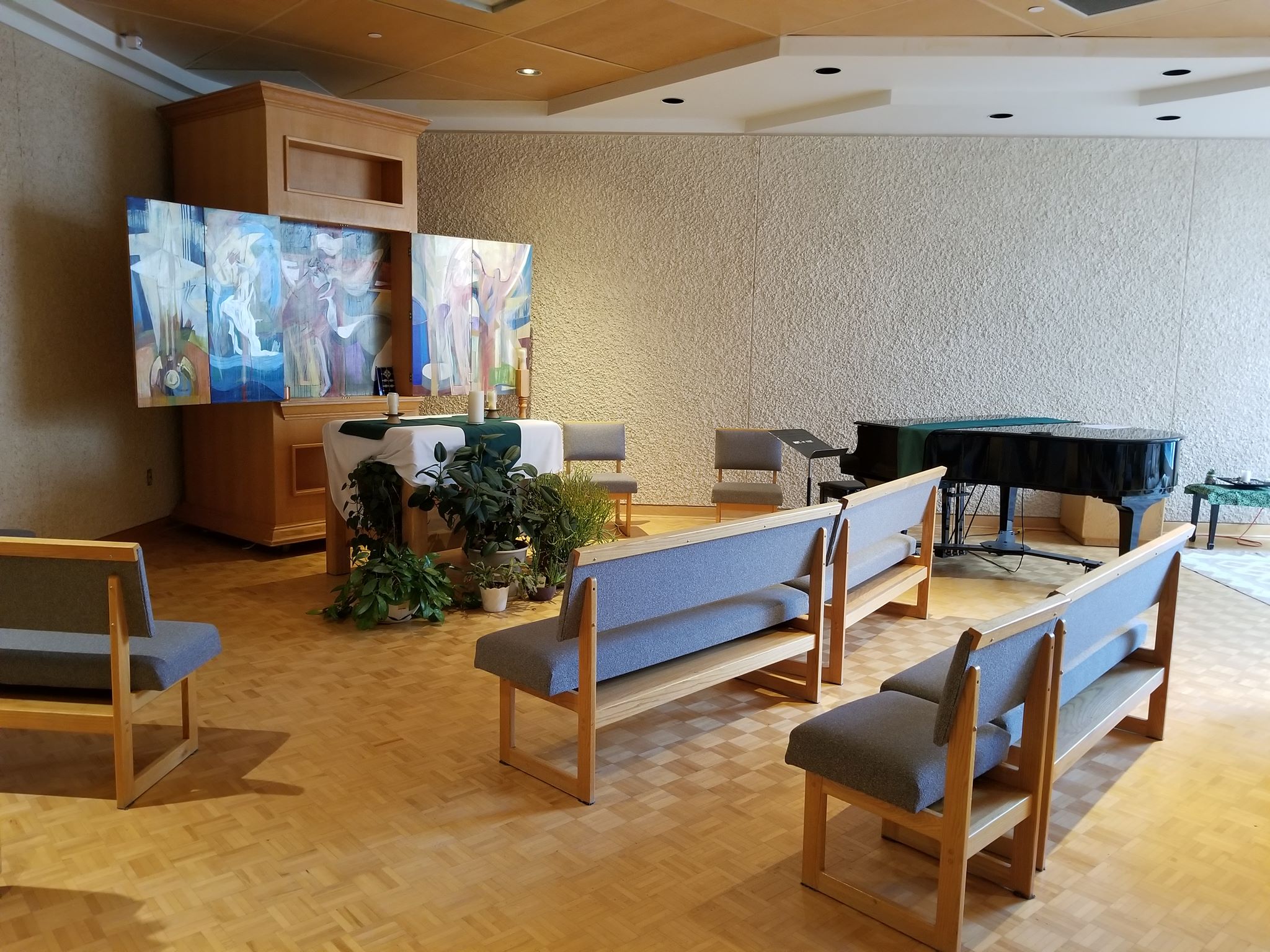
Luther College at the University of Regina / Saskatchewan, Canada
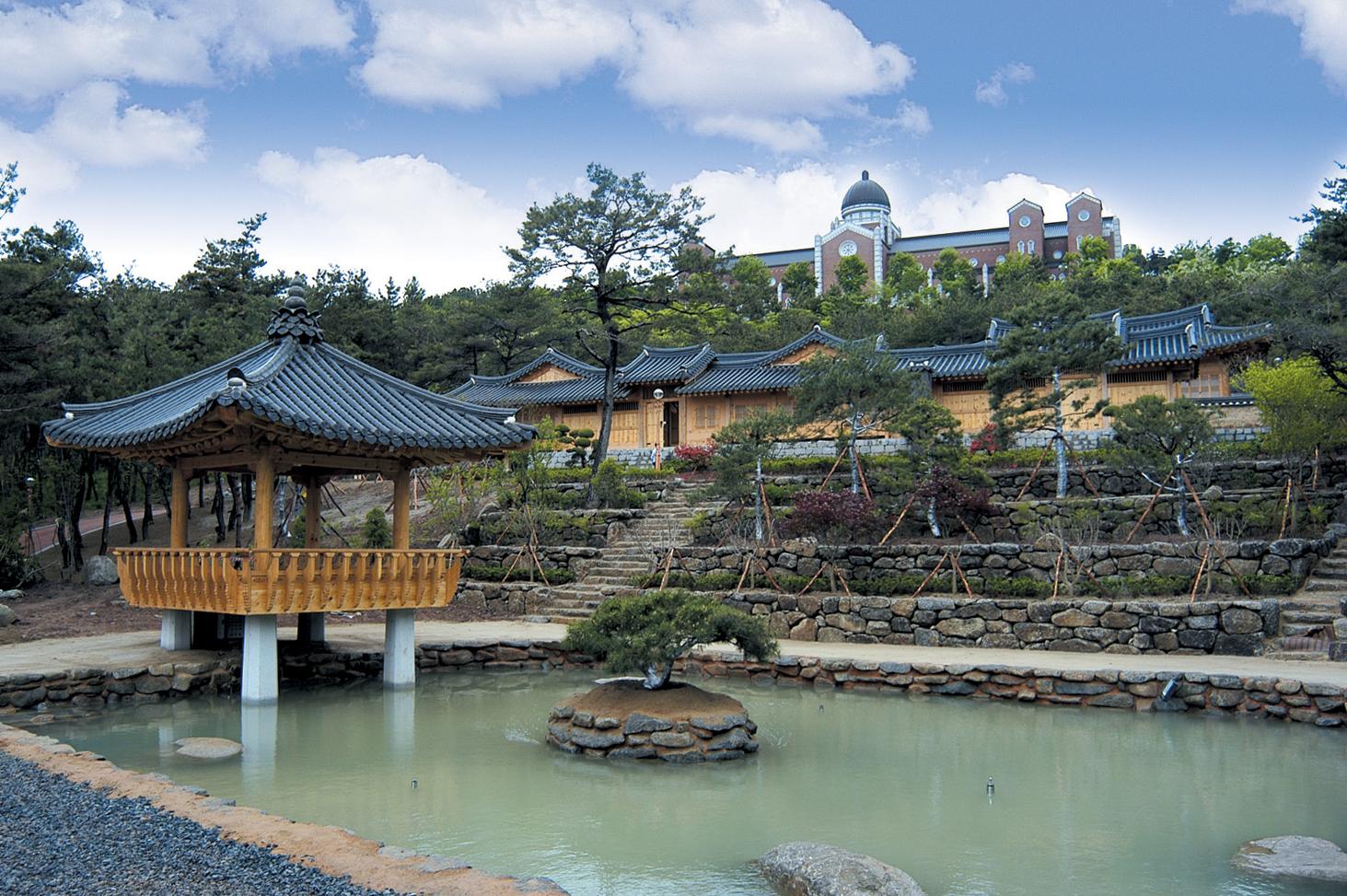
 

계명대학교 / Keimyung University Chapel, South Korea
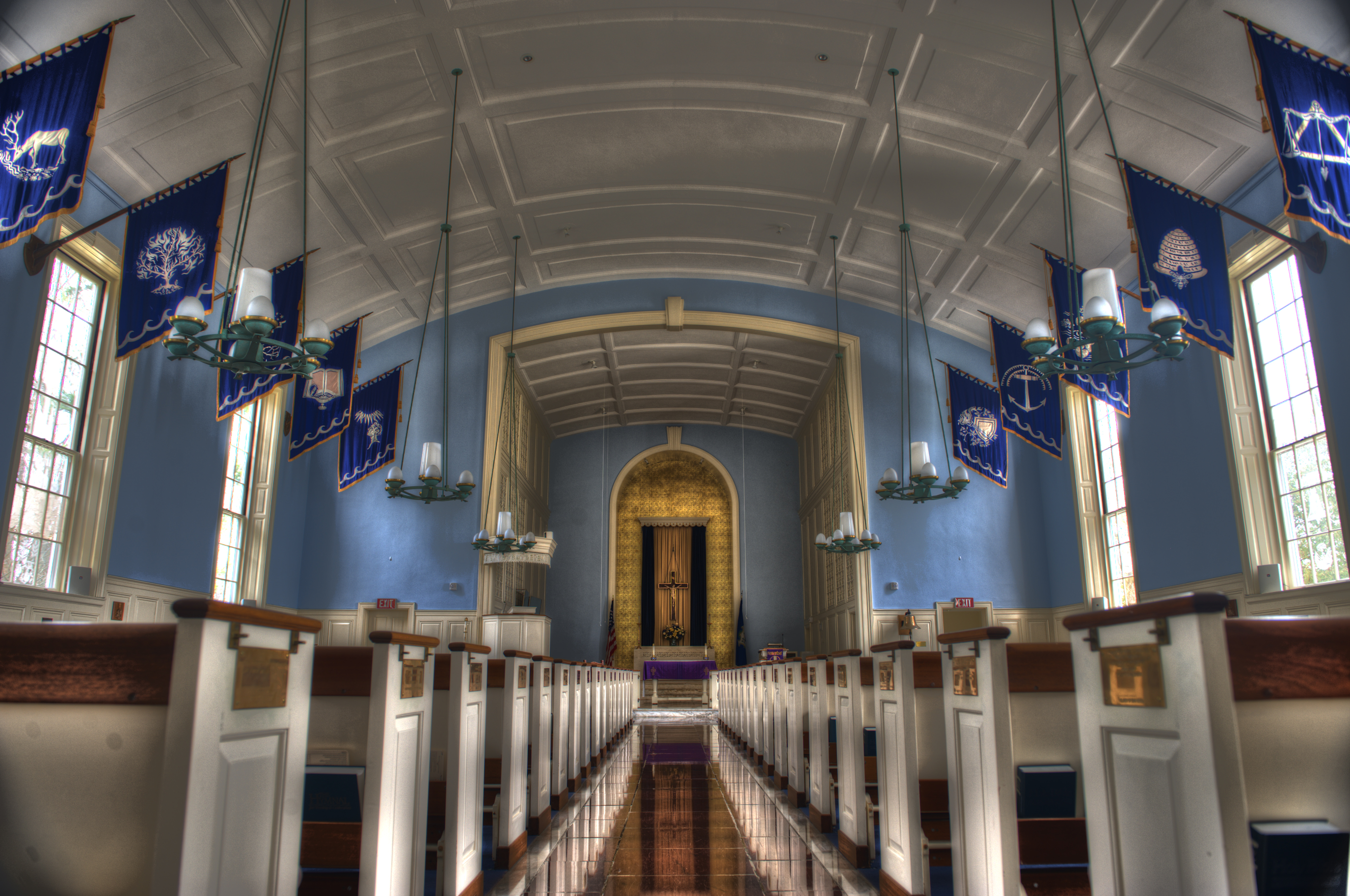
U.S. Coast Guard Memorial Chapel | New London, Connecticut

Saint John’s University | Photo by Paul Middlestaedt

Trinity College / Hartford, Connecticut
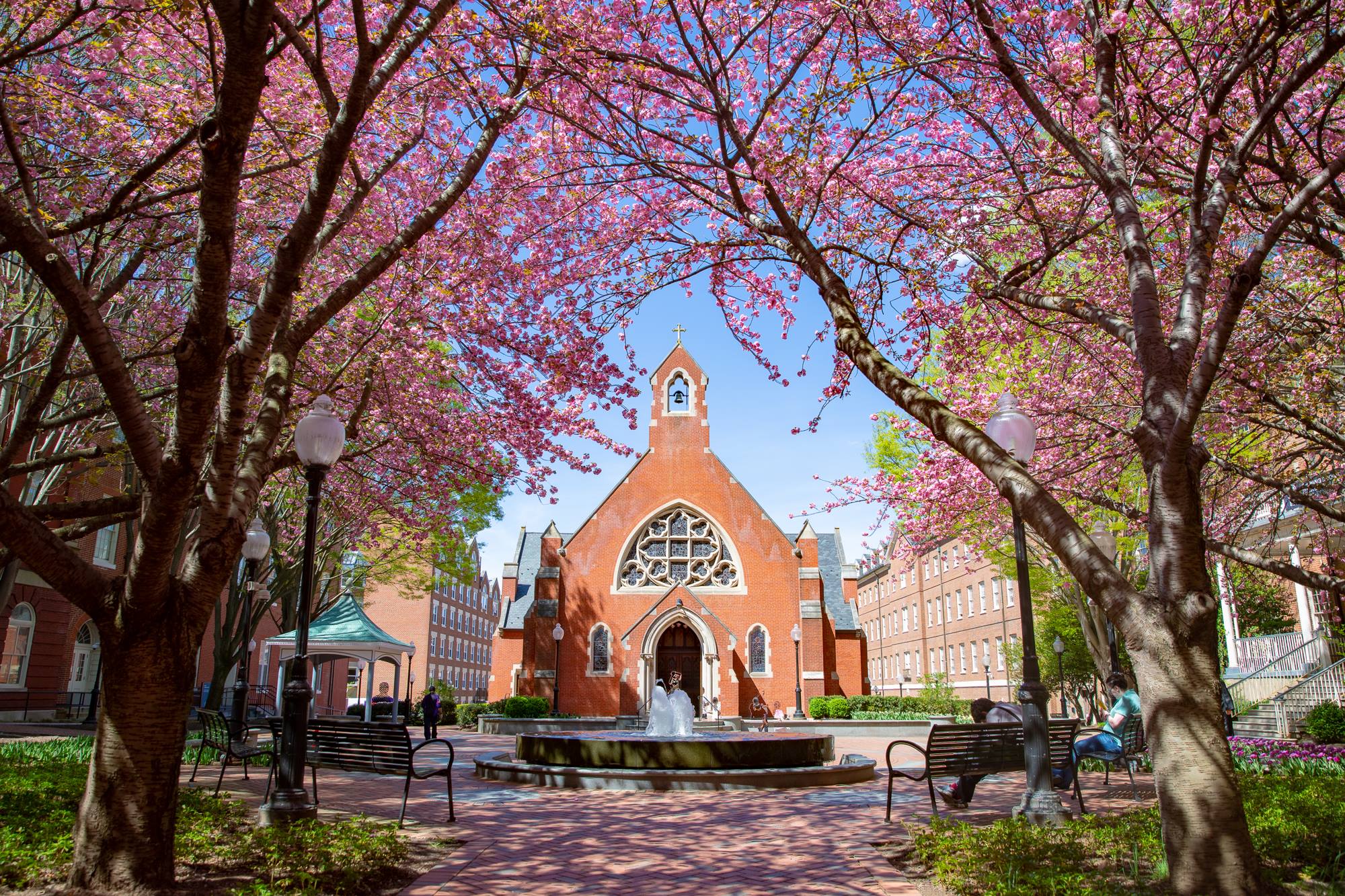
Georgetown University Chapel | Washington, D.C.
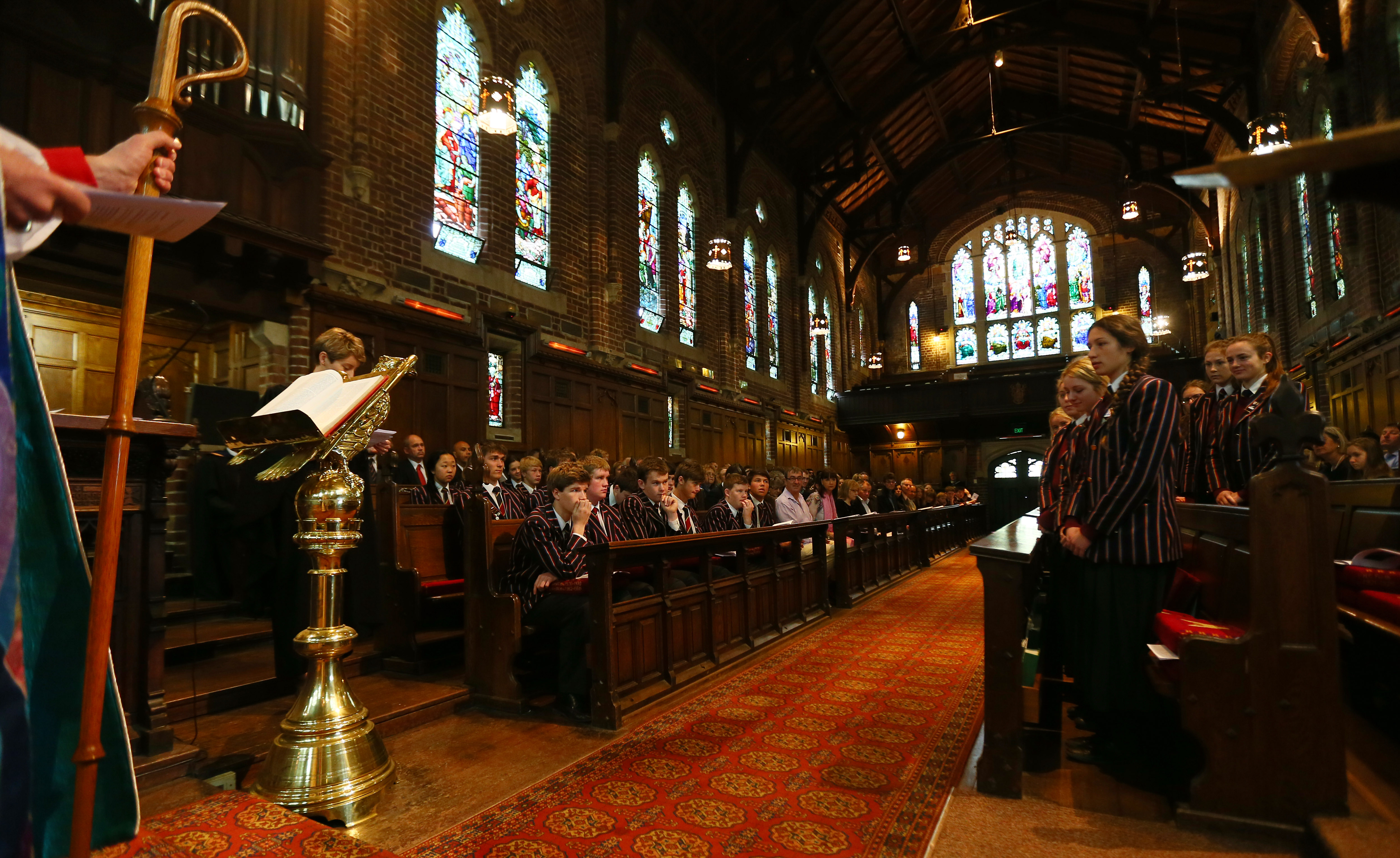
Kings College Chapel | Auckland, New Zealand
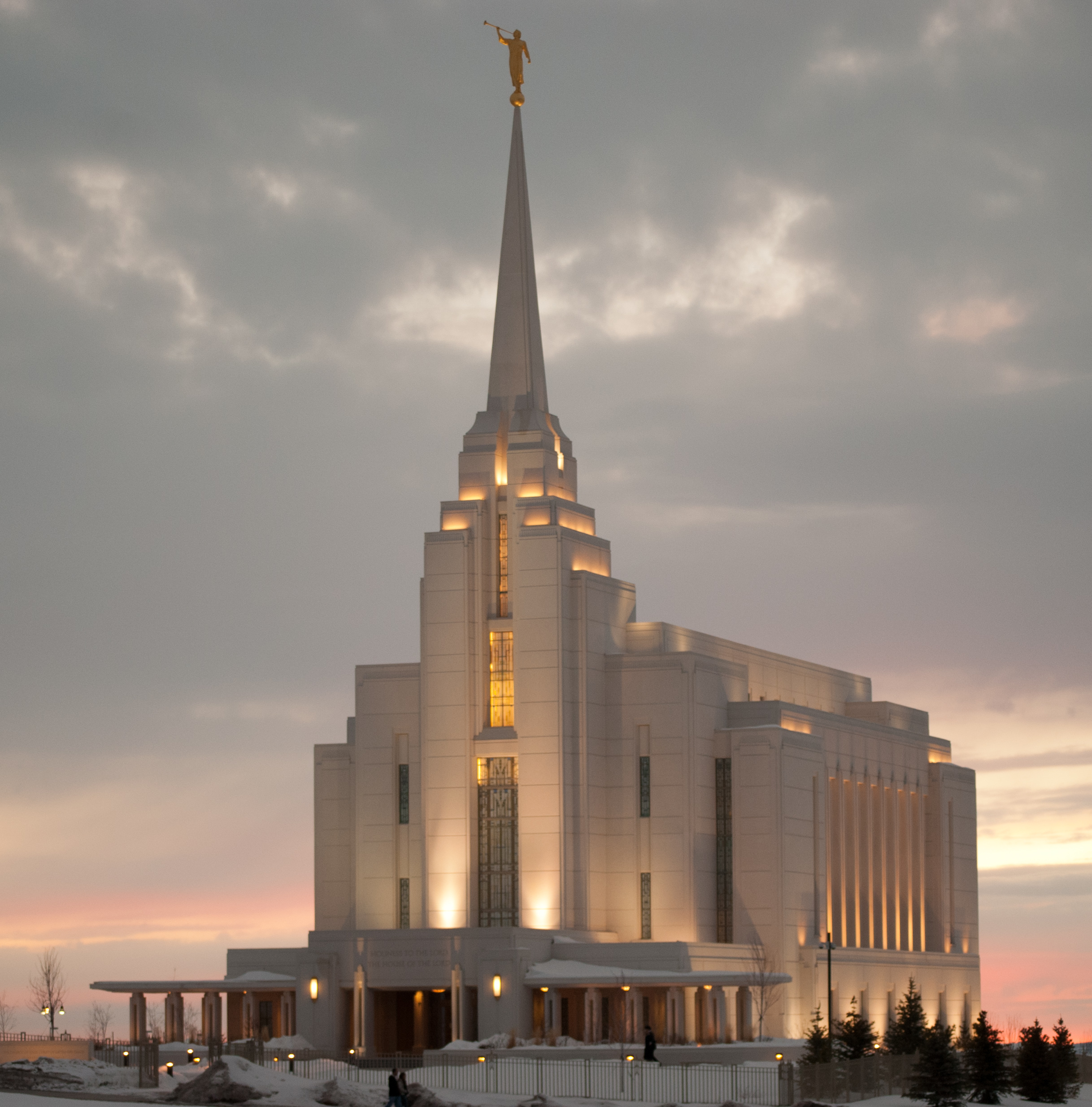
Brigham Young University / Idaho
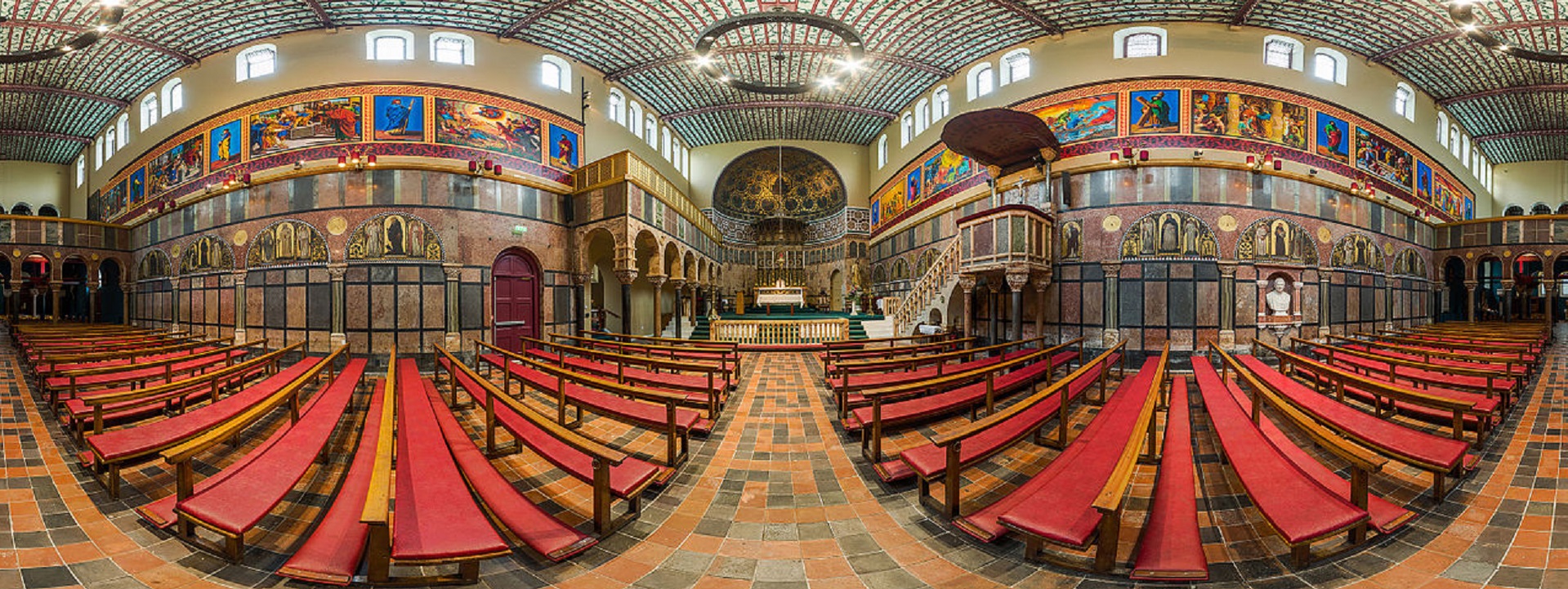
Newman University Church / Dublin
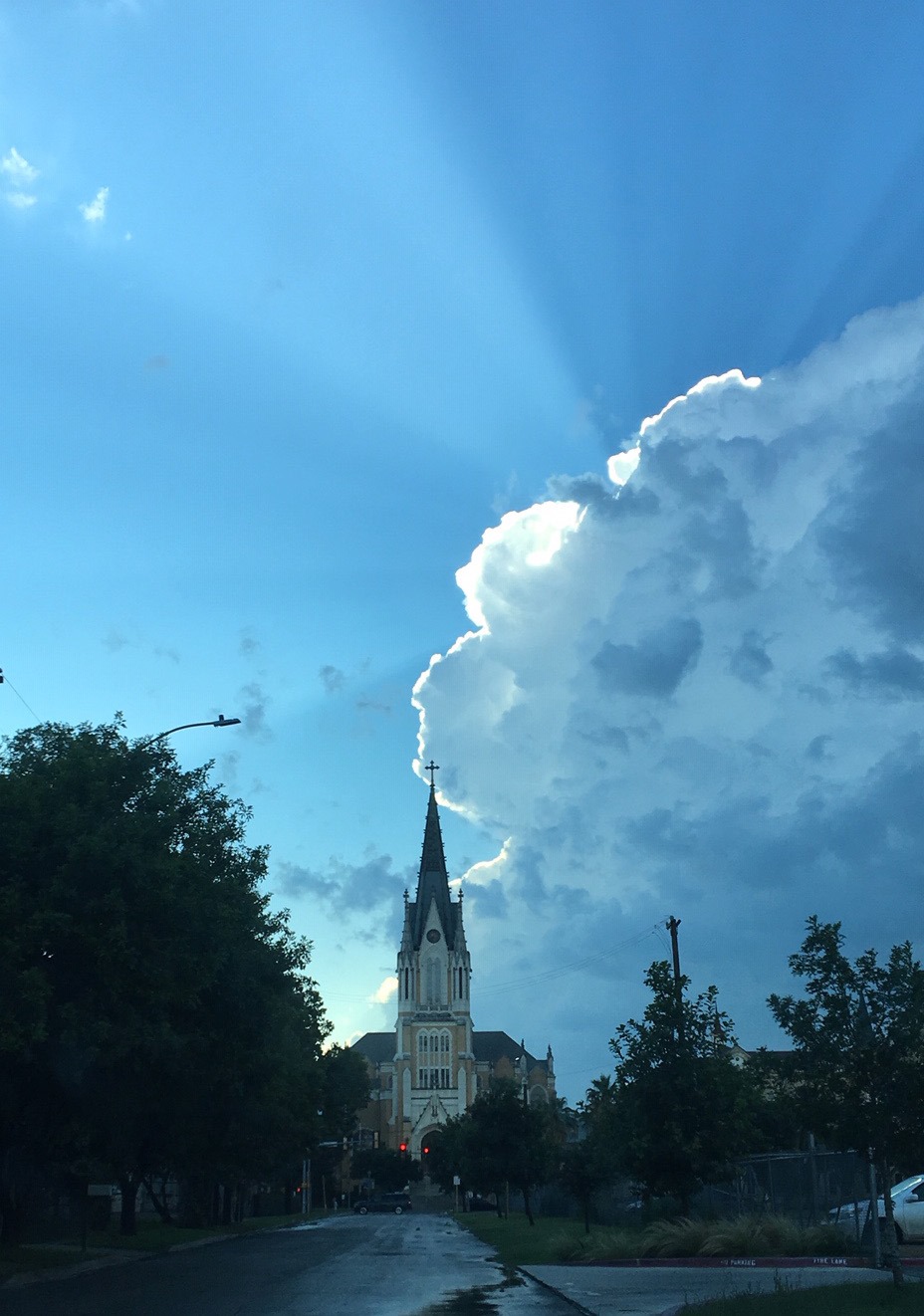
Our Lady of the Lake University / San Antonio, Texas
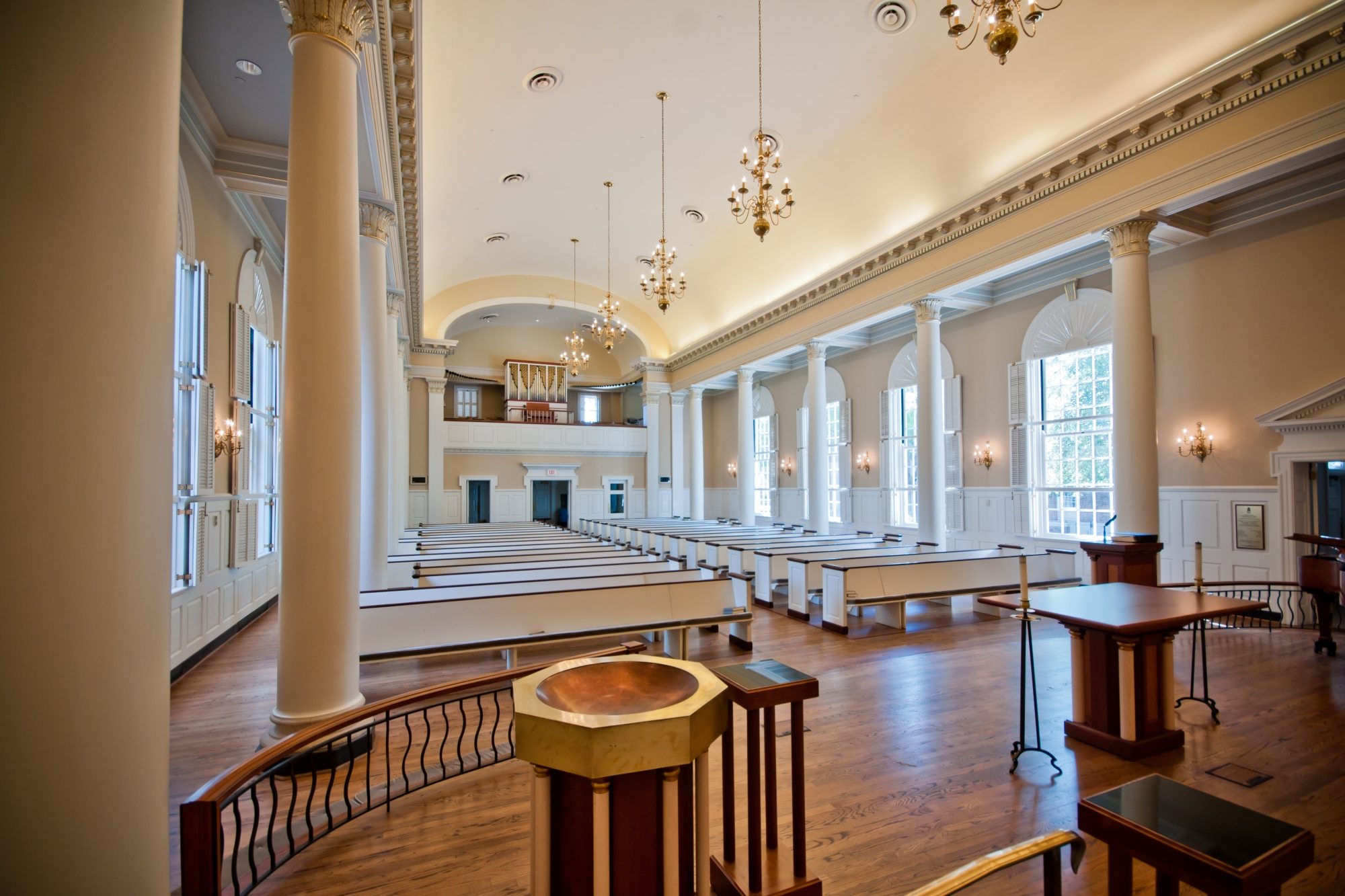
Southern Methodist University | Dallas, Texas

Southern Methodist University | Dallas, Texas

St. John’s College Oxford
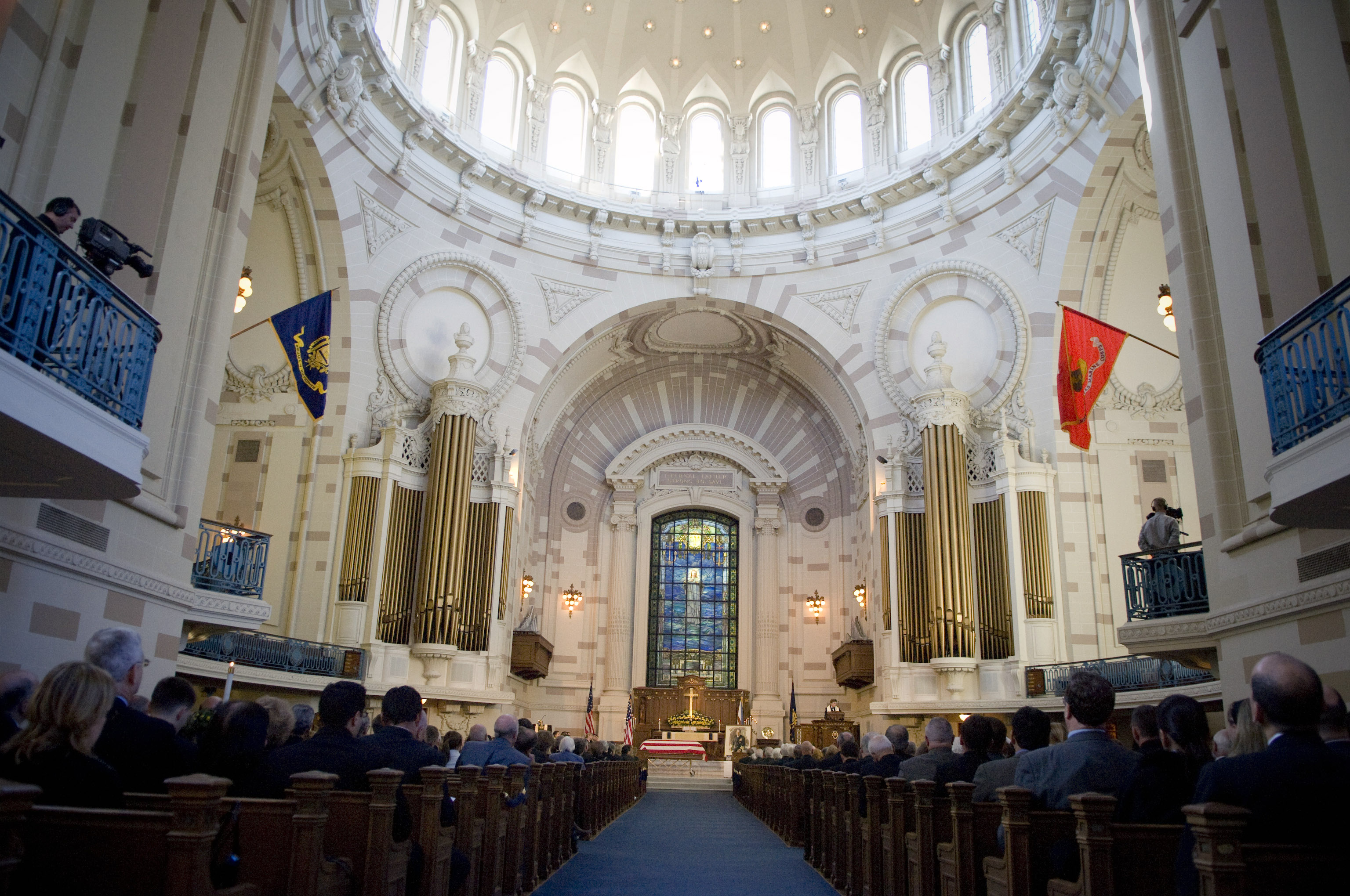
United States Naval Academy Chapel

Wellington College Chapel
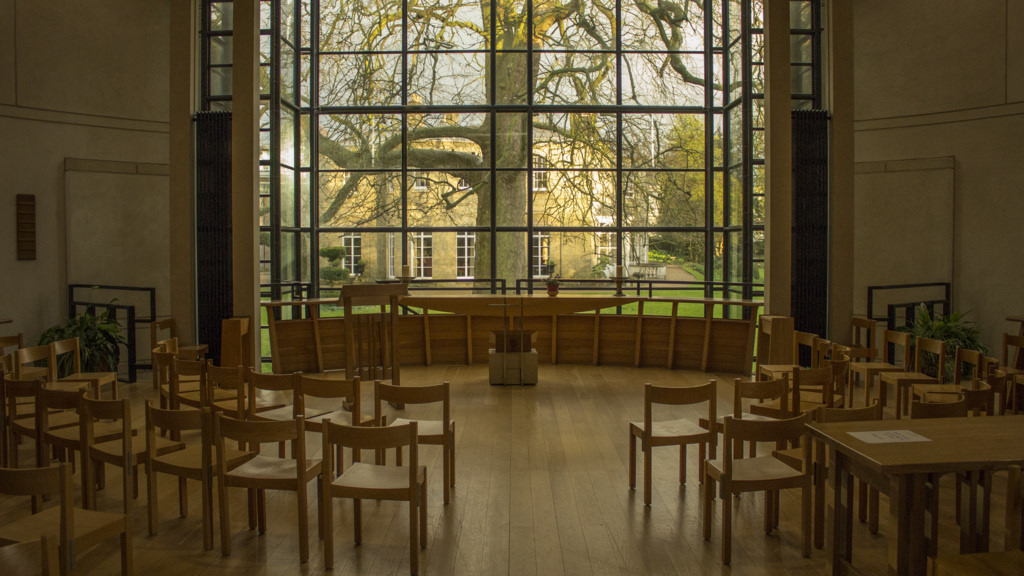
Fitzwilliam College Chapel Cambridge
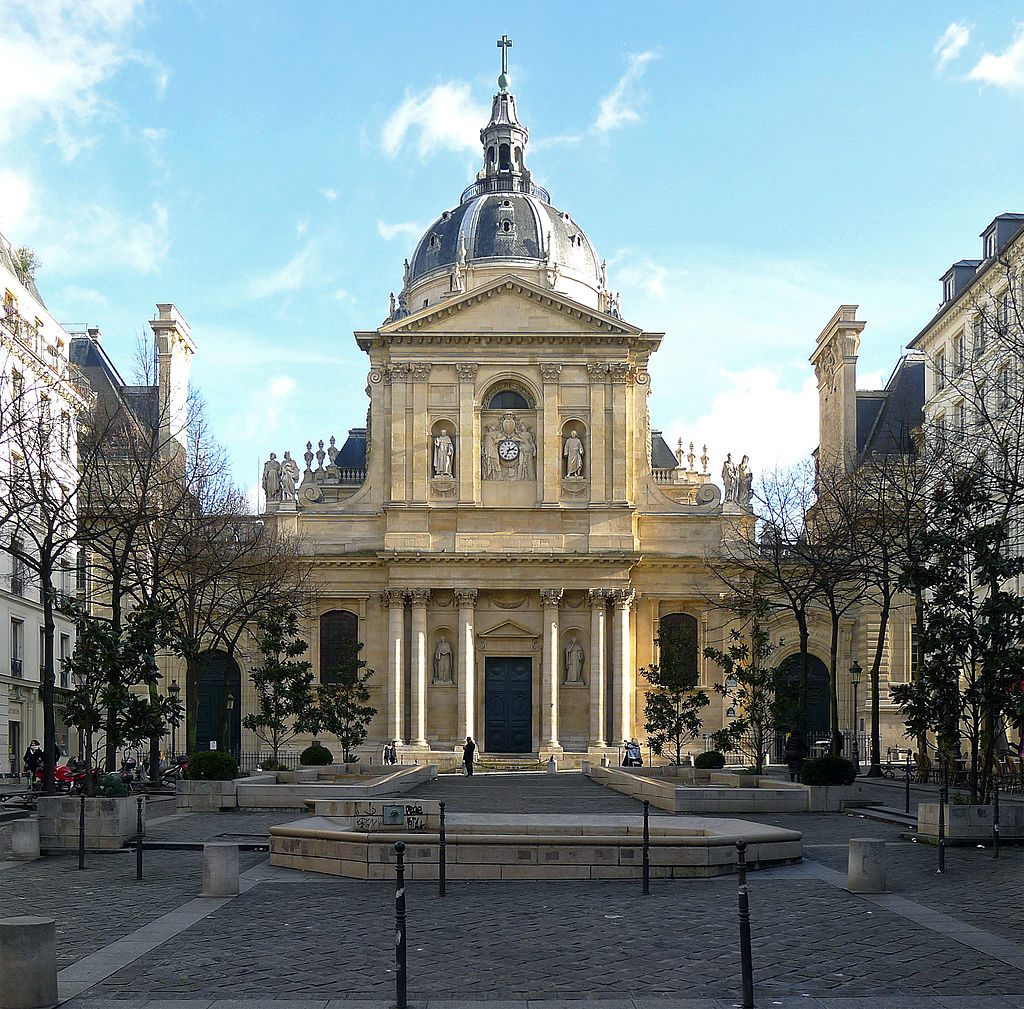
Sorbonne Université

West Point | US Army Cadet Chapel
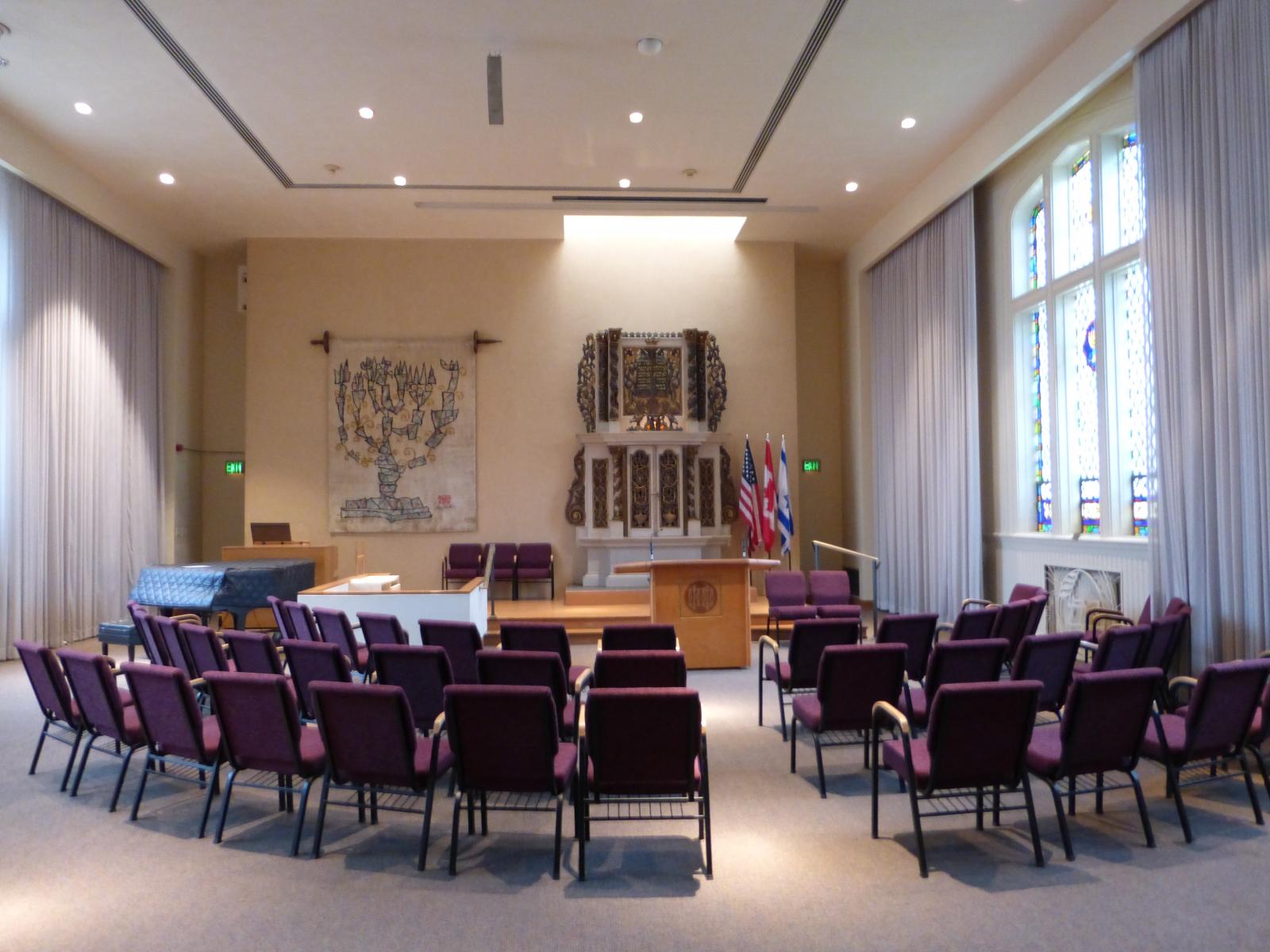
Hebrew Union College

Tuskegee University Chapel

The Spring Hill College Chapel | Mobile, Alabama

Boston University

University of Tennessee at Chattangooga
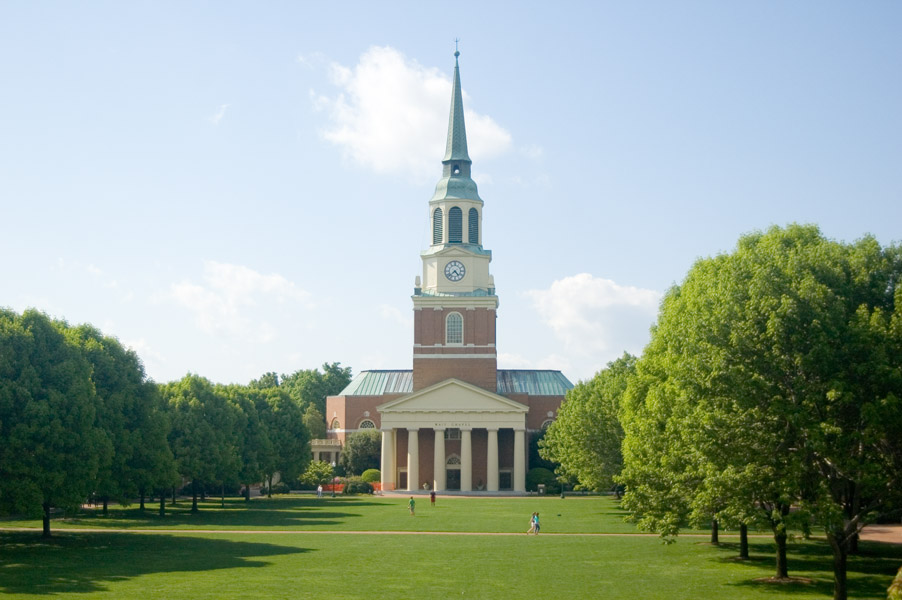
Wake Forest University
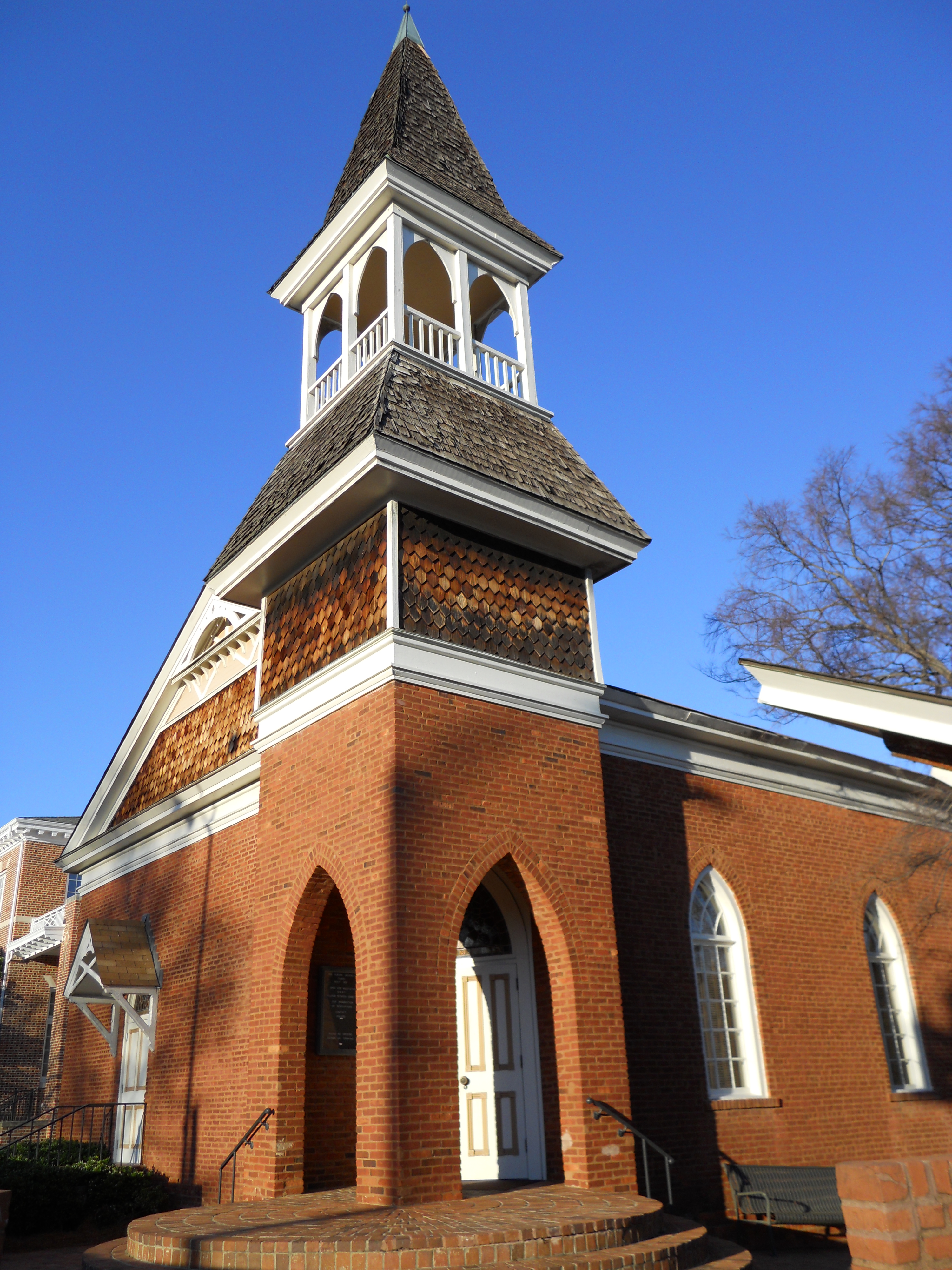
Auburn University Chapel
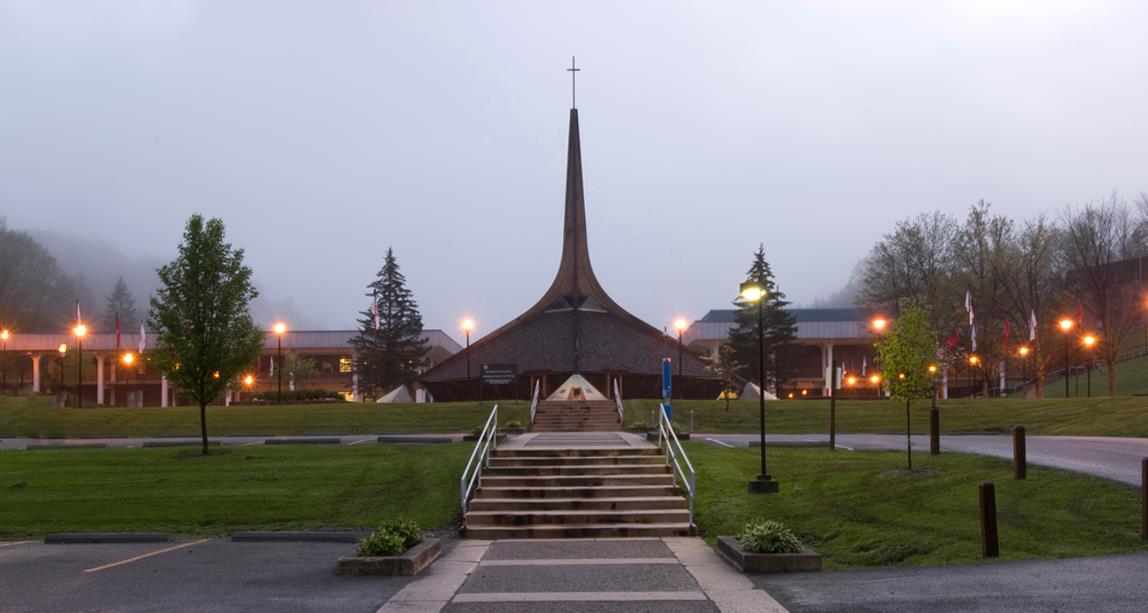
Davis & Elkins College
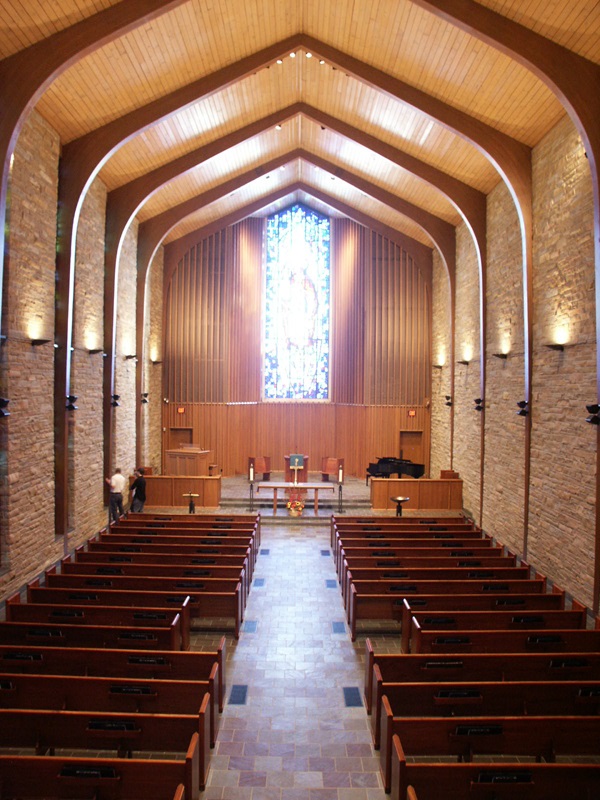
University of Tulsa
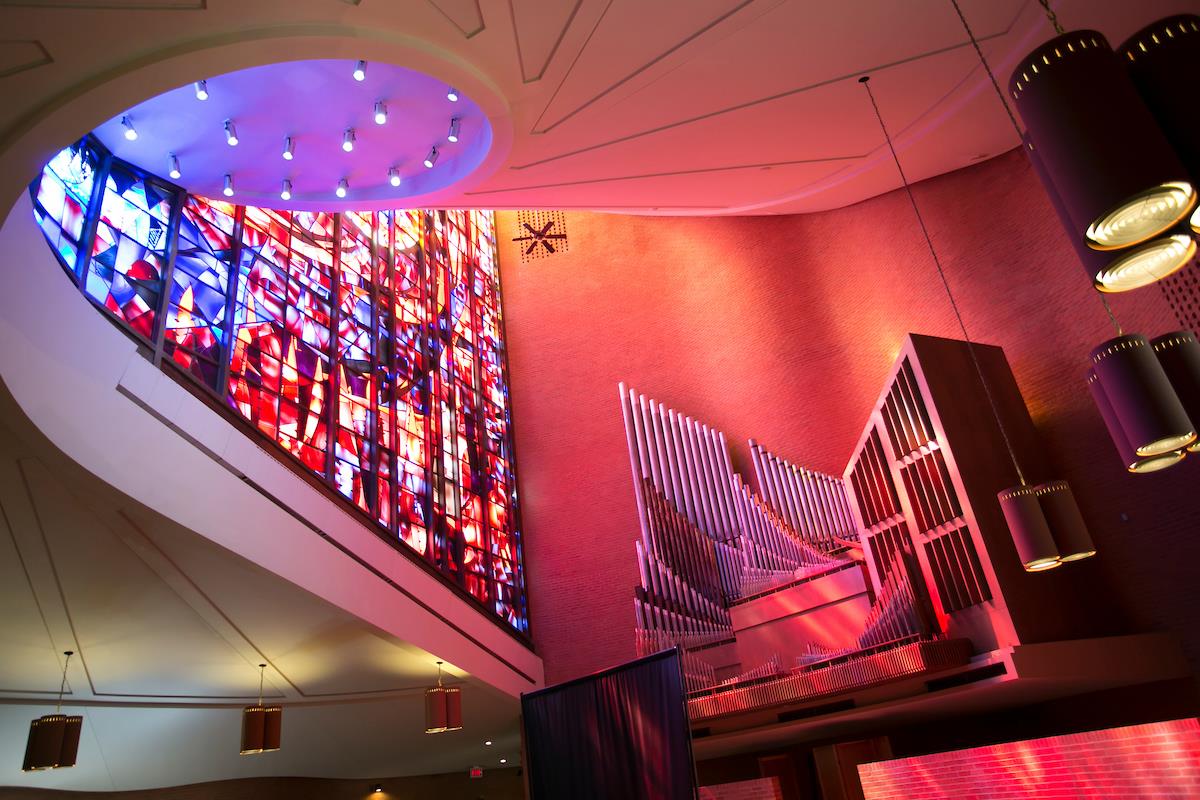
Randolph College Chapel
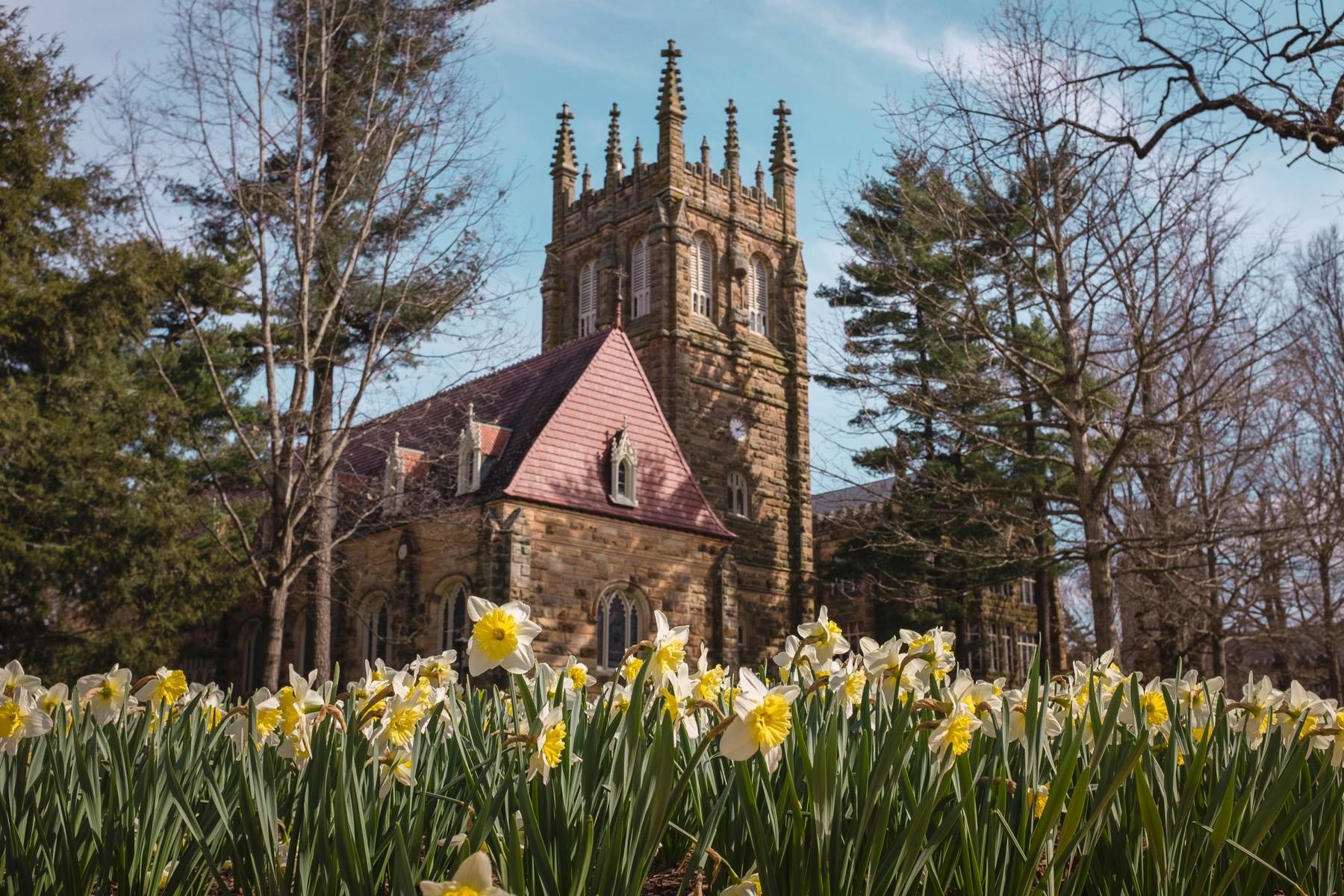
 

Sewanee | The University of the South

King’s College Chapel | University of Cambridge
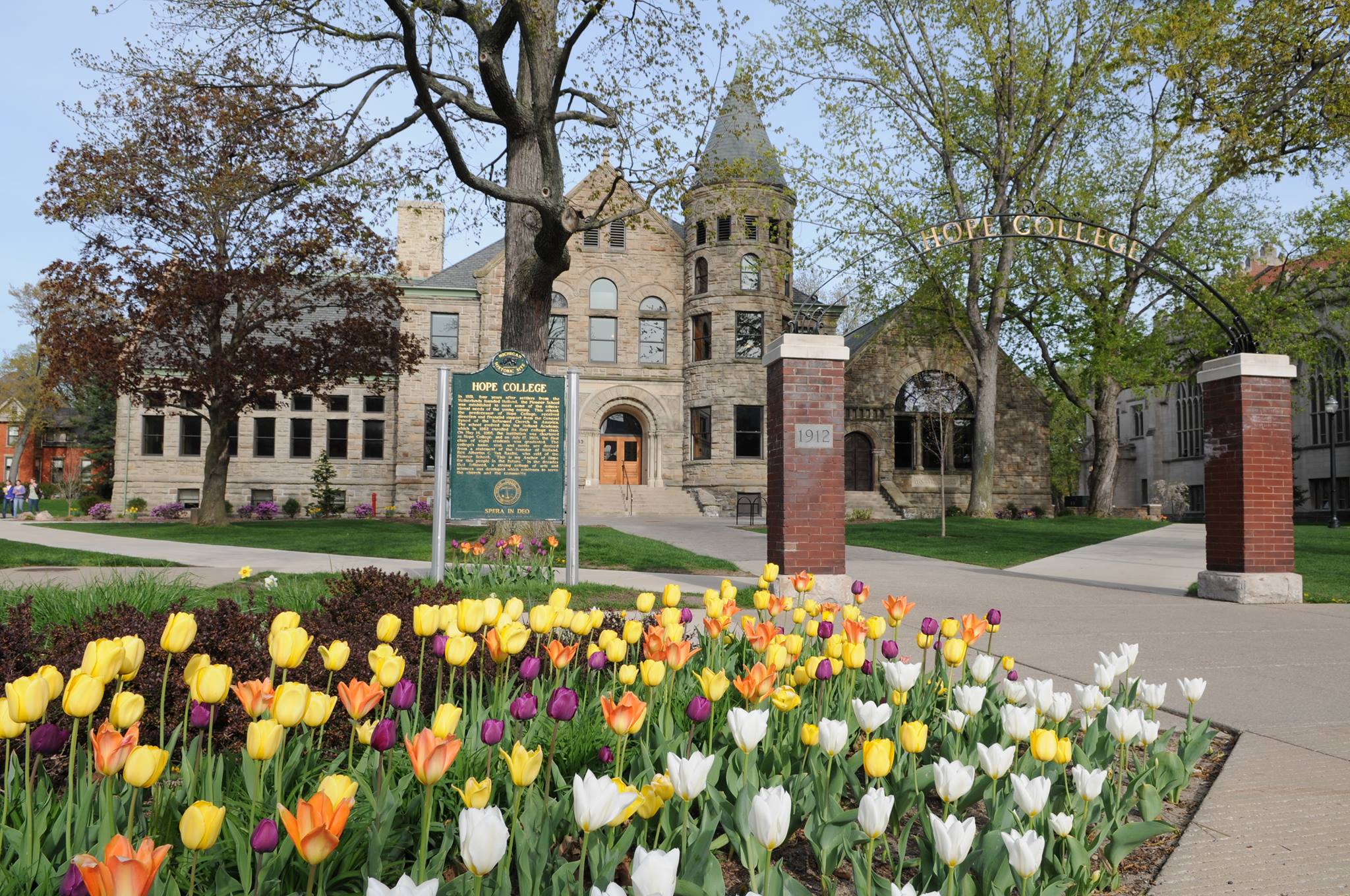
Hope College | Holland, Michigan
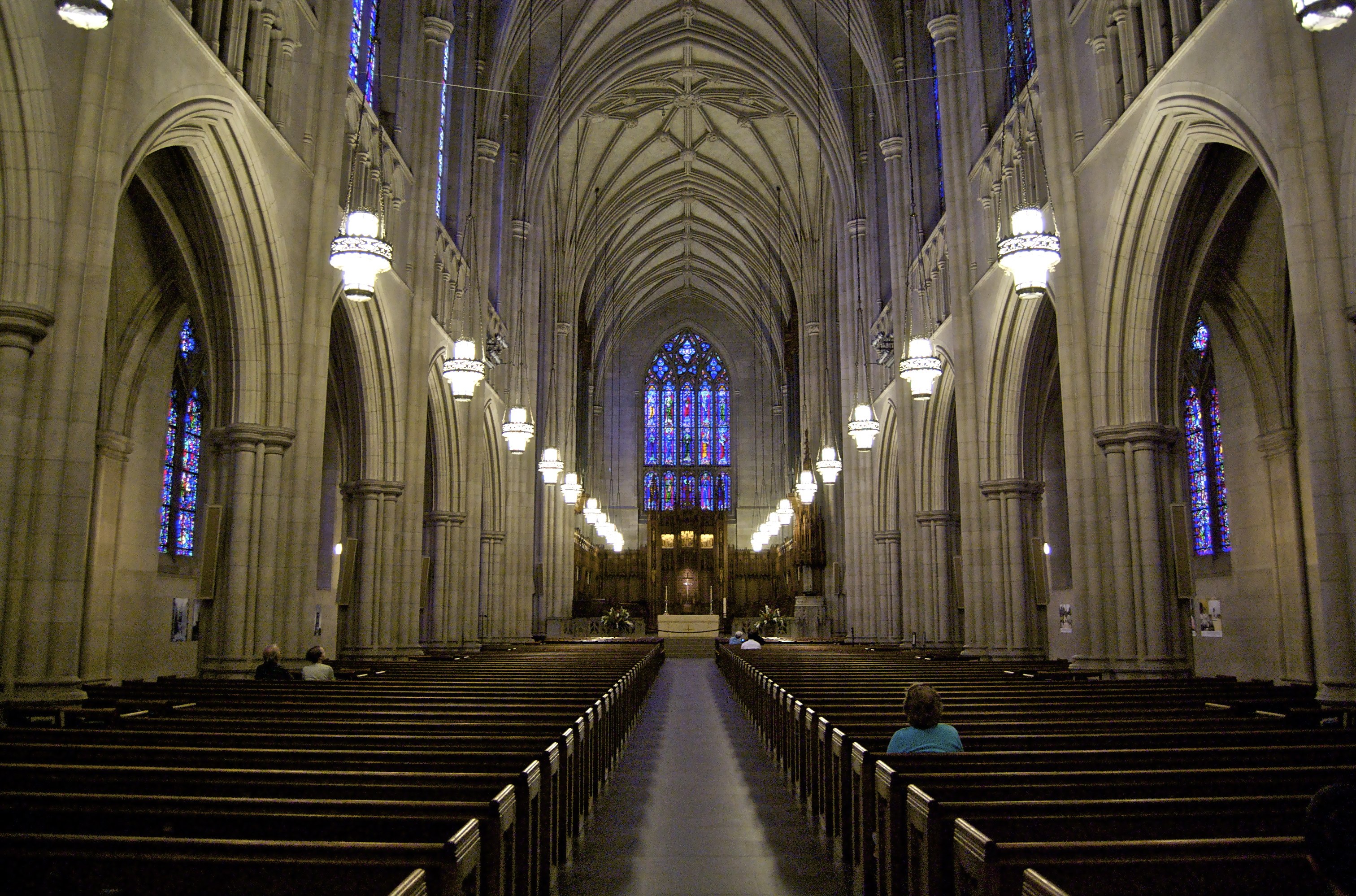
Duke University | Durham, North Carolina
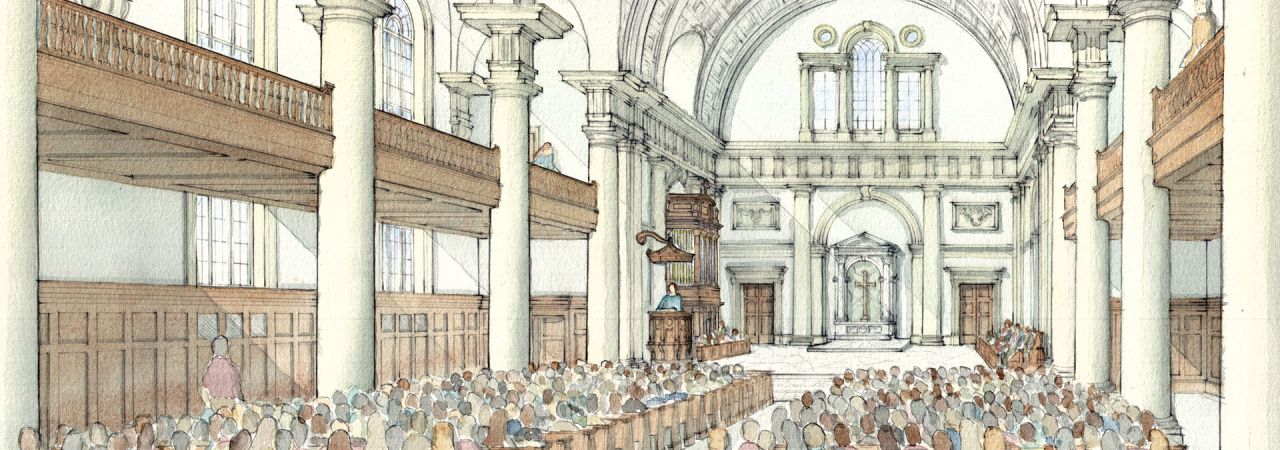
Christ’s Chapel | Hillsdale College, Michigan
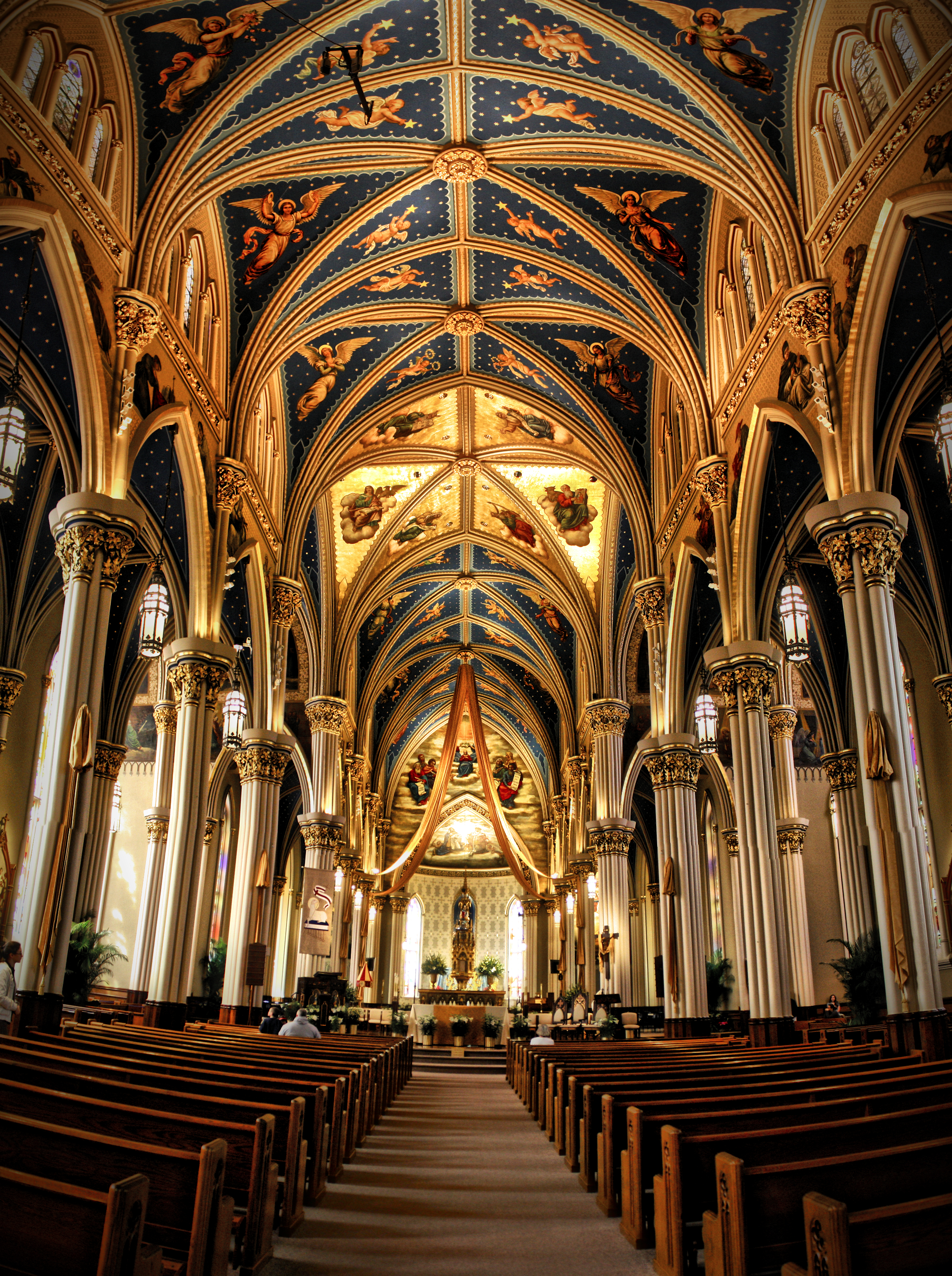
Basilica of the Sacred Heart | University of Notre Dame | South Bend, Indiana
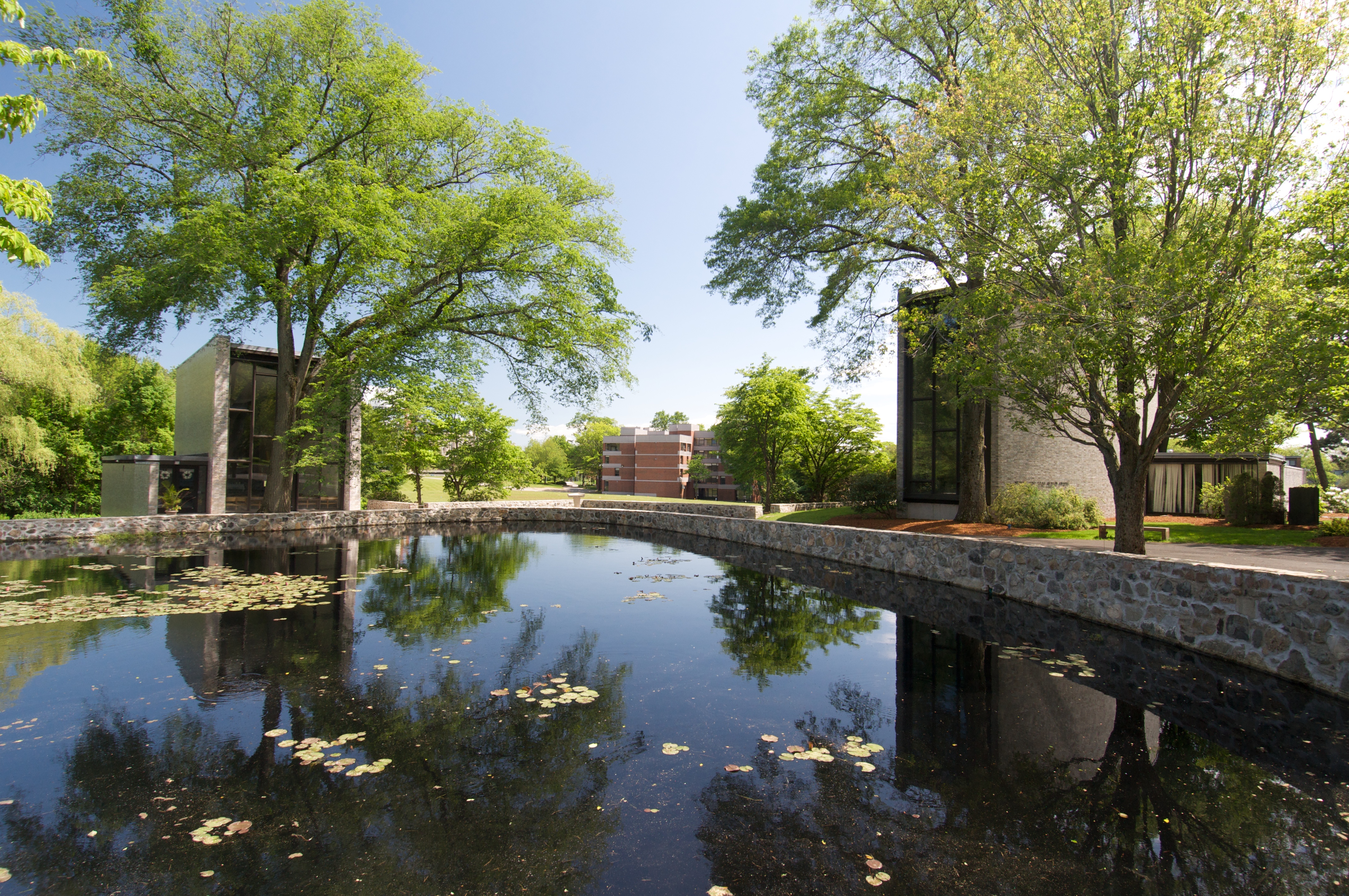
Three Faith Chapels | Brandeis University
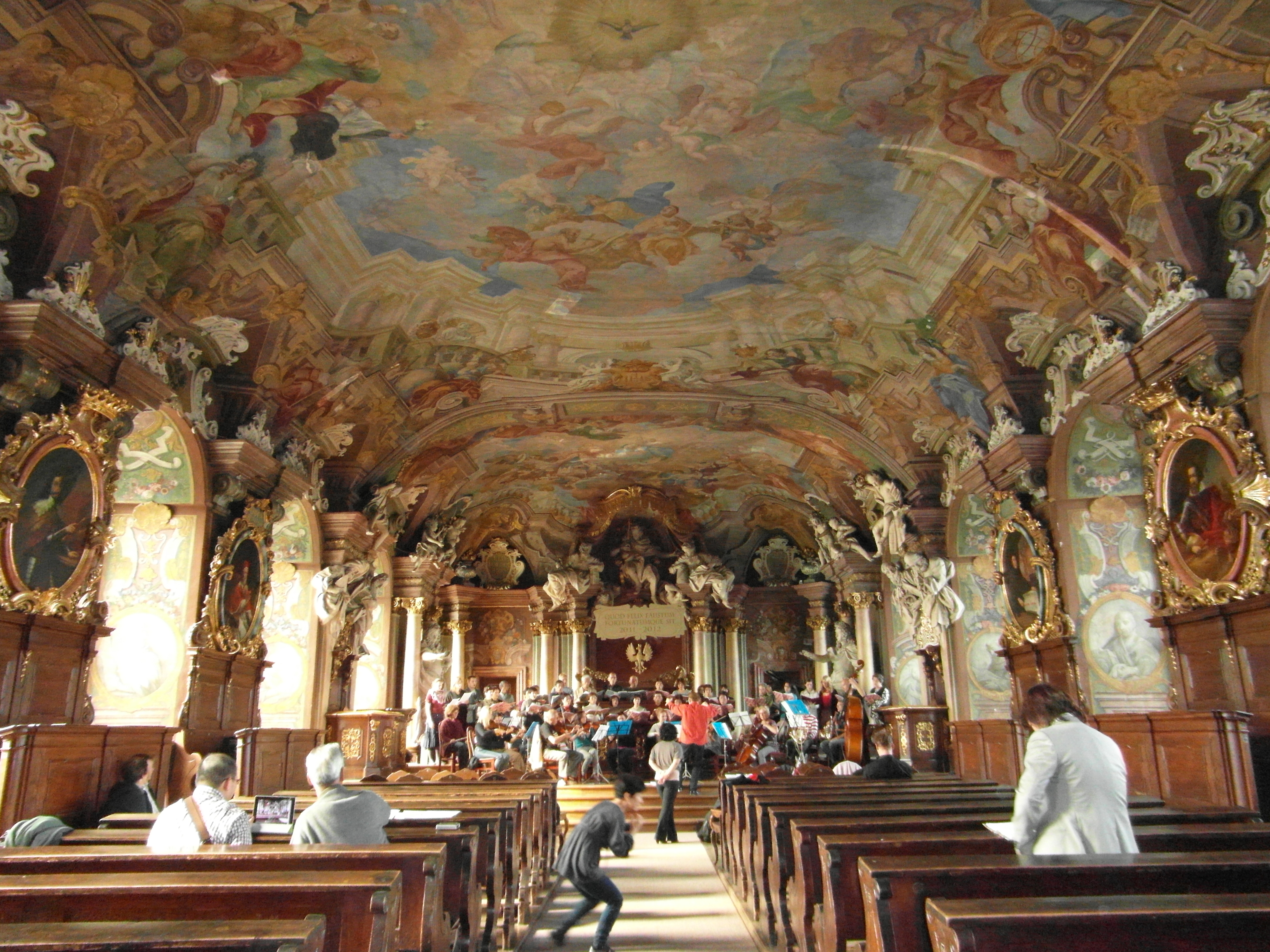
University of Wroclaw | Jesuit College | Wrocław, Poland
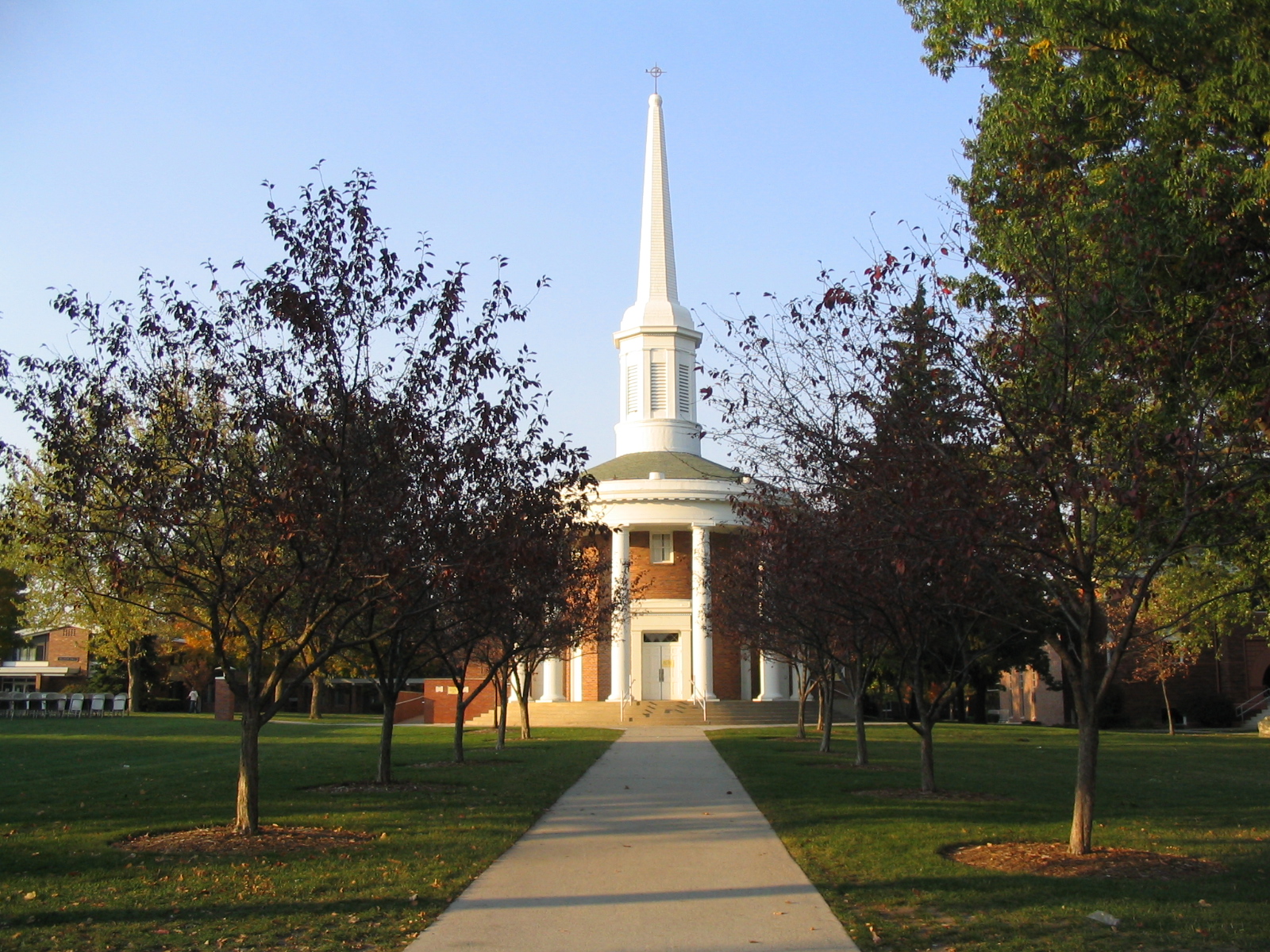
Alma College Chapel | Alma, Michigan
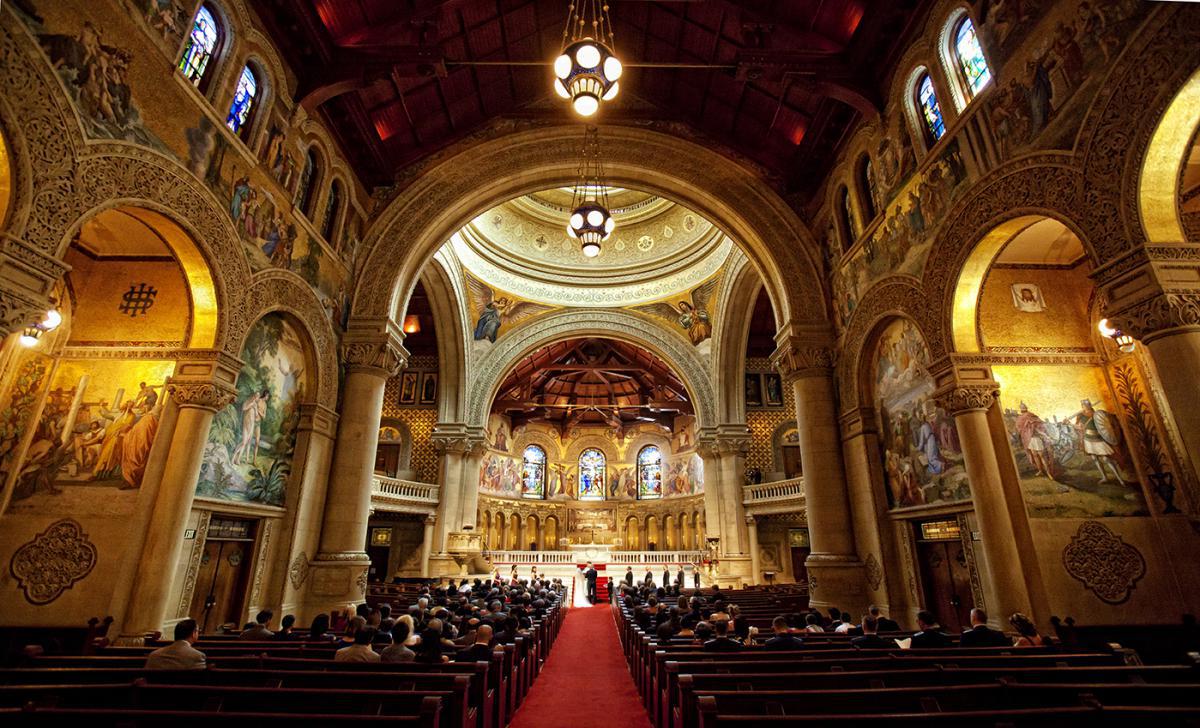
Stanford Memorial Church | Palo Alto, California
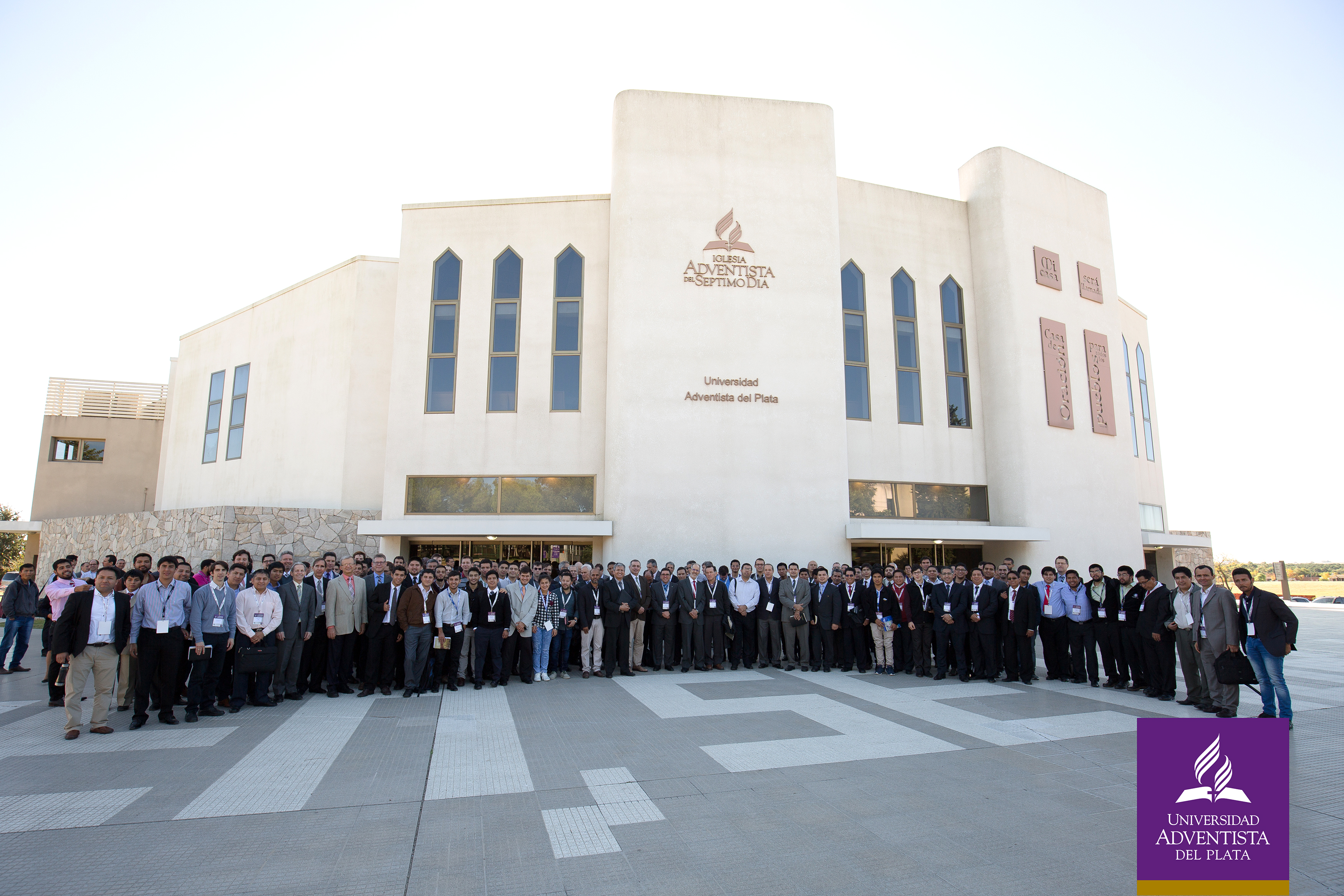
Universidad Adventista Templo | Buenos Aires, Argentina
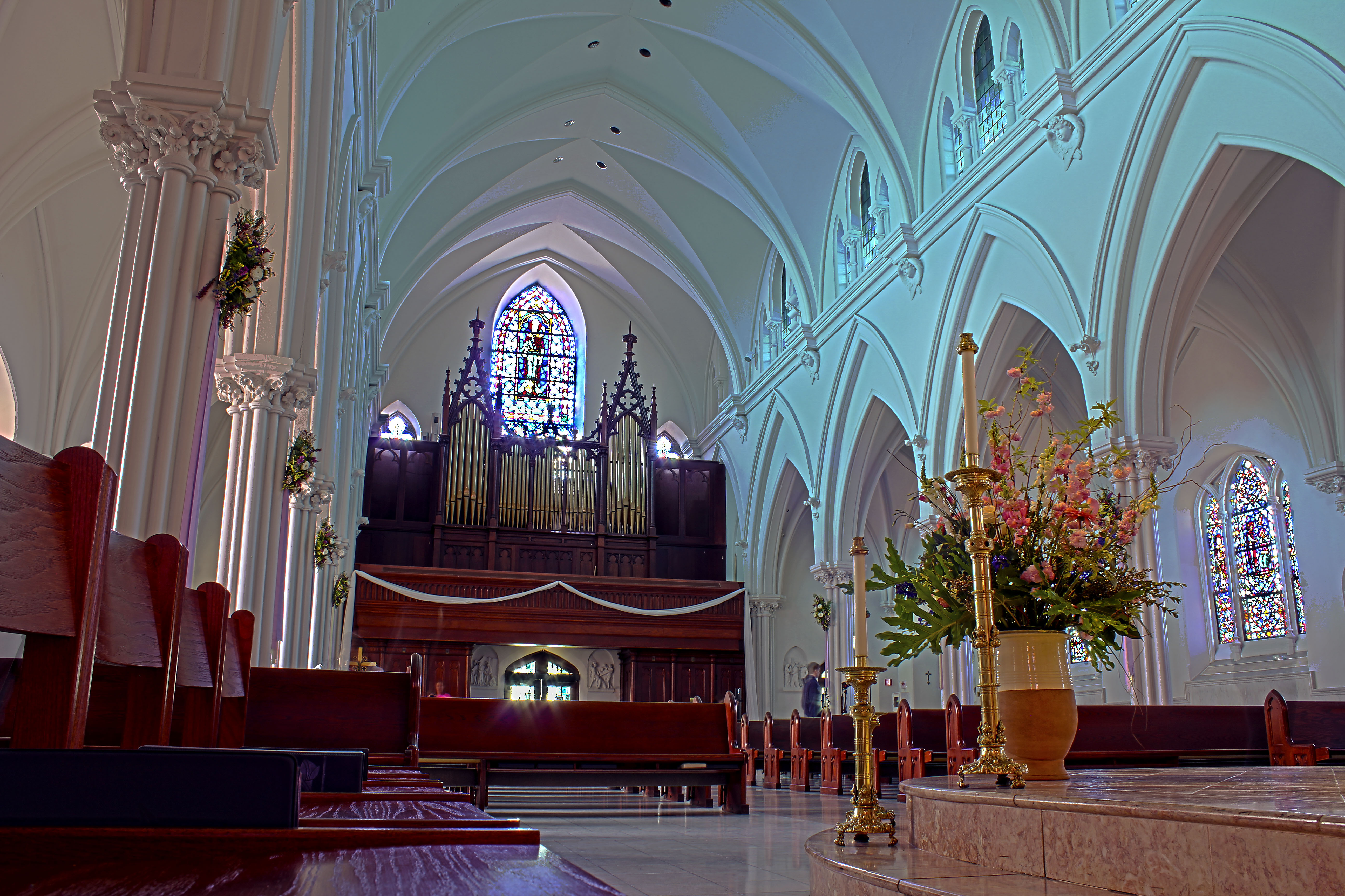
St. Thomas of Villanova University Chapel | Villanova, Pennsylvania
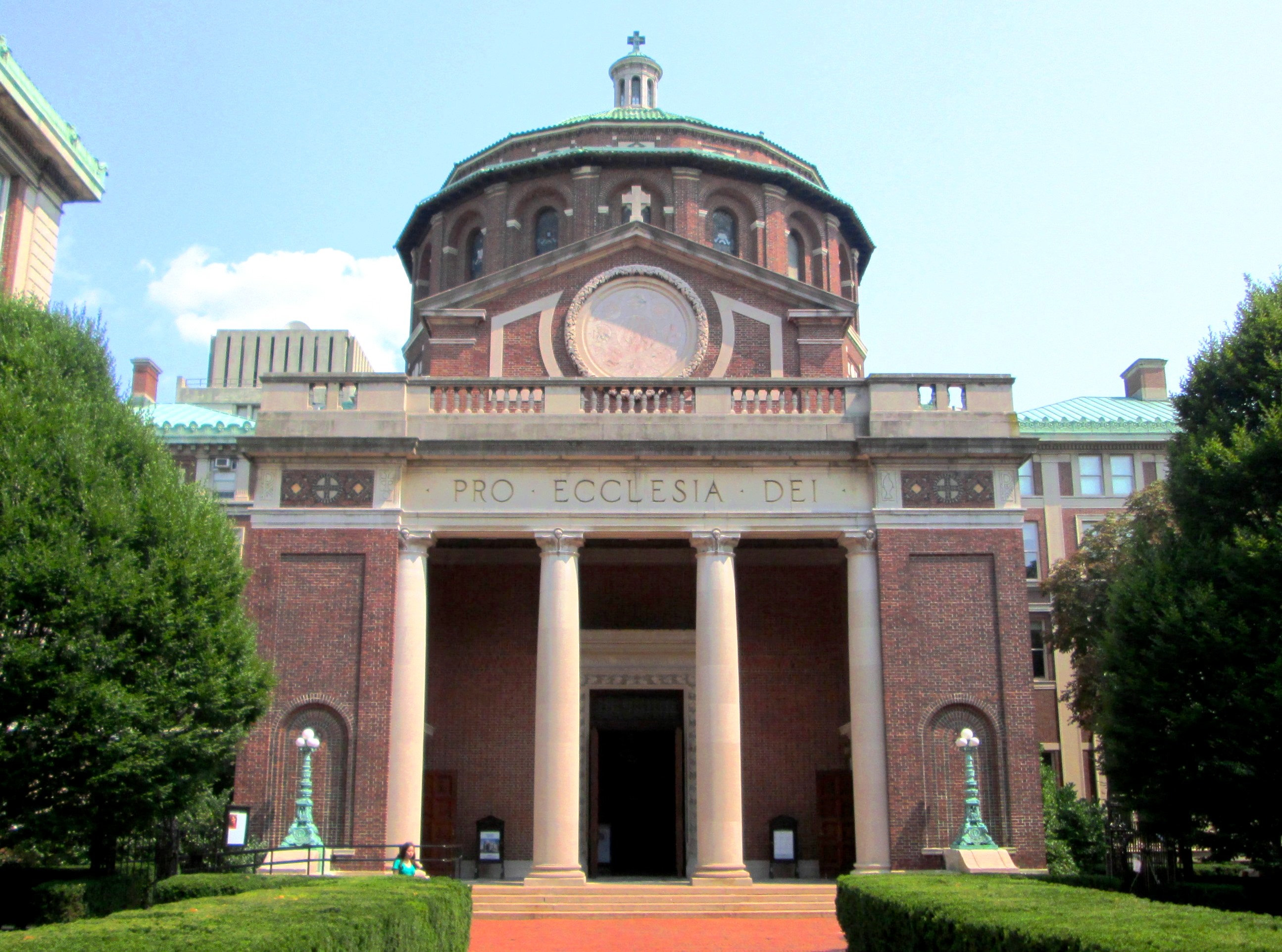
St. Paul’s Chapel | Columbia University | New York City
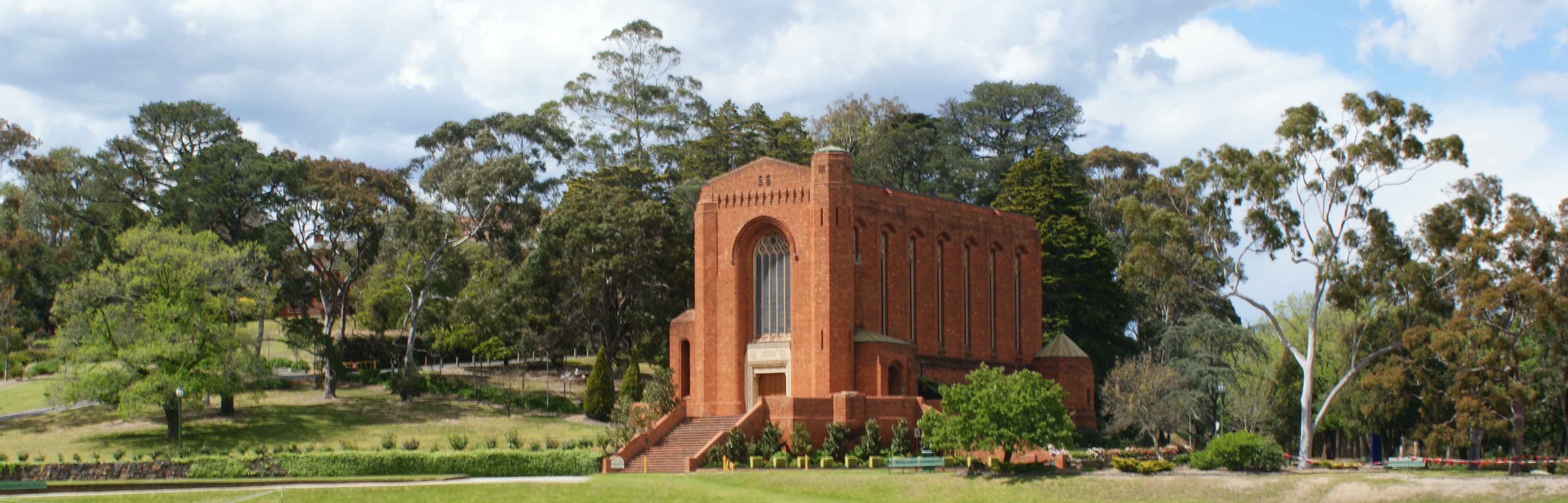
Scotch College Chapel | Melbourne, Australia
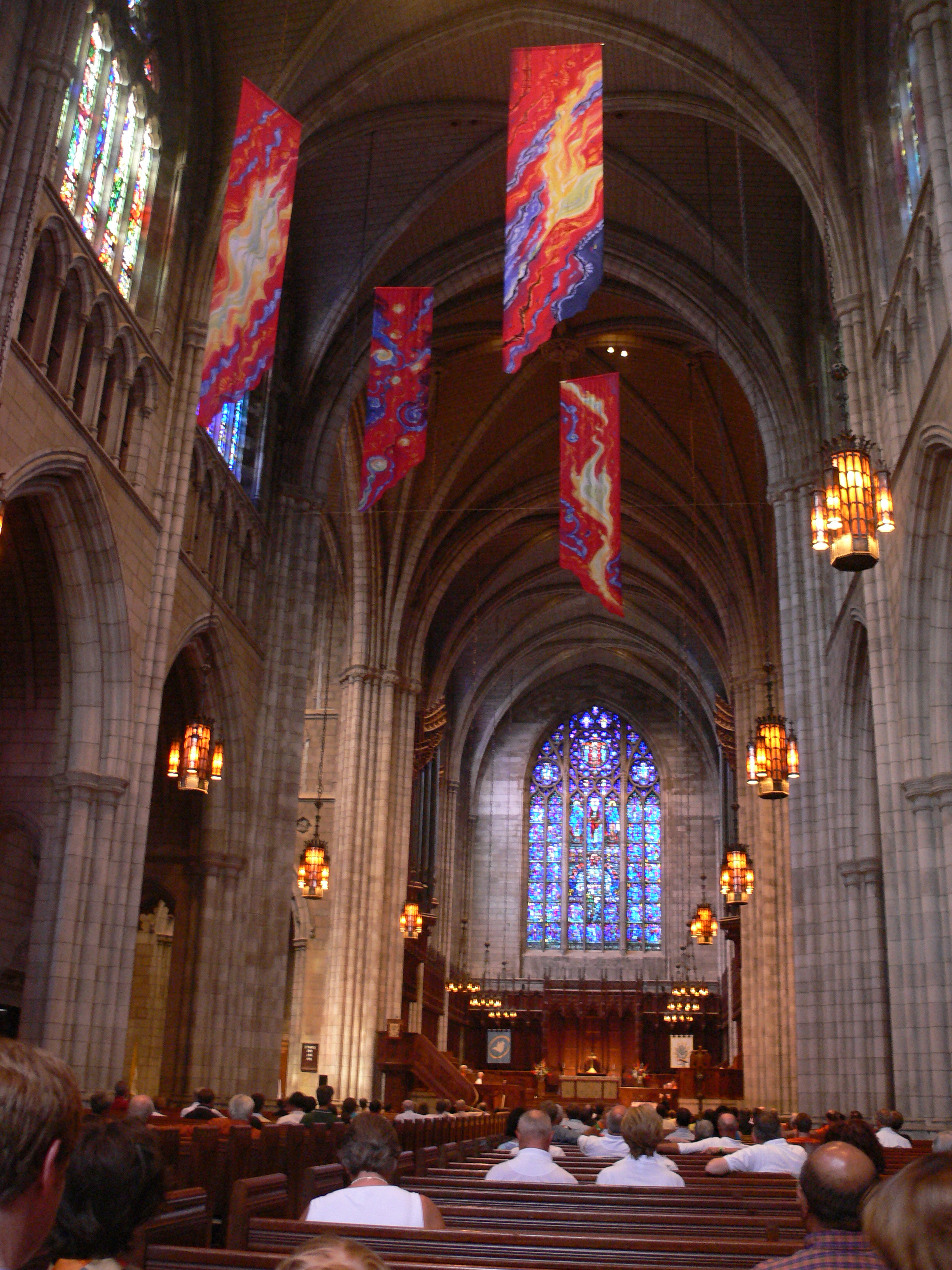
Princeton University Chapel
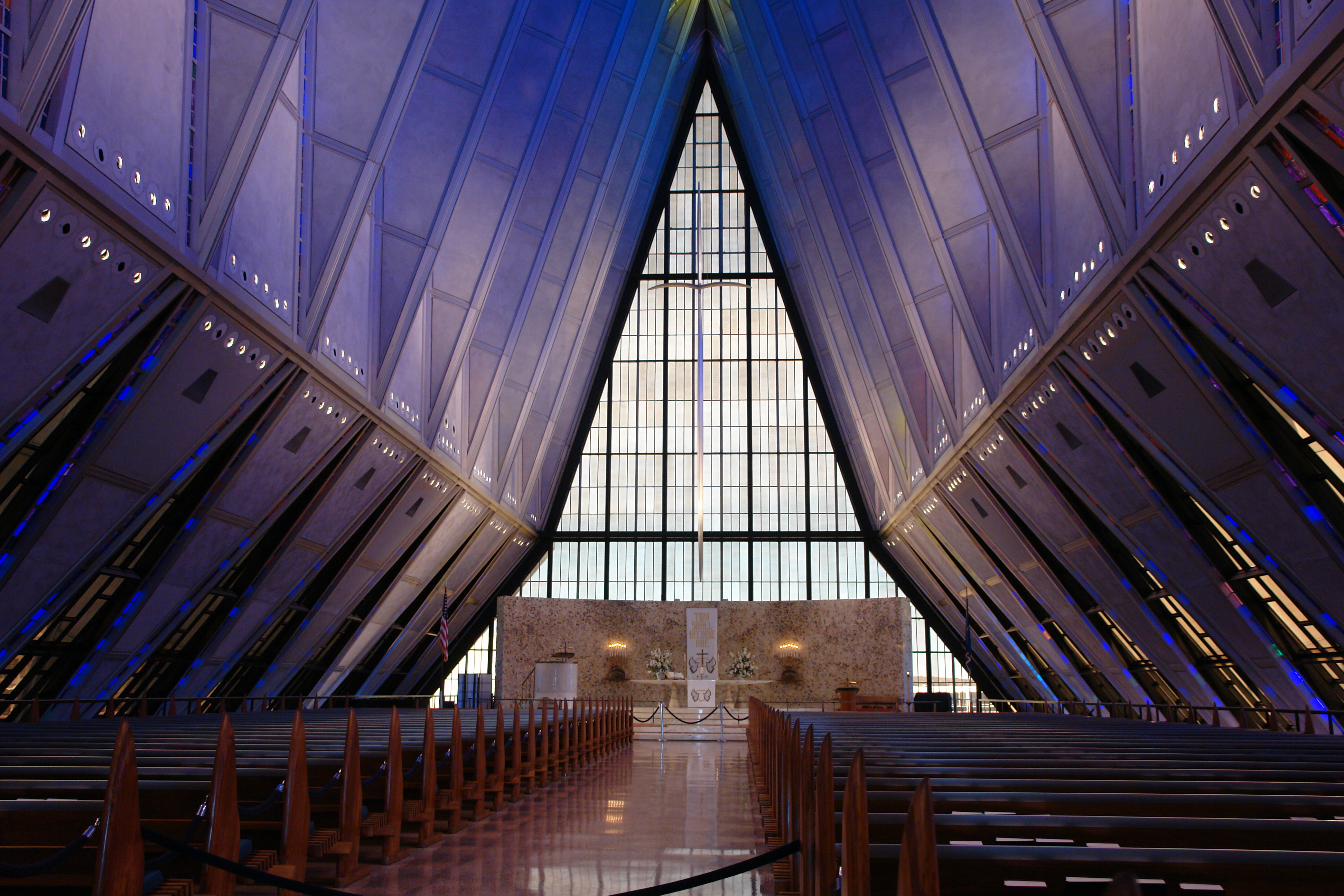
United States Air Force Cadet Chapel | Colorado Springs
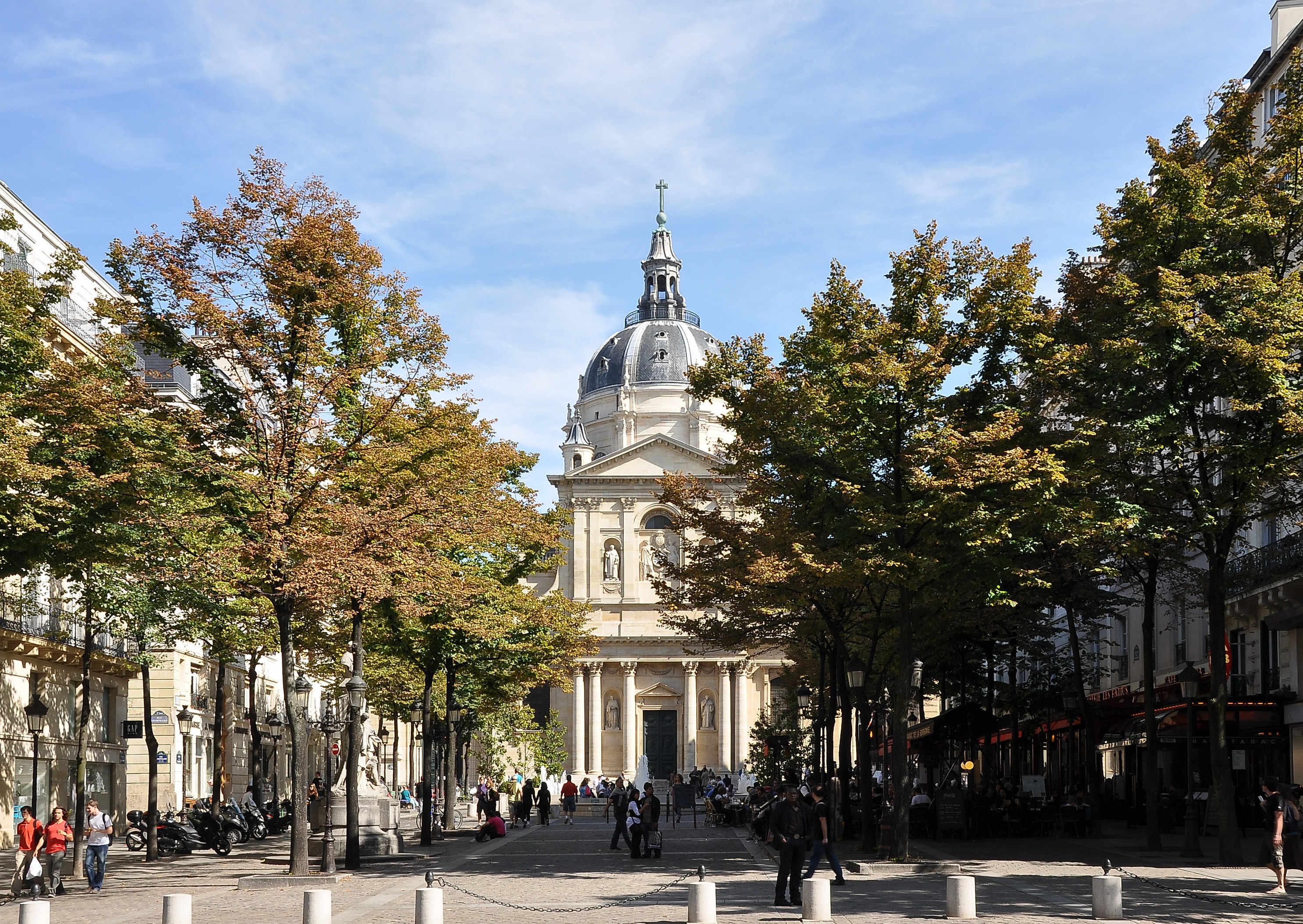
Chapelle Sainte-Ursule de la Sorbonne | Paris
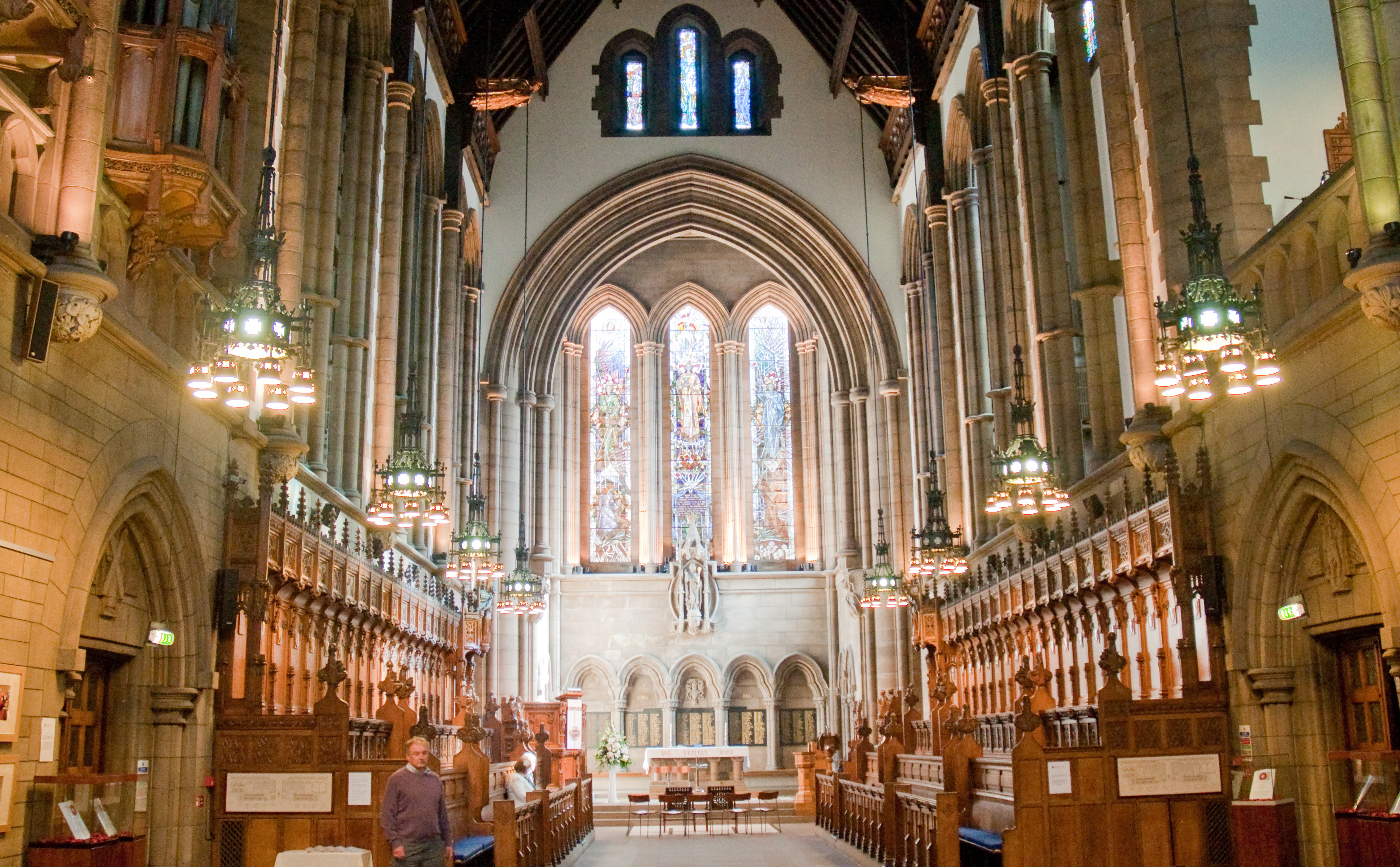
Memorial Chapel | Glasgow University | Glasgow, Scotland
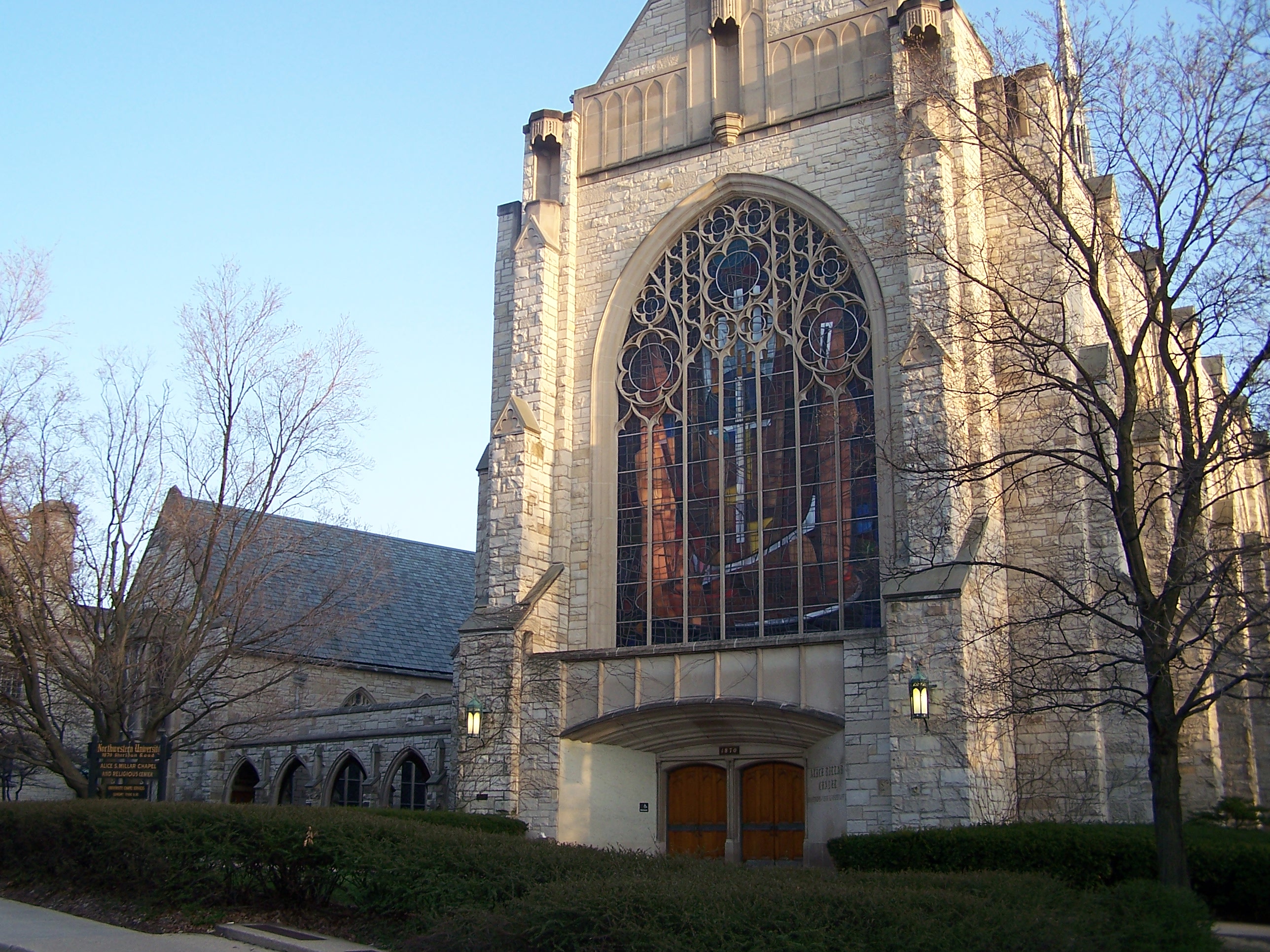
Alice Millar Chapel | Northwestern University
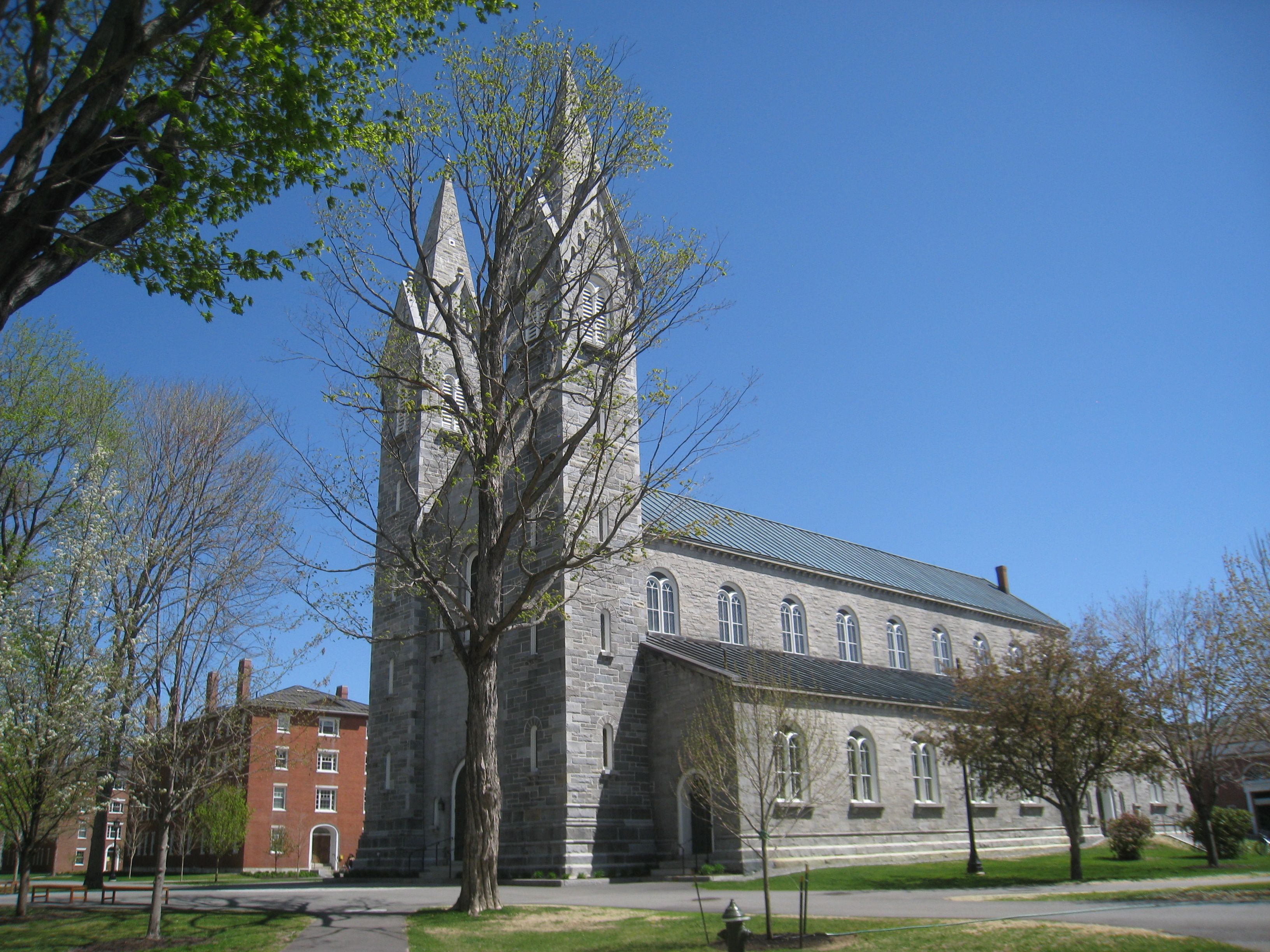
Bowdoin College Chapel | Brunswick, Maine
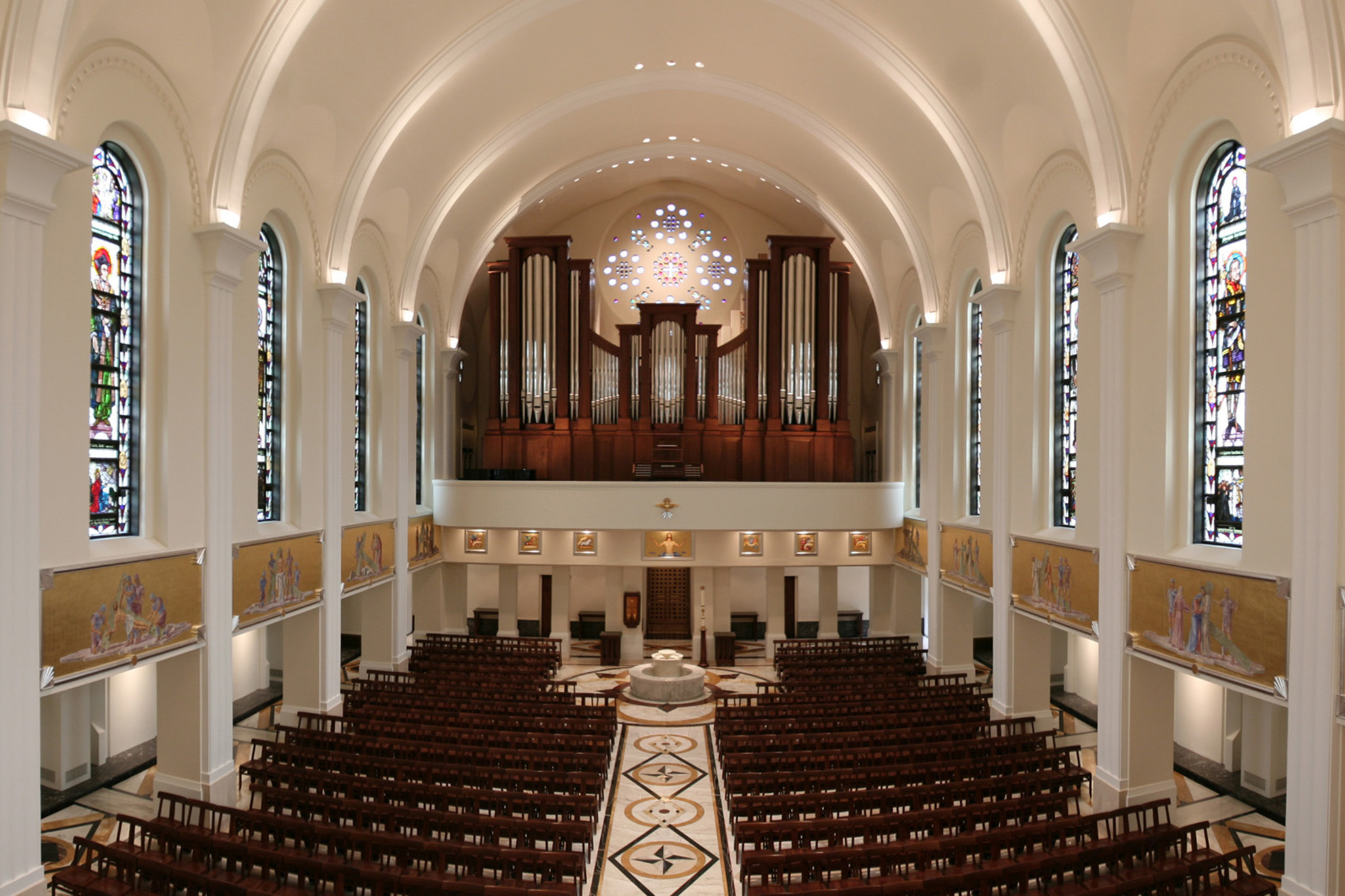
Loyola University Chapel | Madonna della Strada Chicago
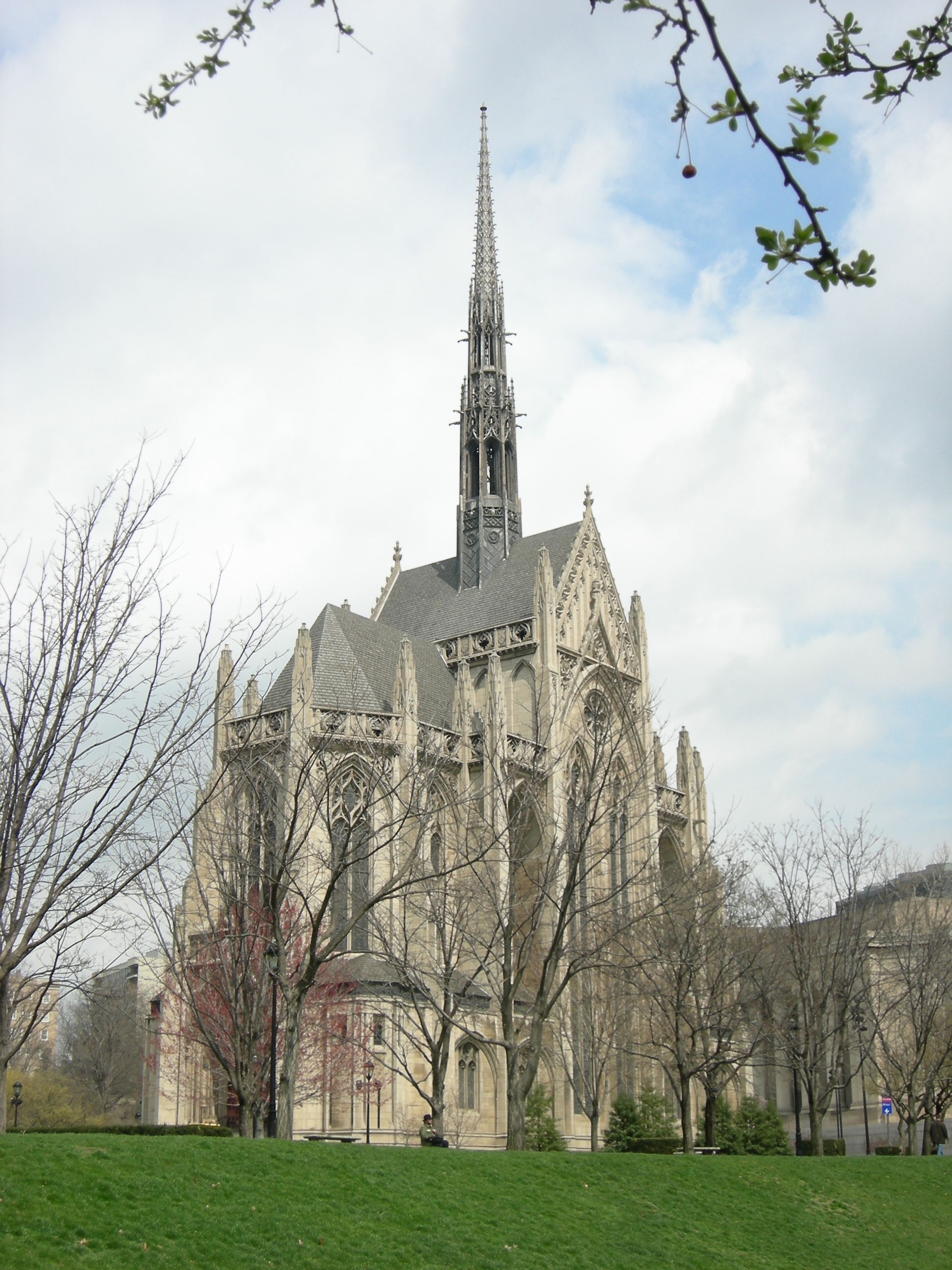
Heinz Memorial Chapel | University of Pittsburgh
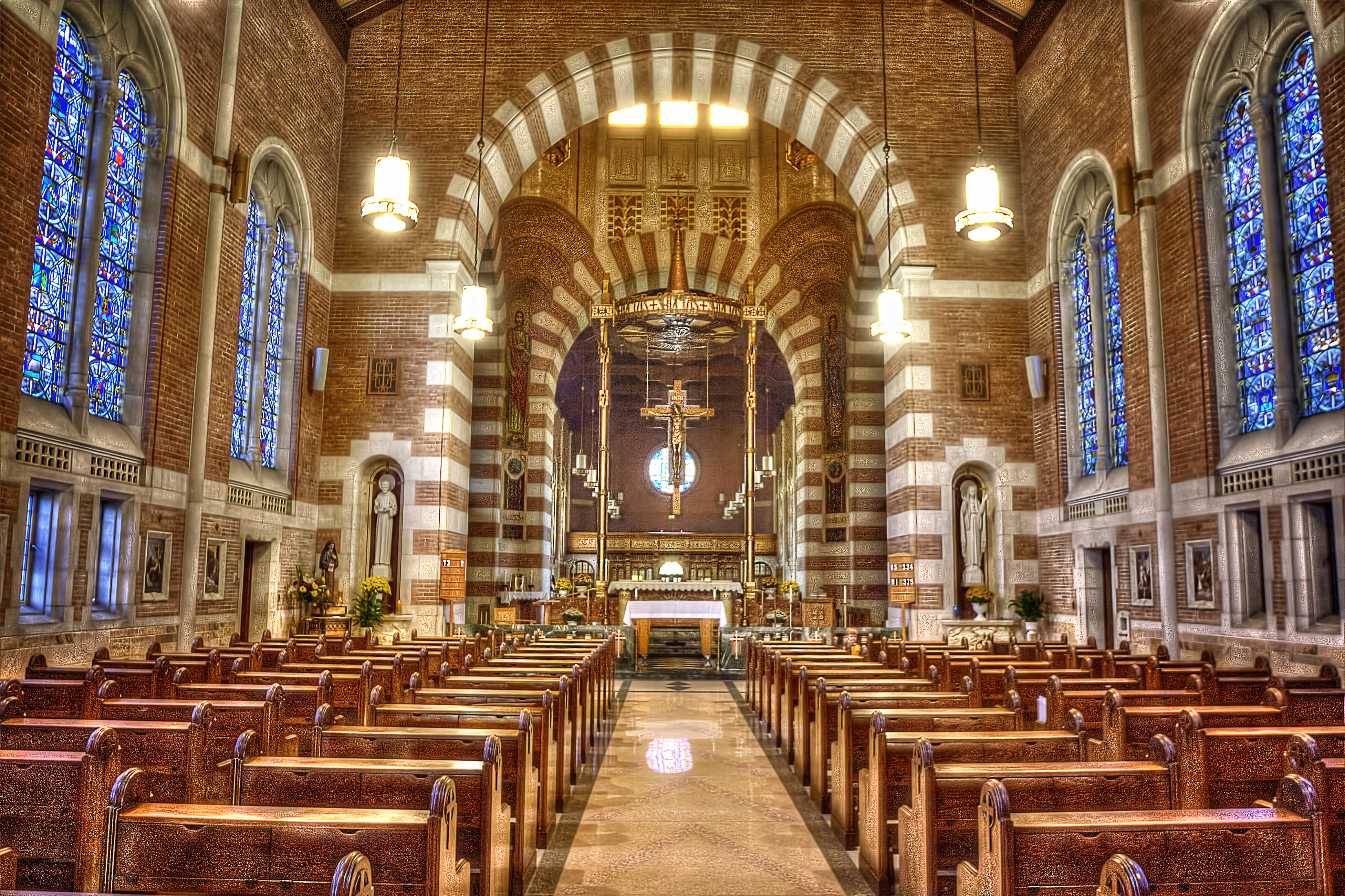
Madonna University Chapel | Livonia, Michigan

Vassar College Chapel | Poughkeepsie, New York
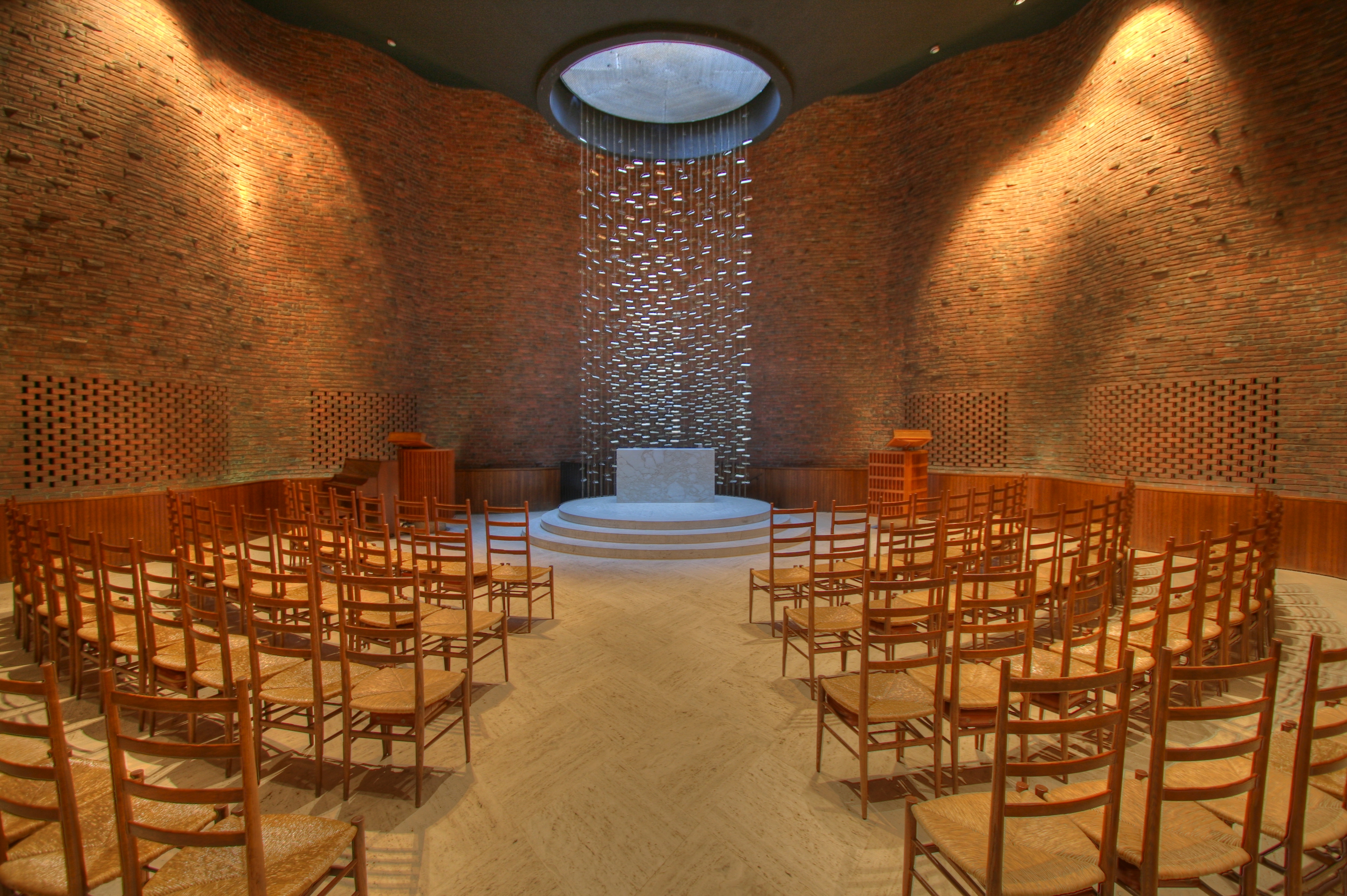
Massachusetts Institute of Technology Student Chapel | Cambridge, Massachusetts
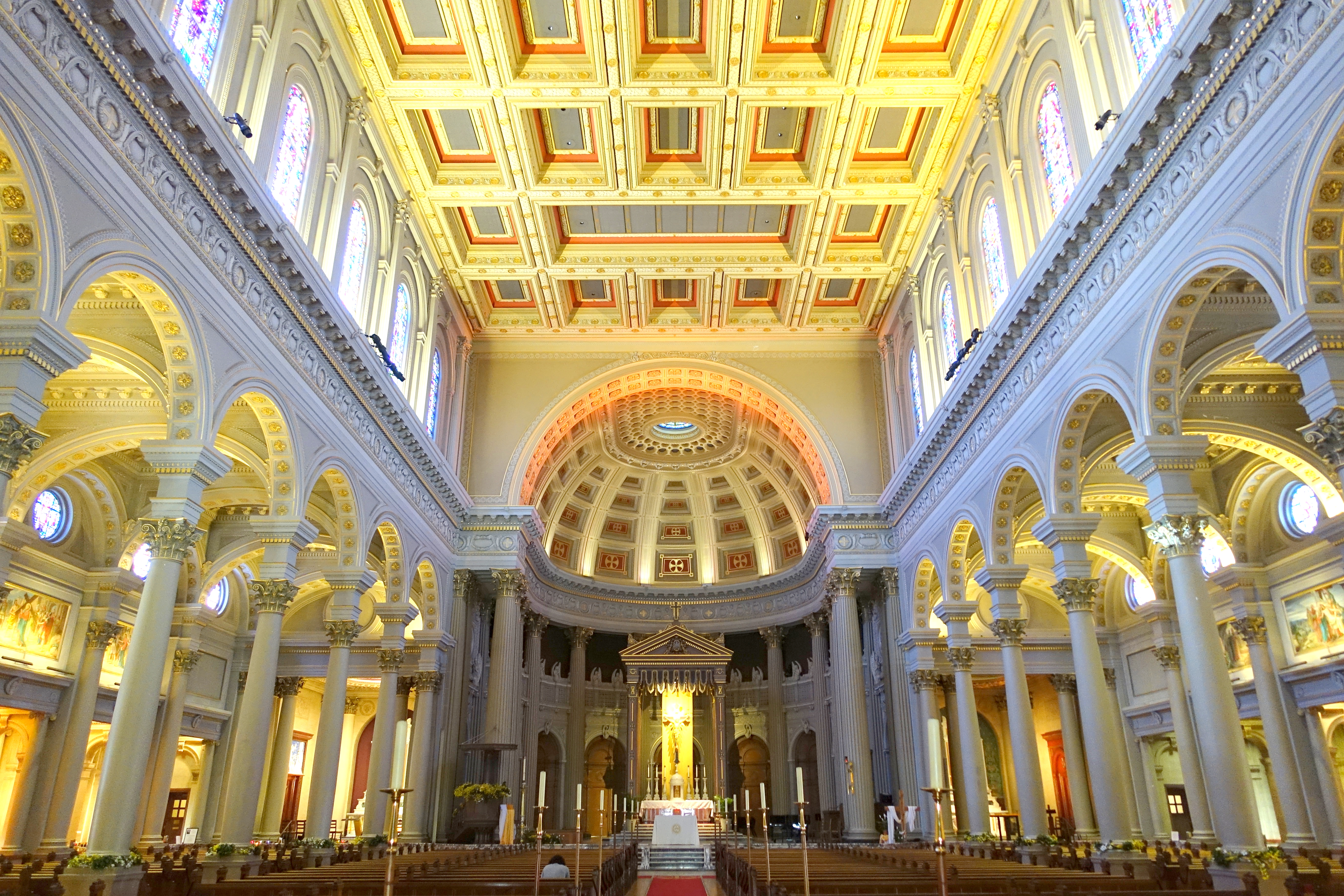
St. Ignatius Church | University of San Francisco
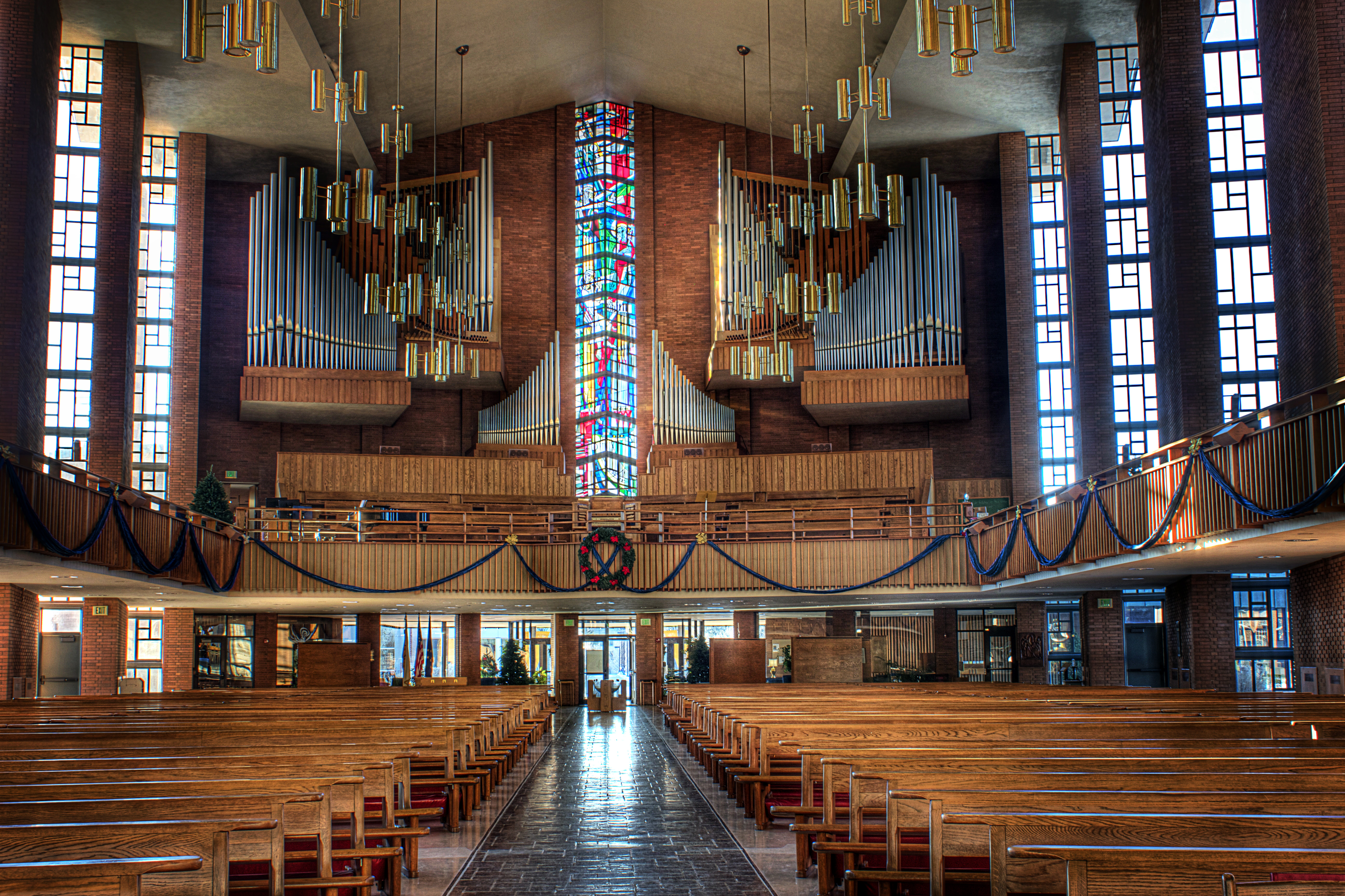
Church of the Resurrection | Valparaiso University | Valparaiso, Indiana
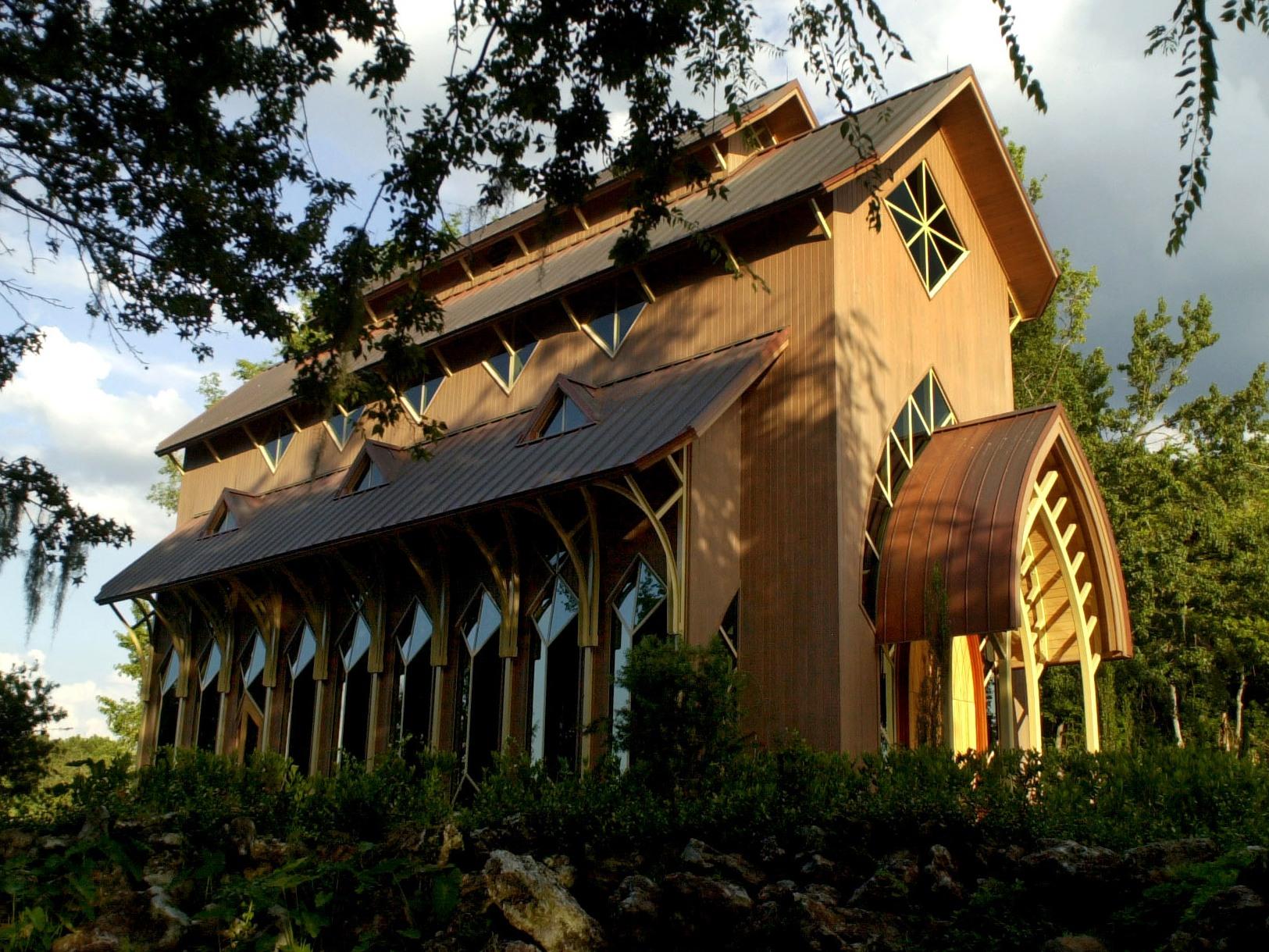
Baughman Center | University of Florida
Exeter College Chapel | Oxford University


More coming.

*404 ERRORS and Page Not Found messages are common as webmasters move content.


More

CLICK HERE for bibliography



The Rossborough Inn

November 1, 2026
mike@standardsmichigan.com
,
No Comments

Built in the early nineteenth century along the road between Washington and Baltimore, Rossborough Inn is the oldest building on the University of Maryland campus. During the Civil War, Union and Confederate troops occupied the grounds, and Confederate General Bradley T. Johnson briefly established his headquarters at the inn in 1864.  More than a century and a half later, the war has ended bu t, according to campus legend, not everyone has departed. Visitors report unexplained footsteps, doors opening mysteriously and sightings of **Miss Bettie**, the inn’s Civil War-era manager, wandering the corridors in a yellow gown.

Some guests, it seems, never check out.

Spooky (Terrapin) Tales


Image 1

All Hallows

Anatomical Donation

October 31, 2026
mike@standardsmichigan.com
,
No Comments

Anatomical donation programs are supported by relatively stable best practice literature that are highly cross-referencing.  The organ donation industry grows at a surprising clip and, as such, has its share of sketchy actors.

Our discussion today — at 15:00 UTC– is limited to the safety and sustainability of the support facilities for human cadavers only; with attention to the most recent construction projects.

Images:

Transworld Educare Pune

High Point University

Columbia University

Representative Literature:

University of Michigan

Augusta University

Duke University

Idaho State University

Indiana University

Ohio State University

University of Cambridge

University of Minnesota

University of New England

Vanderbilt University

Relevant Codes & Standards:

ASHRAE International

American Society of Mechanical Engineers

ASTM International

Clinical and Laboratory Standards Institute

International Code Council

International Building Code

International Mechanical Code

International Plumbing Code

Institute of Electrical and Electronic Engineers

National Fire Protection Association

More:

Michigan Public Health Code

County Medical Examiners

American Association for Anatomy

American Association of Tissue Banks

IEEE: Virtual Reality Application in Anatomy Education: A Bibliometric Analysis and Future Direction

Anatomy Meets Architecture: Designing New Laboratories for New Anatomists

National Donor Day: February 14

Join us today at 15:00 UTC.  Use the login credentials at the upper right of our home page.

Colloquy (October)

October 30, 2026
mike@standardsmichigan.com
No Comments

University of Tartu — Halloween Night Marathon 2026

University of Tartu — Pärnu College Halloween 2026


MOST VISITED WEB PAGE THIS MONTH – OCTOBER 2025 

Overcoming the Feminization of Culture (Helen Andrews, Yale University)

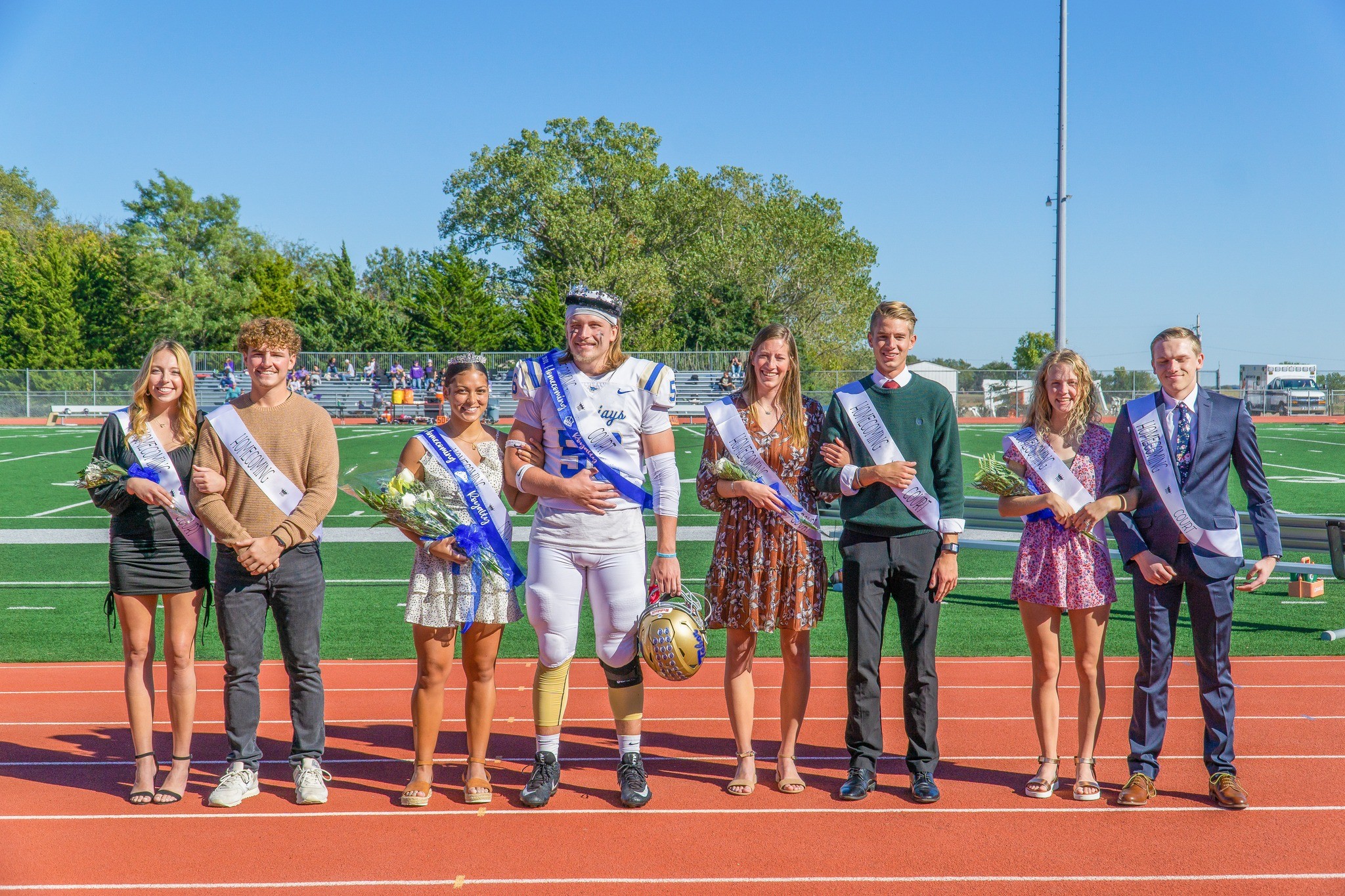
Tabor College | Marion County, Kansas

Open agenda; Not Too Organized. Whatever anyone wants to talk about.  We do meet once a month like this.  Use the login credentials at the upper right of our home page.

Fall Hours at our (New, across the street from our previous State Street Office) Eisenhower Parkway  Office: 8:30 AM – 4:00 PM

Join us for lunch 11:45 AM – 1:15 PM every Third Wednesday | University of Michigan Business School Executive Dining Room

We explain changes to our syllabus given that five conferences we attend will happen mid-September through mid-November: ANSI (Washington, DC), IEC (Edinburgh, Scotland), NFPA (Redondo Beach, California) and IEEE (Long Beach, California).   Mike will be out of the office with sporadic availability.  The front desk will be open.  Sanne Clare will take phone calls September 27 through October 6.

Larry Summers Misunderstood


Refrigeration Systems: Cadaver Preservation

October 30, 2026
mike@standardsmichigan.com
,
No Comments

Although specific temperature settings vary, gross anatomy labs are commonly kept at temperatures ranging from 55°F to 65°F (approximately 13°C to 18°C). This range balances the need for specimen preservation and the comfort and safety of individuals working in the lab. The 2024 Edition is widely incorporated by reference into public safety law; design, construction, maintenance operations best practice for laboratory health care occupancies.

ASHRAE 15 Safety Standard for Refrigeration Systems

Purpose:  This standard specifies safe design, construction, installation and operation of refrigeration systems.  It not apply to refrigeration systems using ammonia (R-717) as the refrigerant.

Scope: This standard establishes safeguards for life, limb, health, and property and prescribes safety requirements:

  • Design, construction, test, installation, operation, and inspection of mechanical and absorption refrigeration systems, including heat pump systems used in stationary applications;
  • Modifications including replacement of parts or components if they are not identical in function and capacity; and substitutions of refrigerant having a different designation.

ASHRAE Public Review Drafts

This standard provides safety requirements for refrigeration systems, which are often used in cadaver storage facilities to maintain appropriate temperatures. It includes guidelines on system design, installation, operation, and maintenance to ensure safe and reliable performance.  Student gross anatomy labs are typically kept at lower temperatures. Maintaining a cooler environment in these labs is important for several reasons:

  1. Preservation of Specimens: Lower temperatures help preserve cadavers and anatomical specimens by slowing down the decomposition process. This is crucial for maintaining the quality and usability of the specimens over extended periods.
  2. Control of Odors: Cooler temperatures can help minimize the release of odors from the preservation chemicals used, such as formaldehyde, which can be unpleasant and potentially harmful in higher concentrations.
  3. Health and Safety: Maintaining a lower temperature can reduce the volatilization of formaldehyde and other chemicals, thereby lowering the concentration of potentially harmful vapors in the air. This contributes to a safer environment for students and faculty.
  4. Comfort during Lab Sessions: Students and instructors often wear protective clothing, including lab coats and gloves, which can be uncomfortable in warmer environments. A cooler lab helps ensure comfort during extended periods of study and dissection.

While the specific temperature settings can vary, gross anatomy labs are commonly kept at temperatures ranging from 55°F to 65°F (approximately 13°C to 18°C). This range balances the need for specimen preservation and the comfort and safety of individuals working in the lab.

University of Michigan Mechanical Design Guidelines and General Specifications

Mabon Breakfast

October 29, 2026
mike@standardsmichigan.com
, , , , ,
No Comments

MIDDLESEX COUNTY WEATHER

https://standardsmichigan.com/136343-2/

Tufts University Financial Statement: $4.602B 

Standards Massachusetts

Tufts University | Medford, Massachusetts | Middlesex County | 617 | FSC 002219

Tufts University Middlesex County, Massachusetts

Philanthropy — Brighter World
Tufts’ comprehensive campaign raised more than $1.5 billion from over 132,000 donors, supporting financial aid, research and campus living and learning spaces.
Tufts Giving / Brighter World

Capital — Capital Projects
Current and recent investments in housing, laboratories, engineering facilities, renovations and other physical assets across the university.
Tufts Capital Projects

Essential Works — Operations Division
Tufts describes Operations as directing the university’s “essential functions and services” across four campuses, including physical plant, construction, safety, dining, grounds and waste.
Tufts Operations Division

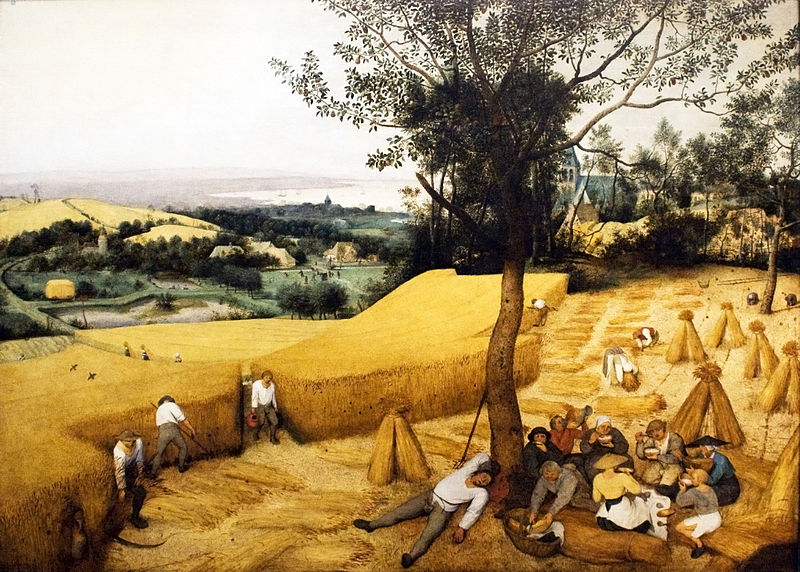
The word “fecund” comes from the Latin word “fecundus,” which means fertile or fruitful. Historically, it has been used to describe land, animals, or people that are capable of producing abundant offspring or vegetation.

The term conveys a sense of richness and productivity, often associated with fertility and the ability to generate new life or growth. In a broader sense, it can also be applied metaphorically to describe creative or intellectual productivity.

“The Harvesters” 1565 | Pieter Bruegel the Elder

Related:

Boston Public Library: The Origins and Practices of Mabon

Standards Michigan: Kitchen Safety & Sustainability


Pathways 100

October 29, 2026
mike@standardsmichigan.com
,
No Comments

Today we break down the literature for exterior and interior pathways in education communities.   We limit the term “pathway” to refer to human pathways (as in egress and ingress paths); not wiring or piping pathways.   Maximum distance of travel from within a building and along an egress path toward safety is a core topic in building safety literature.  Starting 2023 we will break down coverage of subject catalogs and bibliographies:

Pathways 100: Survey of all titles for both the exterior and interior environments

Pathways 200: Review of codes, standards and guidelines for building interiors

Related recent research:

Hallways and stairways lighting system cost reduction

The research on circadian rhythm parameters testing of lighting quality in classrooms

Research and discussion on classroom blackboard lighting

Pathways 300: Review of codes, standards and guidelines campus environment outside the buildings; all seasons

Pathways 500: Review of noteworthy litigation.   Campus pathways are rich in possibilities for legal actions so we will refresh our understanding of the landmark decisions.

This breakdown is “somewhat” inspired by recent action by ASHRAE International to expand the scope of ASHRAE 90.1 to heating and cooling environments outside buildings.   The new title of ASHRAE 901. includes the word “Site”, which is another way of saying “the world” outside buildings.   Standards Michigan commented on the consequences of doing this in the proposal stages in 2020-2021.


The topic involves titles from many standards setting organizations; among them:

American National Standards Institute

C136-series for street lighting

International Code Council (accessible and useable ingress and egress entrances, paths and exits)

International Building Code: Chapter 10 Means of Egress

ICC A117 Accessibility Meeting Agenda December 15 2022 (Pathways)

ICC A117.1 2023 Meeting Calendar Accessible and Useable Buildings

Modifications for A117.1 12-1-2022 meeting

A117.1 11-17-2022 Agenda 20

A117.1 7-28-2022 Minutes 12

IFC §909.21.6 Proposal FS118-21 Pressurization systems for elevator pathways (now being discussed during the ICC Group A Committee Action Hearings in September)

American Society of Civil Engineers (roads, sidewalks)

American Society of Mechanical Engineers

ASME A17.1-2019: Safety Code for Elevators and Escalators

Elevators & Lifts

Institute of Electrical and Electronic Engineers (wayfinding along unofficial footpaths using the internet of small things)

Education & Healthcare Facility Electrotechnology

A BIM-Based Coordination Support System for Emergency Response

Computer Vision Method in Means of Egress Obstruction Detection

Recommended Practice for the Design of Power Systems Supplying Lighting Systems in Commercial and Industrial Facilities

Wayfinding: Current Research


National Electrical Manufacturers Association

National Fire Protection Association (fire protection for interior premises, fire truck routes, electric signage, security)

2021 NFPA 101 Life Safety Code

Chapter 3 Means of Egress

Chapter 12-13 Assembly Occupancies

Chapter 14-15 Educational Occupancies

Chapter 18-19 Health Care Occupancies

2022 Standard for Emergency and Standby Power Systems

Chapter 5 – Emergency Power Supply: Energy Sources, Converters and Accessories

ASTM International Committee C09 on Concrete and Concrete Aggregates

Standard Terminology Relating to Concrete and Concrete Aggregates

…And about 20 others.

We might venture onto the minefield of sensitivities about signage: too much, too many, too big, too small?  There are signs everywhere in academia.

Many titles in the foregoing list are inspired by legal requirements of the Americans with Disabilities Act administered by the US Department of Justice

As usual, we’ll only have time to identify the titles and concepts in motion and set up a separate markup session.   Open to everyone; use the login credentials at the upper right of our home page.

Texas Tech


MORE:

International Building Code §3104 Pedestrian Walkways and Tunnels 

2023 National Electrical Code Article 420 — Luminaires, Lampholders, and Lamps

2023 National Electrical Code Article 600 – Electric Signs and Outline Lighting

2023 National Electrical Code Article 620 — Elevators, Dumbwaiters, Escalators, Moving Walks, Lifts and Chairlifts

Bibliography

Shaping the Sidewalk Experience

The 8 Principles of Sidewalks

Federal Highway Administration University Course on Bicycle and Pedestrian Transportation

“The Via Appia: A Case Study in the Political Geography of Imperialism” Hannah Friedman.  This article, published in the Journal of Historical Geography in 2011, examines the Appian Way as a product of Roman imperialism and a reflection of Roman attitudes toward the landscape and its inhabitants. The author draws on both textual and archaeological evidence to explore the road’s impact on the regions it passed through.

“The Appian Way: The Road that Built the Roman Empire” by Richard Talbert – Cambridge University Press 2012.  A a comprehensive study of the Appian Way and its significance to the Roman Empire. The author draws on a wide range of archaeological and historical evidence to explore the road’s construction, use, and legacy.


Signs, Signs, Signs

October 29, 2026
mike@standardsmichigan.com

No Comments

…and Sign Pollution

Our first impression of a community is its visual environment, which is reflected from the pretty integration of the built and natural forms. Visual pollution is defined as the whole of irregular formations that are unattractive and affects people’s ability to enjoy or appreciate the view and vista.  Anything that interferes with the “pretty scenes” and other distortion may become a cause of visual pollution. With the rapid increase of population world widebuilding sector became the major source of visual pollution especially in the city center.

Join us today when we sweep through the surprisingly large catalog of titles devoted to signage.  We will borrow from our previous coverage of pathway standards.   Use the login credentials at the upper right of our home page.

Pathways 100

International students enrolling in U.S. colleges encounter Academic English — the formal register of lectures, textbooks, papers, and discussions. This variety often embeds assumptions that diverge sharply from the American Founding’s emphasis on limited government, individual liberty, natural rights, and skepticism of centralized authority.

The Founders designed a republic of enumerated powers, checks and balances, and federalism to restrain government and protect personal sovereignty. They viewed government as a necessary but dangerous servant. Deference was owed primarily to law and reason, not to elites or the state.

Modern university discourse, however, frequently frames issues through lenses that normalize expansive government. Terms like “equity,” “systemic oppression,” “social justice,” “sustainability,” and “public good” recur in required writing, readings, and class analysis. These presuppose that societal problems demand coordinated state or institutional intervention and expert guidance.

International students, often writing in a second language, must master not only grammar but also these rhetorical conventions to succeed. Essays commonly reward framing arguments around collective victimhood, institutional reform, or government solutions, while skepticism of authority or defense of limited government can be marked down.

This creates subtle acculturation. Students absorb a version of English that subtly legitimizes big government as moral progress — contrasting the Founding’s core warning: unchecked power threatens liberty. Proficiency thus includes ideological fluency in progressive norms dominant in humanities and social sciences.

In short, many international graduates internalize habits of thought prioritizing collective authority and equity over the Founders’ individualism and restraint — shaping future global elites away from the Republic’s original limited-government ethos.


Noteworthy court cases involving signage on colleges and universities:

  1. Widmar v. Vincent (1981): In this Supreme Court case, the court held that public universities cannot discriminate against student groups based on their religious or political beliefs, including the display of signs or other expressive activities.
  2. Tinker v. Des Moines Independent Community School District (1969): This Supreme Court case involved a challenge to a school district’s ban on wearing black armbands to protest the Vietnam War. The court held that students have a First Amendment right to express their views through symbols and signs, as long as it does not disrupt the educational environment.
  3. Healy v. James (1972): In this Supreme Court case, the court held that colleges and universities cannot impose a prior restraint on student speech, including the display of signs, unless there is a clear and present danger of imminent violence or disruption.
  4. Rosenberger v. Rector and Visitors of the University of Virginia (1995): In this Supreme Court case, the court held that public universities cannot discriminate against student groups based on their viewpoint, including the display of signs or other expressive activities.
  5. Texas v. Johnson (1989): This Supreme Court case involved a challenge to a Texas law that prohibited the desecration of the American flag. The court held that flag burning is a form of symbolic speech protected by the First Amendment, including on college and university campuses.

Court cases involving municipal signage:

  1. Reed v. Town of Gilbert (2015): This Supreme Court case involved a challenge to the town of Gilbert, Arizona’s sign code, which regulated the size, location, and duration of signs based on their content. The court held that the sign code was a content-based restriction on speech and therefore subject to strict scrutiny.
  2. City of Ladue v. Gilleo (1994): In this Supreme Court case, the court struck down a municipal ordinance that banned the display of signs on residential property, except for signs that fell within specific exemptions. The court held that the ban was an unconstitutional restriction on the freedom of speech.
  3. Metromedia, Inc. v. San Diego (1981): This Supreme Court case involved a challenge to a San Diego ordinance that banned off-premises advertising signs while allowing on-premises signs. The court held that the ordinance was an unconstitutional restriction on free speech, as it discriminated against certain types of speech.
  4. City of Ladue v. Center for the Study of Responsive Law, Inc. (1980): In this Supreme Court case, the court upheld a municipal ordinance that prohibited the display of signs on public property, but only if the signs were posted for longer than 10 days. The court held that the ordinance was a valid time, place, and manner restriction on speech.
  5. City of Boerne v. Flores (1997): This Supreme Court case involved a challenge to a municipal sign code that regulated the size, location, and content of signs in the city. The court held that the sign code violated the Religious Freedom Restoration Act, as it burdened the exercise of religion without a compelling government interest.

Layout mode
Predefined Skins
Custom Colors
Choose your skin color
Patterns Background
Images Background
Standards Michigan
error: Content is protected !!
Skip to content