
DNA Clues to Monarch Migration
- Home Page 3



Overnight Guests
Standards Illinois | Homophily Illinois
Introducing the Thriving Planet Institute at Northwestern 🌱
This new institute advances systems‑level, community‑engaged research and education to address the interconnected water, land and air challenges that impact human health. https://t.co/bOtKu3k2Ur pic.twitter.com/tq8tUKYCfx
— Northwestern (@NorthwesternU) July 21, 2026
What’s a Father to Do? Send his daughter to college to find a man only to discover that there are no men
A father has a simple, time-honored plan. Pack the minivan, drive the daughter to a respectable college, and wait for the inevitable phone call announcing she has found a solid young man—someone with a firm handshake, a future, and the ability to change a tire without consulting YouTube. He waves goodbye with the quiet confidence of a man who believes the campus still stocks reliable husbands the way it stocks textbooks — someone from a family born in the same weather their family was born in.
Months later the first report arrives. “Dad,” she says, “there are no men here.”
He blinks. “What do you mean, no men? I saw several walking around during orientation.”
“Those were boys,” she explains patiently. “They wear pajama pants to class, call their mothers three times a day, and consider ‘adulting’ a competitive sport they are currently losing. The ones who do shave have somehow managed to make facial hair look like a cry for help.”
He suggests she look harder. She does. She finds young males who communicate exclusively in memes, whose idea of providing is splitting the Uber Eats bill, and who treat commitment the way most people treat expired yogurt—something to be avoided until it becomes a science experiment. One proudly announced he was “working on himself,” which turned out to mean leveling up a video-game character while living on instant ramen in a dorm that smelled faintly of regret.
The father tries the classic advice: “Look for the ones who open doors.” She replies that the only doors being opened are the ones to the campus counseling center after yet another group-chat misunderstanding. He mentions careers and ambition. She counters with stories of seniors still majoring in “figuring it out” and minors in “vibes.”
In the end the father sits on the porch, staring at the empty driveway, wondering whether he should have invested in a time machine instead of tuition. Perhaps the real lesson is that college still produces plenty of degrees—just not the kind that come with a man attached. What’s a father to do? Buy extra tissues, lower his expectations, and hope the next generation invents a major in “basic adulthood.”





The Hundred-Year Bet
This content is accessible to paid subscribers. To view it please enter your password below or send mike@standardsmichigan.com a request for subscription details.

Radio 400
“The wireless age has brought us closer together,
yet we must work to ensure that it does not divide us.”
— Guglielmo Marconi
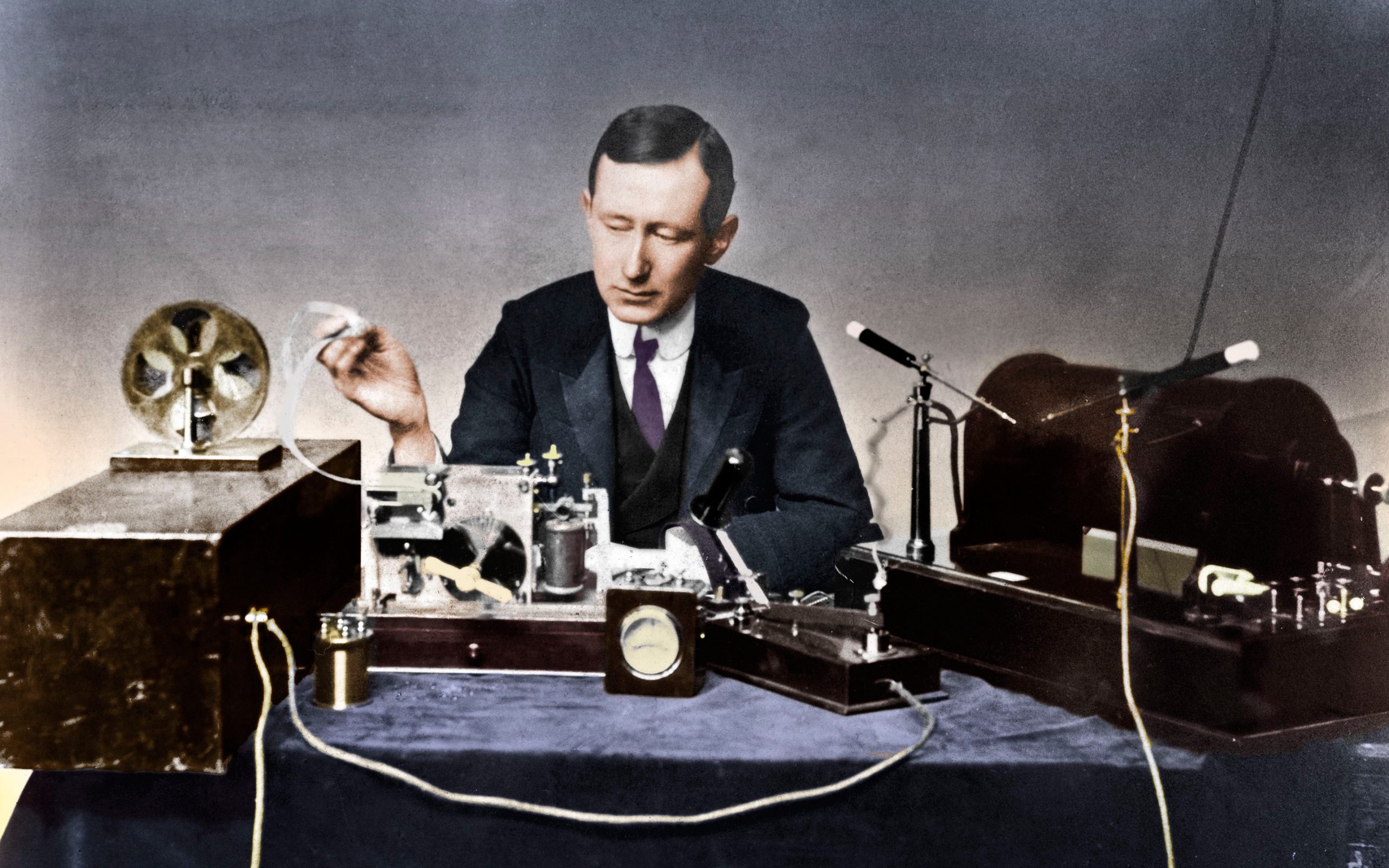
When the electric grid and the internet are down and there is no cell service, radio can still work to help communities stabilize. Starting 2024 we will break down our coverage of the radio frequency technology standards used in educational settlements into into two categories:
Radio 300: Security and maintenance radio. These usually use a single radio channel and operate in a half-duplex mode: only one user on the channel can transmit at a time, so users in a user group must take turns talking. The radio is normally in receive mode so the user can hear all other transmissions on the channel. When the user wants to talk he presses a “push-to-talk” button, which turns off the receiver and turns on the transmitter; when he releases the button the receiver is activated again. Multiple channels are provided so separate user groups can communicate in the same area without interfering with each other.
Note that a core title in this domain — NFPA 1802 Standard on Two-Way, Portable RF Voice Communications Devices for Use by Emergency Services Personnel in the Hazard Zone — is part of an NFPA catalog reorganization. Best practice content will be rolled into NFPA 1300 Standard on Fire and Emergency Service Use of Thermal Imagers, Two-Way Portable RF Voice Communication Devices, Ground Ladders, and Fire Hose, and Fire Hose Appliances.
As of this posting APCO International has no public consultations on any titles in its public safety radio standards catalog.
Radio 400: Student radio. College radio stations are typically considered to be public radio radio stations in the way that they are funded by donation and grants. The term “Public radio” generally refers to classical music, jazz, and news. A more accurate term is community radio, as most staff are volunteers, although many radio stations limit staff to current or recent students instead of anyone from the local community. There has been a fair amount of drama over student-run radio station history; a topic we steer away from.
The Low Power FM radio service was created by the Commission in January 2000. LPFM stations are authorized for noncommercial educational broadcasting only (no commercial operation) and operate with an effective radiated power (ERP) of 100 watts (0.1 kilowatts) or less, with maximum facilities of 100 watts ERP at 30 meters (100 feet) antenna height above average terrain. The approximate service range of a 100 watt LPFM station is 5.6 kilometers (3.5 miles radius). LPFM stations are not protected from interference that may be received from other classes of FM stations.

Structural Standards for Steel Antenna Towers and Antenna Supporting Structures
We follow — but do not respond — to consultations on titles covering the use of radio frequencies for the Internet of Things. At the moment, most of that evolution happens at the consumer product level; though it is wise to contemplate the use of the electromagnetic spectrum during widespread and extended loss of broadband services.
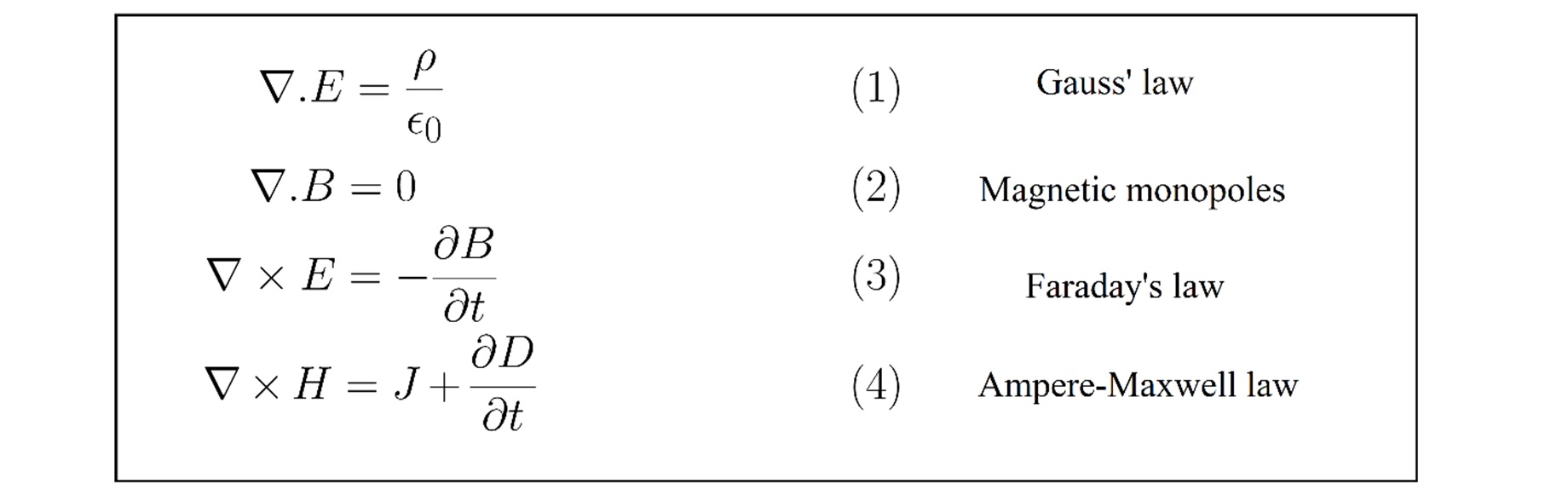
Maxwell equations: Four lines that provide a complete description of light, electricity and magnetism
We do not include policy specifics regarding the migration of National Public Radio beyond cultural content into political news; though we acknowledge that the growth of publicly financed radio domiciled in education communities is a consideration in the technology of content preparation informed by the Public Broadcasting Act of 1967.
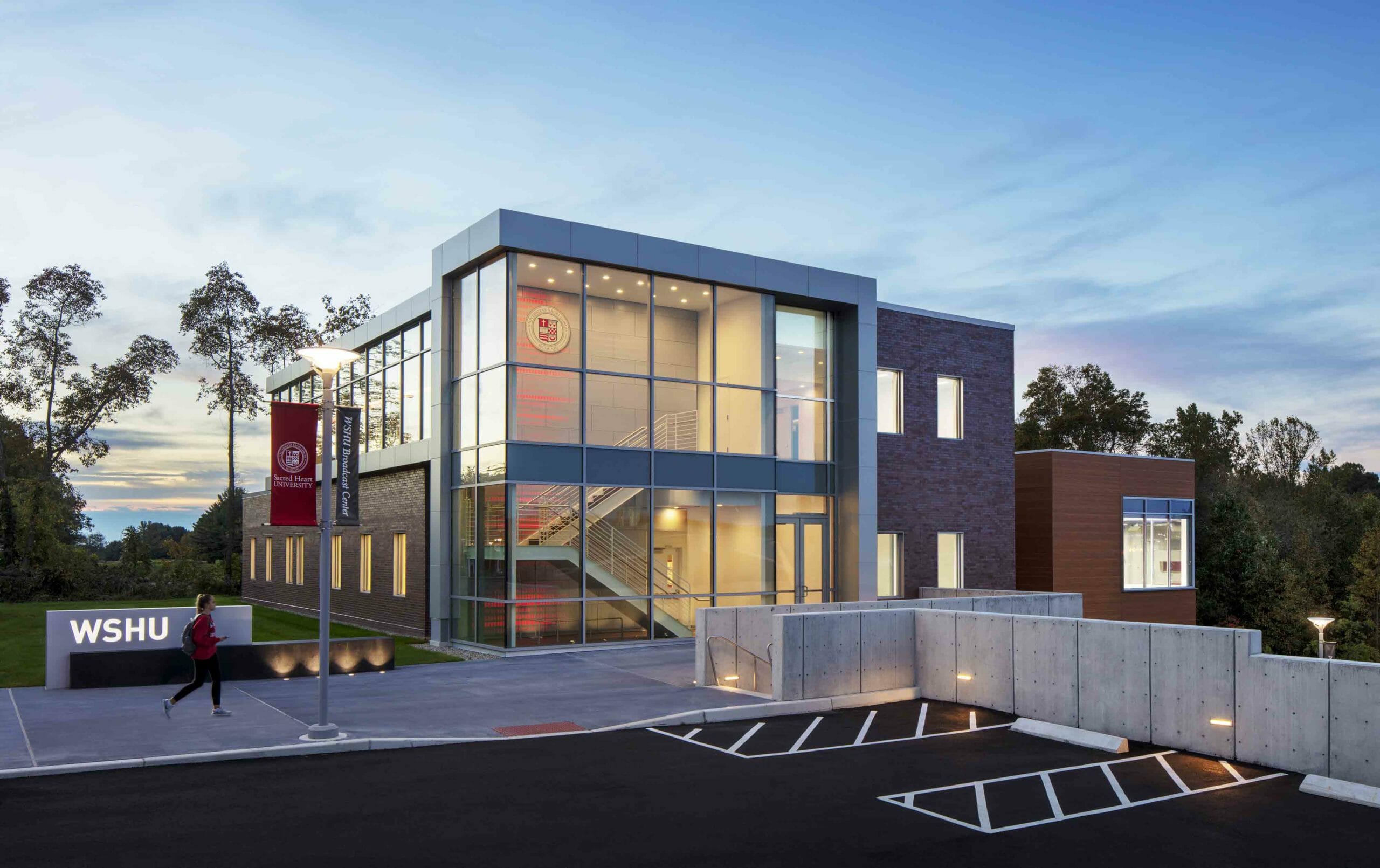
We drill into technical specifics of the following:
- Radios used for campus public safety and campus maintenance
- Student-run campus radio stations licensed by the Federal Communications Commission as Low Power FM (LPFM)
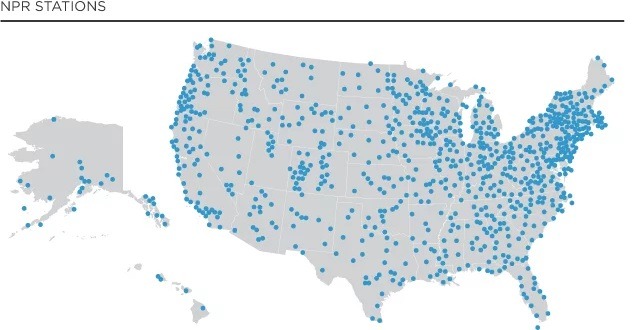
- Facilities for regional broadcast of National Public Radio operating from education communities
- Off-campus transmission facilities such as broadcast towers.
- Grounding, bonding, lightning protection of transmission and receiving equipment on buildings
- Broadcast studio electrotechnologies
Radio technology is regulated by the Federal Communications Commission with no ANSI-accredited standards setting organizations involved in leading practice discovery and promulgation. Again, we do not cover creative and content issues. Join us today at 11 AM/ET using the login credentials at the upper right of our home page.
More
International Telecommunications Union: News Magazine No.1 2022
International Special Committee on Radio Interference
Campus Safety Radio JVCKENWOOD CAMPUS SAFETY 5 TIPS TO LOWER COSTS
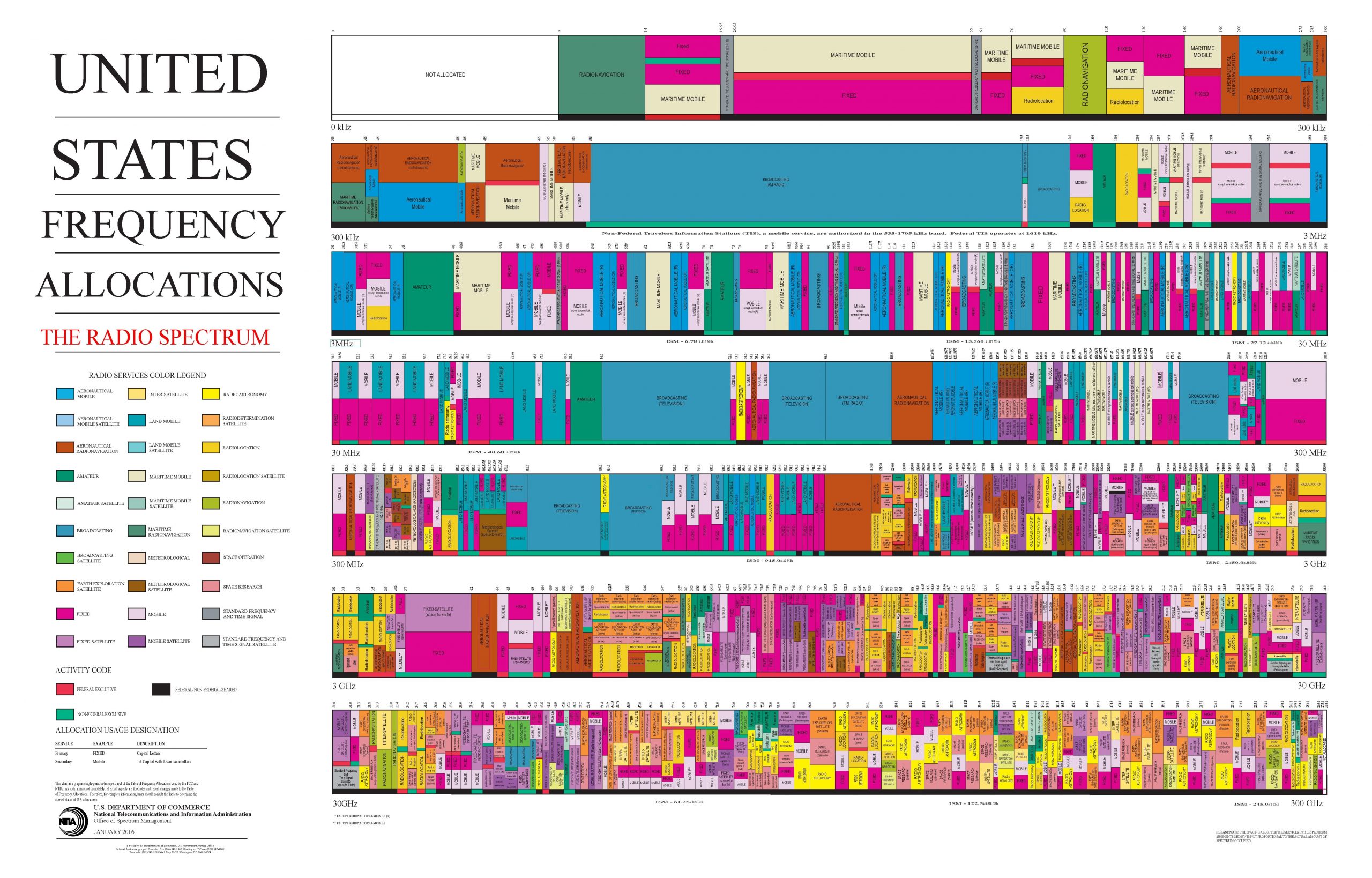
Radio Transmission Power & Frequency Allocation
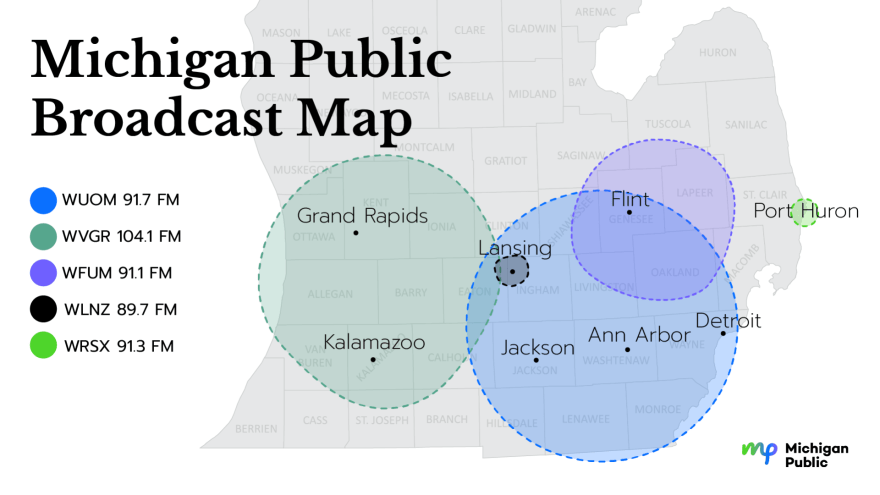
Why are there at least 10 publicly funded radio stations receivable in a 75 mile radius (back and forth, up and down) the I-94/I-75 corridor of Michigan — all of them domiciled in public universities? These stations also receive revenue from other non-profit organizations, unending funding drives and private advertising from multinational financing organizations such as Schwab, Fidelity and other for-profit corporations. Most of them purchase their “content” from the same source; reflecting the same large government bias seen across the entire nation; concentrated in college towns with spotty intellectual history.
Within an approximate 50 mile radius of the University of Michigan, five national public radio stations are receivable:
WUOM University of Michigan Ann Arbor
WEMU Eastern Michigan University
WDET Wayne State University
WKAR Michigan State University
WGTE University of Toledo
Move 25 miles to the northwest and two more are receivable:
WLNZ Landing Community College
Move 25 miles northeast and three more are receivable
WFUM University of Michigan Flint
WMUK Western Michigan University
WAUS Andrews University
FCC ONLINE TABLE OF FREQUENCY ALLOCATIONS: 47 C.F.R. § 2.106
(Revised July 1, 2022)
Standards for radio broadcast coverage can vary depending on factors like location, broadcasting technology, and regulatory requirements. Here’s a general list covering various aspects:
- Technical Standards:
- Transmission Power and Frequency Allocation: Standards set by regulatory bodies like the Federal Communications Commission (FCC) in the United States or Ofcom in the UK regulate the power levels and frequencies allocated to radio stations to prevent interference.
- Audio Quality: Standards for audio encoding and decoding, such as those defined by organizations like the European Broadcasting Union (EBU) or the Advanced Audio Coding (AAC) standards.
- Antenna Design and Installation: Standards for antenna design, placement, and maintenance to ensure efficient transmission and coverage.
- Content Standards:
- Language and Content Regulations: Regulations on language, decency, and content suitability enforced by regulatory bodies to ensure broadcasts adhere to community standards and do not contain offensive or harmful material.
- Advertising Standards: Guidelines on the content and placement of advertisements to prevent deceptive practices and ensure fairness and transparency.
- Copyright and Licensing: Regulations governing the use of copyrighted material and licensing agreements for broadcasting music, interviews, and other content.
- Emergency Broadcast Standards:
- Emergency Alert Systems (EAS): Standards for implementing emergency alert systems to disseminate important information to the public during emergencies or disasters.
- Public Safety Communications: Standards for communication protocols and procedures to coordinate with emergency services and agencies during crises.
- Accessibility Standards:
- Closed Captioning: Standards for providing closed captioning for the hearing impaired, ensuring accessibility to radio broadcasts.
- Descriptive Video Service (DVS): Standards for providing audio descriptions of visual content for the visually impaired.
- Ethical Standards:
- Journalistic Integrity: Guidelines for ethical reporting and journalism standards, including accuracy, fairness, and impartiality.
- Disclosure of Sponsored Content: Standards for disclosing sponsored or paid content to maintain transparency and trust with the audience.
- Conflict of Interest Policies: Standards for identifying and managing conflicts of interest in news reporting and programming.
- Health and Safety Standards:
- Electromagnetic Radiation Exposure Limits: Standards set by health organizations and regulatory bodies to limit human exposure to electromagnetic radiation emitted by radio transmitters.
- Workplace Safety: Standards for ensuring the safety of radio station personnel and compliance with occupational health and safety regulations.
These standards are often enforced by governmental regulatory agencies, industry organizations, and professional associations to ensure the quality, integrity, and safety of radio broadcast coverage.
Guglielmo Marconi — U.S. Senate testimony, April 1912
National Public Radio is the soundtrack of American academia and American academia has always been partial to large government:
“It was always the woman, and above all the young ones who where the most bigoted adherents to the party” — (George Orwell, ‘1984’)
— NPR (@NPR) April 12, 2023

LIVE: Studentenradio Maastricht
Standards are governed by the Dutch Media Act (Mediawet), enforced by the Dutch Media Authority (Commissariaat voor de Media, CvdM) for content and permissions, and the Dutch Authority for Digital Infrastructure (Rijksinspectie Digitale Infrastructuur for technical aspects. For cable distribution, no broadcast license is required if confined to private/university networks, but equipment must comply with EU directives.


Lotte van Wageningen: Less polished – more authentic

Dimidia veritas, tota mendacium est
Executive Order 14290: Ending Taxpayer Subsidization of Biased Media
“If anyone sins because they do not speak up when they hear a public charge to testify regarding something they have seen or learned about, they will be held responsible.” — Leviticus 5:1
To what degree does the endless and, frankly shameless, on-air fundraising by an organization with widely tolerated bias constitute de facto political fundraising for the Democratic Party? In Southeastern Michigan — in less than a 50 mile region — you can hear the same NPR “content” from six different universities: Ann Arbor, Ypsilanti, Toledo, Detroit, East Lansing, and Flint.
There has been some relatively recent legislative proposals to restore NPR to its original charter of cultural content (music, book reviews, agricultural information, etc.) but these proposals never moved beyond the relevant committee.
NPR literally said “Federal funding is essential to public radio” on their own website (now taken down).
What hypocrites! pic.twitter.com/kYAXW0zpyl
— Elon Musk (@elonmusk) April 12, 2023

NPR CEO Katherine Maher was a no-show at the House Oversight Subcommittee Hearing
Related:
This is a clear and blatant effort to evade the FCC’s Equal Time rule.
The purpose of the rule is to avoid exactly this type of biased and partisan conduct – a licensed broadcaster using the public airwaves to exert its influence for one candidate on the eve of an election.… https://t.co/LliZF0po9t
— Brendan Carr (@BrendanCarrFCC) November 3, 2024
National Public Radio Inc | 2022 Tax Filing
National Public Radio | IRS 990 Return of Organization Exempt from Income Tax
American Public Media Group | 2022 Tax Filing
“Hotseat heats up for NPR CEO Katherine Maher — and her life is the ultimate woke-elite bingo card”
National Public Radio follows guidelines and best practices when conducting fundraising campaigns, but they’re not so much strict “rules” as they are principles and standards upheld by NPR and its member stations. Here are some common practices and considerations:
- Transparency: NPR and its member stations are typically transparent about their funding needs and where the money goes. They often provide detailed breakdowns of their budgets and expenses.
- Ethical Solicitation: Fundraising efforts should be conducted ethically and in accordance with NPR’s values. This means avoiding misleading tactics and being honest about the need for funding.
- Listener Support: NPR often emphasizes the importance of listener support in funding their programming. They encourage individuals to contribute at various levels, often with incentives like member benefits.
- Corporate Sponsorship: NPR also receives funding from corporate sponsors, “but they are careful to maintain editorial independence.” Sponsored content is clearly labeled, and NPR maintains strict guidelines to ensure that sponsors do not influence editorial decisions.
- Member Stations: NPR member stations across the country conduct their own fundraising campaigns, often in conjunction with national NPR campaigns. These stations rely heavily on listener support and may have their own guidelines and practices.
- Regulatory Compliance: NPR and its member stations must comply with relevant laws and regulations governing fundraising, including those related to nonprofit organizations and broadcasting.
- Stewardship: NPR and its member stations typically prioritize stewardship of donor funds, ensuring that donations are used effectively and efficiently to support their mission and programming.
While there may not be hard and fast rules for NPR fundraising, adherence to these principles helps maintain trust with listeners and supporters.
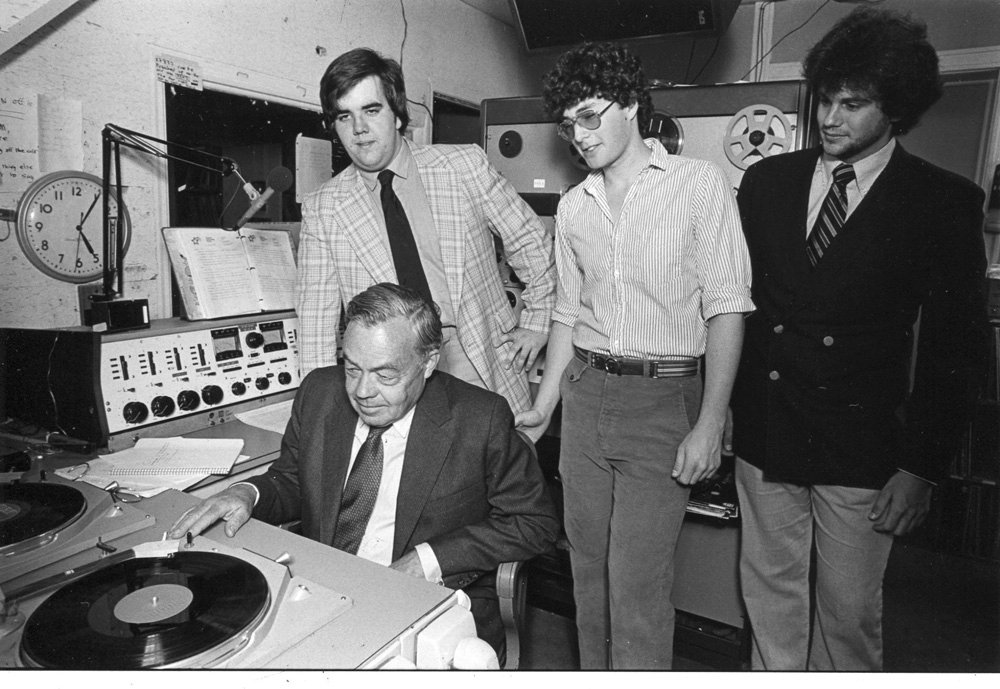
Swarthmore College Pennsylvania
My resignation letter to NPR CEO @krmaher pic.twitter.com/0hafVbcZAK
— Uri Berliner (@uberliner) April 17, 2024
To become a National Public Radio (NPR) member station or broadcaster, certain criteria must be met. NPR is a mission-driven organization that partners with independently owned and operated public radio stations across the United States to deliver its programming. Here are the typical criteria for becoming an NPR member station:
- Nonprofit Status: NPR member stations must be nonprofit organizations, often affiliated with universities, community organizations, or governmental bodies.
- Broadcast License: Stations must hold a valid broadcast license issued by the Federal Communications Commission (FCC) in the United States. This license authorizes the station to broadcast on a specific frequency within a designated geographic area.
- Commitment to NPR’s Mission: Member stations are expected to share NPR’s mission of providing high-quality, non-commercial programming that serves the public interest. This includes delivering news, cultural content, and educational programming to their local communities.
- Financial Stability: Stations must demonstrate financial stability and viability to ensure they can fulfill their commitments to NPR and their local communities over the long term.
- Technical Requirements: Stations must meet certain technical requirements to ensure they can receive and broadcast NPR programming effectively. This includes having appropriate transmission equipment and meeting FCC regulations for broadcast quality and coverage.
- Membership Dues: Member stations are required to pay annual membership dues to NPR, which help support NPR’s operations and programming.
- Compliance with NPR Policies: Stations must adhere to NPR’s policies and guidelines regarding programming standards, ethics, and editorial independence.
- Community Engagement: NPR values stations that are actively engaged with their local communities, including through outreach, events, and partnerships with local organizations.
- Programming Commitment: Member stations are expected to broadcast a significant portion of NPR programming, including flagship shows like “Morning Edition” and “All Things Considered,” as well as other NPR-produced content.
- Commitment to Diversity, Equity, and Inclusion: NPR values diversity in its member stations and encourages stations to reflect the diversity of their communities in their programming and staffing.
Overall, becoming an NPR member station involves a combination of legal, financial, technical, and cultural considerations, all aimed at supporting NPR’s mission of providing high-quality public radio programming to audiences across the United States.
A significant portion of NPR member stations are associated with universities or colleges. These stations are often operated by the educational institution’s media departments or affiliated broadcasting organizations. They serve as valuable training grounds for students studying journalism, communications, broadcasting, and related fields.
While the exact number of NPR member stations associated with universities or colleges may vary over time, it’s safe to say that a substantial portion of the network falls into this category. Many universities and colleges across the United States operate their own radio stations, and a portion of these stations choose to affiliate with NPR to access its programming and resources.
Related:
Pew Research Center: Public Broadcasting Fact Sheet
— NPR (@NPR) April 12, 2023
Urban Dictionary: Affluent White Female Liberal
NPR names Katherine Maher President and CEO
Tucker Carlson: Radicalized NPR on verge of destroying itself
Congresswoman Tenney Moves to Defund NPR
Outrageous bias in the media: NPR “National Public Radio “
National Center for Charitable Statistics
Multiple bills introduced in Congress to defund NPR https://t.co/FHUwd5nFDW via @dcexaminer
— Standards Michigan (@StandardsMich) April 24, 2024
“A half truth is a whole lie” — Yiddish proverb
National Public Radio (NPR) member stations are permitted to transmit from facilities supported by federally funded colleges or universities, as many are licensed as noncommercial educational (NCE) stations under the Federal Communications Commission (FCC). These stations, often operated by or affiliated with public colleges and universities, meet FCC requirements for NCE licenses, which allow them to broadcast educational and cultural programming without commercial advertisements.
Key Points:NCE Licensing: NPR member stations are typically licensed as NCE stations, which can be owned or operated by nonprofit entities, including public colleges and universities. These institutions often receive federal funding, and their facilities (e.g., campus buildings or transmission equipment) can be used for broadcasting.
Funding Structure: Stations affiliated with colleges or universities may receive funding from the institution, listener contributions, corporate underwriting, and federal grants via the Corporation for Public Broadcasting (CPB). Federal funding, while a small portion (e.g., ~10% of public radio revenue), is often channeled through CPB to support station operations.
Examples: Many NPR member stations, such as WBEZ (operated by Chicago Public Media but affiliated with educational institutions) or KUT (operated by the University of Texas), transmit from university-supported facilities. Approximately half of NPR’s member stations are affiliated with colleges, sometimes operating directly from campus facilities.
FCC Regulations: The FCC allows NCE stations to broadcast from such facilities as long as they adhere to noncommercial guidelines, prohibiting promotional advertisements for for-profit entities while permitting donor acknowledgments.
Impact of Federal Funding Cuts: Recent reductions in federal funding for public media, as reported in 2025, may strain these stations, particularly those reliant on university support, as budget-strapped institutions face additional financial pressures.
There are no explicit FCC restrictions preventing NPR stations from using federally funded college or university facilities, provided they comply with NCE regulations.
Falsus in uno, Falsus in omnibus

Sweet Apple Pork Chops & Maine Potatoes
Nebraska School Employees Pension Plan

Click image for recipe
Nebraska Building Code: Agricultural Buildings
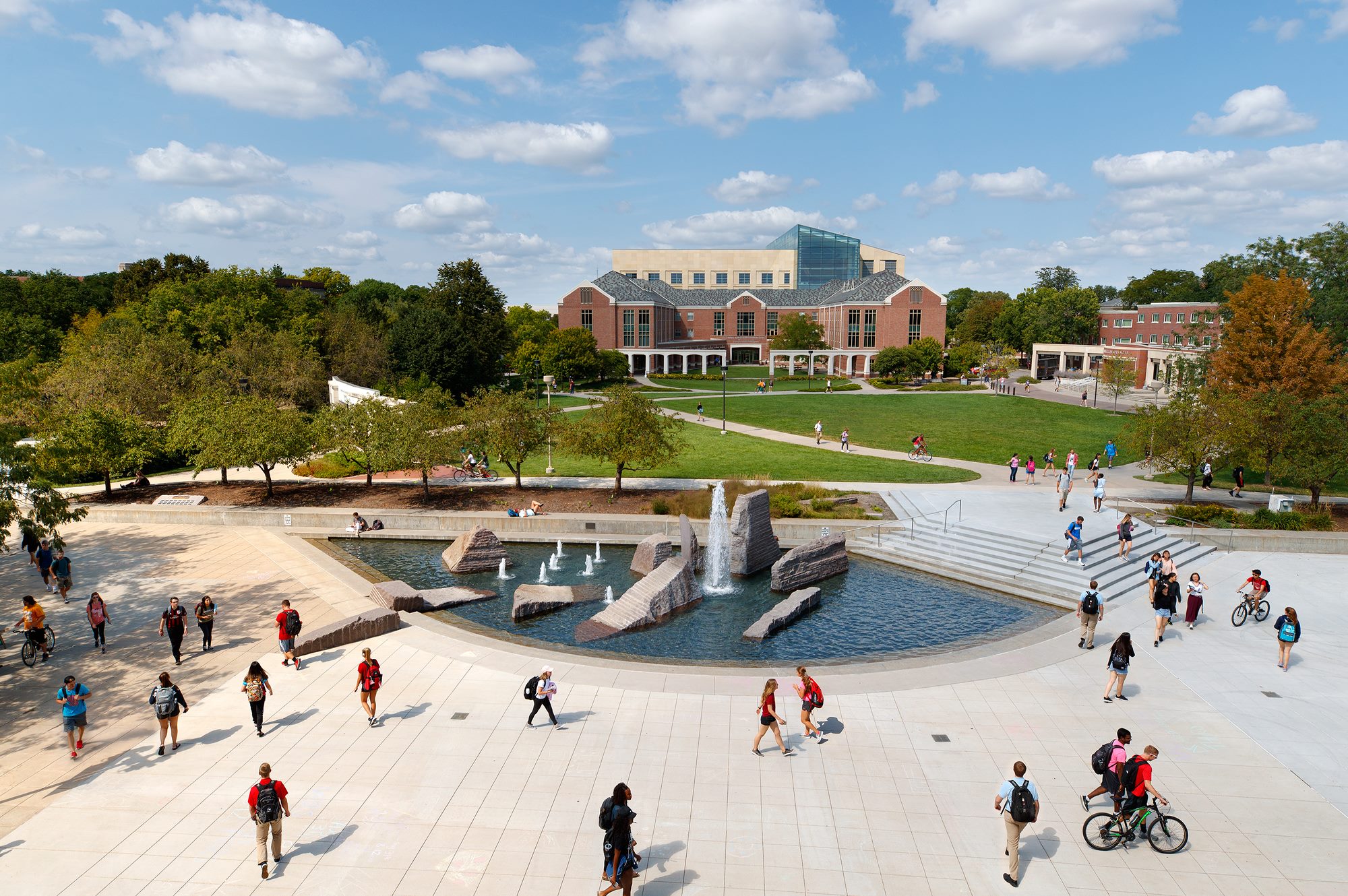
Some days we’re not covered in grease and dirt pic.twitter.com/68lTElyUmk
— Lily Ziehmer (@LivinLikeLil) August 11, 2024
cvcvc


School Bus Safety Standards
On September 9, NHTSA finalized amendments to FMVSS 213/213a/213b. Among other things, the rule exempts school-bus child-restraint systems from the FMVSS 213a side-impact requirements, subject to labeling requirements, because those restraints and school-bus crash environments differ from conventional child seats/passenger vehicles. It also changes anchorage and labeling provisions specifically for school-bus restraints.
§
Effective October 9; revised FMVSS 213a compliance date December 5. NHTSA — September 9, 2026 final rule, FMVSS 213/213a/213b
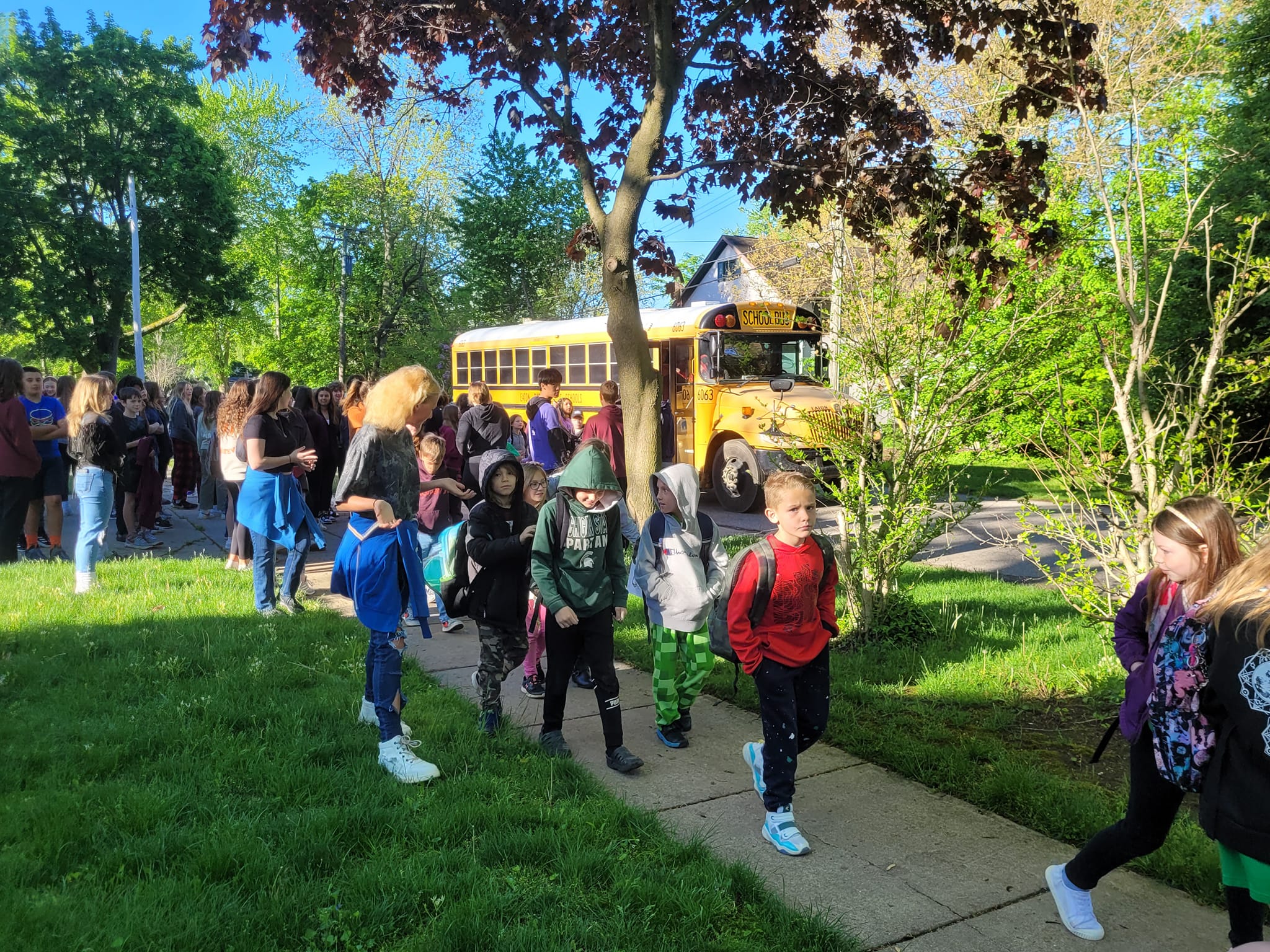
Eaton Rapids Public Schools Michigan 517
Today at the usual hour we sort ten years of attention to this topic and pull forward the most issues relevant to the essential works of settlement transportation. Use the login credentials at the upper right of our home page.
New update alert! The 2022 update to the Trademark Assignment Dataset is now available online. Find 1.29 million trademark assignments, involving 2.28 million unique trademark properties issued by the USPTO between March 1952 and January 2023: https://t.co/njrDAbSpwB pic.twitter.com/GkAXrHoQ9T
— USPTO (@uspto) July 13, 2023
Standards Michigan Group, LLC
455 East Eisenhower Parkway, Suite 300
Ann Arbor, MI 48108 USA
888-748-3670
DIRECTIONS
 |
 |
|
 |
 |
|
 |
 |