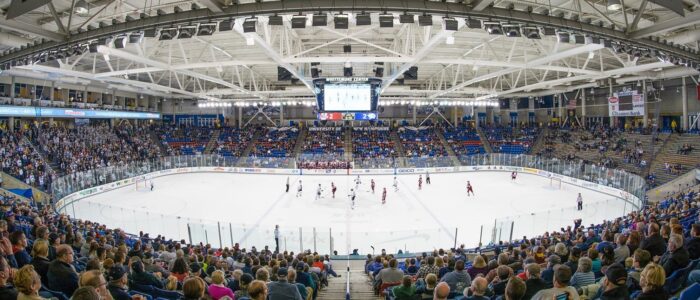
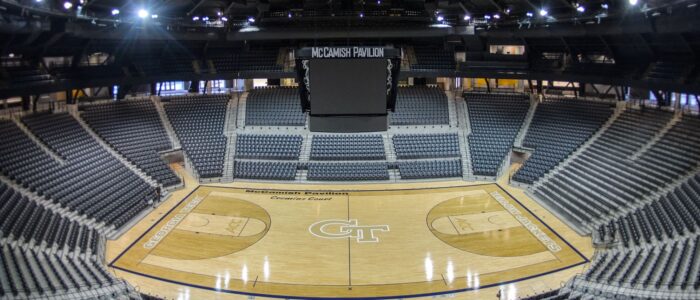
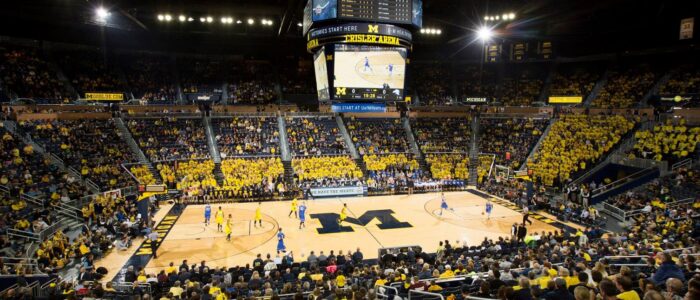
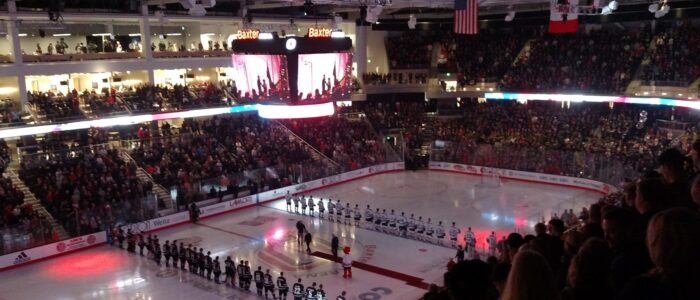
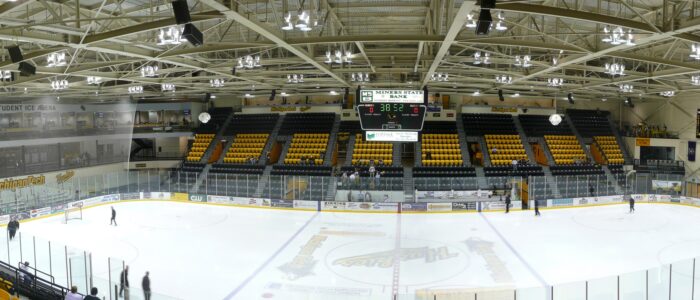
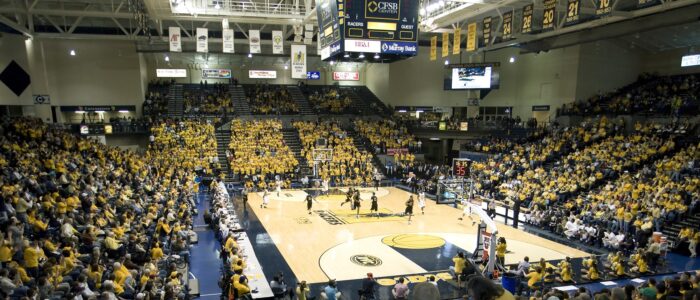
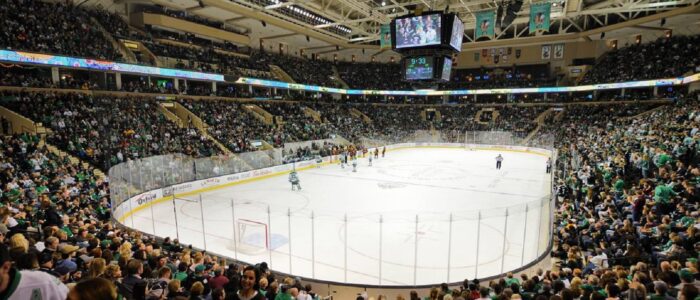
Så var äntligen studentfirandet över för denna gången. Sjukt kul och lyckat men helt slut 😅 Dottern mer än nöjd vilket såklart är det viktigaste, hennes studentmössa gör att man anar att det kan finnas visst släktskap 😂😇 pic.twitter.com/TlnLvJrAsO
This content is accessible to paid subscribers. To view it please enter your password below or send mike@standardsmichigan.com a request for subscription details.
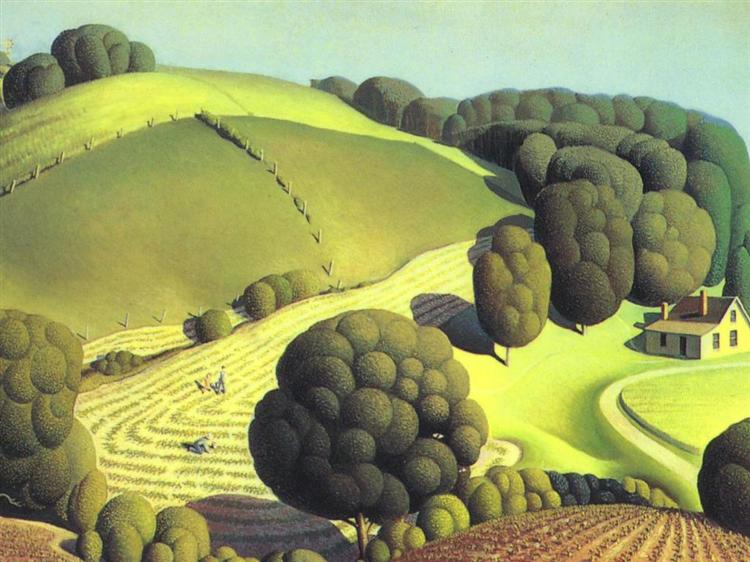
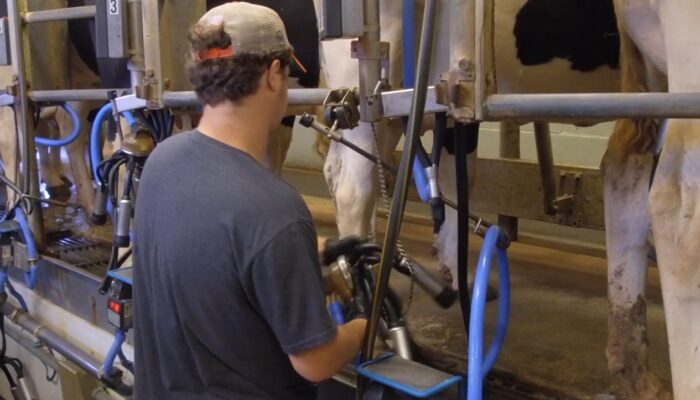
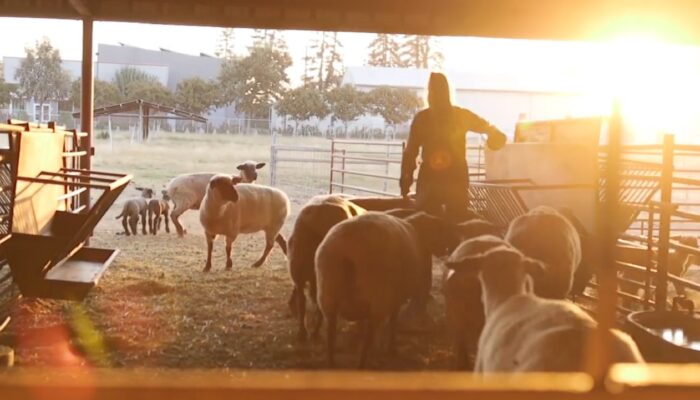
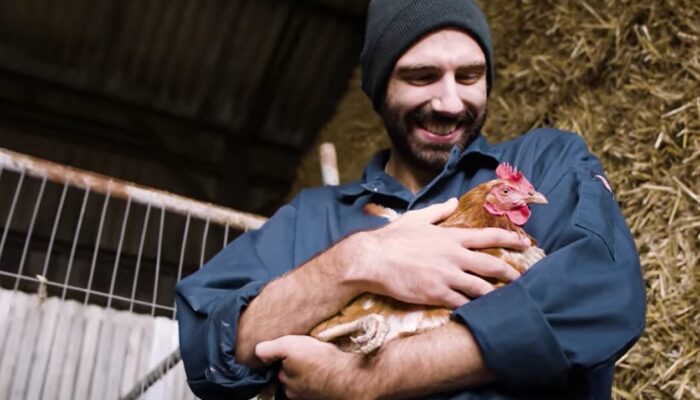
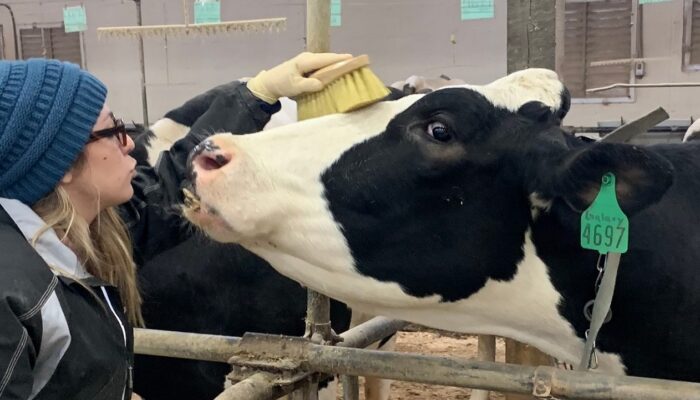
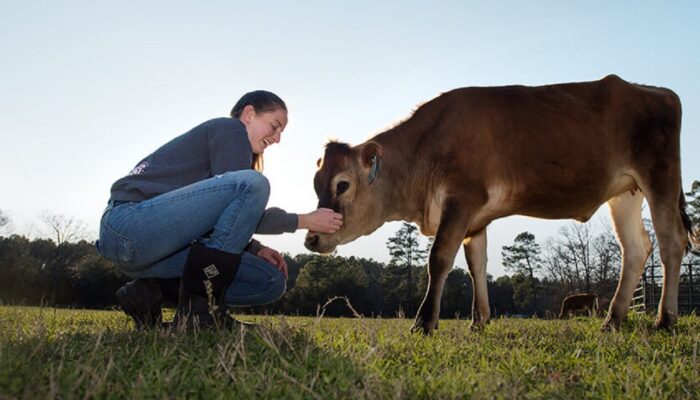
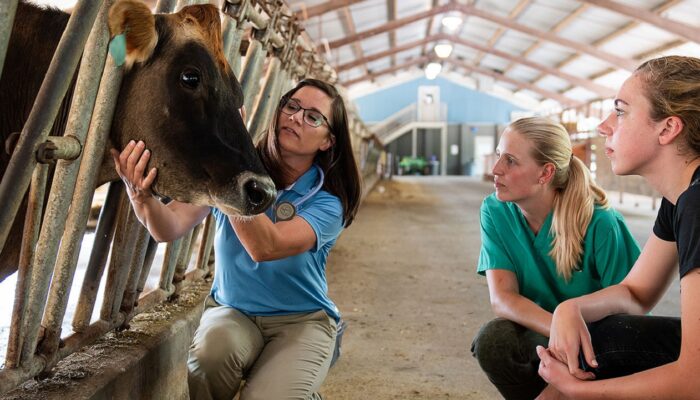
Mid-July brings a distinctive rhythm to agricultural colleges across the English-speaking world. While many university lecture halls are quiet during the summer recess, campus farms, research stations, greenhouses, orchards, and livestock units are among the busiest places on campus. Long before sunrise, students, faculty, farm managers, and Extension specialists are already at work tending crops, caring for animals, collecting field data, and preparing demonstrations for growers and visitors.
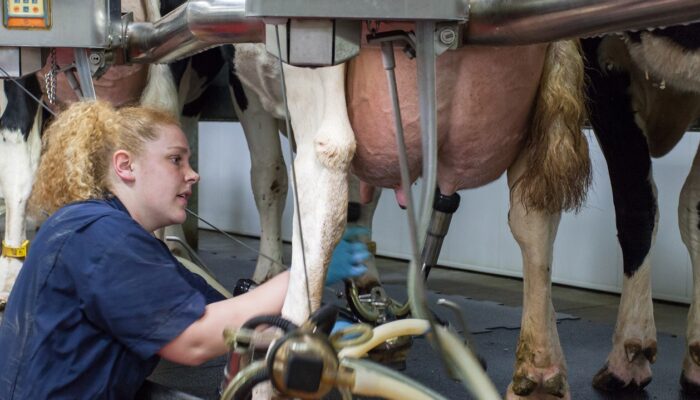
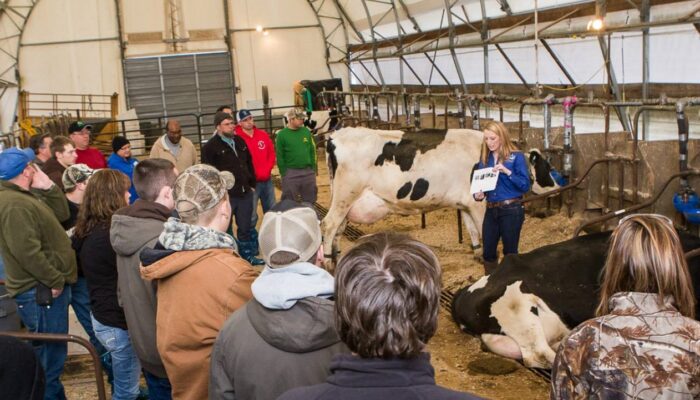
Across the American Midwest, the landscape is filled with corn, soybeans, wheat, forage crops, and vegetable trials approaching their peak growing season. Dairy barns begin their daily routine at first light, while graduate students inspect research plots for insects, disease, irrigation performance, and plant development. Many land-grant universities also welcome families, 4-H members, and agricultural producers to summer field days showcasing advances in precision agriculture, soil conservation, and modern farm equipment.
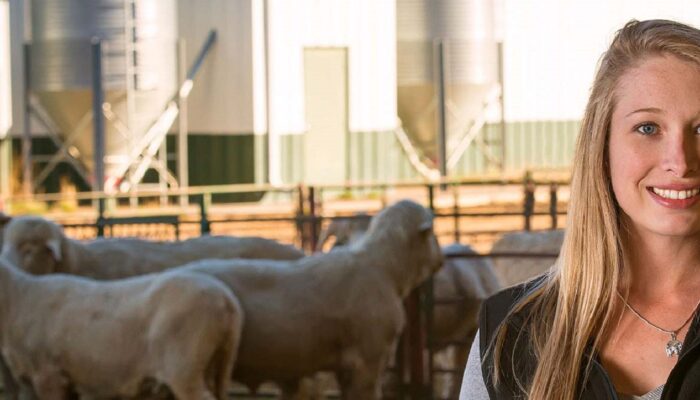
Elsewhere in the Anglosphere, the season reflects local agriculture. In England and Wales, university farms are preparing for harvest while studying sustainable land management and rural enterprise. Canadian agricultural colleges are monitoring wheat, canola, and beef production across the Prairie Provinces. In Australia and New Zealand, where winter has arrived, research emphasizes grazing systems, livestock health, pasture management, and preparation for the coming spring.
Agricultural colleges also preserve an enduring sense of community. Campus cafés serve early breakfasts to researchers heading into the field, local farmers gather for Extension meetings, and student organizations remain active through internships, research projects, and county fairs. University gardens and arboreta continue to welcome visitors seeking a quieter connection with the land.
Together these institutions illustrate that higher education extends well beyond classrooms. Throughout the summer, agricultural colleges remain living laboratories where teaching, scientific research, public service, and stewardship of the countryside continue every day, sustaining traditions that have shaped rural communities across the English-speaking world for generations.
The development of this standard is coordinated with the ICC Group A Codes. We have tracked concepts in it previous revisions; available in the link below.
As always, we encourage our colleagues with workpoint experience to participate directly in the ICC Code Development process. CLICK HERE to get started.
Issue: [15-283]
Category: Athletics & Recreation, Architectural, Public Safety
Contact: Mike Anthony, Jack Janveja, Richard Robben
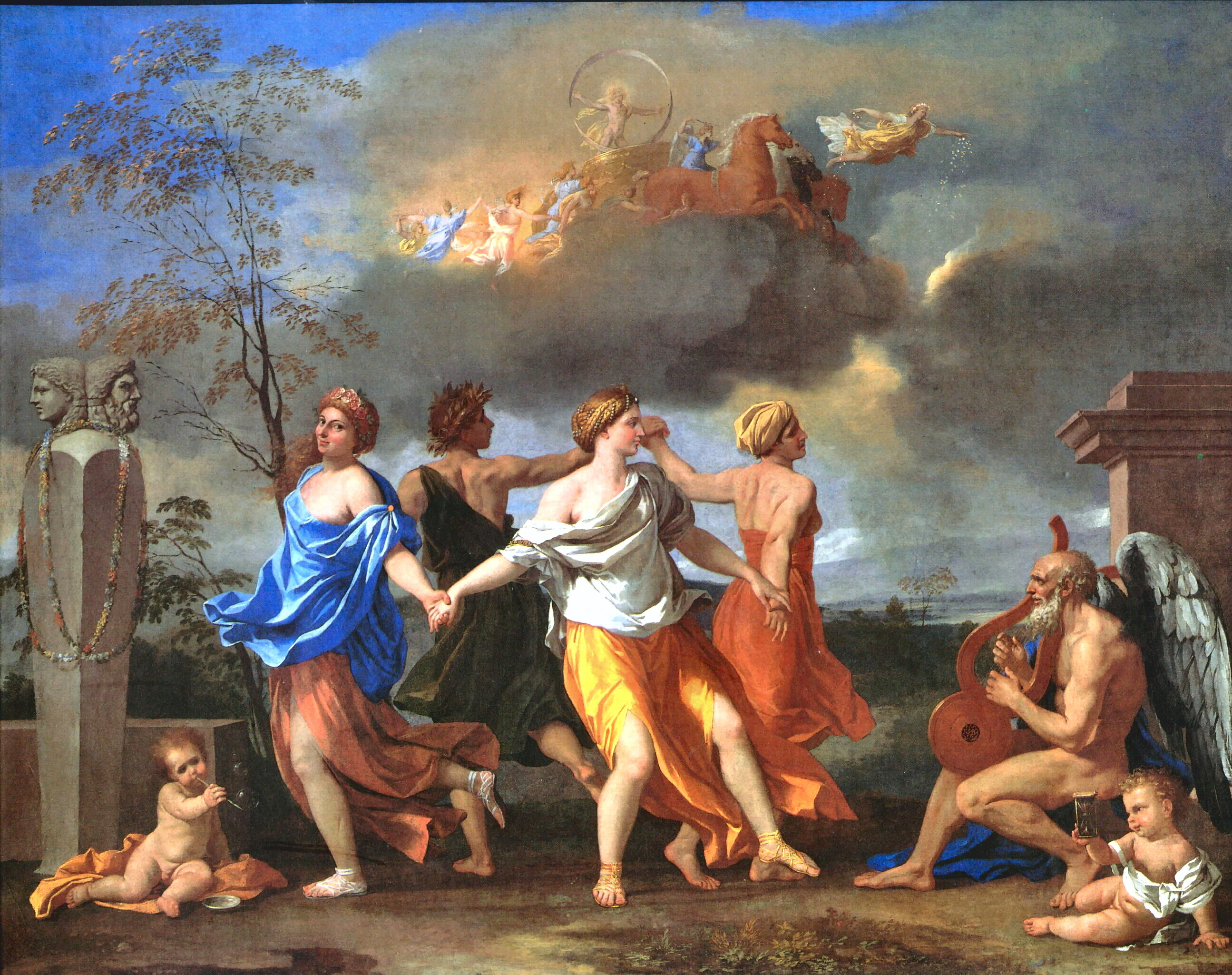
“A Dance to the Music of Time” 1640 Nicolas Poussin
“The voice of the intellect is a soft one,
but it does not rest until it has gained a hearing.”
— Sigmund Freud
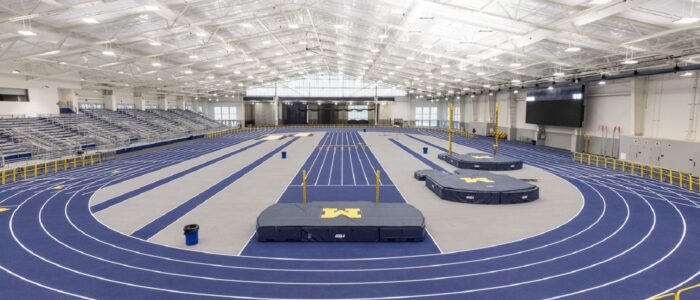
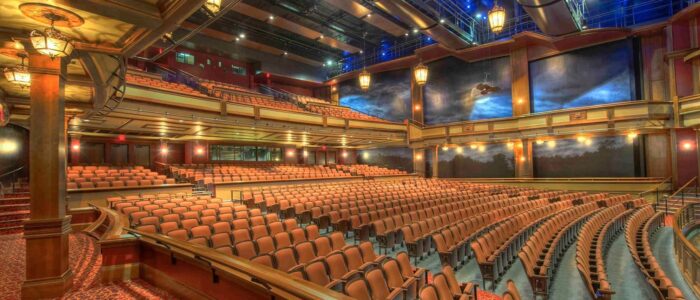
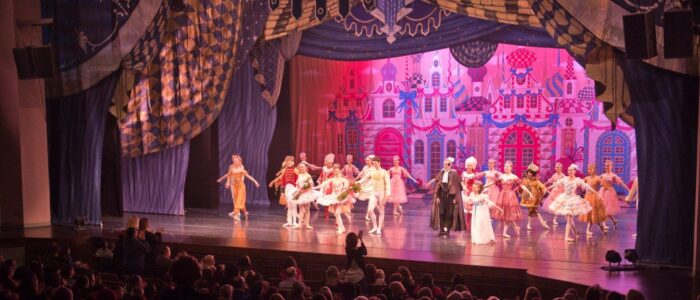
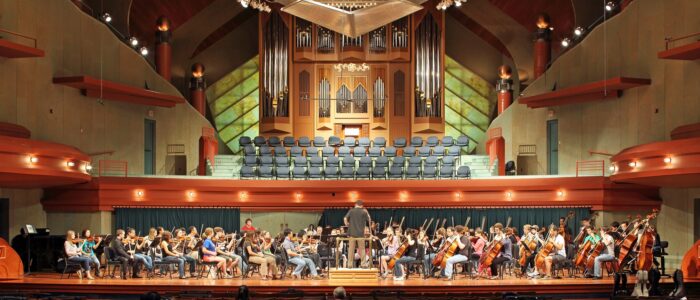
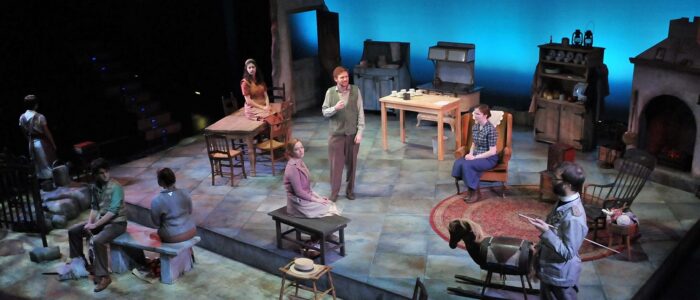
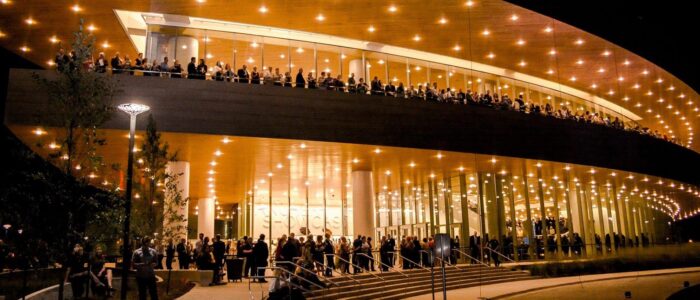
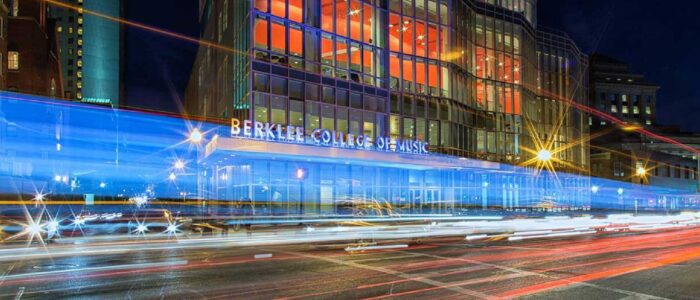
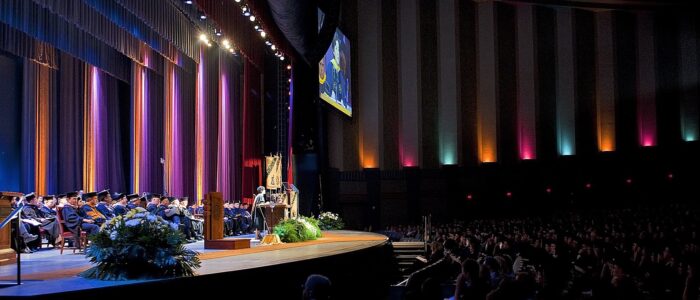
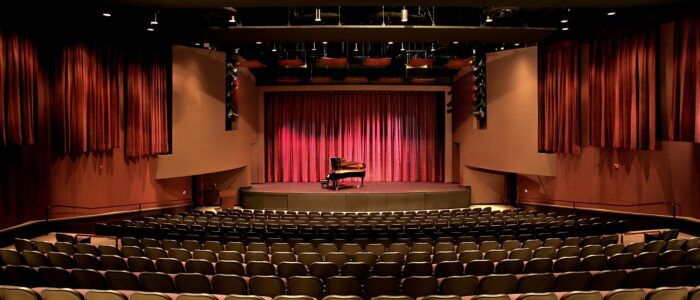
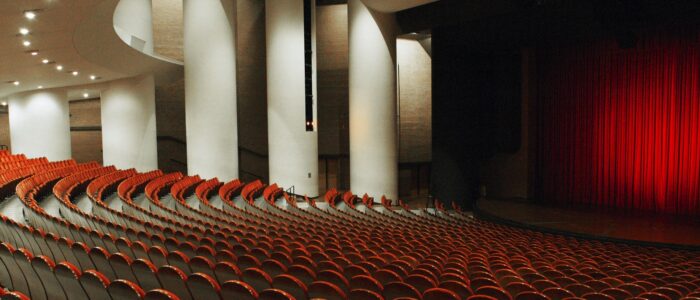
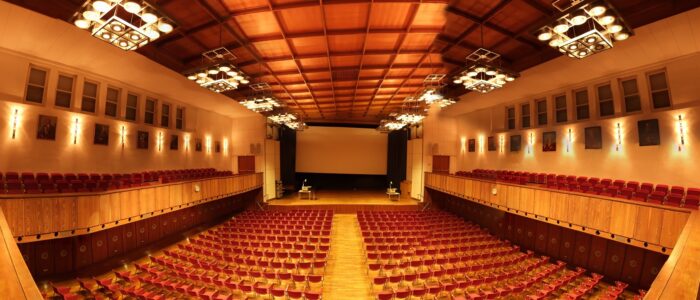
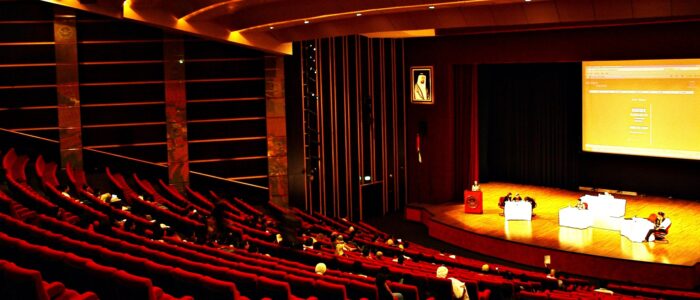
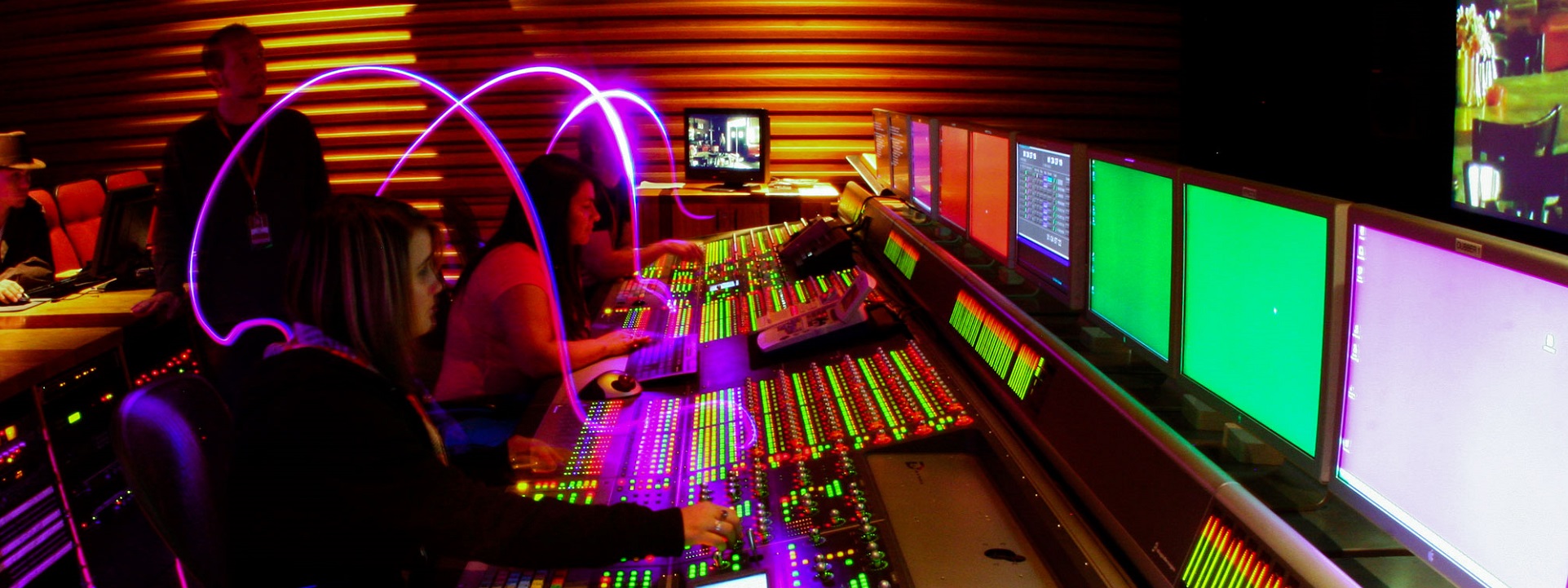
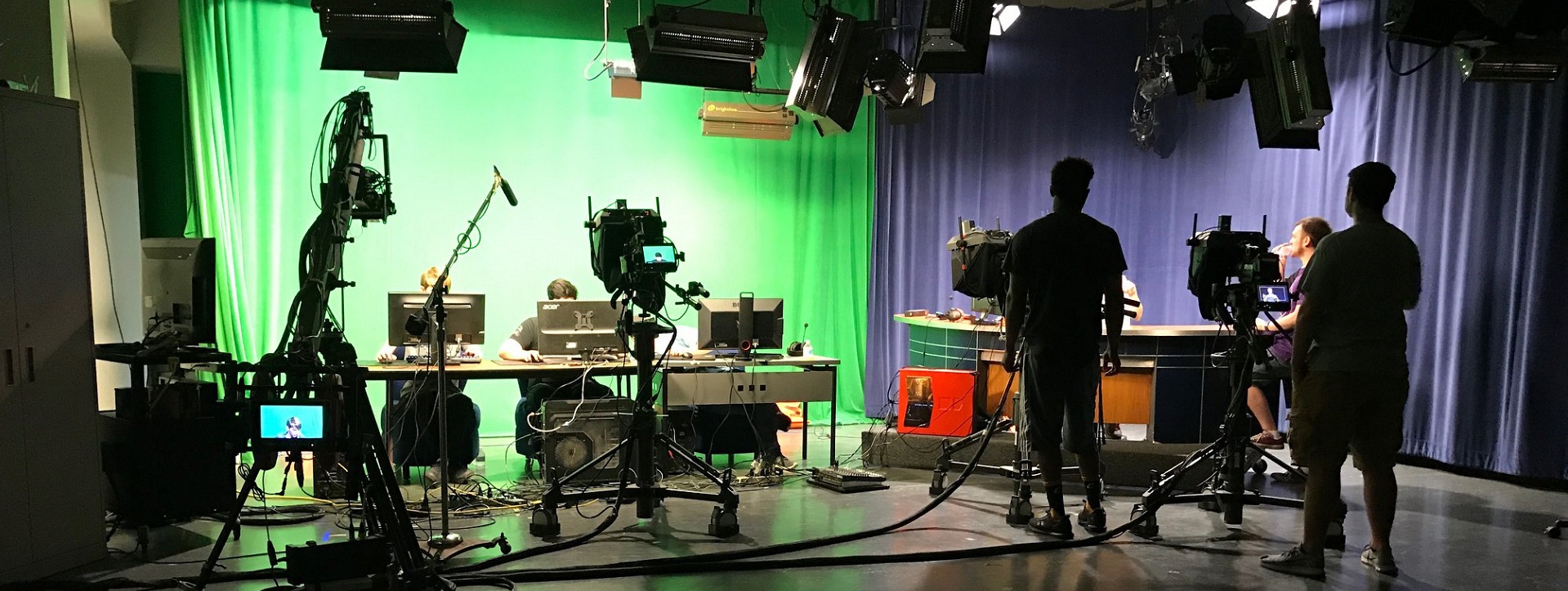
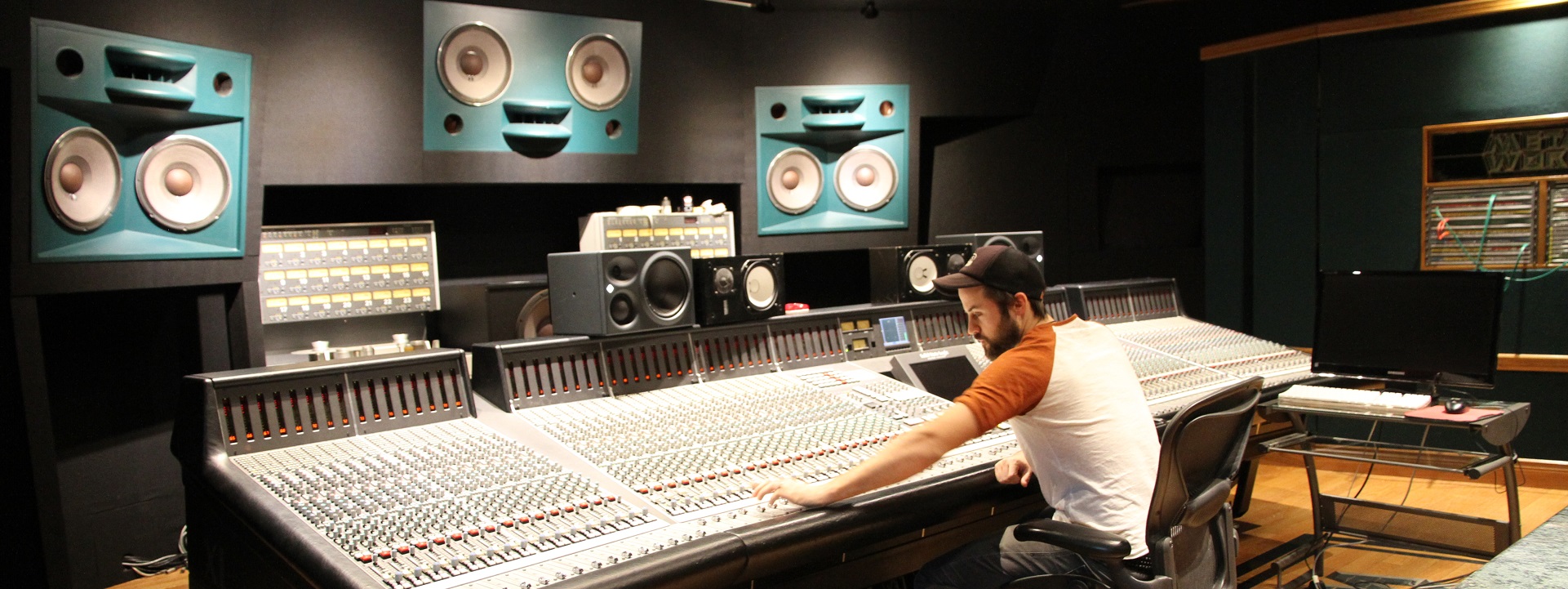
The education industry provides a large market for occupancy classes — athletic stadiums, student assembly spaces, performance theaters, large lecture halls– that depend upon effective audio systems*. To an unexpected degree the structural engineering, specification of materials and electrical system design and operation is informed by acoustical considerations. So does the integration of fire safety and mass notification systems into normal state enterprises so it is wise to follow and, ideally, participate in leading practice discovery and promulgation of audio standards.
The Audio Engineering Society — one of the first names in this space — has a due process platform that welcomes public participation. All of its standards open for public comment completed their revision cycle mid-November as can be seen on its standards development landing page below:
Note that AES permits access to those revision even after the comment deadline. You are encouraged to communicate directly with the Direct communication with the standards staff at Audio Engineering Society International Headquarters, 551 Fifth Avenue, Suite 1225, New York NY 10176, Tel: +1 212 661 8528
We keep the AES suite on the standing agenda of our periodic Lively Arts teleconference. See our CALENDAR for the next online meeting.
This facility class is one of most complex occupancy classes in education facilities industry so we also collaborate with experts active in the IEEE Education & Healthcare Facilities Committee. Much of the AES suite references, and borrows from, International Electrotechnical Commission system integration and interoperability standards. The IEEE E&H committee meets online again four times monthly in European and American time zones. The meeting dates are available on the IEEE E&H website
Issue: [19-23]
Category: Electrical, Academic, Athletics, Fire Safety, Public Safety, #WiseCampus
Contact: Mike Anthony, Jim Harvey
*Mass notification systems are governed by NFPA 72 and, while life safety wiring is separate from other wiring, the management of these systems involve coordination between workgroups with different business objectives and training.
A good understanding of waves in shallow water, typically in coastal regions, is important for several environmental and societal issues: submersion risks, protection of harbors, erosion, offshore structures, wave energies, etc.https://t.co/E6T2woxQ67@_CIRM@CIGLR_UMpic.twitter.com/DUnk6rlFW9
This content is accessible to paid subscribers. To view it please enter your password below or send mike@standardsmichigan.com a request for subscription details.
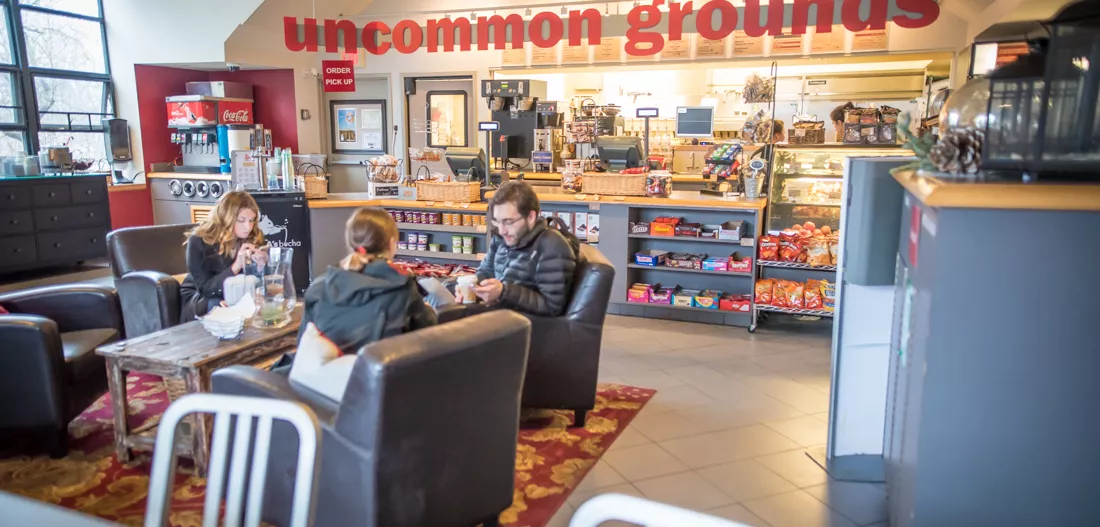
A delicate, floral spring and summer drink featuring the subtle cherry-like aroma and slight saltiness of sakura (cherry blossoms). Made with steeped sakura tea or a flavored base, combined with steamed or frothed milk, and often sweetened or enhanced with syrup or powder for color and flavor. It’s lighter and more tea-forward than a coffee-based latte. Available hot or with ice at the UnCommon Grounds Cafe in the Neuberger Centennial Campus Center
New update alert! The 2022 update to the Trademark Assignment Dataset is now available online. Find 1.29 million trademark assignments, involving 2.28 million unique trademark properties issued by the USPTO between March 1952 and January 2023: https://t.co/njrDAbSpwBpic.twitter.com/GkAXrHoQ9T