
Floor & Pathway Safety

Loading
loading...

Floor & Pathway Safety

March 19, 2026
mike@standardsmichigan.com

No Comments

“Weather is fate”

Charles Louis de Secondat, Baron de La Brède et de Montesquieu
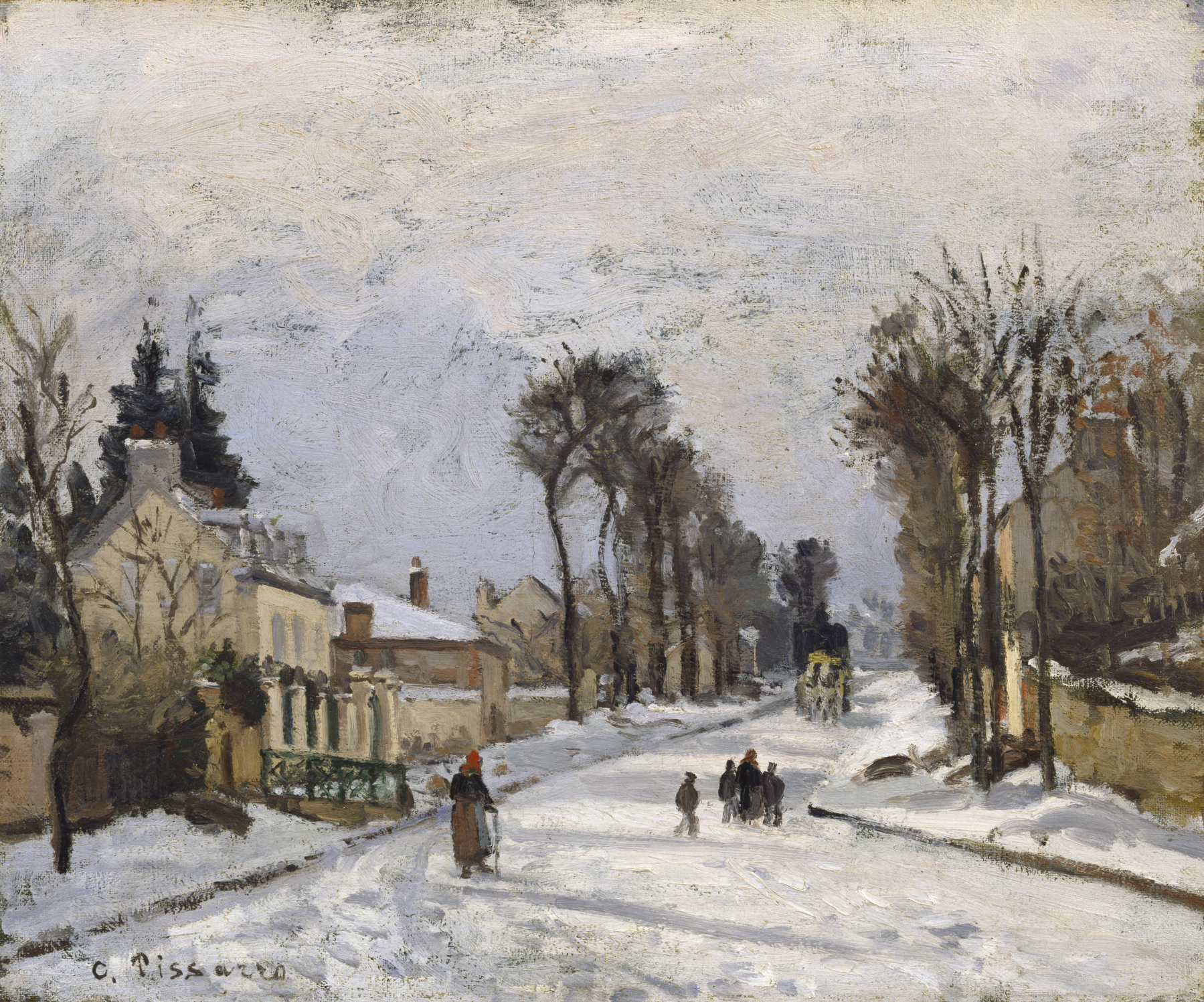
“Road to Versailles at Louveciennes” 1869 Camille Pissarro

Today and its Slip and Fall season everywhere. Accordingly, at the usual hour, we review best practice literature for the safety and sustainability of the surfaces beneath our feet; with special focus on the risk aggregation in educational estates.

Bates v. State Bar of Arizona, 433 U.S. 350 (1977)

Provision of Slip Resistance on Walking/Working Surfaces


Related coverage:

Heat tracing is a process used to maintain or raise the temperature of pipes and vessels in order to prevent freezing, maintain process temperature, or ensure that products remain fluid and flow through the system properly.

Heat tracing works by using an electric heating cable or tape that is wrapped around the pipe or vessel, and then insulated to help retain the heat. The heating cable is connected to a power source and temperature control system that maintains the desired temperature by regulating the amount of heat output from the cable. Heat tracing is commonly used in industrial applications where temperature control is critical, such as in chemical plants, refineries, and oil and gas facilities.

There are several types of heat tracing, including electric heat tracing, steam tracing, and hot water tracing, each of which have their own unique advantages and disadvantages. The selection of the appropriate type of heat tracing depends on the specific application and the required temperature range, as well as factors such as cost, maintenance, and safety considerations.
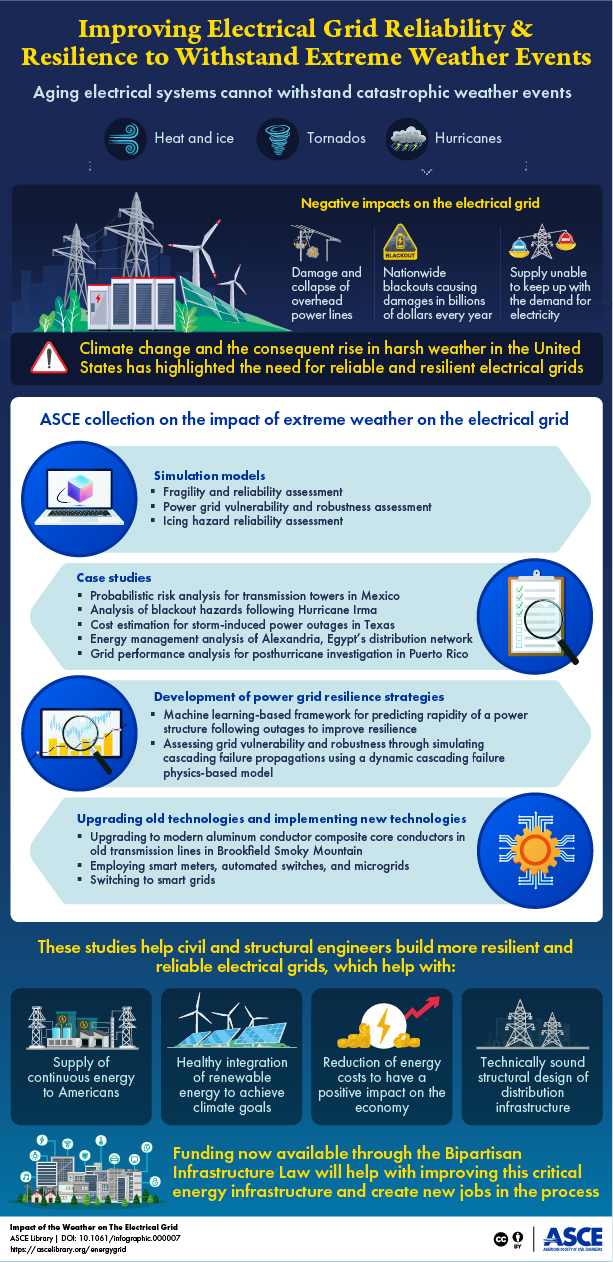
The literature for snow and ice management (and enjoyment) produced by these standards-setting organizations:

Accredited Snow Contractors Association

American Society of Civil Engineers

American Society of Mechanical Engineers

ASTM International

FM Global

Destructive Deep Freeze Strikes Cold and Hot Regions Alike

Institute of Electrical & Electronic Engineers

Electrical Heat Tracing: International Harmonization — Now and in the Future

International Code Council

International Building Code: Chapter 15 Roof Assemblies and Rooftop Structures

National Electrical Contractors Association

National Fire Protection Association

Winter is Coming: Is Your Facility Protected? (Holly Burgess, November 2022)

National Electrical Code: Articles 426-427

National Floor Safety Institute

Snow and Ice Management Association

Underwriters Laboratories

Manufacturers:

Chromalox Electrical Heat Tracing Systems Design Guide


It is a surprisingly large domain with market-makers in every dimension of safety and sustainability; all of whom are bound by state and federal regulations.

Join us at 16:00 UTC with the login credentials at the upper right of our home page.

There have been several recent innovations that have made it possible for construction activity to continue through cold winter months. Some of the most notable ones include:

  1. Heated Job Site Trailers: These trailers are equipped with heating systems that keep workers warm and comfortable while they take breaks or work on plans. This helps to keep morale up and prevent cold-related health issues.
  2. Insulated Concrete Forms (ICFs): ICFs are prefabricated blocks made of foam insulation that are stacked together to form the walls of a building. The foam insulation provides an extra layer of insulation to keep the building warm during cold winter months.
  3. Warm-Mix Asphalt (WMA): WMA is a type of asphalt that is designed to be used in colder temperatures than traditional hot-mix asphalt. This allows road construction crews to work through the winter months without having to worry about the asphalt cooling and becoming unusable.
  4. Pneumatic Heaters: These heaters are used to warm up the ground before concrete is poured. This helps to prevent the concrete from freezing and becoming damaged during the winter months.
  5. Electrically Heated Mats: These mats are placed on the ground to prevent snow and ice from accumulating. This helps to make the job site safer and easier to work on during the winter months.

Overall, these innovations have made it possible for construction crews to work through the winter months more comfortably and safely, which has helped to keep projects on schedule and minimize delays.

Somewhat related:

Sport Scoreboards

March 18, 2026
mike@standardsmichigan.com
No Comments

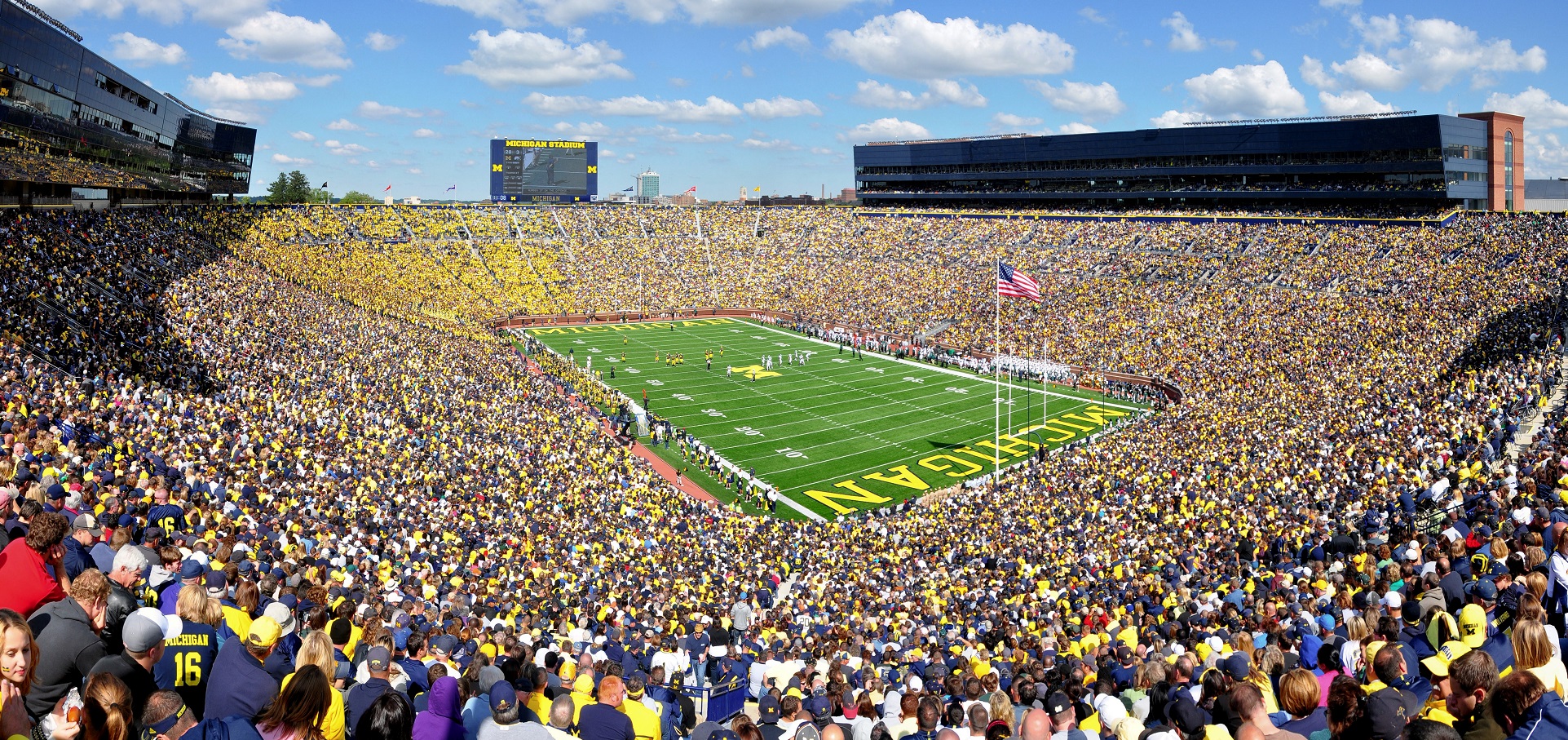
Building, operating, and maintaining athletic scoreboards requires a range of technologies, including hardware and software components.   These are central features in nearly every athletic event, governing the state of play and attendee response.   

Scoreboard Hardware: A range of hardware components, including display panels, control consoles, sound systems, and wiring, is necessary to build an athletic scoreboard.  While there are no universal standards for LED displays in athletic scoreboards, but there is a common vocabulary used by  manufacturers and installers follow to ensure quality, performance, and safety:

    • Brightness and Contrast: LED displays should be bright enough to be visible from a distance, but not so bright that they cause glare or eye strain. The contrast ratio between the LED display and the surrounding environment should be optimized for visibility.
    • Pixel Density and Resolution: The pixel density and resolution of an LED display should be appropriate for the size of the scoreboard and the viewing distance. Higher pixel density and resolution can improve the clarity and detail of the scoreboard display.
    • Color Accuracy: Athletic scoreboards often display team colors and logos, so color accuracy is important. LED displays should be capable of reproducing colors accurately and consistently.
    • Refresh Rate: The refresh rate of an LED display refers to how quickly the display can update its image. A higher refresh rate can reduce motion blur and improve the clarity of fast-moving action on the scoreboard.
    • Environmental Factors: Athletic scoreboards are often exposed to outdoor elements such as sunlight, rain, and extreme temperatures. LED displays should be designed and manufactured to withstand these environmental factors and maintain their performance over time.
    • Safety: Athletic scoreboards should be designed and installed to minimize the risk of injury to players or spectators. This may include factors such as the height and location of the scoreboard, the durability of the display panels, and the strength of mounting hardware.

Power Reliability.  Event timing and attendee emergency egress systems rest upon best practice found in Chapter 2 and Chapter 7 of NFPA 70 National Electrical Code and NFPA 110 Standard for Emergency and Standby Power Systems.

Lightning Protection.  CLICK HERE for our coverage of the “30-30 Rule”

Operation and Maintenance Safety.  Because so many scoreboards are occupiable the Chapter 3 Occupancy Classification and Chapter 10 (Means of Egress) of the International Building Code applies.  Many are several stories high requiring attention to stairway construction details.

Control Software: Software that enables the scoreboard operator to input game data and control the scoreboard display is essential. 

Mass Notification: Egress and Evacuation requirements are asserted in NFPA 72 – National Fire Alarm and Signaling Code. 

Audio Standards: lorem ipsum

Wireless Communications: Many modern athletic scoreboards use wireless communication systems to connect the scoreboard control console to the scoreboard display. This allows for greater flexibility in installation and reduces the need for cabling.

LED Technology: LED technology has revolutionized athletic scoreboards in recent years. LED displays offer superior brightness, color accuracy, and energy efficiency compared to traditional scoreboards but must conform to local night-sky regulations.

Power Management Systems: Athletic scoreboards require significant amounts of power to operate, and efficient power management systems are necessary to ensure reliable and continuous operation.  Maintaining temperatures — heating and cooling within specification — is a priority for maximum operable life.

Maintenance and Diagnostic Tools: To maintain and troubleshoot athletic scoreboards, specialized tools and software are necessary. This may include diagnostic software, specialized cables, and other testing equipment.

Overall, the technologies required to build, operate, and maintain athletic scoreboards are diverse and constantly evolving. A range of specialized hardware and software components, as well as skilled technicians, are necessary to ensure that athletic scoreboards remain functional and reliable.

Join us today at 11 AM/ET (15:00 UTC) when we review best practice literature.  Open to everyone.  Use the login credentials at the upper right of our home page.   This topic is also tracked by experts in the IEEE Education & Healthcare Facilities Committee which meets online 4 times monthly in Central European and American time zones and is also open to everyone.

رياضة

Parents of Bryce Lowman v. FirstEnergy Corp.

March 17, 2026
mike@standardsmichigan.com
No Comments

A wrongful death suit filed November 3, 2025 against FirstEnergy Corporation.  Allegation: Improper maintenance and inspection of power infrastructure led to the son’s fatal electrocution near State College, Pennsylvania.  It is a relatively new filing so s full public docket appears not available at this time.  We include it in today’s agenda as we prepare our comments on the First Draft of the 2028 National Electrical Safety Code.
Related coverage

https://www.centredaily.com/news/local/community/state-college/article312761449.html

https://www.centredaily.com/news/local/community/article302210044.html

https://www.centredaily.com/news/local/community/state-college/article305361446.html

Relevant safety standards we cover:

2028 National Electrical Safety Code

IEEE 3001.9 | Campus Outdoor Lighting Standard

Grounding & Bonding

High Voltage Electric Service

Electrical Safety

Hegemon Cuyahoga & County Dublin

March 17, 2026
mike@standardsmichigan.com

No Comments

Financial Presentations & Webcasts

2025 Third Quarter Report

Here we shift our perspective 120 degrees to understand the point of view of the Producer interest in the American national standards system (See ANSI Essential Requirements).  The title of this post draws from the location of US and European headquarters.  We list proposals by a successful electrical manufacturer for discussion during today’s colloquium:

2026 National Electrical Code

CMP-1: short circuit current ratings, connections with copper cladded aluminum conductors, maintenance to be provided by OEM, field markings

CMP-2: reconditioned equipment, receptacles in accessory buildings, GFCI & AFCI protection, outlet placement generally, outlets for outdoor HVAC equipment(1)

(1) Here we would argue that if a pad mount HVAC unit needs service with tools that need AC power once every 5-10 years then the dedicated branch circuit is not needed.  Many campuses have on-site, full-time staff that can service outdoor pad mounted HVAC equipment without needing a nearby outlet.  One crew — two electricians — will run about $2500 per day to do anything on campus.

CMP-3: No proposals

CMP-4: solar voltaic systems (1)

(1) Seems reasonable – spillover outdoor night time lighting effect upon solar panel charging should be identified.

CMP-5: Administrative changes only

CMP-6: No proposals

CMP-7: Distinction between “repair” and “servicing”

CMP-8: Reconditioned equipment

CMP-9: Reconditioned equipment

CMP-10: Short circuit ratings, service disconnect, disconnect for meters, transformer secondary conductor, secondary conductor taps, surge protective devices, disconnecting means generally, spliced and tap conductors, more metering safety, 1200 ampere threshold for arc reduction technology, reconditioned surge equipment shall not be permitted, switchboard short circuit ratings

CMP-11: Lorem

CMP-12: Lorem

CMP-13: Lorem

Lorem ipsum

Electrical Preventive Maintenance

March 16, 2026
mike@standardsmichigan.com
No Comments

Photo taken by a friend of Mike Anthony (Thalassa Raasch, Harvard ’20) Now on the faculty at the University of Iowa

Today we review, and prepare a response to one of the 2028 National Electrical Safety Code technical committees Call for Public Comment on CP 6026 (RE: vegetation management around power and communication infrastructure).  During tomorrow’s online meeting of the IEEE Education & Healthcare Facilities Committee we will examine a first draft, put on the polish and then ship ahead of next Tuesday’s deadline.

2028 National Electrical Safety Code

Current Issues & Recent Research

Proposals for the 2028 National Electrical Safety Code

NESC & NEC Cross-Code Correlation


Reaction: February 19 Open Meeting

March 16, 2026
mike@standardsmichigan.com
No Comments

FERC HOME

Next Open Meeting: March 19.  Keep in mind that much “bandwidth” is devoted to administrative issues; the technical specifics of primary interest to us referenced in case dockets that are referenced here:  FERC Online


The current full complement of five FERC commissioners is relatively new as of December 23, 2025. The two most recent additions — Chairman Laura V. Swett (term expiring June 30, 2030) and Commissioner David A. LaCerte (term expiring June 30, 2026) — were confirmed by the U.S. Senate on October 7, 2025.
Ω
This restored FERC to its full five members after prior vacancies and transitions earlier in the year. The other commissioners (David Rosner, Lindsay S. See, and Judy W. Chang) have been in place since mid-2024 or earlier, but the current lineup only fully formed about two and a half months ago.
Ω
This followed changes tied to the new administration, including shifts in majority and leadership.
January 22.  Issues of interest discussed at the FERC Open Meeting on January 22, 2026, centered primarily on electric sector matters related to generator interconnection reforms, expedited processes for resource adequacy.  Our interest lies in the effect of FERC action will have on the utility costs of educational settlements which, of course, practically involves all utilities and how those decisions are reflected in state tariffs.
One issue of particular interest for Michigan: Midcontinent Independent System Operator, Inc. (MISO) Expedited Resource Addition Study (ERAS) process (Docket No. ER25-2454-002): The Commission addressed arguments on rehearing and sustained its prior July 21, 2025, order approving MISO’s ERAS framework. This provides an expedited interconnection study process for generation projects addressing urgent near-term resource adequacy and reliability needs in the MISO region.  Discussions involved balancing reliability concerns (e.g., load growth, resource shortfalls) against claims of undue discrimination or preference in interconnection queuing, as raised by public interest groups.  We will see these conclusions reflected in Michigan Public Service Commission action.Other agenda elements likely included routine administrative matters (e.g., A-1 Agency Administrative Matters, A-2 Customer Matters/Reliability/Security/Market Operations) and consent items (often non-controversial electric, gas, hydro, or certificate matters voted en bloc without discussion).
No major presentations were noted, and the meeting focused on these reliability/interconnection and market integrity issues amid broader grid challenges like queue backlogs, rapid load growth, and transitioning resources.The Q&A afterward involved energy media, with emphasis by Laura V. Swett on reliability concerns ahead of likely winter storms. The next public open meeting is scheduled for Thursday, February 19th. 

December 18. The public meetings are dominated by administrative procedures and mutual admiration.  Technical issues that require in-depth, expert-level understanding of complex laws, rules, guidelines, and precedents beyond surface-level awareness appear deeper into the FERC website.  There you will generally find:

  • Nuanced interpretation of statutes and agency decisions
  • Awareness of historical context and evolving policies
  • Insight into how rules interact with technical, economic, and operational realities
  • Impacts of changes and navigate compliance strategically

As interest and time allows we can pick through technical specifics regarding FERC oversight of interstate electricity with the IEEE colleagues.

Ω

Ω


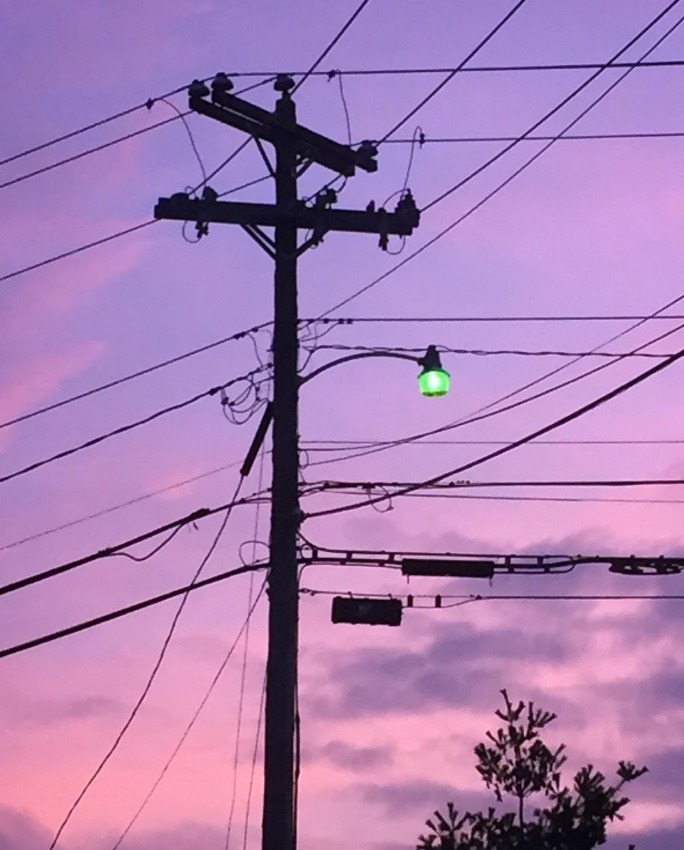
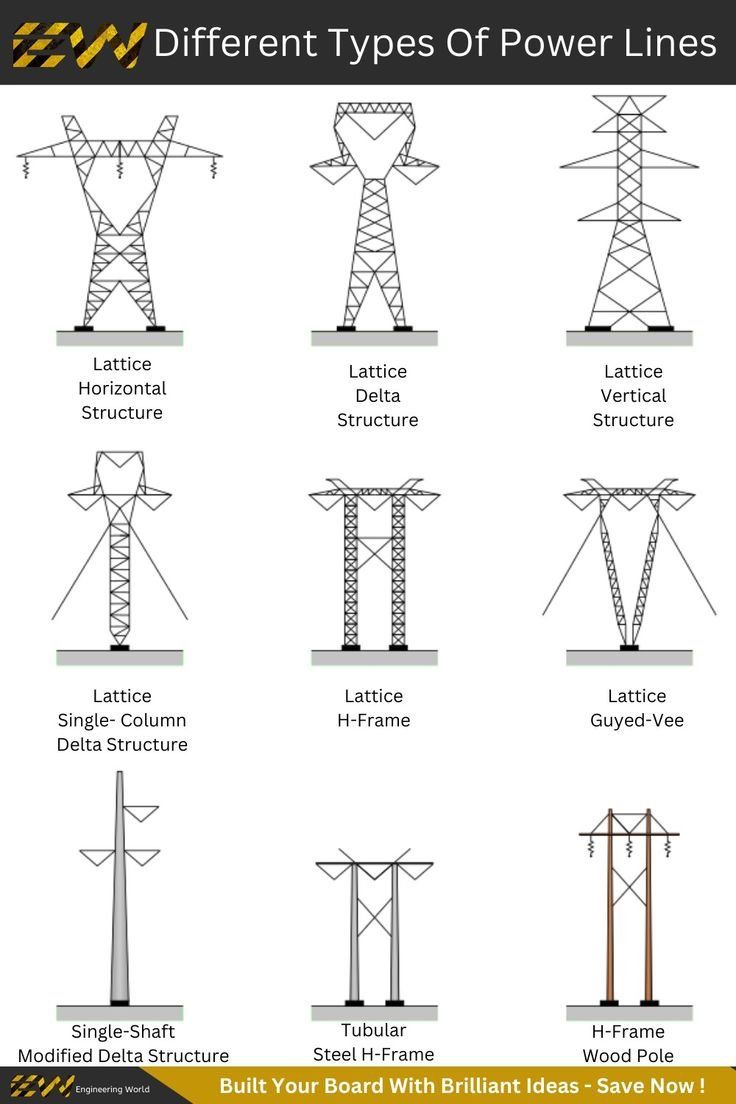
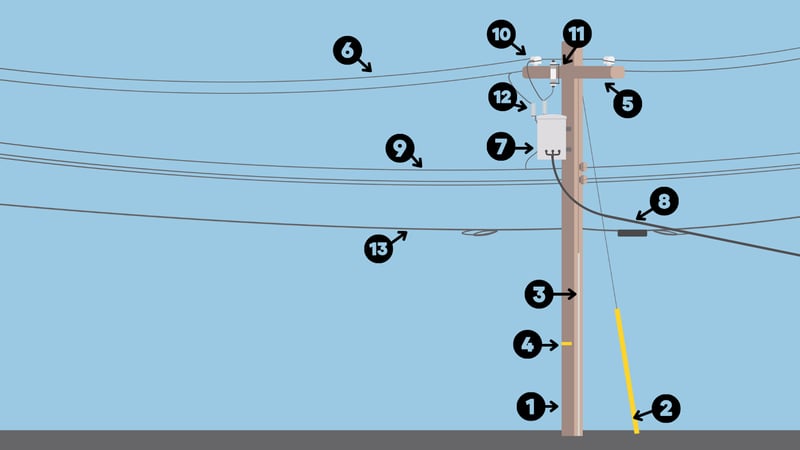
Whats On a Utility Pole

Midwest Energy Communications: What’s On a Utility Pole?


Open Commission Meeting

March 16, 2026
mike@standardsmichigan.com

No Comments

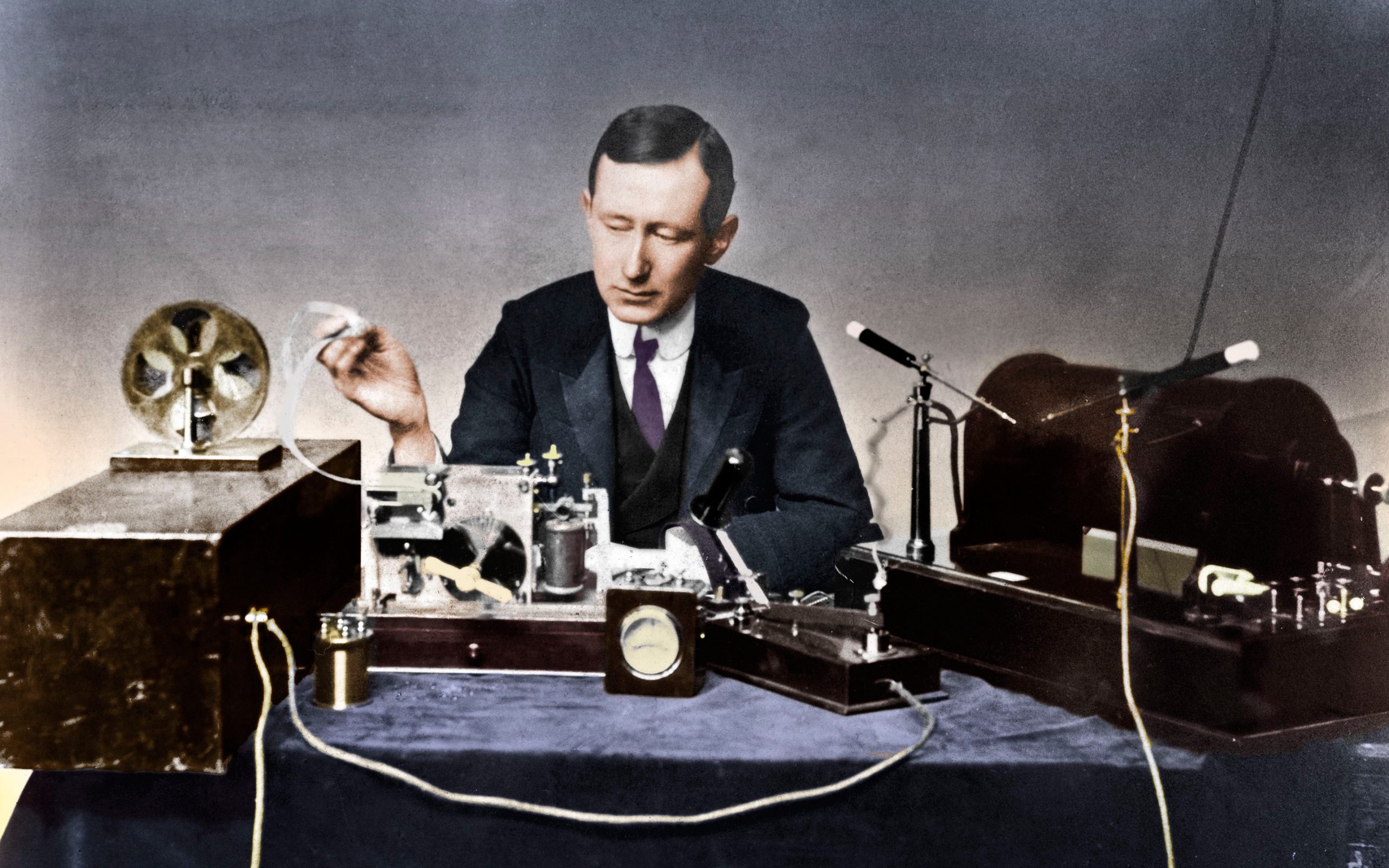
“The wireless age has brought us closer together,

yet we must work to ensure that it does not divide us.”

— Guglielmo Marconi


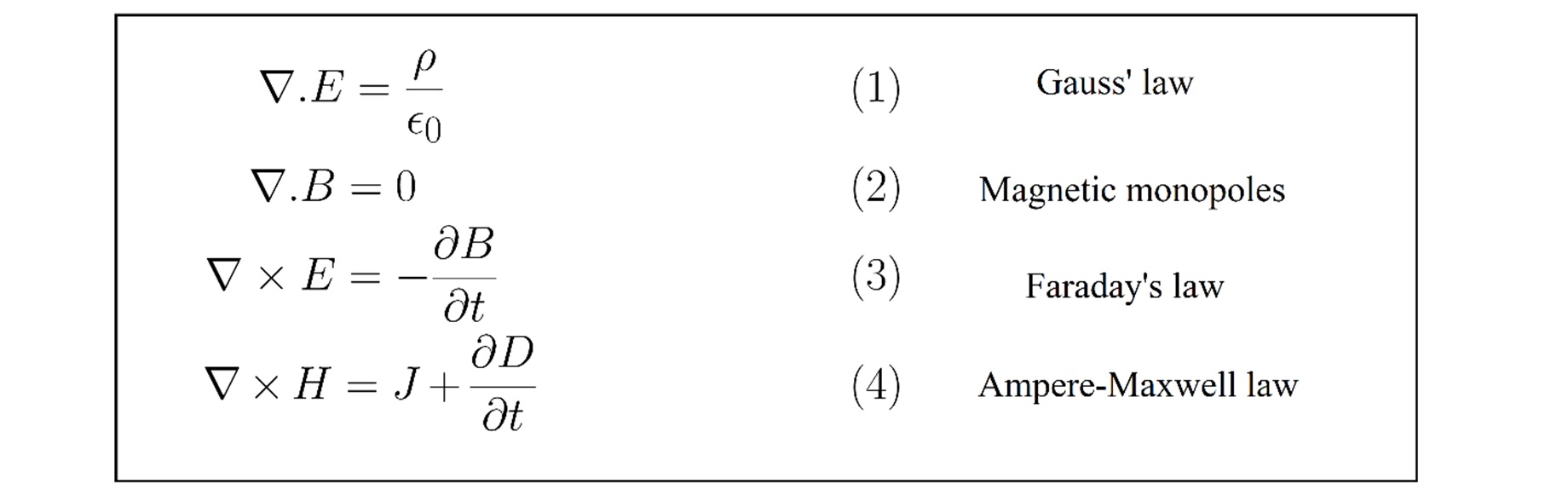
Maxwell equations: A complete description of electromagnetism and light


Net Neutrality & Education Settlements

Why Must the Electromagnetic Spectrum be Regulated?


Tentative Agenda

FCC Proposes to Modify Technical Rules for Digital FM Stations

Radio 400

Readings / Public Broadcasting Act

H.R. 3410 Prohibit Federal funding of National Public Radio

H.R. 3392 Prohibit Federal funding of National Public Radio

Broadband Access for Hospitals & Students

The FCC is the United States’ primary authority for communications laws, regulation and technological innovation. We provide a link to the August 3rd meeting during which time rules for Digital FM Radio and Non-Federal Spectrum Usage were discussed. Campus Security Radio, National Public Radio and Student Radio are central features of education community culture and safety and are typically available when the internet is not.

Sacred Spaces

March 15, 2026
mike@standardsmichigan.com
,
No Comments

“We need the sense of the sacred, and the sense that things transcend our grasp.

We need to know that we are dependent on others,

and that the condition of our existence is the existence of others.”

— Sir Roger Scruton

“View of Eton College Chapel” 1834 William Ingalton

Natural Religion

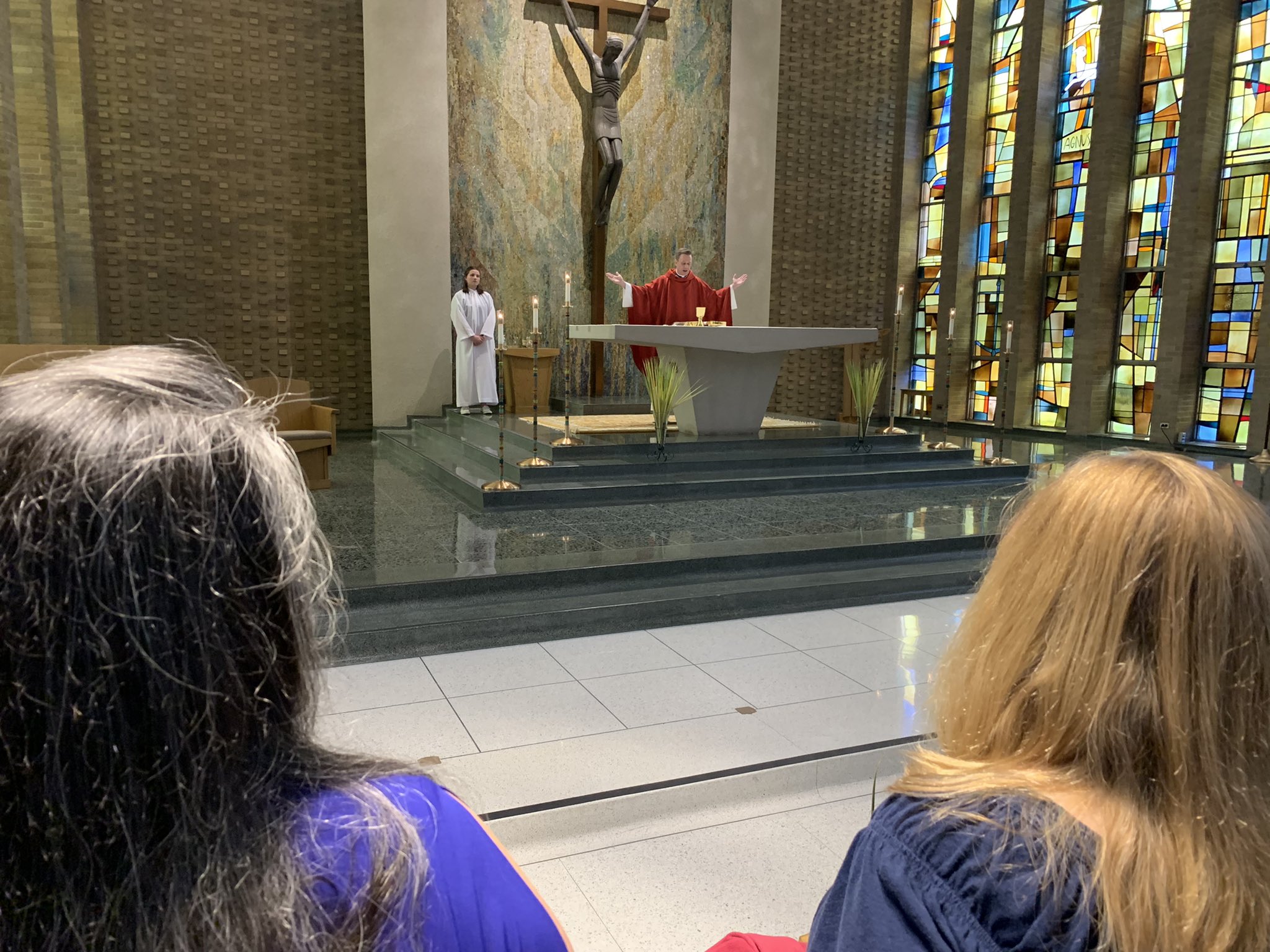
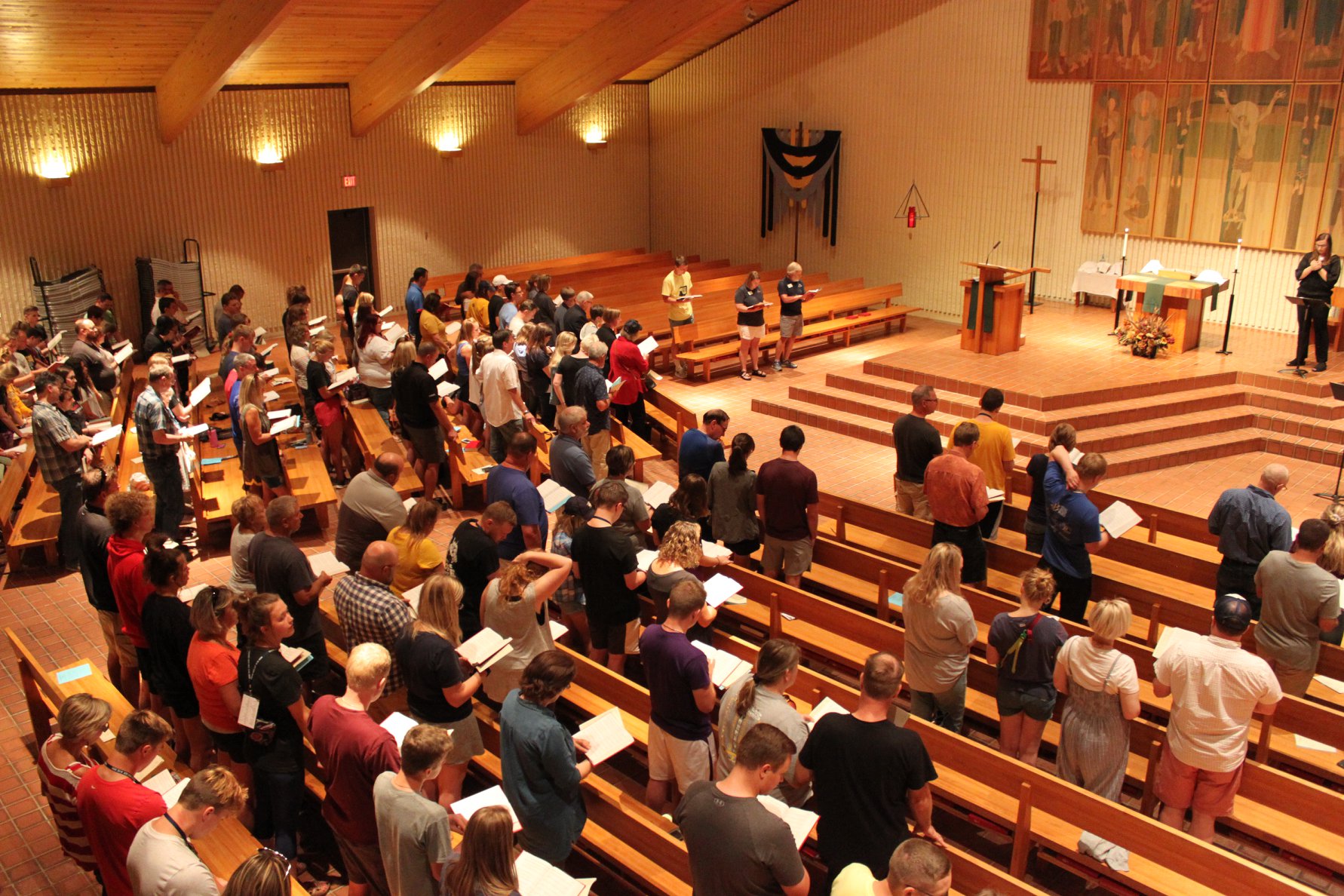
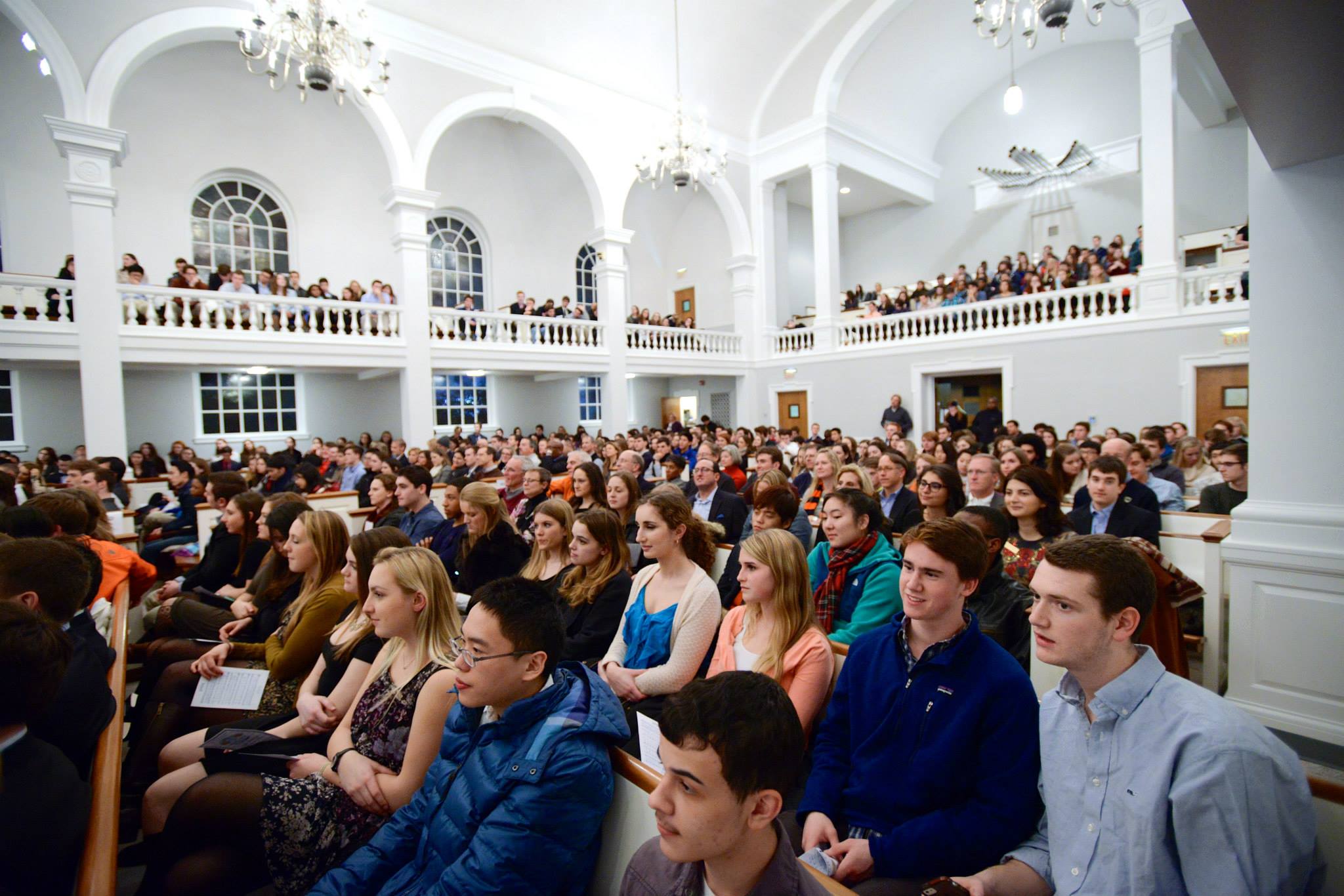
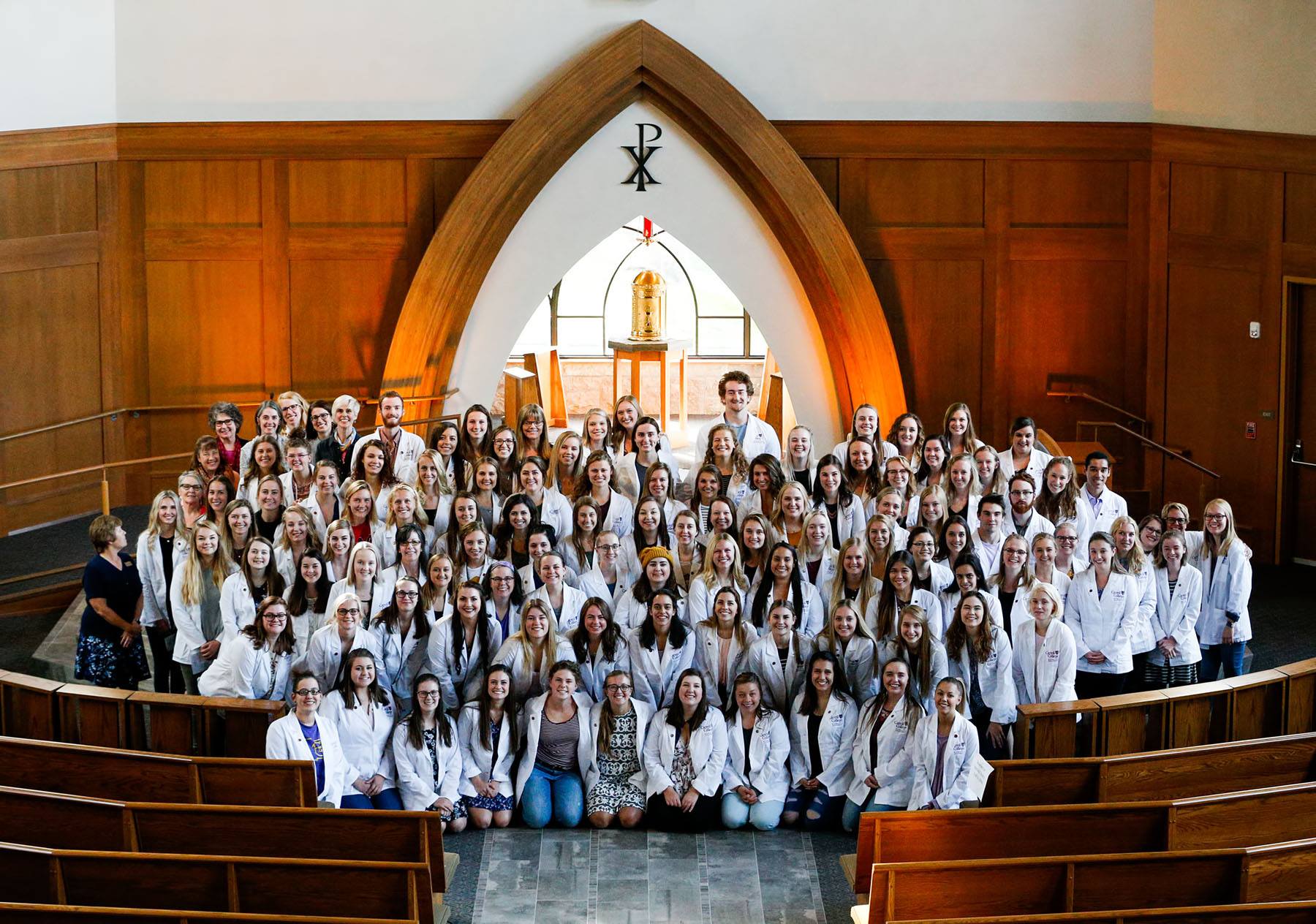
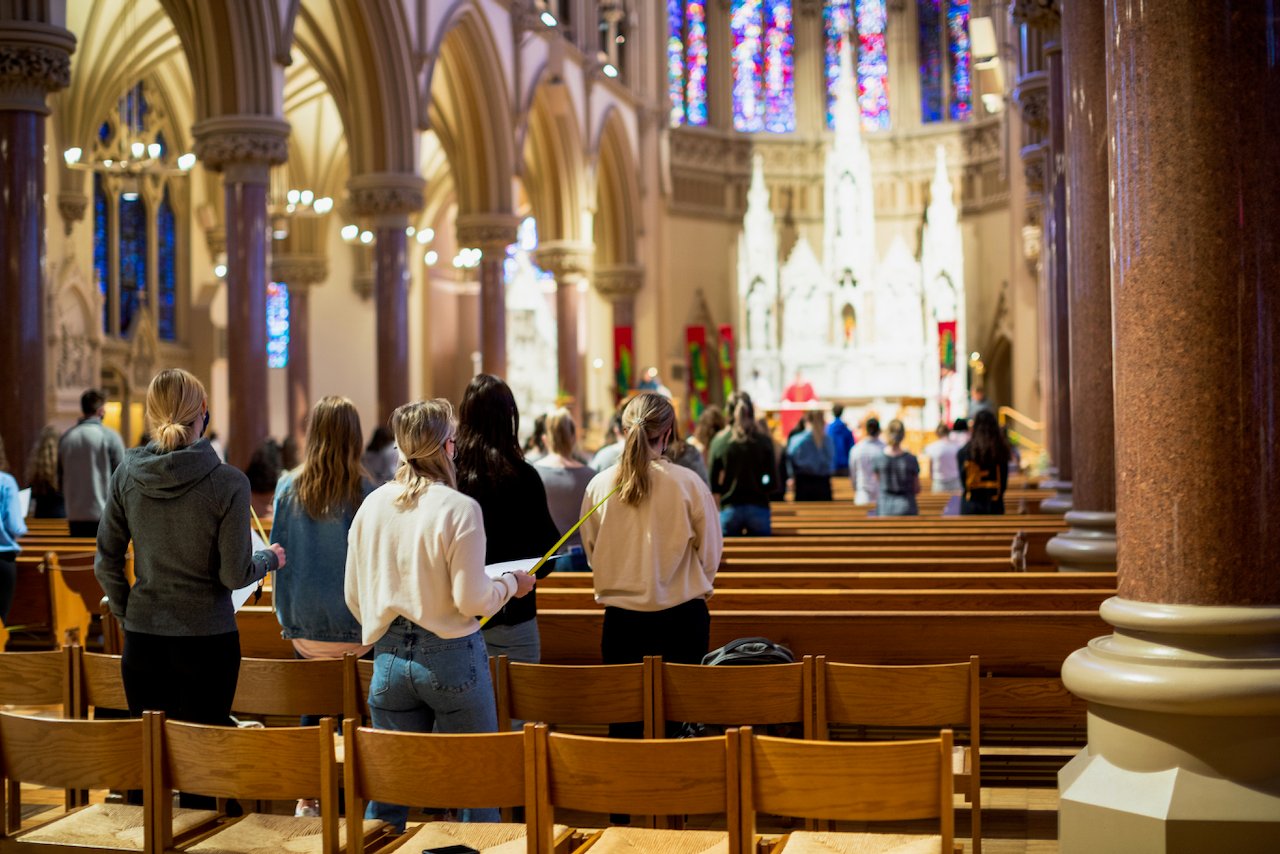
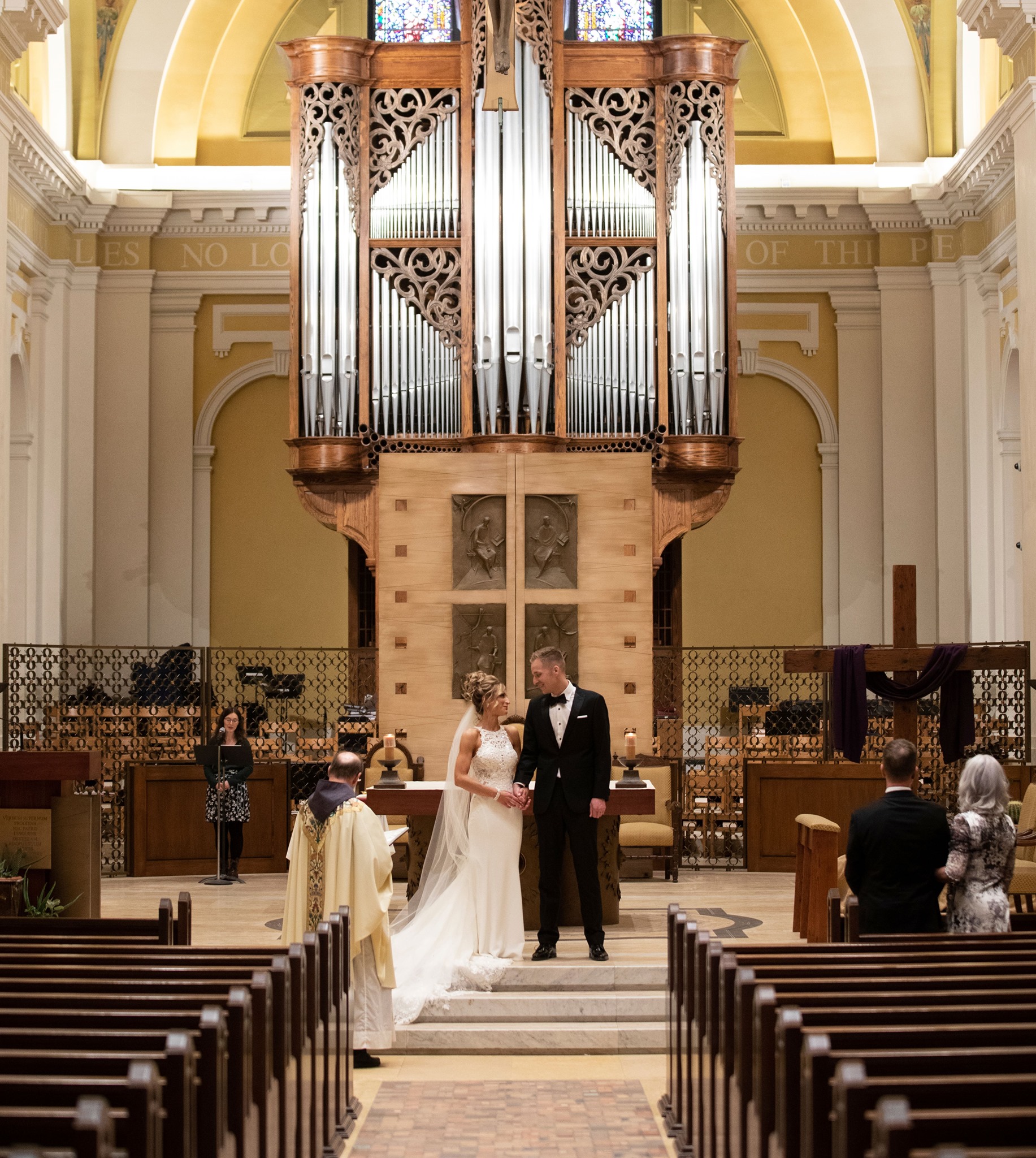
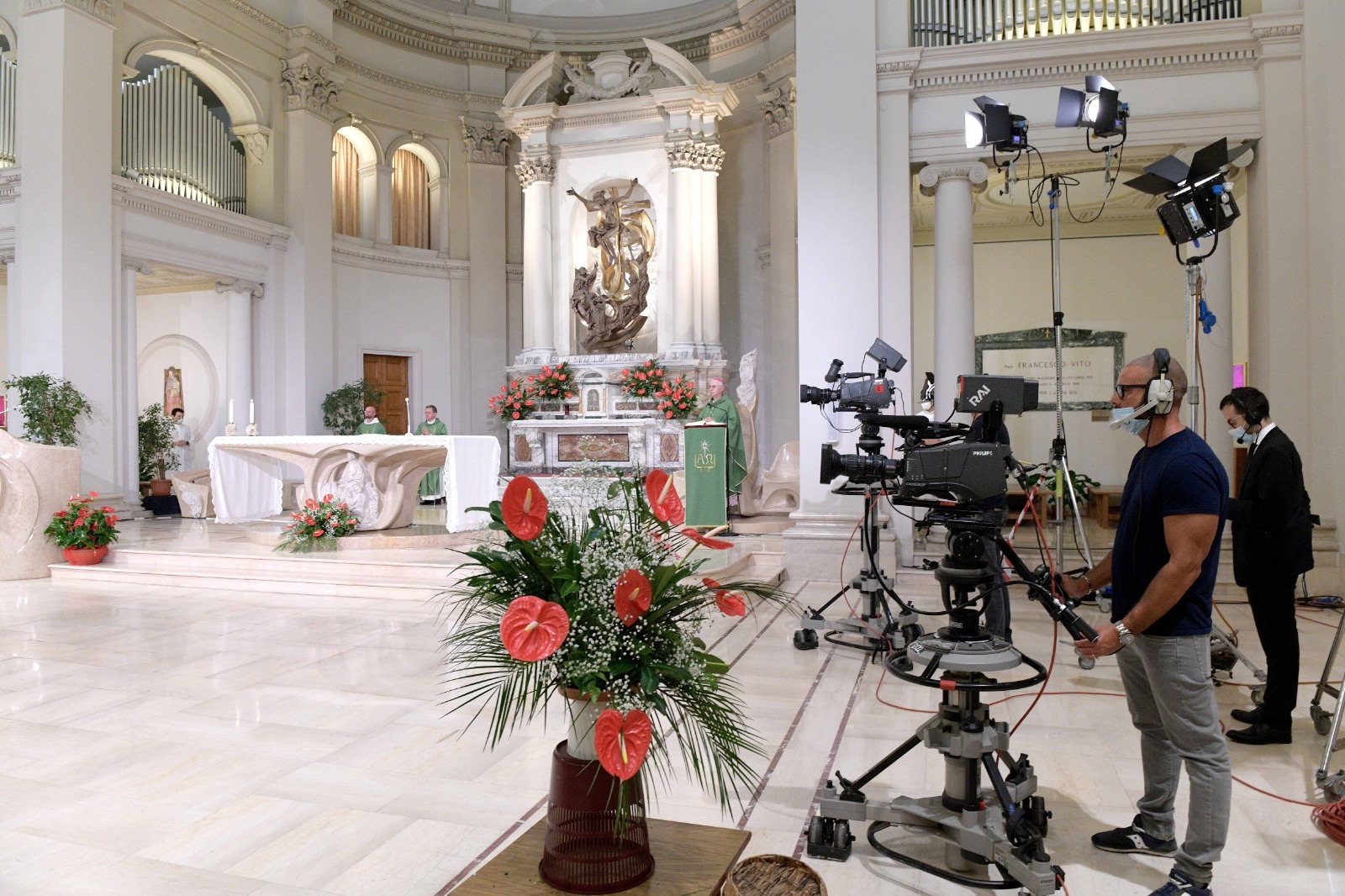
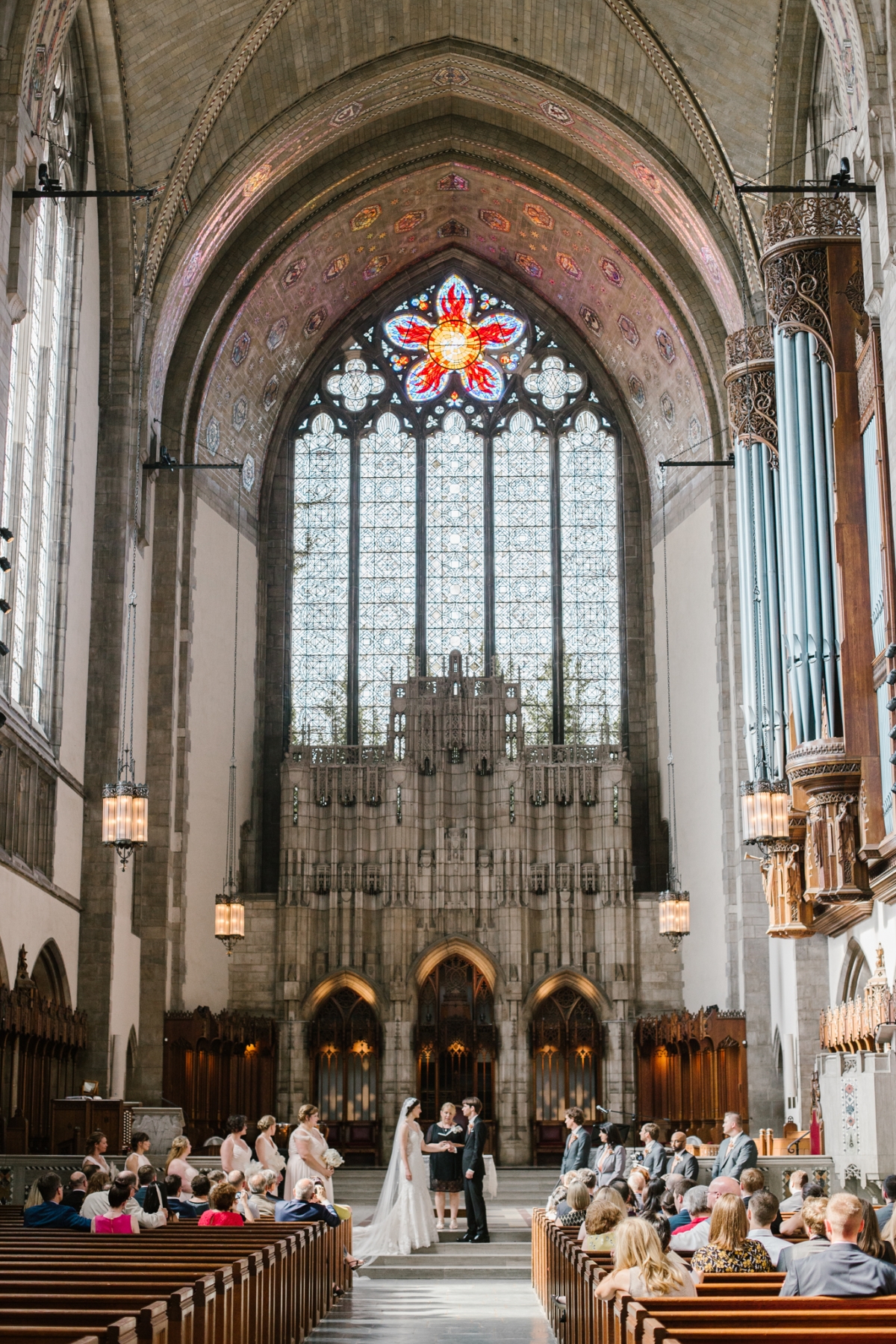
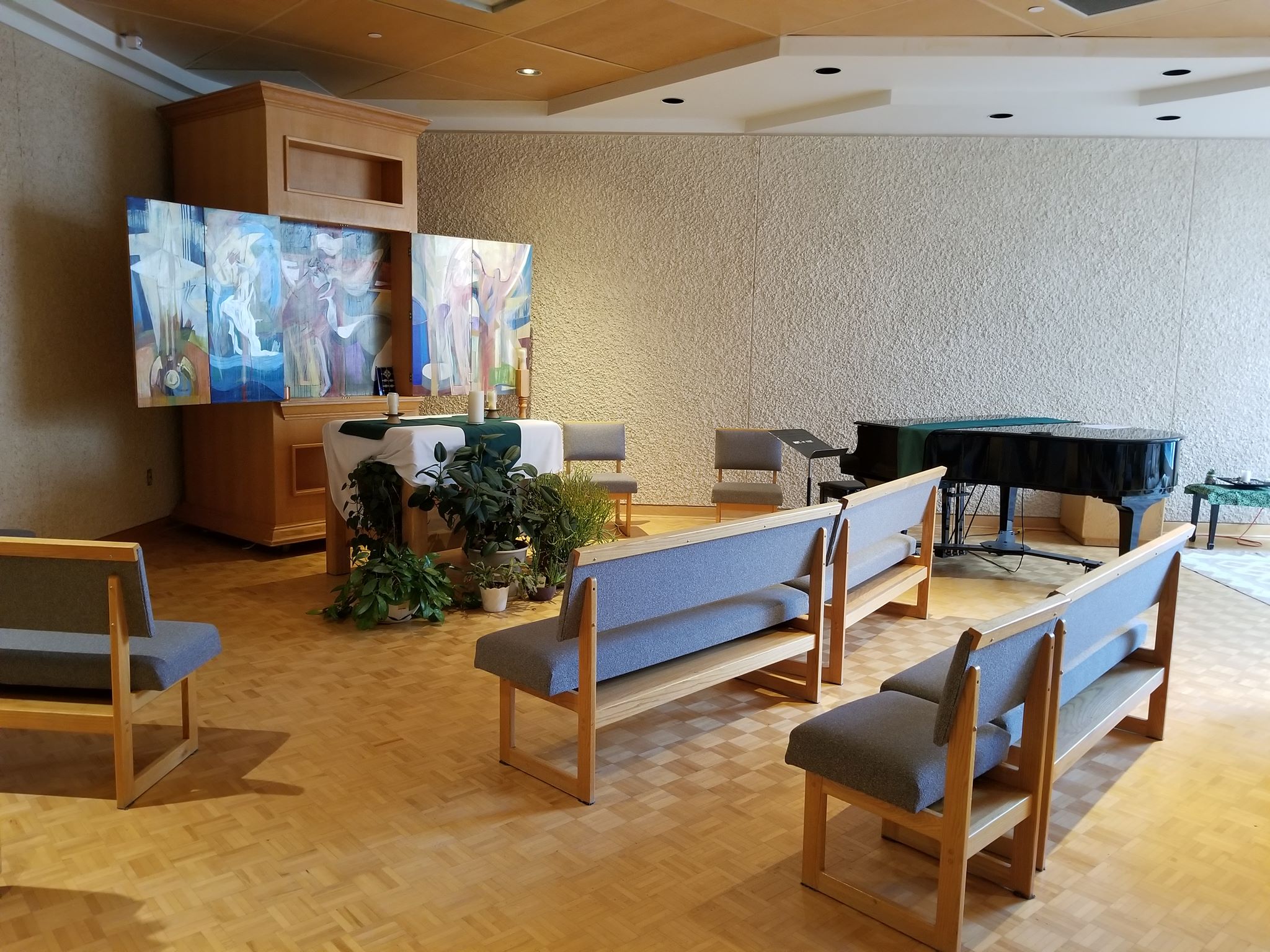
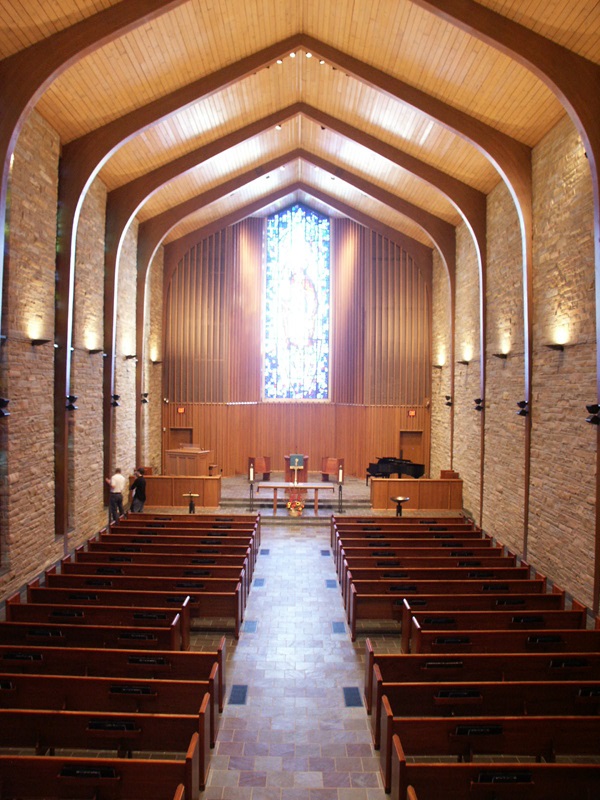
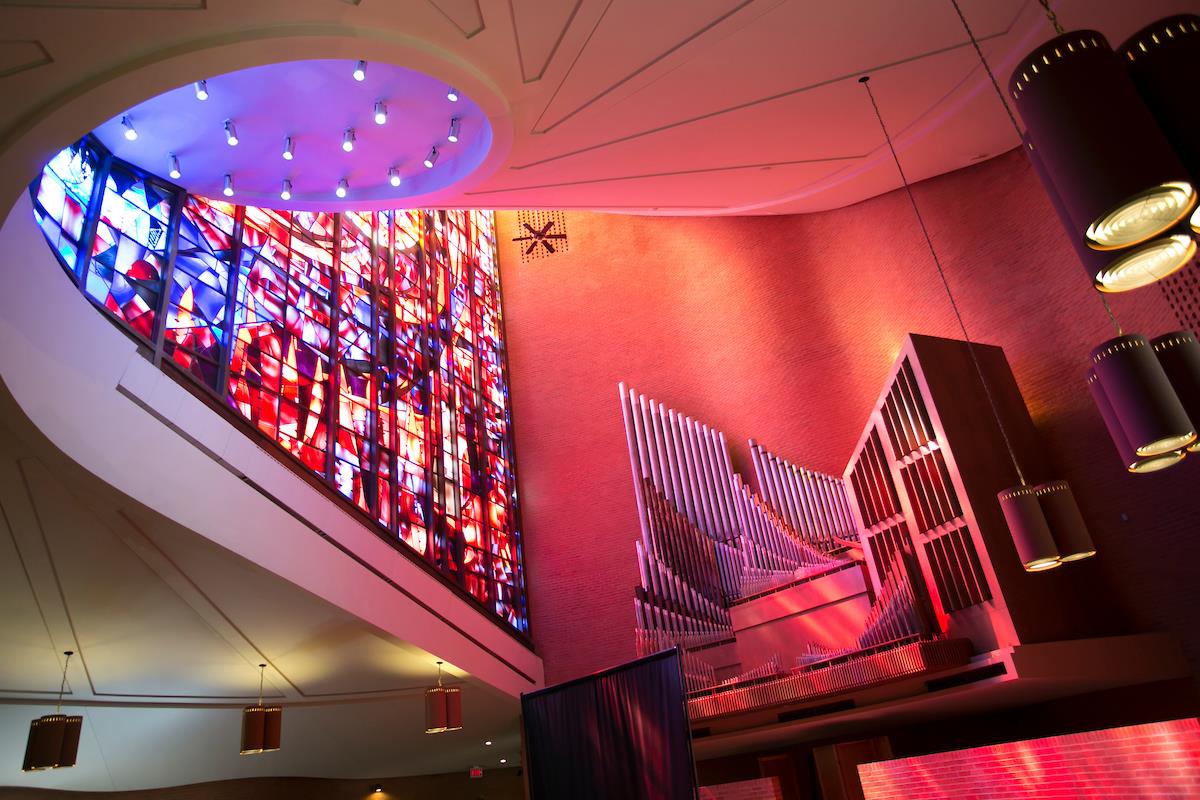
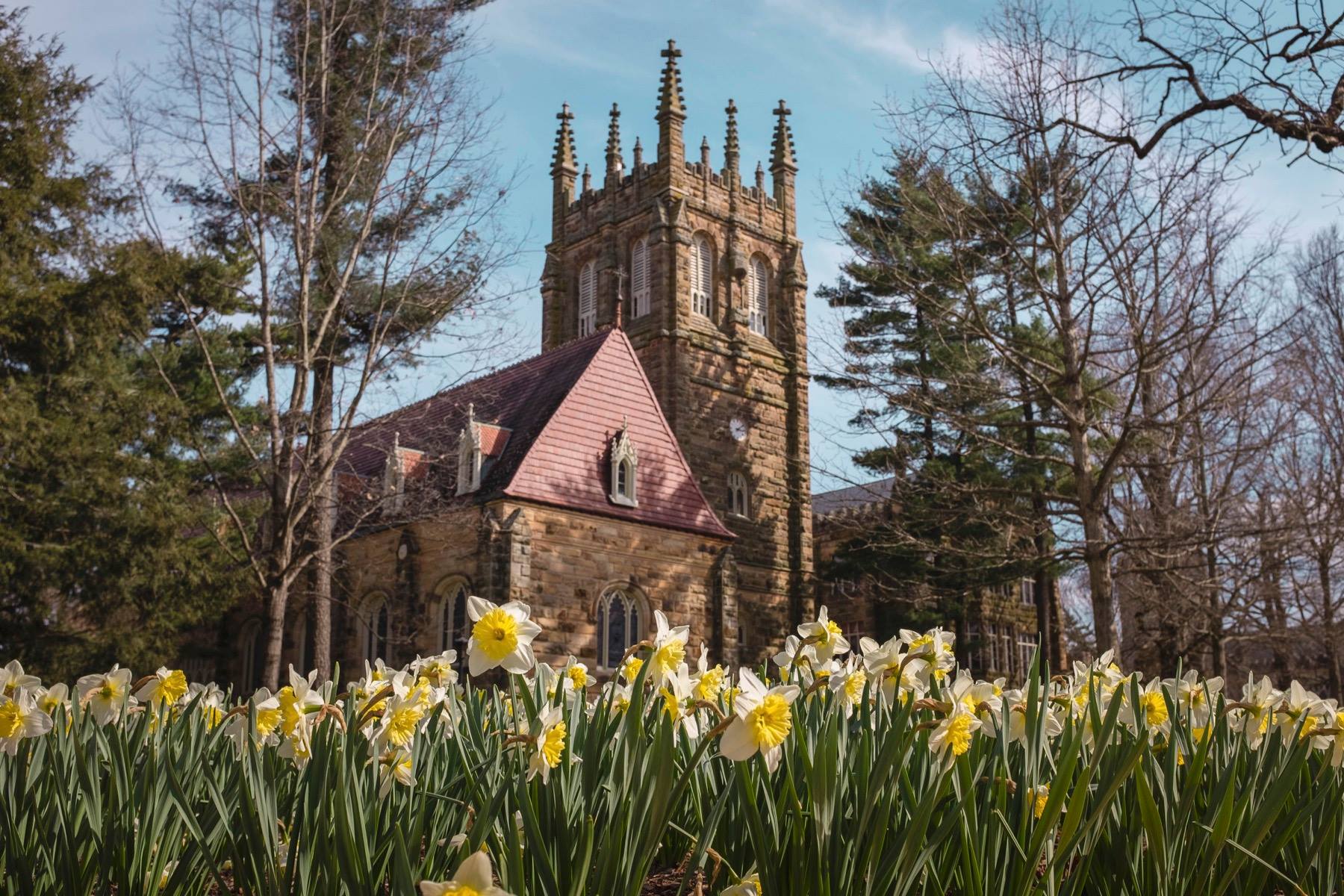
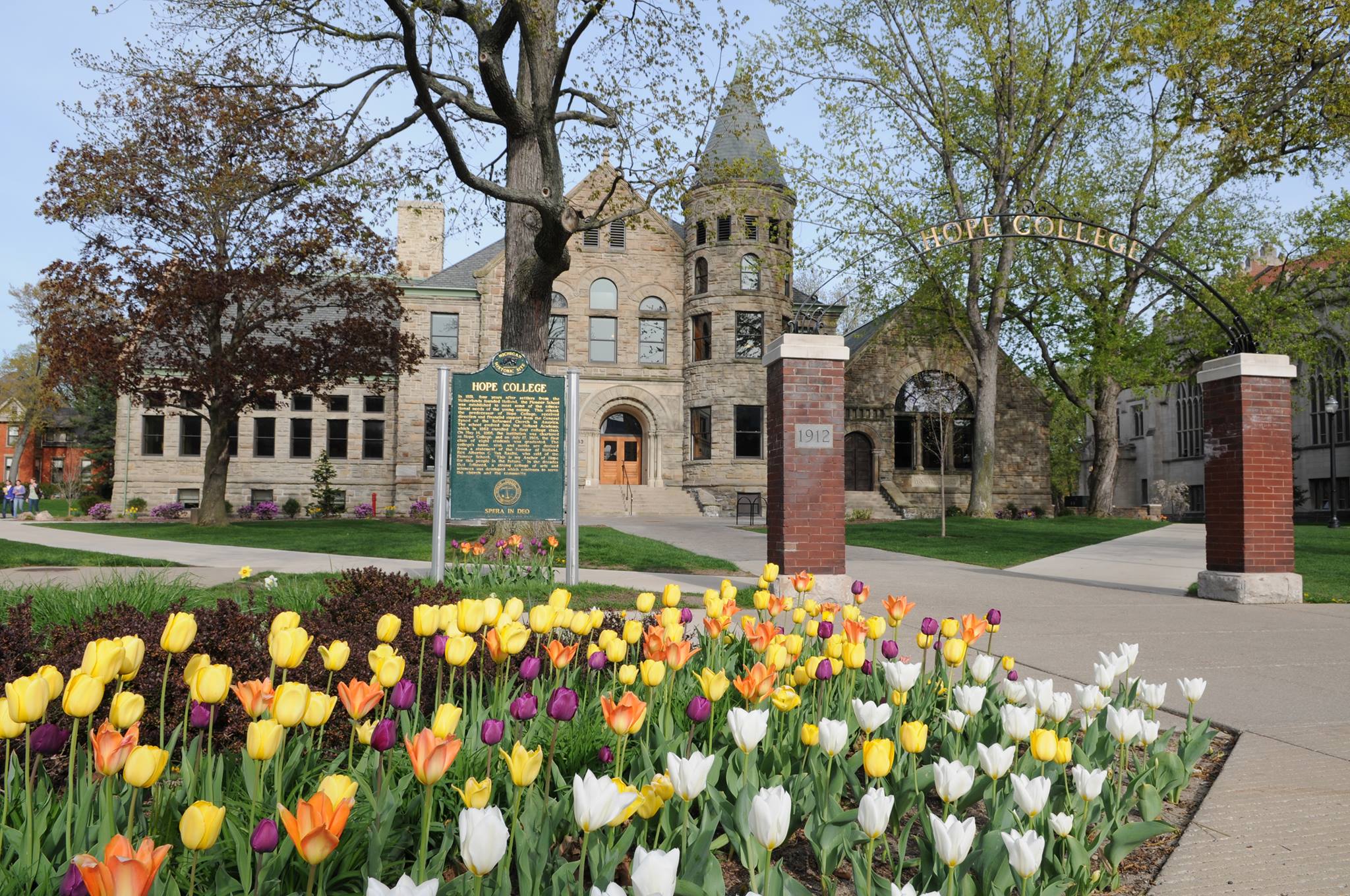
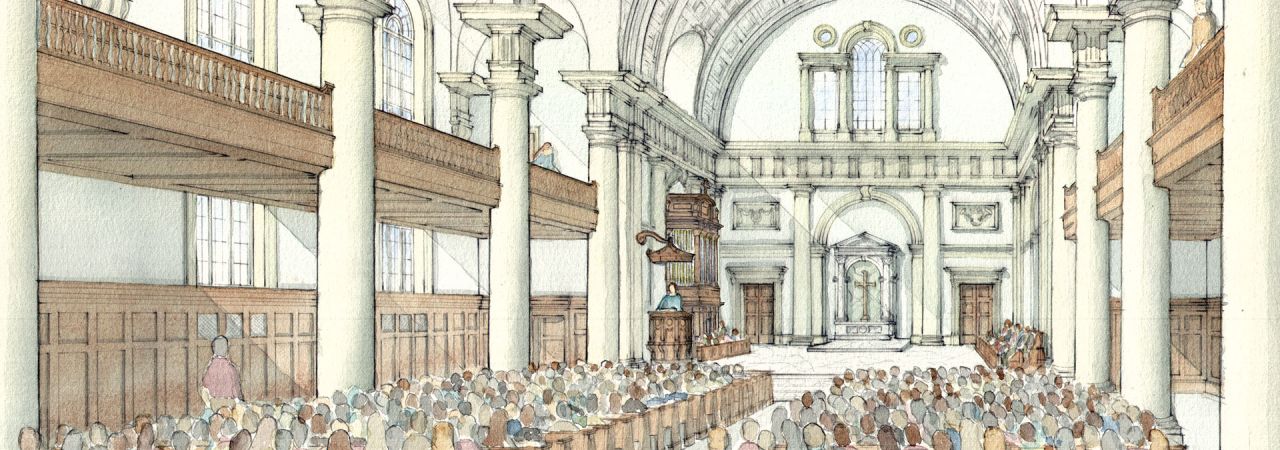
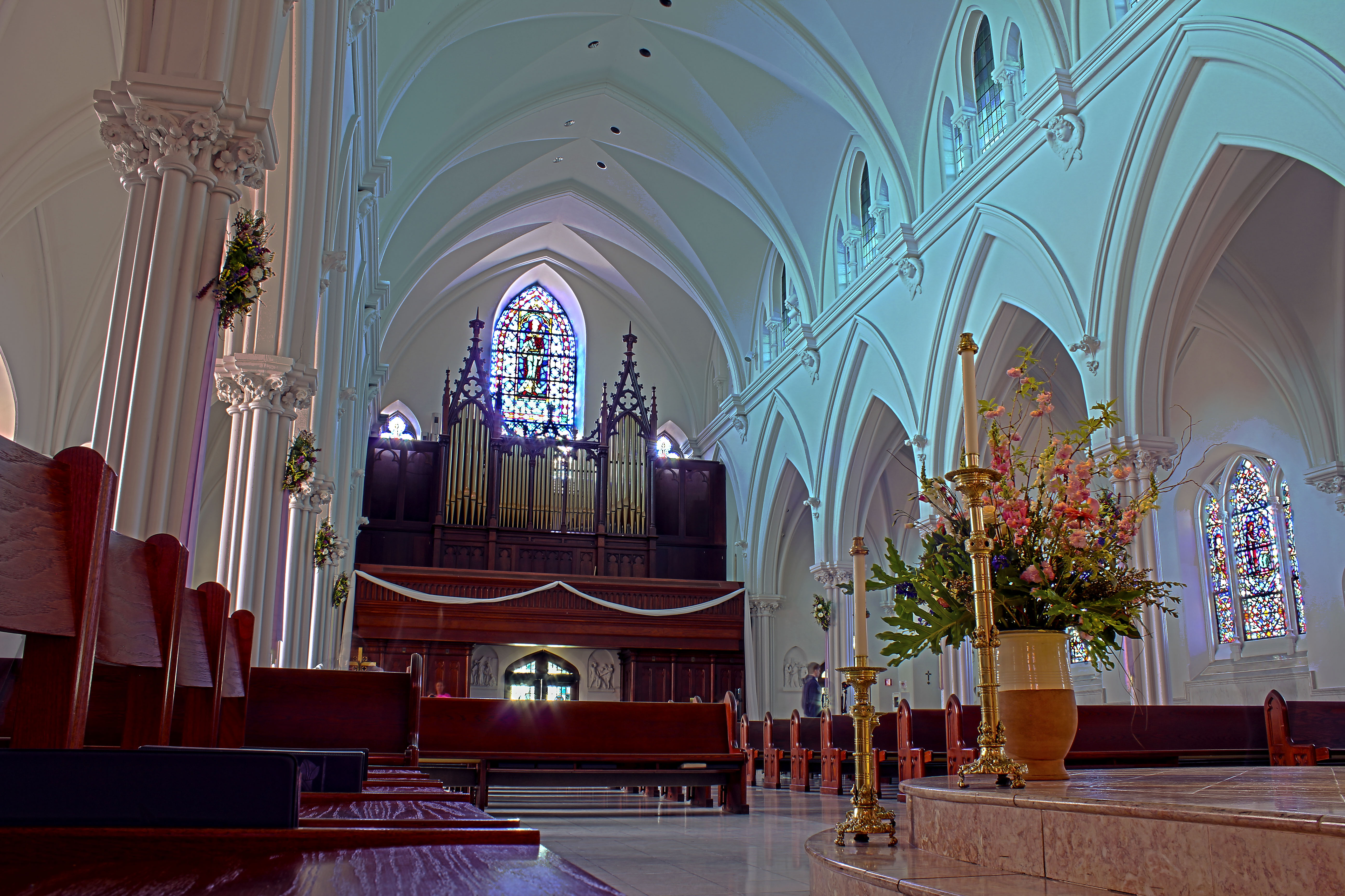
The founding of many education communities is inspired by faith communities.   In many of them the place of worship was the very first building.   College and university chapels are central places of worship for students, staff and faculty, and provide a space for solitude and reflection.  A place for feeling at home in the world.

International Building Code | Section 303.4 Assembly Group A-3

There are several hundred technical standards, or parts of standards,  that govern how churches and chapels are made safe and sustainable.  Owing to innovations in construction, operation and management methods, those standards move, ever so slightly, on a near-daily basis.  They are highly interdependent; confounded by county-level adaptations; and impossible to harmonize by adoption cycle.  That movement tracked here as best we can within the limit of our resources and priorities.  That’s why it’s best to simply click into our daily colloquia if you have a question or need guidance.

The Bible: Silly Stories or Symbolic Wisdom


Richard Miniter observes that the United States was founded as four distinct religious utopias, each originating from different regions and historical periods in England (and the broader British Isles). These groups, shaped by conflicts like the English Civil War, brought competing visions of society, governance, and faith that continue to influence American culture and politics today.1. New England Puritans (from East Anglia): Strict, communal Calvinists seeking a “city upon a hill” with moral oversight and collective piety.
2. Cavalier culture in Virginia and the South (from southwest England): Hierarchical, Anglican/Royalist tradition emphasizing order, honor, and aristocratic values.
3. Middle States (influenced by the West Midlands): More tolerant, pluralistic Quaker and other nonconformist approaches fostering commerce and individual liberty.
4. Appalachian borderlands (from the English-Scottish border): Scots-Irish Presbyterian folkways stressing independence, martial honor, and anti-authoritarian egalitarianism.These enduring subcultures create ongoing tensions over freedom, authority, and religion in America.

Maps of Meaning: The Architecture of Belief | Jordan Peterson, Douglas Murray, Sam Harris

Taylor University | Grant County Indiana

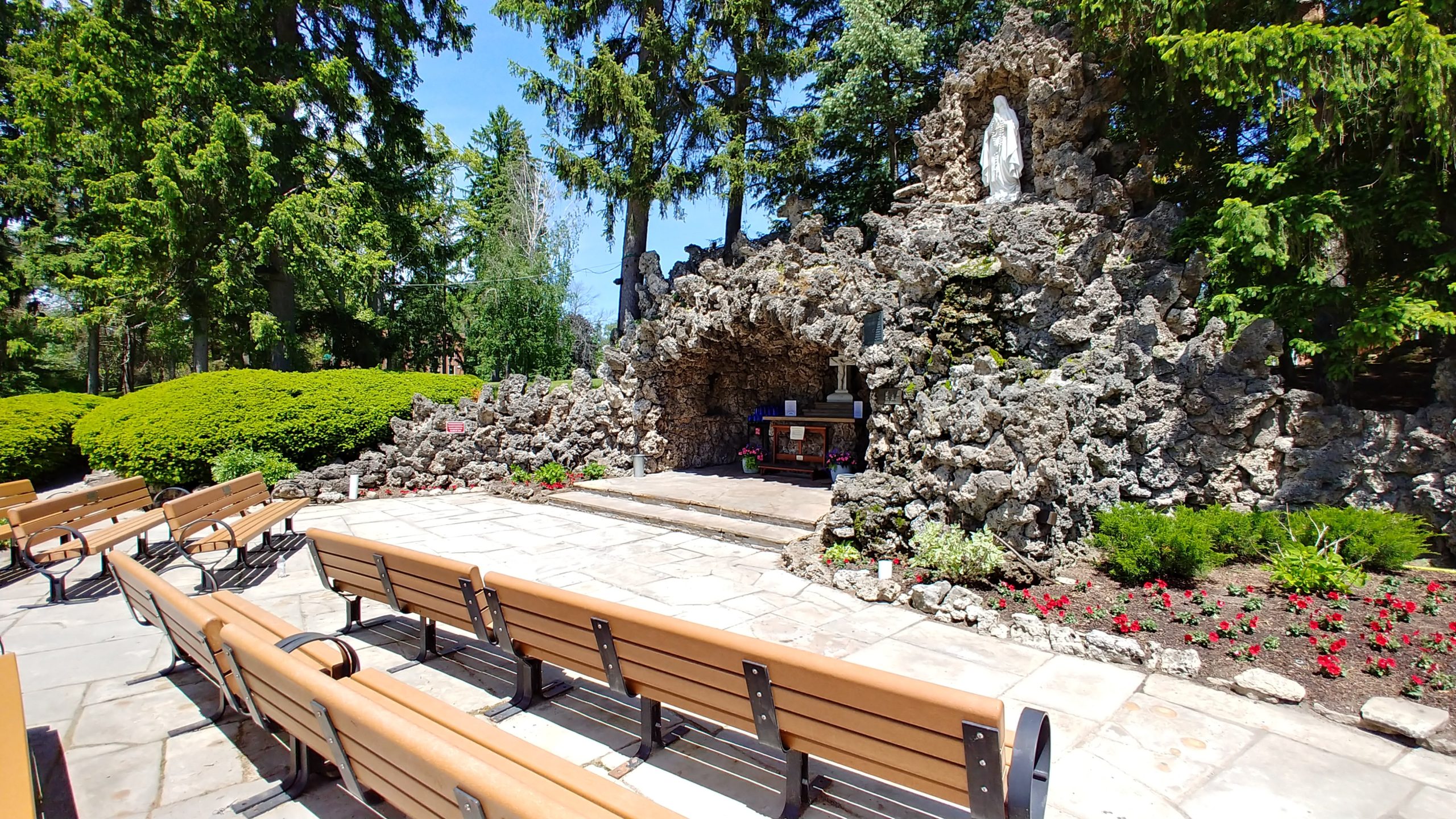
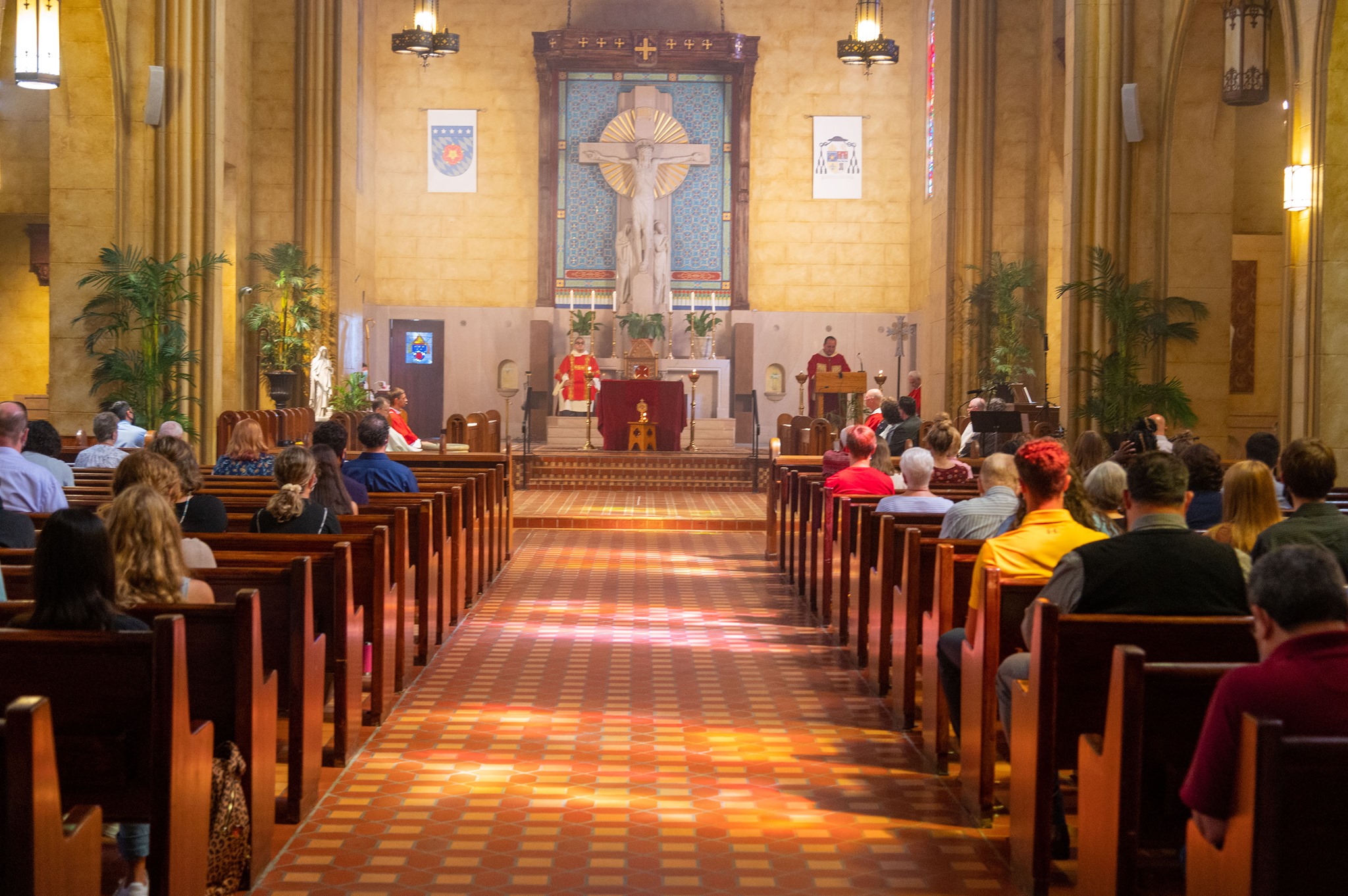
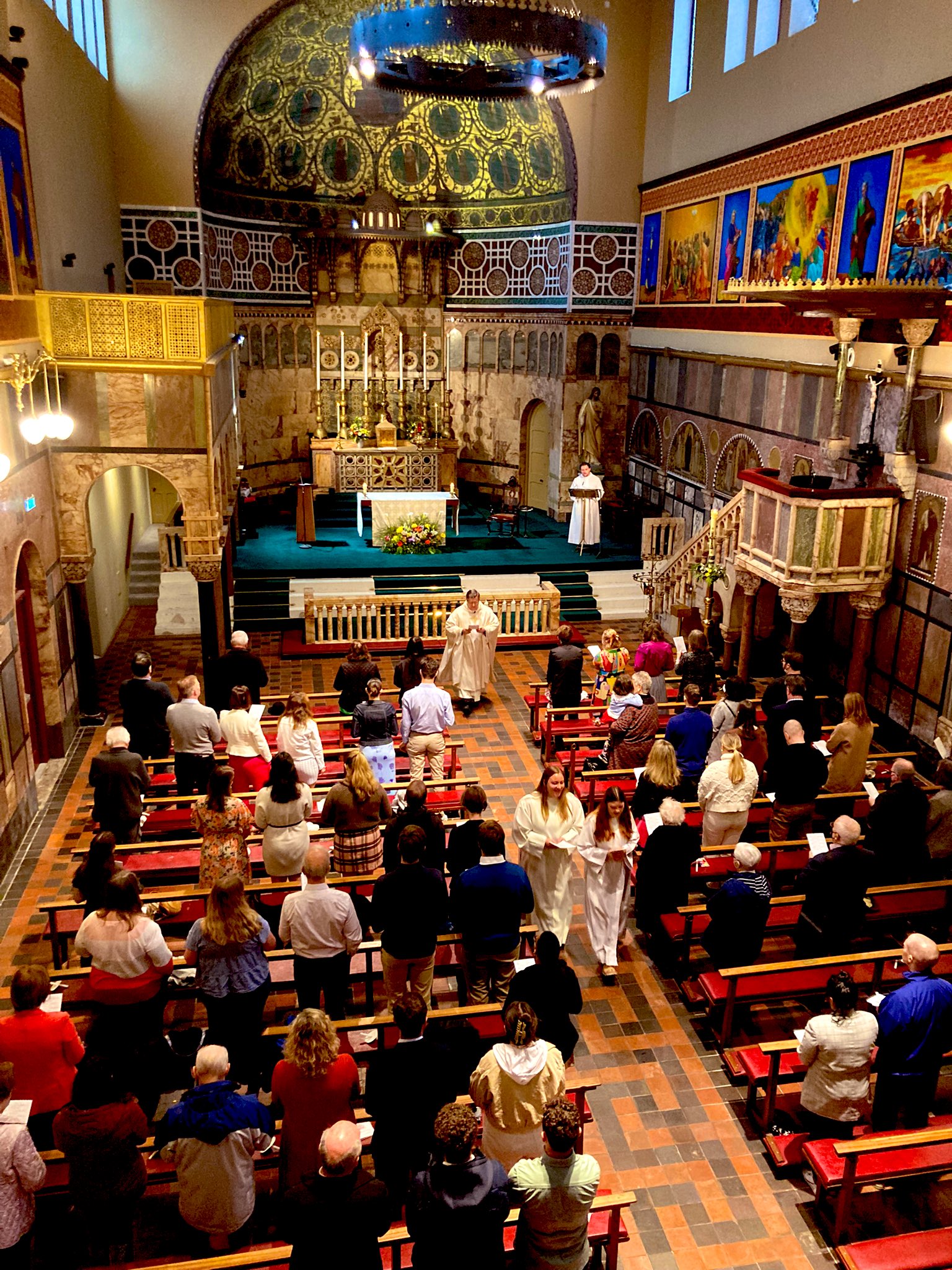
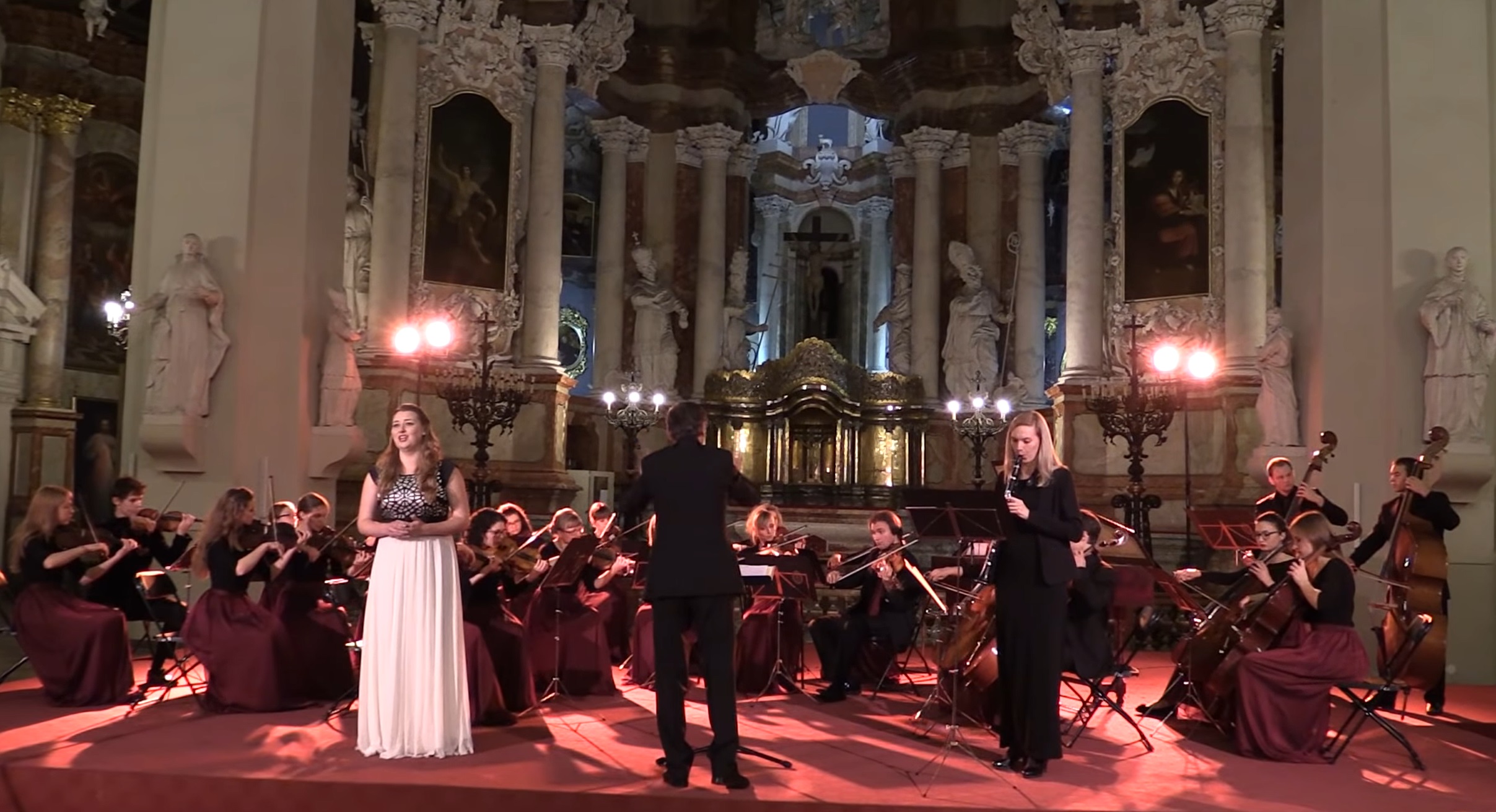
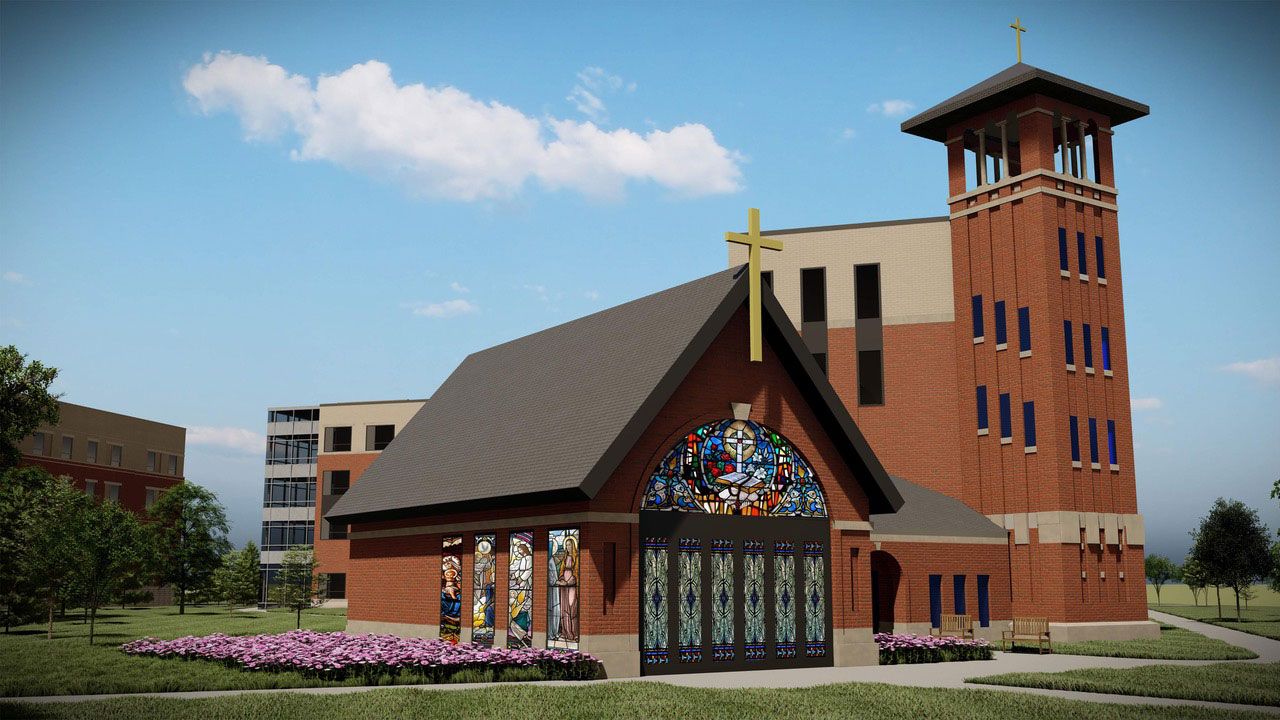
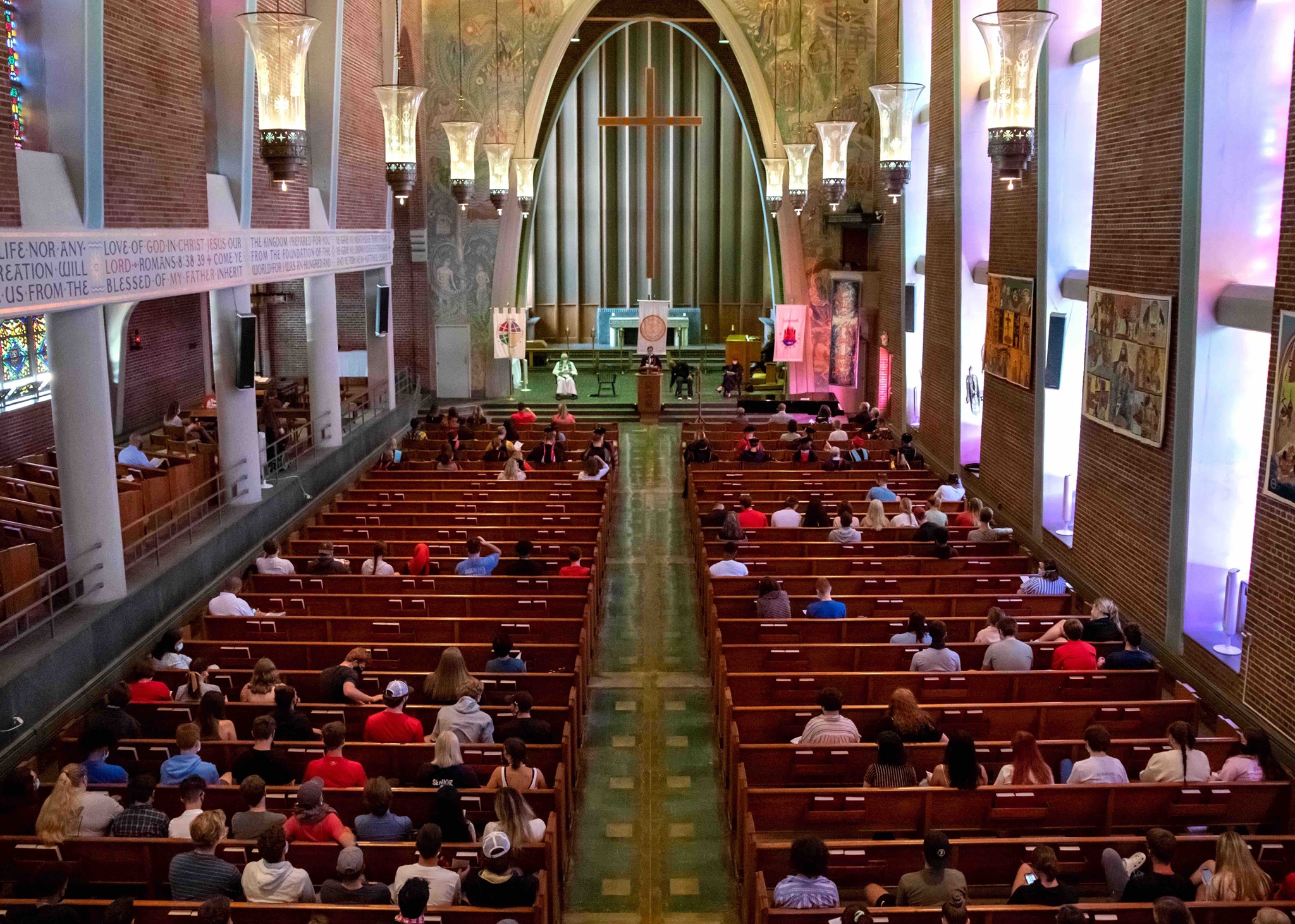
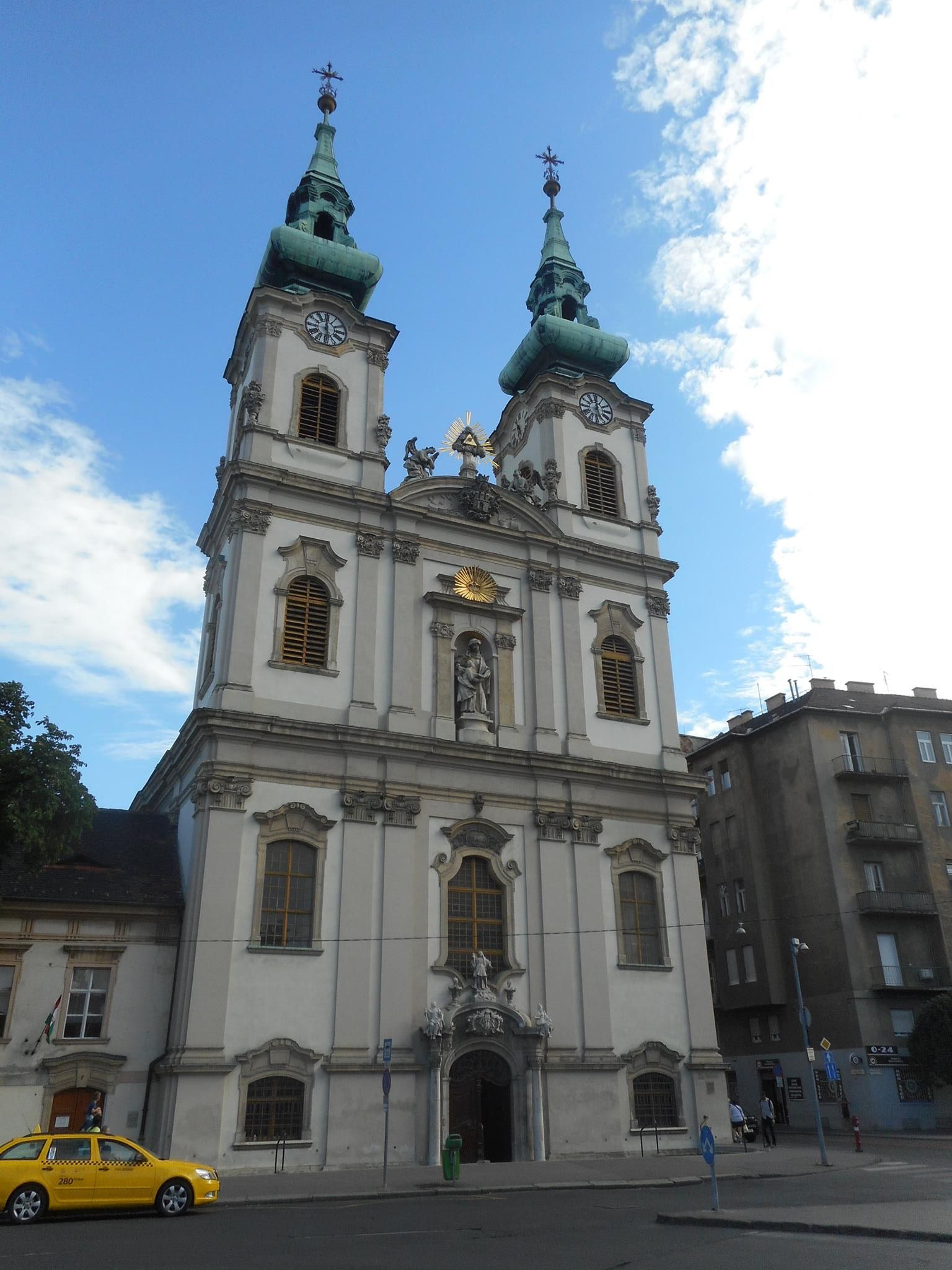
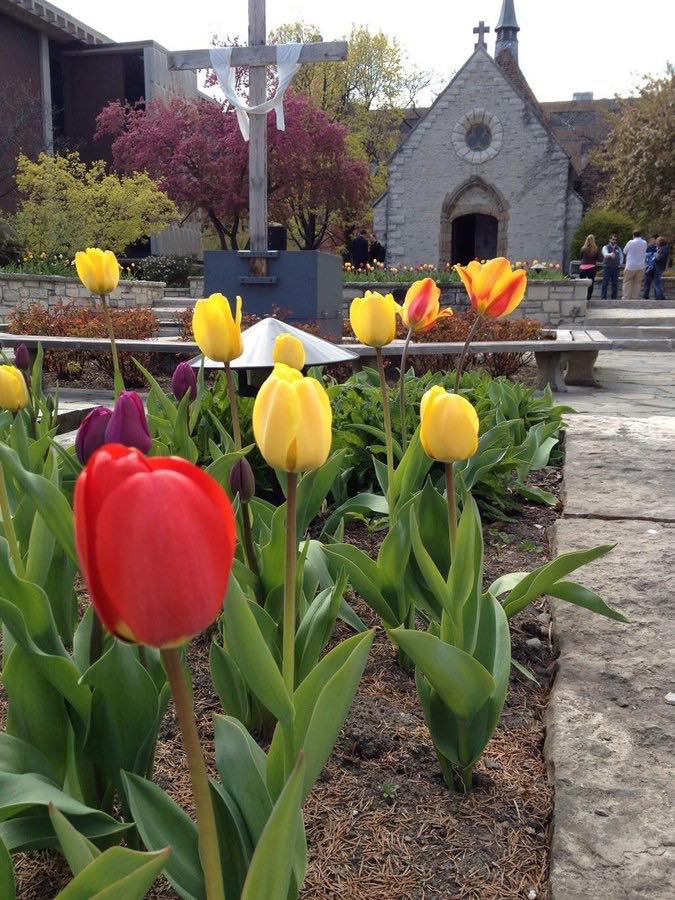
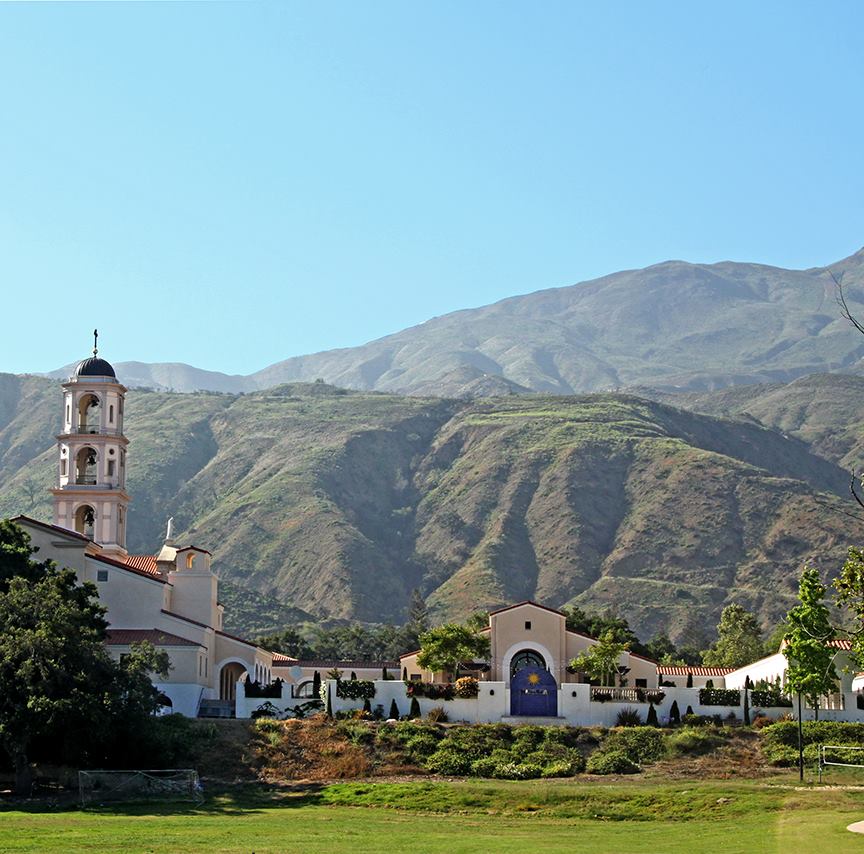
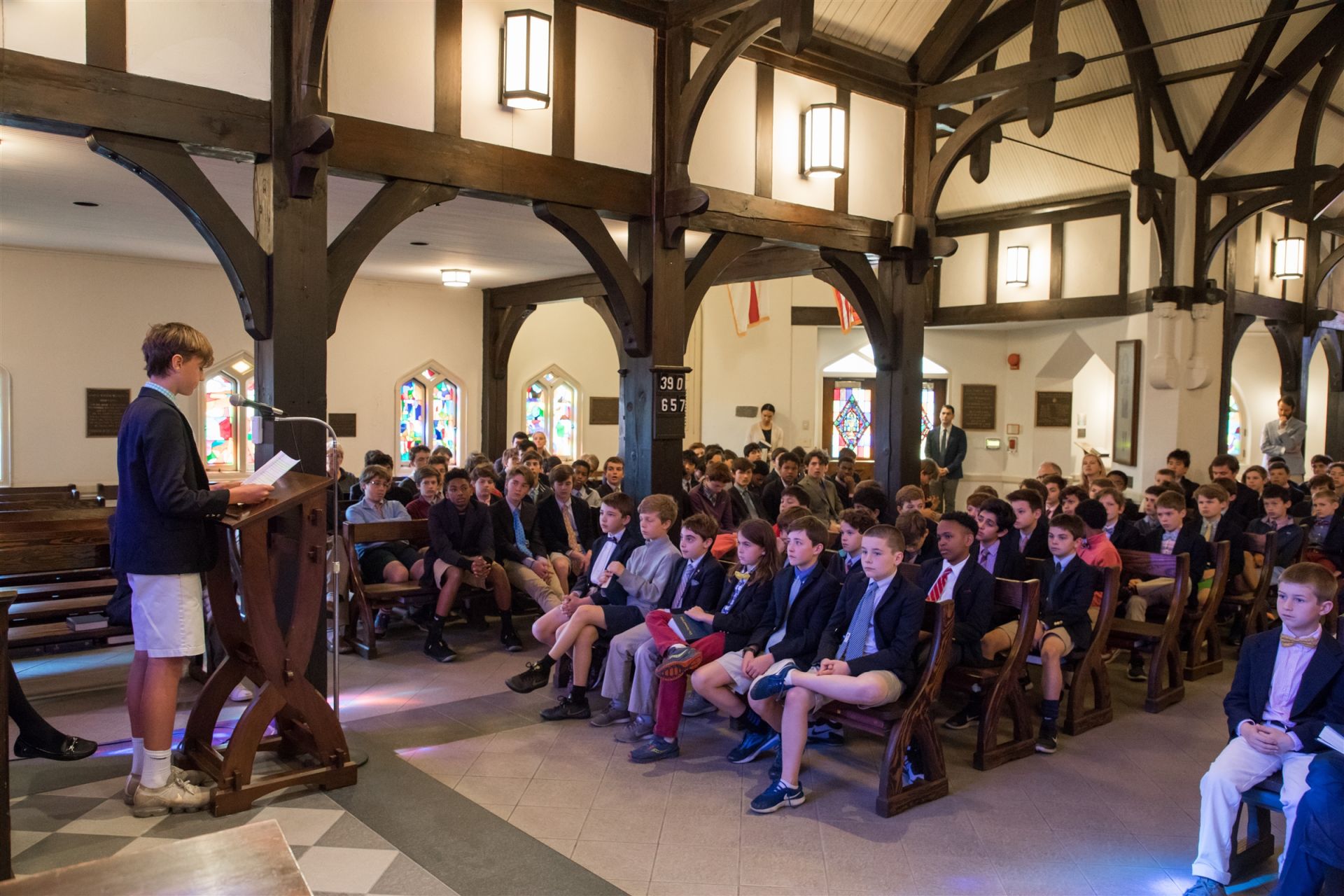
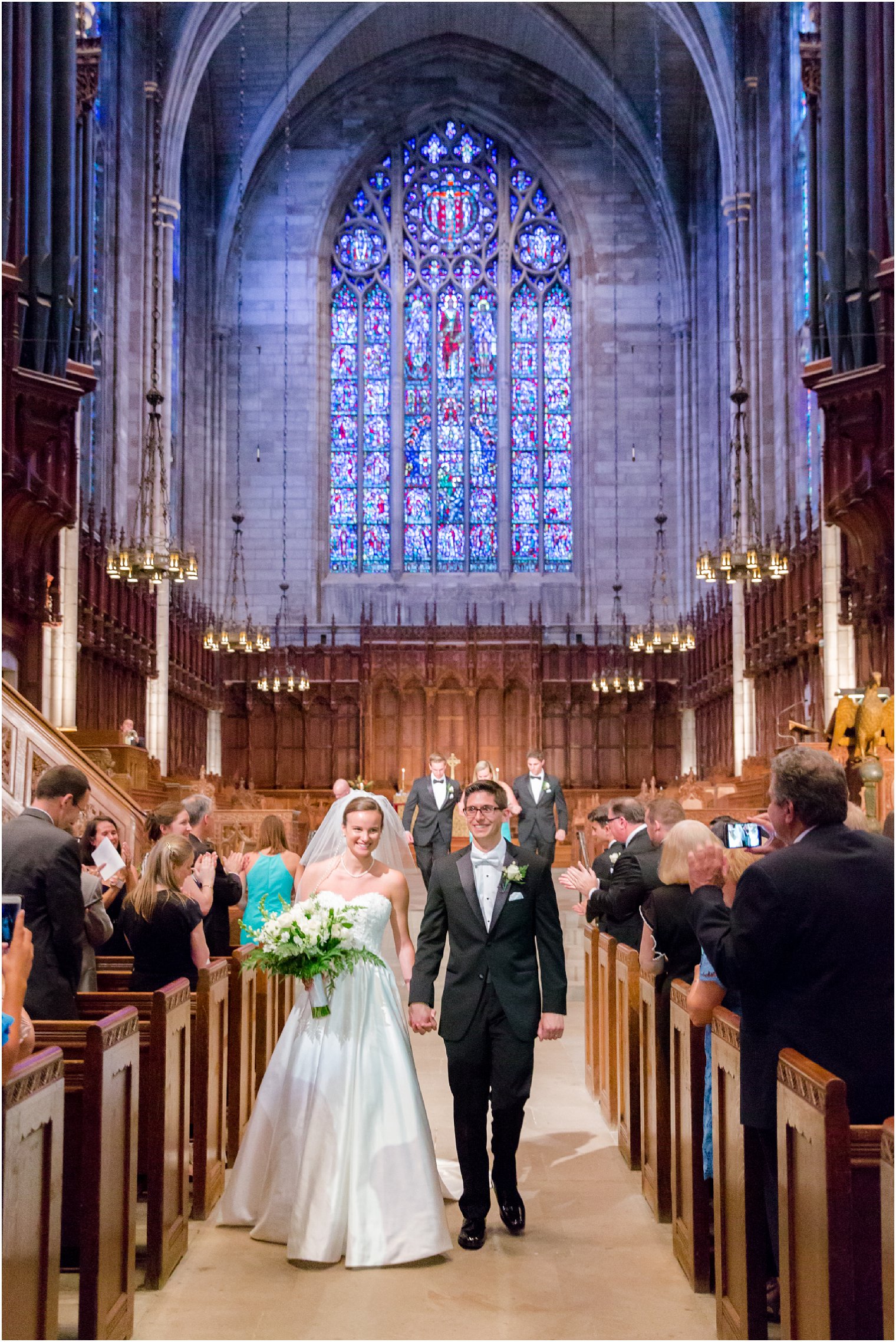
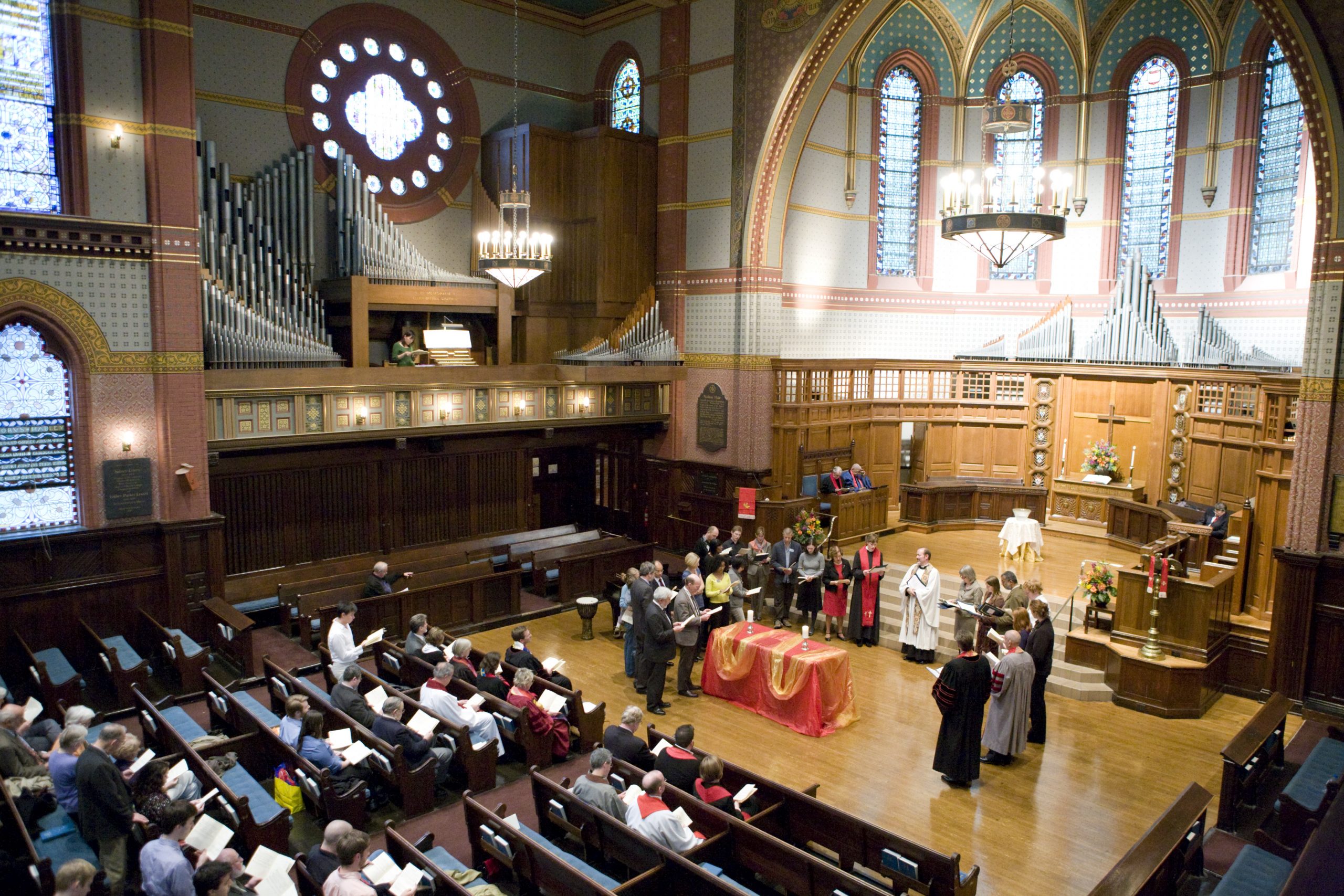
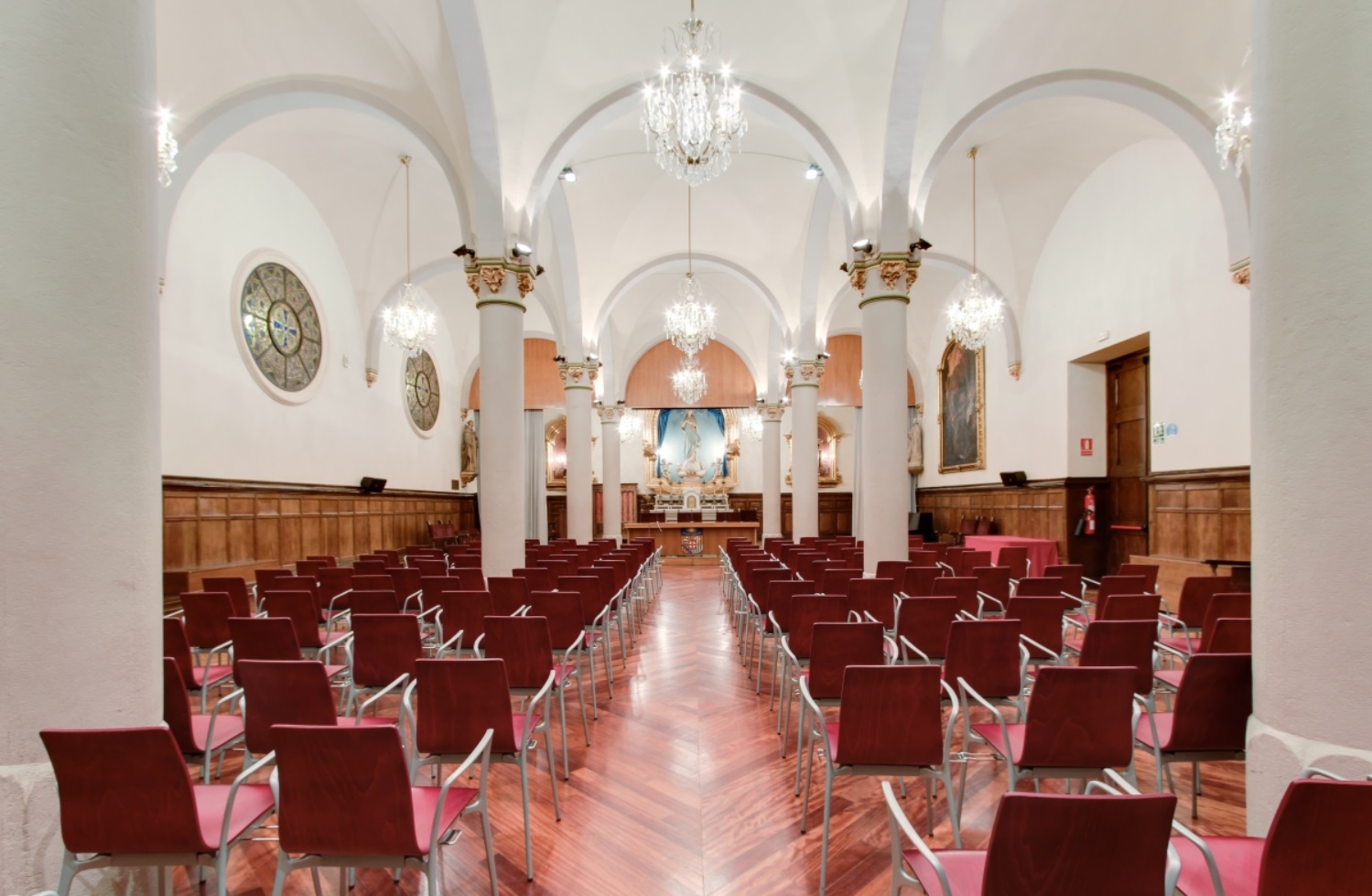
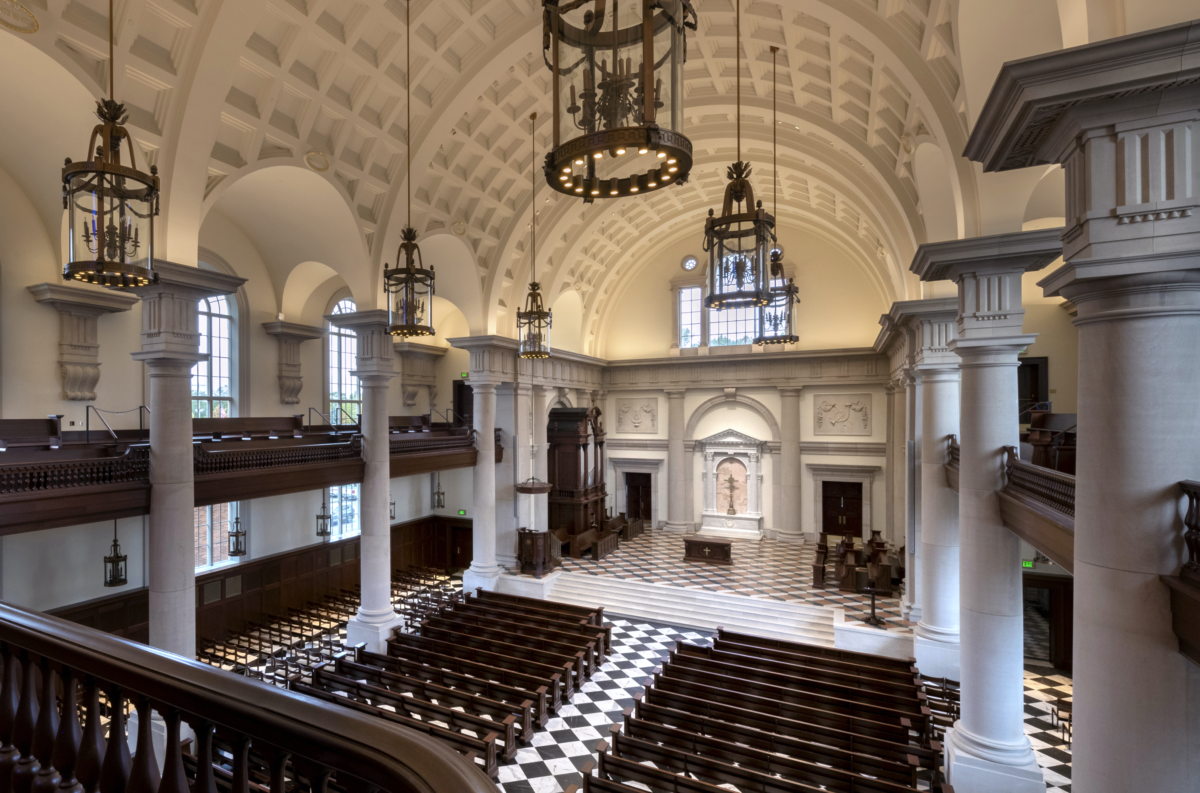
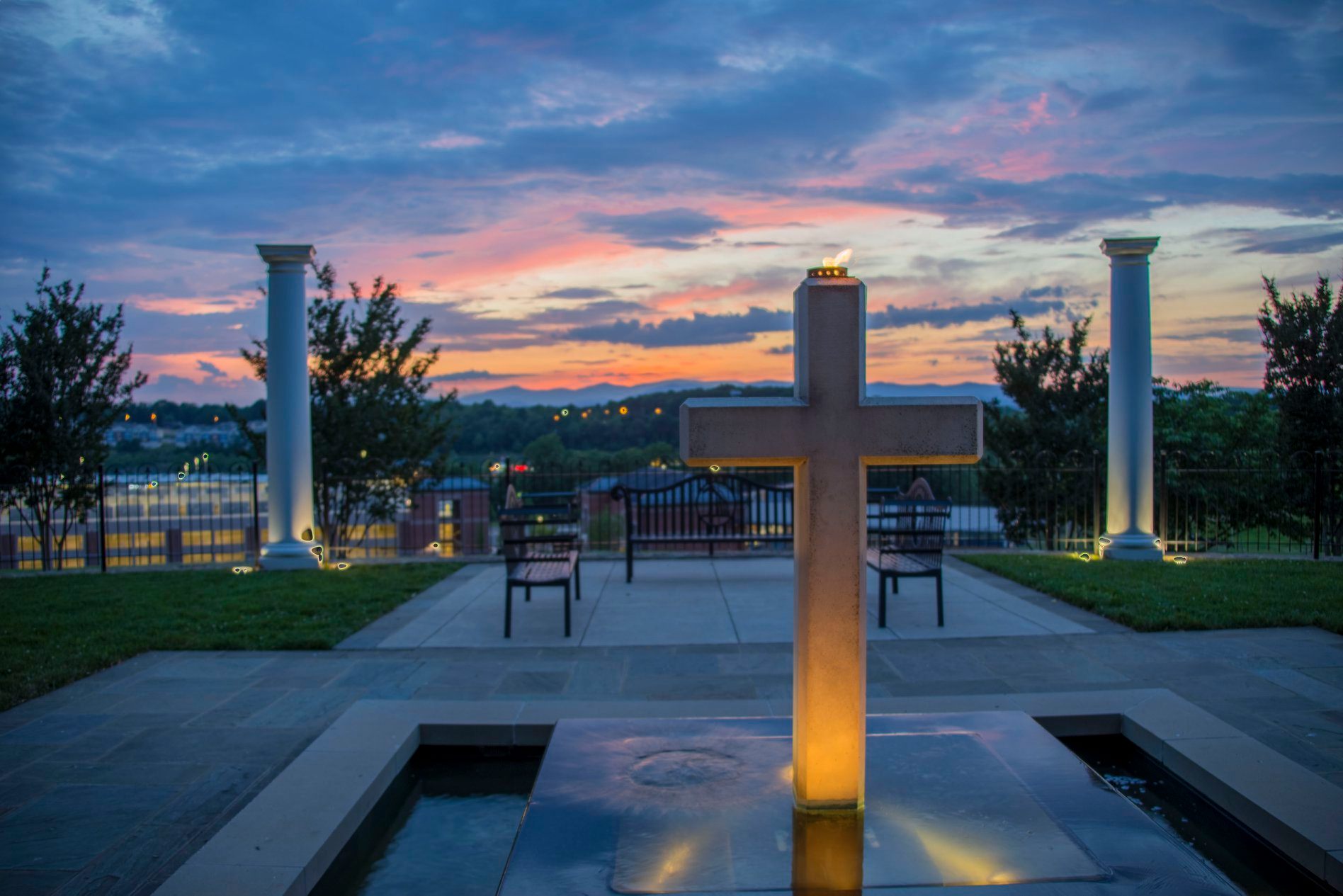
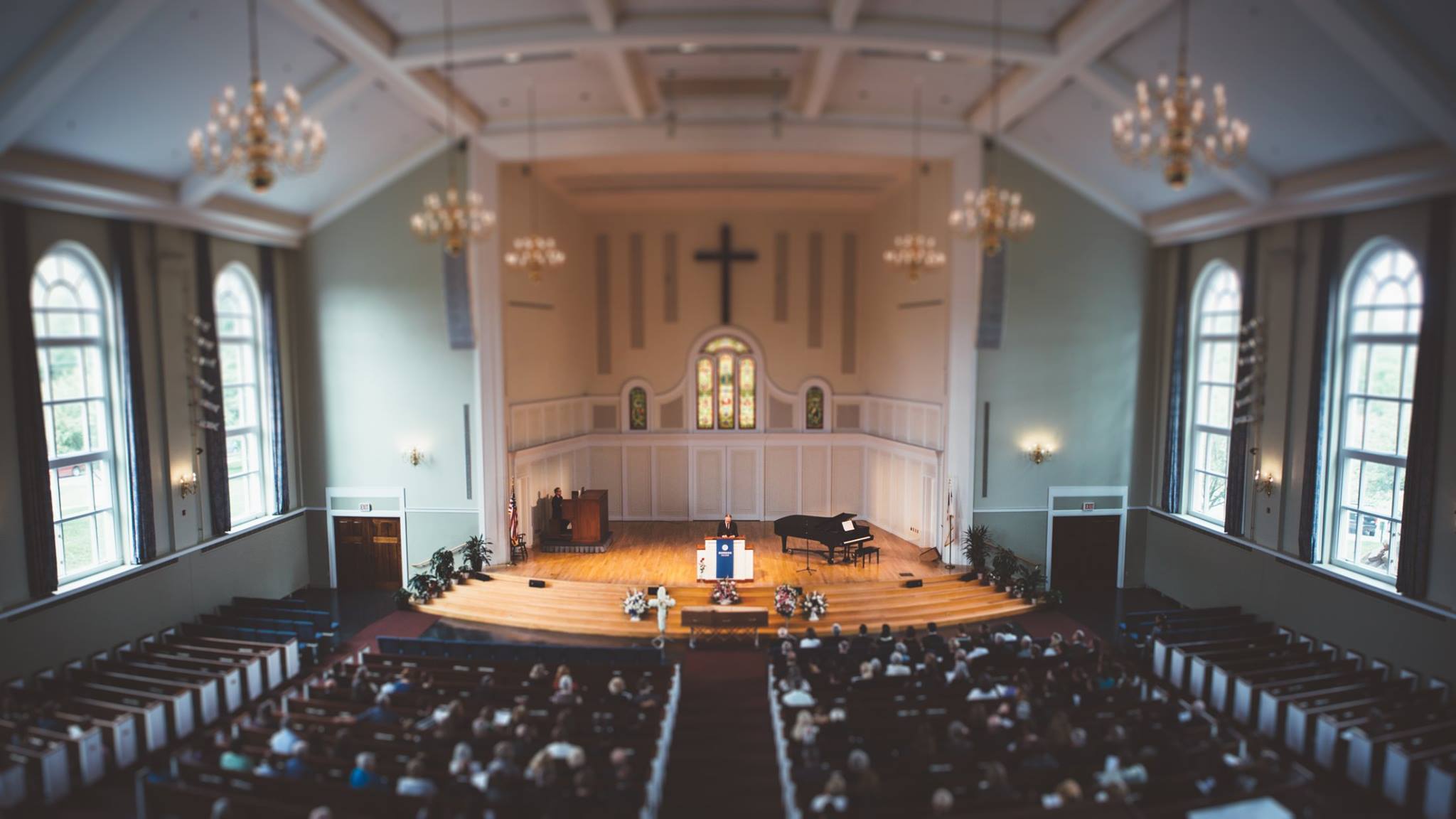
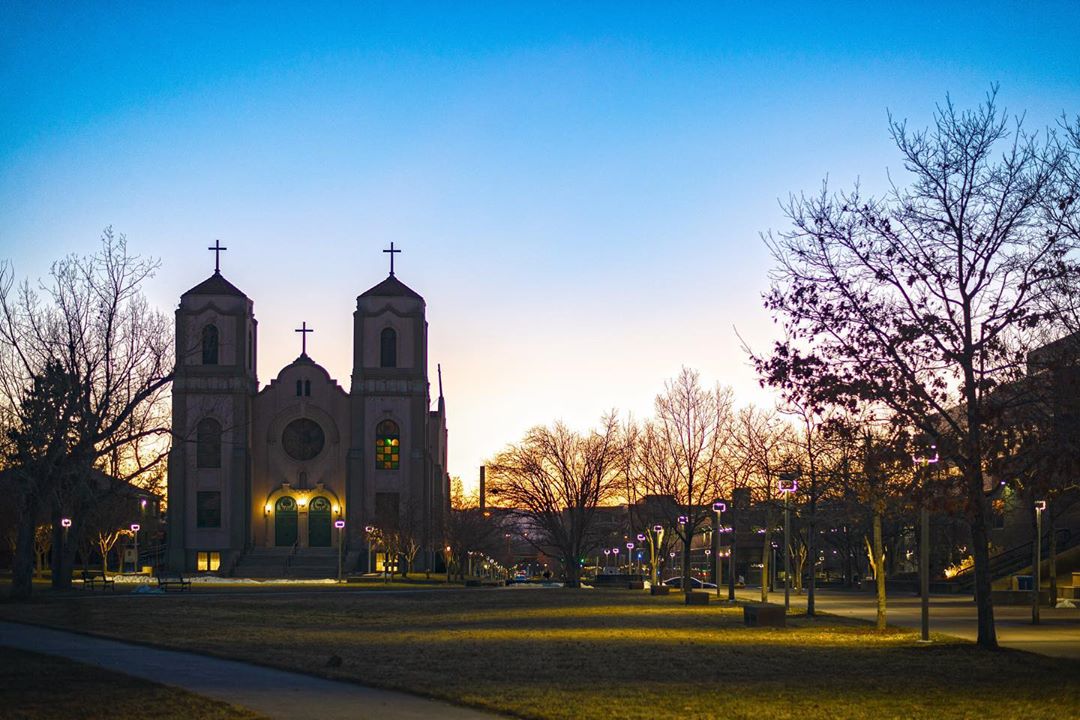
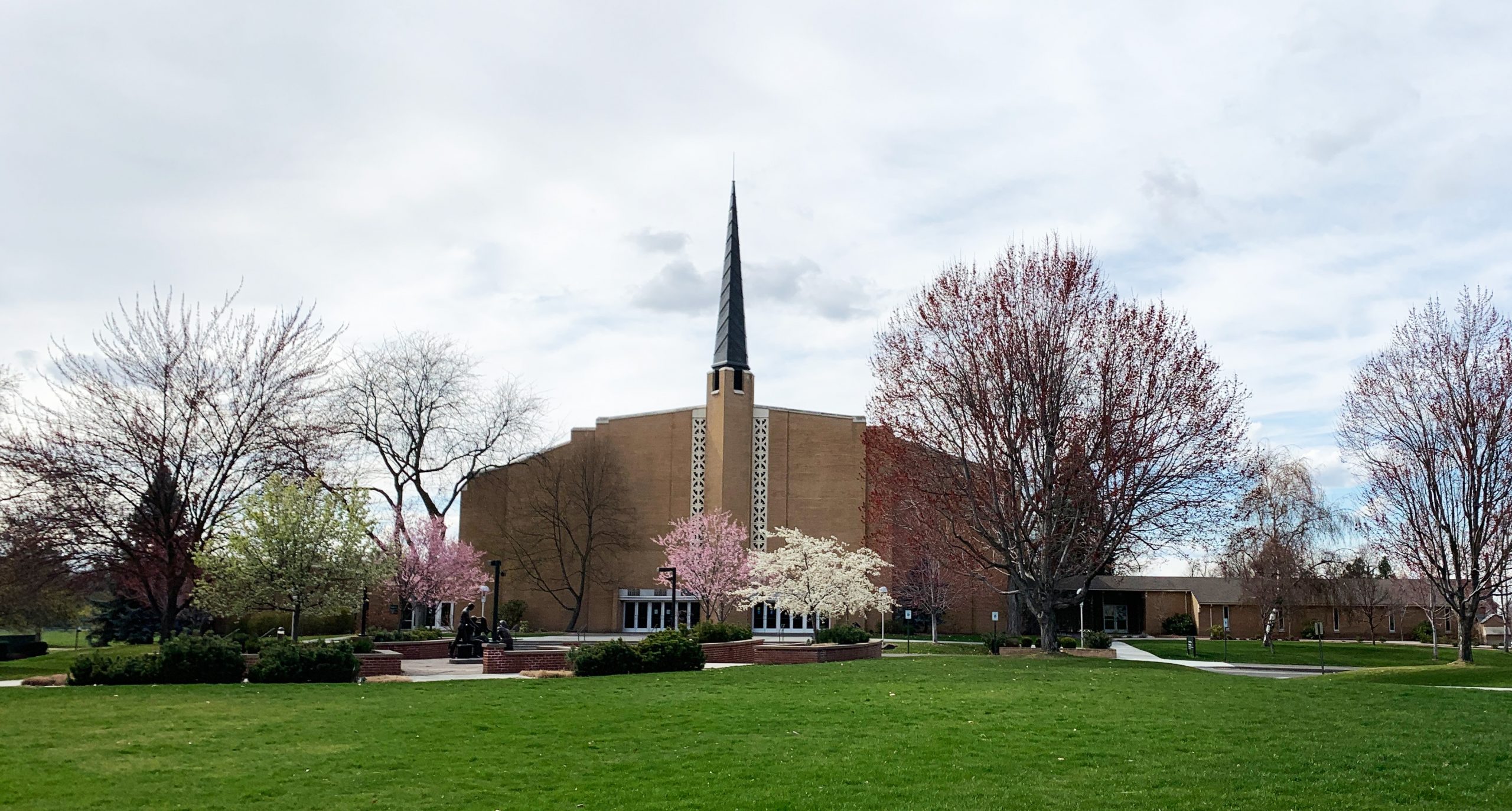
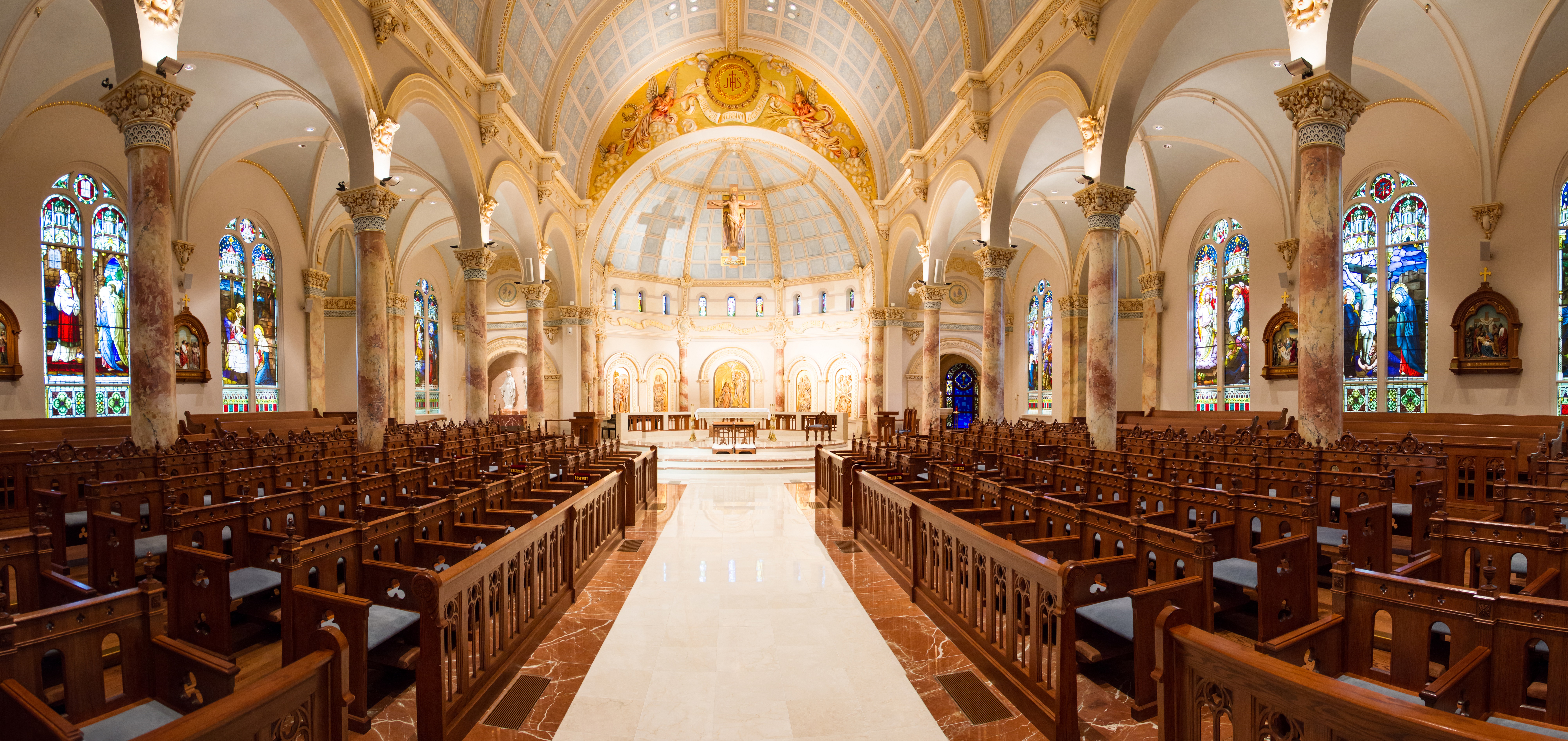
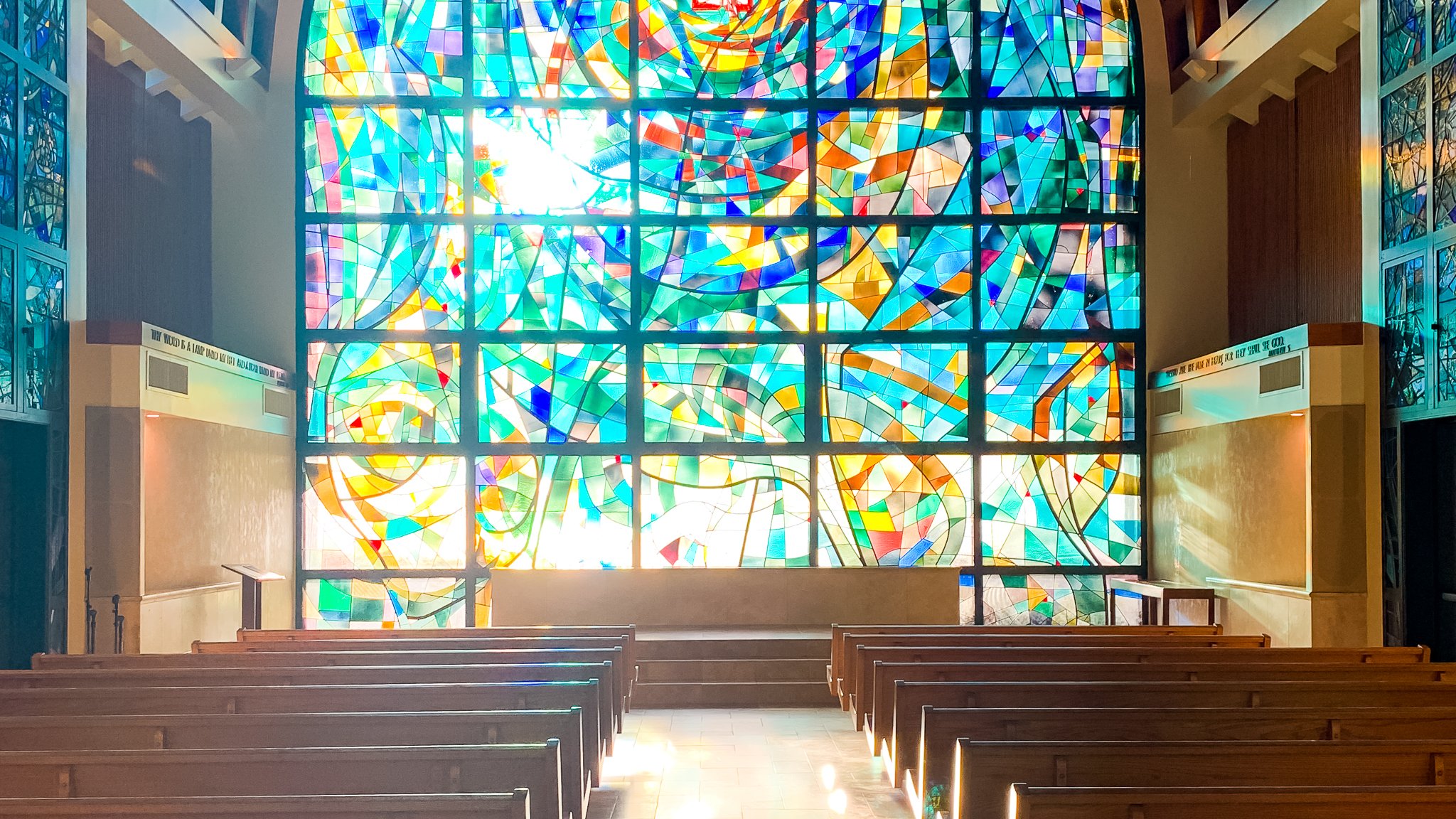
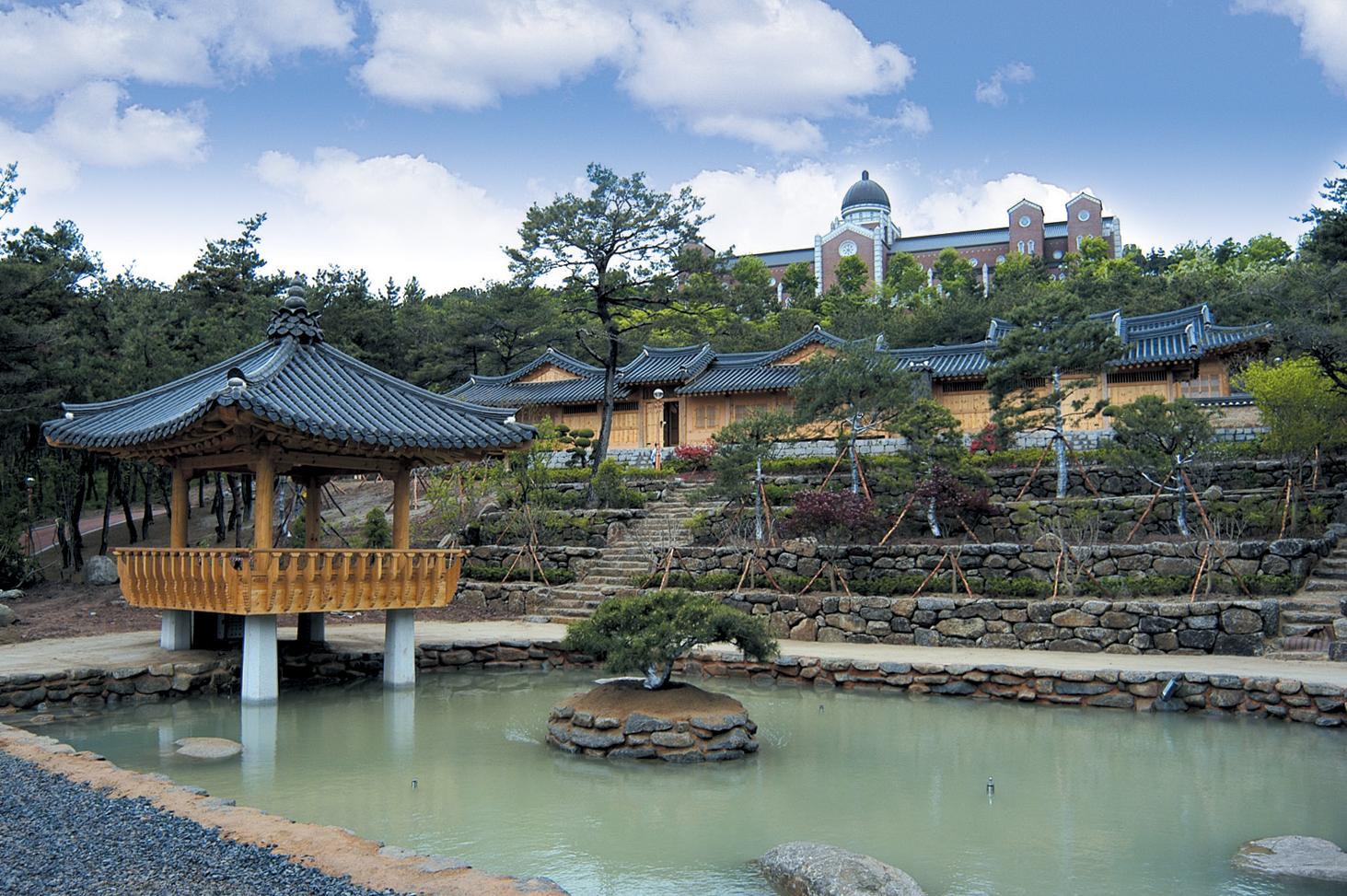
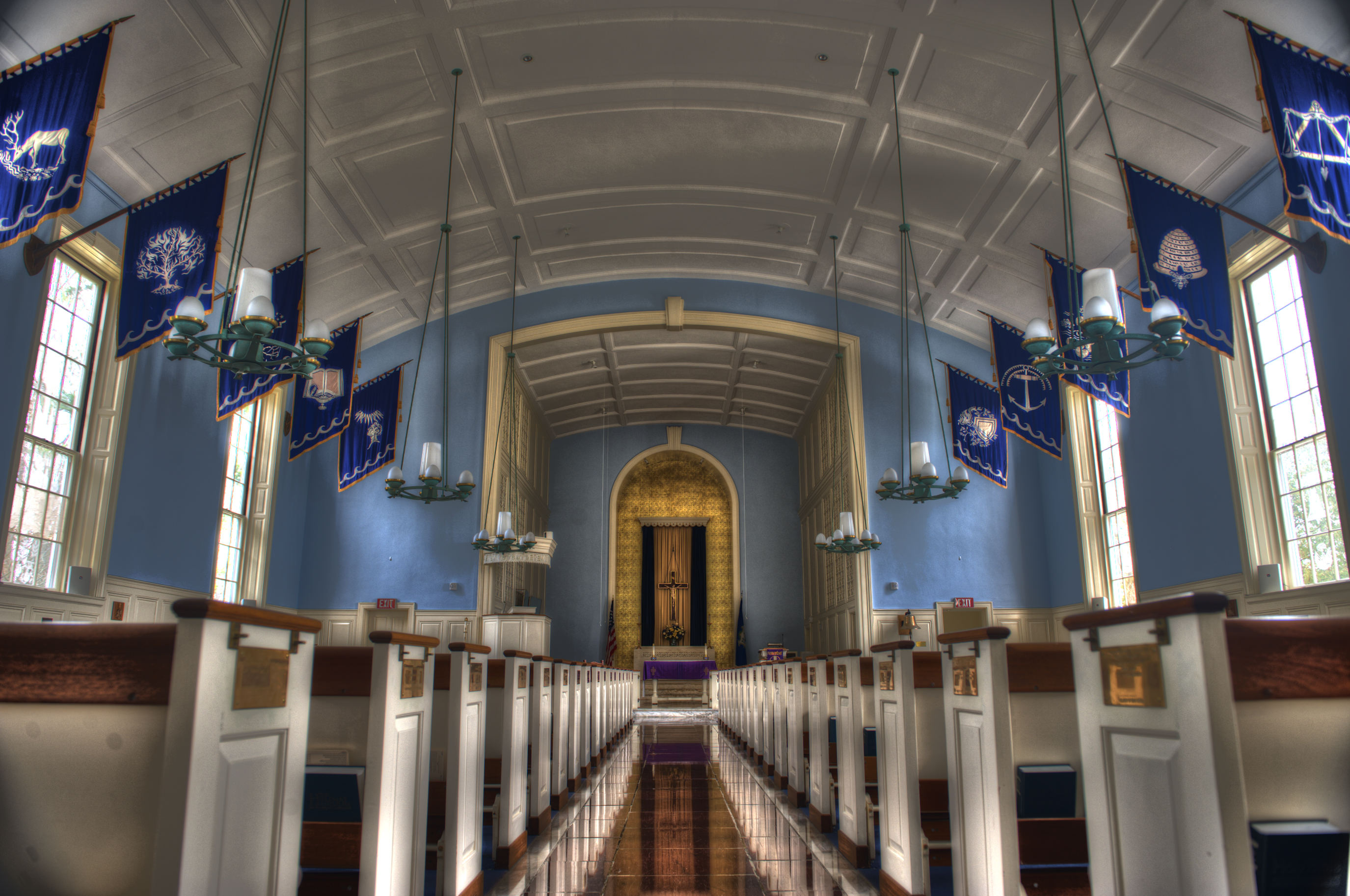
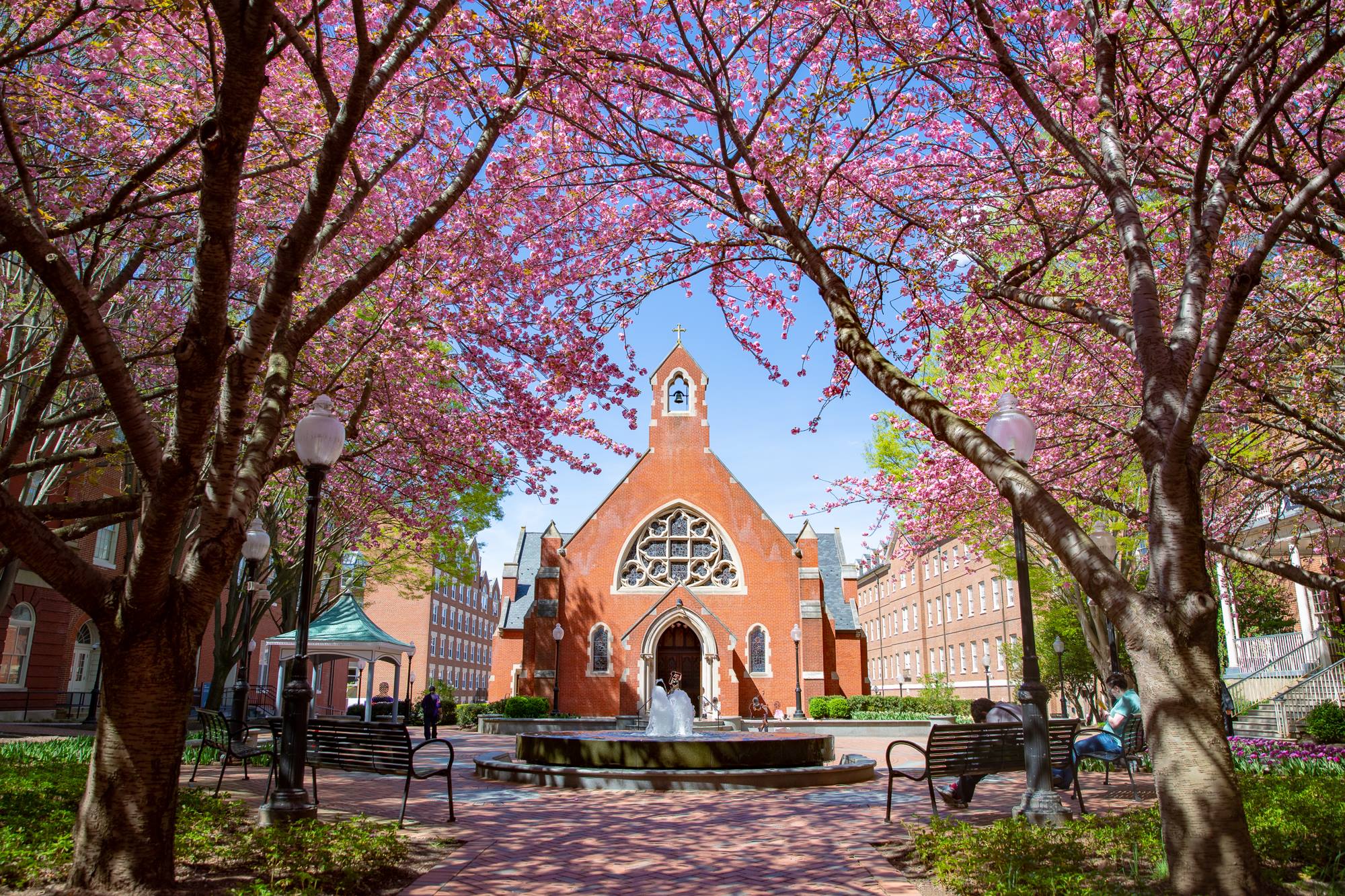
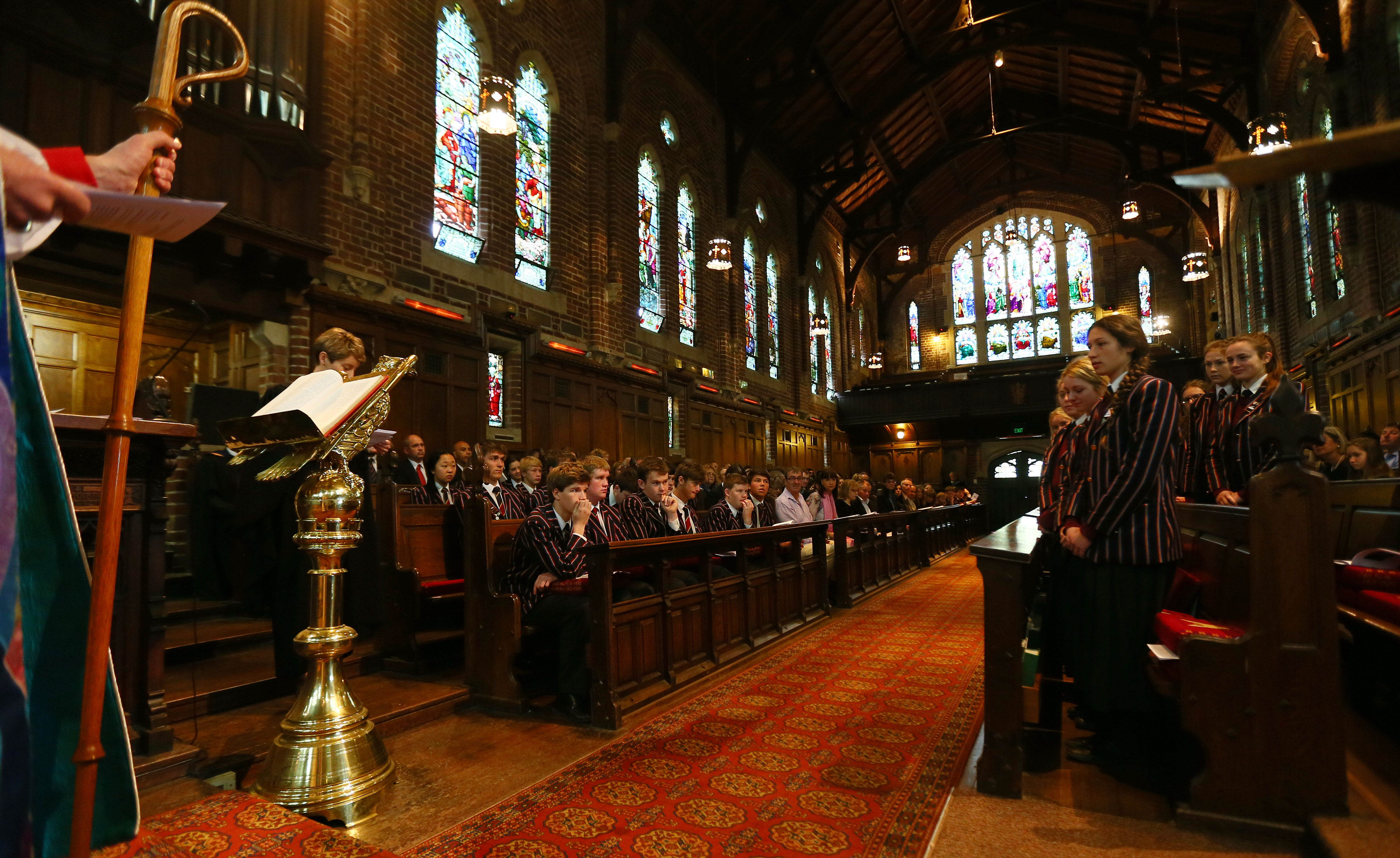
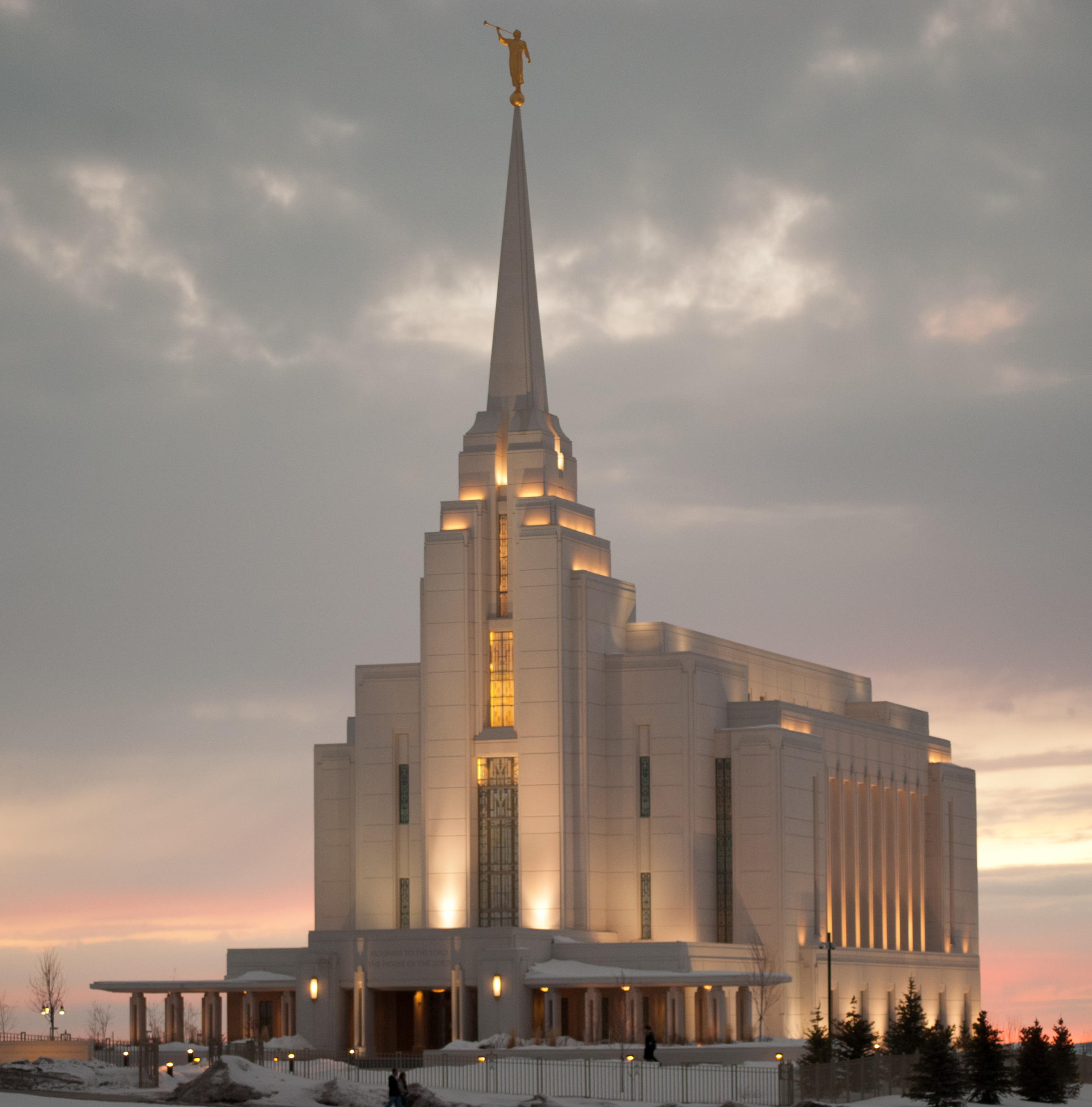
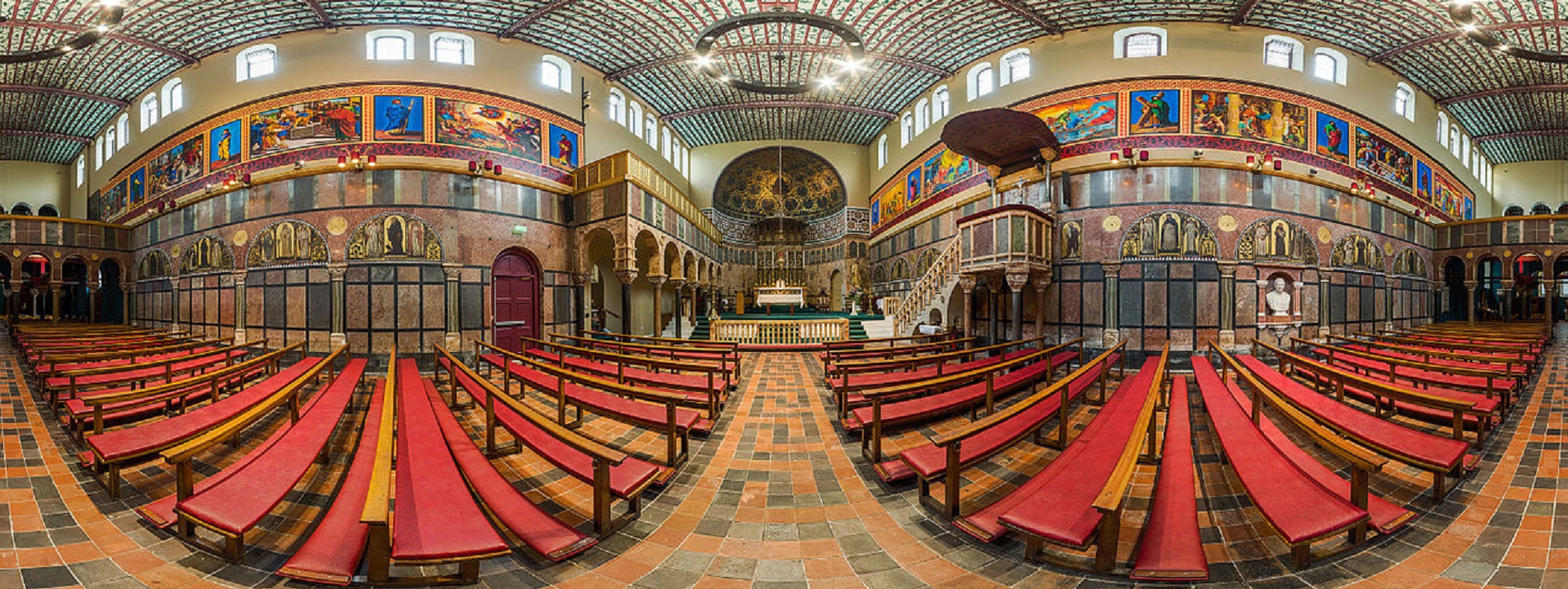
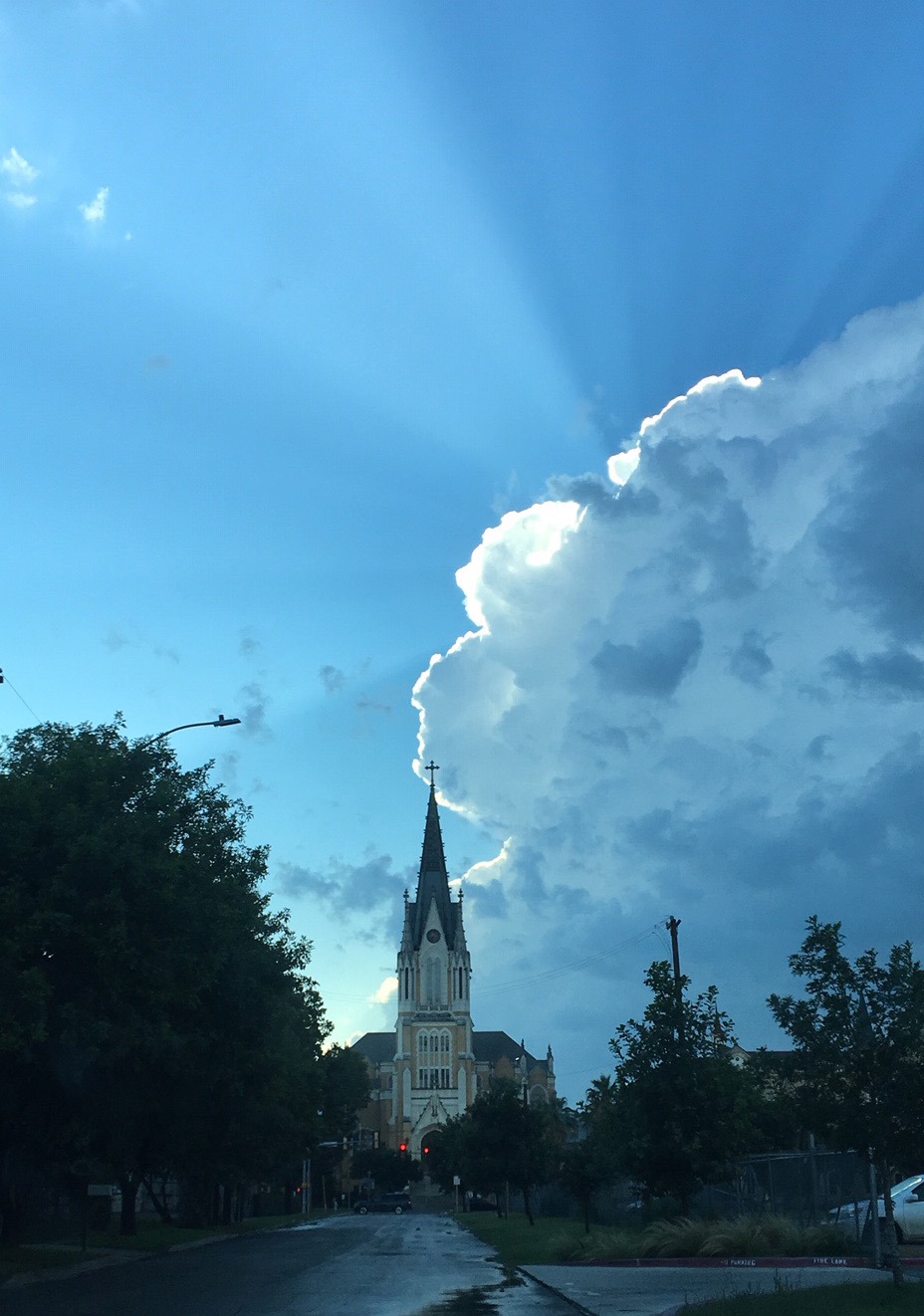
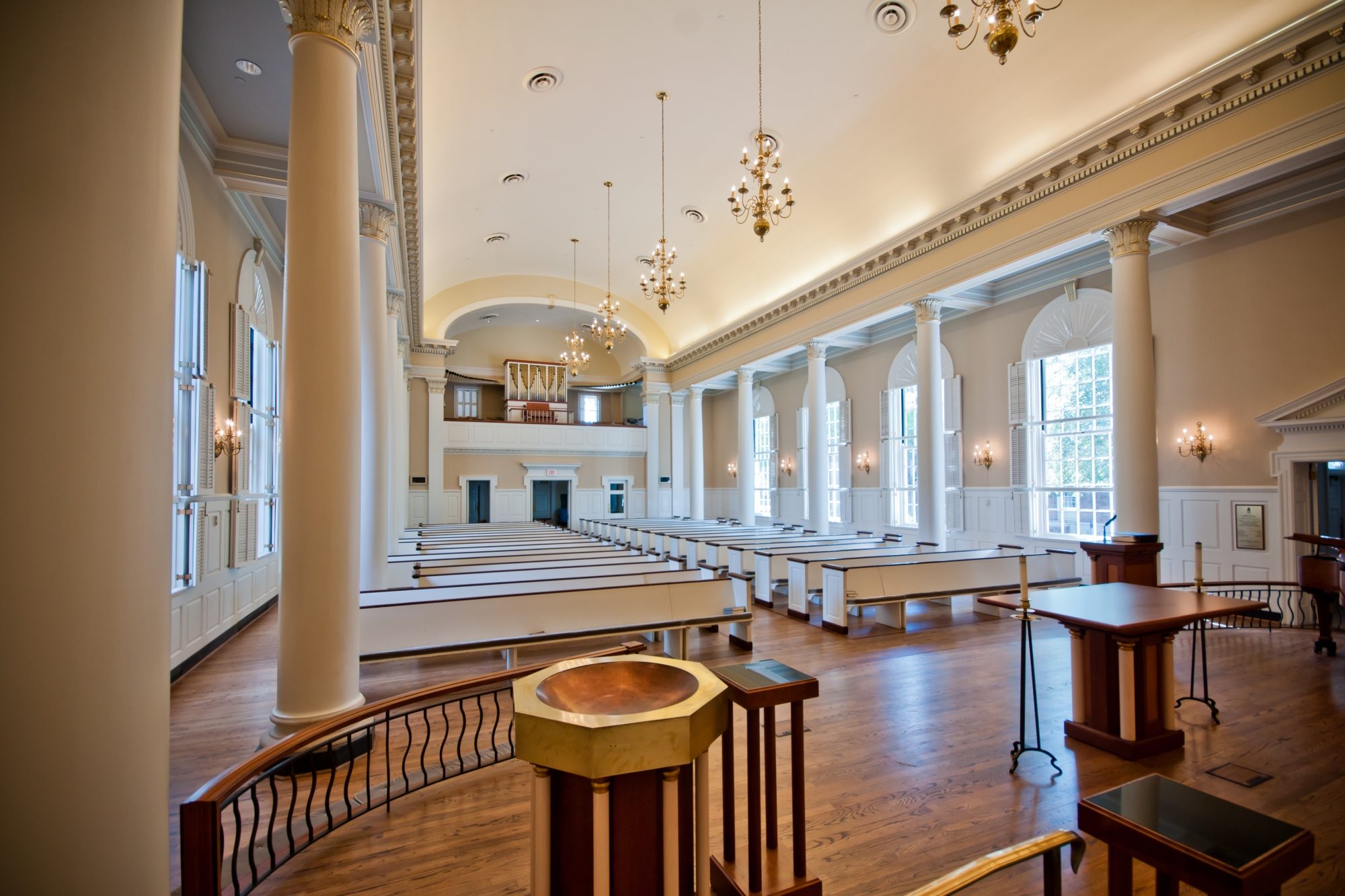
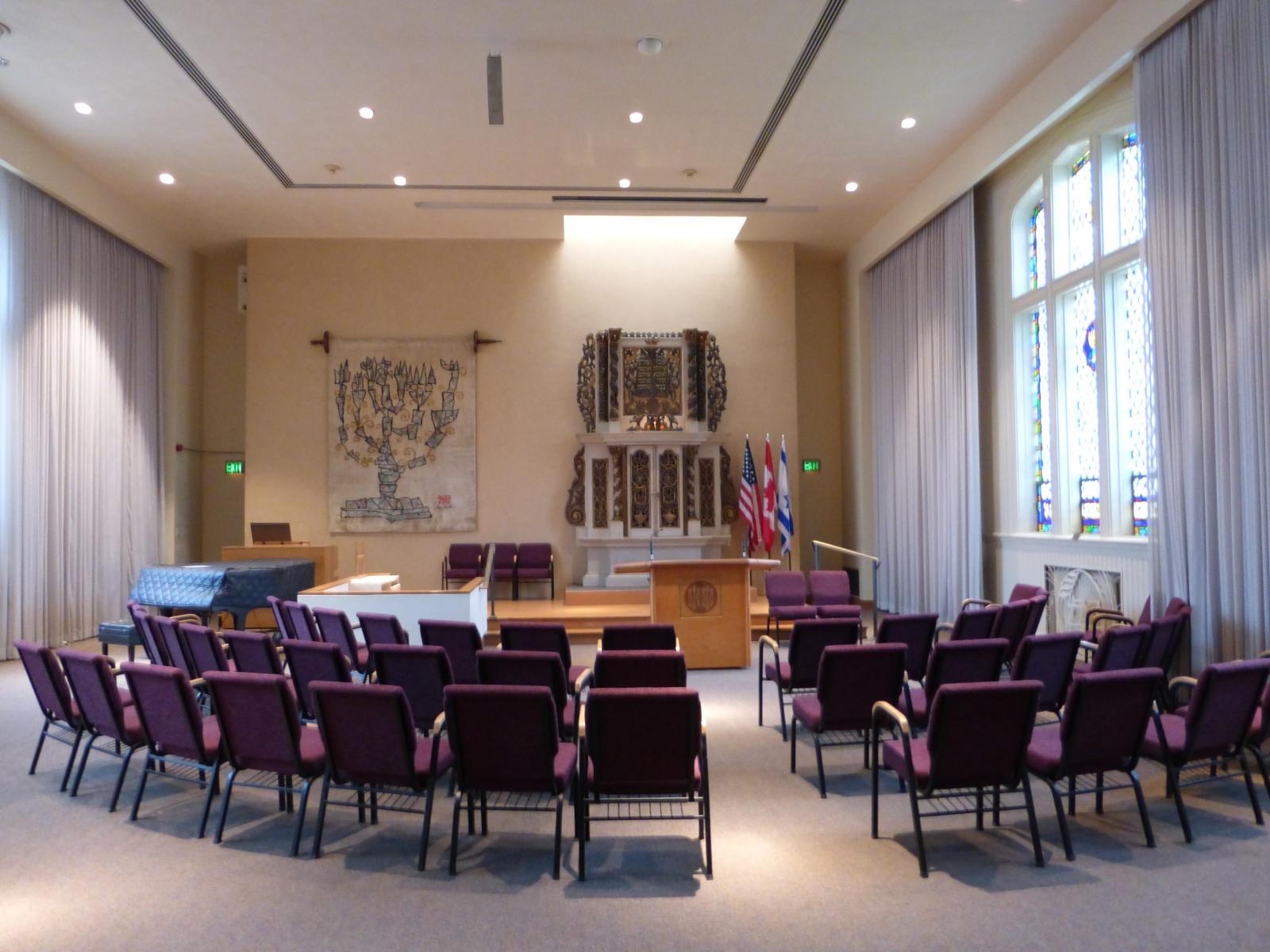
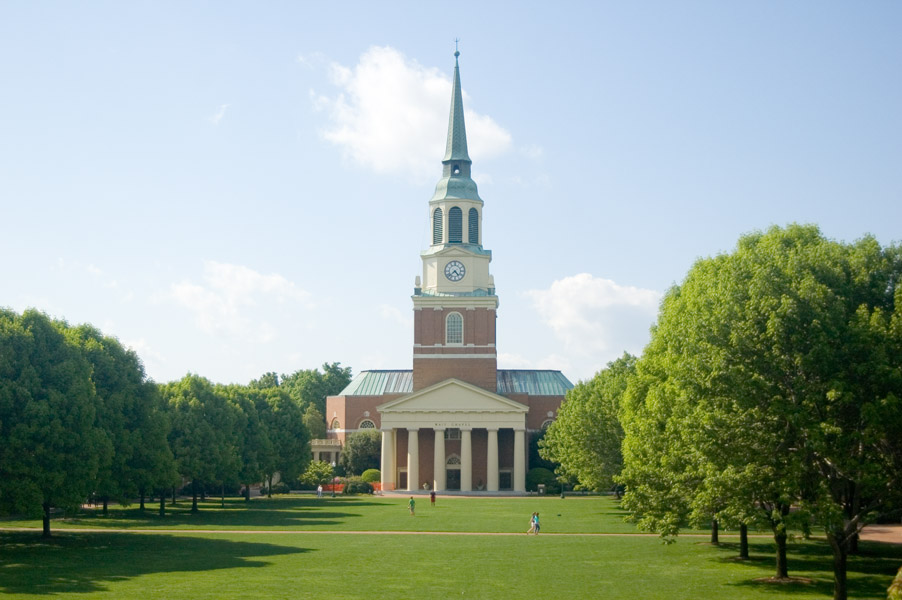
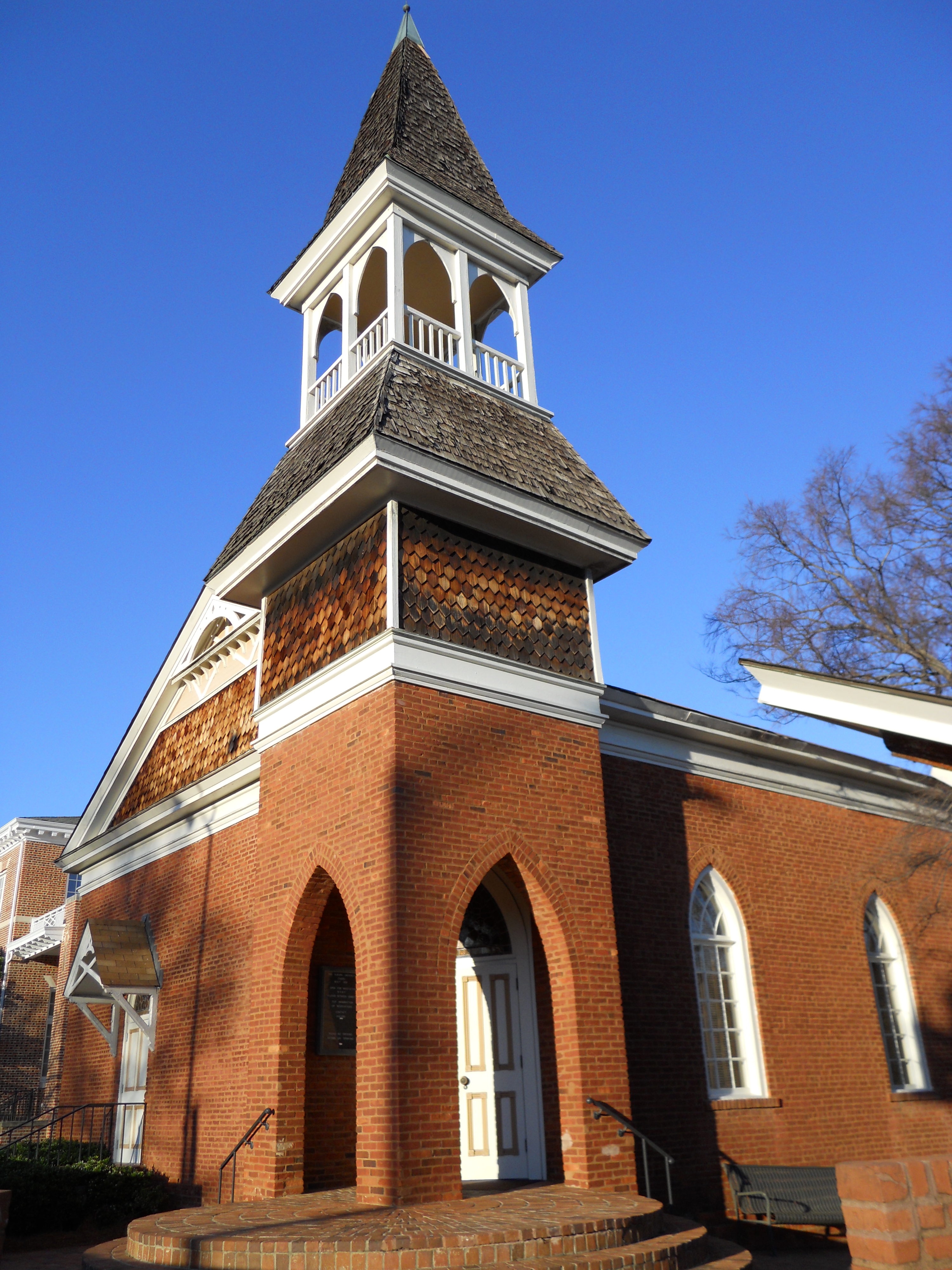
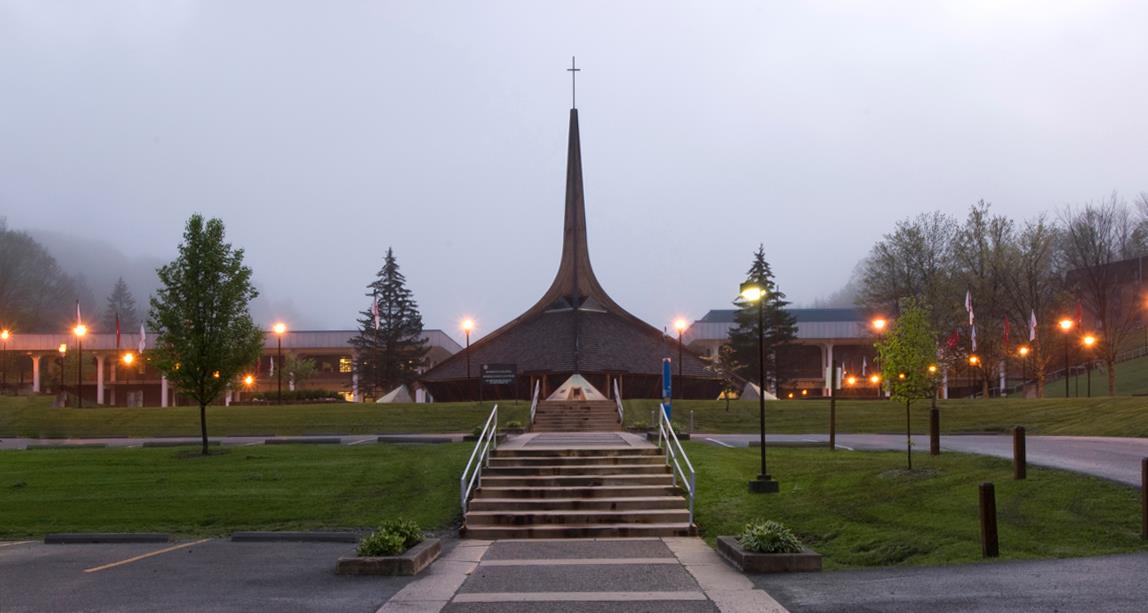
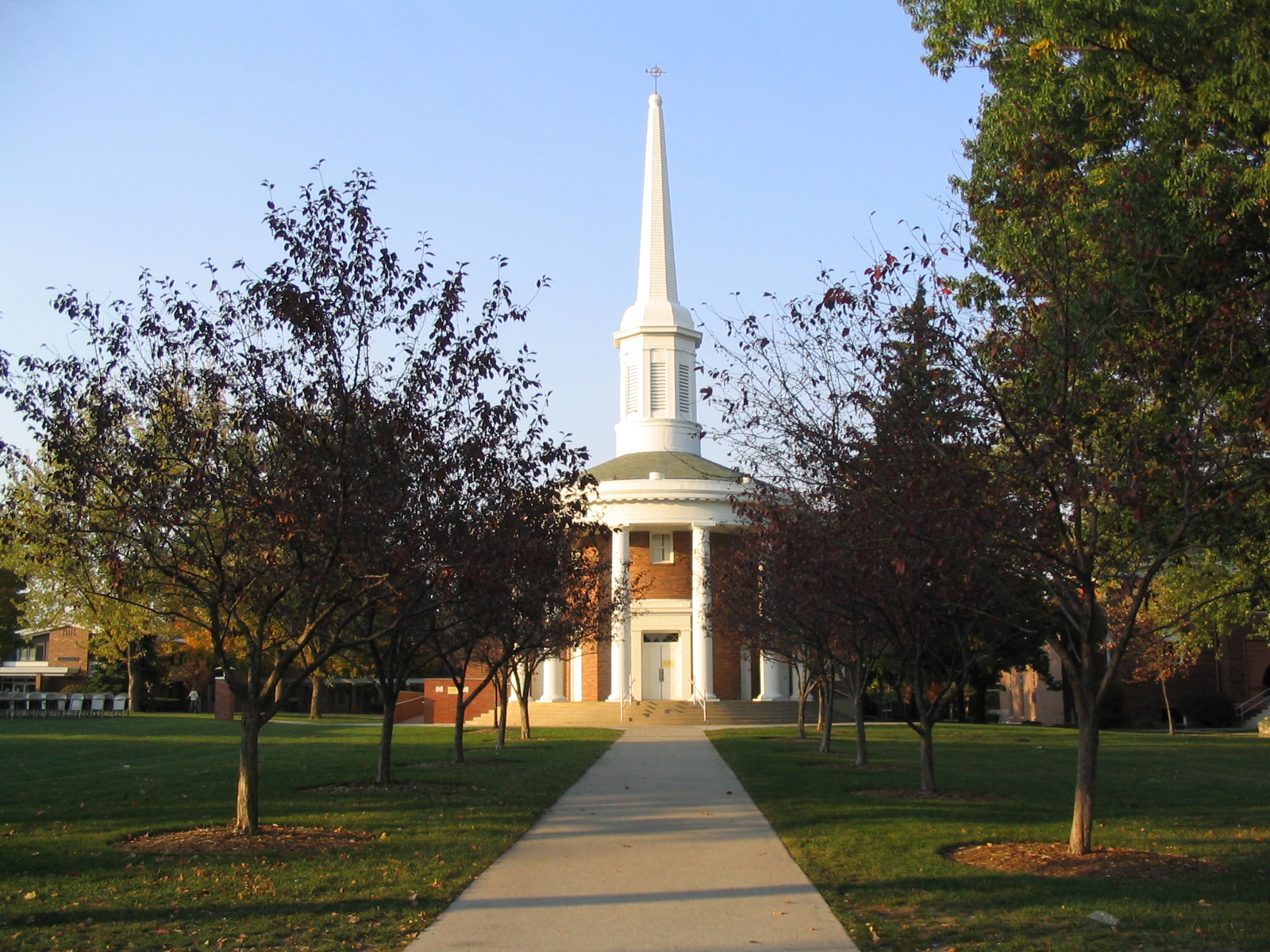
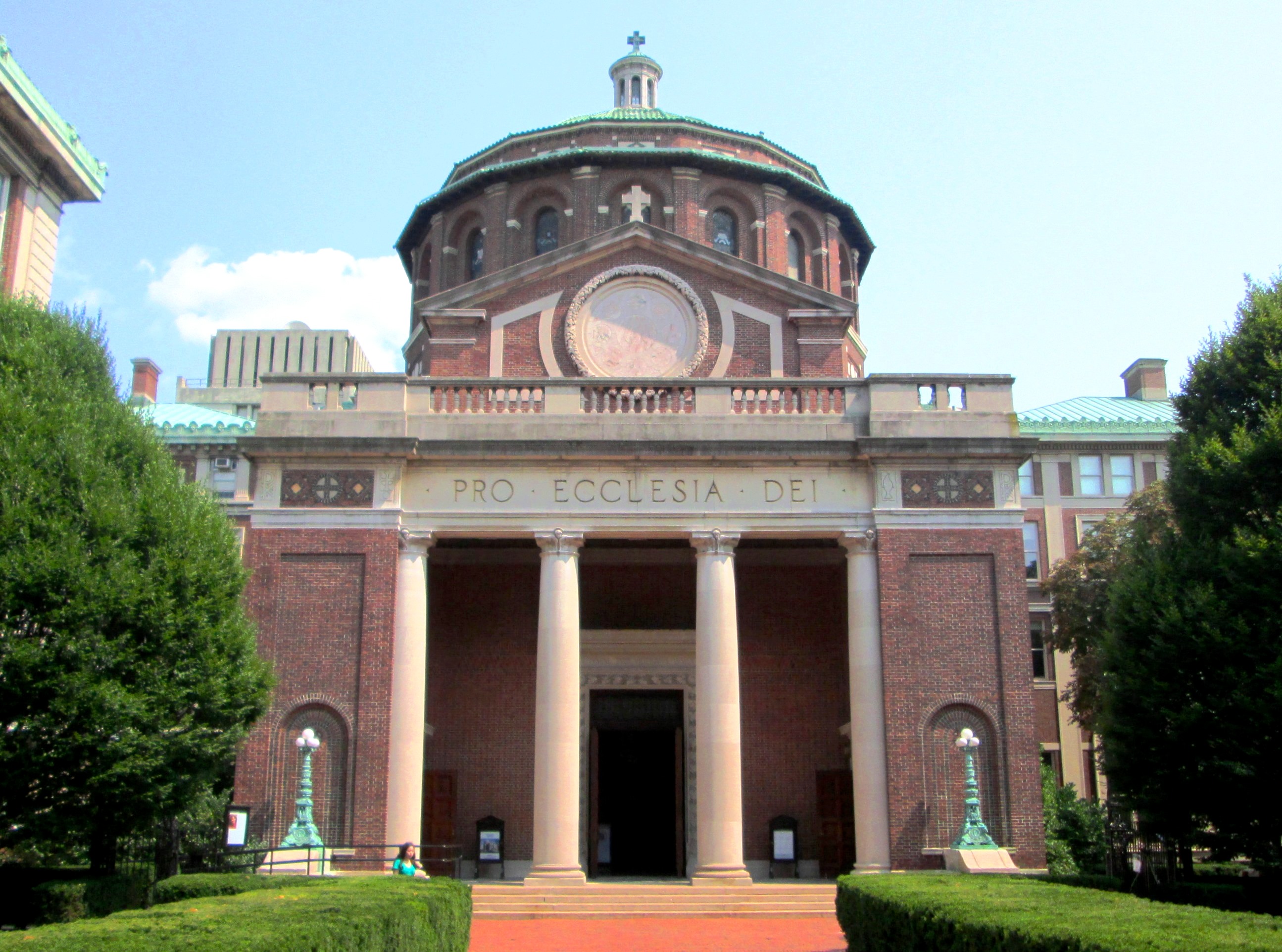
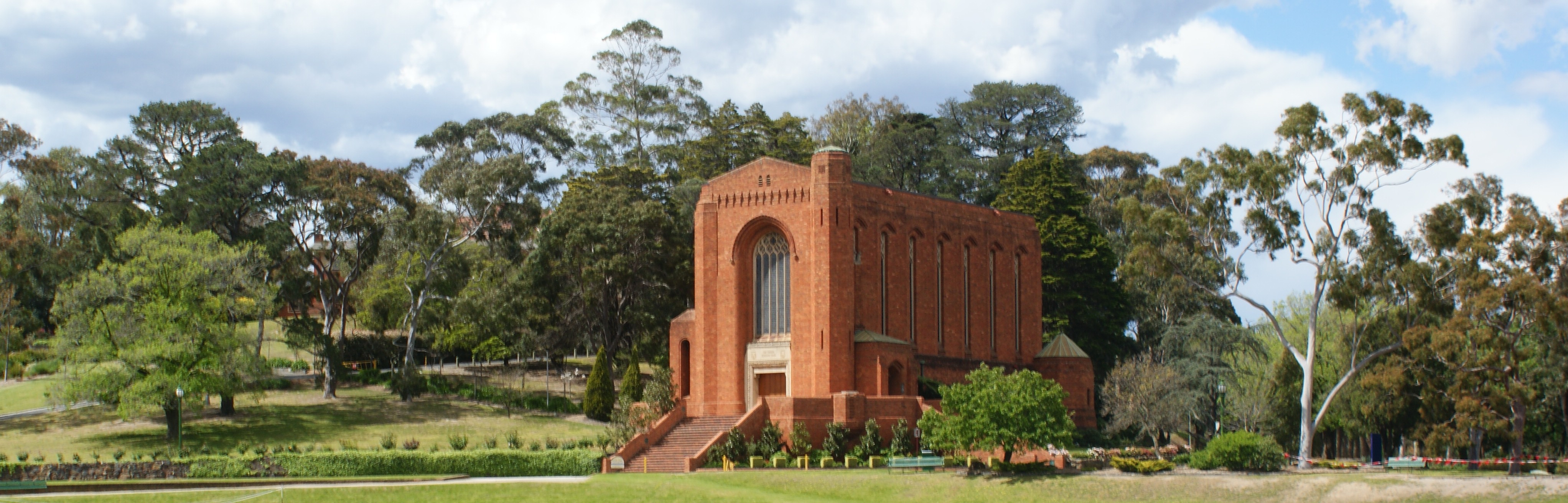
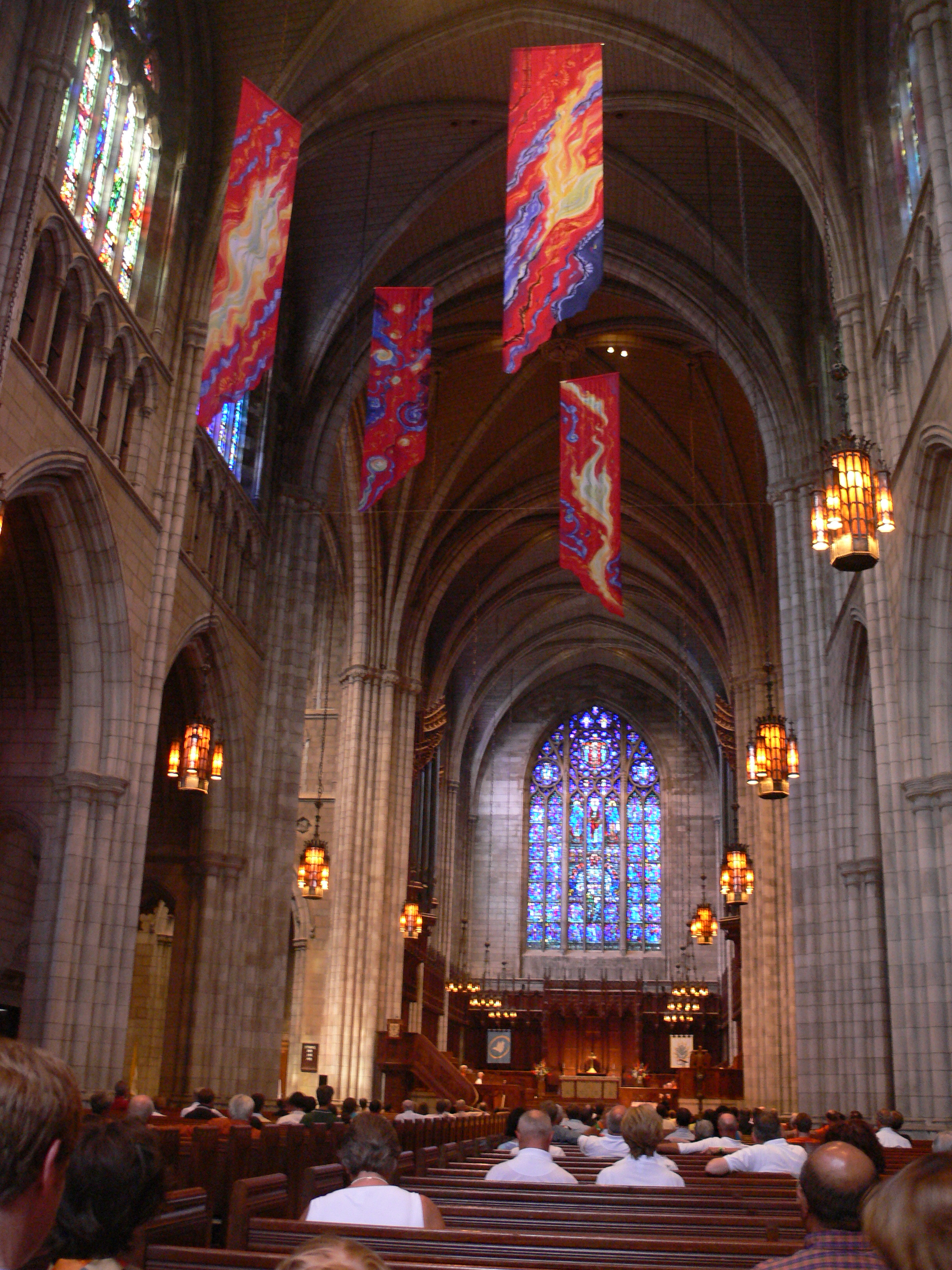
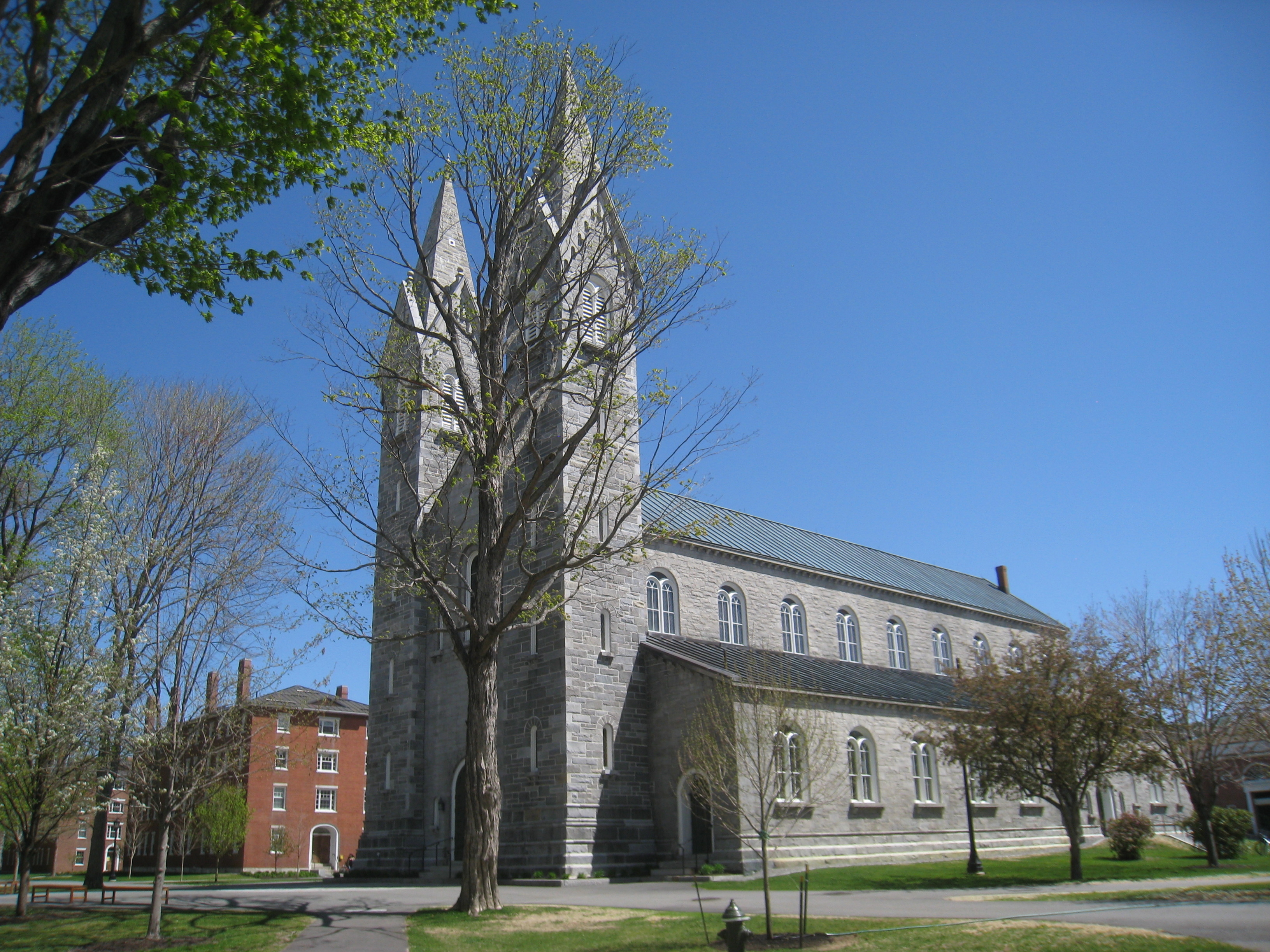
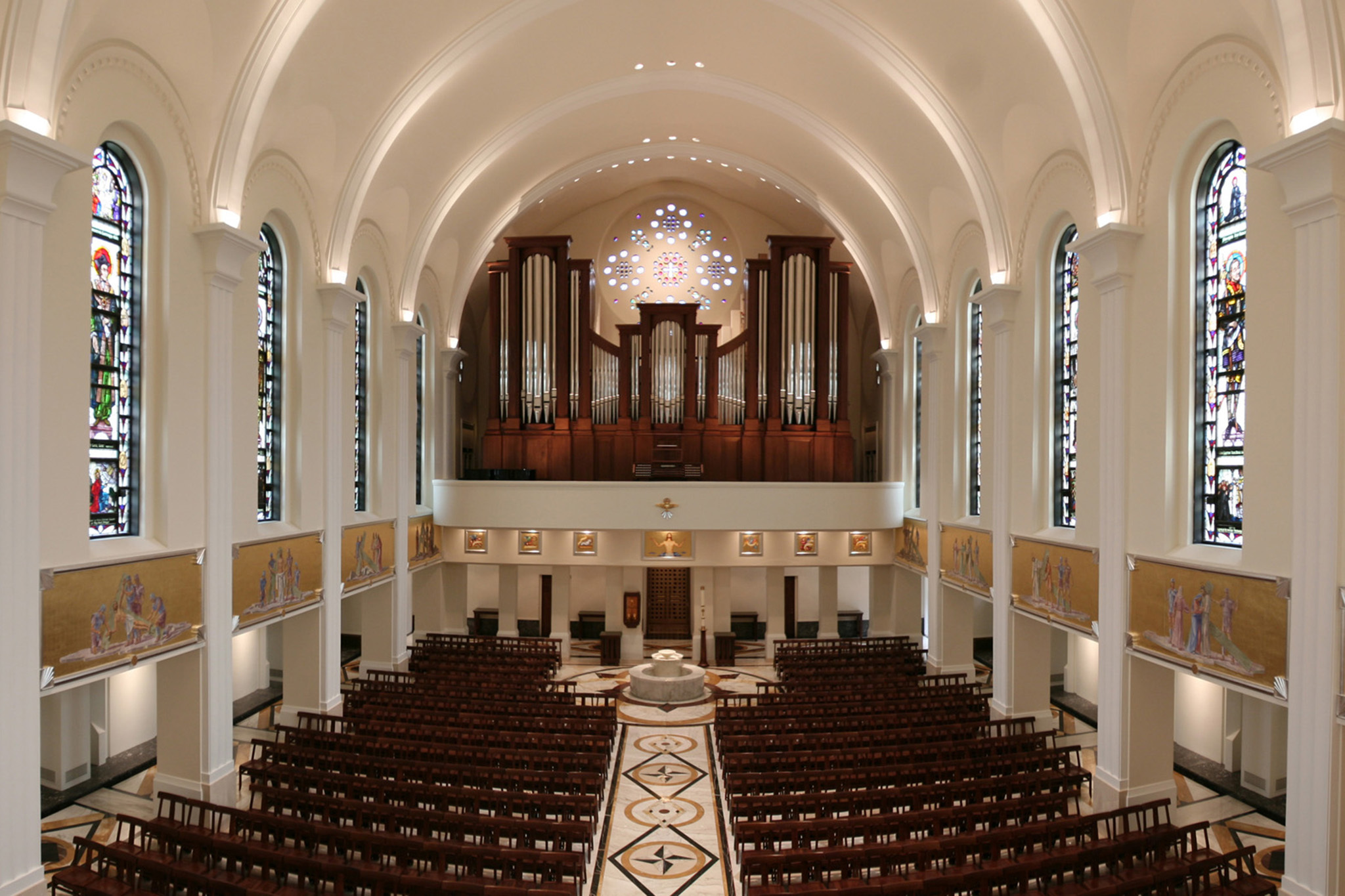
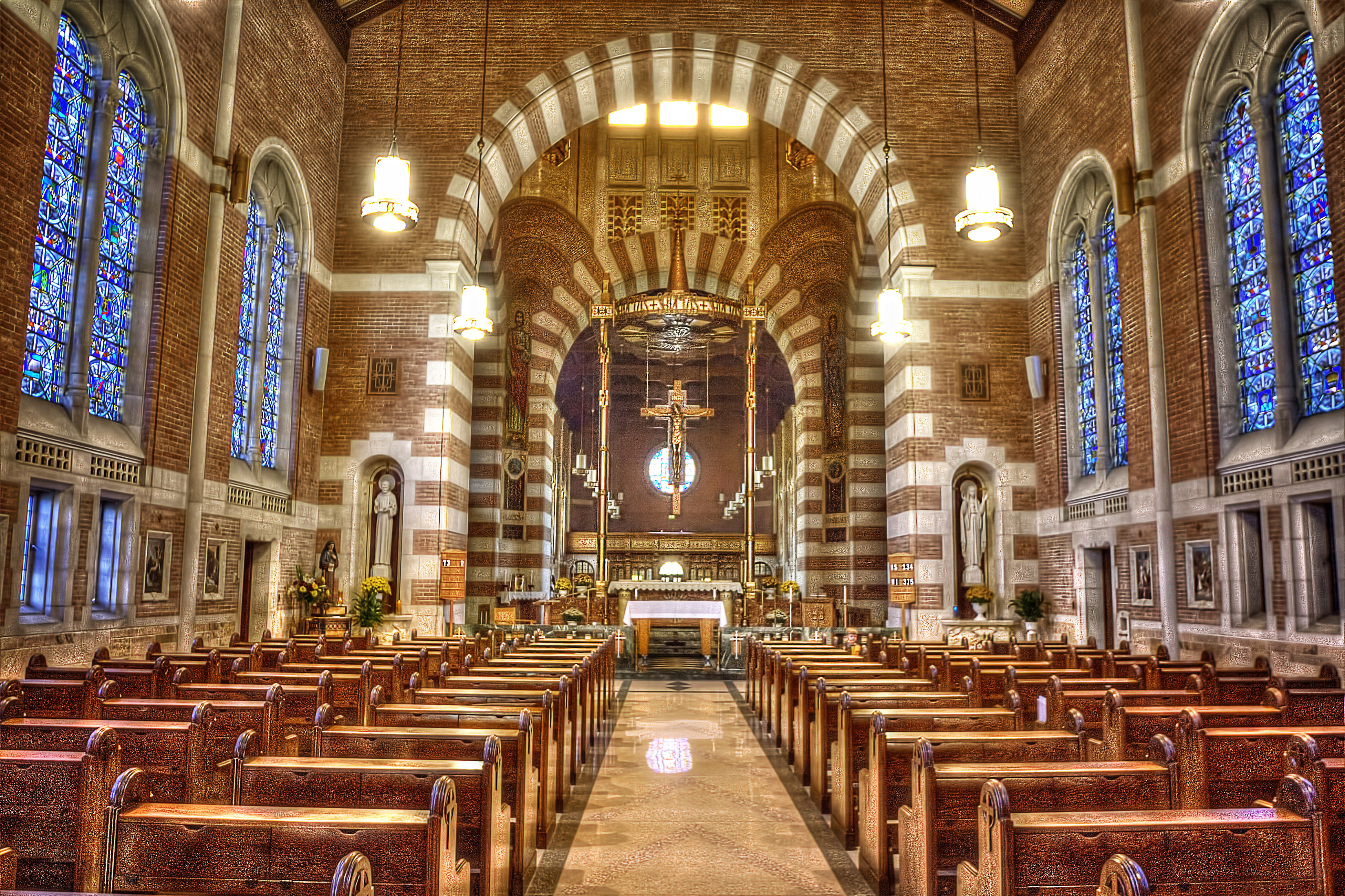
The image criteria of our WordPress theme does not permit many images of college and university chapels to be shown fully-dimensioned on sliders or widget galleries.  We reproduce a few of the outsized images here and leave the complexities of financing, designing, building and maintaining of them in a safe and sustainable manner for another day.  CLICK HERE for the links to our Sacred Space Standards workspace.

Click on any image for author attribution, photo credit or other information*.

Orchard Lake Schools | Oakland County Michigan

Saint Leo University | Pasco County Florida

Newman University Chapel Dublin

I believe in Christianity as I believe that the sun has risen:

not only because I see it, but because by it I see everything else.

— C.S. Lewis

Vilnius University

Mount St. Joseph University | Hamilton County Ohio

Sainte-Chapelle:pic.twitter.com/B2lPLtWEVx

— Culture Critic (@Culture_Crit) February 12, 2024

Marian University Indianapolis

Wittenberg University

Károli Gáspár Református Egyetem

University of San Diego

Augustana University | Minnehaha County South Dakota

Bucknell University Pennsylvania

Carroll College All Saints Chapel Montana


Marquette University Wisconsin

Saint Louis University Missouri

University of St. Thomas Minnesota

Keuka College New York

جامعة الأزهر (الشريف)

Università Cattolica del Sacro Cuore

University of Chicago

Thomas Aquinas College California

St. Albans School | District of Columbia

Princeton University

Yale University

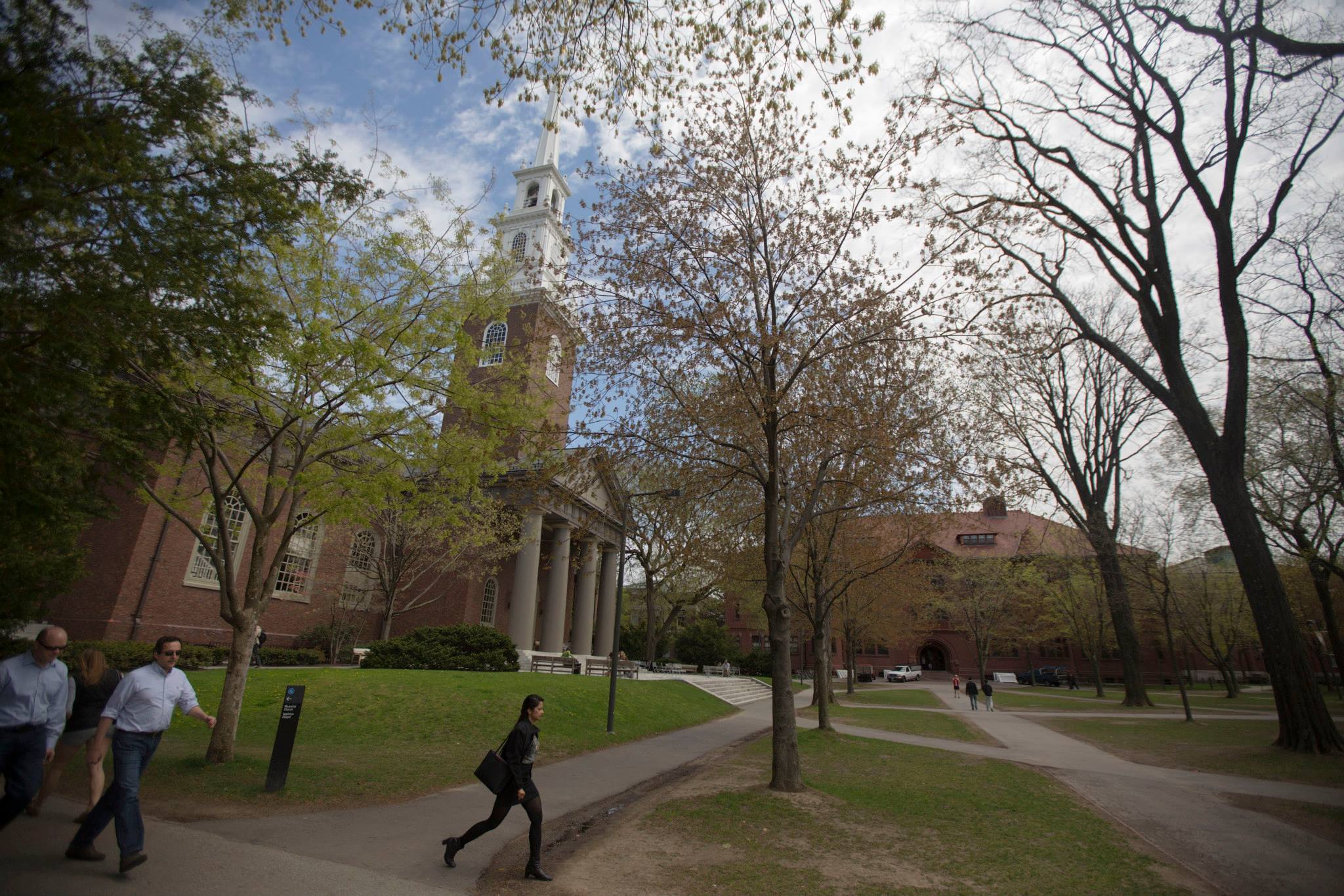
Harvard University

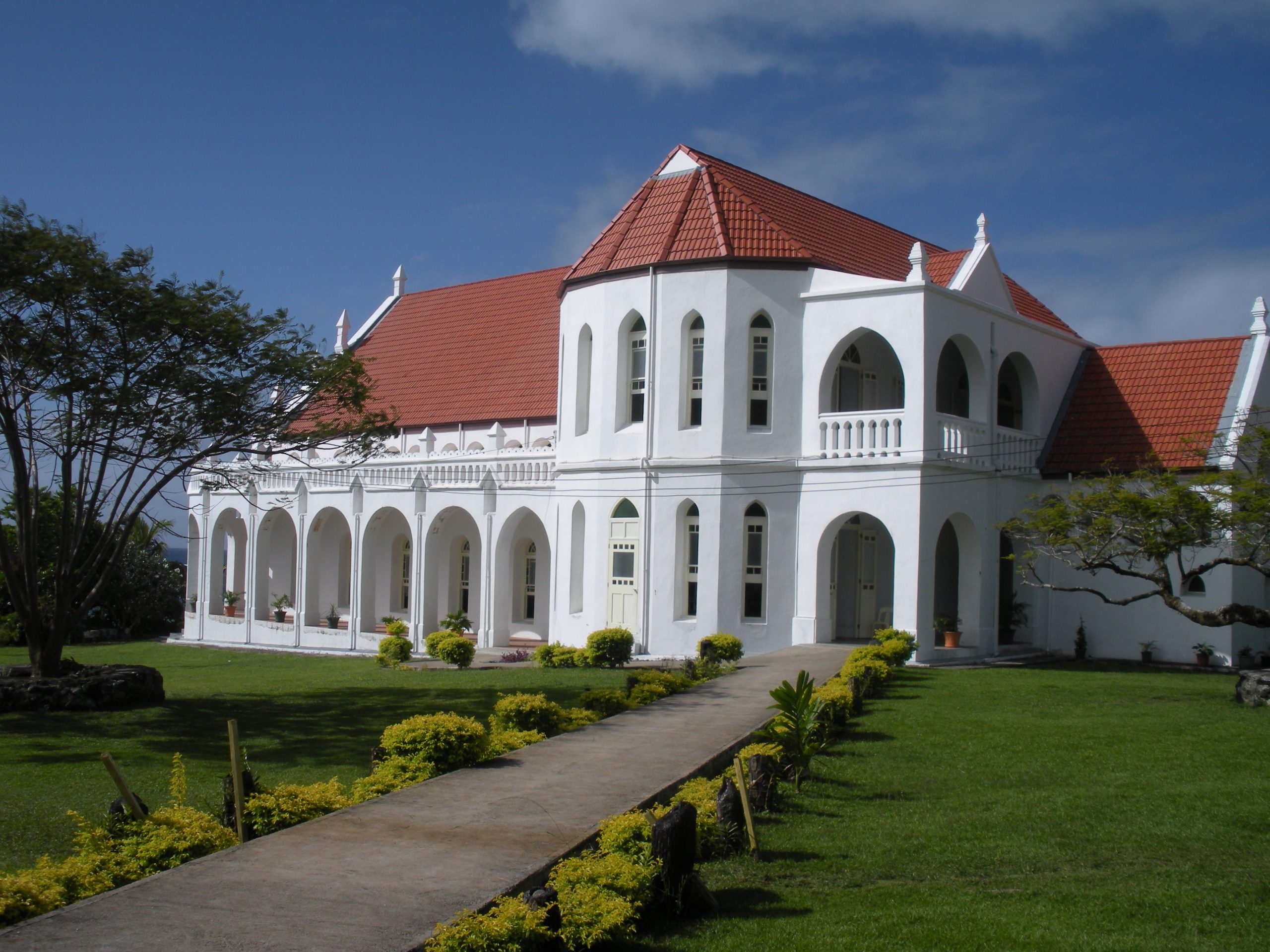
Piula Theological College Samoa

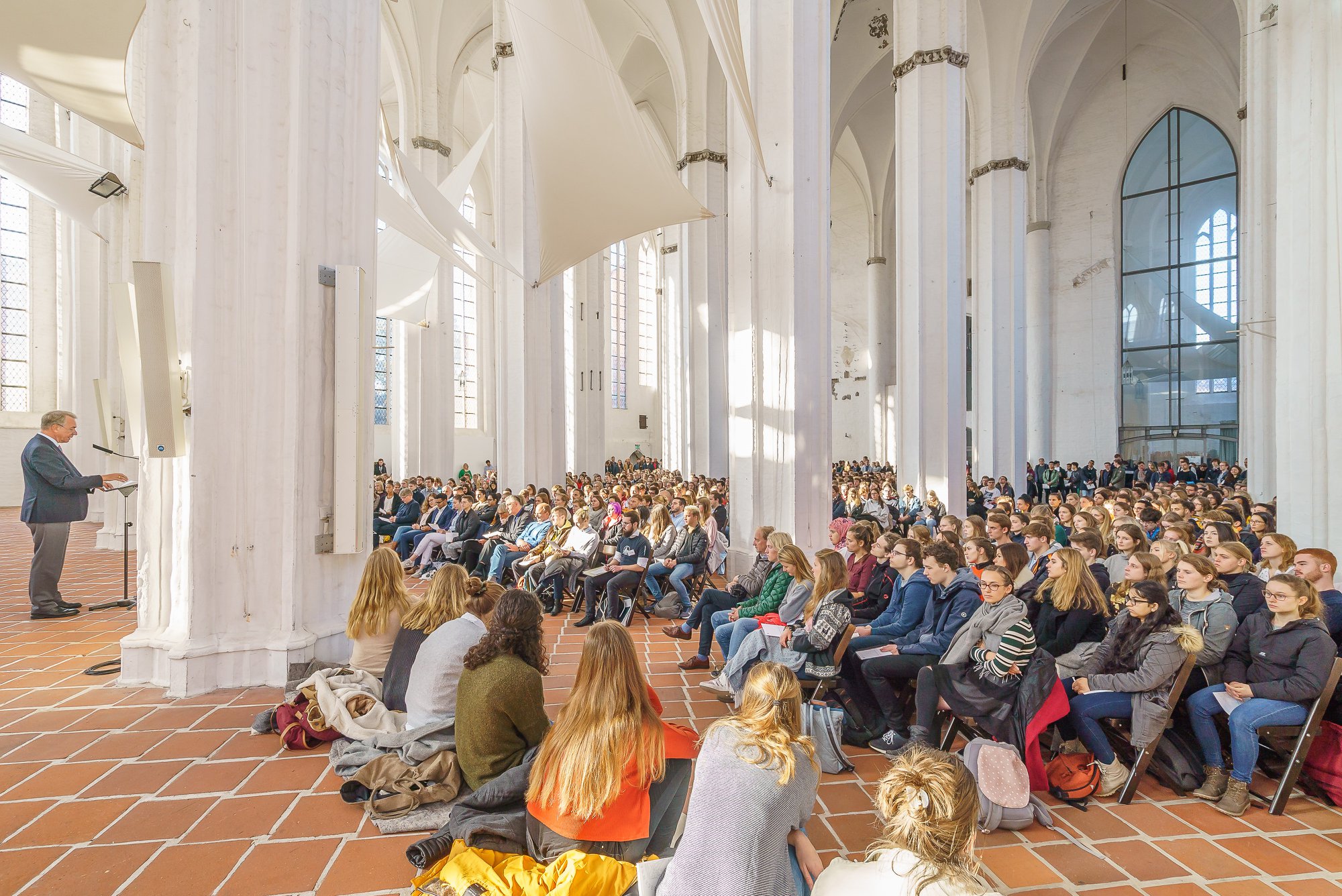
Universität zu Lübeck

Wycliffe College

Universitat de Barcelona

Hillsdale College

Liberty University

Gordon College


Colorado University Denver

Walla Walla University / Washington

University of the Incarnate Word / San Antonio, Texas

Pepperdine University / California

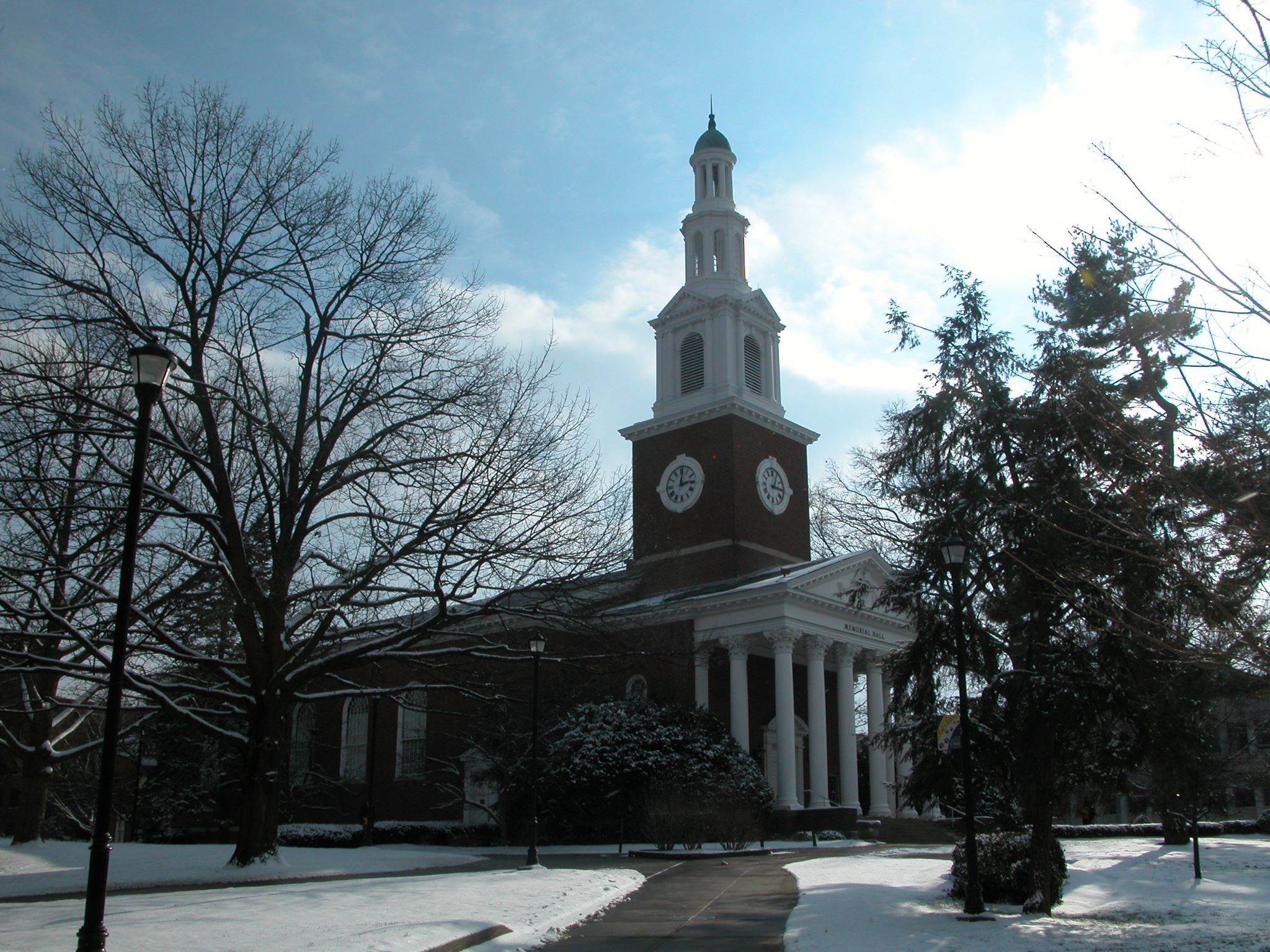
University of Kentucky

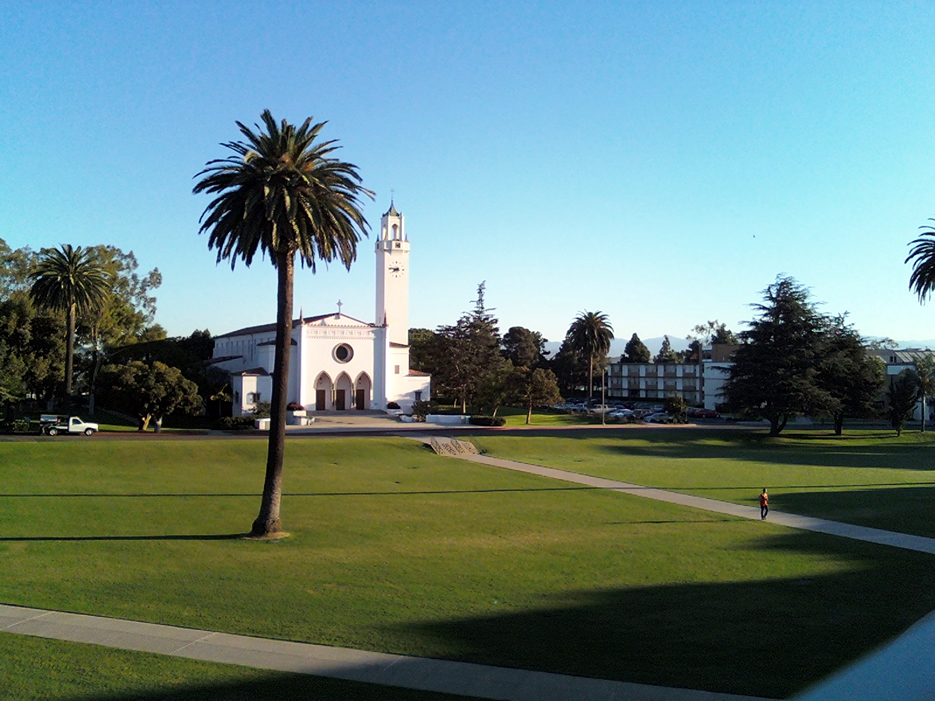
Loyola Marymount University / Los Angeles, California

Lourdes University

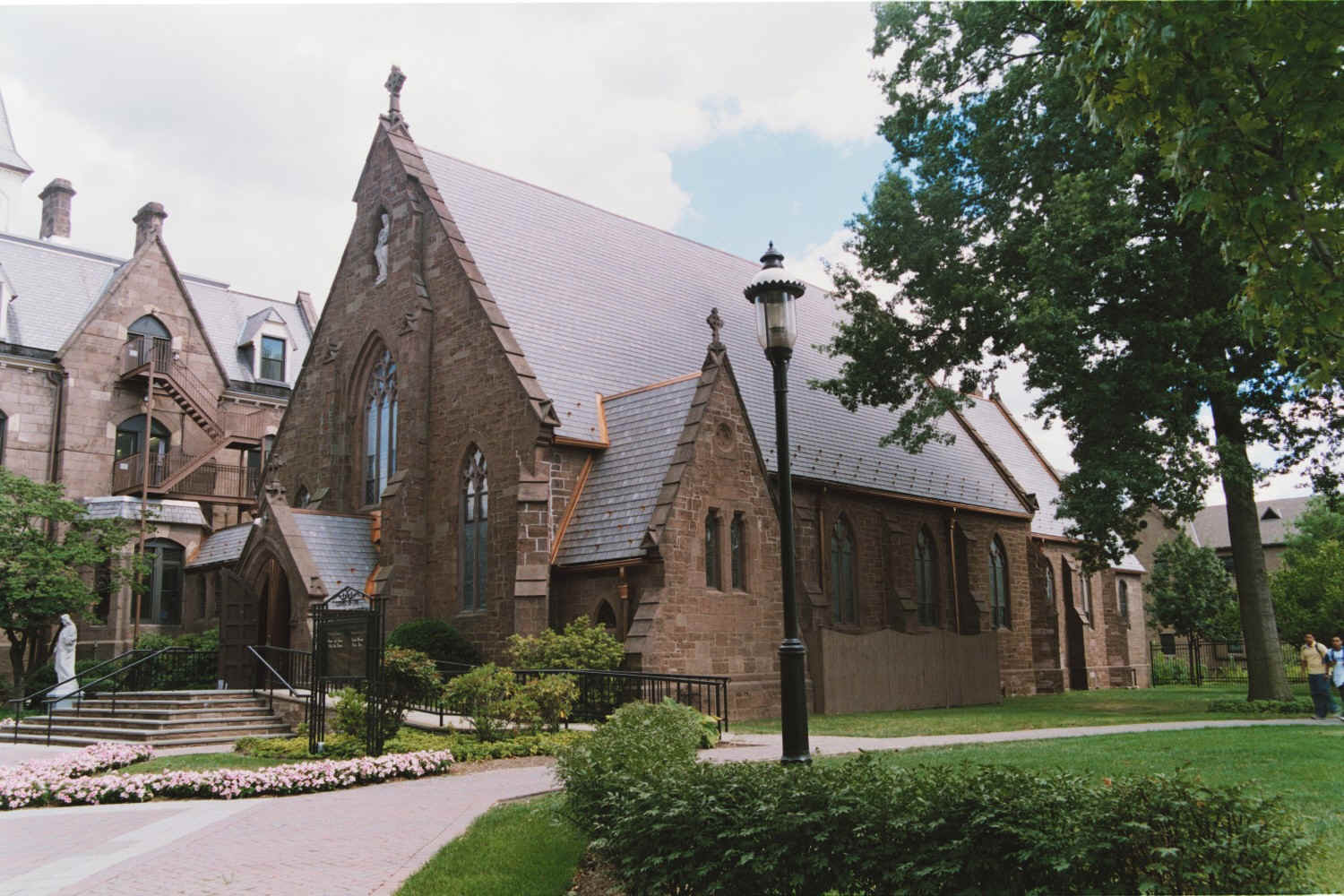
Seton Hall University

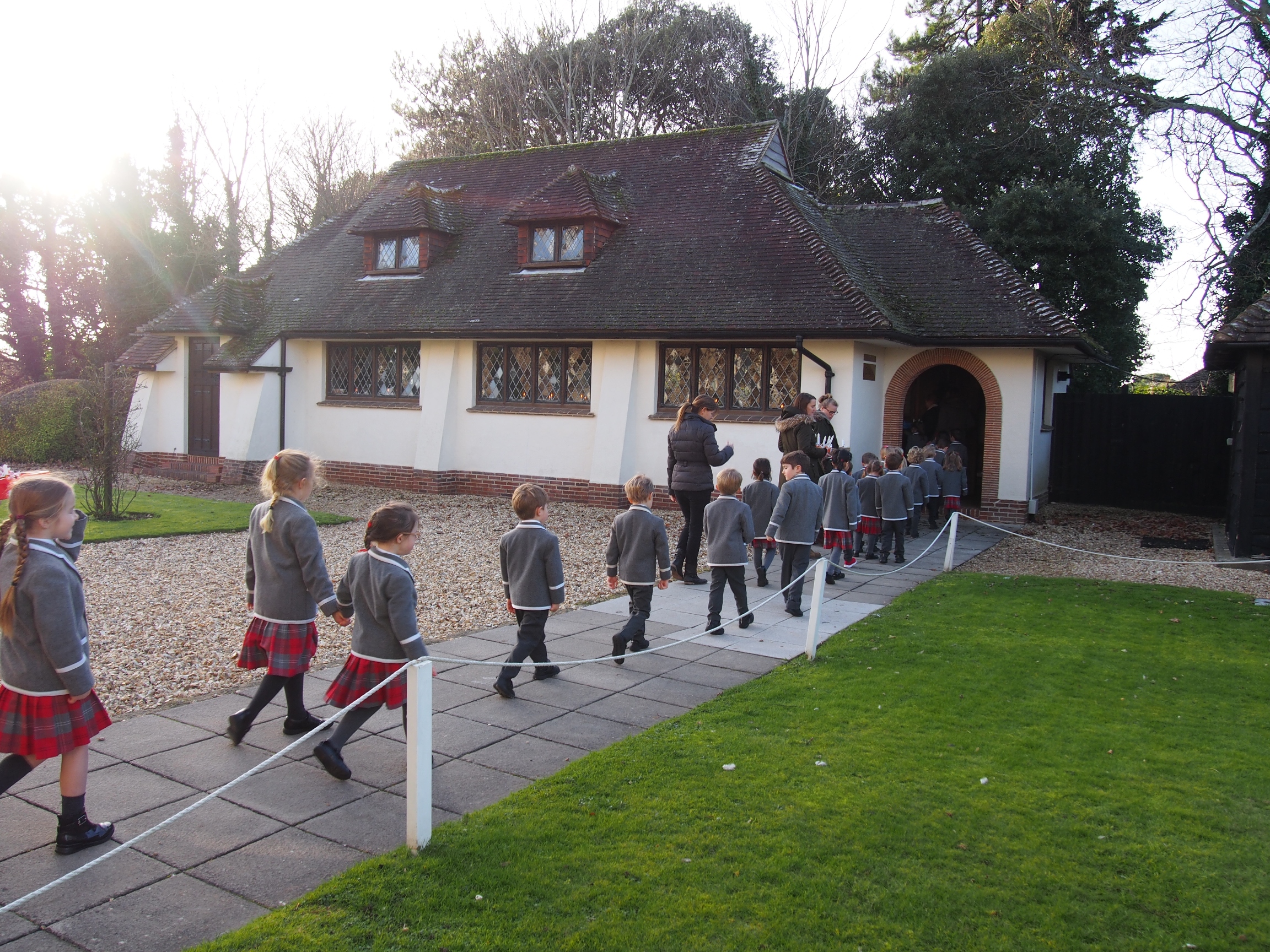
Durlston Court Prep School Chapel

Colorado University Denver

Luther College at the University of Regina / Saskatchewan, Canada


계명대학교 / Keimyung University Chapel, South Korea

U.S. Coast Guard Memorial Chapel | New London, Connecticut

Saint John’s University | Photo by Paul Middlestaedt

Trinity College / Hartford, Connecticut

Georgetown University Chapel | Washington, D.C.

Kings College Chapel | Auckland, New Zealand

Brigham Young University / Idaho

Newman University Church / Dublin

Our Lady of the Lake University / San Antonio, Texas

Southern Methodist University | Dallas, Texas

Southern Methodist University | Dallas, Texas

St. John’s College Oxford

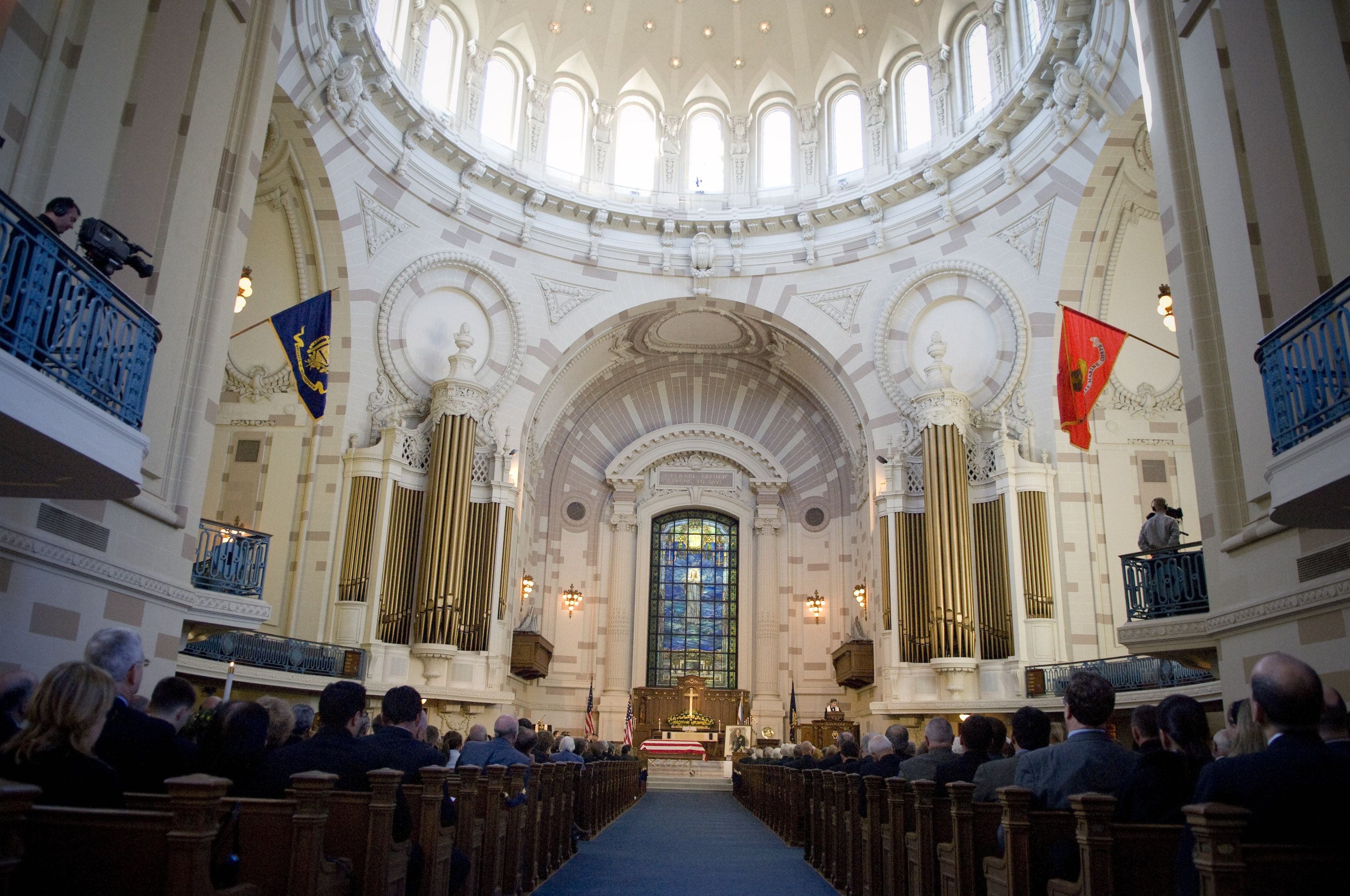
United States Naval Academy Chapel

Wellington College Chapel

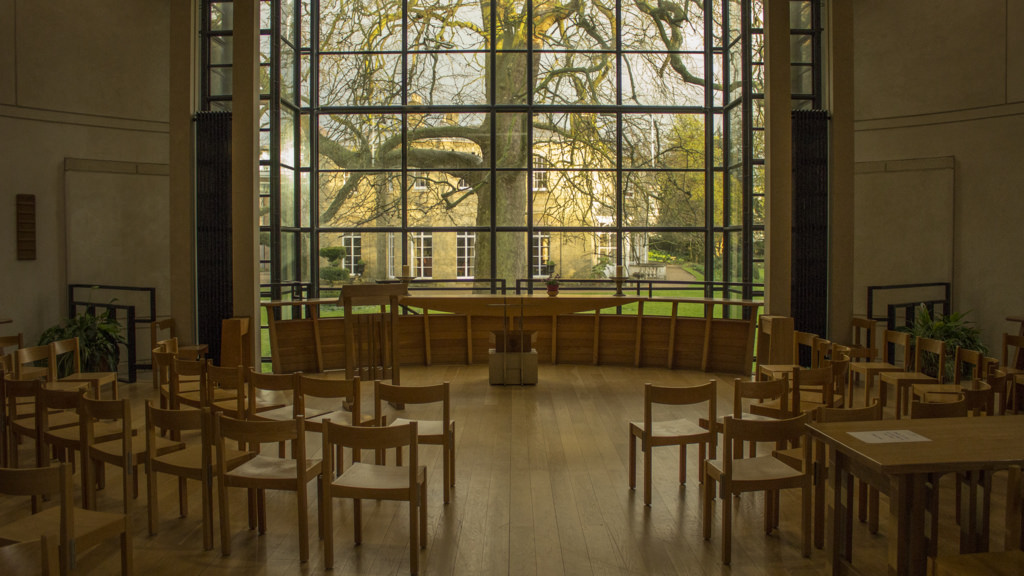
Fitzwilliam College Chapel Cambridge

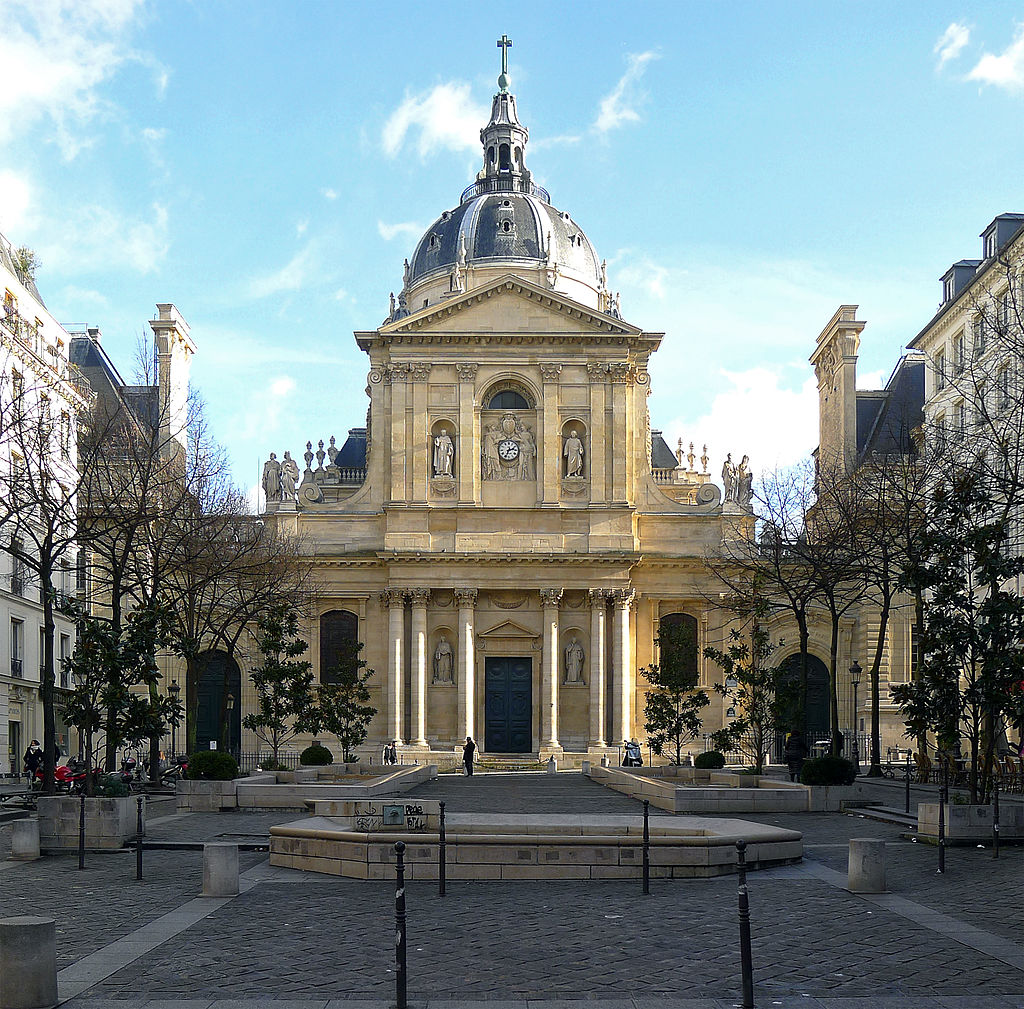
Sorbonne Université

West Point | US Army Cadet Chapel

Hebrew Union College

Tuskegee University Chapel

The Spring Hill College Chapel | Mobile, Alabama

Boston University

University of Tennessee at Chattangooga

Wake Forest University

Auburn University Chapel

Davis & Elkins College

University of Tulsa

Randolph College Chapel


Sewanee | The University of the South

King’s College Chapel | University of Cambridge

Hope College | Holland, Michigan

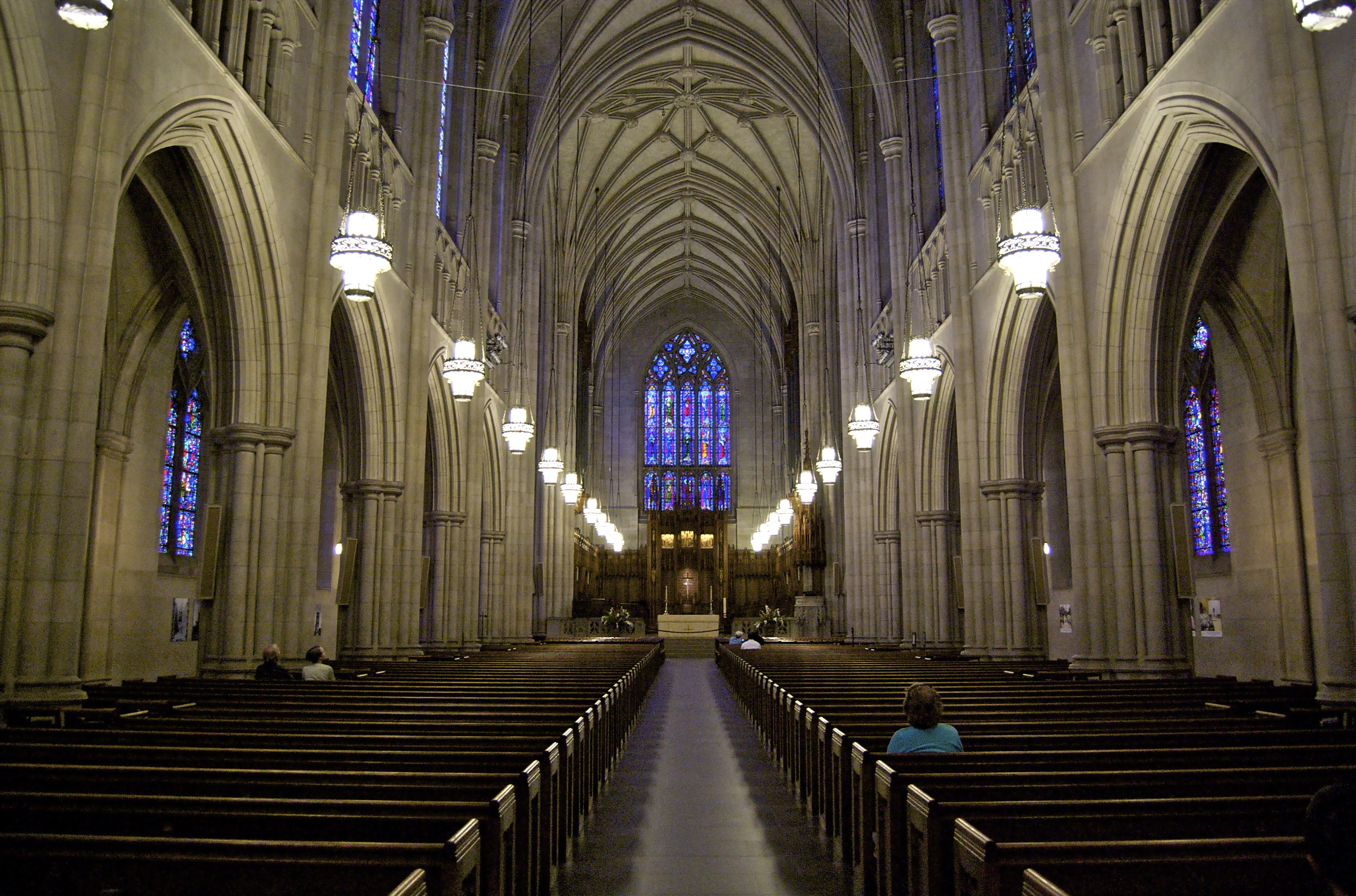
Duke University | Durham, North Carolina

Christ’s Chapel | Hillsdale College, Michigan

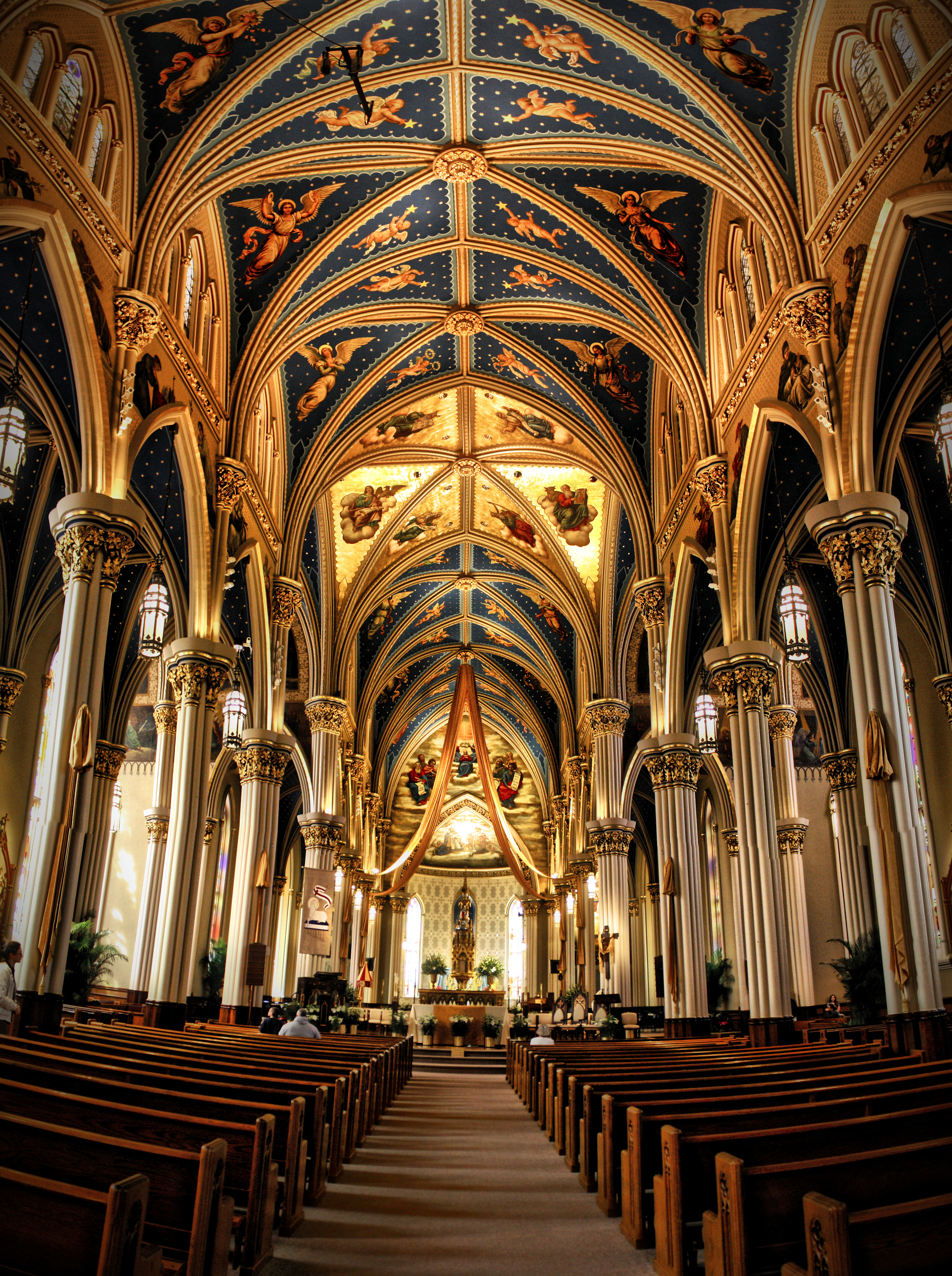
Basilica of the Sacred Heart | University of Notre Dame | South Bend, Indiana

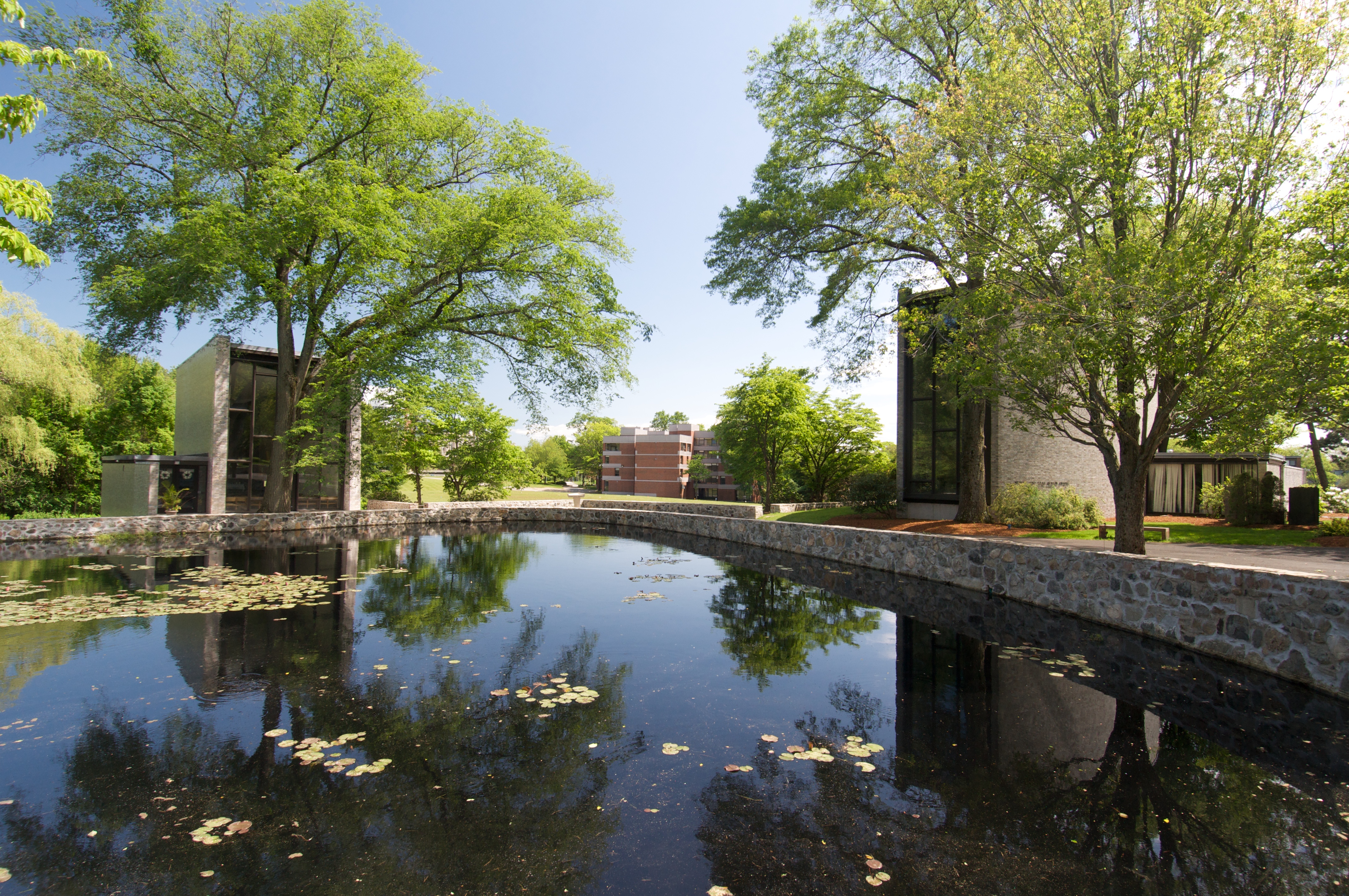
Three Faith Chapels | Brandeis University

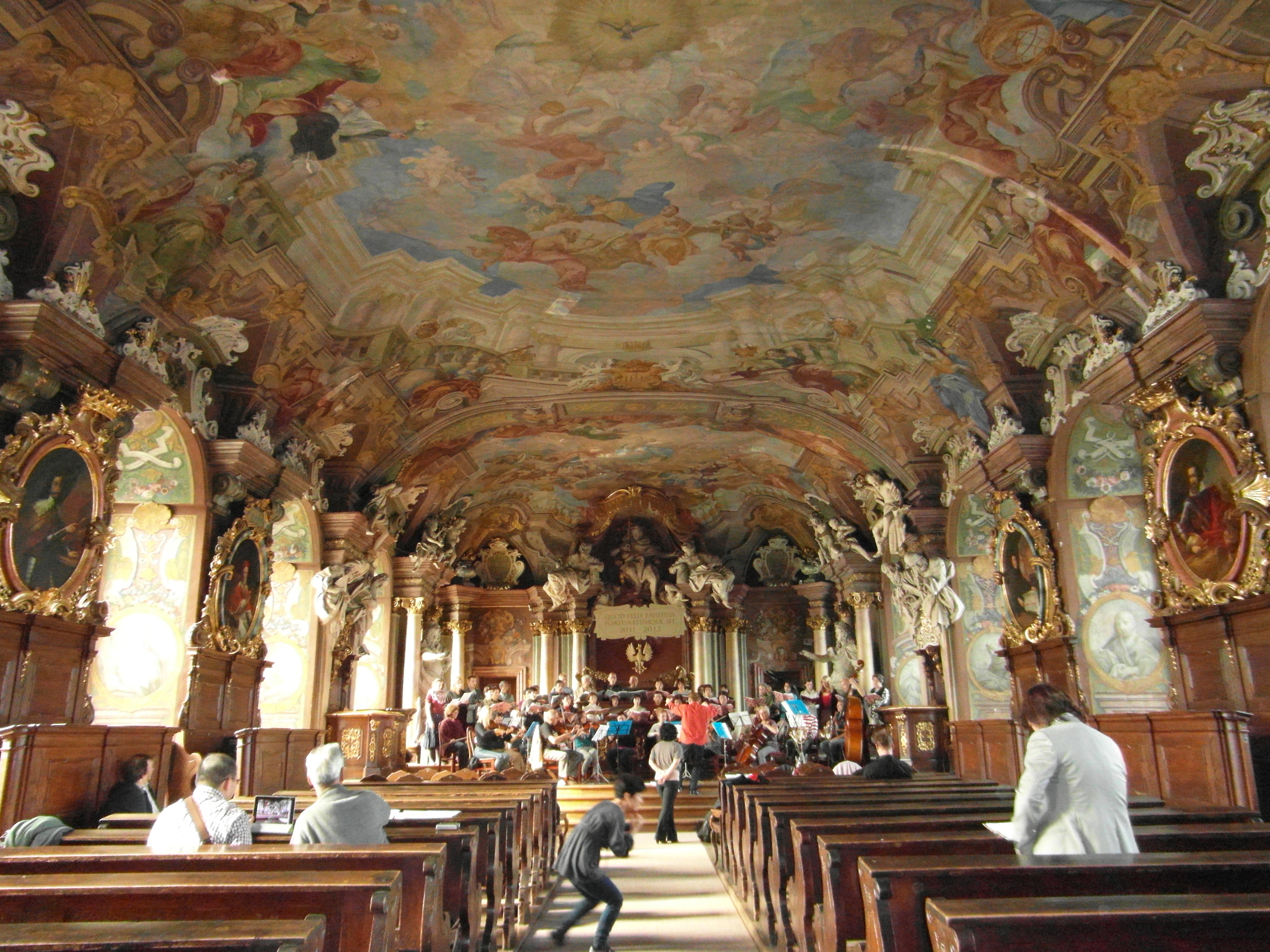
University of Wroclaw | Jesuit College | Wrocław, Poland

Alma College Chapel | Alma, Michigan

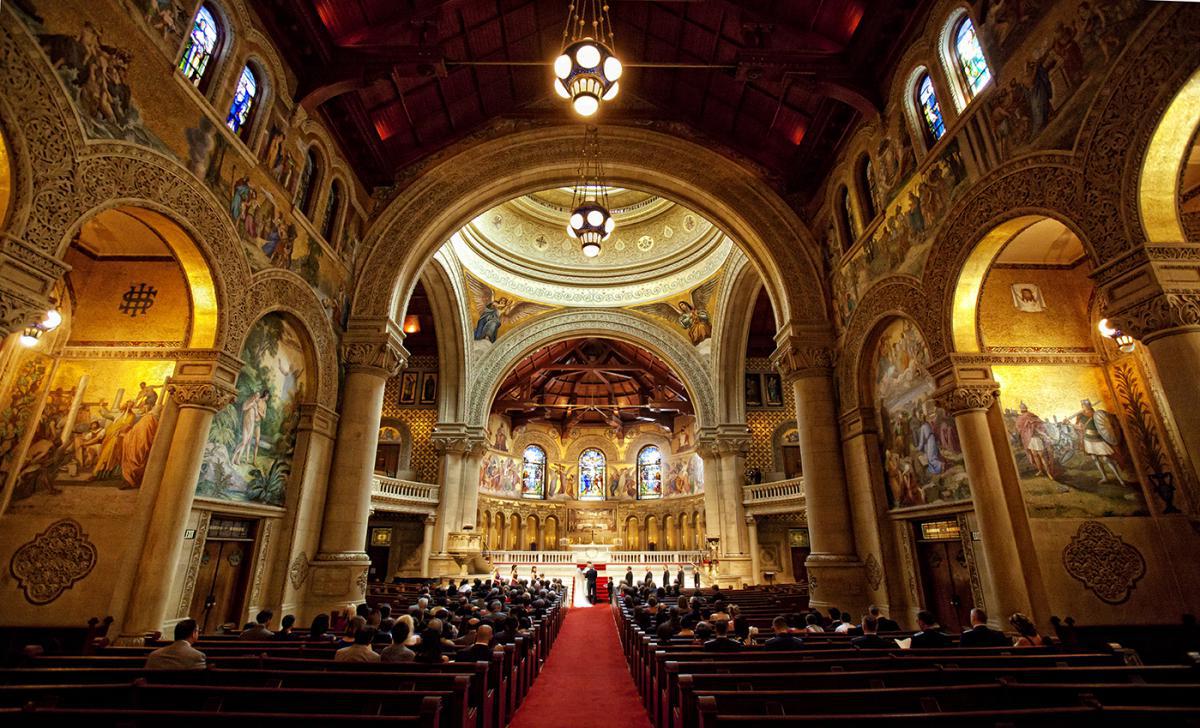
Stanford Memorial Church | Palo Alto, California

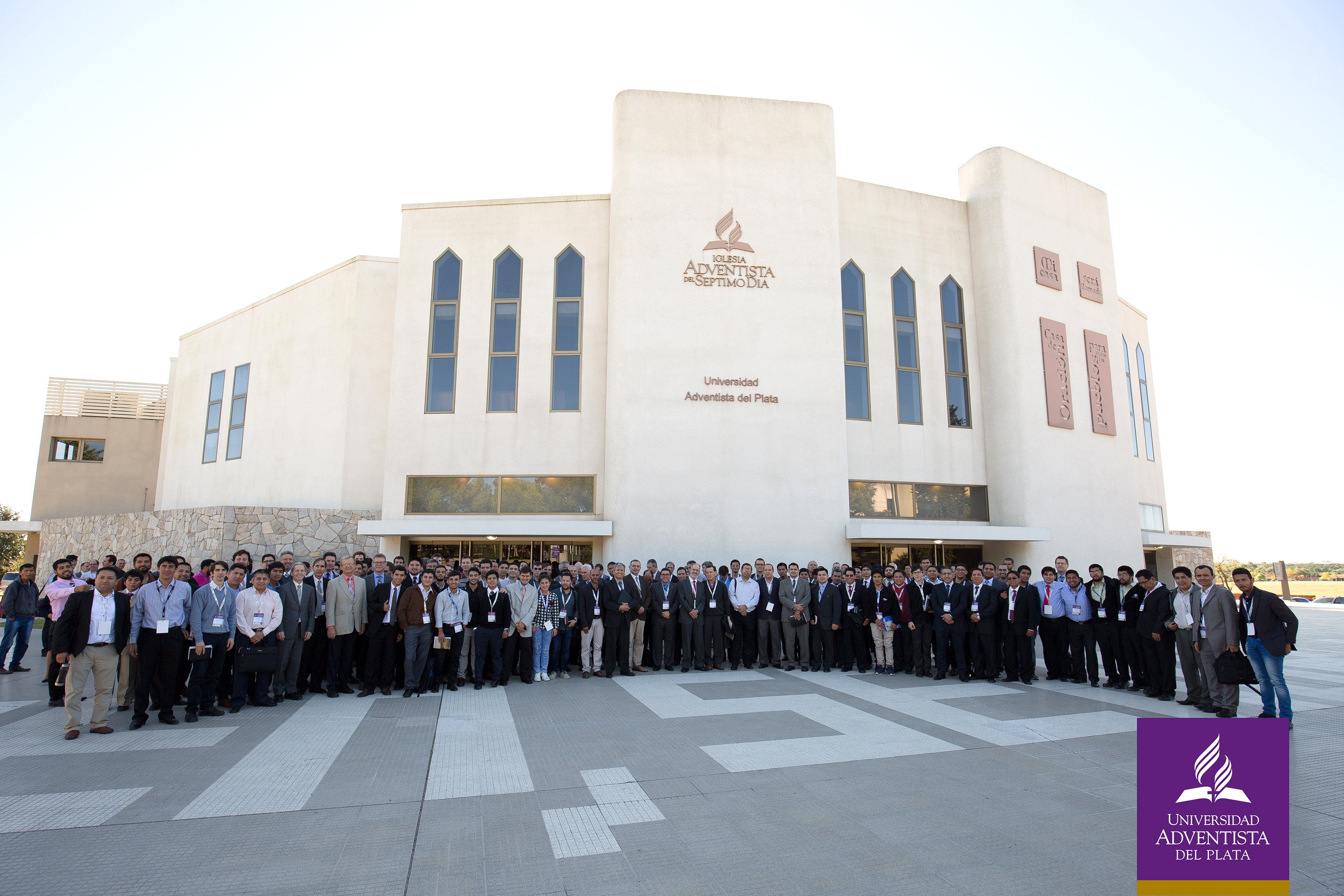
Universidad Adventista Templo | Buenos Aires, Argentina

St. Thomas of Villanova University Chapel | Villanova, Pennsylvania

St. Paul’s Chapel | Columbia University | New York City

Scotch College Chapel | Melbourne, Australia

Princeton University Chapel

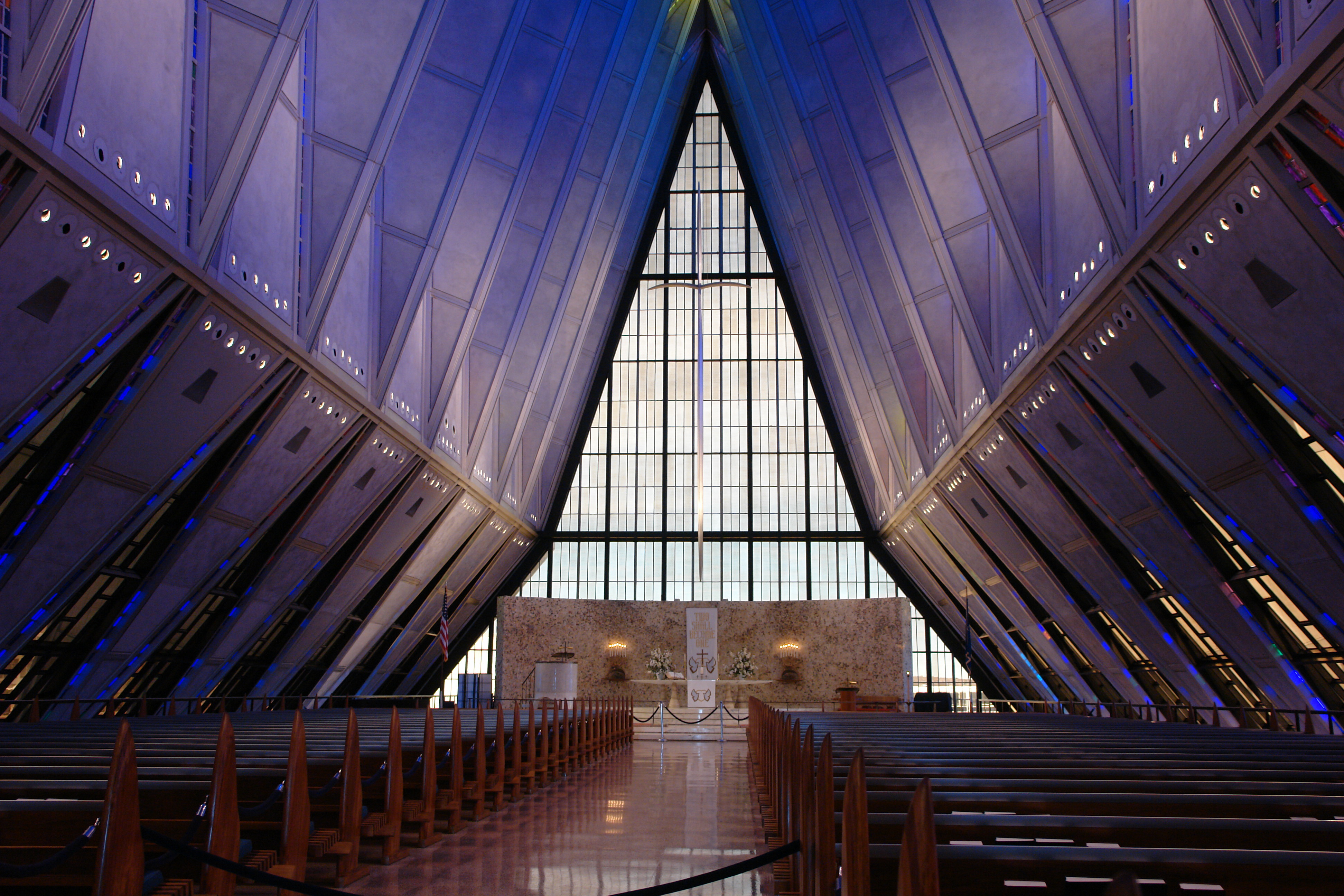
United States Air Force Cadet Chapel | Colorado Springs

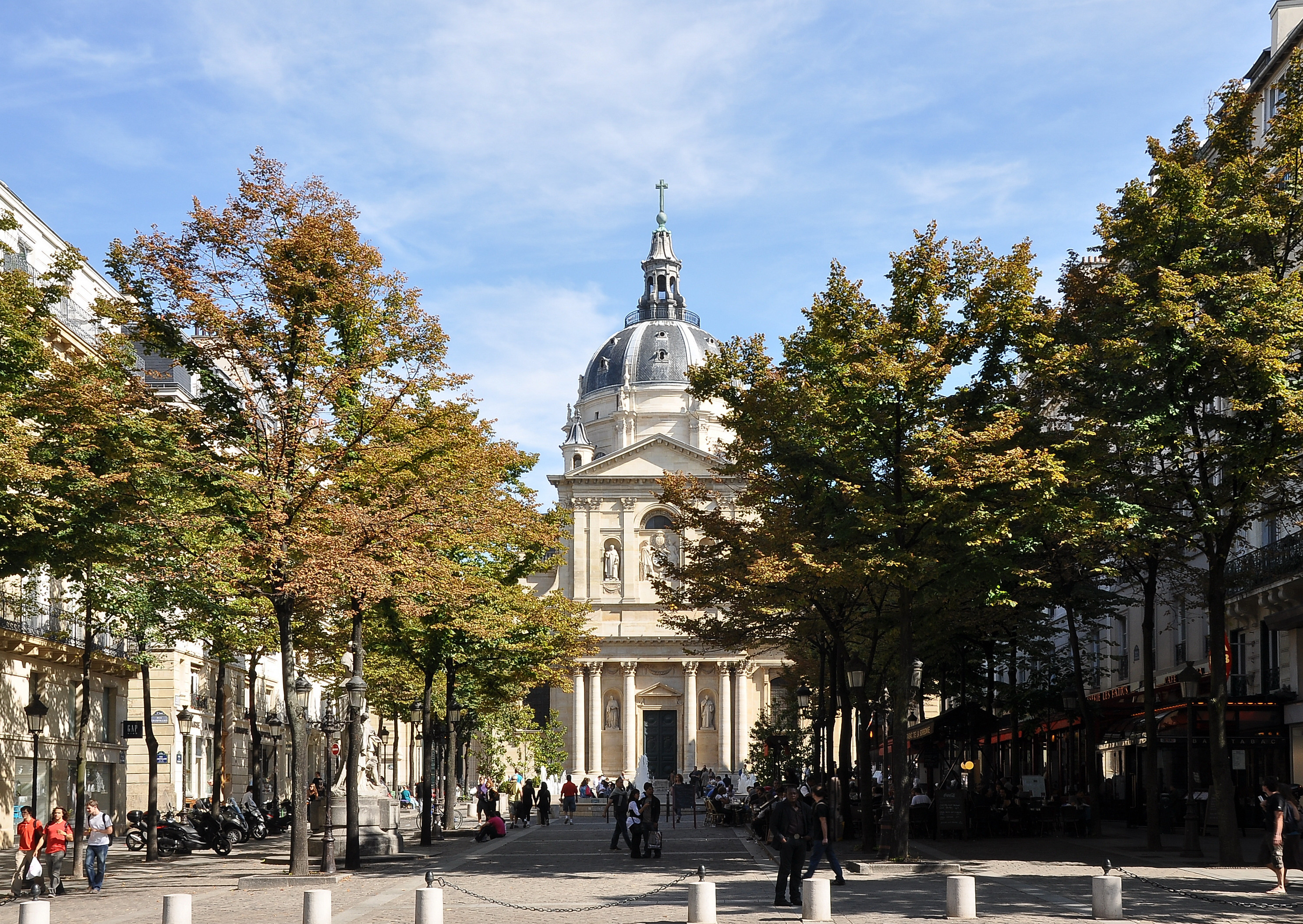
Chapelle Sainte-Ursule de la Sorbonne | Paris

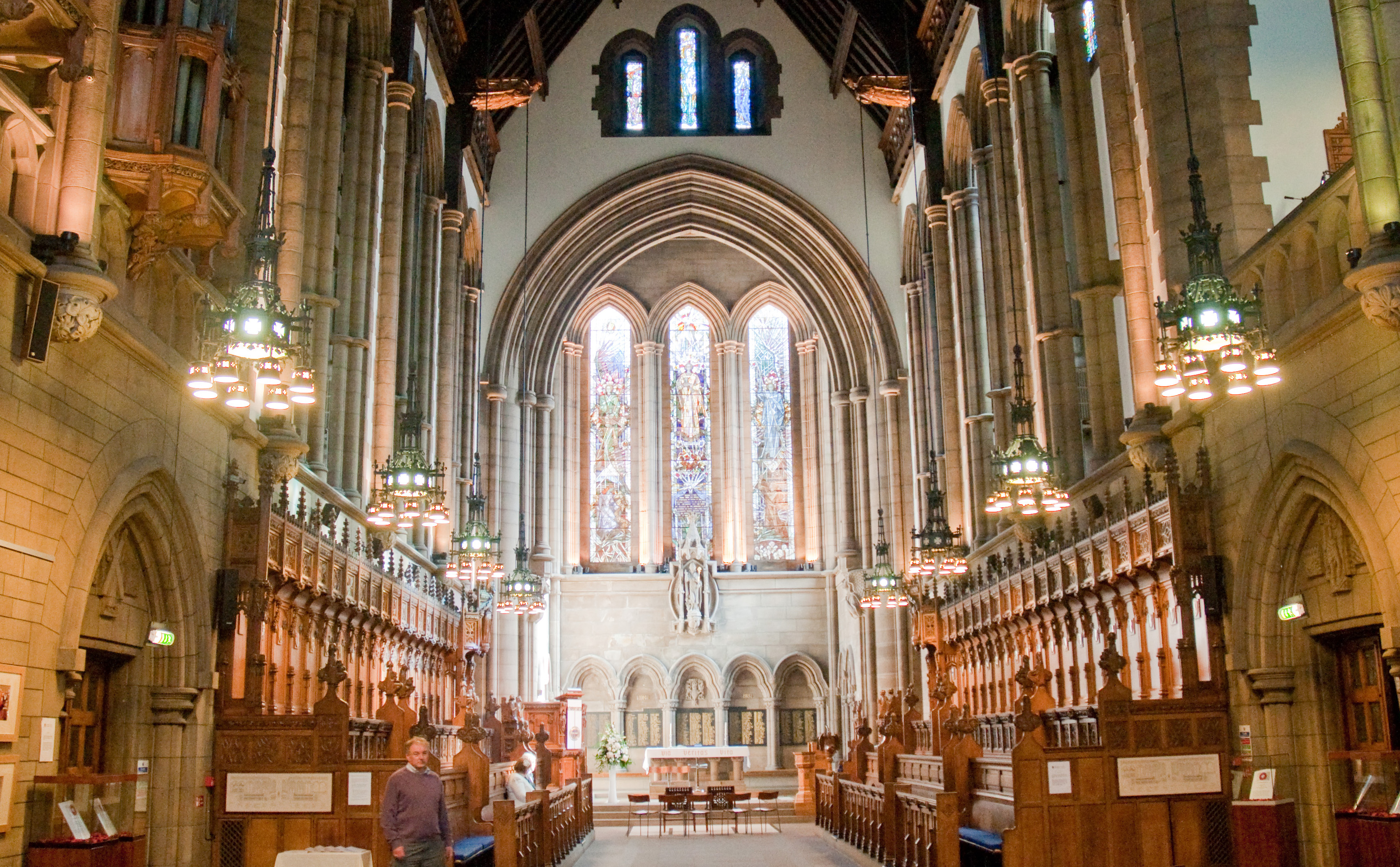
Memorial Chapel | Glasgow University | Glasgow, Scotland

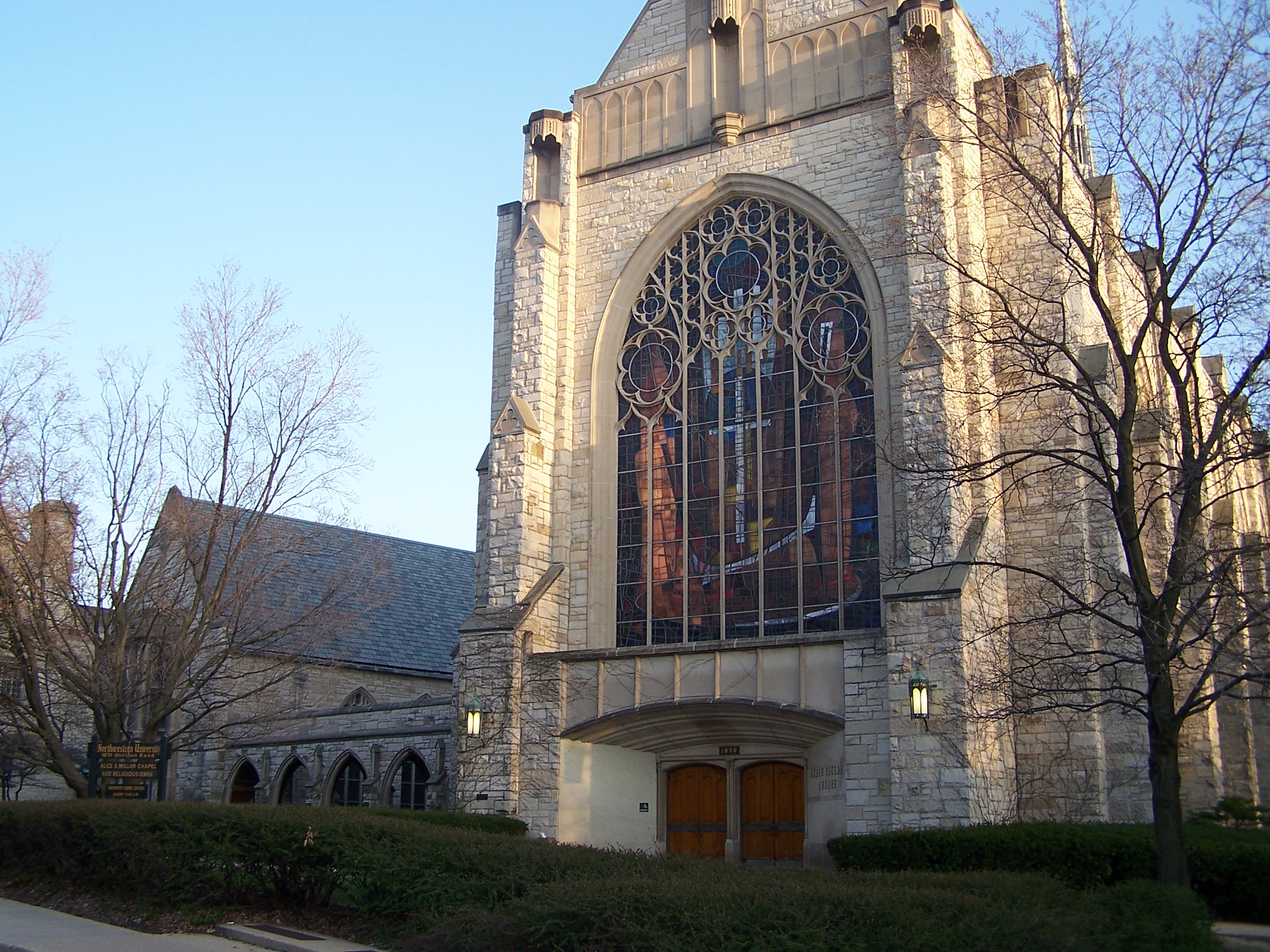
Alice Millar Chapel | Northwestern University

Bowdoin College Chapel | Brunswick, Maine

Loyola University Chapel | Madonna della Strada Chicago

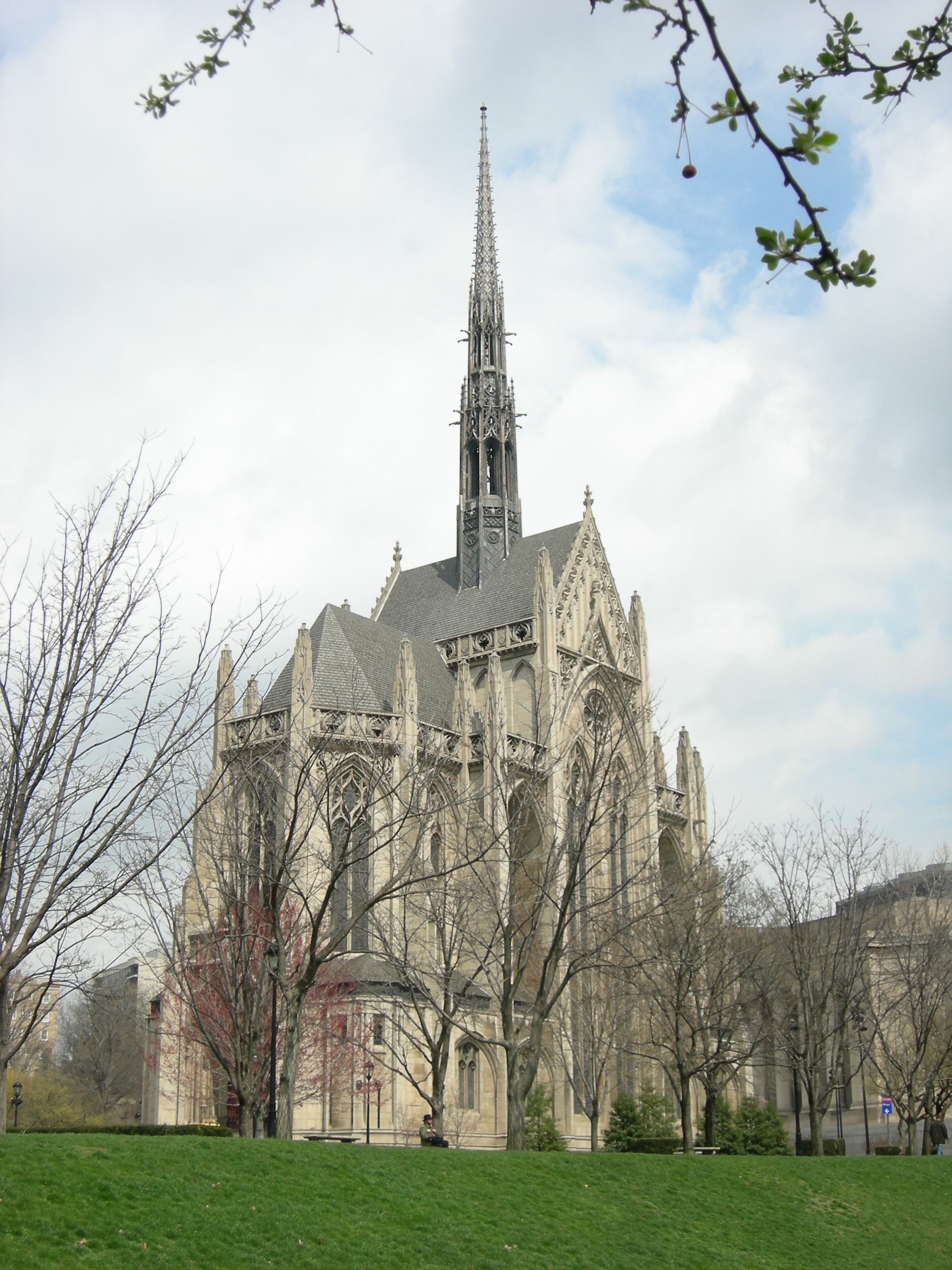
Heinz Memorial Chapel | University of Pittsburgh

Madonna University Chapel | Livonia, Michigan

Vassar College Chapel | Poughkeepsie, New York

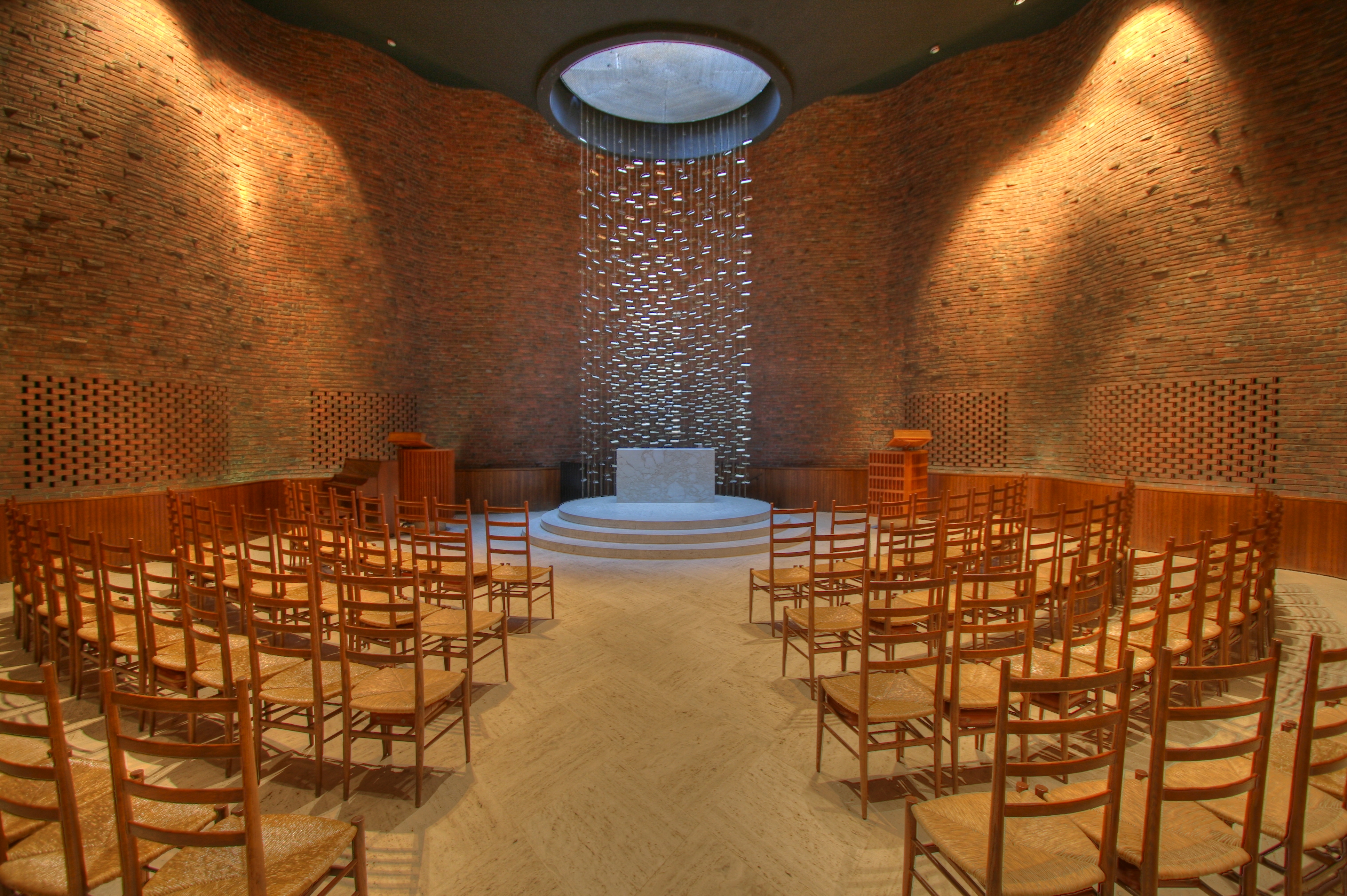
Massachusetts Institute of Technology Student Chapel | Cambridge, Massachusetts

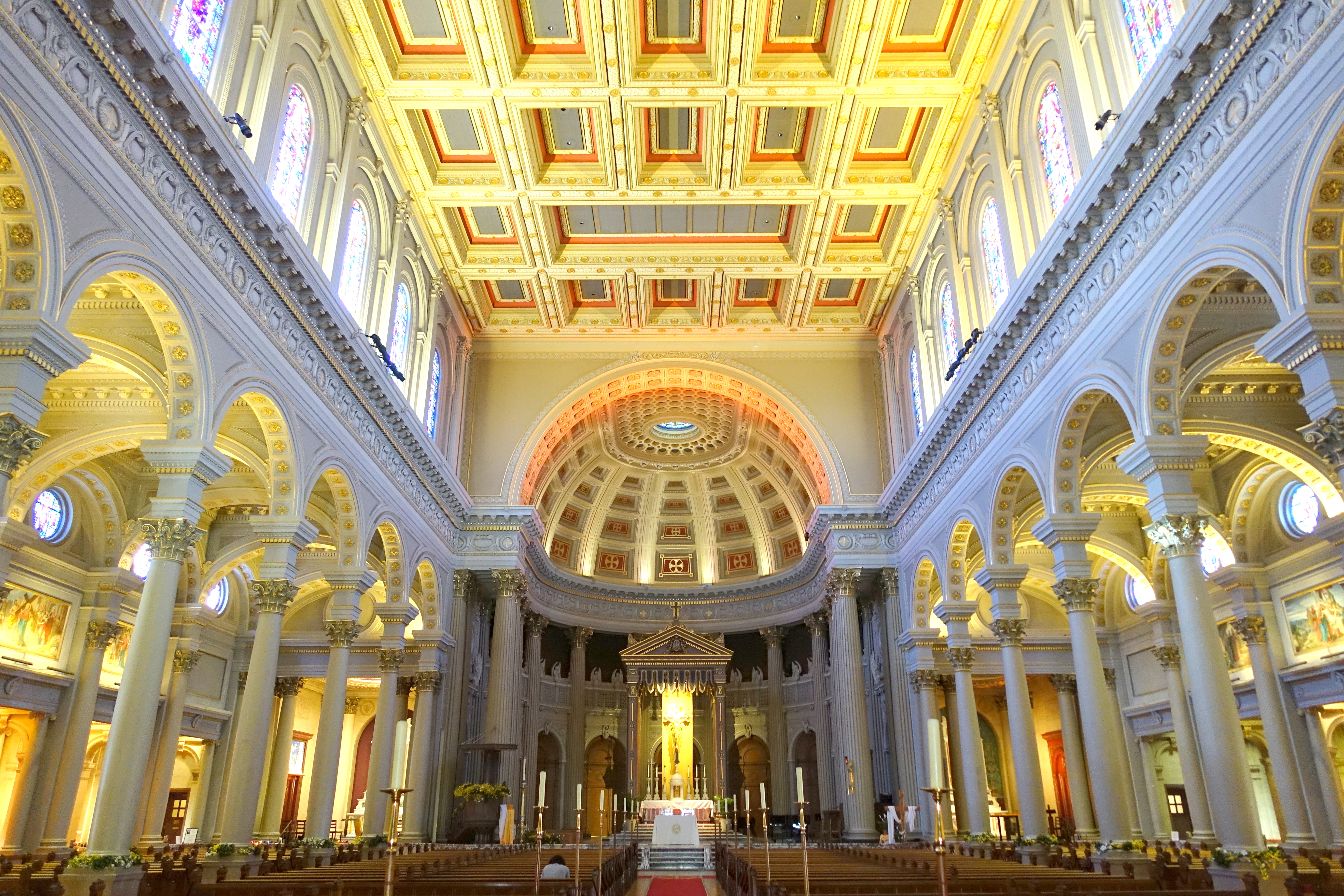
St. Ignatius Church | University of San Francisco

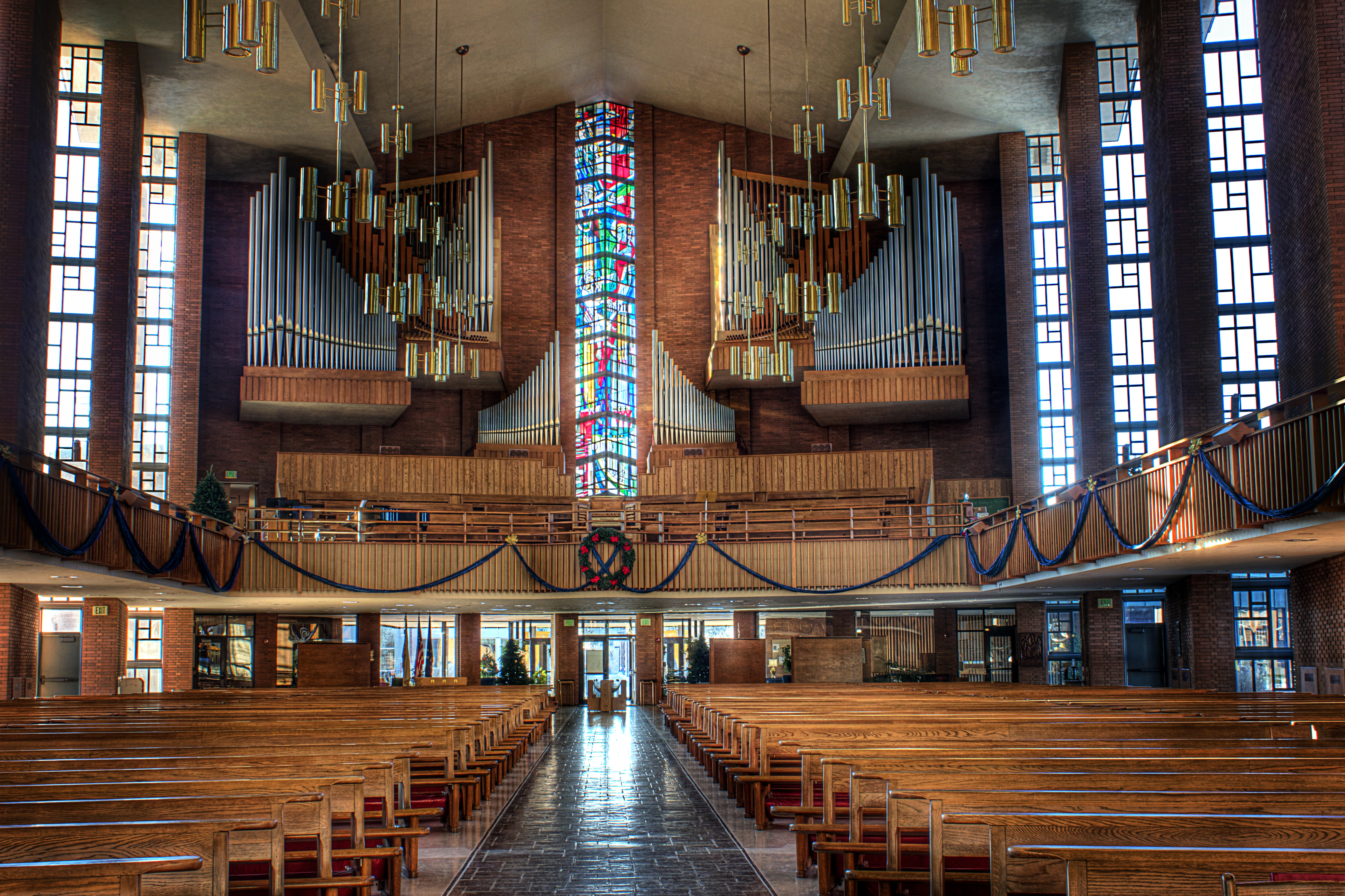
Church of the Resurrection | Valparaiso University | Valparaiso, Indiana

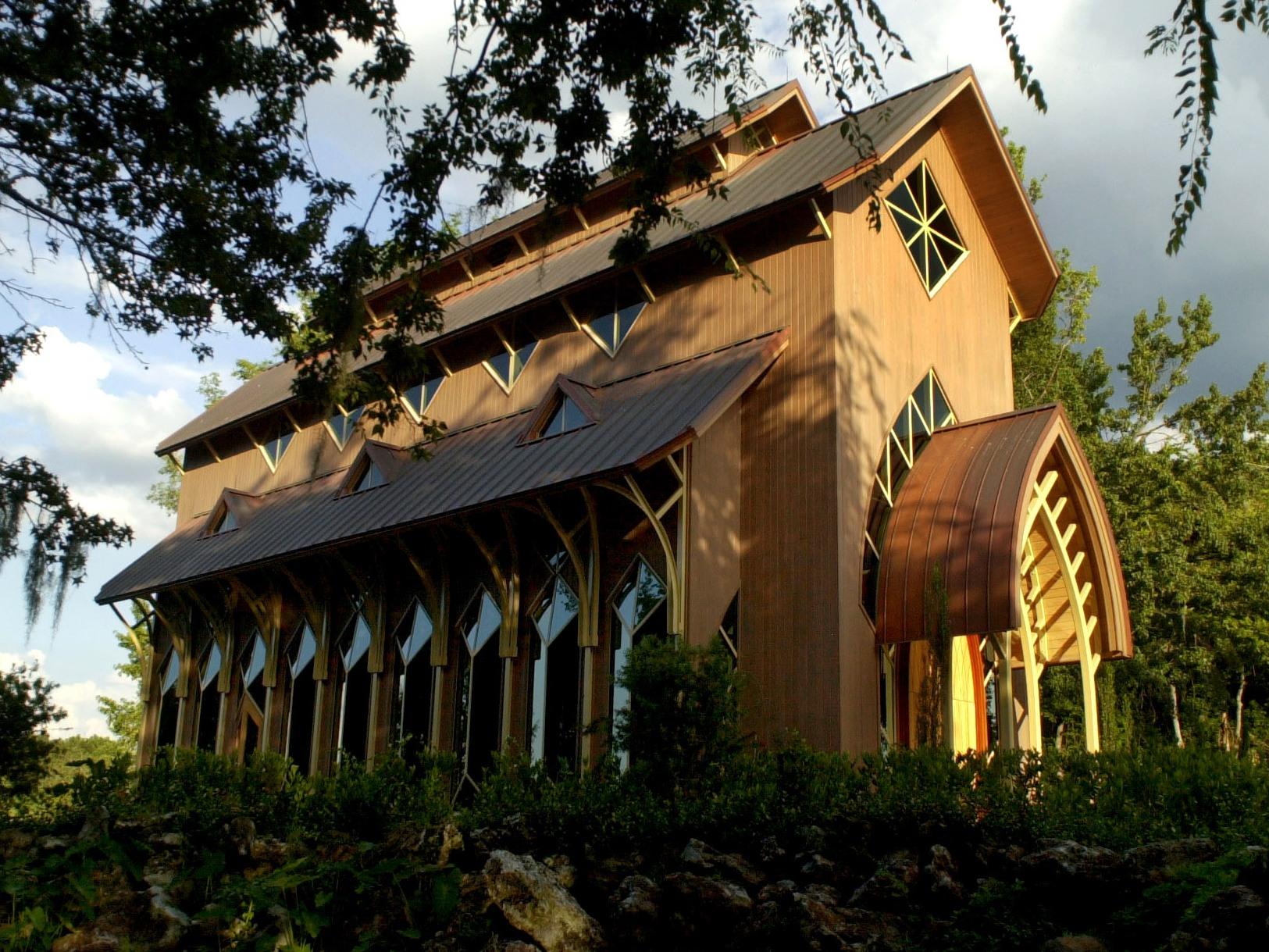
Baughman Center | University of Florida

Exeter College Chapel | Oxford University


More coming.

*404 ERRORS and Page Not Found messages are common as webmasters move content.


More

CLICK HERE for bibliography


https://standardsmichigan.com/lively-400/

“Ides of March”

March 15, 2026
mike@standardsmichigan.com
, ,
No Comments

Standards Oregon | Lively Arts

“Beware the Ides of March” is a famous warning from Shakespeare’s Julius Caesar. In the play, a soothsayer tells Caesar on February 15, 44 BC, to beware the “Ides of March”—the 15th day of March in the Roman calendar. The phrase foreshadows Caesar’s assassination on that exact date by senators including Brutus. It has since become a cultural idiom symbolizing impending danger, betrayal, or a fateful day to be cautious


Risk Management | Security (Doors)

“The Death of Julius Caesar” | 1806 Vincenzo Camuccini

Community Risk Assessment


Security 400

ICYMI: Guide to Campus Security

Layout mode
Predefined Skins
Custom Colors
Choose your skin color
Patterns Background
Images Background
Standards Michigan
error: Content is protected !!
Skip to content