Rogers Building

Loading
loading...

Rogers Building

May 14, 2026
mike@standardsmichigan.com

No Comments

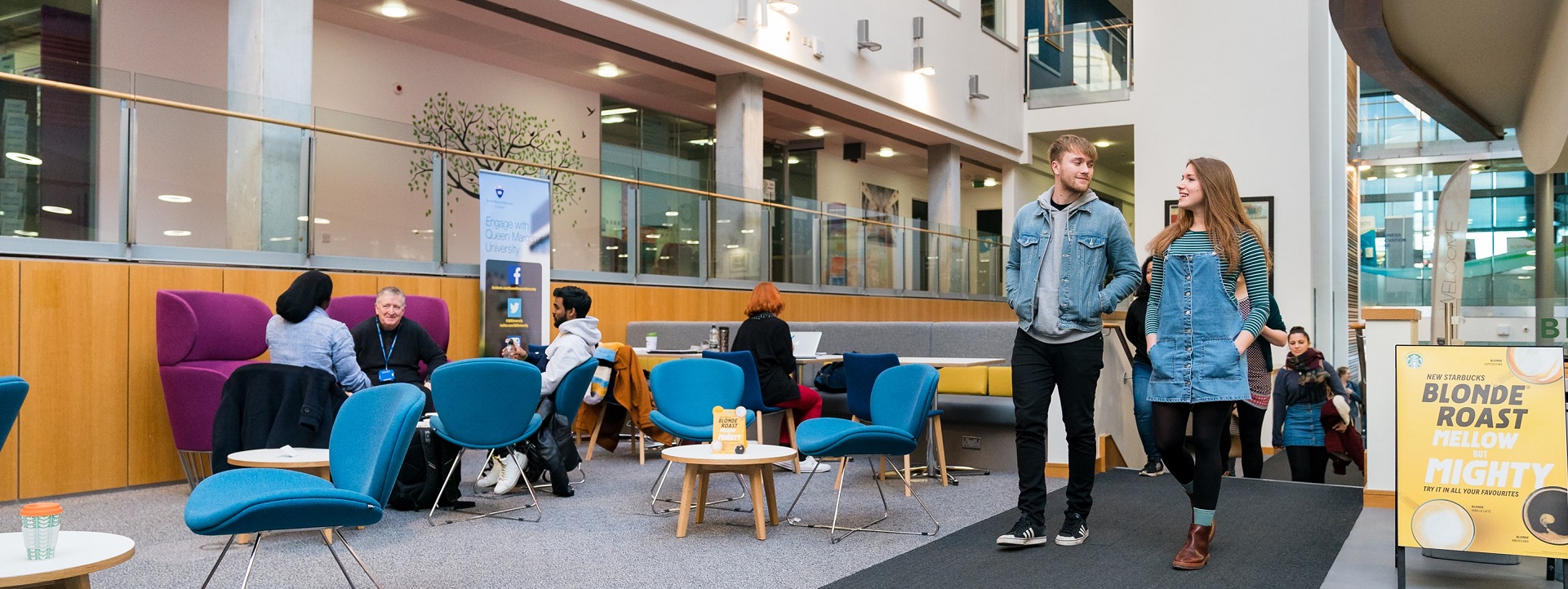
The earliest installation of a passenger elevator in a university building in the United States was at the Massachusetts Institute of Technology in Cambridge.  In 1861, Otis Brothers & Co., the company founded by Elisha Graves Otis, installed the first passenger elevator in this three-story structure that housed laboratories, classrooms, and offices for faculty and students.

This early installation of a passenger elevator marked an important milestone in the history of vertical transportation on college and university campuses, and it paved the way for the adoption of elevators in other educational institutions as they expanded in size and height over time.

Department of Facilities

The History of Elevators

Standards Massachusetts

Chelsea Buns

May 13, 2026
mike@standardsmichigan.com
No Comments

These square, spiraled buns originated in early 18th-century London at the Chelsea Bun House, a royal-favored spot selling spiced, fruit-filled yeast buns to Georgian nobility. They cut a foodway path across Britain as an indulgent treat, settling at “Fitzbillies Bakery” on Trumpington Street eventually making first landfall in North America at Penn State University as “Grilled Stickies”.

https://x.com/acambridgediary/status/1901914588813066507

University of Cambridge

Food Safety Management

Pennsylvania

Onward State: “Make Your Own Grilled Stickies”

Penn State Berkey Creamery: Ye Olde College Diner Stickies

Cinnamon Roll Stickies

Dietary Supplements

May 13, 2026
mike@standardsmichigan.com
No Comments

This content is accessible to paid subscribers. To view it please enter your password below or send mike@standardsmichigan.com a request for subscription details.

Water Towers

May 13, 2026
mike@standardsmichigan.com
No Comments

This content is accessible to paid subscribers. To view it please enter your password below or send mike@standardsmichigan.com a request for subscription details.

Strawberry Oat Muffins

May 12, 2026
mike@standardsmichigan.com

No Comments

North Dakota State University Statement of Financial Position 2024: $1.894B  (Page 9)

Facilities Management

Standards North Dakota

The Extension Service, established in 1914, is a vital link between the public and NDSU, a land-grant university in Fargo, North Dakota. It delivers science-based education to enhance the lives and communities of North Dakotans through workshops, publications, events, and digital resources.

With a focus on agriculture, youth development (including 4-H), family wellness, and environmental protection, Extension agents provide unbiased, research-based information tailored to local needs. Operating in counties like Cass, Burleigh, and Dunn, the service fosters learning partnerships to empower residents in making informed decisions.

Supported by county, state, and federal funding, NDSU Extension collaborates with specialists and a national network to address economic, health, and community challenges, ensuring accessible, practical education for all ages to strengthen agriculture and community vitality across the state.

The Extension Service, established in 1914, is a vital link between the public and NDSU, a land-grant university in Fargo, North Dakota. It delivers science-based education to enhance the lives and communities of North Dakotans through workshops, publications, events, and digital resources. With a focus on agriculture, youth development (including 4-H), family wellness, and environmental protection, Extension agents provide unbiased, research-based information tailored to local needs.

NDSU Coffee Shops | NSF Food Preparation Standards

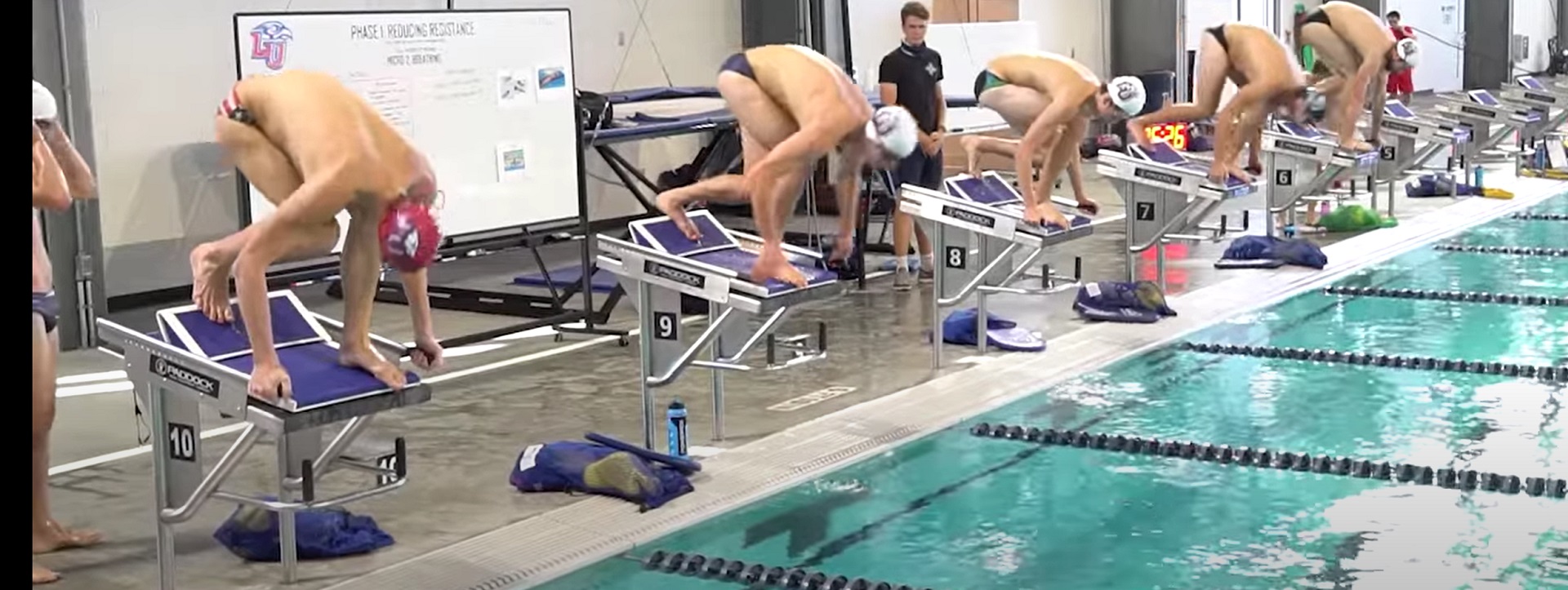
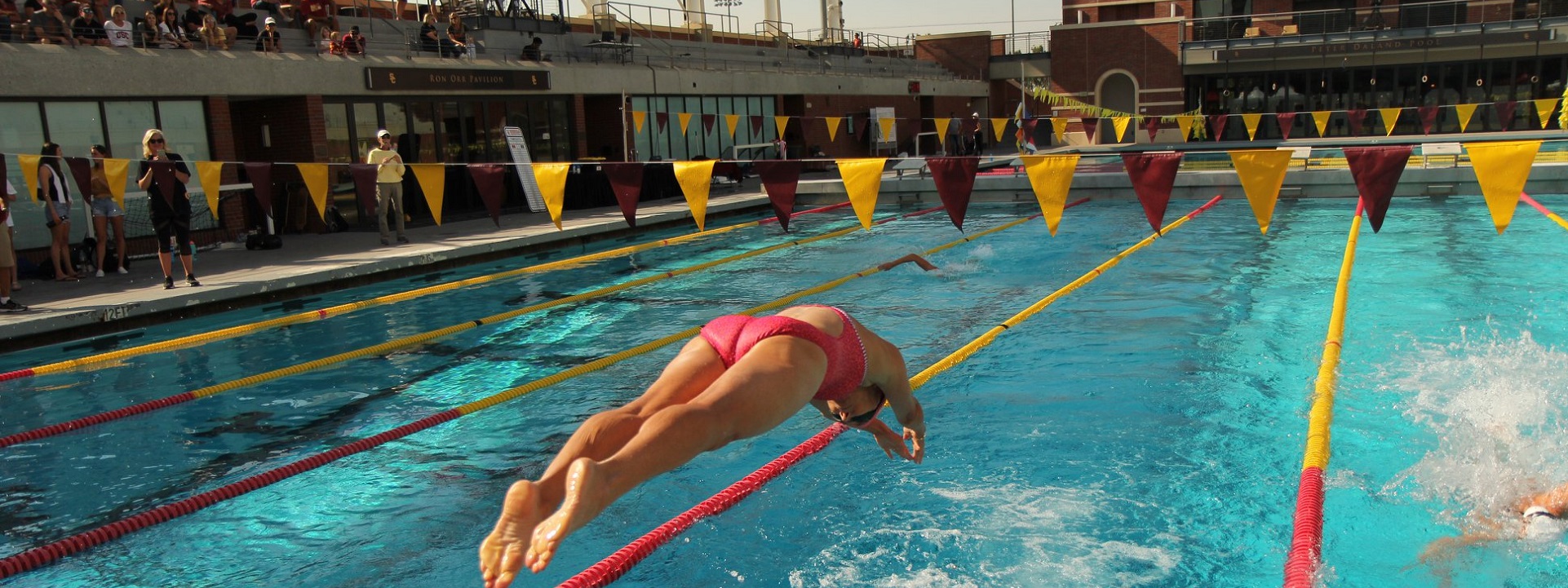
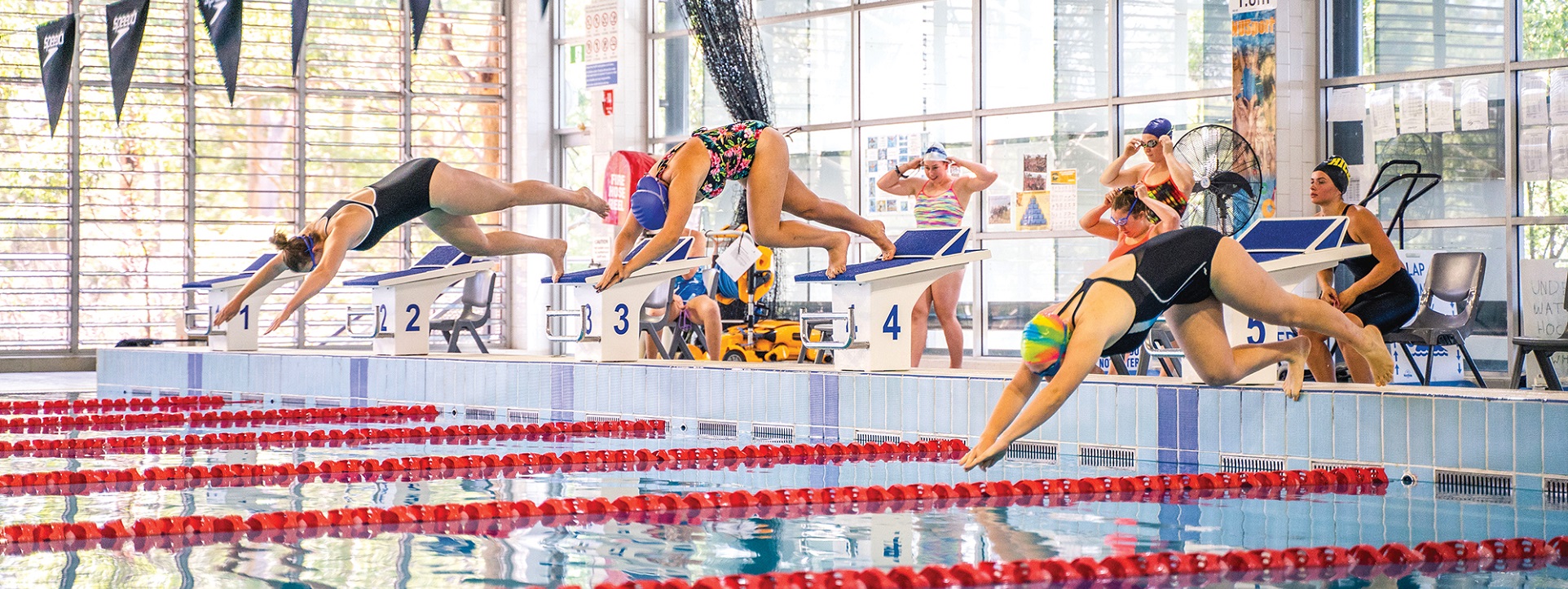
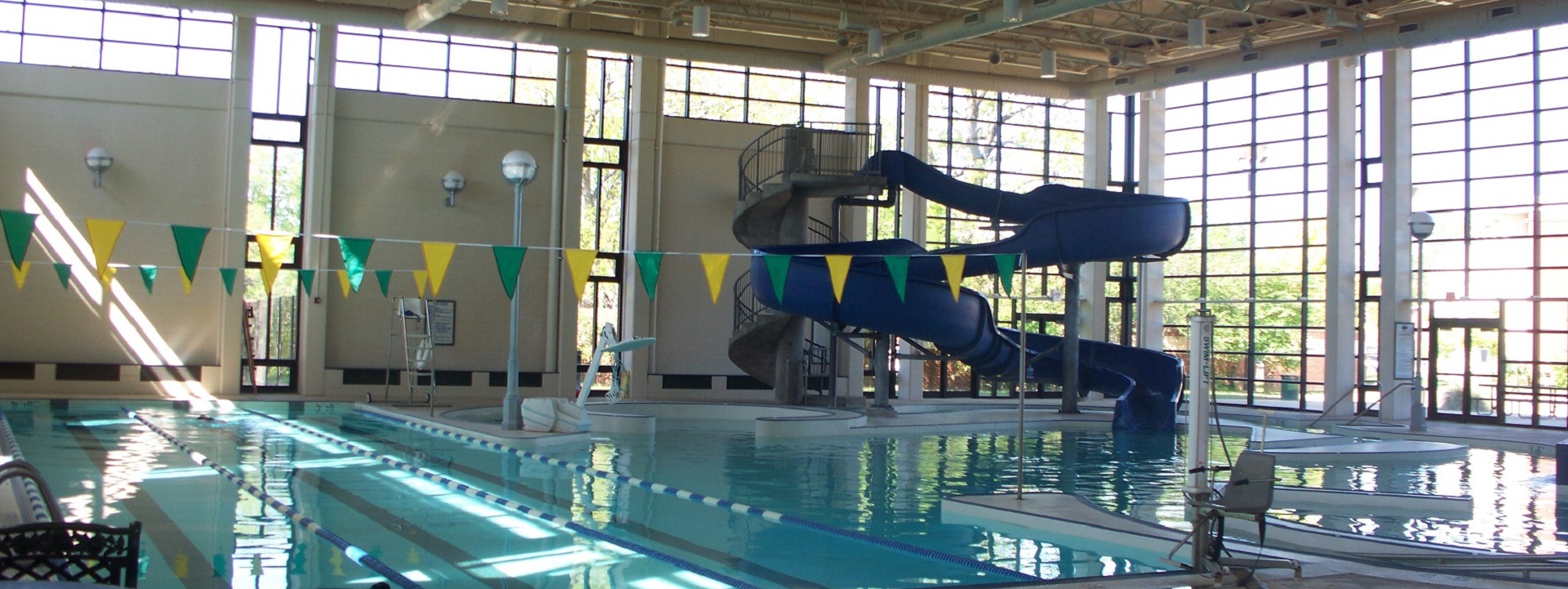
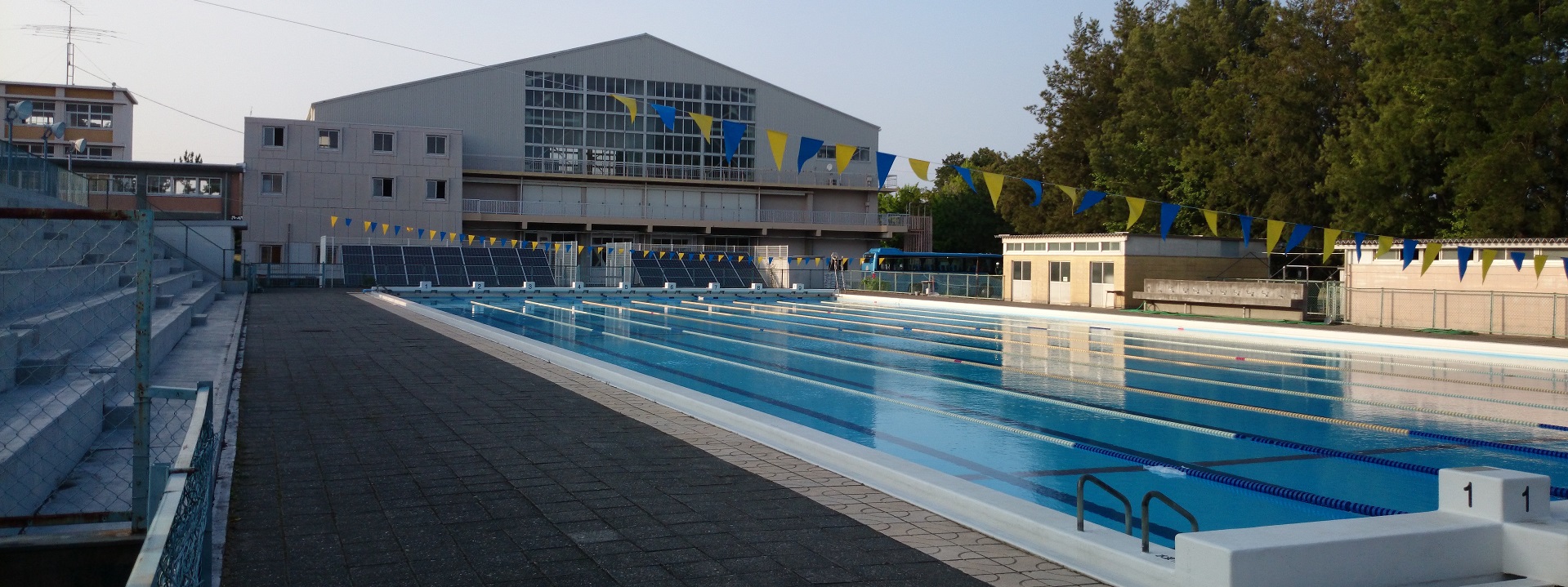
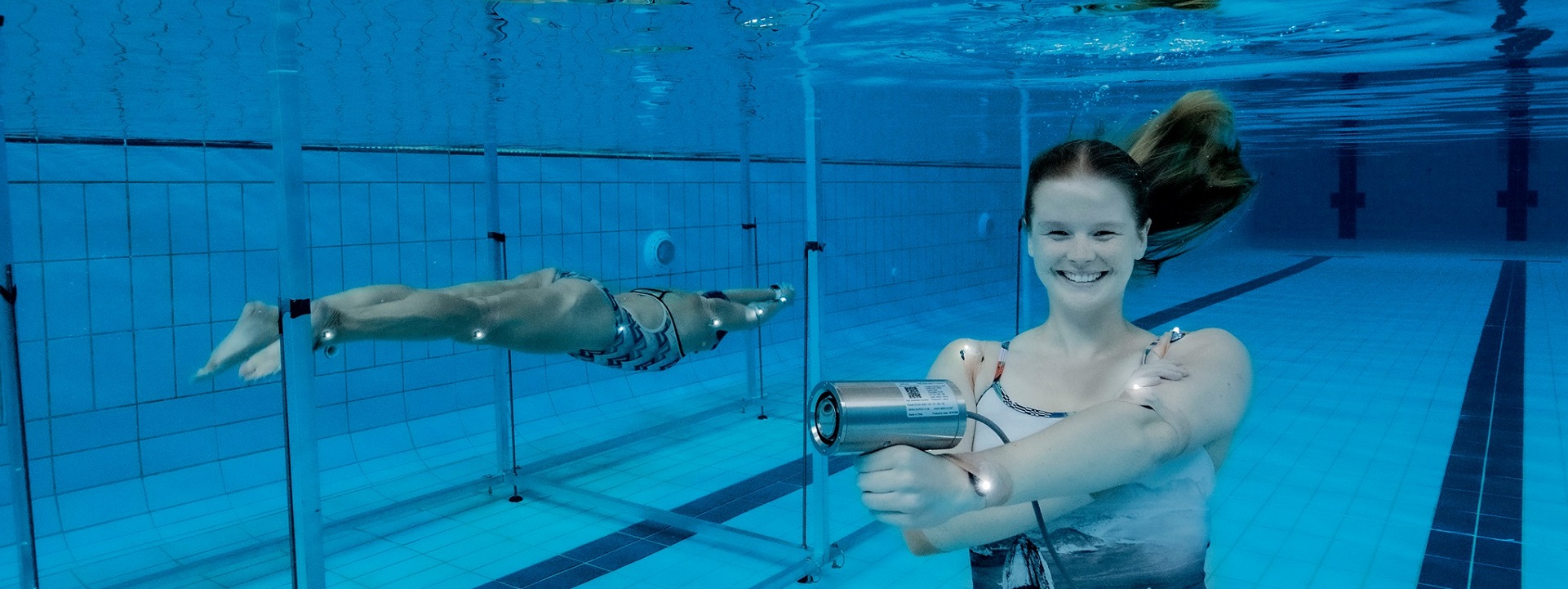
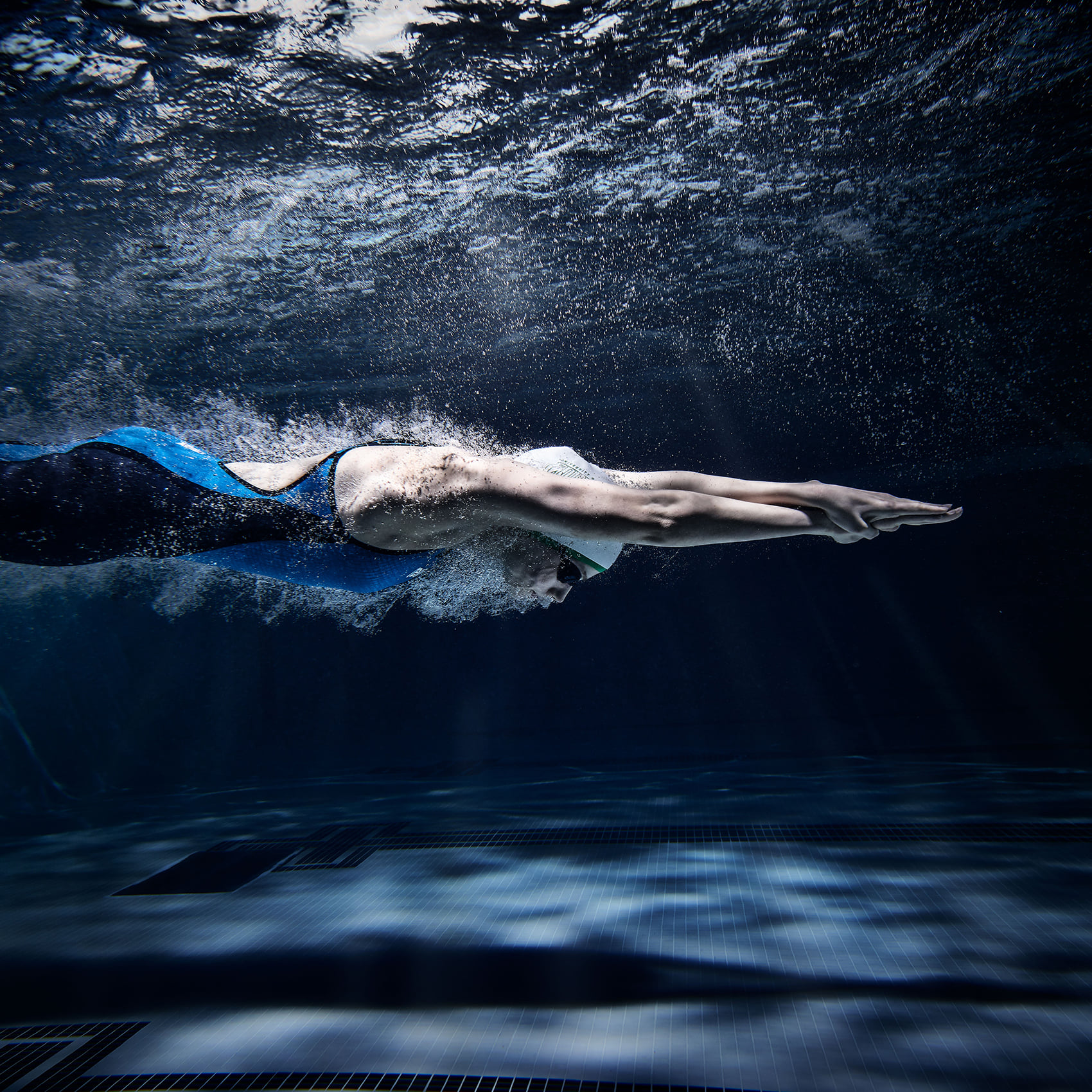
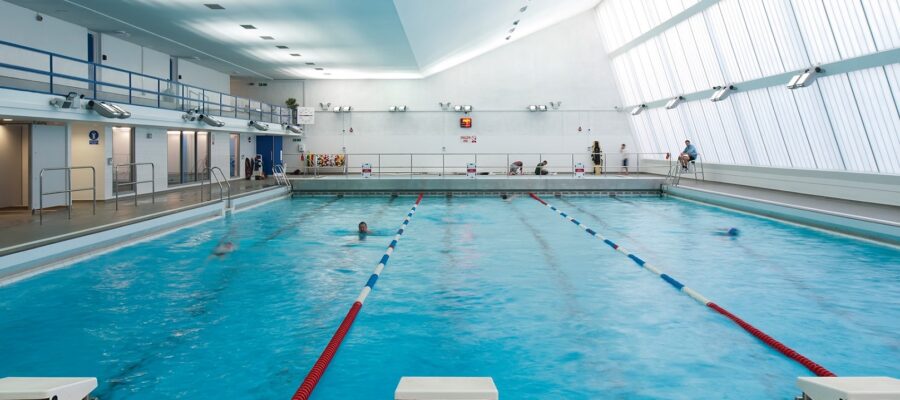
Swimming, Water Polo and Diving Lighting

May 12, 2026
mike@standardsmichigan.com
, , ,
No Comments


“In swimming, there are no referees, no foul lines,

no time-outs, and no substitutions.

It’s just you and the water.” – Unknown


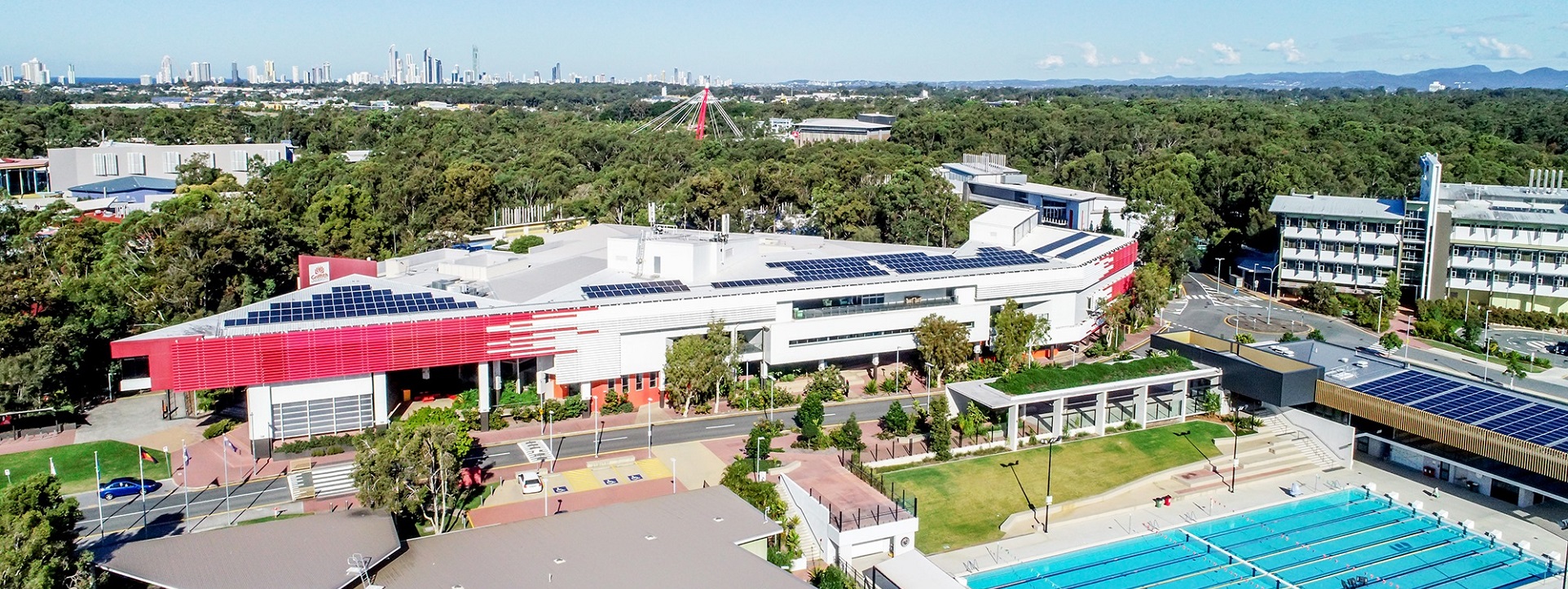
https://standardsmichigan.com/australia/

There are several specific problems that swimming pool overhead lighting aims to solve:

  1. Visibility: Swimming pool overhead lighting is designed to improve visibility in and around the pool. This is important for safety reasons, as it helps swimmers see where they are going and avoid obstacles or hazards.
  2. Aesthetics: Overhead lighting can enhance the appearance of the swimming pool by creating a visually appealing atmosphere. This is especially important for commercial pools where the aesthetics can be an important factor in attracting customers.
  3. Functionality: Overhead lighting can provide additional functionality by allowing the pool to be used during evening hours or in low light conditions. This can increase the usability of the pool and make it more appealing to users.
  4. Energy efficiency: Modern overhead pool lighting solutions are designed to be energy-efficient, reducing the overall energy consumption and operating costs of the pool.
  5. Longevity: Overhead pool lighting must be designed to withstand exposure to water, chlorine, and other harsh chemicals, as well as exposure to the elements. The lighting system must be durable and reliable to ensure longevity and prevent costly repairs or replacements.

Overall, swimming pool overhead lighting is an important component of a safe, functional, and visually appealing pool. It provides illumination for visibility, enhances aesthetics, and improves functionality, while also being energy-efficient and durable.

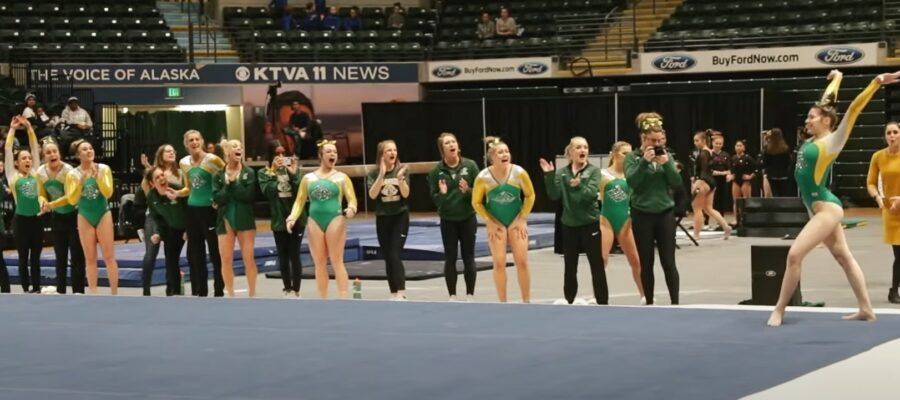
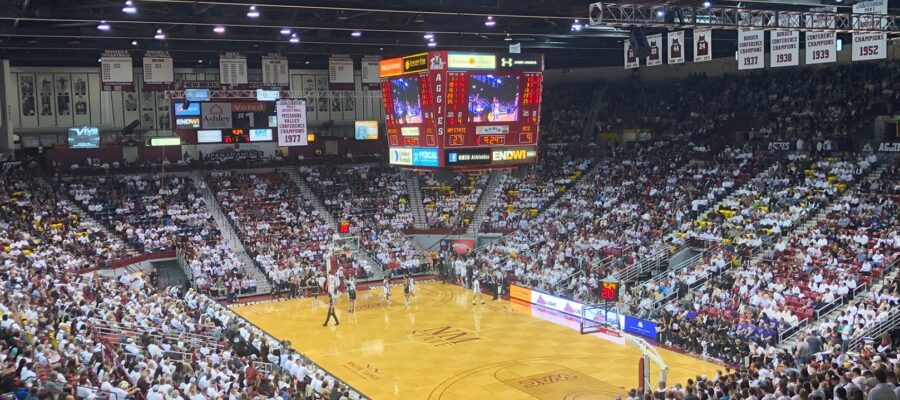
After athletic arena life safety obligations are met (governed legally by NFPA 70, NFPA 101, NFPA 110,  the International Building Code and possibly other state adaptations of those consensus documents incorporated by reference into public safety law) business objective standards may come into play. For almost all athletic facilities,  the consensus documents of the Illumination Engineering Society[1], the Institute of Electrical and Electronic Engineers[2][3] provide the first principles for life safety.  For business purposes, the documents distributed by the National Collegiate Athletic Association inform the standard of care for individual athletic arenas so that swiftly moving media production companies have some consistency in power sources and illumination as they move from site to site.  Sometimes concepts to meet both life safety and business objectives merge.

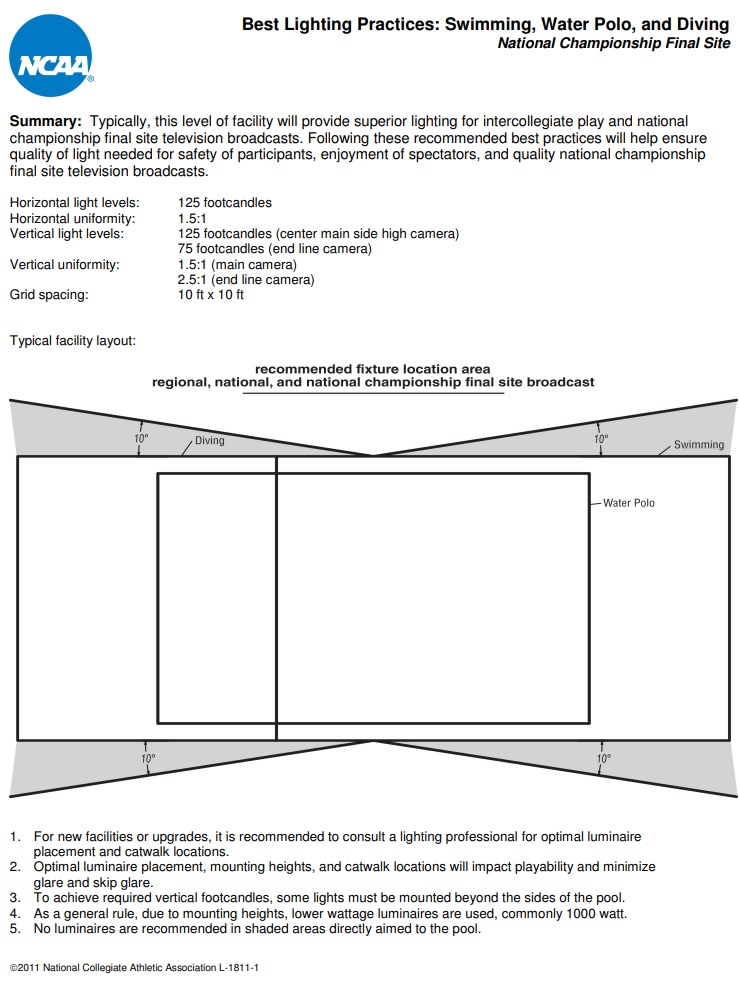
During water sport season the document linked below provides information to illumination designers and facility managers:

NCAA Best Lighting Practices

Athletic programs are a significant source of revenue and form a large part of the foundation of the brand identity of most educational institutions in the United States.   We focus primarily upon the technology standards that govern the safety, performance and sustainability of these enterprises.  We collaborate very closely with the IEEE Education & Healthcare Facilities Committee where subject matter experts in electrical power systems meet 4 times each month in the Americas and Europe.

See our CALENDAR for our next colloquium on Sport facility codes and standards.   We typically walk through the safety and sustainability concepts in play; identify commenting opportunities; and find user-interest “champions” on the technical committees who have a similar goal in lowering #TotalCostofOwnership.

Issue: [15-138]*

Category: Electrical, Architectural, Arts & Entertainment Facilities, Athletics

Colleagues: Mike Anthony, Jim Harvey, Jack Janveja, Jose Meijer, Scott Gibbs


More

Watersport Time Standards

Sport Lighting

Sport Lighting

May 12, 2026
mike@standardsmichigan.com
,
No Comments

NCAA Illumination Standards


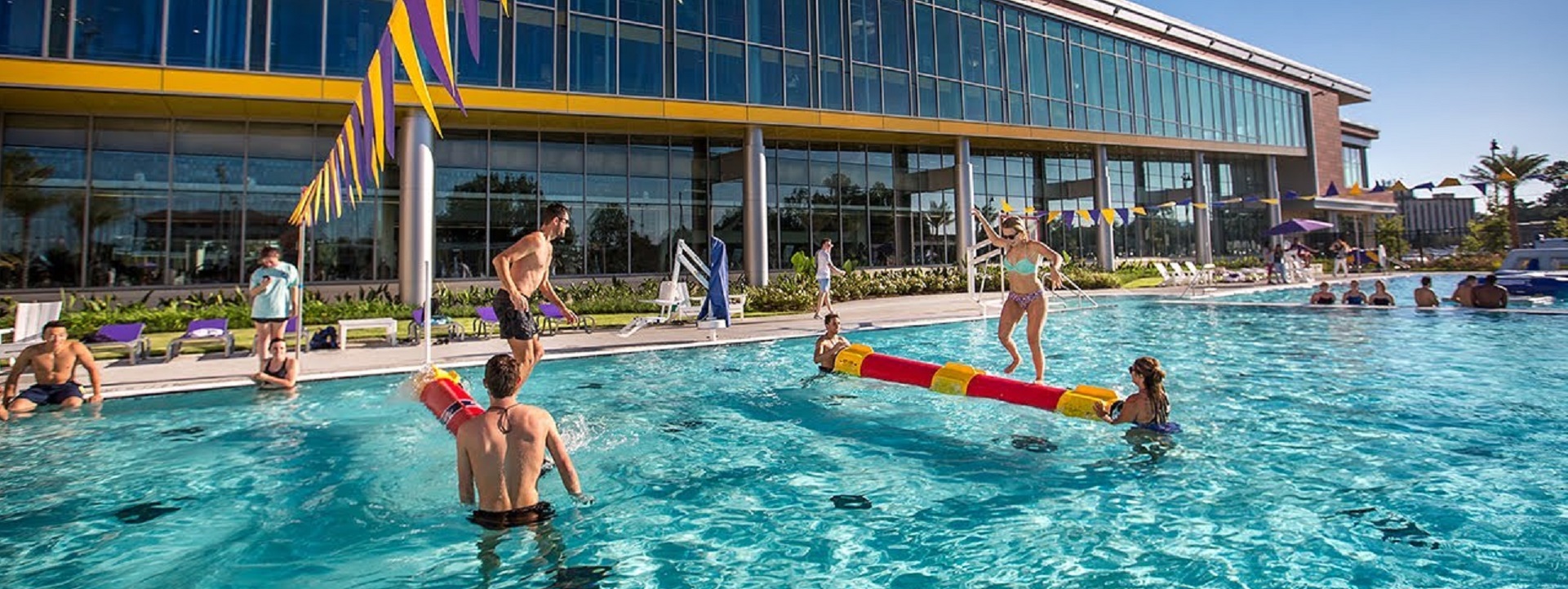
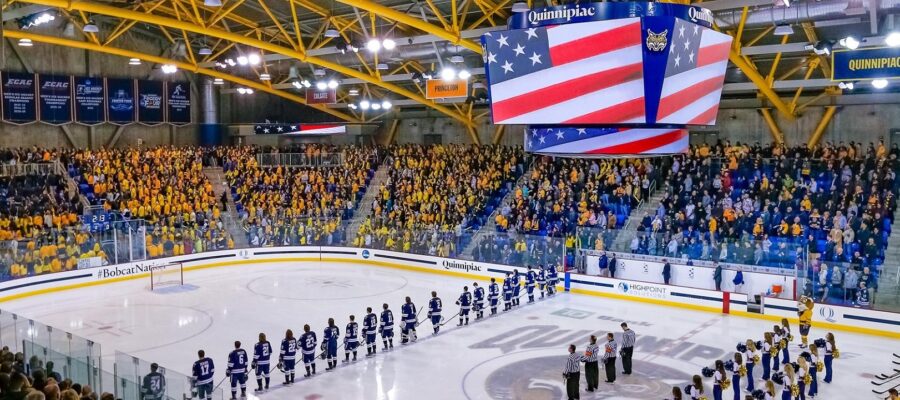
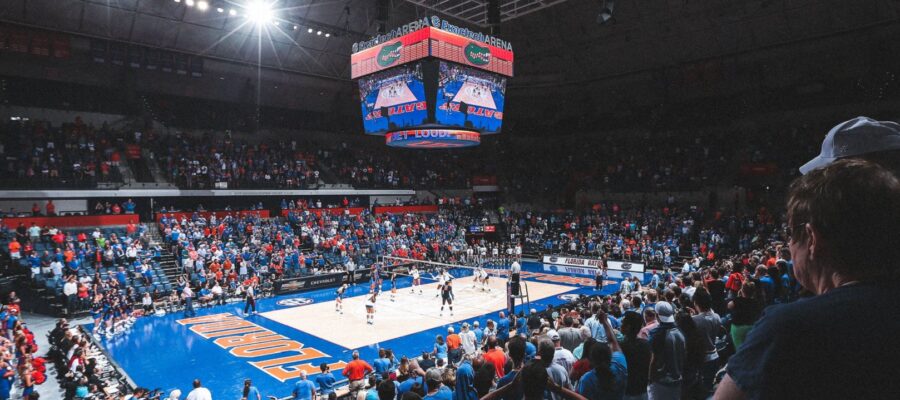
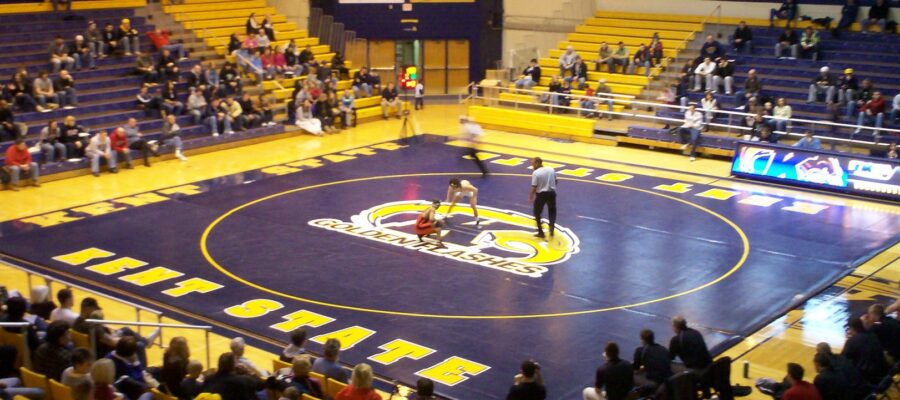
Athletic and recreational sports enterprises are important features in education communities; supportive of brand identity and cohort creation.  Assuring the safety and sustainability of these assets is informed by several best practice titles; among them the Illuminating Engineering Society recommended practice RP-6-15 Sports and Recreational Area Lighting  From the project prospectus:

The purpose of RP-6-15  is to provide the reader with recommendations to aid in the design of sports lighting systems. Popular sports, such as baseball, tennis, basketball and football as well as recreational social activities, such as horseshoe pitching and croquet are covered. Venues for spectators of amateur, collegiate, and professional sports are complex facilities that should provide not only for the spectators, but also the equipment used in modern sports broadcasting. This document does not address those needs, so the reader should look for guidance from the sports league or the project consultant.
Sports lighting systems consume power which over time can be significant, and IES RP-6-15 defines methods for maximizing energy efficiency.

The IES-suite joins standards developed by the International Code Council (International Building Code), the Institute of Electrical and Electronic Engineers (IEEE 3001.9) and the National Fire Protection Association (NFPA 70) that must be applied skillfully by design professionals and understood by athletic facility managers.  Other consensus standards developers such as the American Society of Heating and Refrigeration Engineers and the Entertainment Services and Technology Association were moving into this domain before the circumstances of the pandemic.

We always encourage our colleagues in the education industry to do so themselves; starting with the links below:

Committees

IES Standards Open for Public Review

"People don’t notice whether it’s winter or summer when they’re happy" -- Anton Chekhov

Comments on proposed changes to IES LP-6-2x Lighting Practice: Lighting Control Systems – Properties, Selection, and Specification will be received until April 1st

Comments on Draft “IES TM-39  Technical Memorandum: Quantification and Specification of Flicker” will be received until August 12th
Keep in mind that the IES typically deals with the application of best practice in illumination.  It neither covers the reliability of the power systems nor the power chain to the luminaries.  Recommended practice for the power chain are now being developed by the IEEE Industrial Applications Society; specifically IEEE 3001.9 – Recommended Practice for the Design of Power Systems Supplying Lighting Systems in Commercial and Industrial Facilities.  The IEEE Education & Healthcare Facilities Committee pulls together ALL the standards — ICC, IEEE, IEC, NFPA, IES, ASHRAE, ASTM, ESTA and any other emergent consensus or open source documents that might set the standard of care for the education industry.
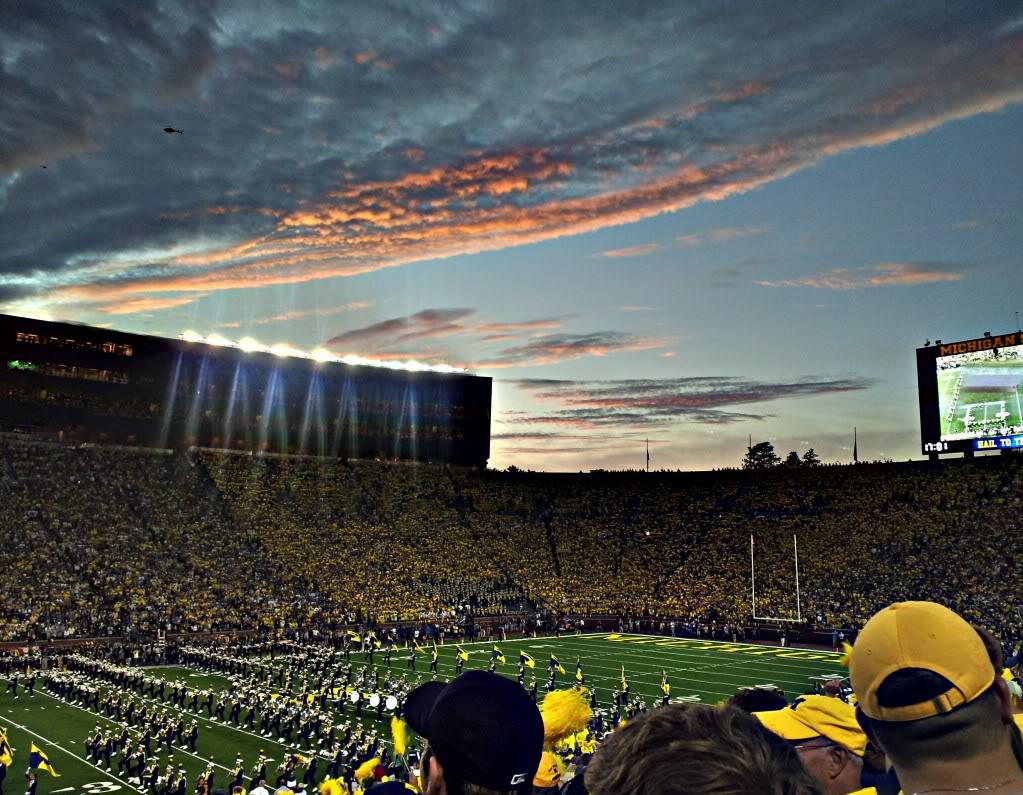
University of Michigan

The IEEE E&H Committee meets online 4 times monthly in Europe and the United States; and those meetings are open to the public (CLICK HERE).   Additionally, we set aside one hour every month to walk through the entire suite of standards for sports and recreation facilities.   See our CALENDAR for the date of our next Athletic & Recreation standards teleconference.  Login credential are at the upper right of our home page

Issue: [16-132]

Category: Electrical, Athletics & Recreation

Colleagues: Mike Anthony, Jim Harvey, Kane Howard

Related:

Designing Lighting for People and Buildings

Pathway Illumination

Engineering in Sport

Headline Bias

May 11, 2026
mike@standardsmichigan.com
No Comments

This content is accessible to paid subscribers. To view it please enter your password below or send mike@standardsmichigan.com a request for subscription details.
Layout mode
Predefined Skins
Custom Colors
Choose your skin color
Patterns Background
Images Background
Standards Michigan
error: Content is protected !!
Skip to content