John Williams composed the official theme for the 2002 Winter Olympics in Salt Lake City as a grand cantata-fanfare for orchestra and chorus, premiered by the Mormon Tabernacle Choir and Utah Symphony. The piece directly draws from the Olympic motto “Citius, Altius, Fortius”(“Faster, Higher, Stronger”), originally coined in Latin by modern Olympics founder Pierre de Coubertin in 1894, but rooted in the ancient Greek ethos of athletic excellence, striving, and human potential celebrated by authors like Pindar and Aristotle.
Williams opens with the choir emphatically chanting “Citius! Altius! Fortius!” repeatedly, building heroic orchestral swells to evoke triumphant effort and glory—mirroring ancient ideals of arete (virtue through competition) and pushing limits, as in Aristotle’s praise of those who act and compete rather than merely possess talent. He innovatively adds “Clarius” (“clearer”) in the finale, suggesting clarity of mind alongside physical prowess, extending the motto to encompass intellectual and spiritual elevation of The Games.
Lund University researchers collaborated on studies involving oat-based breakfasts (including gröt variations) to explore health benefits like unique oat oil compositions and their effects on people eating them as part of a morning meal.This ties directly into campus traditions: Swedish universities like Lund often have student canteens (kårhus or matställen) serving affordable, quick breakfasts, where plain or lightly topped havregrynsgröt is a staple—healthy, cheap, warming for cold mornings, and aligned with Nordic emphasis on whole grains. Keeping it simple:
Ingredients (for 1-2 servings): 1 dl (about ½ cup) rolled oats (havregryn), 2-3 dl milk or water (or mix), pinch of salt, optional toppings: cinnamon, apple sauce/compote, fresh/frozen berries, milk, nuts/seeds.
Method: Boil the oats with liquid and salt for 5-10 minutes on medium heat, stirring until creamy. Serve hot with toppings.
This reflects the broader Scandinavian college breakfast culture—practical, nutritious porridge as a no-fuss start to the day, especially in winter.Other universities mention grøt/gröt indirectly (e.g., University of Agder in Norway lists “grøt” as a familiar food with rice/oat variations topped with sugar, butter, cinnamon), but Lund provides the most direct university-linked background on it as a breakfast tradition.
This account is no longer active. This means we will no longer be posting or responding to questions here. Find us on other social media platforms, such as LinkedIn, Instagram and Facebook. More ways to contact Lund University can be found on our website https://t.co/jsmGWECKB0.
Sweden is now a NATO member. Thank you all Allies for welcoming us as the 32nd member. We will strive for unity, solidarity and burden-sharing, and will fully adhere to the Washington Treaty values: freedom, democracy, individual liberty and the rule of law. Stronger together.
It’s official – #Sweden is now the 32nd member of #NATO, taking its rightful place at our table. Sweden’s accession makes NATO stronger, Sweden safer, and the whole Alliance more secure. I look forward to raising their flag at NATO HQ on Monday.
“The only true sport is that which arises spontaneously
from the heart and the blood.”
— Alistair MacLean
The University of Stirling has produced several famous athletes over the years. Here are a few examples:
Duncan Scott: Duncan Scott is a Scottish swimmer who graduated from the University of Stirling in 2018. He has won numerous medals at major international competitions, including the Olympics, the World Championships, and the Commonwealth Games.
Andy Murray: While Andy Murray did not technically graduate from the University of Stirling, he did attend the university for a brief period in the early 2000s. Murray is a famous Scottish tennis player who has won multiple Grand Slam titles and an Olympic gold medal.
Ross Murdoch: Ross Murdoch is a Scottish swimmer who graduated from the University of Stirling in 2016. He has won multiple medals at major international competitions, including the Commonwealth Games.
Robbie Renwick: Robbie Renwick is a Scottish swimmer who graduated from the University of Stirling in 2009. He has won multiple medals at major international competitions, including the Olympics and the Commonwealth Games.
This content is accessible to paid subscribers. To view it please enter your password below or send mike@standardsmichigan.com a request for subscription details.
The main building of the University of Minnesota Medical Center was established in 1997 through a merger with University Hospitals and Clinics and Fairview Health Services. It has approximately 1300 beds.
In the early to mid-1900s, some US colleges used orphaned babies in home economics programs to teach child-rearing skills
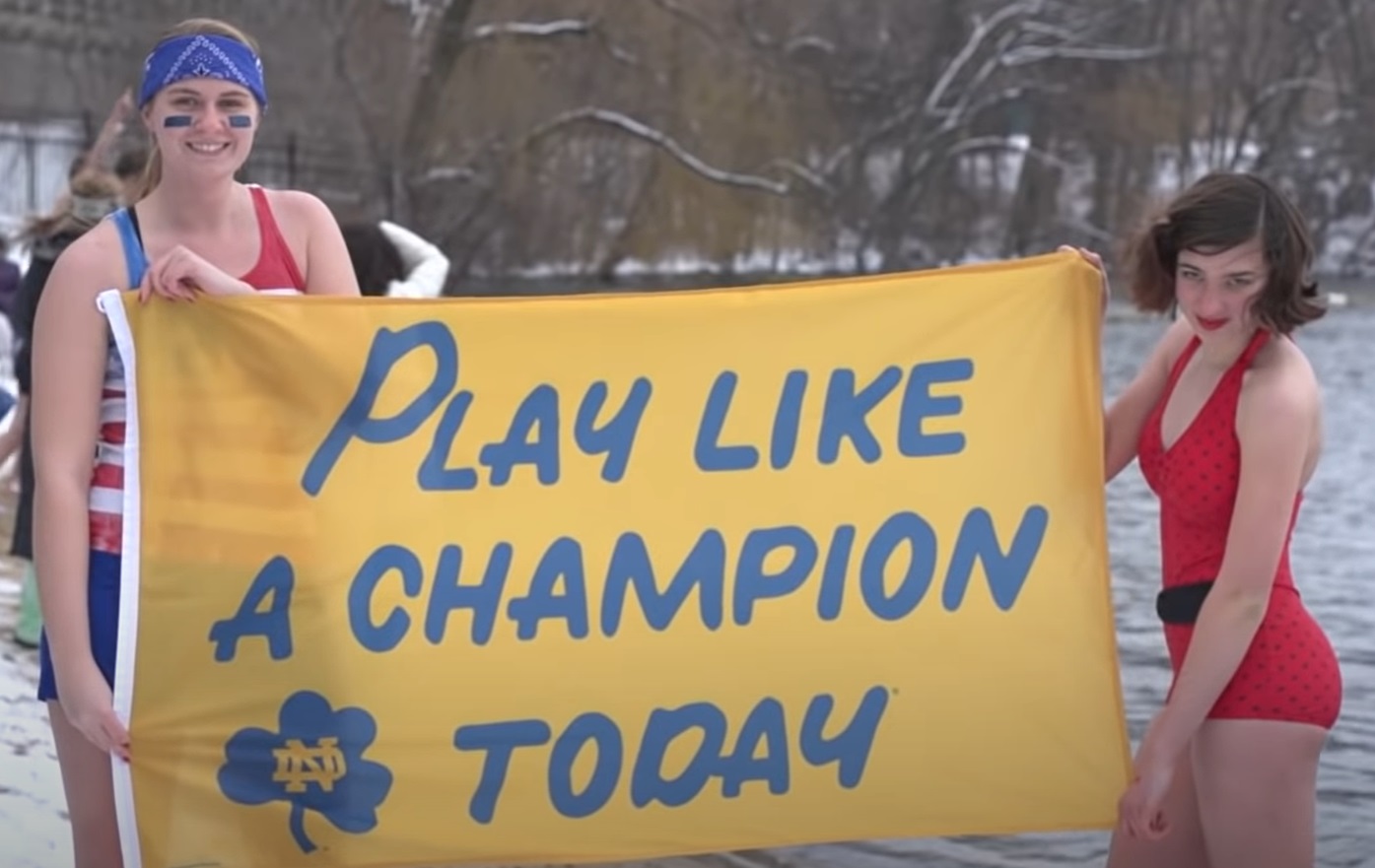
January 1st is Polar Bear Plunge Day in the Great Lakes. February should just be renamed ‘We Survived New Year’s Insanity, Now We Freeze Quietly’ Month’. It is also popular among the young in other “watery” universities around the world.
Cold shower? Ice swimming? ‘In 2014, researchers at Radboud University in the Netherlands investigated one of Hof’s bolder statements: that his regime can be used to control the immune system.’ @radboudumc@newscientist@Radboud_Unihttps://t.co/I9nqlJbUQQ
— Radboudumc wetenschap (@radboudumc_weet) April 22, 2021
Increased adrenaline rush: Cold water swimming can produce a surge of adrenaline in the body, which can make you feel more energized and alert.
Improved mood: Cold water swimming has been associated with an increased release of endorphins, which can elevate your mood and reduce stress levels.
Improved immune function: Cold water swimming has been shown to improve immune function, possibly due to the stress response induced by the cold water.
Sense of accomplishment: Many people find ice swimming to be a challenging and rewarding experience, providing a sense of accomplishment and pride.
Social bonding: Ice swimming can be a social activity, with groups of people coming together to share the experience and support each other.
Hazards:
Hypothermia: Prolonged exposure to cold water can cause hypothermia, which can be life-threatening if left untreated.
Cold shock response: Entering cold water can cause an involuntary gasp reflex, which can lead to drowning if it occurs while the head is underwater.
Heart problems: Cold water swimming can put a strain on the heart and increase the risk of heart attack or stroke in people with underlying cardiovascular disease.
Frostbite: Exposed skin can become frostbitten in cold water, particularly in extremities such as the fingers and toes.
Injury from slipping or falling: Ice swimming can be hazardous if proper safety precautions are not taken, such as wearing appropriate footwear and using a rope or ladder to enter and exit the water.
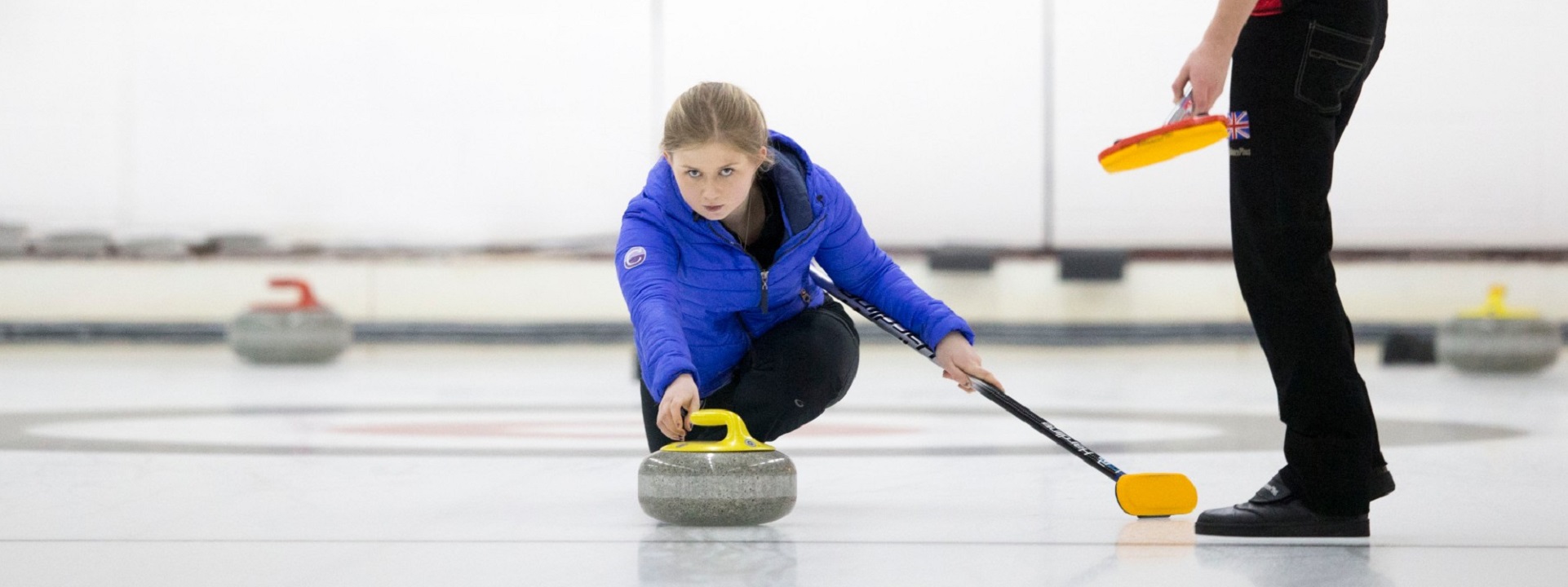
The term “curling” is thought to derive from the way the stone moves and “curls” as it travels over the ice. The key feature of curling that sets it apart from other ice sports is the deliberate rotation, or “curl,” applied to the stones as players release them. This rotation causes the stone to curve or “curl” on its path down the ice, adding an element of strategy to the game.
The precise origin of the term is not definitively known, but it likely emerged organically as people described the action of the stones on the ice. The word “curling” has been associated with the sport for centuries, and as the game evolved and gained popularity, the term became firmly established.
The concept of curling is integral to the sport’s strategy, as players use the curl to navigate the stones around guards and other stones strategically placed on the ice. The unique way in which the stones move and interact with the playing surface is one of the defining characteristics of curling, and the name captures this distinctive feature
A curling facility typically consists of several key components to support the sport and provide a suitable environment for players and spectators:
Flooding equipment, refrigeration for 3 degrees C, fine mist sprayers, ice planer, infrared thermometers.
The playing surface is called a “sheet,” and it is a rectangular area of ice where the game is played. Each sheet is divided into several sections called “curling houses,” which are the target circles.
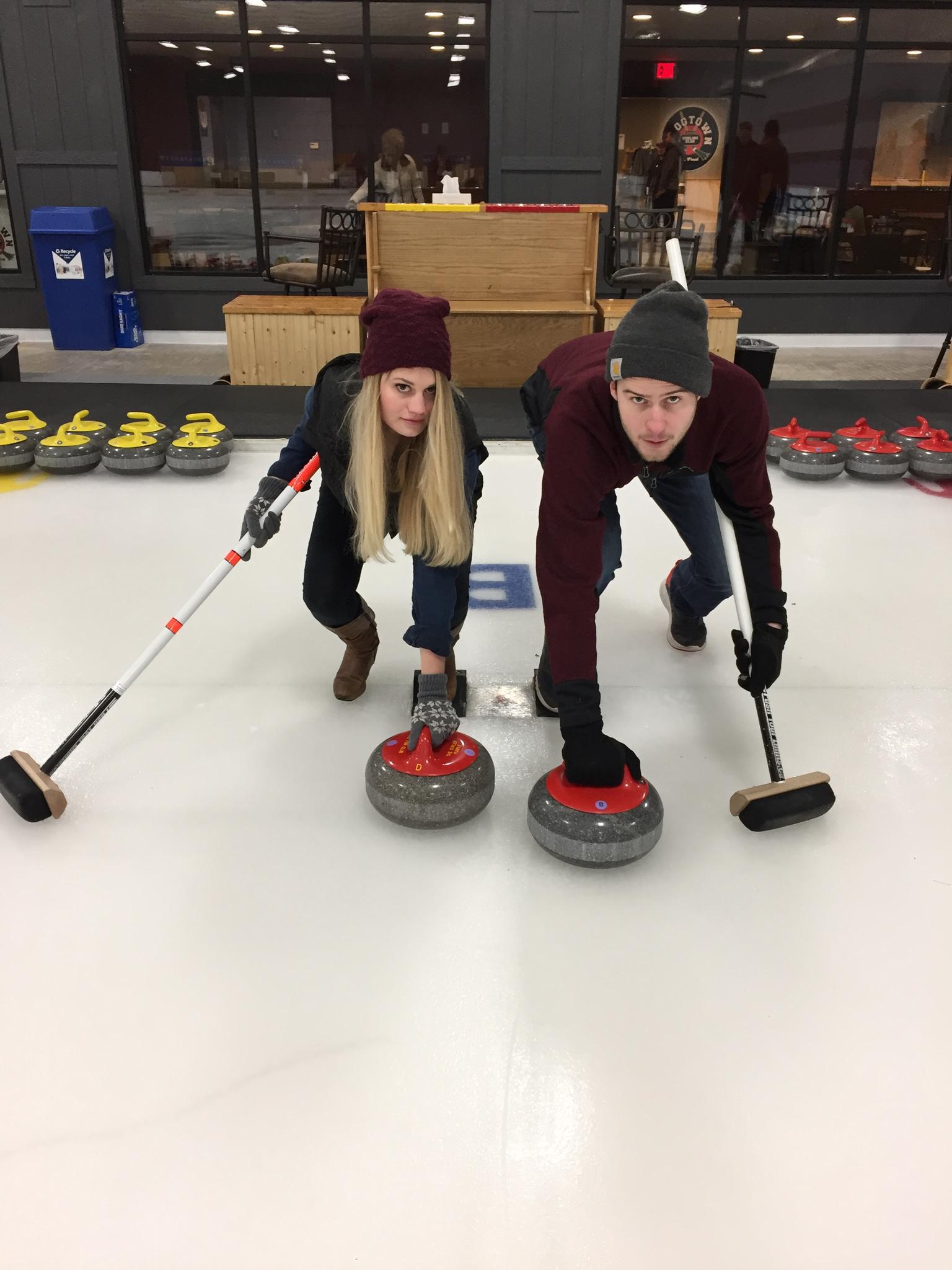
Curling stones are made of granite and weigh around 38 to 44 pounds. Each team has eight stones, and players take turns sliding them down the ice towards the target area, known as the House.
The house is the target area with concentric circles marked on the ice. The center of the house is the “button,” and the circles are used for scoring points.
The hacks are footholds on either end of the sheet where players push off to slide the stones. The player in control of the stone uses the hack as a starting point for their delivery.
Brooms, also known as brushes, are used by players to sweep the ice in front of the sliding stone. Sweeping can affect the stone’s trajectory and speed.
A scoreboard is essential for keeping track of the score in a curling game. It typically displays the current score, the end in progress, and other relevant information.
Players use locker rooms for changing into their curling attire and storing their personal belongings.
A designated area where players can warm up before a game. It may include stretching space and possibly a small practice sheet.
A facility usually has a clubhouse or main building that includes amenities such as viewing areas, meeting rooms, a bar, and possibly a restaurant. In the case of the Windsor Curling Club: Scotch Whiskey
Equipment like ice resurfacers or Zambonis are used to maintain the quality of the ice surface between games.
The origin of curling is sketchy but this much is agreed upon: Curling is thought to have originated in Scotland, and its roots can be traced back to medieval times. The first written record of curling dates back to 1541 in the records of the Scottish city of Paisley, where a challenge was issued for a contest on the ice between two rival churches.
The early form of the game involved players sliding stones across frozen ponds and lochs, attempting to reach a target. Over time, the sport evolved, and rules were established. Early versions of curling stones were likely rudimentary compared to the polished granite stones used today.
Curling gradually gained popularity in Scotland and spread to other parts of the world, especially among Scottish immigrants. The sport found a home in Canada in the 18th century, where it has become particularly popular. The first curling club in North America, the Montreal Curling Club, was established in 1807. The Detroit Curling Club was established in 1840; one of the oldest curling clubs in the United States, owing much to its across the river relationship with Windsor Canada.
New update alert! The 2022 update to the Trademark Assignment Dataset is now available online. Find 1.29 million trademark assignments, involving 2.28 million unique trademark properties issued by the USPTO between March 1952 and January 2023: https://t.co/njrDAbSpwBpic.twitter.com/GkAXrHoQ9T