Property Loss Prevention

Loading
loading...

Property Loss Prevention

January 28, 2026
mike@standardsmichigan.com
, ,
No Comments

Architect and Engineers Data Sheet Download | Updates January 2026

These are generally downloads.  We are happy to pick through the changes to the Electrical stack depending upon interest.

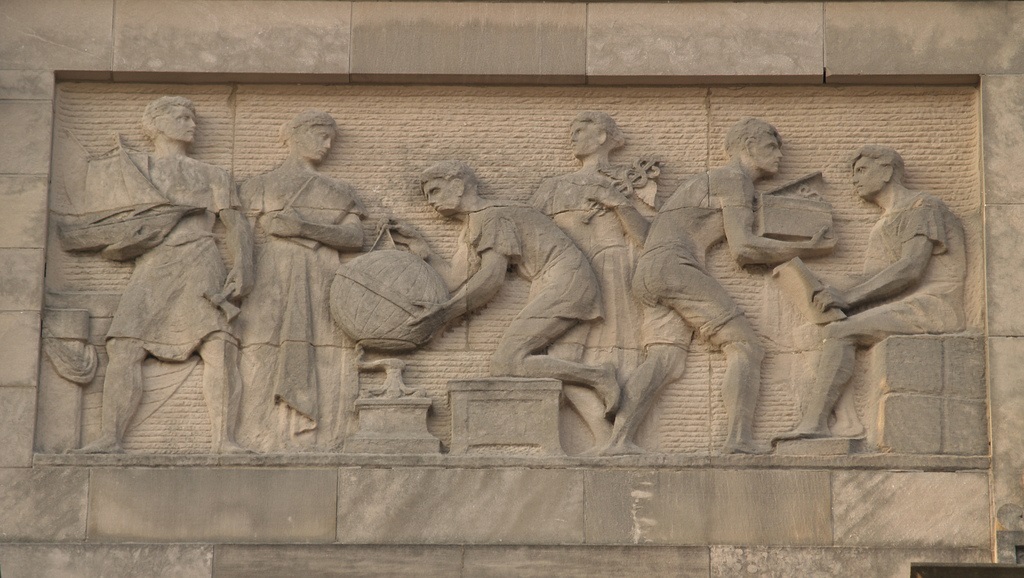
Left Panel Of George Julian Zolnay’s Allegorical “Academic, Business & Manual Education” Granite Frieze At Francis L. Cardozo High School (Washington, DC)

All fifty United States have their own “signature” disaster with which to reckon; some more than others.   California has earthquakes, Florida has hurricanes, Missouri has floods; and so on,  Life and property loss are preventable; but losses will persist because technical solutions notwithstanding, culture determines human behavior.  It is impossible to be alive and safe.

FM Global is one of several organizations that curate privately developed consensus products that set the standard of care for many industries; education communities among them.  These standards contribute to the reduction in the risk of property loss due to fire, weather conditions, and failure of electrical or mechanical equipment.  They incorporate nearly 200 years of property loss experience, research and engineering results, as well as input from consensus standards committees, equipment manufacturers and others.

If you want FMGlobal as your insurance carrier, or to supplement your organization’s self-insurance program, then you will likely be assigned an FMGlobal conformity professional.

A scan of its list data sheets indicate a number of noteworthy updates of documents establishing minimum requirements for safety technologies common in education facilities:

Technical Reports Supporting Code Change

Note that the bulk of the safety concepts in the foregoing titles incorporate by reference the safety concepts that cross our radar every day   FM Global provides direct access to the full span of its documents at this link:

FM GLOBAL PROPERTY LOSS PREVENTION DATA SHEETS

Note FM Global updates its standards every three months:

Standards in Progress

To respond to calls for public consultation you will need to set up (free) access credentials.

We keep FMGlobal titles — and the literature of other property insurers involved in standards setting — on the standing agenda of our Risk, Snow and Prometheus colloquia.  See our CALENDAR for the next meeting.

Issue: [Various]

Category: Risk, Facility Asset Management


More

Deloitte University: Innovation in Insurance

University of Pennsylvania demonstrates the critical importance of sprinklers in dormitories

Syracuse University presents an eclectic mix of risk management challenges

Jackson Laboratory

Representative force majeure clauses.

Example 1: Basic Force Majeure Clause

“Neither party shall be liable for any failure or delay in performance of its obligations under this agreement due to events beyond its reasonable control, including but not limited to acts of God, war, terrorism, civil commotion, labor strikes, and natural disasters. The affected party shall promptly notify the other party of the force majeure event and take reasonable steps to mitigate its impact on performance. During the continuance of such events, the obligations of the affected party shall be suspended, and the time for performance shall be extended.”

Example 2: Detailed Force Majeure Clause

“In the event that either party is unable to perform its obligations under this agreement due to a force majeure event, the affected party shall promptly notify the other party in writing, specifying the nature and anticipated duration of the force majeure event. Force majeure events shall include, but are not limited to, acts of God, strikes, lockouts, government action or inaction, war, terrorism, epidemics, and natural disasters. The affected party shall use reasonable efforts to overcome or mitigate the effects of the force majeure event. If the force majeure event continues for a period of [specified duration], either party may terminate this agreement by providing written notice to the other party.”


Prevention of Slips, Trips and Falls

January 28, 2026
mike@standardsmichigan.com
No Comments

“Winterlandschaft” | Aert van der Neer (1655)

The mission of the National Floor Safety Institute (NFSI) is to aid in the prevention of slips, trips-and-falls through education, research, and standards development.  NFSI provides a wide range of services including independent product testing and certification, educational training, and standards development.   Its consensus product library is linked below:

Our Standards

We track several NFSI products for the education facility industry; one of which is linked below:

B101.6 STANDARD GUIDE FOR COMMERCIAL ENTRANCE MATTING IN REDUCING SLIPS, TRIPS AND FALLS.

At the moment the 2012 edition linked above appears to be the current version.   User-interests in the education facility industry — custodial mangers and staff, for example –are encouraged to communicate directly with Russell Kendzior at NFSI, P.O. Box 92607, Southlake, TX 76092, (817) 749-1700, russk@nfsi.org.

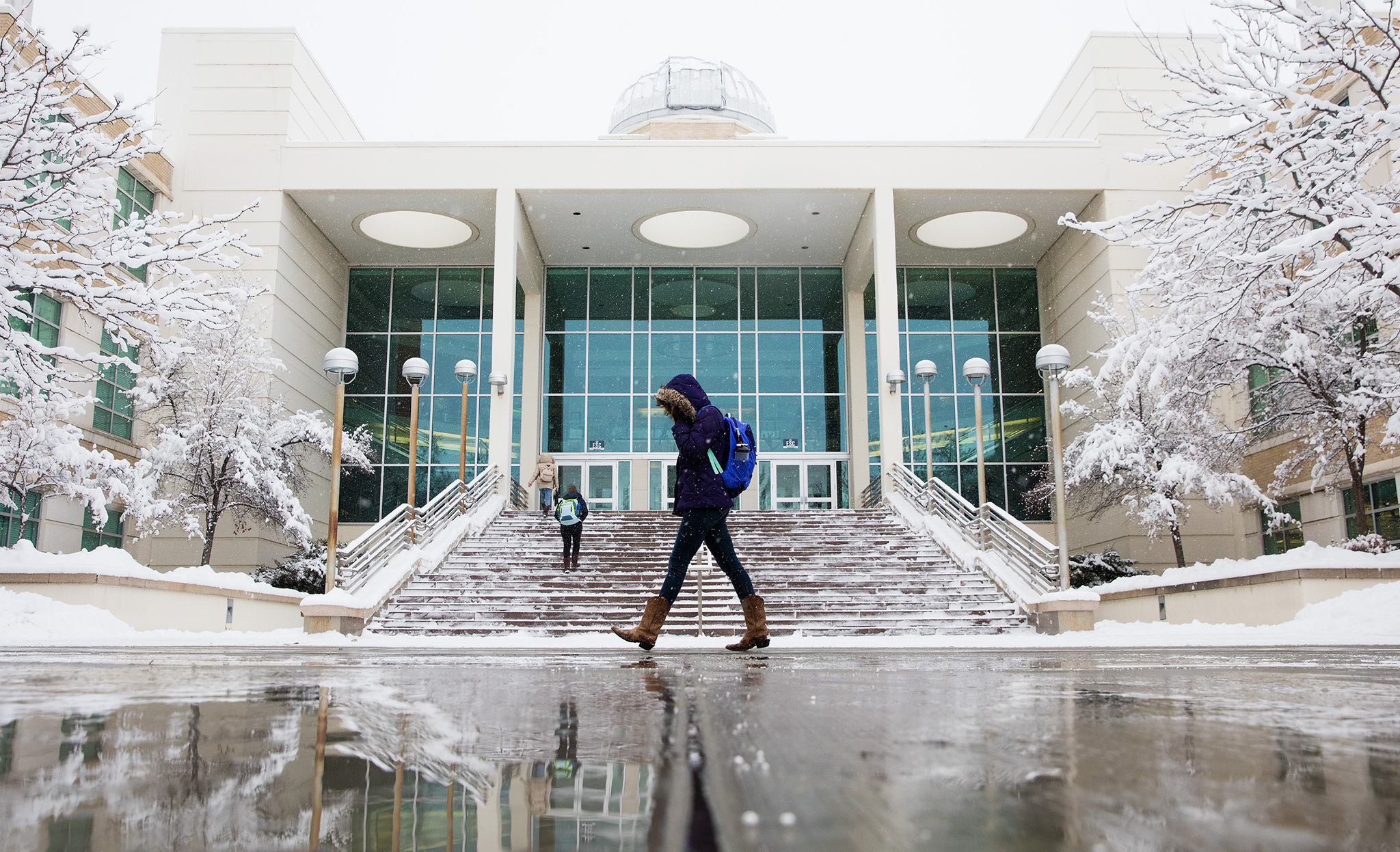
Brigham Young University

There are several accredited standards developers in this space and our algorithm tracks them all.  We place this product suite on the standing agenda of our monthly Interior Fixture & Hygiene online meeting; open to everyone.  Use the login credentials at the upper right of our home page to log in.

Issue: [18-193]

Category: Risk Management, Interior Fixtures & Hygiene, Facility Asset Management

Colleagues:  John Lawter, Richard Robben


More:

Floor Safety

NFSI Board of Directors Terminates Relationship with ANSI, January 31, 2020


Snow Management

January 28, 2026
mike@standardsmichigan.com
, , ,
No Comments

“A Morning Snow–Hudson River” 1910 George Wesley Bellows | Smithsonian American Art Museum

This time of year in the Northern Hemisphere we keep an eye on snow management  standards; among them titles developed by the Accredited Snow Contractors Association.  The barriers to entry into this domain are relatively low and, arguably undisciplined; hence the need for standards setting.  Even when only partially adopted, use of ANSI accredited standards reduces the “wheel reinvention” that is common to the business side of the education industry when new initiatives, or continuous improvement programs are undertaken without consideration of already existing leading practice discovery by ANSI-accredited technical committees.  Start here:

ASCA Standards Home Page

The parent title for the emergent ASCA bibliography is System Requirements for Snow and Ice Management Services; free to ASCA members.  The current version is dated 2014 and will likely be updated and/or re-affirmed.  The circumstances of the pandemic has slowed the work of many standards setting committees.  The safety and sustainability concepts remain intact, however.  Among them:

  • If snow can be removed from a lot or hard surface and appropriate room exists, always push the snow as far back as possible beyond the curb or lot edge to make room for additional snow.
  • If snow cannot be removed from a lot or hard surface, always place snow piles on a predetermined spot approved by the client and marked on the snow contractor’s preseason site report.  
  • Do not pile snow in a handicap parking space.
  • Do not bury or plow snow onto a fire hydrant, post indicator valve, or fire hookup along the building wall.
  • Avoid placement of snow piles where thaw/melt off can run across the parking lot surface. Try to place piles near drain grates to avoid icy situations during thaw-and-refreeze periods.
  • Do not push snow against a building.
  • Do not block building doorways or emergency exits.
  • Do not block pedestrian walks or paths with snow piles.
  • Do not push snow onto motor vehicles.
  • Do not plow snow in front of or bury trash containers. Sidewalk labor must shovel inside trash container enclosure for access to the doors. If the container is not in an enclosure, create a clear path to the access doors or panels.

"Liberty, when it begins to take root, is a plant of rapid growth" - (Letter to James Madison, March 2, 1788)“The cold was our pride, the snow was our beauty.” — F. Scott Fitzgerald ('Wiinter Dreams' 1922)

ASCA has more recently released another title — Standard Practice for Procuring and Planning Snow & Ice Management Services — that seems (by its title alone) to be a companion consensus product.  From its prospectus:

This standard of practice covers essential procuring and planning for snow and ice management services. Standards for procuring and planning are essential for business continuity and to improve safety for patrons, tenants, employees, and others in the general public. Knowing how to describe service requirements in a snow and ice management request for proposal (RFP) is an important component to providing effective services, particularly where winter weather is a variable. This standard practice provides guidance on the snow and ice management procurement and planning process to aid in the creation of RFPs, contracts, agreements, and monitoring procedures. This standard will not be submitted for consideration as an ISO, IEC, or ISO/IEC JTC-1 standard.

Apart from these titles, we do not see any recent happening in the ASCA standards setting enterprise.  We will pass information along as it becomes available.  Alternatively, you may communicate directly with ASCA, 5811 Canal Road  Valley View, OH 44125, Ph: (800) 456-0707.  Most education communities employ a combination of permanent and contract staff for these services.

We maintain the ASCA bibliography on our Snow & Ice colloquia  See our CALENDAR for the next online meeting; open to everyone.

Issue: [13-104]

Category:  Grounds and Landscaping, Exterior, Public Safety, Risk Management

Colleagues: John Lawter, Richard Robben

More>>

ARCHIVE / Snow & Ice


Natural Gas Transmission & Distribution

January 27, 2026
mike@standardsmichigan.com
,
No Comments

Natural gas systems are deeply integrated into educational settlements: providing fuel to district energy plants, hospital backup power systems, hot water systems to residence halls and kitchens to name a few. The American Gas Association catalog is fairly stable; reflected in the relative reliability of the US natural gas distribution network. Still, the door is open for discovering and promulgating best practice; driven largely by harmonization with other standards and inevitable “administrivia”. The current edition of the National Fuel Gas Code (ANSI Z223.1) is dated 2024 and harmonizes with NFPA 54.

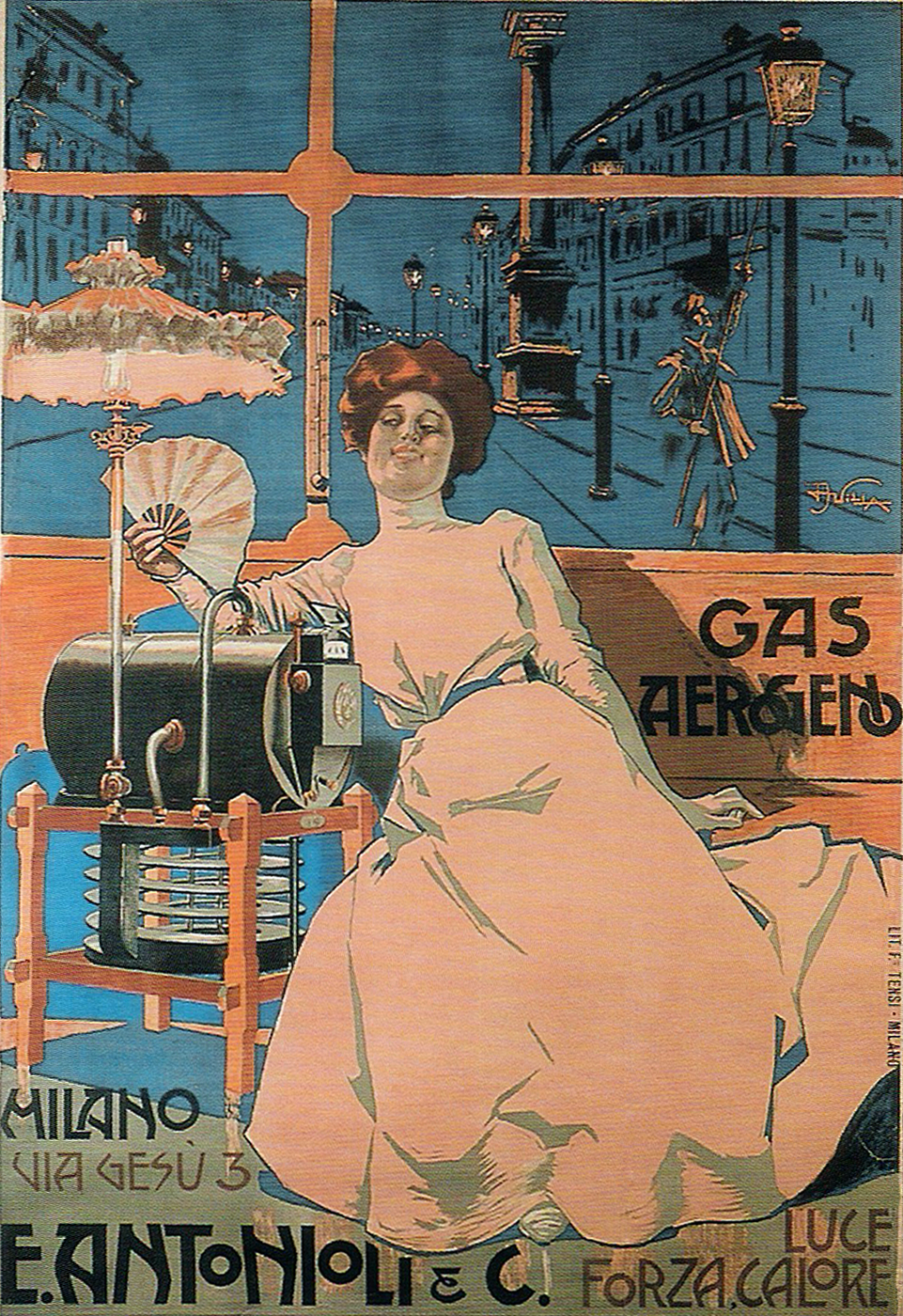
Poster showing benefits of gas lighting and heating (Italy, 1902)


Most school districts, colleges, universities and university-affiliated health care systems depend upon a safe and reliable supply of natural gas.  Owing to safety principles that have evolved over 100-odd years you hardly notice them.  When they fail you see serious drama and destruction.

One of the first names in standards setting for the natural gas industry in the United States is the American Gas Association (AGA) which represents companies delivering natural gas safely, reliably, and in an environmentally responsible way.  From the AGA vision statement:

“….(AGA) is committed to leveraging and utilizing America’s abundant, domestic, affordable and clean natural gas to help meet the nation’s energy and environmental needs….”

We do not advocate in natural gas standards at the moment but AGA standards do cross our radar because they assure energy security to the emergent #SmartCampus.  We find AGA standards referenced in natural gas service contracts (for large district energy plants, for example) or in construction contracts for new buildings.  As with all other energy technological developments we keep pace with, improvements are continual even though those improvements are known to only a small cadre of front line engineers and technicians.

AGA has released seventeen redlines containing proposed changes to one of its parent documents for natural gas delivery”  GPTC Z380.1 Guide for Gas Transmission, Distribution, and Gathering Piping Systems. The redlines are listed in the link below:

American Gas Association Standards Public Review Home Page

Public consultation on the 2027 National Fuel Gas Code closes June 4, 2024.

You may obtain an electronic copy from: https://www.aga.org/research/policy/ansi-public-reviews/.  Comments should be emailed to Betsy Tansey GPTC@aga.org, Secretary, ASC GPTC Z380. Any questions you may have concerning public reviews please contact Betsy Tansey (btansey@aga.org) as well.

University of Michigan Central Heating Plant

We meet online every day at 11 AM Eastern time to march through technical specifics of all technical consensus products open for public comment.  Feel free to click in.   Also, we meet with mechanical engineering experts from both the academic and business side of the global education community once per month.  See our CALENDAR for our next Mechanical Engineering monthly teleconference; open to everyone.

Issue: [19-27]

Category: Energy, Mechanical, Risk Management

Colleagues: Mike Anthony, Richard Robben, Larry Spielvogel


Reaction: January 22 Open Meeting

January 27, 2026
mike@standardsmichigan.com
No Comments


FERC HOME

The current full complement of five FERC commissioners is relatively new as of December 23, 2025. The two most recent additions — Chairman Laura V. Swett (term expiring June 30, 2030) and Commissioner David A. LaCerte (term expiring June 30, 2026) — were confirmed by the U.S. Senate on October 7, 2025.
Ω
This restored FERC to its full five members after prior vacancies and transitions earlier in the year. The other commissioners (David Rosner, Lindsay S. See, and Judy W. Chang) have been in place since mid-2024 or earlier, but the current lineup only fully formed about two and a half months ago.
Ω
This followed changes tied to the new administration, including shifts in majority and leadership.
January 22.  Issues of interest discussed at the FERC Open Meeting on January 22, 2026, centered primarily on electric sector matters related to generator interconnection reforms, expedited processes for resource adequacy.  Our interest lies in the effect of FERC action will have on the utility costs of educational settlements which, of course, practically involves all utilities and how those decisions are reflected in state tariffs.
One issue of particular interest for Michigan: Midcontinent Independent System Operator, Inc. (MISO) Expedited Resource Addition Study (ERAS) process (Docket No. ER25-2454-002): The Commission addressed arguments on rehearing and sustained its prior July 21, 2025, order approving MISO’s ERAS framework. This provides an expedited interconnection study process for generation projects addressing urgent near-term resource adequacy and reliability needs in the MISO region.  Discussions involved balancing reliability concerns (e.g., load growth, resource shortfalls) against claims of undue discrimination or preference in interconnection queuing, as raised by public interest groups.  We will see these conclusions reflected in Michigan Public Service Commission action.Other agenda elements likely included routine administrative matters (e.g., A-1 Agency Administrative Matters, A-2 Customer Matters/Reliability/Security/Market Operations) and consent items (often non-controversial electric, gas, hydro, or certificate matters voted en bloc without discussion).
No major presentations were noted, and the meeting focused on these reliability/interconnection and market integrity issues amid broader grid challenges like queue backlogs, rapid load growth, and transitioning resources.The Q&A afterward involved energy media, with emphasis by Laura V. Swett on reliability concerns ahead of likely winter storms. The next public open meeting is scheduled for Thursday, February 19th. 

December 18. The public meetings are dominated by administrative procedures and mutual admiration.  Technical issues that require in-depth, expert-level understanding of complex laws, rules, guidelines, and precedents beyond surface-level awareness appear deeper into the FERC website.  There you will generally find:

  • Nuanced interpretation of statutes and agency decisions
  • Awareness of historical context and evolving policies
  • Insight into how rules interact with technical, economic, and operational realities
  • Impacts of changes and navigate compliance strategically

As interest and time allows we can pick through technical specifics regarding FERC oversight of interstate electricity with the IEEE colleagues.

Ω

Ω


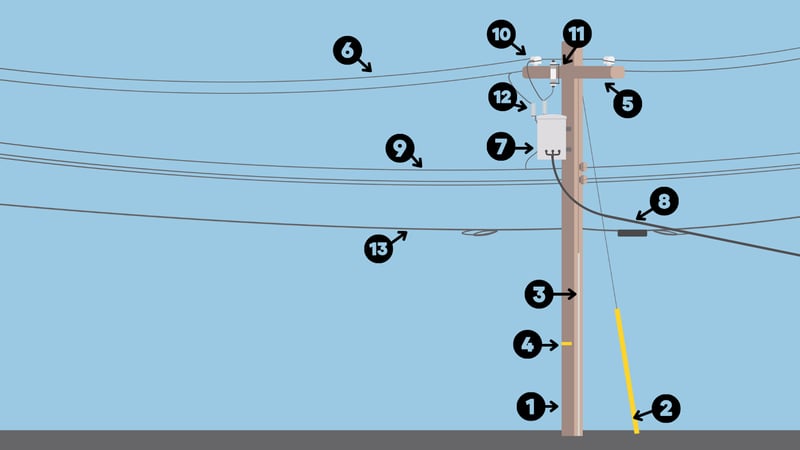
Whats On a Utility Pole

Midwest Energy Communications: What’s On a Utility Pole?


Heat Tracing Installation

January 27, 2026
mike@standardsmichigan.com
, , ,
No Comments

“Vue de toits (effet de neige)” 1878 Gustave Caillebotte

One of the core documents for heat tracing is entering a new 5-year revision cycle; a consensus standard that is especially relevant this time of year because of the personal danger and property damage that is possible in the winter months.  Education communities depend upon heat tracing for several reasons; just a few of them listed below:

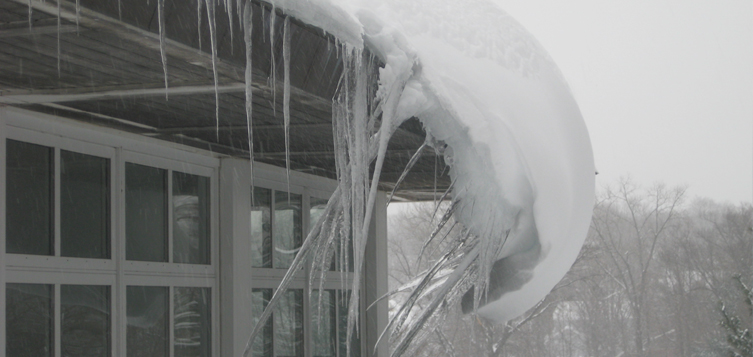
  • Ice damming in roof gutters that can cause failure of roof and gutter structural support
  • Piping systems for sprinkler systems and emergency power generation equipment
  • Sidewalk, ramp and stairway protection

IEEE 515 Standard for the Testing, Design, Installation, and Maintenance of Electrical Resistance Trace Heating for Industrial Applications is one of several consensus documents for trace heating technology.   Its inspiration originates in the petrochemical industry but its principles apply to all education facilities exposed to cold temperature and snow.   From its prospectus:

This standard provides requirements for the testing, design,installation, and maintenance of electrical resistance trace heating in general industries as applied to pipelines, vessels, pre-traced and thermally insulated instrument tubing and piping, and mechanical equipment. The electrical resistance trace heating is in the form of series trace heaters, parallel trace heaters, and surface heating devices. The requirements also include test criteria to determine the suitability of these heating devices utilized in unclassified (ordinary) locations.

Its principles can, and should be applied with respect to other related documents:

National Electrical Code Article 427

NECA 202 Standard for Installing and Maintaining Industrial Heat Tracing Systems

IEC 62395 Electrical resistance trace heating systems for industrial and commercial applications

 ASHRAE 90.1 Energy Standard for Buildings Except Low-Rise Residential Buildings

Lowell House / Harvard University

We are happy to explain the use of this document in design guidelines and/or construction specifications during any of our daily colloquia.   We generally find more authoritative voices in collaborations with the IEEE Education & Healthcare Facilities Committee which meets 4 times per month in Europe and in the Americas.  We maintain this title on the standing agenda of our Snow & Ice colloquia.  See our CALENDER for the next online meeting.

Issue: [18-331]

Colleagues: Mike Anthony, Jim Harvey, Kane Howard

Category: Electrical, #SmartCampus


LEARN MORE:

Good Building Practice for Northern Facilities

Electrical Heat Tracing:International Harmonization Now and in the Future, IEEE Industry Standards Magazine, May/June 2002 pages 50-56


Electrical heat tracing: international harmonization-now and in the future

January 27, 2026
mike@standardsmichigan.com
, , , , , , , ,
No Comments


Electrical heat tracing: international harmonization-now and in the future

C. Sandberg

Tyco Thermal Controls

N.R. Rafferty – M. Kleinehanding – J.J. Hernandez

E.I. DuPont de Nemours & Company, Inc 


Abstract:  In the past, electrical heat tracing has been thought of as a minor addition to plant utilities. Today, it is recognized as a critical subsystem to be monitored and controlled. A marriage between process, mechanical, and electrical engineers must take place to ensure that optimum economic results are produced. The Internet, expert systems, and falling costs of instrumentation will all contribute to more reliable control systems and improved monitoring systems. There is a harmonization between Europe and North America that should facilitate design and installation using common components. The future holds many opportunities to optimize the design.

CLICK HERE to order complete paper


Heat Tracing Installation

Industrial electroheating and electromagnetic processing

Pipe Heating

Heat Tracing

Neonatal Care Units

January 26, 2026
mike@standardsmichigan.com
No Comments

Today at 16:00 UTC we examine the interaction among several standards catalogs of ANSI accredited, consortia and ad hoc electrotechnology standards developers with respect to governmental regulation of maternity and neonatal care at all levels.

  • University of Kentucky

Maternity and obstetrics facilities

Architectural standards for Neonatal Intensive Care Units (NICUs) are designed to create a safe, efficient, and healing environment for newborns requiring intensive medical care. These standards encompass various aspects, including layout, space requirements, environmental controls, and infection control. Here are the key architectural standards for NICUs:

1. Space Requirements

Single-Patient Rooms: Preferably, NICUs should have single-patient rooms to reduce the risk of infection and provide privacy for families. The recommended size for each room is around 150 square feet.
Open Bay Design: If single-patient rooms are not feasible, open bay designs with a minimum of 120 square feet per infant space should be considered.
Family Areas: Incorporate family zones within or adjacent to the patient care area to support family involvement in care.

2. Environmental Controls

Lighting: Use adjustable lighting to mimic natural day-night cycles. Dimmable and indirect lighting is recommended to reduce stress on infants.
Noise Control: Implement sound-absorbing materials and design to maintain noise levels below 45 decibels. Alarms and other auditory signals should be as non-disruptive as possible.
Temperature and Humidity: Maintain a controlled environment with temperatures between 72-78°F and relative humidity between 30-60% to support the infants’ thermal regulation.

3. Infection Control

Hand Hygiene Facilities: Provide sinks with touchless faucets in each patient room and strategically placed hand sanitizer dispensers.
Air Quality: Use HEPA filtration systems to maintain high air quality and reduce airborne infections. Ensure proper ventilation and air exchange rates.
Surfaces and Materials: Use easily cleanable and antimicrobial surfaces and materials to minimize the risk of infection.

4. Functional Design

Nurse Stations: Design nurse stations to have a clear line of sight to all patient areas. Centralized and decentralized stations can be used depending on the layout.
Equipment and Storage: Include adequate storage space for medical equipment and supplies within close proximity to patient care areas. Ensure equipment is easily accessible yet out of the way to prevent clutter.
Utilities and Support Spaces: Provide adequate space for utilities such as oxygen, medical gases, electrical outlets, and data ports. Support spaces should include areas for medication preparation, clean and dirty utility rooms, and staff break areas.

5. Safety and Accessibility

Emergency Access: Ensure clear and unobstructed pathways for emergency access and equipment transport.
Accessibility: Design the unit to be fully accessible to staff, patients, and families, including those with disabilities. Compliance with ADA (Americans with Disabilities Act) standards is essential.
Security: Implement security measures to control access to the NICU, including electronic access control systems and surveillance cameras.

6. Aesthetic and Healing Environment

Color and Decor: Use calming colors and artwork to create a soothing environment. Avoid bright or overly stimulating colors.
Nature Integration: Where possible, incorporate natural elements such as views of nature, indoor plants, and natural light to promote a healing environment.

7. Flexibility and Future Expansion

Modular Design: Use a modular design approach to allow for easy reconfiguration and future expansion of the NICU as needed.
Scalability: Plan for scalable infrastructure to accommodate technological advancements and changing patient care needs.
These architectural standards aim to provide a safe, efficient, and supportive environment for both the infants and their families, while also meeting the operational needs of healthcare providers.

Case Studies:

A newborn in distress

Neonatal Clinical Outcomes: a Comparative Analysis

Camera-Based Heart Rate Variability for Estimating the Maturity of Neonatal Autonomic Nervous System

Modulation frequency analysis of seizures in neonatal EEG

EEG ‘diarization’ for the description of neonatal brain injuries


List of colleges and universities with extensive neonatal research and clinical facilities:

East Coast

    1. Harvard University (Boston, MA)
      • Affiliated with Boston Children’s Hospital and Brigham and Women’s Hospital.
      • Specialized centers for neonatal intensive care and research.
    2. Johns Hopkins University (Baltimore, MD)
      • Strong neonatal research through the Johns Hopkins Children’s Center.
    3. Columbia University (New York, NY)
      • Known for the Morgan Stanley Children’s Hospital and advanced neonatal care.
    4. University of Pennsylvania (UPenn) (Philadelphia, PA)
      • Penn Medicine and Children’s Hospital of Philadelphia (CHOP) collaborate on neonatal studies.

Midwest

    1. University of Chicago (Chicago, IL)
      • Comer Children’s Hospital focuses on neonatal care and research.
    2. University of Michigan (Ann Arbor, MI)
      • The C.S. Mott Children’s Hospital has a Level IV NICU and leads neonatal innovation.
    3. Washington University in St. Louis (St. Louis, MO)
      • Affiliated with St. Louis Children’s Hospital for neonatal research.

South

    1. Duke University (Durham, NC)
      • Duke Children’s Hospital is known for its neonatal-perinatal research.
    2. University of Texas Southwestern Medical Center (Dallas, TX)
      • Conducts cutting-edge neonatal research in partnership with Parkland Hospital.
    3. Vanderbilt University (Nashville, TN)
      • The Monroe Carell Jr. Children’s Hospital has a strong neonatal program.

West Coast

    1. Stanford University (Stanford, CA)
      • Lucile Packard Children’s Hospital is a leader in neonatal research and care.
    2. University of California, San Francisco (UCSF) (San Francisco, CA)
      • Renowned for its neonatology program and neonatal clinical trials.
    3. University of Washington (Seattle, WA)
      • Affiliated with Seattle Children’s Hospital for neonatal research.

International

    1. University of Toronto (Toronto, Canada)
      • SickKids Hospital is a global leader in neonatal care and research.
    2. University College London (UCL) (London, UK)
      • Neonatal research at Great Ormond Street Hospital and University College Hospital.
    3. University of Melbourne (Melbourne, Australia)
      • Affiliated with the Royal Children’s Hospital and its neonatal programs.

Children’s Hospital Neonatal Intensive Care

January 26, 2026
mike@standardsmichigan.com
, , ,
No Comments

Some of the common electro-technologies used in a neonatal care unit include:

  • Incubators: These temperature-controlled units create a controlled environment to keep premature or sick infants warm and protected.
  • Ventilators: Mechanical ventilators assist newborns with respiratory distress by delivering oxygen and helping them breathe.
  • Monitors: These devices track vital signs such as heart rate, oxygen levels, blood pressure, and temperature to ensure the baby’s health and detect any abnormalities.
  • Phototherapy Lights: Special lights are used to treat jaundice in newborns, helping to break down excess bilirubin in the blood.
  • Intravenous Pumps: These pumps are used to deliver medications, fluids, and nutrients directly into the baby’s bloodstream.
  • Feeding Tubes: For infants who are unable to feed orally, feeding tubes are used to deliver breast milk or formula directly into their stomach.
  • Blood Gas Analyzers: These machines measure the levels of oxygen, carbon dioxide, and other gases in a baby’s blood to monitor respiratory status and acid-base balance.
  • Infusion Pumps: Used to administer controlled amounts of fluids, medications, or nutrients to newborns.
  • CPAP/BiPAP Machines: Continuous Positive Airway Pressure (CPAP) and Bi-level Positive Airway Pressure (BiPAP) machines help newborns with breathing difficulties by providing a continuous flow of air pressure.
  • Neonatal Resuscitation Equipment: This includes equipment such as resuscitation bags, endotracheal tubes, laryngoscopes, and suction devices used during emergency situations to assist with newborn resuscitation.

It’s important to note that specific tools and equipment may vary depending on the level of neonatal care provided by the unit, the needs of the infants, and the policies of the healthcare facility.

Neonatal care, as a specialized field, has been shaped by the contributions of several pioneers in medicine. Here are a few notable figures who have made significant advancements in neonatal care:

  • Dr. Virginia Apgar was an American obstetrical anesthesiologist who developed the Apgar score in 1952. The Apgar score is a quick assessment tool used to evaluate the overall health of newborns immediately after birth. It assesses the baby’s heart rate, respiratory effort, muscle tone, reflex irritability, and color, providing valuable information for prompt intervention and monitoring.
  • Dr. Martin Couney, a pioneering physician, established incubator exhibits at world fairs and amusement parks in the early 20th century. He promoted the use of incubators to care for premature infants and played a significant role in popularizing the concept of neonatal intensive care.
  • Dr. Virginia A. Apgar, an American pediatrician and neonatologist, made significant contributions to the field of neonatology. She specialized in the care of premature infants and conducted extensive research on neonatal resuscitation and newborn health. She also developed the Apgar scoring system, although unrelated to Dr. Virginia Apgar mentioned earlier.
  • Dr. Lula O. Lubchenco was an influential researcher and neonatologist who made important contributions to the understanding of newborn growth and development. She developed the Lubchenco Growth Chart, which provides a standardized assessment of a newborn’s size and gestational age, aiding in the identification and monitoring of growth abnormalities.
  • Dr. Mary Ellen Avery was a renowned American pediatrician and researcher whose work focused on understanding and treating respiratory distress syndrome (RDS) in premature infants. She identified the importance of surfactant deficiency in RDS and contributed to the development of surfactant replacement therapy, revolutionizing the care of preterm infants.

These individuals, among many others, have played pivotal roles in advancing the field of neonatal care, improving the understanding, diagnosis, treatment, and overall outcomes for newborn infants.

Healthcare Facilities Code

IEEE  Education & Healthcare Facility Electrotechnology


Layout mode
Predefined Skins
Custom Colors
Choose your skin color
Patterns Background
Images Background
Standards Michigan
error: Content is protected !!
Skip to content