
Heart Greek Theatre
- Home Page 209


Peach’s
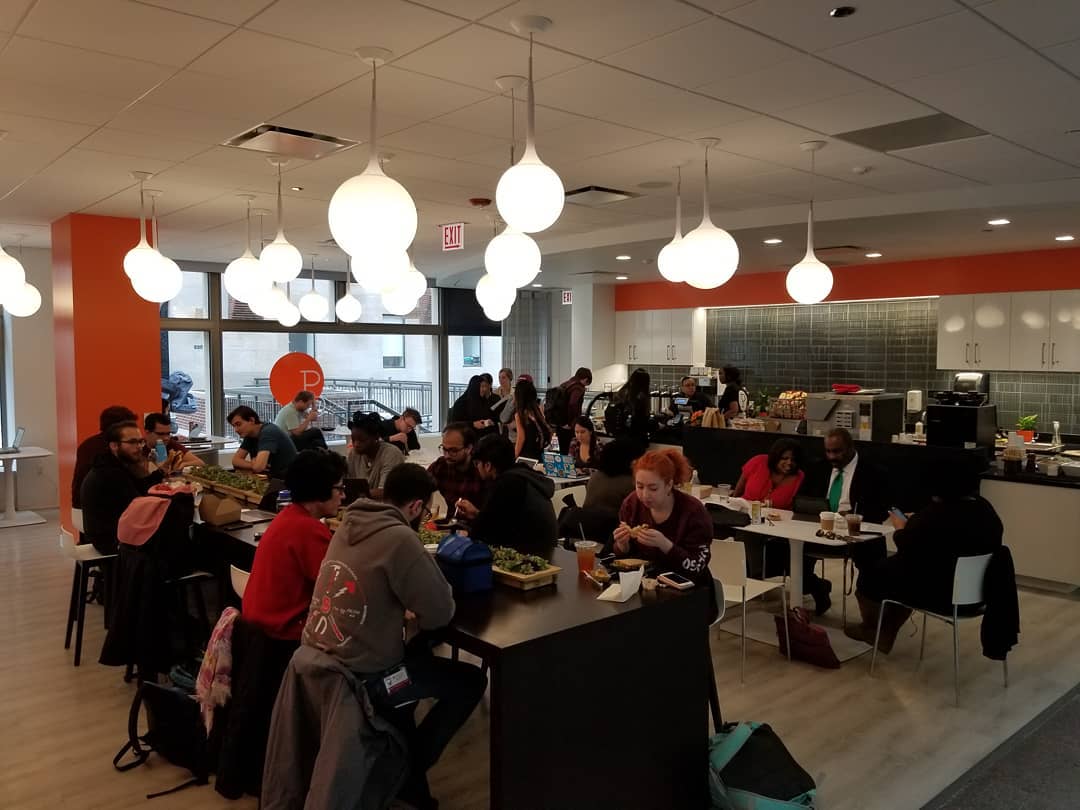
University of Chicago Consolidated Balance Sheets | $19.837B
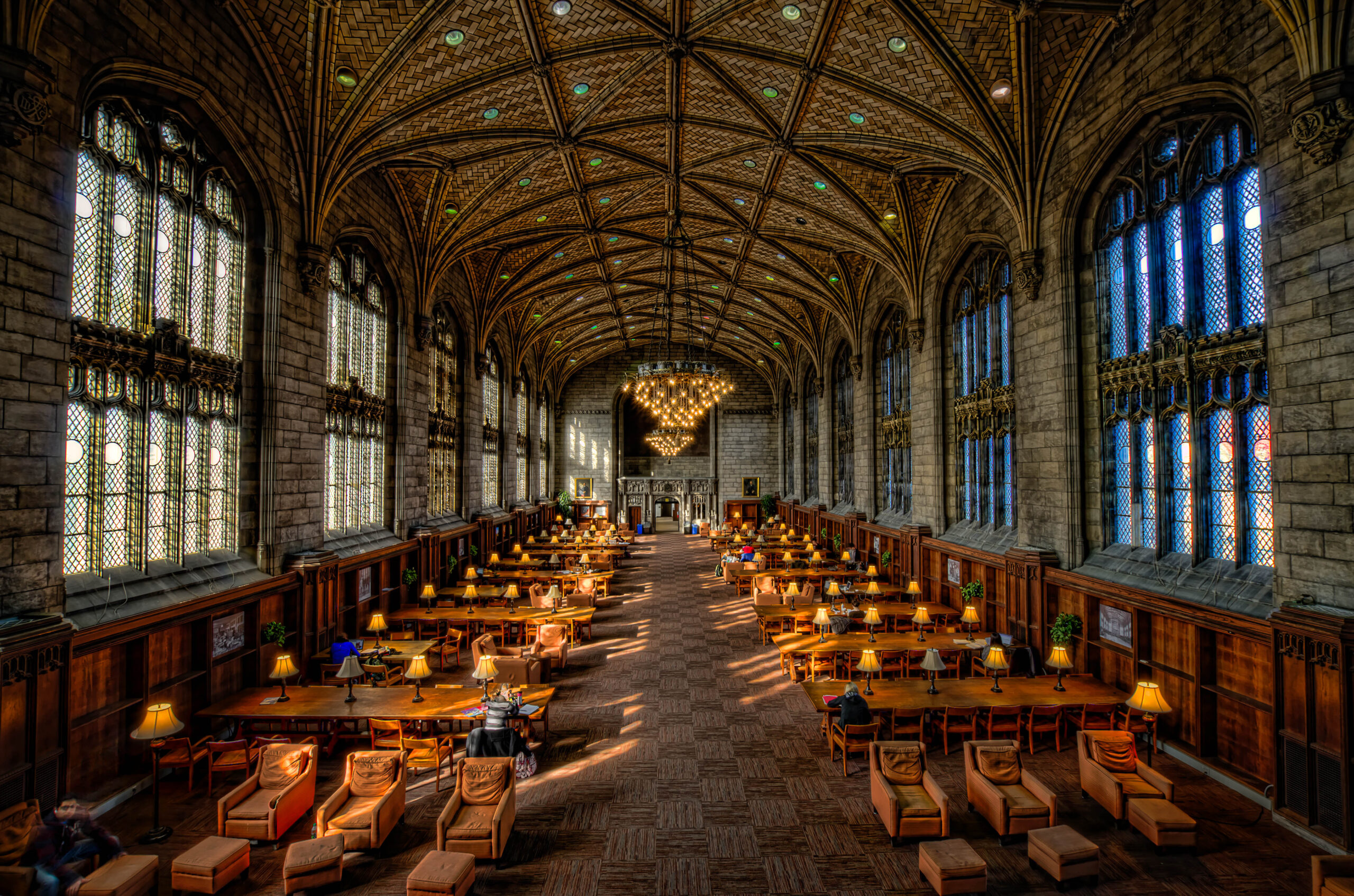
“Everydayness is not only a mode of being but a dimension of existence.”
Martin Heidegger “Being and Time”:

Relevant OSHA Action
This content is accessible to paid subscribers. To view it please enter your password below or send mike@standardsmichigan.com a request for subscription details.

Arenas, Lecture Halls & Theaters
National Fire Protection Association | 2022 Revenue $82M
2026 NEC Code Panel 15 Public Input Report with Committee Response
Note in the transcript above that the four proposals submitted by Standards Michigan relate to healthcare facilities. Code Panel 15 receives proposals for healthcare and assembly occupancy wiring safety concepts.

Marcel Jambon for an 1895 Paris production of Giuseppe Verdi’s Otello.
The standard of care for electrical system safety in dramatic art facilities in the education, and other industries, is largely established in Articles 518 through Article 540 of the National Electrical Code (NEC). In some instances, dramatic art activity takes place in athletic arenas so we are mindful of parent standards for assembly occupancies generally; found in Chapter 3 of the International Building Code.
Free public access to the current 2023edition of the NEC is linked below:
Of particular interest is the “technical power system” found in Article 640: Audio Signal Processing, Amplification, and Reproduction Equipment.
Access to the International Building Code on “related” occupancies is linked below (Chapter 3 Occupancy Classification and Use):
2021 International Building Code
Note the imperfect correlation between the NFPA and ICC occupancy definitions. This never happens by design but is sometimes necessary. Some risk aggregations have to be understood as terms of art; to be understood by seasoned experts in context. Also, keep in mind that the NEC is a wiring installation safety code.

Proposals for revisions to assembly-related installations in the for 2023 is linked below:
NFPA 70 Public Input Report for 2023 Assembly Occupancies
Second Draft Report for all articles assigned to CMP-15
The so called “song and dance” sections of the NEC have been fairly “stable” in recent cycles. Changes to these articles in the NEC 2020 revision are incremental — i.e clarifications on grounding, wiring methods, cord wiring, illumination — and helpful for designers and inspectors. Nothing budget busting. Convergence of fire safety, mass notification, environmental air and visual experiences continues as once-independent technologies continue integration.
2026 National Electrical Code Workspace
We collaborate with the IEEE Education & Healthcare Facilities Committee which meets 4 times monthly in Europe and the Americas. See our CALENDAR for the next online teleconferences; open to everyone.
Issue: [Various]
Category: Sport, Electrical, Telecommunications, Fire Protection, Arts & Entertainment Facilities, Lively Art
Colleagues: Mike Anthony, Matt Dozier, Jim Harvey
LEARN MORE:


We Plough the Fields and Scatter
The lyrics were originally written in German by poet Matthias Claudius in 1782 as part of a larger work titled “Paul Erdmanns Fest” which reflects an appreciation for the agricultural cycle. The hymn was later translated into English by Jane Montgomery Campbell in 1861. The melody most commonly associated with the hymn is a traditional German tune, adapted by Johann Abraham Peter Schulz.
The hymn expresses gratitude for the earth’s bounty and acknowledges God as the ultimate provider of all good things. Its verses celebrate the act of sowing and reaping, emphasizing the cooperation between human effort and divine blessing. “We Plow the Fields and Scatter” has become a staple in Christian liturgy, particularly during harvest celebrations and Thanksgiving services, symbolizing a collective acknowledgment of and thanks for God’s abundant gifts.
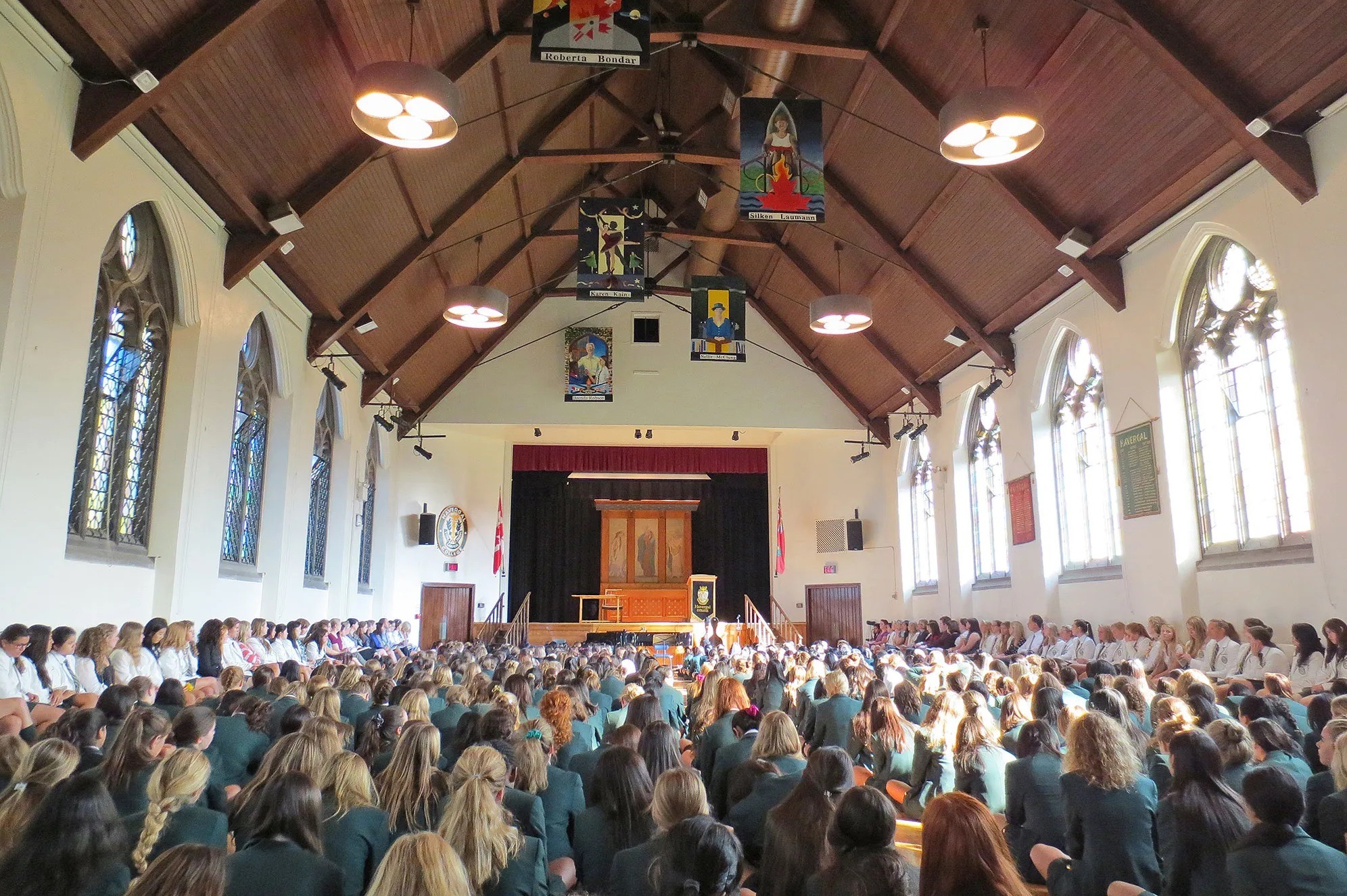

Water Polo

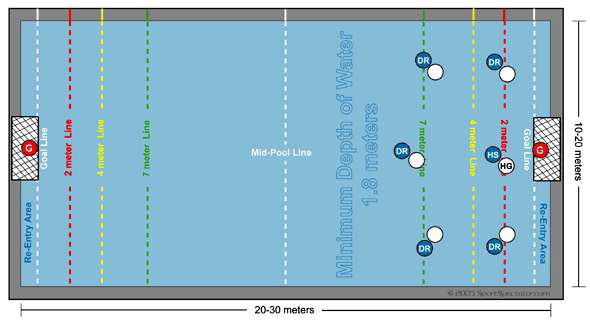
A standard water polo pool playing field has specific characteristics and dimensions regulated by the sport’s governing bodies, such as Fédération Internationale de Natation with regional variations informed by student athlete safety. There are about 750 high school girls and boys girls water polo programs in the US and about 70 collegiate teams. Here are the key features:
Pool Dimensions
- Length: The playing area is typically 20 to 30 meters long.
- Width: The playing area is 10 to 20 meters wide.
- Depth: The minimum depth is 1.8 meters (about 6 feet) to ensure players cannot touch the bottom.
Goal Dimensions
- Width: The goals are 3 meters wide.
- Height: The goals are 0.9 meters high.
Markings and Zones
- Midline: The center of the pool has a midline to divide the playing area into two halves.
- 5-Meter Line: There are lines marked at 5 meters from each goal line, used to indicate where penalty shots can be taken.
- 2-Meter Line: There are lines marked at 2 meters from each goal line, inside which attacking players cannot remain for more than a few seconds without the ball.
Goals and Nets
- Goalposts and Crossbar: The goals are constructed with goalposts and a crossbar, usually made of metal or a similar sturdy material.
- Nets: Attached to the goals to catch the ball.
Ball Specifications
- Size: The ball has a circumference of 0.68 to 0.71 meters for men and 0.65 to 0.67 meters for women.
- Weight: The ball weighs between 400 and 450 grams.
Additional Features
- Team Benches: Located on the pool deck for players not in the water.
- Shot Clocks: To keep track of the possession time, typically set to 30 seconds.
- Scoreboards: To display the game score, time remaining, and other relevant information.
Water Temperature
- Temperature: The water temperature is usually maintained between 25-28°C (77-82°F) to ensure player comfort.
Related Water Standards

“Waterpolo 3” Mario Arroyave, 2013. © Mario Arroyave, courtesy the artist and Artemisa Contemporary Latin American Art, New York.
Water Polo Pool Dimensions & Drawings
Ann Arbor Huron Water Polo | Washtenaw County

“Jubilee” George Whitefield Chadwick
This content is accessible to paid subscribers. To view it please enter your password below or send mike@standardsmichigan.com a request for subscription details.

LIVECAM: Timber Construction
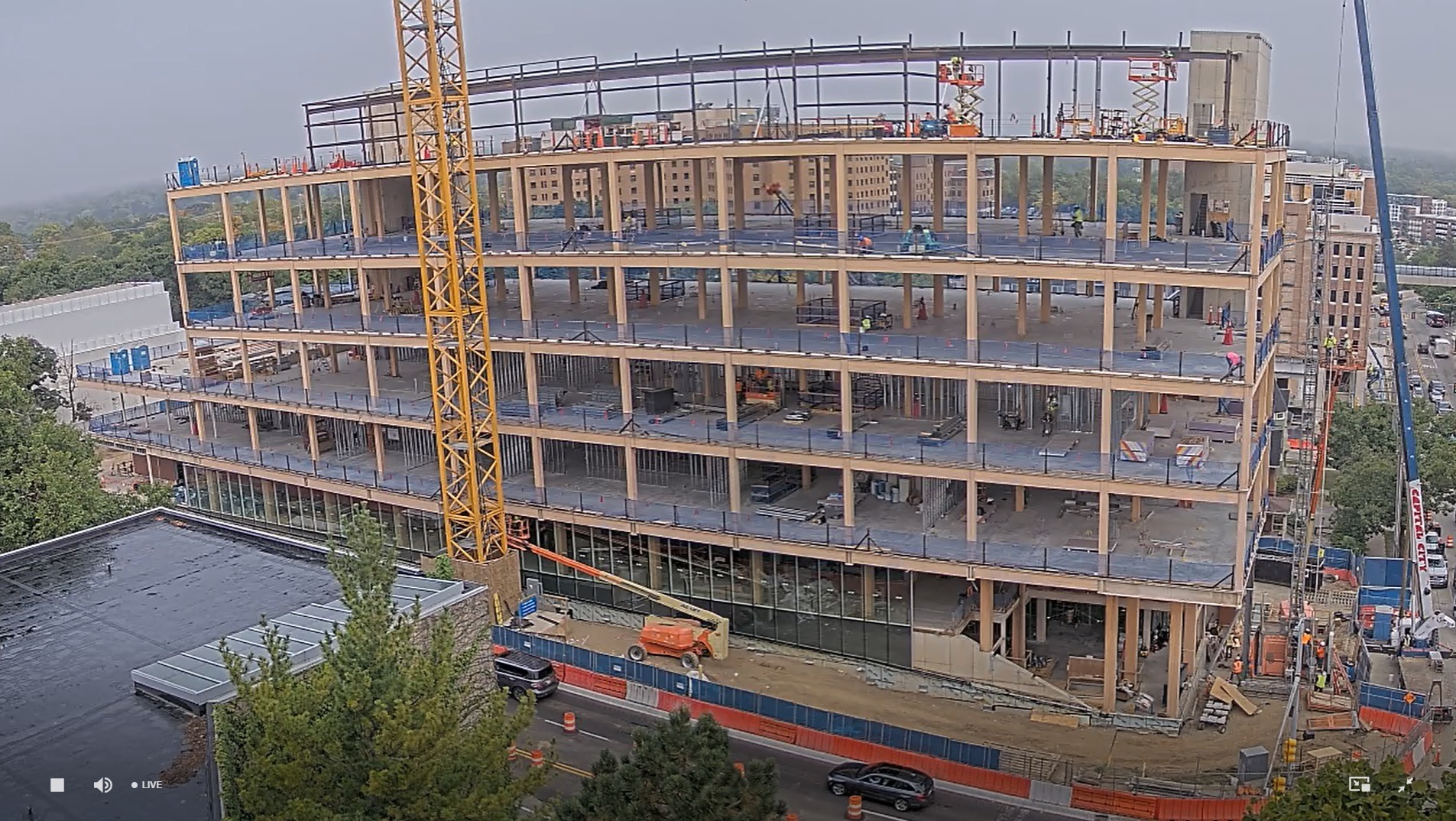
Timber construction offers numerous benefits for university buildings, combining sustainability, aesthetics, and functionality. One of the primary advantages is its environmental impact. Timber is a renewable resource, and modern forestry practices ensure sustainable harvesting. Timber construction also has a lower carbon footprint compared to steel or concrete, as it sequesters carbon dioxide, helping mitigate climate change.
Aesthetically, timber provides a warm, natural look that can enhance the campus environment, creating inviting and inspiring spaces for students and faculty. It can be used in various architectural styles, from traditional to contemporary, offering versatility in design.
Functionally, timber is a strong and durable material. Engineered wood products, such as cross-laminated timber (CLT), provide excellent structural integrity, allowing for larger spans and innovative architectural designs. Timber construction is often faster than traditional methods, reducing construction time and minimizing disruption on campus.
Additionally, timber buildings offer superior thermal insulation properties, contributing to energy efficiency and reducing heating and cooling costs. The acoustic properties of wood also enhance the learning environment by dampening noise and creating quieter spaces.
Related:

Qualification Standard for Power Plant Operators
EPRI is an independent, nonprofit organization that is primarily funded by its member utilities. These member utilities are typically electric power companies, and they contribute financially to EPRI to support its research and development activities.
While EPRI is not directly funded by the government, it does collaborate with various government agencies on research projects and receives funding for specific initiatives through government grants and contracts. Additionally, some of EPRI’s research and development efforts align with government priorities in areas such as renewable energy, environmental sustainability, and grid modernization.
Qualification Standard for Power Plant Operators
EPRI 2024 Research Portfolio: Building on Success to Drive Progress
Electrical inspectors (See NFPA 1078) typically do not have jurisdiction over electrical power plants. Electrical power plants, especially large-scale utility power plants, are subject to much more stringent regulations and oversight than regular electrical installations. The responsibility for inspecting and ensuring the safety and compliance of power plants falls under various government agencies and organizations.
In the United States, for example, power plants are subject to federal regulations set forth by the U.S. Nuclear Regulatory Commission (NRC) for nuclear power plants or the U.S. Environmental Protection Agency (EPA) for fossil fuel power plants. Additionally, state regulatory agencies and utility commissions may have their own specific requirements and oversight for power plants within their jurisdictions.
Power plants typically undergo rigorous inspections and audits to ensure compliance with safety, environmental, and operational standards. These inspections are conducted by specialized teams of engineers, experts, and representatives from relevant regulatory bodies and utilities.
While electrical inspectors may not have jurisdiction over power plants, they play a crucial role in inspecting and ensuring the safety of electrical installations in other settings, such as smaller power generation facilities (i.e. district energy plants) that are not exempted by self-assessment charters granted to many large university power plants.
New update alert! The 2022 update to the Trademark Assignment Dataset is now available online. Find 1.29 million trademark assignments, involving 2.28 million unique trademark properties issued by the USPTO between March 1952 and January 2023: https://t.co/njrDAbSpwB pic.twitter.com/GkAXrHoQ9T
— USPTO (@uspto) July 13, 2023
Standards Michigan Group, LLC
455 East Eisenhower Parkway, Suite 300
Ann Arbor, MI 48108 USA
888-748-3670
DIRECTIONS
 |
 |
|
 |
 |
|
 |
 |