International Zoning Code

Loading
loading...

International Zoning Code

December 2, 2025
mike@standardsmichigan.com
, ,
No Comments

2025 Group B Proposed Changes to IZC | Complete Monograph for Changes to I-Codes (2630 pages)

National Association of County Engineers

The purpose of the code is to establish minimum requirements to provide a reasonable level of health, safety, property protection and welfare by controlling the design, location, use or occupancy of all buildings and structures through the regulated and orderly development of land and land uses within this jurisdiction.

CLICK IMAGE

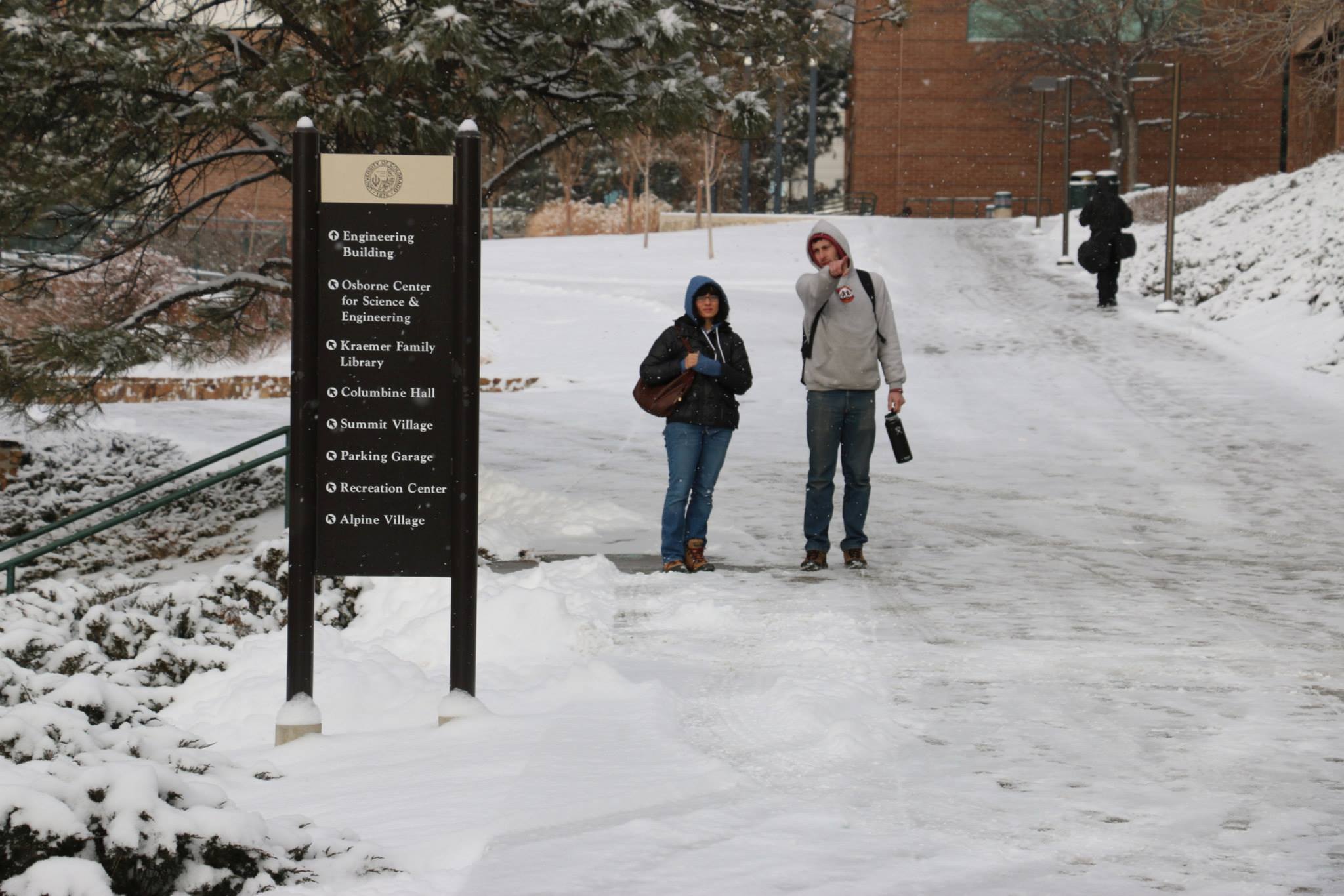
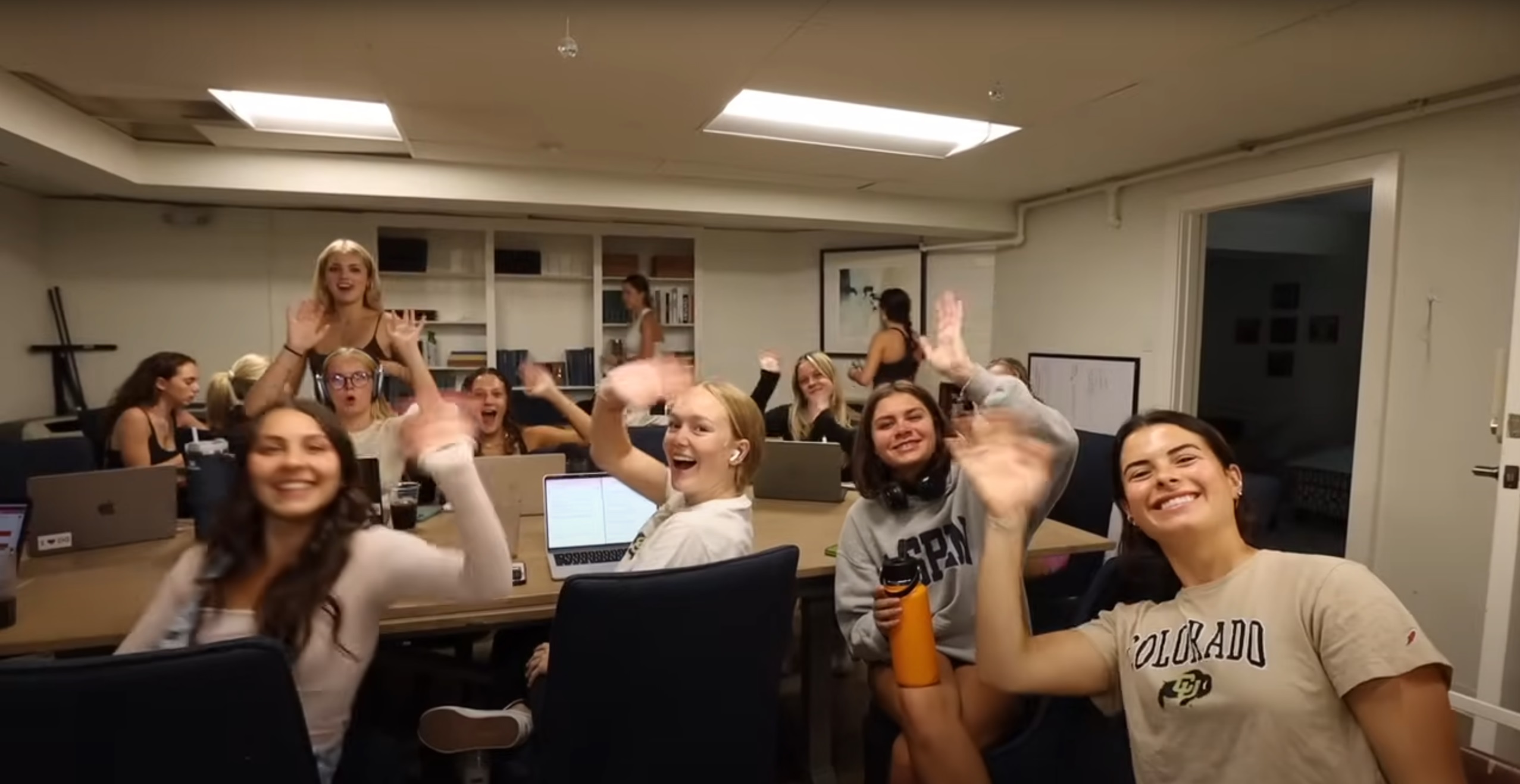
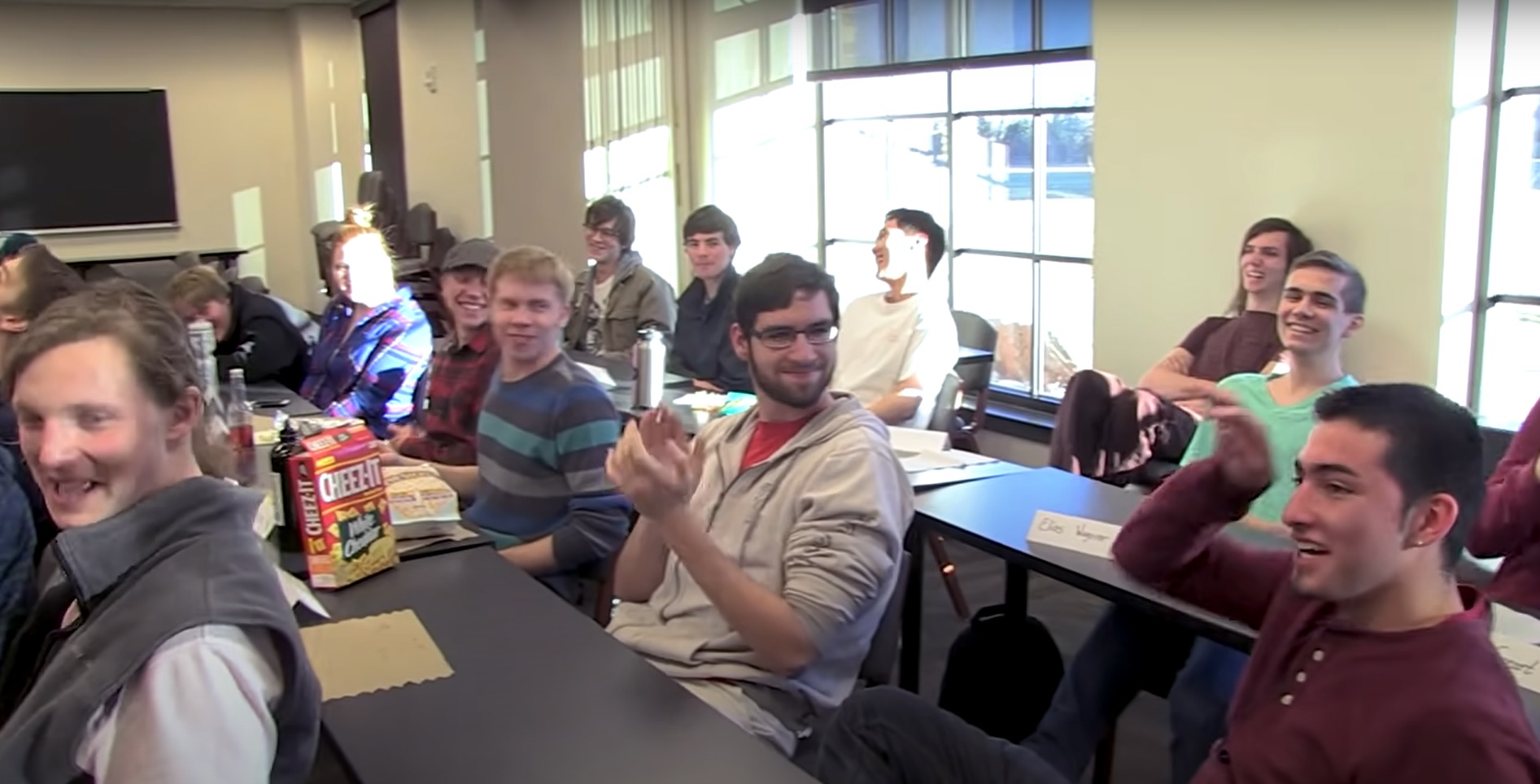
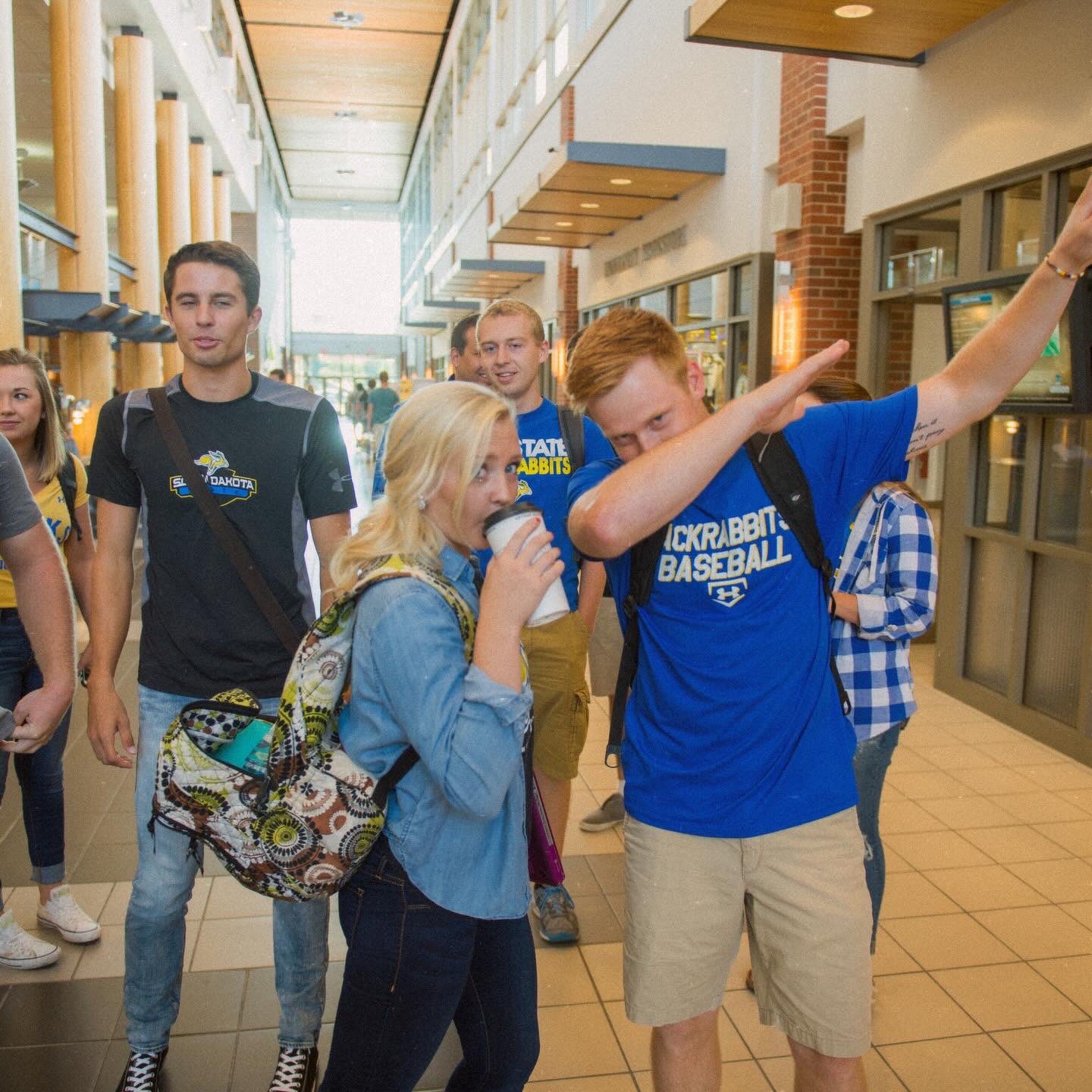
Municipalities usually have specific land use or zoning considerations to accommodate the unique needs and characteristics of college towns:

  1. Mixed-Use Zoning: Cities with colleges and universities often employ mixed-use zoning strategies to encourage a vibrant and diverse urban environment. This zoning approach allows for a combination of residential, commercial, and institutional uses within the same area, fostering a sense of community and facilitating interactions between students, faculty, and residents.
  2. Height and Density Restrictions: Due to the presence of educational institutions, cities may have specific regulations on building height and density to ensure compatibility with the surrounding neighborhoods and maintain the character of the area. These restrictions help balance the need for development with the preservation of the existing urban fabric.
  3. Student Housing: Cities with colleges and universities may have regulations or guidelines for student housing to ensure an adequate supply of affordable and safe accommodations for students. This can
    include requirements for minimum bedroom sizes, occupancy limits, and proximity to campus.
  4. Parking and Transportation: Given the concentration of students, faculty, and staff, parking and transportation considerations are crucial. Cities may require educational institutions to provide parking facilities or implement transportation demand management strategies, such as promoting public transit use, cycling infrastructure, and pedestrian-friendly designs.
  5. Community Engagement: Some cities encourage colleges and universities to engage with the local community through formalized agreements or community benefit plans. These may include commitments to support local businesses, contribute to neighborhood improvement projects, or provide educational and cultural resources to residents.

This is a relatively new title in the International Code Council catalog; revised every three years in the Group B tranche of titles.  Search on character strings such as “zoning” in the link below reveals the ideas that ran through the current revision:

Complete Monograph: 2022 Proposed Changes to Group B I-Codes (1971 pages)

We maintain it on our periodic I-Codes colloquia, open to everyone.  Proposals for the 2026 revision will be received until January 10, 2025.

2024/2025/2026 ICC CODE DEVELOPMENT SCHEDULE

We maintain it on our periodic I-Codes colloquia, open to everyone with the login credentials at the upper right of our home page.

The City Rises (La città che sale) | 1910 Umberto Boccioni


Related:

Signs, Signs, Signs

  1. Reed v. Town of Gilbert (2015): This Supreme Court case involved a challenge to the town of Gilbert, Arizona’s sign code, which regulated the size, location, and duration of signs based on their content. The court held that the sign code was a content-based restriction on speech and therefore subject to strict scrutiny.
  2. City of Ladue v. Gilleo (1994): In this Supreme Court case, the court struck down a municipal ordinance that banned the display of signs on residential property, except for signs that fell within specific exemptions. The court held that the ban was an unconstitutional restriction on the freedom of speech.
  3. Metromedia, Inc. v. San Diego (1981): This Supreme Court case involved a challenge to a San Diego ordinance that banned off-premises advertising signs while allowing on-premises signs. The court held that the ordinance was an unconstitutional restriction on free speech, as it discriminated against certain types of speech.
  4. City of Ladue v. Center for the Study of Responsive Law, Inc. (1980): In this Supreme Court case, the court upheld a municipal ordinance that prohibited the display of signs on public property, but only if the signs were posted for longer than 10 days. The court held that the ordinance was a valid time, place, and manner restriction on speech.
  5. City of Boerne v. Flores (1997): This Supreme Court case involved a challenge to a municipal sign code that regulated the size, location, and content of signs in the city. The court held that the sign code violated the Religious Freedom Restoration Act, as it burdened the exercise of religion without a compelling government interest.


Luminaires, Lampholders, and Lamps

December 2, 2025
mike@standardsmichigan.com

No Comments

Best wiring safety practice for the illumination of educational settlement occupancies is scattered throughout the National Electrical Code with primary consideration for wiring fire safety:

  • Article 410 – Covers the installation of luminaires (fixtures), lampholders, and lamps, including requirements for wiring, grounding, and support.
  • Article 210 – Covers branch circuit requirements, including those for lighting circuits in dwellings and commercial buildings.
  • Article 220 – Provides guidelines for calculating lighting loads.
  • Article 225 – Addresses outside lighting installations.
  • Article 240 – Covers overcurrent protection for lighting circuits.
  • Article 250 – Deals with grounding and bonding, which is essential for lighting circuits.
  • Article 300 – Covers general wiring methods that apply to lighting circuits.

We have done a fair amount of work on this topic over the years, including writing the chapter on campus outdoor lighting for the soon-to-be-released IEEE 3001.9 Recommended Practice for the Design of Power Systems Supplying Lighting Systems in Commercial and Industrial Facilities.   

For our meeting please refer to the workspace we have set up for the 2026 Revision of the NEC:

2026 National Electrical Code Workspace

We will pick through specifics in the transcripts of Code Making Panels 10 and 18.


International Building Code: Chapter 12 Section 1204 Lighting

Roast Goose

December 1, 2025
mike@standardsmichigan.com
, ,
No Comments

Washington State University Net Position Increase of $162M | $1.452B revenue over $1.290B expenses  

Dinner recipe for Advent Sundays from the School of Hospitality Business Management at WSU’s Carson College of Business.  Executive Chef Jamie Callison developed the recipe for Washington State Magazine’s November 2019 issue. He was assisted by Chef de Cuisine Jason Butcherite and Student Culinary Lead Justin Walker.  Recipe features local honey and seasoning.

Fish and Chips and the British Working Class

December 1, 2025
mike@standardsmichigan.com
, , , , ,
No Comments

“Fish and Chips” | Fred Laidler (1918–1988)

Fish and Chips and the British Working Class, 1870-1930

Fish and chips was in many ways the pioneer fast-food industry.  It became an essential component of working-class diet and popular culture in parts of London, and over wide areas of industrial midland and northern England and southern Scotland, in the early decades of the twentieth century…I propose to argue that the fish and chip trade was not only important enough in itself to justify sustained historical analysis, but also that it provides a useful vantage point for examining important changes in British society more generally.”

— John Walken, 1998, Journal of Social History


Flat White

December 1, 2025
mike@standardsmichigan.com
, ,
No Comments

Department of Education

Education Export Income*


“This is the story of how Italian sugar growers in the Sunshine State are said to have inspired

the “invention” of the flat white – a drink that would go on to become a global sensation

 — Garritt Van Dyk – Lecturer at the School of Humanities, Creative Industries and Social Sciences

Two cups of espresso sitting on saucers


* Approximate Order of Magnitude Estimates: International student fees account for approximately 25–27% of total Australian university revenue. In 2024, this equated to A$12.33 billion out of A$45.17 billion in gross revenue across 42 universities. The vast majority of these international students come from Asia (particularly China, India, Nepal, Vietnam, and other nearby countries), which consistently represent over 90% of international enrolments in higher education. Sources indicate most are from Asian countries, with top sources alone (China ~23%, India ~17%, Nepal ~8%, etc.) comprising well over half, and historical figures showing ~80–90% from Asia overall.
§


Sinterklaas Koffie

December 1, 2025
mike@standardsmichigan.com
,
No Comments

Nederland | Koninklijk Nederlands Normalisatie Instituut | NEN 1010 (IEC 60364)

An “gezelligheid” moment on the evening of December 5th (Sinterklaasavond). Adults gather after children go to bed with gifts (remember children?), enjoying strong coffee generously laced with genever or another jenever-like spirit, often spiced with cinnamon or anise. Sometimes topped with whipped cream, it warms the festive mood while singing traditional Sinterklaas songs and sharing stories of Sint and his Zwarte Pieten who arrive on a boat from Spain.

Readings:

The Heritage Foundation: Interview with Dutch Scholars on Marriage

10 Tampa Bay

December 1, 2025
mike@standardsmichigan.com
,
No Comments

Lakeland Florida high school offers free clothes and laundry facilities. Expansion of this concept to Saturdays for all students in the district would contribute to greater utilization of square footage that is normally unused. It may also lower energy cost and contribute to “family feeling” in the district.

Standards Florida

Schools install laundry facilities to help students in need, improve attendance

Peppermint Coffee

December 1, 2025
mike@standardsmichigan.com
, , ,
No Comments

“It’s Time To Tell You EVERYTHING…” | Victor Davis Hanson


“Established in 1956, National University of Natural Medicine is the oldest accredited naturopathic medical university in North America and a leader in natural medicine education and evidence-based research. As one of the most respected universities of natural medicine in the world, our participation in international medical education and research is routinely solicited. We believe in the healing power of nature, and that food is medicine.”

Peppermint, scientifically known as Mentha × piperita, is a hybrid mint, a cross between watermint (Mentha aquatica) and spearmint (Mentha spicata). It belongs to the Lamiaceae family, which also includes other aromatic herbs like basil, rosemary, and lavender. Here are some key scientific points about peppermint:

Botanical Classification: Lamiaceae

Characteristics: Peppermint is a herbaceous perennial plant known for its distinctive minty aroma and flavor. It has square-shaped stems, serrated leaves, and produces small purple or white flowers in spikes.

Chemical Composition: The characteristic flavor and scent of peppermint are attributed to its essential oil, which contains menthol as a major component. Other compounds found in peppermint oil include menthone, menthyl acetate, and various terpenoids.

Cultivation: Peppermint is a hardy plant and is known to grow well in a variety of climates. It is often cultivated for commercial purposes, both for its culinary use and the extraction of essential oils.

Peppermint has been adapted for pharmaceutical and cosmetic purposes. Its essential oil is extracted for use in aromatherapy, and peppermint tea is a common herbal infusion enjoyed for both its taste and potential health benefits.

Bastyr University: Herbal Science Program

University of California Berkely Jepson Herbaria

Maryland University Integrative Health: Herbal Medicine


Coffee & Tea Standards

“The Coffee House Orator” 1880 | Edgar Bundy

Why Can No One Think Rationally Anymore? – George Mack


Gingerbread Latte

December 1, 2025
mike@standardsmichigan.com
, , ,
No Comments

Michigan West

ProPublica Nonprofit Explorer: Davenport University, Kent County Michigan

Davenport University Facilities

Self Reliance: Ralph Waldo Emerson

“Self-Reliance” by Ralph Waldo Emerson is an essay that emphasizes individualism, nonconformity, and the importance of trusting one’s own instincts. Here are some passages from this influential accomplishment that informs American culture:

“Trust thyself: every heart vibrates to that iron string.”

” A foolish consistency is the hobgoblin of little minds, adored by little statesmen and philosophers and divines.”

“To be great is to be misunderstood.”

“Whoso would be a man must be a nonconformist.”

“Nothing can bring you peace but yourself. Nothing can bring you peace but the triumph of principles.”

These excerpts capture the essence of Emerson’s philosophy in “Self-Reliance,” promoting the idea of individualism, self-trust, and the pursuit of one’s unique path in life. 

We have avoided listing interpretations offered by artificial intelligence algorithms because those algorithms are informed by at least one-hundred years of biased interpretation by scholars funded by the US federal government which has long since grown hostile to individualism; worthy coffee-house debate.  We recommend you consult the original text, linked above.

Kent County Michigan

Layout mode
Predefined Skins
Custom Colors
Choose your skin color
Patterns Background
Images Background
error: Content is protected !!
Skip to content