Oiled leather Chelsea boots are our go-to shoe all winter long. We’ve worn them everywhere from Christmas Mass (with stockings and a long dress) to the grocery store (with corduroys) and on winter walks and always feel dressed for the occasion. https://t.co/OrAnTHdKFE
School spirit need not require everyone to dress like the athletic department.
Licensed campus spirit wear is good business. Colleges earn royalties while students and alumni become walking advertisements for the institution. The arrangement is understandable, profitable and nearly universal. Yet something may be lost when the university wardrobe collapses into hoodies, sweatshirts, athletic jerseys and logo-covered leisurewear.
Young adulthood is a brief season. Students arrive on campus at an age when health, vitality and physical beauty are often at their height. They are also meeting one another, forming friendships, attending dinners, concerts and games and, whether consciously or not, presenting themselves to possible future partners. Dress has always been part of that social language.
A university therefore has interests beyond maximizing licensed-apparel revenue. An educational settlement should leave room for elegance, individuality and occasion: dresses, jackets, sweaters, skirts, proper shoes and well-cut trousers alongside the inevitable sweatshirt.
One characteristic of the “customer experience” of school children, dormitory residents, patients in university-affiliated hospitals and attendees of large athletic events is the quality of food. School districts and large research universities are responsible for hundreds of food service enterprises for communities that are sensitive to various points along the food supply chain.
The American Society of Agricultural and Biological Engineers (ASABE) is one of the first names in standards setting for the technology and management of the major components of the global food supply chain. It has organized its ANSI-accredited standards setting enterprise into about 200 technical committees developing 260-odd consensus documents*. It throws off a fairly steady stream of public commenting opportunities; many of them relevant to agricultural equipment manufacturers (i.e, the Producer interest where the most money is) but enough of them relevant to consumers (i.e. the User interest where the least money is) and agricultural economics academic programs that we follow the growth of its best practice bibliography.
A few of the ASABE consensus documents that may be of interest to faculty and students in agricultural and environmental science studies are listed below:
Safety for Farmstead Equipment
Safety Color Code for Educational and Training Laboratories
Recommended Methods for Measurement and Testing of LED Products for Plant Growth and Development
Distributed Ledger Technology applications to the global food supply chain
The ASABE bibliography is dominated by product-related standards; a tendency we see in many business models of standards setting organizations because of the influence of global industrial conglomerates who can bury the cost of their participation into a sold product. Our primary interest lies in the movement of interoperability standards — much more difficult — as discussed in our ABOUT.
The home page for the ASABEs standards setting enterprise is linked below:
As of this posting we find no live consultation notices for interoperability standards relevant to educational settlements. Sometimes you can find them ‘more or less concurrently’ posted at the linked below:
We always encourage our colleagues to participate directly in the ASABE standards development process. Students are especially welcomed into the ASABE Community. Jean Walsh (walsh@asabe.org) and Scott Cederquist (cedarq@asabe.org) are listed as contacts.
Colleagues: Mike Anthony, Jack Janveja, Richard Robben
Meet Raley Kirk from San Saba, TX. Raising hair sheep and Spanish goats in the Texas Hill Country, Raley is proud to play a part in providing the food and fiber our country depends on every day.
For her, National Ag Week is about highlighting that meaningful work and ensuring… pic.twitter.com/9KKC4pzRgC
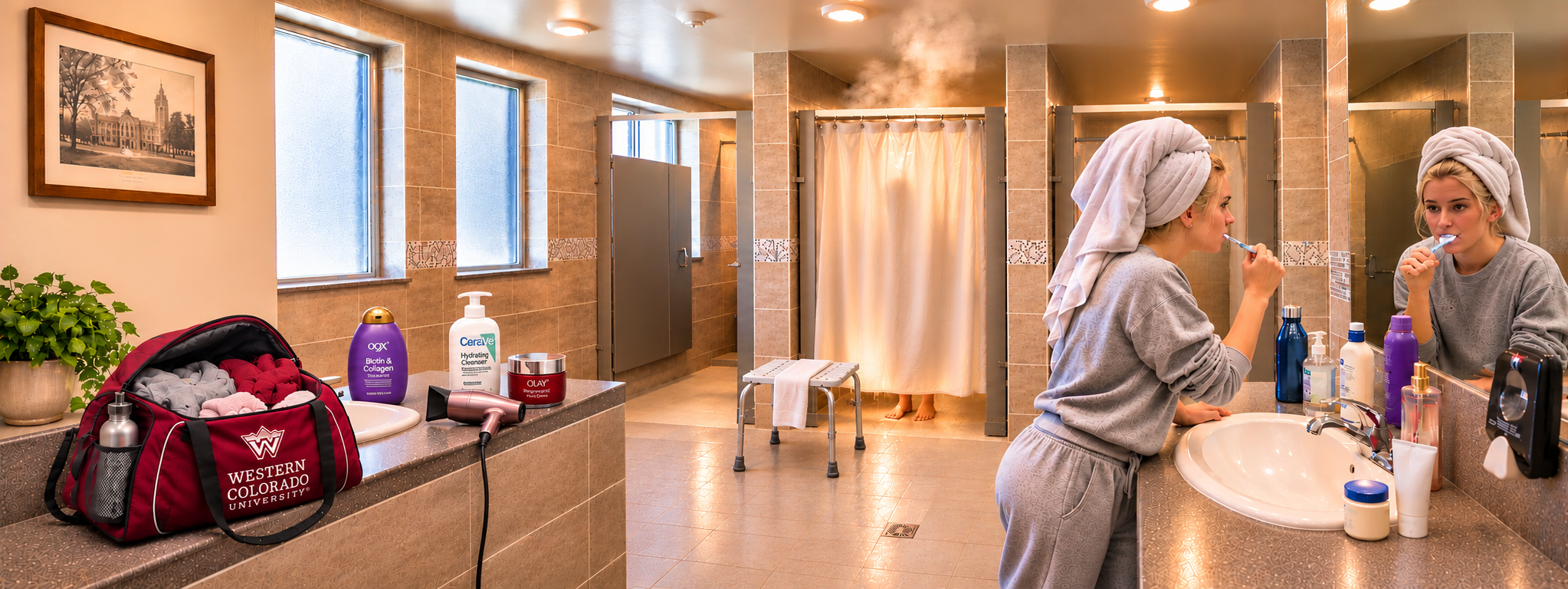
Western Colorado University Ute Hall | Gunnison County Utah 970
Delivering hot water quickly and economically to the upper floors of high-rise dormitories, commercial kitchen steam tables, laundry rooms and saltwater swimming pools has been an advocacy priority for many years.
Today at the usual hour we bring together several standards where we have made our voice heard. Use the login credentials at the upper right of our home page.
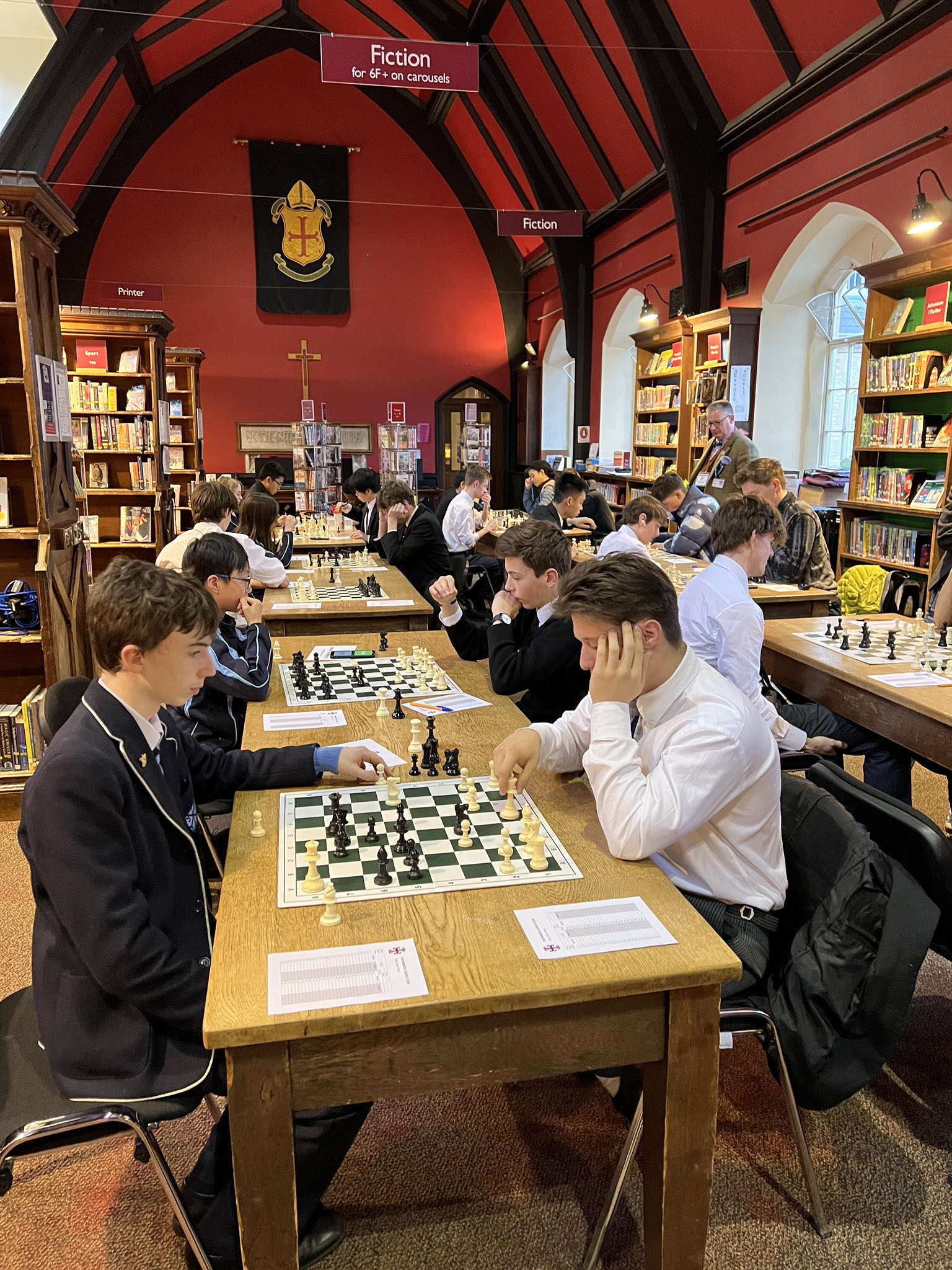
Plymouth State University | Grafton County New Hampshire 603
Danny S. Parker | Philip Fairey | James D. Lutz, PE
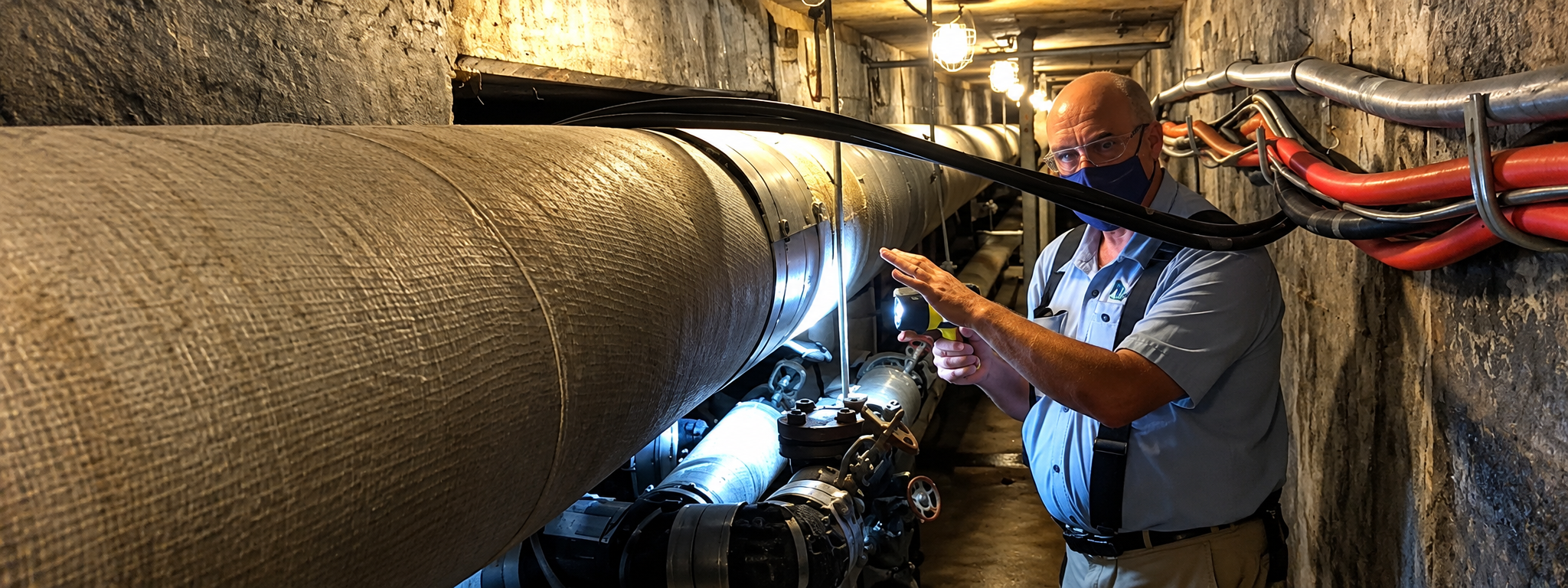
ABSTRACT. The WVU campus in Morgantown, located in north central WV is identified to have elevated heat flows by low-temperature geothermal play fairway analysis of the Appalachian basin. Along with the elevated subsurface heat flows, WVU also has surface demand necessary to develop a deep direct-use geothermal system in the eastern United States. West Virginia University is currently using a steam-based water heating system. This study focuses on converting the current heating system to a geothermal deep-direct-use district heating system.
A comprehensive evaluation of the current heating system is being conducted to determine the university’s heating energy demand. Energy demand is calculated for the whole campus based on the equipment survey and readings from the steam meters. Based on the steam meter readings, the approximate hot water usage of the whole campus is in the range of 10,000-12,000 GPM (gallons per minute). For buildings where there are no existing data or steam meters available, the energy usage is estimated using e-Quest. The tool e-Quest (Quick Energy Simulation Tool) is available through the U.S. Department of Energy and can provide monthly building energy usage data for comparison purposes.
The study includes an in-depth analysis of existing heating and cooling equipment, such as air handling units (AHUs) and heat exchangers, to determine their compatibility with hot water systems. The potential for retrofitting these systems to enhance energy efficiency, reduce operational costs, and contribute to the university’s sustainability goals is evaluated. This retrofit requires significant infrastructure changes, including installing new pumps, pipes, and heat exchangers. A detailed study for retrofitting was conducted on one of the buildings, which includes air handling units, pumps, valves, and expansion tanks.
The total retrofitting cost was found to be approximately $130,000. A preliminary hot water distribution model using Aspen HYSYS is developed, incorporating key system components like heat pumps and geothermal plate heat exchangers with a hot water distribution temperature of 180℉. Similarly, Aspen HYSYS models are developed to study and compare the normal hot water distribution model.
Florida’s campus coffee scene picks up influences from Gulf of America nations. Hot options are popular in winter, though iced drinks never fully disappear.
Anglosphere (United States, United Kingdom, Canada, Australia, New Zealand) ~ $39.2T (or ~33% of GGDP)
United States GDP $30.8T (or about 26% of GGDP)
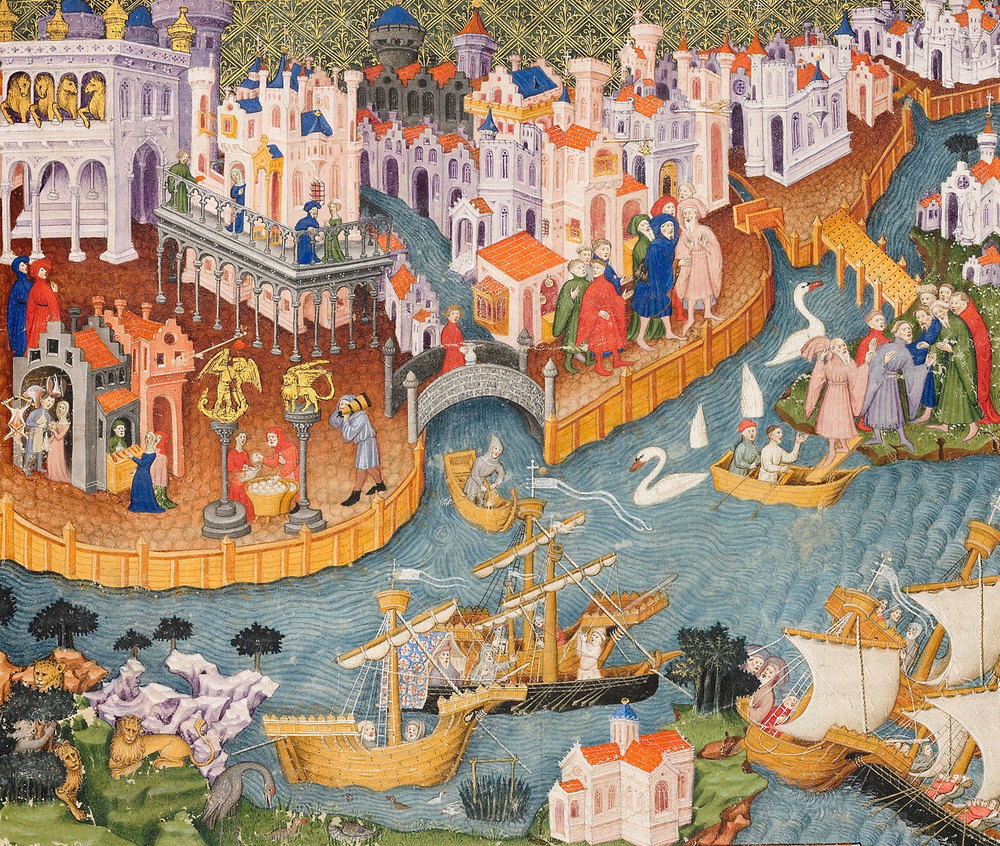
“Livres des Merveilles du Monde” 1300 | Marco Polo | Bodleian Libraries, University of Oxford
Today we break down consultations on titles relevant to the technology and management of the real assets of education communities in the United States specifically; but with sensitivity to the global education markets where thousands of like-minded organizations also provide credentialing, instruction, research, a home for local fine arts and sport.
“Even apart from the instability due to speculation, there is the instability due to the characteristic of human nature that a large proportion of our positive activities depend on spontaneous optimism rather than on a mathematical expectation, whether moral or hedonistic or economic. Most, probably, of our decisions to do something positive, the full consequences of which will be drawn out over many days to come, can only be taken as the result of animal spirits — a spontaneous urge to action rather than inaction, and not as the outcome of a weighted average of quantitative benefits multiplied by quantitative probabilities. Enterprise only pretends to itself to be mainly actuated by the statements in its own prospectus, however candid and sincere that prospectus may be. Only a little more than an expedition to the South Pole is it based on an exact calculation of benefits to come. Thus if the animal spirits are dimmed and the spontaneous optimism falters, leaving us to depend on nothing but a mathematical expectation, enterprise will fade and die; — though fears of loss may have a basis no more reasonable than hopes of profit had before.”
Extended Versions Certain standards are required to be read in tandem with another standard, which is known as a reference (or parent) document. The extended version (EXV) of an IEC Standard facilitates the user to be able to consult both IEC standards simultaneously in a single, easy-to-use document.
A partial list of projects with which we have been engaged as an active participant; starting with the original University of Michigan enterprise in the late 1990’s and related collaborations with IEEE and others: (In BOLD font we identify committees with open consultations requiring a response from US stakeholders before next month’s Hello World! colloquium)
IEC/TC 8, et al System aspects of electrical energy supply
We collaborate with the appropriate ANSI US TAG; or others elsewhere in academia. We have begun tracking ITU titles with special attention to ITU Radio Communication Sector.
main(){printf("hello, world\n");}
We have collaborations with Rijksuniversiteit Groningen, Sapienza – Università di Roma, Universität Zürich, Universität Potsdam, Université de Toulouse. Universidade Federal de Itajubá, University of Windsor, the University of Alberta, to name a few — most of whom collaborate with us on electrotechnology issues. Standards Michigan and its 50-state affiliates are (obviously) domiciled in the United States. However, and for most issues, we defer to the International Standards expertise at the American National Standards Institute
* A “Hello, World!” program generally is a computer program that outputs or displays the message “Hello, World!”. Such a program is very simple in most programming languages (such as Python and Javascript) and is often used to illustrate the basic syntax of a programming language. It is often the first program written by people learning to code. It can also be used as a sanity test to make sure that a computer language is correctly installed, and that the operator understands how to use it.
Tune in to our latest podcast ‘Building a global Quantum Industry: Explaining, Scaling and Standardising Quantum Technologies’ where experts draw upon quantum’s most exciting applications.https://t.co/dFun1MTkDE
Evolution of the standards system in Australia is tracking the evolution of the United States standards system administered by the American National Standards Institute. In many economic sectors adherence to Australian Standards is mandated by legislation, however, access to the standards are often cost prohibitive, particularly to small business and sole traders.
Principal petitioner Andrew Gardso, an electrical engineer, states,
“This in essence will force small organisations and sole traders out of business or necessitate services being performed without having access to these standards.”
Access to Standards Australia Construction codes can cost more than $2673 for three years’ access to the National Construction Code set of standards. A petition to the Australian parliament’s House of Representatives seeks free or affordable access to essential standards that govern the safety and consistency of products services and systems, including design and construction.
Much economic activity in the global standards system involves products — not interoperability standards. Getting everything to work together — safely, cost effectively and simpler — is our raison d’etre.
Manufacturers, testing laboratories, conformance authorities (whom we call vertical incumbents) are able to finance the cost of their advocacy — salaries, travel, lobbying, administration — into the cost of the product they sell to the end user (in our cases, estate managers in educational settlements). To present products — most of which involve direct contact with a consumer — at a point of sale it must have a product certification label. Not so with systems. System certification requirements, if any, may originate in local public safety requirements; sometimes reaching into the occupational safety domain.
Our readings of the intent of this technical committee is to discover and promulgate best practice for “systems of products” — i.e. ideally interoperability characteristics throughout the full span of the system life cycle.
Standardization in the field of network management in interconnected electric power systems with different time horizons including design, planning, market integration, operation and control. SC 8C covers issues such as resilience, reliability, security, stability in transmission-level networks (generally with voltage 100kV or above) and also the impact of distribution level resources on the interconnected power system, e.g. conventional or aggregated Demand Side Resources (DSR) procured from markets.
SC 8C develops normative deliverables/guidelines/technical reports such as:
– Terms and definitions in area of network management, – Guidelines for network design, planning, operation, control, and market integration – Contingency criteria, classification, countermeasures, and controller response, as a basis of technical requirements for reliability, adequacy, security, stability and resilience analysis, – Functional and technical requirements for network operation management systems, stability control systems, etc. – Technical profiling of reserve products from DSRs for effective market integration. – Technical requirements of wide-area operation, such as balancing reserve sharing, emergency power wheeling.
Individuals who are interested in becoming a participant or the TAG Administrator for SC 8C: Network Management are invited to contact Adelana Gladstein at agladstein@ansi.org as soon as possible.
This opportunity, dealing with the system aspects of electrical energy supply (IEC TC 8), should at least interest electrical engineering research faculty and students involved in power security issues. Participation would not only provide students with a front-row seat in power system integration but faculty can collaborate and compete (for research money) from the platform TC 8 administers. We will refer it to the IEEE Education & Healthcare Facilities Committee which meets online 4 times monthly in European and American time zones.
New update alert! The 2022 update to the Trademark Assignment Dataset is now available online. Find 1.29 million trademark assignments, involving 2.28 million unique trademark properties issued by the USPTO between March 1952 and January 2023: https://t.co/njrDAbSpwBpic.twitter.com/GkAXrHoQ9T