“Beware the Ides of March” is a famous warning from Shakespeare’s Julius Caesar. In the play, a soothsayer tells Caesar on February 15, 44 BC, to beware the “Ides of March”—the 15th day of March in the Roman calendar. The phrase foreshadows Caesar’s assassination on that exact date by senators including Brutus. It has since become a cultural idiom symbolizing impending danger, betrayal, or a fateful day to be cautious
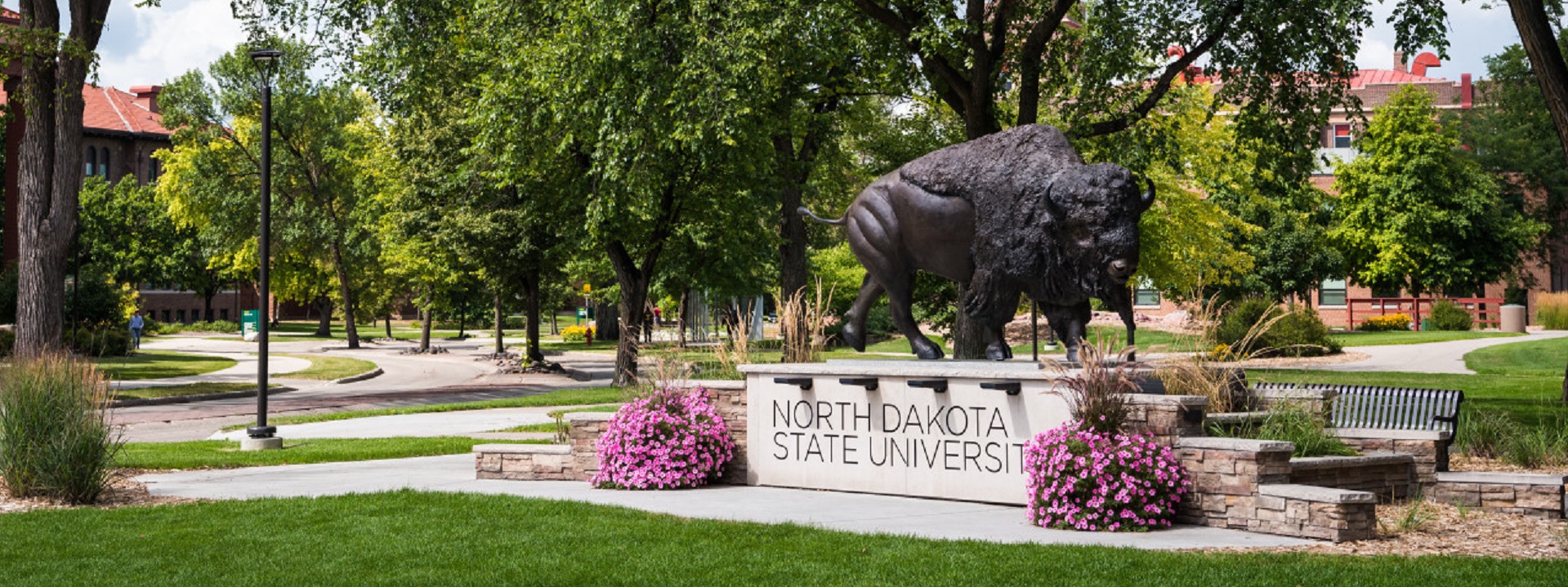
🏈President Donald J Trump with North Dakota State University, 2025 Division 1 Football Champions, in The East Room of The White House! MAKE FOOTBALL GREAT AGAIN!🇺🇸🇺🇸🇺🇸🇺🇸🇺🇸 pic.twitter.com/LiYgrTLTgb
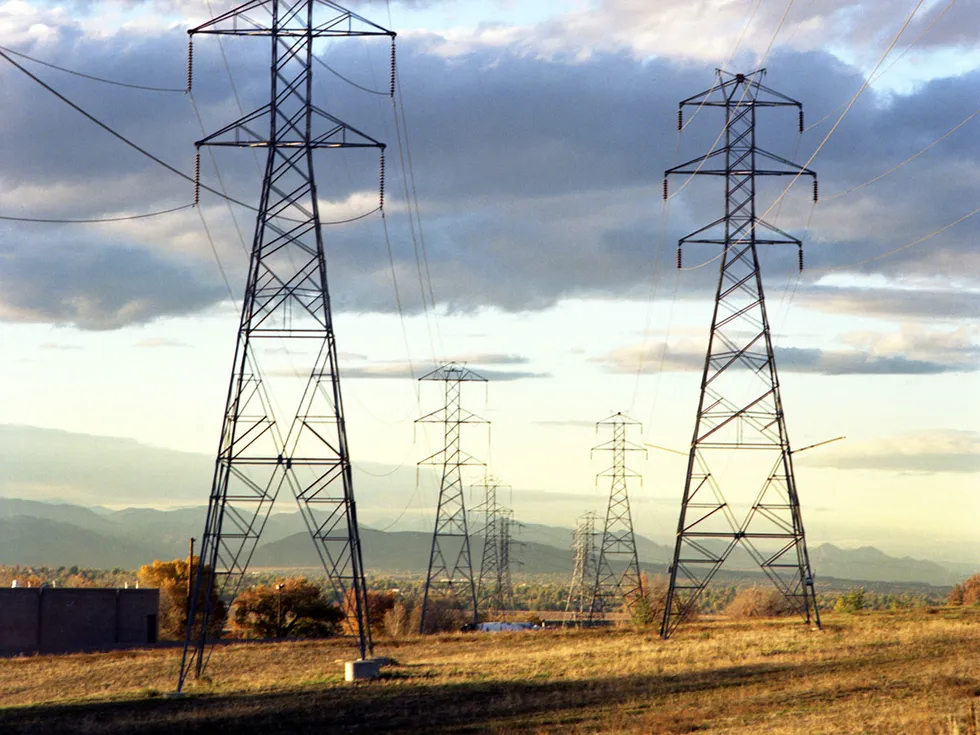
Abstract: A specific land is required to design the transmission line to construct effectively and maintain properly is called right of way of transmission line. It is calculated by considering mainly three electrical quantity related transmission line such as electric field, magnetic field and radio interference. Corona effect is considered for the evolution of right of way. By considering these parameters, it provide idea related to effect surrounding the area nearby transmission line.
The determination of transmission line right of way for public electric utilities typically involves a combination of legal considerations, regulatory requirements, environmental assessments, and public engagement:
Planning and Route Selection: Public electric utilities assess their power transmission needs based on factors such as population growth, energy demand, and infrastructure upgrades. They consider various potential routes and alternatives, taking into account factors like terrain, existing infrastructure, land use, and environmental sensitivities.
Environmental and Impact Assessments: Utilities conduct environmental and impact assessments to evaluate the potential effects of the proposed transmission line routes. These assessments examine factors such as wildlife habitats, endangered species, wetlands, water bodies, cultural or historical sites, and scenic landscapes. The purpose is to identify potential impacts and propose mitigation measures.
Regulatory and Permitting Process: Public utilities must comply with applicable laws and regulations governing transmission line development. This includes obtaining necessary permits and approvals from relevant regulatory agencies at the federal, state, and local levels. The requirements vary depending on the jurisdiction, but they often involve environmental agencies, land management agencies, and public utility commissions.
Public Engagement and Consultation: Utilities engage in public consultation and outreach to gather feedback from affected communities, landowners, and stakeholders. They conduct public hearings, open houses, and meetings to inform the public about the project, address concerns, and consider alternative routes suggested by the community. This engagement helps ensure transparency and public input in the decision-making process.
Negotiations and Eminent Domain: Utilities negotiate with landowners along the proposed transmission line route to acquire the necessary right of way. In some cases, if an agreement cannot be reached, utilities may exercise eminent domain, which is a legal process that allows them to acquire the land for public use while providing just compensation to the affected landowner.
Legal Framework: The legal framework for determining transmission line right of way varies by jurisdiction. Laws related to land use, zoning, environmental protection, and eminent domain play a role in defining the process and requirements for securing right of way.
Procedures vary depending on the country, state, or region where the transmission line is being developed. Local regulations, environmental conditions, and public engagement practices will influence the overall process.
Note the following proposed changes in the transcript above: E59-24, F62-24, Section 323
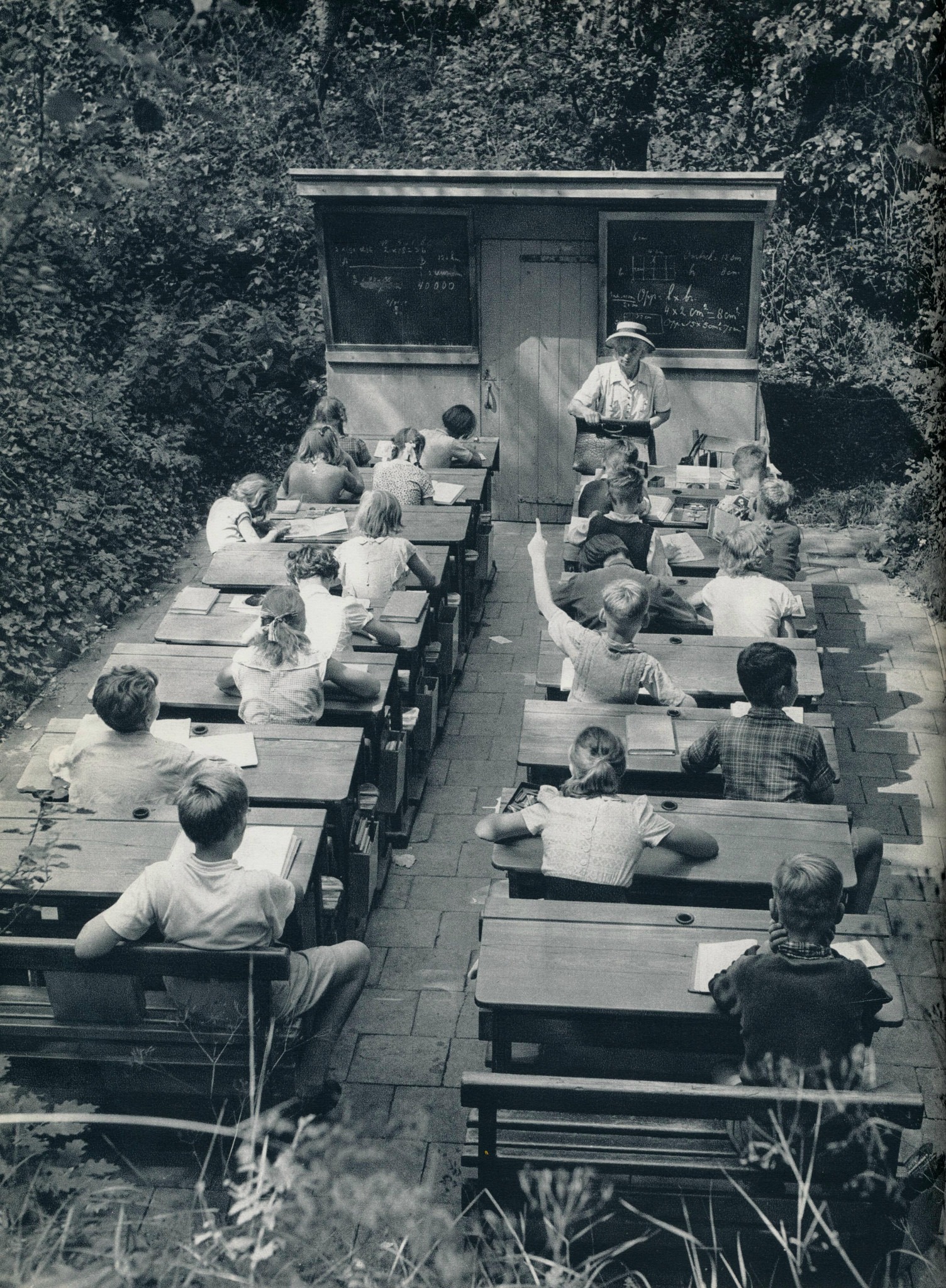
Modular classrooms, often used as temporary or semi-permanent solutions for additional educational space, have specific requirements in various aspects to ensure they are safe, functional, and comfortable for occupants. Today we will examine best practice literature for structural, architectural, fire safety, electrical, HVAC, and lighting requirements. Use the login credentials at the upper right of our home page.
Structural Requirements
Foundation and Stability: Modular classrooms require a stable and level foundation. This can be achieved using piers, slabs, or crawl spaces. The foundation must support the building’s weight and withstand environmental forces like wind and seismic activity.
Frame and Load-Bearing Capacity: The frame, usually made of steel or wood, must support the load of the classroom, including the roof, walls, and occupants. Structural integrity must comply with local building codes.
Durability: Materials used should be durable and capable of withstanding frequent relocations if necessary.
Architectural Requirements
Design and Layout: Modular classrooms should be designed to maximize space efficiency while meeting educational needs. This includes appropriate classroom sizes, storage areas, and accessibility features.
Accessibility: Must comply with the Americans with Disabilities Act (ADA) or other relevant regulations, ensuring accessibility for all students and staff, including ramps, wide doorways, and accessible restrooms.
Insulation and Soundproofing: Adequate insulation for thermal comfort and soundproofing to minimize noise disruption is essential.
Fire Safety Requirements
Fire-Resistant Materials: Use fire-resistant materials for construction, including fire-rated walls, ceilings, and floors.
Sprinkler Systems: Installation of automatic sprinkler systems as per local fire codes.
Smoke Detectors and Alarms: Smoke detectors and fire alarms must be installed and regularly maintained.
Emergency Exits: Clearly marked emergency exits, including doorways and windows, with unobstructed access paths.
Electrical Requirements
Electrical Load Capacity: Sufficient electrical capacity to support lighting, HVAC systems, and educational equipment like computers and projectors.
Wiring Standards: Compliance with National Electrical Code (NEC) or local electrical codes, including proper grounding and circuit protection.
Outlets and Switches: Adequate number of electrical outlets and switches, placed conveniently for classroom use.
HVAC (Heating, Ventilation, and Air Conditioning) Requirements
Heating and Cooling Systems: Properly sized HVAC systems to ensure comfortable temperatures year-round.
Ventilation: Adequate ventilation to provide fresh air and control humidity levels, including exhaust fans in restrooms and possibly kitchens.
Air Quality: Use of air filters and regular maintenance to ensure good indoor air quality.
Lighting Requirements
Natural Light: Maximization of natural light through windows and skylights to create a pleasant learning environment.
Artificial Lighting: Sufficient artificial lighting with a focus on energy efficiency, typically using LED fixtures. Lighting should be evenly distributed and glare-free.
Emergency Lighting: Battery-operated emergency lighting for use during power outages.
By adhering to these requirements, modular classrooms can provide safe, functional, and comfortable educational spaces that meet the needs of students and staff while complying with local regulations and standards.
Dogs have been bred for a variety of purposes throughout history, including as working animals to support agriculture. Dogs have been bred for specific traits that make them well-suited to work on farms, such as intelligence, obedience, strength, and endurance*.
Supported by funding from the European Research Council and the Natural Environment Research Council, a large international team of scientists compared genetic data with existing archaeological evidence and show that man’s best friend may have emerged independently from two separate (possibly now extinct) wolf populations that lived on opposite sides of the Eurasian continent.
* Here are a few examples of how dogs were bred to support agriculture:
Herding dogs: Dogs such as the Border Collie, Australian Cattle Dog, and German Shepherd were bred to help farmers manage livestock by herding them from one place to another. These dogs have a natural instinct to gather and control herds of animals, and they can be trained to respond to a farmer’s commands.
Hunting dogs: Many breeds of dogs, such as the Labrador Retriever, were originally bred as hunting dogs to assist farmers with hunting game for food. These dogs have a keen sense of smell and are skilled at tracking and retrieving prey.
Guard dogs:Certain breeds of dogs, such as the Great Pyrenees, were bred to protect livestock from predators such as wolves and bears. These dogs are fiercely protective of their flock and will guard them from any perceived threat.
Draft dogs: Some large breeds of dogs, such as the Bernese Mountain Dog and the Saint Bernard, were bred to pull carts and wagons on farms. These dogs are strong and muscular and can move heavy loads across long distances.
Overall, dogs have been bred for centuries to support agriculture in a variety of ways. Their intelligence, loyalty, and hardworking nature have made them invaluable assets to farmers and have helped to shape the course of human history.
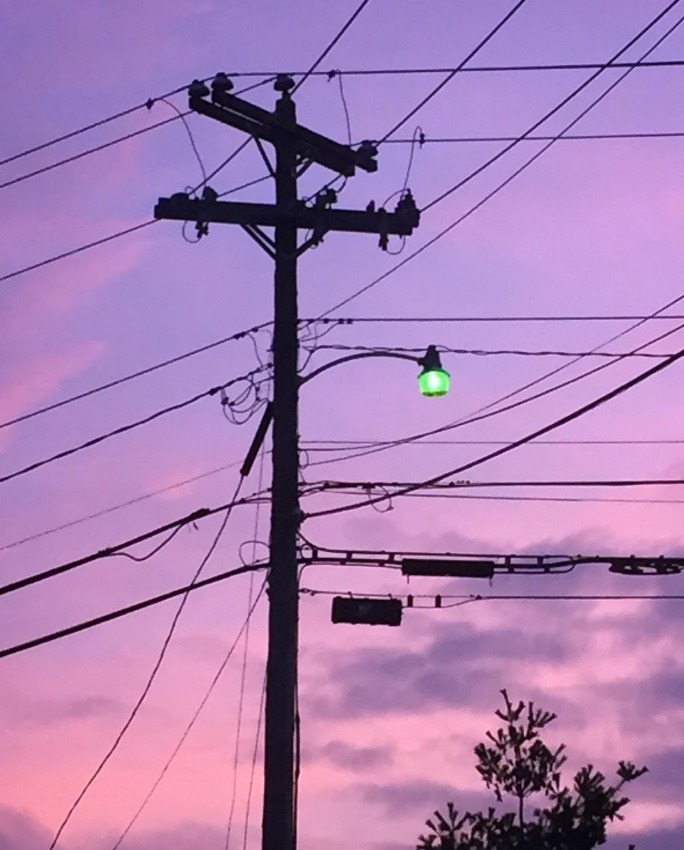
Benefits of power (electric utility) and telecommunication utilities sharing utility poles (joint use) include significant cost savings and efficiency. Erecting separate poles for each service would be prohibitively expensive and consume excessive land/space in urban/suburban areas, driving up service prices for consumers. Sharing allows faster deployment of broadband, phone, cable, and power services, generates rental revenue for pole owners (typically electric utilities), reduces overall infrastructure duplication, and minimizes environmental impact by limiting new pole installations.
Hazards arise from increased complexity and risks. Overloaded poles from multiple attachments can lead to structural failure, especially during storms or high winds. Improper installations may cause clearance violations, increasing dangers of electrical contact, shocks, or electrocution for workers and the public. Additional telecom equipment can heighten fire risks (e.g., via sparking from contact or added stress), contribute to outages if maintenance conflicts occur, and complicate repairs—requiring close coordination to maintain safety and grid reliability.
Today at the usual hour we examine the sections of the IEEE National Electrical Safety Code and the NFPA National Electrical Code that present first principles for campus power and telecommunication planners and engineers with special attention to the changes proposed for the 2028 National Electrical Safety Code. Use the login credentials at the upper right of our home page.
The RELLIS Data and Research Center project at Texas A&M’s RELLIS Campus, a privately developed facility with about 10,000 SF of dedicated data center space for high-performance computing, is currently in limbo. Construction began over a year ago, with Phase I (a 45,000 SF two-story building) underway as of late 2025. However, the developer, RELLIS Campus Data and Research Center LLC, filed for Chapter 11 bankruptcy in November 2025, raising uncertainties about completion and future progress. No recent official updates from Texas A&M indicate resumption or cancellation.
November 11, 2025 Update:
The project, located on the Texas A&M University System’s Rellis Campus in Bryan (Brazos County), has faced significant delays. Originally slated to begin construction by November 2021, it was pushed back due to the 2021 Winter Storm Uri. In November 2023, construction was announced to start in 2024, with an expected opening in Q3 2024 (July–September). However, no sources confirm completion or operations.Recent developments include:
February 2025: Bryan approved a reinvestment zone on the 25-acre site to attract the data center, with ongoing negotiations.
October 2025: Officials clarified no formal plans have been submitted for the site, despite zoning approvals for potential development.
The project’s official site (rellisdrc.com) states “Site will be available soon,” indicating it’s still under preparation. It’s designed as a 225,000 sq ft Tier III facility with colocation, cloud services, and educational spaces for workforce training.
The RELLIS Data and Research Center will be a public – private development with Texas A&M University. The data center will be built on the new RELLIS Campus located in College Station, Texas. It will offer cloud storage and outstanding managed services. The RELLIS Academy and Research Lab offers the ability for Texas A&M University to give real world data center experience to both students and faculty.
Anglo-American English must remain the standard language of the AI zeitgeist because it dominates the vast training data fueling large language models—often ~90% English, heavily skewed toward American variants due to Silicon Valley’s influence, internet content prevalence, and U.S. tech leadership.
This ensures peak performance, nuance, and reliability in AI outputs. Their global status as lingua francas in science, programming, and digital culture sustains innovation momentum, cross-border collaboration, and accessibility, preventing fragmentation while the field advances.
A Selection of Electrotechnical Terms Evolved from the AI Zeitgeist
Relevant to Our Work for Educational Settlement Safety and Sustainability
#
Term
Definition
1
Artificial Neural Network (ANN)
A computational model mimicking biological neurons, used in power systems for load forecasting and fault classification by learning patterns from electrical data.
2
Deep Neural Network (DNN)
Multi-layered ANN for complex tasks like state estimation in grids, enabling deeper analysis of electrical signals for predictive maintenance.
3
Convolutional Neural Network (CNN)
A DNN specialized for processing grid-like data, applied in image-based fault detection on power lines or substations using drone visuals.
4
Recurrent Neural Network (RNN)
Neural network handling sequential data, evolved for time-series forecasting in energy demand and renewable integration in electrical networks.
5
Long Short-Term Memory (LSTM)
An RNN variant that remembers long-term dependencies, used for accurate wind/solar power prediction in dynamic electrical systems.
6
Graph Neural Network (GNN)
Processes graph-structured data like power grids, optimizing flow analysis and topology estimation in transmission networks.
7
Generative Adversarial Network (GAN)
Dual-network system generating synthetic data, applied to simulate electrical scenarios for training models in scarce-data power environments.
8
Reinforcement Learning (RL)
Learning through trial-and-error rewards, used for adaptive control in grid optimization and emergency load shedding.
9
Deep Reinforcement Learning (DRL)
RL combined with DNNs, enabling autonomous decision-making in real-time power system stability and demand response.
10
Smart Grid
AI-enhanced electrical distribution network that uses real-time data for self-healing, load balancing, and renewable integration.
11
Digital Twin
Virtual AI-simulated replica of electrical infrastructure, allowing scenario testing for predictive fault avoidance in power plants.
12
Edge AI
Decentralized AI processing at network edges, enabling low-latency control in IoT-enabled electrical devices and microgrids.
13
Neuromorphic Computing
Brain-inspired hardware chips for efficient AI, reducing power consumption in electrotechnical applications like sensor networks.
14
Tensor Processing Unit (TPU)
Specialized ASIC for AI workloads, accelerating matrix operations in electrical system simulations and optimization.
15
Predictive Maintenance
AI-driven monitoring of electrical assets (e.g., transformers) to forecast failures using sensor data and ML algorithms.
16
Optimal Power Flow (OPF)
AI-optimized calculation of efficient power distribution, minimizing losses in transmission lines via ML approximations.
17
Microgrid
Localized AI-managed grid, enabling autonomous operation with renewables, using RL for energy balancing.
18
Phasor Measurement Unit (PMU)
High-speed sensor providing synchronized data for AI-based state estimation and oscillation detection in power systems.
19
Supervisory Control and Data Acquisition (SCADA)
Traditional system evolved with AI for enhanced monitoring, anomaly detection, and automated control in electrical utilities.
20
High-Impedance Fault (HIF) Detection
AI techniques like SVM or CNN to identify subtle faults in distribution lines, improving safety and reliability.
21
Load Forecasting
ML models predicting electricity demand, incorporating weather and usage patterns for grid planning.
22
Demand Response
AI-optimized strategy adjusting consumer loads in real-time, using RL to balance supply in volatile renewable-heavy systems.
23
Energy Management System (EMS)
AI-integrated platform for overseeing generation, transmission, and distribution, enhancing efficiency with predictive analytics.
24
Power Electronic Converter (PEC)
Devices like inverters controlled by AI for fault-tolerant operation in renewables and EVs.
25
Composite Load Model (CLM)
AI-tuned aggregated model of electrical loads, using ML for dynamic simulation in stability studies.
New update alert! The 2022 update to the Trademark Assignment Dataset is now available online. Find 1.29 million trademark assignments, involving 2.28 million unique trademark properties issued by the USPTO between March 1952 and January 2023: https://t.co/njrDAbSpwBpic.twitter.com/GkAXrHoQ9T