
“The Things We No Longer See”
- Home Page 14



“Hazelnut MOOcha Latte” Madelyn Pickett ‘23 ’25 (ENG)
University of Connecticut Statement of Net Position 2024: ($-276.1 M) | Page 17
New School of Nursing Building: $100 million | Substantial completion by Fall 2026
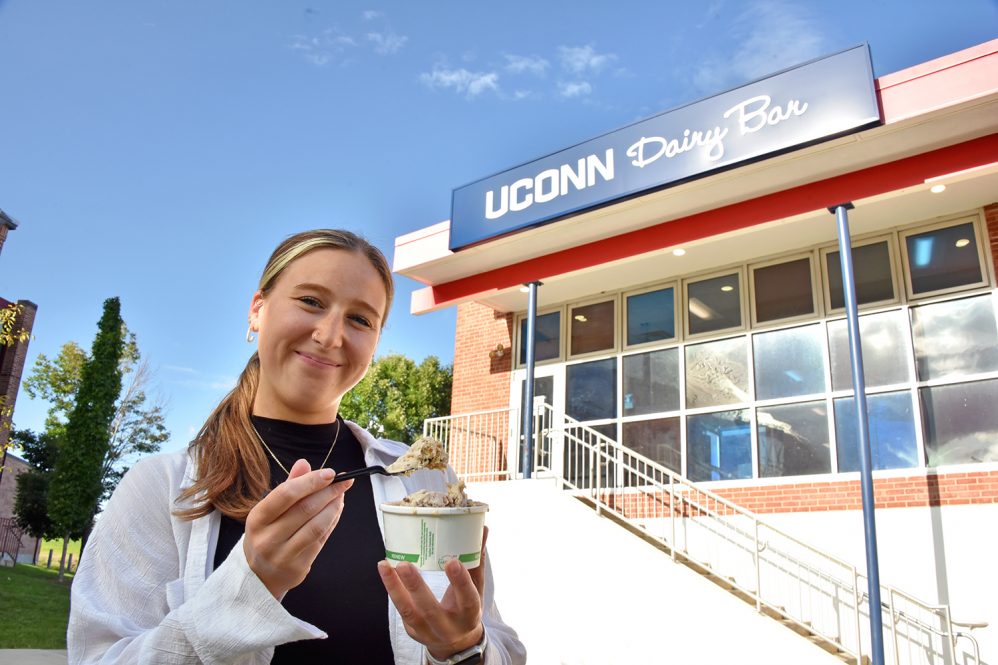
Madelyn Pickett ‘23 ’25 (ENG)
..In Animal Food Products: Dairy Technology (ANSC 3641), taught by Dennis D’Amico, associate professor in the Department of Animal Science, students learn about the science of processing and producing dairy products, including ice cream, yogurt, and cheese. The course gets hands-on and allows students the opportunity to create each product themselves…”
Tonight, the Class of 2030 officially marked a brand new chapter as they gathered together at the traditional torch lighting ceremony 💙 pic.twitter.com/mL9aXY7b7M
— UConn (@UConn) August 29, 2026
“Education is not the filling of a pail, but the lighting of a fire” — Plutarch
Construction Current Opportunities: University Second Electrical Feed Phase 2
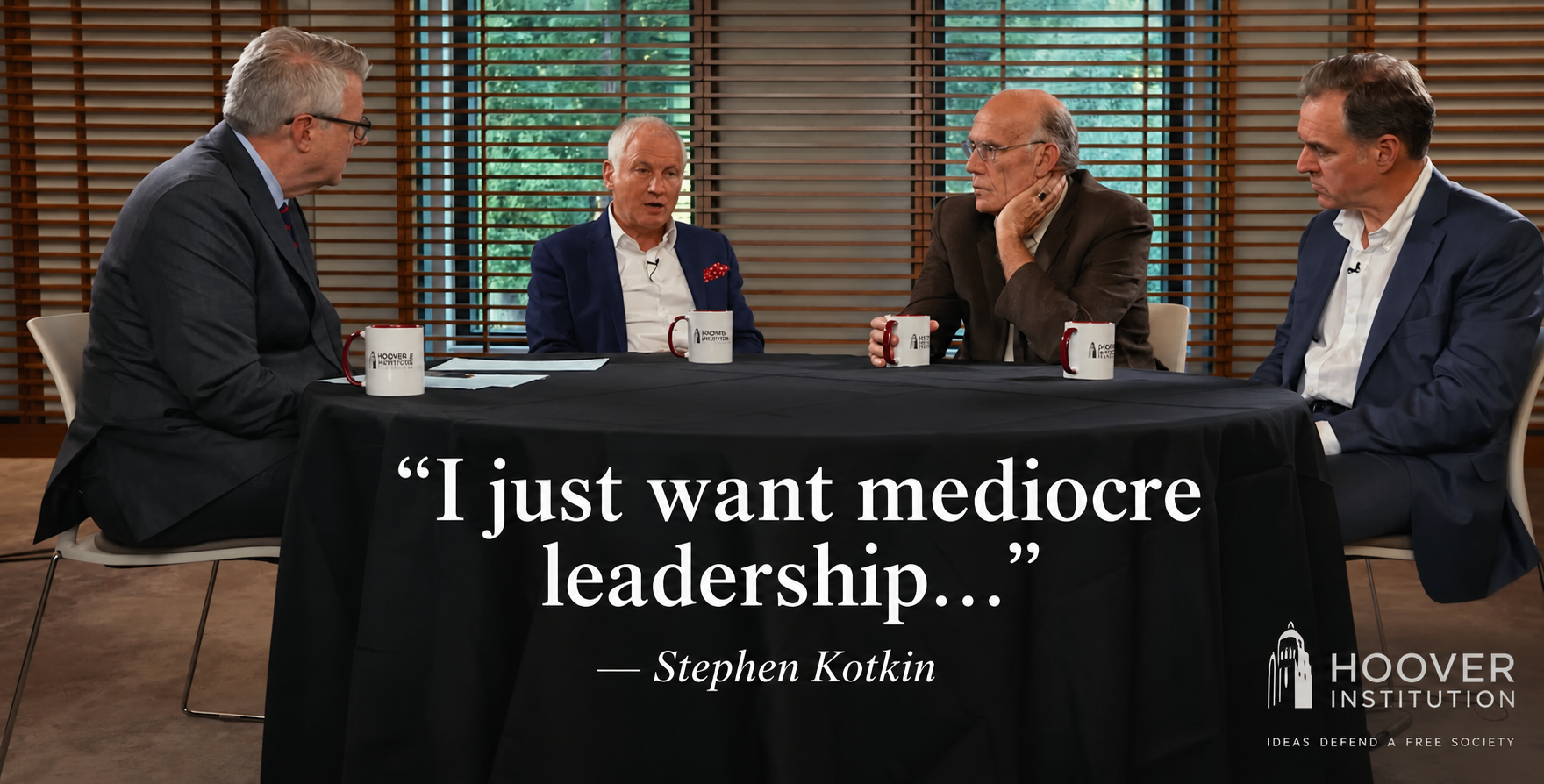
Alumni donate $1.5M to UConn. Here’s what the money will be used for
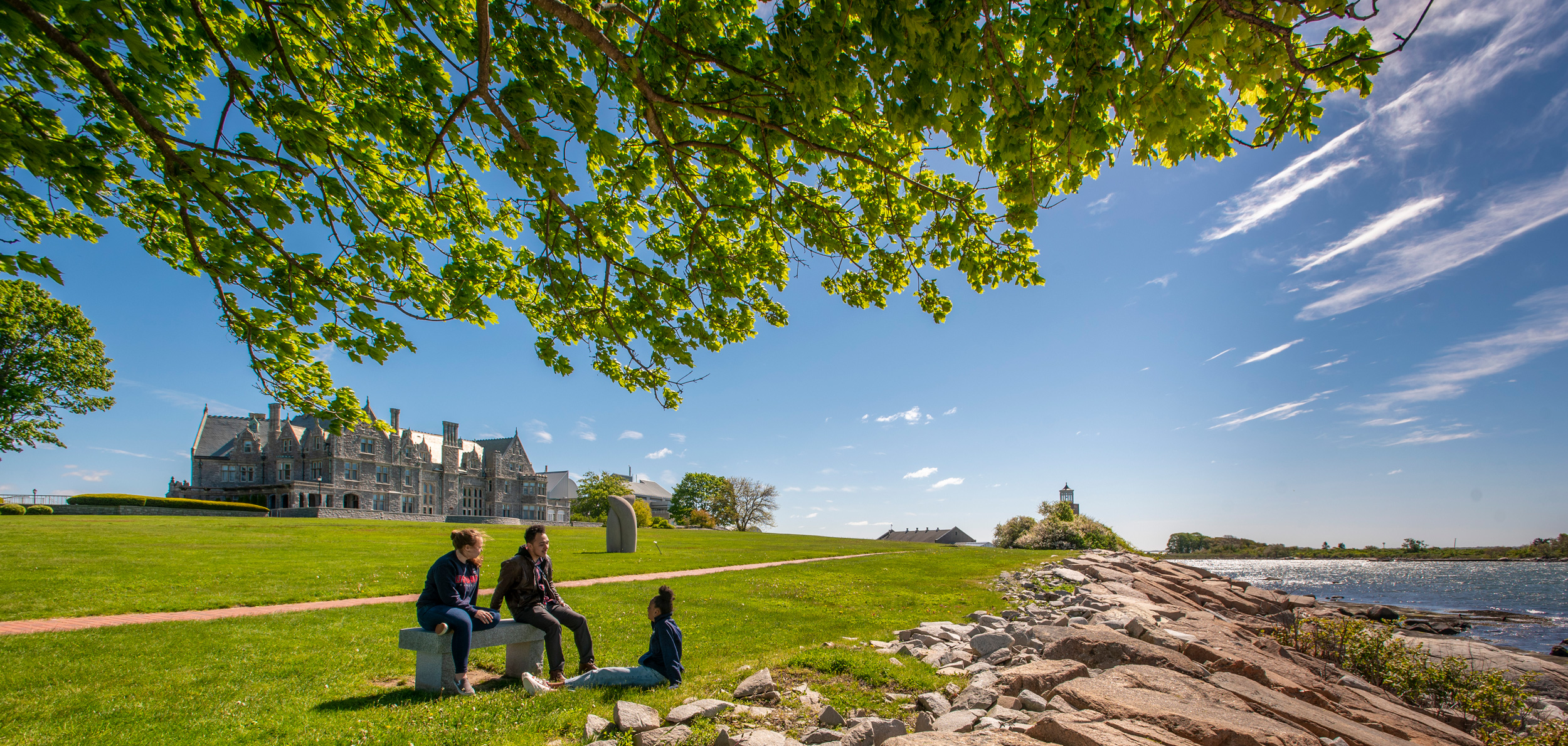
University of Connecticut Avery Point
Financial Reporting Issues Conference (FRIC): Academics from the U.S. and abroad joined us in Norwalk for the 2026 conference, engaging in lively discussions on standard-setting topics under the Board’s consideration. Thank you to all who shared their insights. pic.twitter.com/I3gSTEdRgA
— FASB, GASB, and FAF (@FAFNorwalk) January 9, 2026

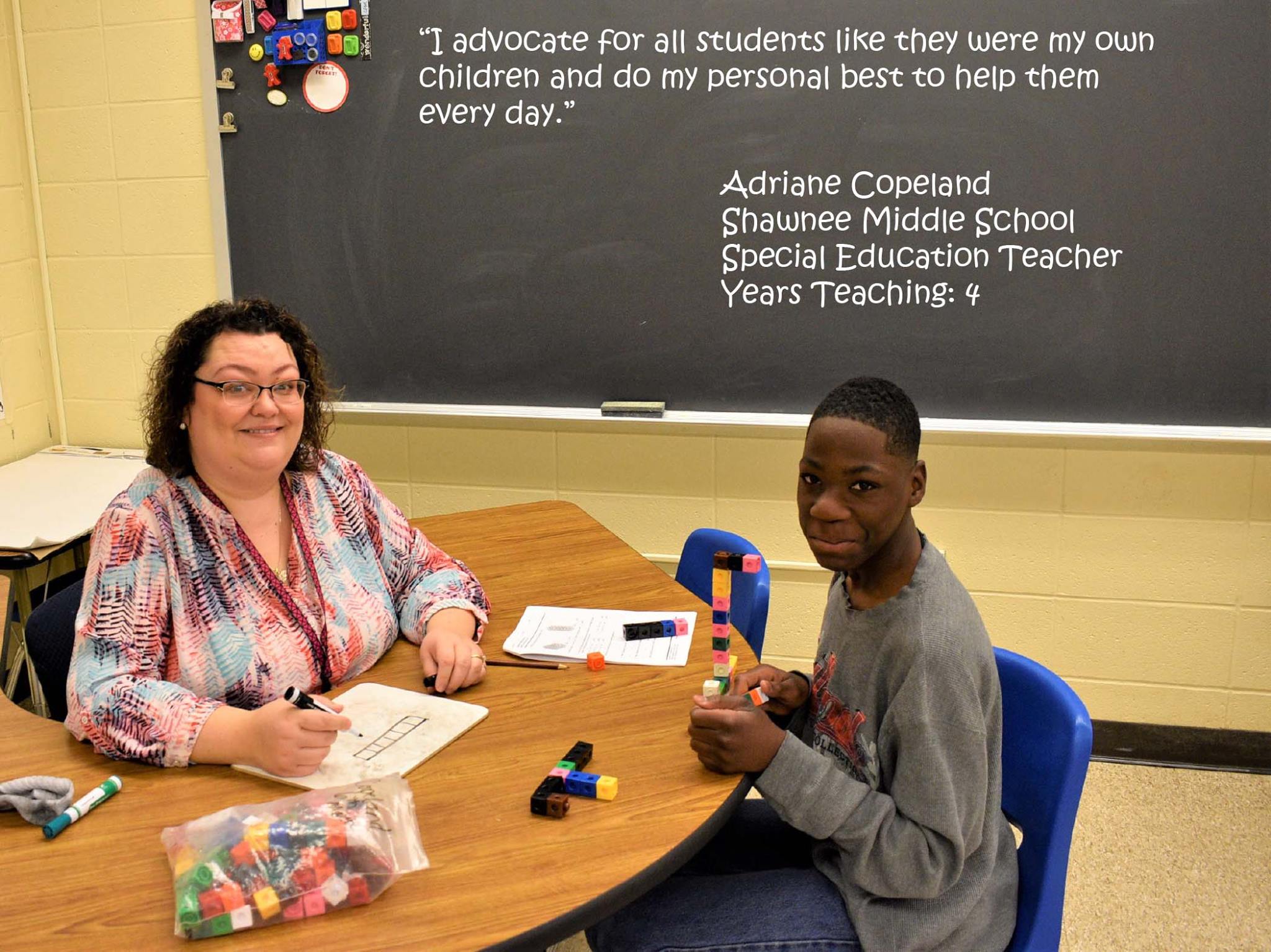
First Day of School
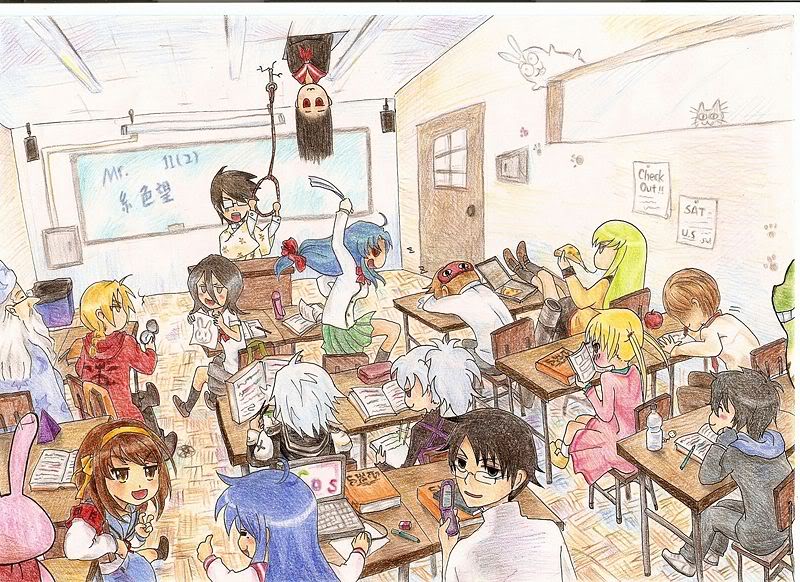
Donegan Acoustics
Today we take a cross cutting review of all the literature (codes, standards, guidelines, laws) that informs safe and sustainability occupancy load, means of egress, illumination, ambient air, plumbing, electric, communication and acoustics in classrooms.
Had to take my own 1st day photo.
Cheers to 19 years. Someday I’ll make it past the 1st grade. pic.twitter.com/YZruOvnmqj— Sarah Oberle, Ed.D. (@S_Oberle) August 24, 2026
Keen on your thoughts… https://t.co/IqI87vuVTz
And I’d love to see your classroom layout/displays if you want to share! Tag with #CanvasForThought pic.twitter.com/qZwxAaa6jm— 𝗗𝗿 𝗡𝗮𝘁𝗵𝗮𝗻𝗶𝗲𝗹 𝗦𝘄𝗮𝗶𝗻 (@NathanielRSwain) July 17, 2024
1. Building Codes
- International Building Code (IBC): Adopted by most states, it provides guidelines for the design and construction of buildings, including schools.
- International Existing Building Code (IEBC): Provides standards for the renovation and repair of existing school buildings.
- State and Local Building Codes: Many states and municipalities have additional or modified codes that must be followed.
happy first day of class, @HopeCollege! 📚🤓🏀 pic.twitter.com/yJ3qIIa59Q
— Hope College WBB (@HopeCollegeWBB) August 31, 2026
2. Fire and Life Safety Codes
- National Fire Protection Association (NFPA) Codes:
- NFPA 101: Life Safety Code – Sets requirements for egress, fire protection, and emergency planning.
- NFPA 13: Installation of Sprinkler Systems – Specifies standards for automatic fire sprinkler systems.
- NFPA 72: National Fire Alarm and Signaling Code – Covers fire alarm system installation and maintenance.
- NFPA 70: National Electrical Code (NEC) – Outlines electrical wiring standards to prevent fire hazards.
3. Accessibility Standards
- Americans with Disabilities Act (ADA):
- ADA Standards for Accessible Design – Ensures that school facilities are accessible to individuals with disabilities.
- Architectural Barriers Act (ABA): Requires accessibility in buildings constructed with federal funds.
4. Environmental and Health Standards
-
- ASHRAE 62.1: Ventilation for Acceptable Indoor Air Quality.
- ASHRAE 90.1: Energy Standard for Buildings Except Low-Rise Residential Buildings.ASHRAE Standards
- Environmental Protection Agency (EPA) Regulations:
- EPA Lead and Asbestos Regulations: Governs the handling of lead and asbestos in school buildings.
- EPA’s Indoor Air Quality Tools for Schools: Provides guidelines to manage air quality.
5. Structural Standards
- American Society of Civil Engineers (ASCE):
- ASCE 7: Minimum Design Loads and Associated Criteria for Buildings and Other Structures.
- American Concrete Institute (ACI):
- ACI 318: Building Code Requirements for Structural Concrete.
6. Plumbing and Mechanical Codes
- International Plumbing Code (IPC): Provides guidelines for plumbing system design and installation.
- International Mechanical Code (IMC): Sets standards for heating, ventilation, and air conditioning (HVAC) systems.
7. Electrical Standards
- Institute of Electrical and Electronics Engineers (IEEE) Standards: Includes various electrical safety and installation standards relevant to school facilities.
8. Educational Specifications and Guidelines
- Council of Educational Facility Planners International (CEFPI) Guidelines: Provides best practices for school design that promote effective learning environments.
- State-Specific Educational Specifications: Many states have their own guidelines for the design of educational facilities to meet state-specific educational needs.
9. Safety and Security Standards
- Crime Prevention Through Environmental Design (CPTED) Guidelines: Suggests design strategies to enhance security in school environments.
- School Safety and Security Standards (state-specific): Some states have additional requirements for school security measures.
10. Sustainable Design Standards
- LEED (Leadership in Energy and Environmental Design) for Schools: Provides a framework for building green and energy-efficient schools.
- Green Building Initiative (GBI) Standards: Focuses on sustainable and energy-efficient building practices.
11. Maintenance Standards
- International Property Maintenance Code (IPMC): Provides guidelines for the maintenance of buildings, ensuring they remain safe and functional over time.
12. Other Relevant Standards
- Federal Emergency Management Agency (FEMA) Guidelines: Provides standards for building schools in disaster-prone areas (e.g., tornadoes, earthquakes).
- Occupational Safety and Health Administration (OSHA) Standards: Ensures workplace safety, including in schools, covering areas like chemical safety, electrical safety, and more.
Local Considerations
- Local Zoning Laws and Ordinances: Schools must also comply with local land use regulations, which may affect building placement, size, and use.
Another public jubilation pic.twitter.com/dmQc6IBVbK
— Chelsea Finest💙💙😍 (@finest_che2325) July 20, 2024

How to teach standards to students
“No man, however bold or however high he may stand in his profession,
can resist the benumbing effect of rules laid down by authority.”
Who should teach standards — faculty, practitioners, standards developers or some combination of the three?
At what point in an engineering or technical curriculum should students first encounter consensus standards?
Should students learn only how to apply standards, or also how standards are developed, revised and governed?


“Monday Monday”
Cover bands are essential works. They refresh the global musical canon by returning recorded music to live performance, ensuring that American music remains a living vernacular rather than a museum artifact. Cover bands project a durable image of America as energetic, improvisational and rhythmically irresistible—long after the original recordings recede. The competition for dominance in artificial intelligence may be unsettled, but the competition for cultural influence that AI seeks to amplify was won long ago—in the melodies, rhythms and energy of the American Songbook.
No way we’re going back.
Brittannica | Foxes and Fossils
The Pantry
This content is accessible to paid subscribers. To view it please enter your password below or send mike@standardsmichigan.com a request for subscription details.
Orange Creamsicle
This content is accessible to paid subscribers. To view it please enter your password below or send mike@standardsmichigan.com a request for subscription details.

BrewBike
Northwestern University Financial Report 2024: $19.260B (Page 8)
Spoon University, a prominent online food publication for college students, was founded in 2012 by Northwestern University students Sarah Adler and Mackenzie Barth. As juniors living off-campus, they struggled to cook and navigate the food scene, noticing a lack of youth-focused culinary media. This inspired them to launch a blog combining journalism and food, initially for Northwestern students.
The platform quickly grew, engaging 100 students at Northwestern to create recipes, restaurant reviews, and food-related content. Its success led to expansion, with students from other universities requesting chapters. By 2014, Spoon University had spread to over 100 campuses globally, amassing thousands of contributors. Supported by the Techstars accelerator and later acquired by Scripps Networks Interactive in 2017 for approximately $10 million, Spoon University became a key voice in the food movement, empowering young creators
BrewBike Wants You to Buy Your Next Cup of Cold Brew From the Back of a Bike

Wildcat Den

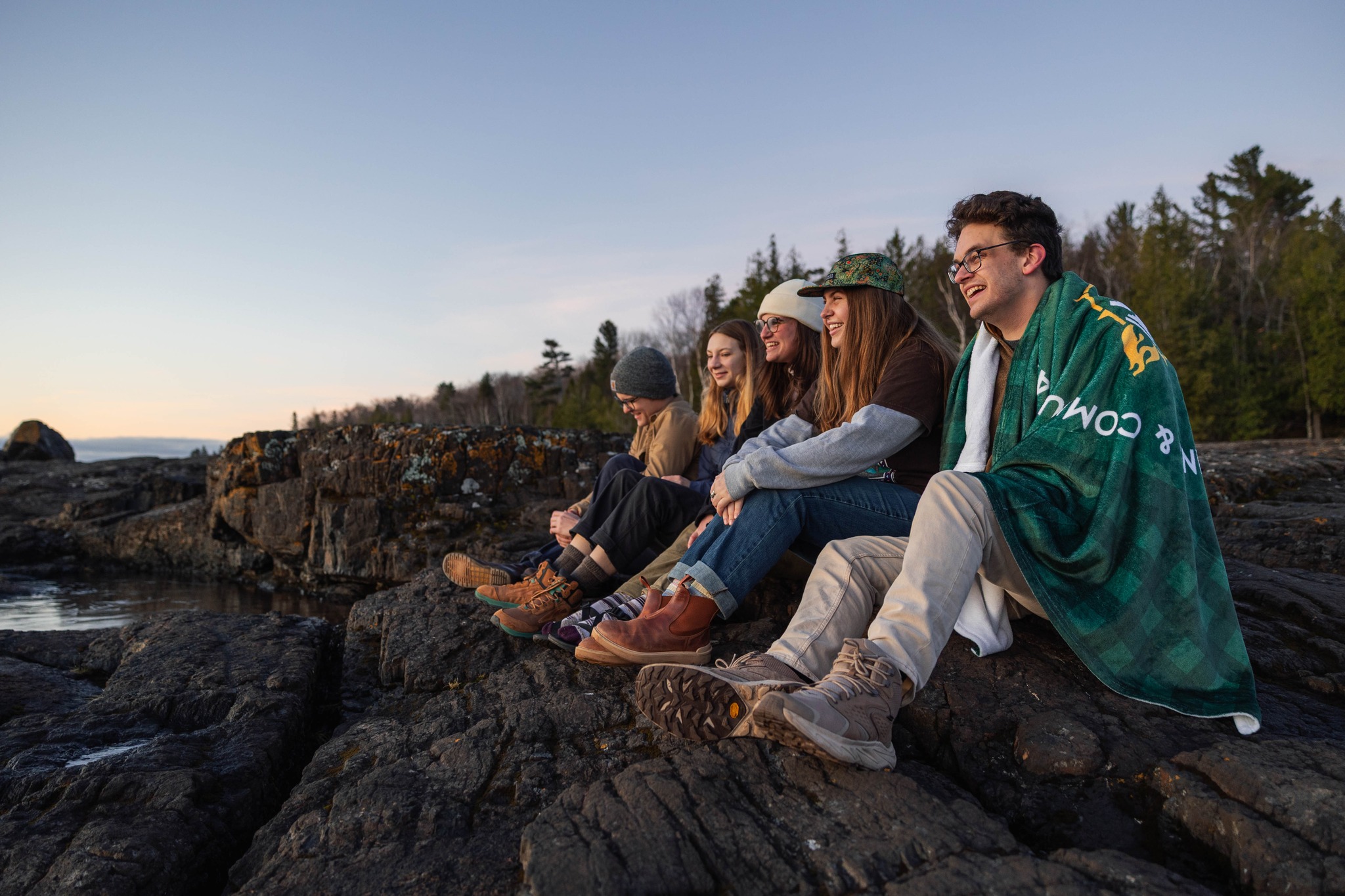
Homecoming Schedule of Events | Michigan Upper Peninsula
Black coffee at restaurants should not be $5. I’m not drinking the whole pot. I just want a cup. pic.twitter.com/wxy5xO4srV
— Blonde Musings 🇺🇸 Courtney (@musings_blonde) February 1, 2026
[FSC 002301]
New update alert! The 2022 update to the Trademark Assignment Dataset is now available online. Find 1.29 million trademark assignments, involving 2.28 million unique trademark properties issued by the USPTO between March 1952 and January 2023: https://t.co/njrDAbSpwB pic.twitter.com/GkAXrHoQ9T
— USPTO (@uspto) July 13, 2023
Standards Michigan Group, LLC
455 East Eisenhower Parkway, Suite 300
Ann Arbor, MI 48108 USA
888-748-3670
DIRECTIONS
 |
 |
|
 |
 |
|
 |
 |