
60364 Low-Voltage Electrical Installations
- Home Page 14



Abiit sed non oblitus | Lenawee County Michigan
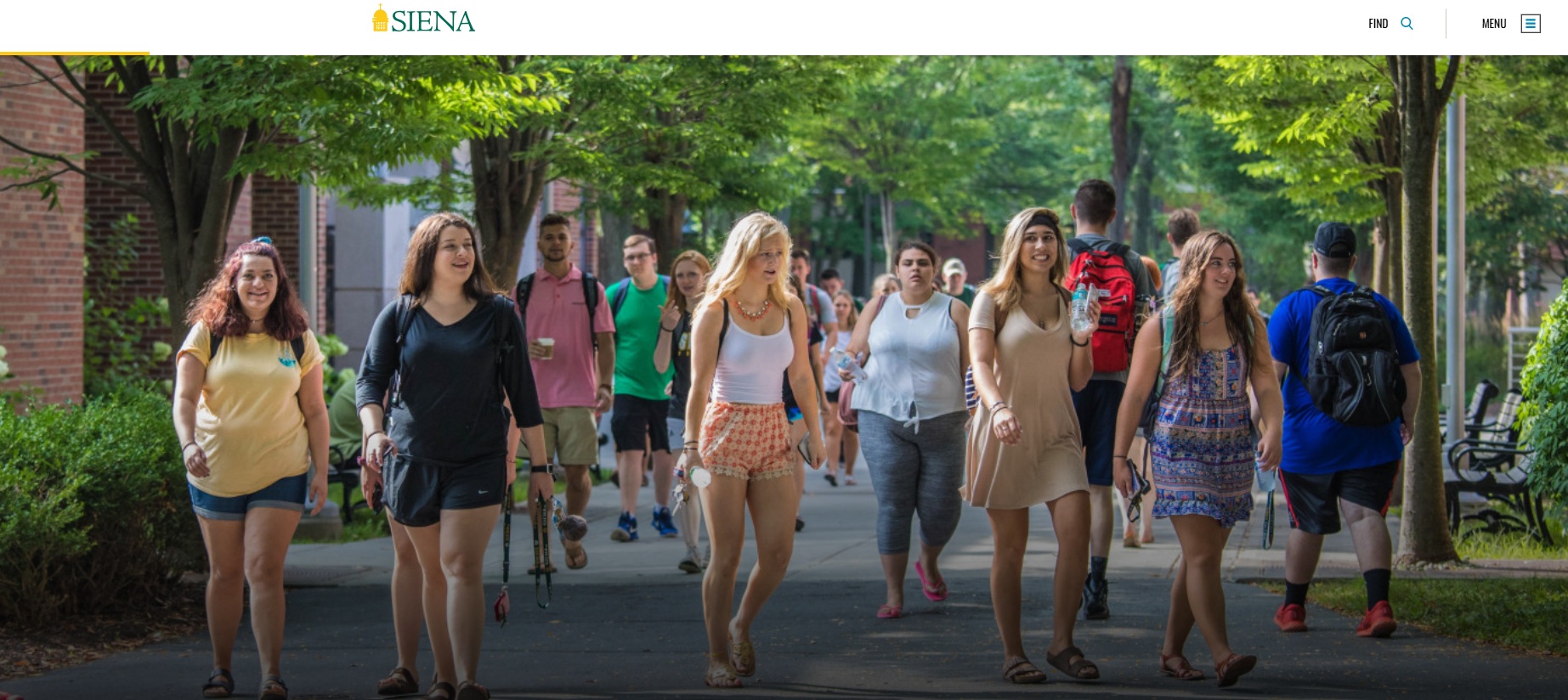
Bill Murray spoke at Siena Heights University’s final commencement ceremony on May 9, 2026, primarily due to deep family ties to the school.
Siena Heights was founded in 1919 by the Adrian Dominican Sisters. Murray’s sister, Sister Nancy Murray, OP, is a member of that order and has long been connected to the university. She also received an honorary doctorate at the same ceremony.
Murray was invited as a surprise speaker and received an honorary doctorate himself. In his off-the-cuff address, he emphasized becoming part of the “family,” shared personal stories, and encouraged the graduates as the school closes due to financial challenges.
It was a personal, heartfelt, and humorous appearance driven by family connection and a desire to support the institution and its final graduating class.
1:45:00



Nourriture d’été
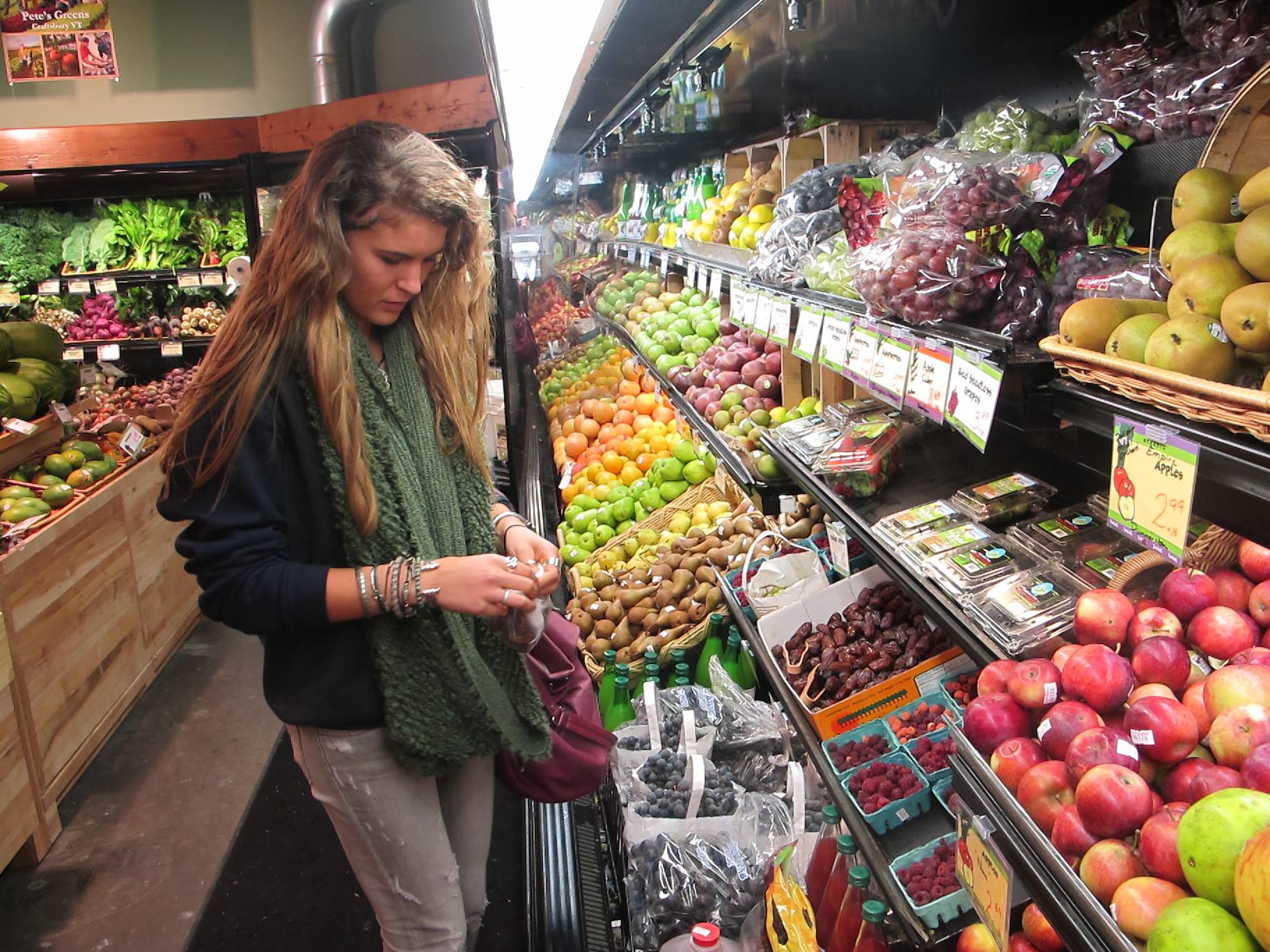 University of Vermont | Chittenden County
Today we break down the catalog for food safety in education communities; with primary attention to consultations from private standard developing organizations and federal agencies charged with food safety. We do so with sensitivity to animals and plants and sustainability of the global food supply chain. Many schools are the communal cafeterias for the communities that own and operate them and run at commercial scale.
We prepare responses to public consultations released by standards developing organizations which, in many cases, have significant conformance enterprises. Core titles are published by the ANSI accredited organizations listed below:
The ASHRAE catalog is the most cross-cutting and fastest moving catalog in the land. If you claim ownership of the United States energy domain you pretty much capture everything related campus safety and sustainability. Best to deal with it on a day-by-day basis as we usually do according to daily topics shown on our CALENDAR.
Association for Packaging and Processing Technologies
American Society of Agricultural and Biological Engineers
Institute of Electrical and Electronic Engineers
National Electrical Safety Code (Our particular interest lies in the safety and reliability of off-campus agricultural and research facilities that receive power from regulated utilities)
Kitchen Safety and Security System for Children
TupperwareEarth: Bringing Intelligent User Assistance to the “Internet of Kitchen Things”
Designing an IoT based Kitchen Monitoring and Automation System for Gas and Fire Detection
Re-Inventing the Food Supply Chain with IoT: A Data-Driven Solution to Reduce Food Loss
International Code Council
International Building Code Assembly Group A-2
International Building Code Group U Section 312 Agricultural Buildings
International Building Code Moderate Hazard Factory Industrial Group F-1 (Food Processing)
National Fire Protection Association
National Electrical Code Article 210 (Branch Circuits)
National Electrical Code Article 547 (Agricultural Buildings)
Standard for the Installation of Air-Conditioning and Ventilating Systems
Public Input Report for the 2024 Revision
Standard for Ventilation Control and Fire Protection of Commercial Cooking Operations
Public Input Report for the 2024 Revision
Food Equipment
Commercial Warewashing Equipment
Commercial Refrigerators and Freezers
Commercial Cooking, Rethermalization and Powered Hot Food Holding and Transport Equipment
Commercial Powered Food Preparation Equipment

US Federal Government:
US Department of Agriculture
Food & Drug Administration (HACCP)
State Governments:
Lorem ipsum @StandardsState
Global:
International Organization for Standardization
International Electrotechnical Commission
Codex Alimentarius
Food safety and sustainability standards populate are of the largest domains we track so if we need a break0-out session, let’s do it. Use the login credentials at the upper right of our home page.
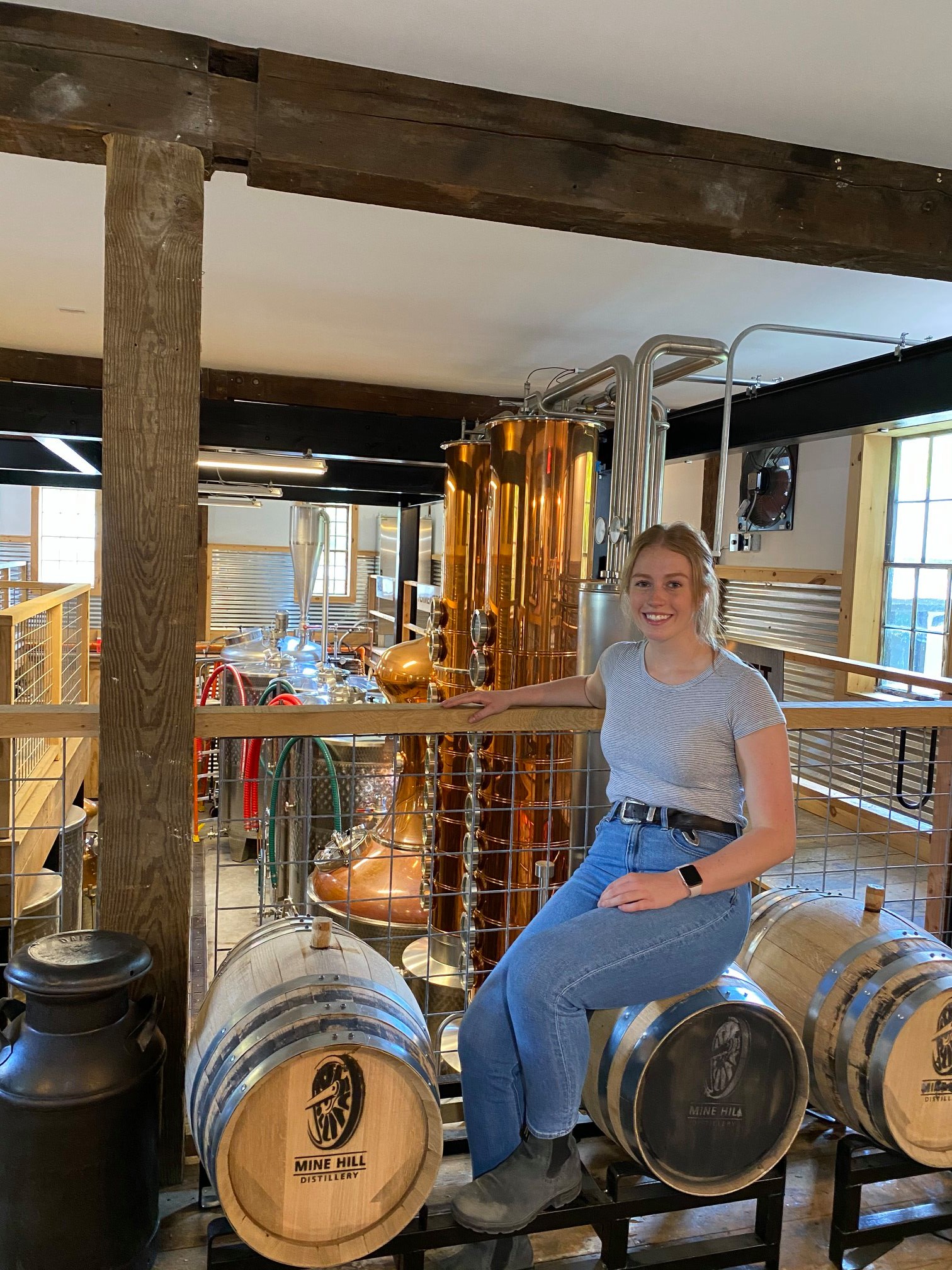 University of Kentucky College of Agriculture, Food and Environment

More
Standards supporting vertical farming
STANDARDS SUPPORT SOPHISTICATED FARMING METHODS THAT BRING PRODUCE TO YOUR TABLE
US Food & Drug Administration: Food Facility Registration Statistics (as of January 11, 2021)
National Grange of the Order of Patrons of Husbandry
The U.S. Land-Grant University System: An Overview
American Society of Agricultural and Biological Engineers Standards Development
The origin of the Land grant act of 1862
International Electrotechnical Commission: Keeping food safe from farm to plate
Council for the Advancement of Standards in Higher Education: Dining Services Programs
Science and Our Food Supply: A Teacher’s Guide for High School Classrooms

Food Safety

Overdoor, France, ca. 1825; | Smithsonian Design Museum
Education communities have significant food safety responsibilities. Risk gets pushed around global food service counterparties; a drama in itself and one that requires coverage in a separate blog post.*
Since 2013 we have been following the development of food safety standards; among them ANSI/NSF 2: Food Equipment one of a constellation of NSF food safety titles whose provisions cover bakery, cafeteria, kitchen, and pantry units and other food handling and processing equipment such as tables and components, counters, hoods, shelves, and sinks. The purpose of this Standard is to establish minimum food protection and sanitation requirements for the materials, design, fabrication, construction, and performance of food handling and processing equipment.
It is a relatively stable standard; developed to support conformance revenue for products. A new landing page seems to have emerged in recent months:
https://www.nsf.org/testing/food
Manufacturers are required to meet the NEC and CEC electrical codes to have their food equipment sold and used in the United States and Canada. Watch our video for more details. pic.twitter.com/d0vUf4zUl2
— NSF (@NSF_Intl) June 30, 2023
You may be enlightened by the concepts running through this standard as can be seen on a past, pre-pandemic agenda:
NSF 2 Food Safety 2019 Meeting Packet – Final Draft
NSF 2 Food Safety 2019 Meeting Summary – August 21-22 Ann Arbor NSF Headquarters
NSF 2 Food Equipment Fabrication Agenda – FEF – TG – 2021-01-12
Not trivial agendas with concepts that cut across several disciplines involving product manufacture, installation, operation and maintenance. We find a very strong influence of organizations such as Aramark and Sodexo. More on that in a separate post.
From https://t.co/CW9veo96yh: Food Equipment Standards https://t.co/ZwBF9Yr5s0
— Standards Michigan (@StandardsMich) September 19, 2025

Ranchview High School Cafeteria / Irving, Texas
This committee – along with several other joint committees –meets frequently online. If you wish to participate, and receive access to documents that explain the scope and scale of NSF food safety standards, please contact Allan Rose, (734) 827-3817, arose@nsf.org. NSF International welcomes guests/observers to nearly all of its standards-setting technical committees. We expect another online meeting hosted by this committee any day now.
Keep in mind that all NSF International titles are on the standing agenda of our Nourriture (Food) colloquia; open to everyone. See our CALENDAR for the next meeting.
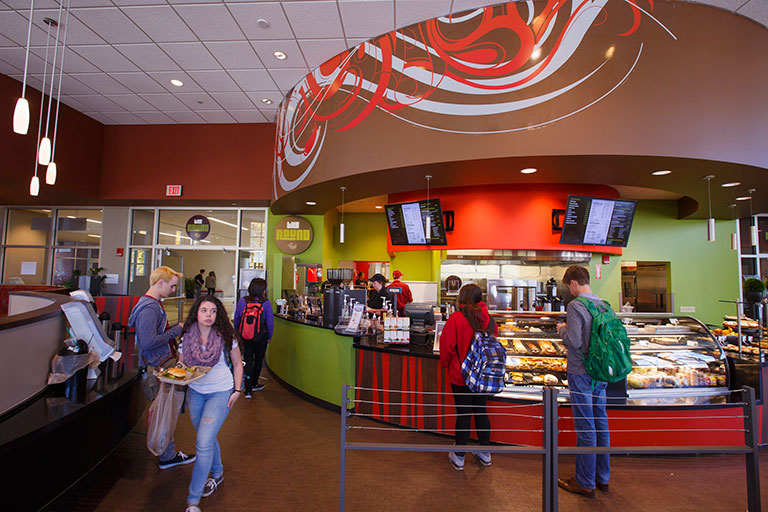
University of Indiana
Issue: [13-113] [15-126]
Category: Facility Asset Management, Healthcare, Residence Hall, Athletics
Colleagues: Mike Anthony, Tracey Artley, Keith Koster, Richard Robben
LEARN MORE:
ANSI Blog | Changes to NSF 2 Food Safety Equipment Standard
NSF International Food Safety 2018 Meeting Summary – 2018-08-22 – Final Draft
2017 Food Code | US Food & Drug Administration
Hygiene Requirements For The Design Of Meat And Poultry Processing Equipment

Game Day Food
Standards Iowa | Standards North Carolina
Aramark | Compass Group | Sodexo
Standards Michigan: Food | Kitchen | Farm Agriculture
Americans eat too much:

Catfish

Extension Service Report on Catfish
Some places just feel like home. From the big-time SEC experience to the even bigger opportunities, here’s what makes Mississippi State unforgettable. pic.twitter.com/rUjxUnq6FM
— Mississippi State (@msstate) August 29, 2025
Mississippi State University Facilities Management
A few Catfish from this year since I’ve been bad about posting! pic.twitter.com/hYFKgWDh3E
— Hannah Barron (@HannahBarron96_) July 13, 2025

Fenestration
2026 North American Fenestration Standard

The oldest door still in use in Pantheon (115 A.D.)
“No work of art can be great,
if it is not composed of the smallest things.”
— Vitruvius (Book VII, Chapter 9)
Today during our usual hour we sweep through standards action in building glazing, entrances and means of egress. The word fenestration (Latin: fenestra) has become a term of art for the design, construction, and placement of openings in a building, including windows, doors, skylights, and other glazed elements. While the word has sparse use in the International Code Council and National Fire Protection Association catalog it is widely used by the Construction Specifications Institute in its MasterFormat system for organizing construction standards, guidelines and building contracts.
The percentage of a building envelope “skin” that is comprised of doors and windows varies depending on the specific building design, function, and location. However, a commonly cited range is between 15% to 25% of the total building envelope. The actual percentage will depend on several factors such as the building’s purpose, orientation, local climate, and energy performance goals. Buildings that require more natural light or ventilation, such as schools, hospitals, and offices, may have a higher percentage of windows and doors in their envelope. In contrast, buildings with lower lighting and ventilation requirements, such as warehouses, may have a smaller percentage of windows and doors.
Fenestration presents elevated risk to facility managers. The education facility industry is a large target and a pattern of settling out of court. For example:
- In 2013, a former student at Yale University sued the school over a broken window in her dorm room. The student alleged that the university was negligent in failing to repair the window, which allowed a burglar to enter her room and sexually assault her. The case was settled out of court in 2015 for an undisclosed amount.
- In 2019, a student at the University of California, Los Angeles sued the school over a broken window in her apartment. The student alleged that the university was negligent in failing to repair the window, which allowed a swarm of bees to enter her apartment and sting her. The case was settled out of court for $4.5 million.
- In 2020, a group of students at Harvard University sued the school over its decision to require them to move out of their dorms due to the COVID-19 pandemic. The students alleged that the university breached its contract with them by failing to provide suitable alternative housing, including functioning windows and doors. (The case is ongoing; best we can tell as of the date of this post).
These cases illustrate that colleges and universities can face legal action related to doors and windows, either due to alleged negligence in maintaining or repairing them, or due to issues related to student housing and accommodations.
Our inquiry breaks down into two modules at the moment:
Exterior facing fenestration
Interior window walls and doors
Join us online at the usual time.
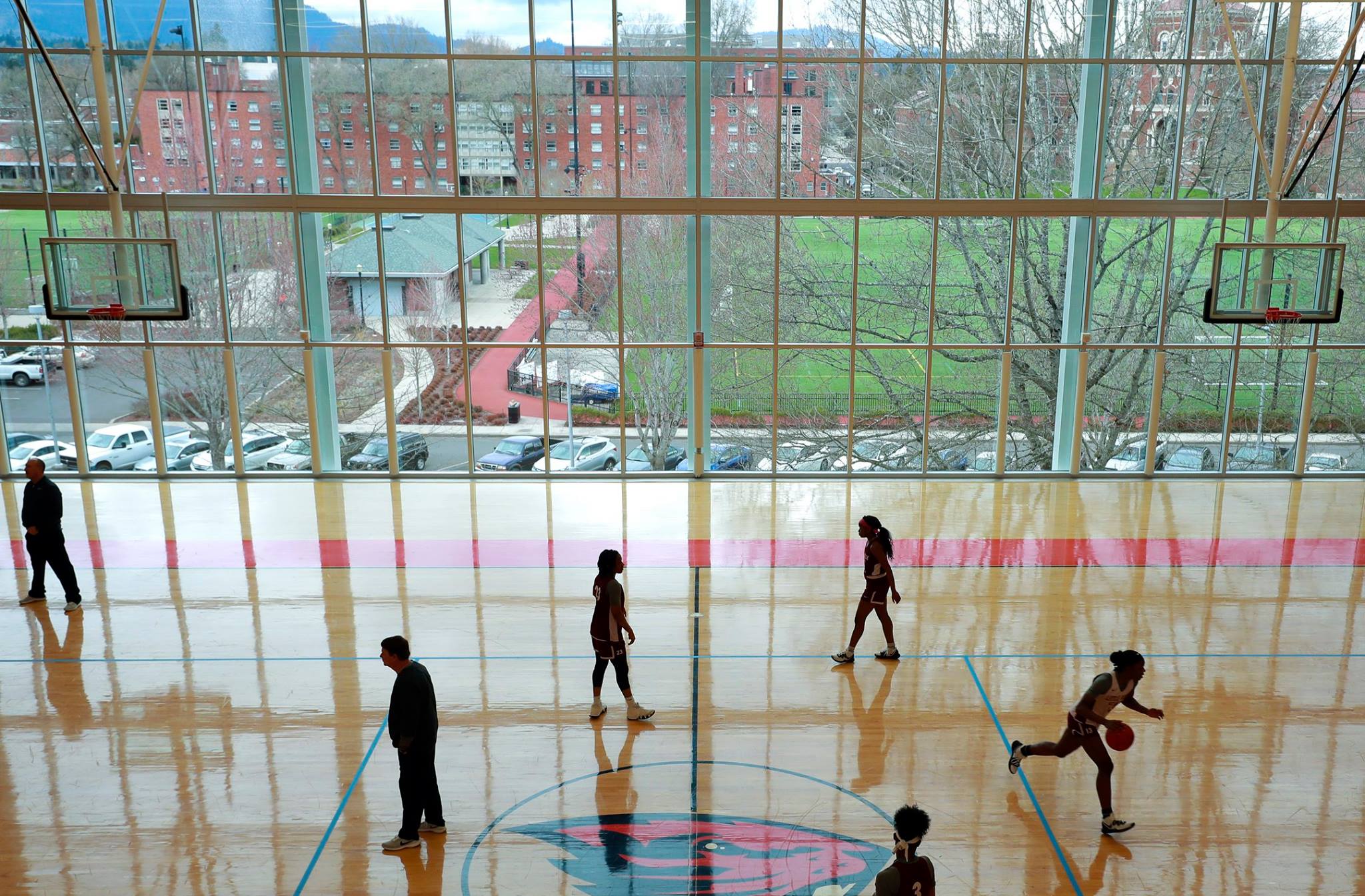
University of Arkansas at Little Rock
Related:
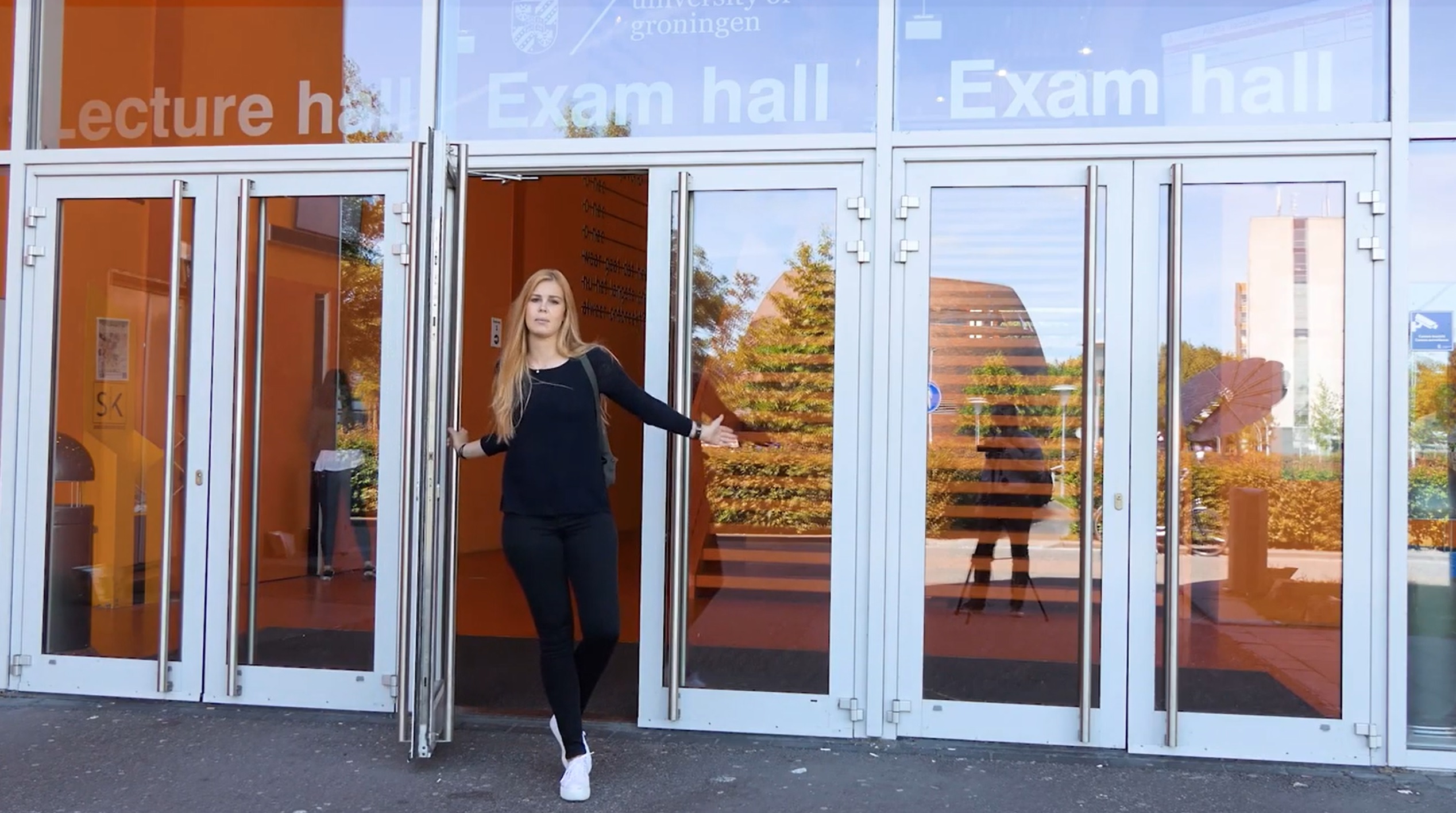
Rijksuniversiteit Groningen
— Ramin Nasibov (@RaminNasibov) May 25, 2024

Engineering Discovery Building
Design and Construction Standards | CSI Division 08 Openings & Door Hardware
Towering Tribute: New Engineering Building Named for Oil Pioneer Autry C. Stephens

North façade: a curtain-wall system uses a custom frit pattern. Architecturally, the frit makes the glass read as more solid and relates its pattern and limestone-like coloration to the adjacent building. Functionally, CO says explicitly that the frit reduces solar heat gain.
East façade: instead of relying entirely on the glazing, the designers introduced angled vertical aluminum fins to respond to the harsh morning sun. The fins also echo the curved geometry of the terra-cotta elsewhere on the building. That’s a particularly nice example of an external architectural element simultaneously becoming a passive solar-control device.
South façade: interestingly, CO uses masonry itself to establish some of the visual rhythm normally supplied by curtain wall. The brick gradually racks outward and eastward, creating changing shadows through the day; its proportions and shadow lines intentionally mimic those of the north curtain wall.

Doors, windows and curtain walling
Scope: Standardization in the field of doors, doorsets, windows, and curtain wall including hardware, manufactured from any suitable material covering the specific performance requirements, terminology, manufacturing sizes and dimensions, and methods of test. The Japanese Engineering Standards Committee is the Global Secretariat.
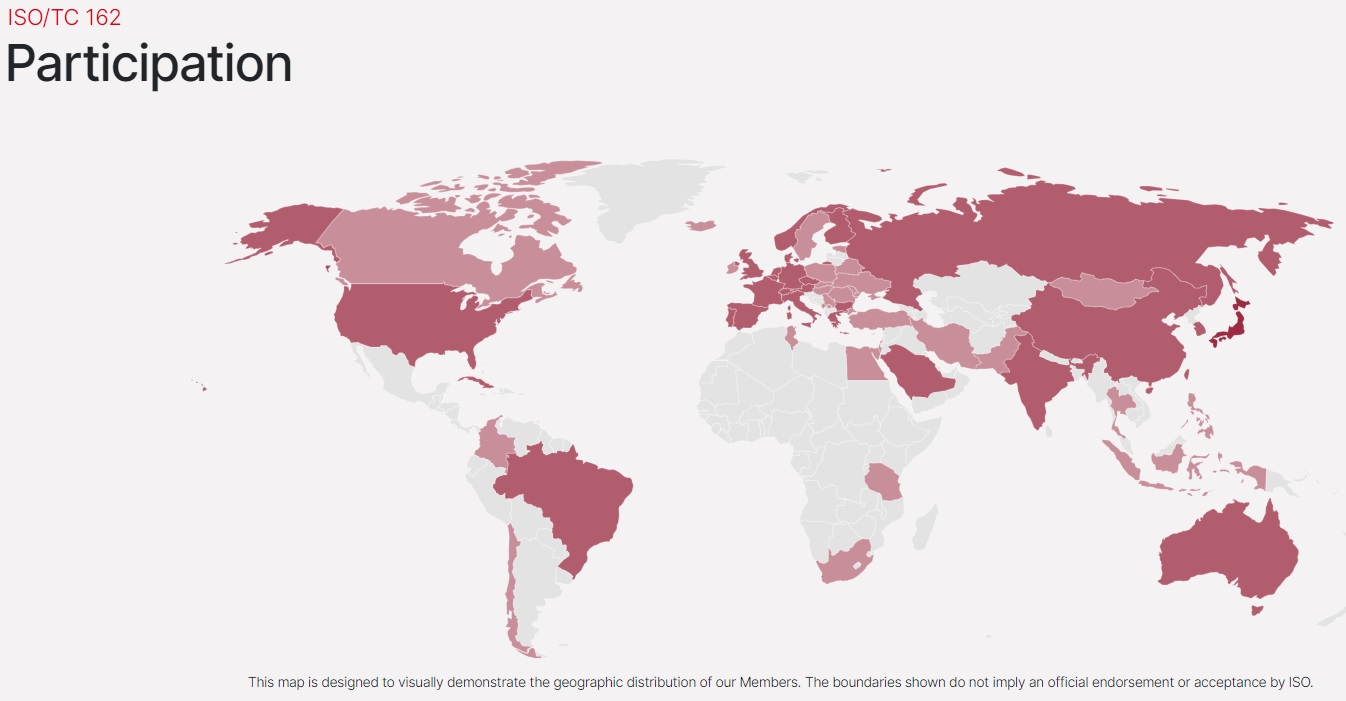
Multinational manufacturing and trade in the door manufacturing industry involve the production, distribution, and sale of doors across international borders. This industry encompasses a wide range of door types, including residential, commercial, industrial, and specialty doors. Here are some of the key fine points to consider in multinational manufacturing and trade within the door manufacturing sector:
- Global Supply Chains:
- Multinational door manufacturers often have complex global supply chains. Raw materials, components, and finished products may be sourced from various countries to optimize costs and quality.
- Regulatory Compliance:
- Compliance with international trade regulations and standards is crucial. This includes adhering to import/export laws, product safety regulations, and quality standards, such as ISO certifications.
- Market Segmentation:
- Different regions and countries may have varying preferences for door types, materials, and styles. Multinational manufacturers need to adapt their product offerings to meet local market demands.
- Distribution Networks:
- Establishing efficient distribution networks is essential. This involves selecting appropriate distribution channels, including wholesalers, retailers, and e-commerce platforms, in different countries.
- Tariffs and Trade Barriers:
- Import tariffs and trade barriers can significantly impact the cost of doing business across borders. Understanding and navigating these trade policies is essential for multinational door manufacturers.
- Localization:
- Multinational manufacturers often localize their products to suit the preferences and requirements of specific markets. This may involve language translation, customization of door designs, or adjustments to product dimensions.
- Quality Control:
- Ensuring consistent product quality across borders is critical for maintaining brand reputation. Implementing quality control processes and standards at all manufacturing locations is essential.
- Cultural Considerations:
- Understanding cultural nuances and local customs can help multinational manufacturers market their products effectively and build strong customer relationships.
- Logistics and Transportation:
- Efficient logistics and transportation management are essential for timely delivery of doors to international markets. This includes selecting appropriate shipping methods and managing inventory efficiently.
- Sustainability:
- Sustainability concerns, such as environmental impact and responsible sourcing of materials, are becoming increasingly important in the door manufacturing industry. Multinational manufacturers may need to comply with different environmental regulations in various countries.
- Intellectual Property:
- Protecting intellectual property, including patents and trademarks, is crucial in a global market. Manufacturers must be vigilant against counterfeiting and IP infringement.
- Market Research:
- Conducting thorough market research in each target country is essential. This includes understanding local competition, pricing dynamics, and consumer preferences.
- Risk Management:
- Multinational manufacturing and trade involve various risks, including currency fluctuations, political instability, and supply chain disruptions. Implementing risk mitigation strategies is vital for long-term success.
In summary, multinational manufacturing and trade in the door manufacturing industry require a comprehensive understanding of global markets, regulatory compliance, cultural differences, and logistics. Successfully navigating these complexities can help manufacturers expand their reach and compete effectively in a globalized world.

Relevant agencies:
ASTM International: ASTM develops and publishes voluntary consensus standards used in various industries, including construction. ASTM standards cover materials, testing procedures, and specifications related to doors, windows, and associated components.
National Fenestration Rating Council (NFRC): NFRC is a U.S.-based organization that focuses on rating and certifying the energy performance of windows, doors, and skylights. They provide performance ratings and labels used by manufacturers to communicate product energy efficiency to consumers.
American Architectural Manufacturers Association (AAMA): AAMA is a U.S.-based organization that develops standards and specifications for windows, doors, and curtain walls. Their standards cover performance, design, and testing.
National Institute of Building Sciences (NIBS): NIBS is involved in research, education, and the development of standards for the building and construction industry in the United States.
New update alert! The 2022 update to the Trademark Assignment Dataset is now available online. Find 1.29 million trademark assignments, involving 2.28 million unique trademark properties issued by the USPTO between March 1952 and January 2023: https://t.co/njrDAbSpwB pic.twitter.com/GkAXrHoQ9T
— USPTO (@uspto) July 13, 2023
Standards Michigan Group, LLC
455 East Eisenhower Parkway, Suite 300
Ann Arbor, MI 48108 USA
888-748-3670
DIRECTIONS
 |
 |
|
 |
 |
|
 |
 |