University of Michigan Design Guideline 265100 (Interior)
University of Michigan Design Guideline 256500 (Exterior)

IES Standards in Public Review
Psychological and Visual Perception of Campus Lightscapes Based on Lightscape Walking Evaluation:


Facilities Operations and Development | Office of Student Life: How to Operate a Fire Extinguisher
Click Image
Why Are So Many Women Not Having Children?
“The wireless age has brought us closer together,
yet we must work to ensure that it does not divide us.”
— Guglielmo Marconi
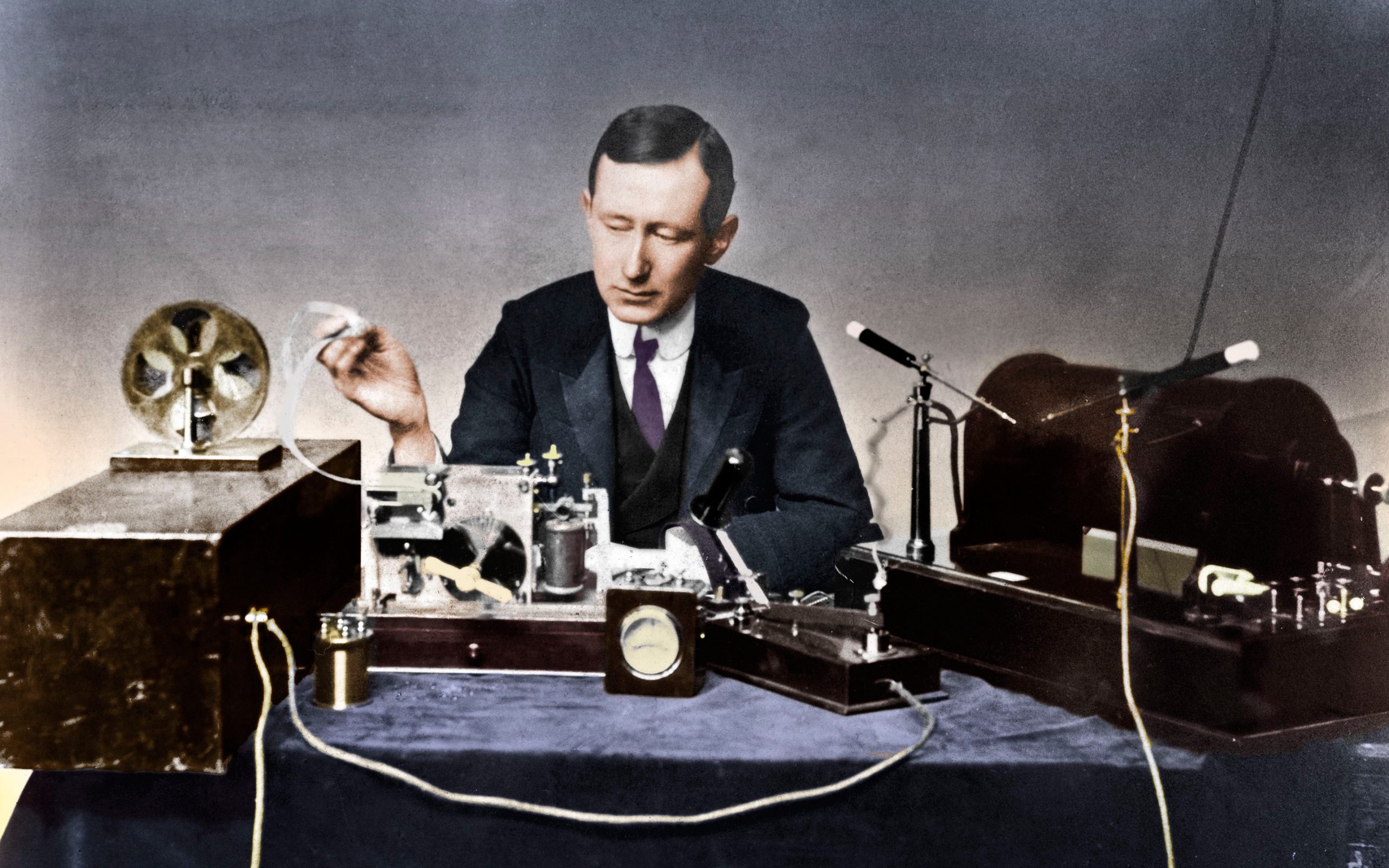
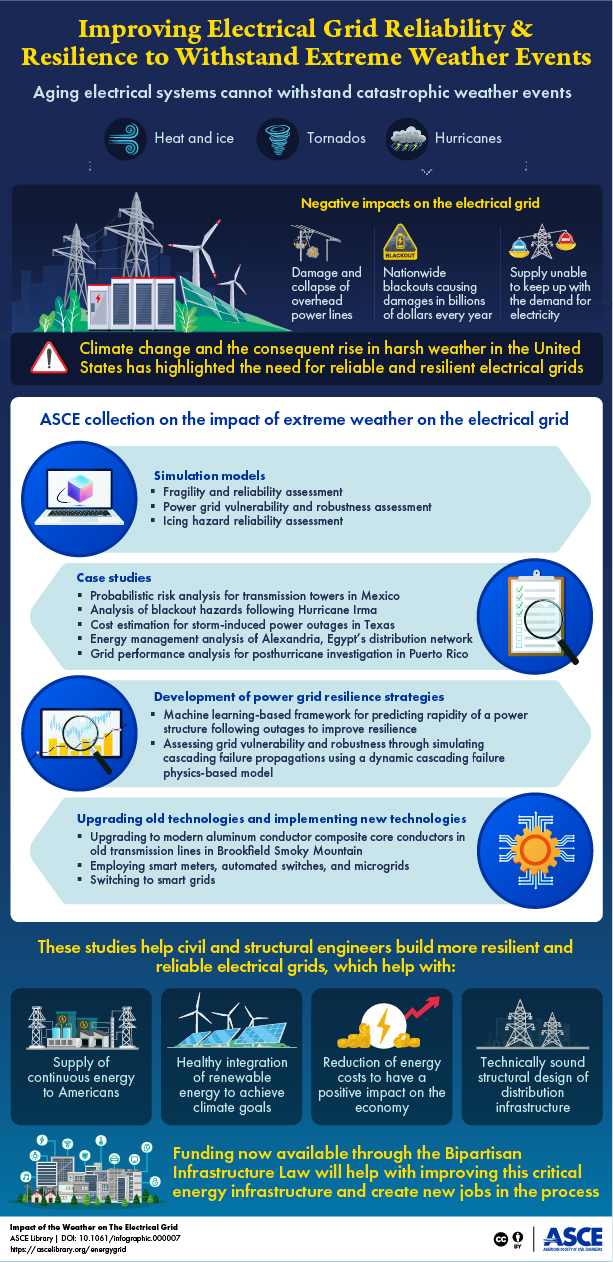
When the electric grid and the internet are down and there is no cell service, radio can still work to help communities stabilize. Starting 2024 we will break down our coverage of the radio frequency technology standards used in educational settlements into into two categories:
Radio 300: Security and maintenance radio. These usually use a single radio channel and operate in a half-duplex mode: only one user on the channel can transmit at a time, so users in a user group must take turns talking. The radio is normally in receive mode so the user can hear all other transmissions on the channel. When the user wants to talk he presses a “push-to-talk” button, which turns off the receiver and turns on the transmitter; when he releases the button the receiver is activated again. Multiple channels are provided so separate user groups can communicate in the same area without interfering with each other.
Note that a core title in this domain — NFPA 1802 Standard on Two-Way, Portable RF Voice Communications Devices for Use by Emergency Services Personnel in the Hazard Zone — is part of an NFPA catalog reorganization. Best practice content will be rolled into NFPA 1300 Standard on Fire and Emergency Service Use of Thermal Imagers, Two-Way Portable RF Voice Communication Devices, Ground Ladders, and Fire Hose, and Fire Hose Appliances.
As of this posting APCO International has no public consultations on any titles in its public safety radio standards catalog. (Association of Public Safety Communications Officials Standards Catalog)
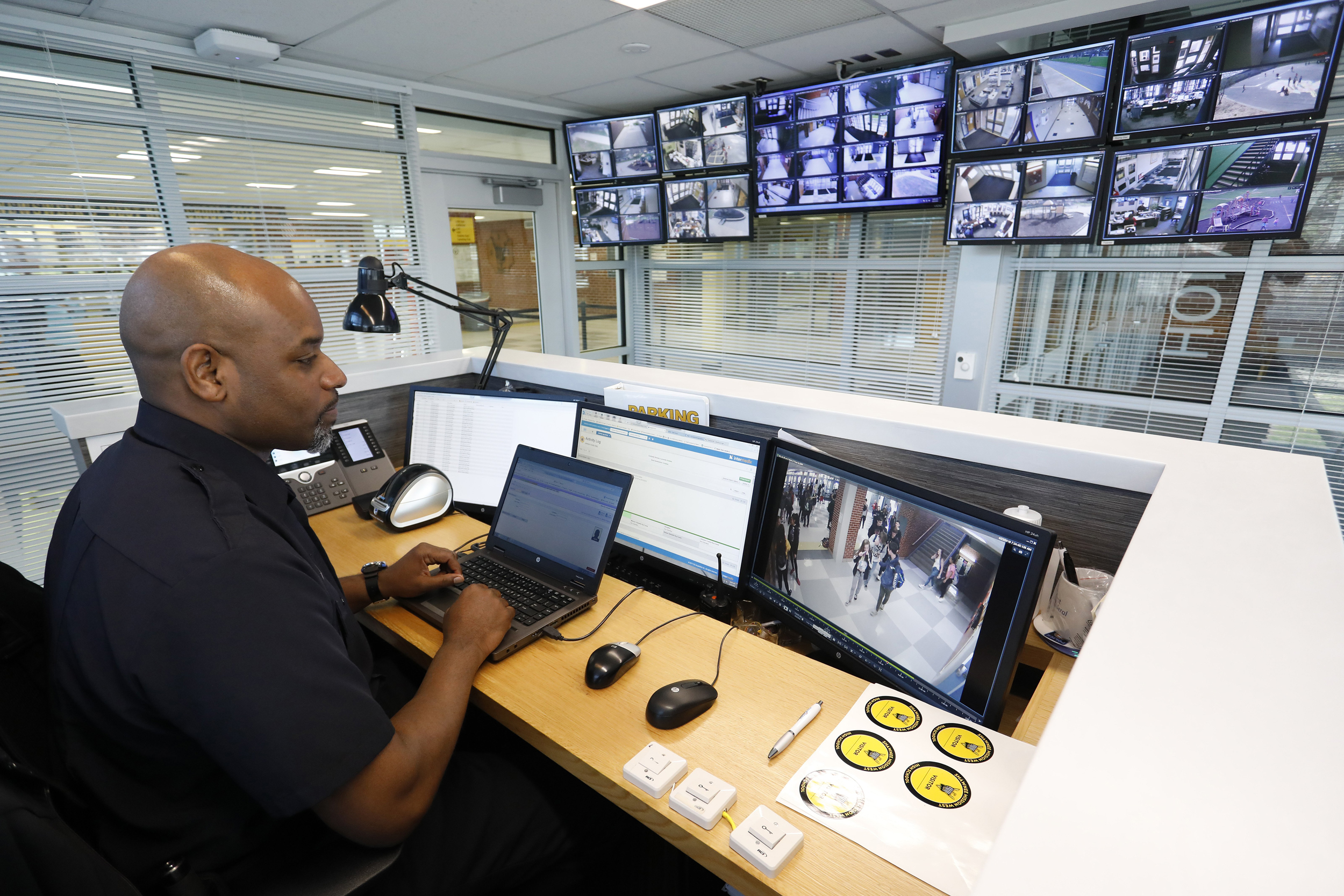
Shawnee Mission West High School
The IT Law Wiki: Spectrum Allocation
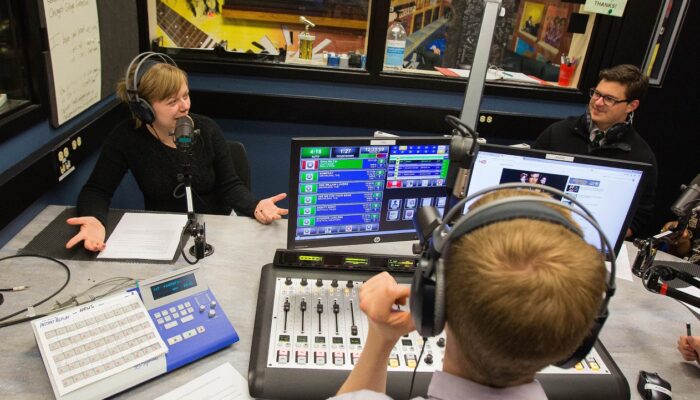
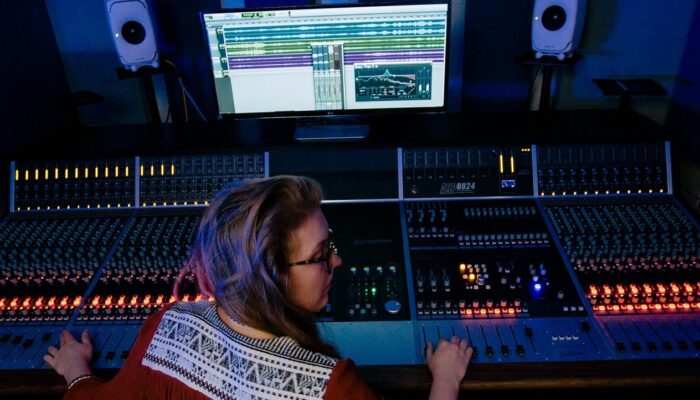
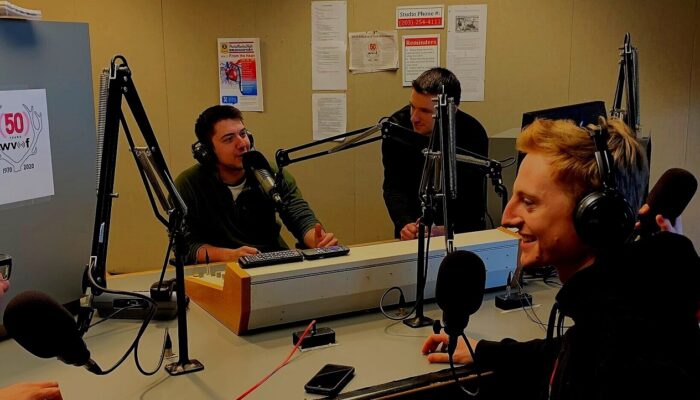
Radio 400: Student radio. College radio stations are typically considered to be public radio radio stations in the way that they are funded by donation and grants. The term “Public radio” generally refers to classical music, jazz, and news. A more accurate term is community radio, as most staff are volunteers, although many radio stations limit staff to current or recent students instead of anyone from the local community. There has been a fair amount of drama over student-run radio station history; a topic we steer away from.
The Low Power FM radio service was created by the Commission in January 2000. LPFM stations are authorized for noncommercial educational broadcasting only (no commercial operation) and operate with an effective radiated power (ERP) of 100 watts (0.1 kilowatts) or less, with maximum facilities of 100 watts ERP at 30 meters (100 feet) antenna height above average terrain. The approximate service range of a 100 watt LPFM station is 5.6 kilometers (3.5 miles radius). LPFM stations are not protected from interference that may be received from other classes of FM stations.

We follow — but do not respond — to consultations on titles covering the use of radio frequencies for the Internet of Things. At the moment, most of that evolution happens at the consumer product level; though it is wise to contemplate the use of the electromagnetic spectrum during widespread and extended loss of broadband services.
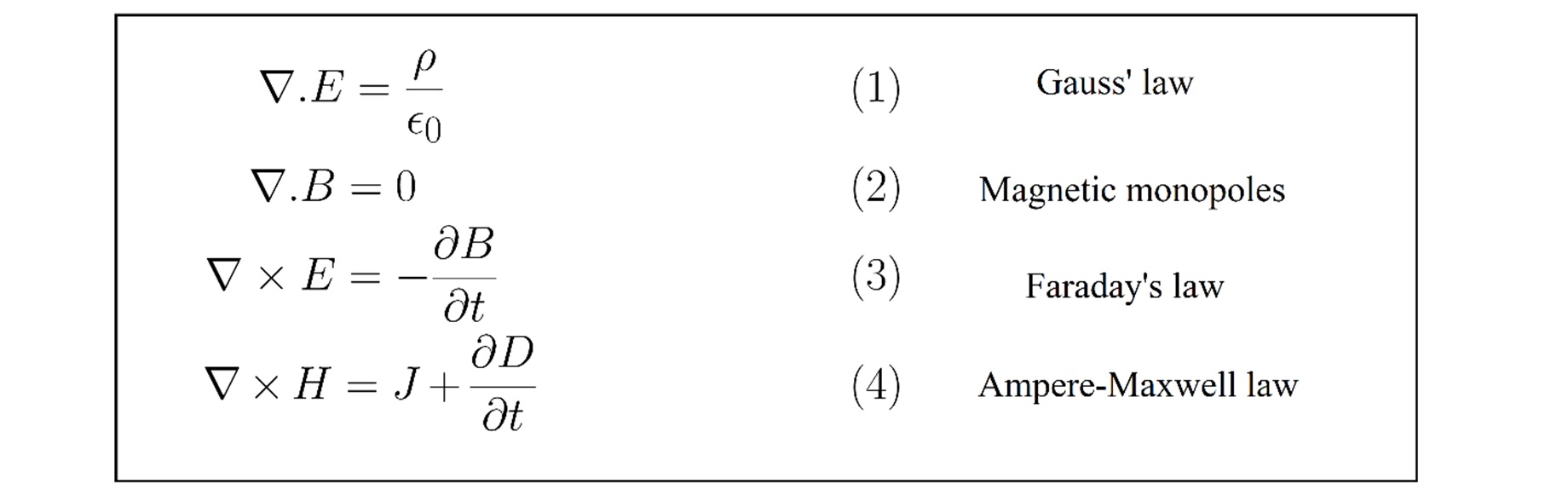
Maxwell equations: Four lines that provide a complete description of light, electricity and magnetism
We do not include policy specifics regarding the migration of National Public Radio beyond cultural content into political news; though we acknowledge that the growth of publicly financed radio domiciled in education communities is a consideration in the technology of content preparation informed by the Public Broadcasting Act of 1967.
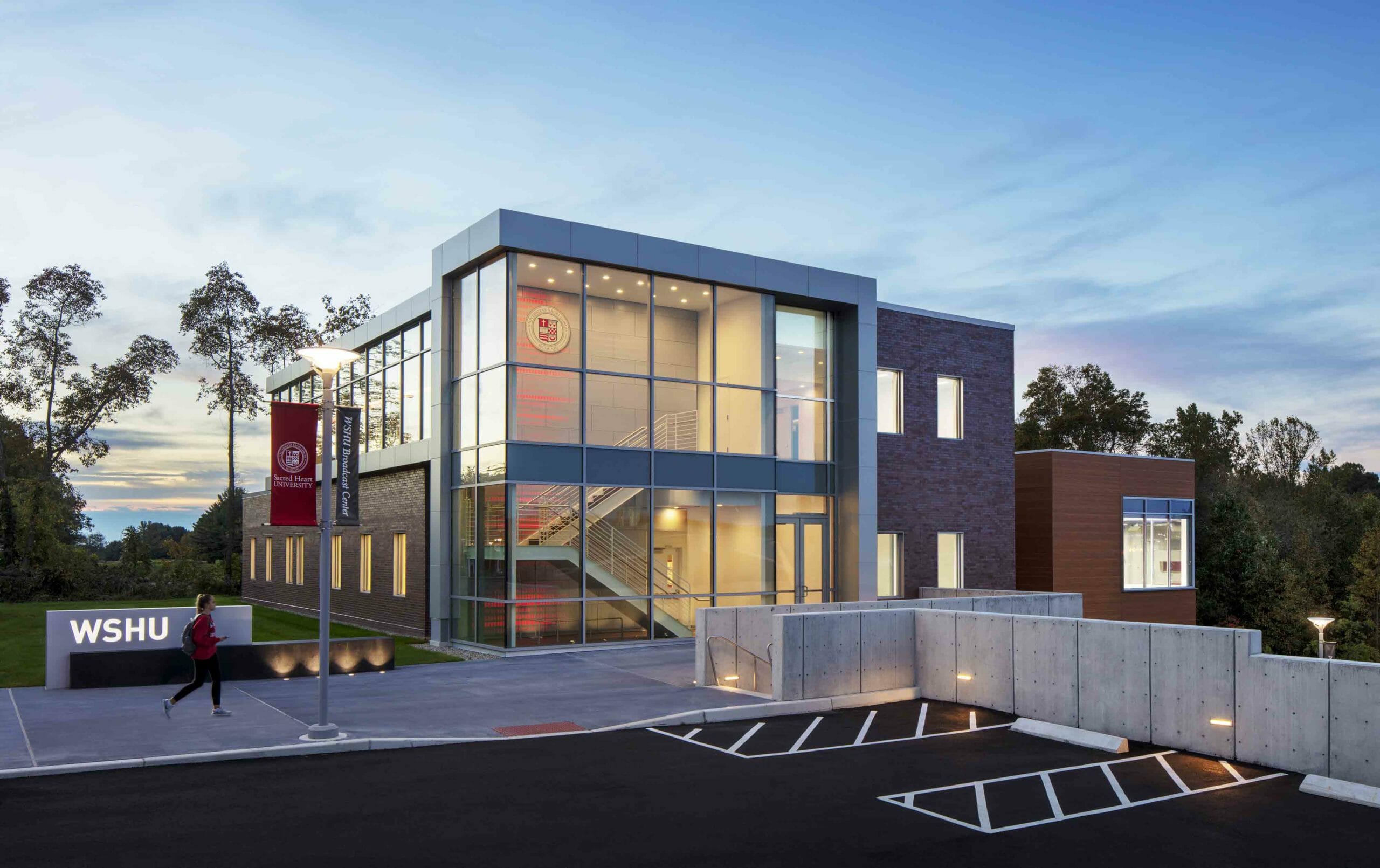
We drill into technical specifics of the following:
Radio technology is regulated by the Federal Communications Commission with no ANSI-accredited standards setting organizations involved in leading practice discovery and promulgation. Again, we do not cover creative and content issues. Join us today at 11 AM/ET using the login credentials at the upper right of our home page.
More
International Telecommunications Union: News Magazine No.1 2022
International Special Committee on Radio Interference
Campus Safety Radio JVCKENWOOD CAMPUS SAFETY 5 TIPS TO LOWER COSTS
Discussion: College Town Drive Time Radio OR “A Half Truth is a Full Lie”
Global Positioning System: A Generation of Service to the World
Citizens of the Earth depend upon United States leadership in this technology for several reasons:
Development: The GPS was originally developed by the US Department of Defense for military purposes, but it was later made available for civilian use. The US has invested heavily in the development and maintenance of the system, which has contributed to its leadership in this area.
Coverage: The GPS provides global coverage, with 24 satellites orbiting the earth and transmitting signals that can be received by GPS receivers anywhere in the world. This level of coverage is unmatched by any other global navigation system.
Accuracy: The US has worked to continually improve the accuracy of the GPS, with current accuracy levels estimated at around 10 meters for civilian users and even higher accuracy for military users.
Innovation: The US has continued to innovate and expand the capabilities of the GPS over time, with newer versions of the system including features such as higher accuracy, improved anti-jamming capabilities, and the ability to operate in more challenging environments such as indoors or in urban canyons.
Collaboration: The US has collaborated with other countries to expand the reach and capabilities of the GPS, such as through the development of compatible navigation systems like the European Union’s Galileo system and Japan’s QZSS system.
United States leadership in the GPS has been driven by a combination of investment, innovation, collaboration, and a commitment to improving the accuracy and capabilities of the system over time.

Construction Specifications for Exterior Clocks
Seamless positioning system using GPS and beacons for community service robot
Global Positioning System: Monitoring the Fuel Consumption in Transport Distribution
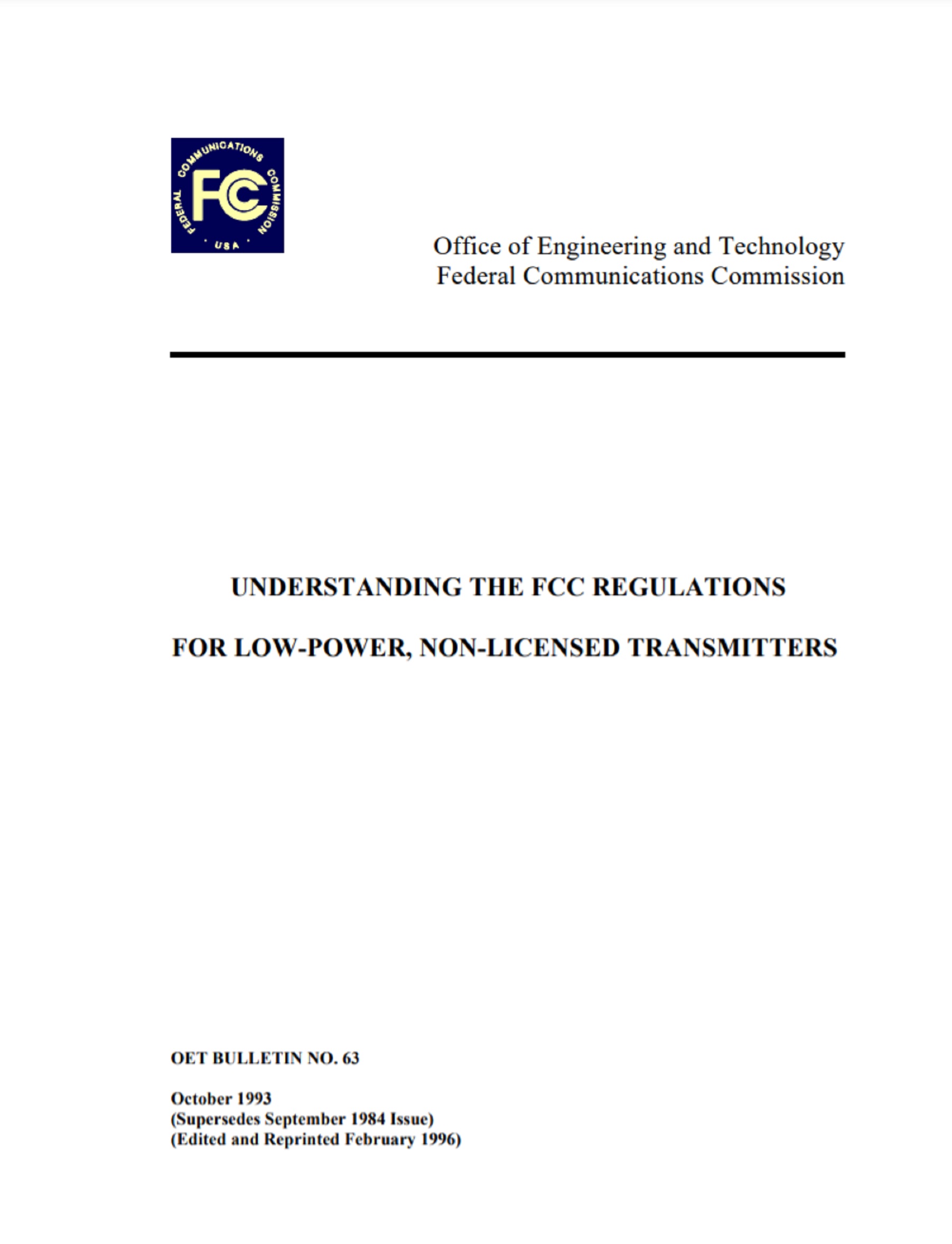
FCC: Low Power FM Broadcast Radio | IEEE: Closed Circuit Radio

Columbia College Radio Tower for Student-Led WCRX
LIVE


Related:

“Prometheus Bound” | Thomas Cole (1847)

NFPA 72 National Fire Alarm and Signaling Code is one of the core National Fire Protection Association titles widely incorporated by reference into public safety legislation. NFPA 72 competes with titles of “similar” scope — International Fire Code — developed by the International Code Council. We place air quotes around the word similar because there are gaps and overlaps depending upon whether or not each is adopted partially or whole cloth by the tens of thousands of jurisdictions that need both.
Our contact with NFPA 72 dates back to the early 2000’s when the original University of Michigan advocacy enterprise began challenging the prescriptive requirements for inspection, testing and maintenance (IT&M) in Chapter 14. There are hundreds of fire alarm shops, and thousands of licensed fire alarm technicians in the education facility industry and the managers of this cadre of experts needed leadership in supporting their lower #TotalCostofOwnership agenda with “code-writing and vote-getting”. There was no education industry trade association that was even interested, much less effective, in this space so we had to do “code writing and vote getting” ourselves (See ABOUT).
Code writing and vote getting means that you gather data, develop relationships with like minded user-interests, find agreement where you can, then write proposals and defend them at NFPA 72 technical committee meetings for 3 to 6 years. Prevailing in the Sturm und Drang of code development for 3 to 6 years should be within the means of business units of colleges and universities that have been in existence for 100’s of years. The real assets under the stewardship of these business units are among the most valuable real assets on earth.
Consider the standard of care for inspection, testing and maintenance. Our cross-cutting experience in over 100 standards suites allows us to say with some authority that, at best the IT&M tables of NFPA 72 Chapter 14 present easily enforceable criteria for IT&M of fire alarm and signaling systems. At worst, Chapter 14 is a solid example of market-making by incumbent interests as the US standards system allows. Many of the IT&M requirements can be modified for a reliability, or risk-informed centered maintenance program but fire and security shops in the education industry are afraid to apply performance standards because of risk exposure. This condition is made more difficult in large universities that have their own maintenance and enforcement staff. The technicians see opportunities to reduce IT&M frequencies — thereby saving costs for the academic unit facility managers — the enforcement/compliance/conformity/risk management professionals prohibit the application of performance standards. They want prescriptive standards for bright line criteria to make their work easier to measure.
While we have historically focused on Chapter 14 we have since expanded our interest into communication technologies within buildings since technicians and public safety personnel depend upon them. Content in Annex G — Guidelines for Emergency Communication Strategies for Buildings and Campuses — is a solid starting point and reflects of our presence when the guidance first appeared in the 2016 Edition. We shall start with a review of the most recent transcript of the NFPA Technical Committee on Testing and Maintenance of Fire Alarm and Signaling Systems
NFPA 72 First Draft Meeting (A2024)
Public Emergency Reporting Systems (SIG-PRS) First Draft
Public comment of the First Draft of the 2025 Edition is receivable until May 31, 2023. As always, we encourage direct participation in the NFPA process by workpoint experts with experience, data and even strong opinions about shortcomings and waste in this discipline. You may key in your proposals on the NFPA public input facility linked below:
You will need to set up a (free) NFPA TerraView account. Alternatively, you may join us any day at 11 AM US Eastern time or during our Prometheus or Radio colloquia. See our CALENDAR for the online meeting.
Issue: [15-213]
Category: Fire Safety & Security, #SmartCampus, Informatics
Colleagues: Mike Anthony, Joe DeRosier, Josh Elvove, Jim Harvey, Marcelo Hirschler
More
2013 NFPA 72 National Fire Alarm and Signaling Code (357 pages)
TIA-222 Standard For Towers And Antenna Supporting Structures
— Charles Louis de Secondat, Baron de La Brède et de Montesquieu
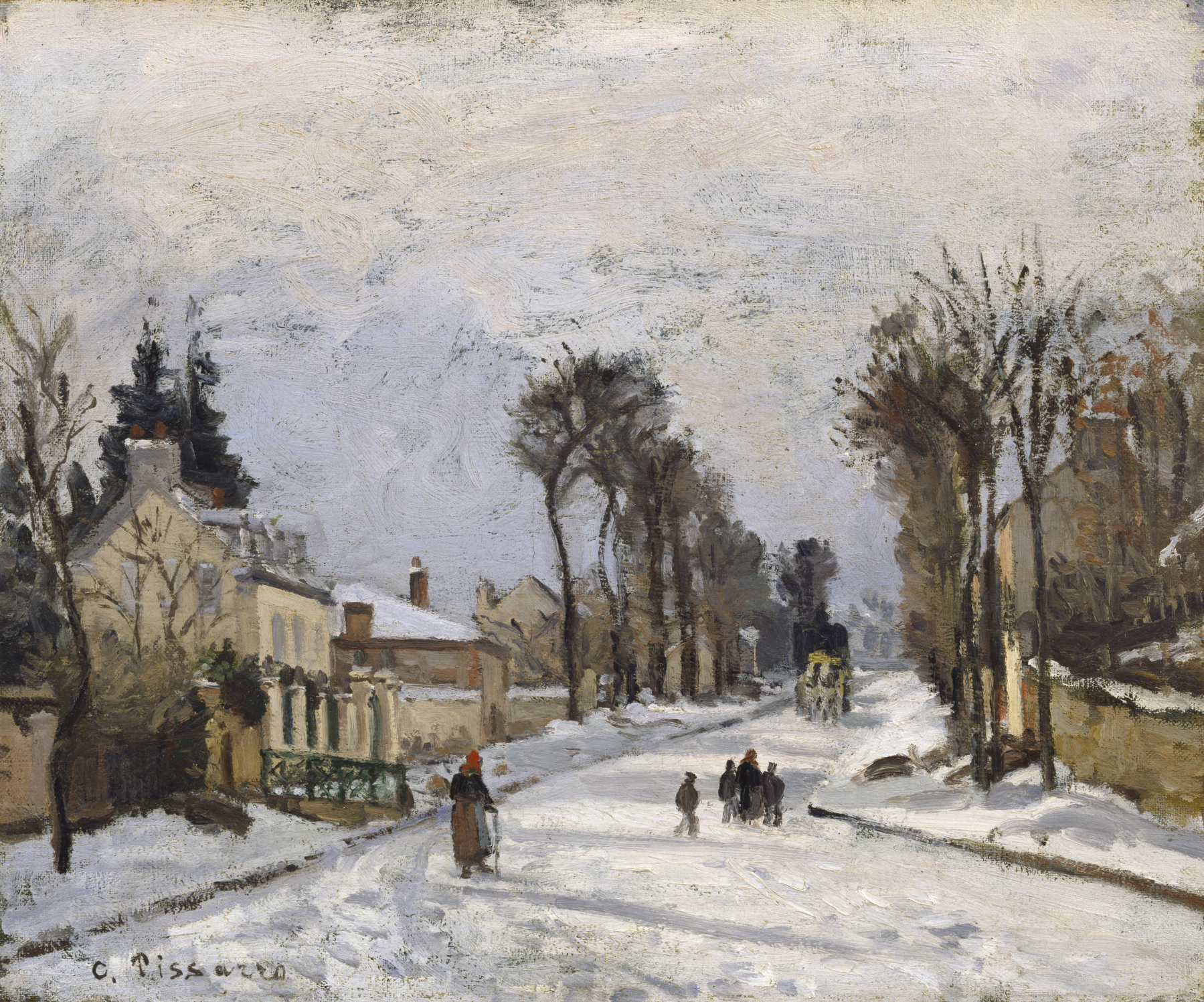
“Road to Versailles at Louveciennes” 1869 Camille Pissarro
Heat tracing is a process used to maintain or raise the temperature of pipes and vessels in order to prevent freezing, maintain process temperature, or ensure that products remain fluid and flow through the system properly. Without electric heat tracing; much of the earth would be uninhabitable.
Heat tracing works by using an electric heating cable or tape that is wrapped around the pipe or vessel, and then insulated to help retain the heat. The heating cable is connected to a power source and temperature control system that maintains the desired temperature by regulating the amount of heat output from the cable. Heat tracing is commonly used in industrial applications where temperature control is critical, such as in chemical plants, refineries, and oil and gas facilities.
There are several types of heat tracing, including electric heat tracing, steam tracing, and hot water tracing, each of which have their own unique advantages and disadvantages. The selection of the appropriate type of heat tracing depends on the specific application and the required temperature range, as well as factors such as cost, maintenance, and safety considerations.
Heat Tracing for Piping Specification | NECA Standards (N.B. Link unstable)
2026 NEC CMP-17 Public Input Report | 2026 NEC CMP-17 Second Draft Report

Northern Michigan University | Marquette County
Capturing snow flakes as the fall out of the sky
[📹 Dmitry Dotsenko / dots_foto]pic.twitter.com/e3rwNUGLmK
— Massimo (@Rainmaker1973) January 29, 2025
Today we review the literature for snow and ice management (and enjoyment) produced by these standards-setting organizations:
Accredited Snow Contractors Association
American Society of Civil Engineers
American Society of Mechanical Engineers
ASTM International
Destructive Deep Freeze Strikes Cold and Hot Regions Alike
Institute of Electrical & Electronic Engineers
Electrical Heat Tracing: International Harmonization — Now and in the Future
Indiana University.
The most beautiful college campus in the country covered in snow. pic.twitter.com/Tp33cQgKuq
— Alex Paul Photo (@alexpaulphoto) January 11, 2025
International Code Council
International Building Code: Chapter 15 Roof Assemblies and Rooftop Structures
National Electrical Contractors Association
National Fire Protection Association
Winter is Coming: Is Your Facility Protected? (Holly Burgess, November 2022)
National Electrical Code: Articles 426-427
National Floor Safety Institute
Snow and Ice Management Association
Underwriters Laboratories
Manufacturers:
Chromalox Electrical Heat Tracing Systems Design Guide
It is a surprisingly large domain with market-makers in every dimension of safety and sustainability; all of whom are bound by state and federal regulations.
Join us at 16:00 UTC with the login credentials at the upper right of our home page.
Red surely made the most of his snow day! 🛷 ☃️
Who’s team snow on campus? ❄️ pic.twitter.com/F03KX1XyaR
— The Catholic University of America (@CatholicUniv) January 14, 2025
There have been several recent innovations that have made it possible for construction activity to continue through cold winter months. Some of the most notable ones include:
Overall, these innovations have made it possible for construction crews to work through the winter months more comfortably and safely, which has helped to keep projects on schedule and minimize delays.
Somewhat related:
Capturing snow flakes as the fall out of the sky
[📹 Dmitry Dotsenko / dots_foto]pic.twitter.com/e3rwNUGLmK
— Massimo (@Rainmaker1973) January 29, 2025
Map showing what states can actually drive in snow pic.twitter.com/qgKEhLtKbr
— Midwest vs. Everybody (@midwestern_ope) February 7, 2025
“Among famous traitors of history one might mention the weather.”
Ilka Chase, The Varied Airs of Spring
Minimum Design Loads and Associated Criteria for Buildings and Other Structures (ASCE/SEI 7-22)
Quick & Dirty Snow Load Calculator
Call for public proposals for the 2028 edition
Roof Snow Load Calculation for Newton High School Nebraska
Brian Rickard@ASCE_SEI
print(“Du Froid”)https://t.co/igfshxpiot pic.twitter.com/Qw5hKy5voE— Standards Michigan (@StandardsMich) December 22, 2022
“Analysis of a Frame under Snow Load” | Dr. Structurehttps://t.co/6cpz1kyW7s
print(“Du Froid”)https://t.co/Ke7qRmIz6X pic.twitter.com/Sh805RZoBz— Standards Michigan (@StandardsMich) January 28, 2022
New update alert! The 2022 update to the Trademark Assignment Dataset is now available online. Find 1.29 million trademark assignments, involving 2.28 million unique trademark properties issued by the USPTO between March 1952 and January 2023: https://t.co/njrDAbSpwB pic.twitter.com/GkAXrHoQ9T
— USPTO (@uspto) July 13, 2023
Standards Michigan Group, LLC
2723 South State Street | Suite 150
Ann Arbor, MI 48104 USA
888-746-3670
 |
 |
|
 |
 |
|
 |
 |