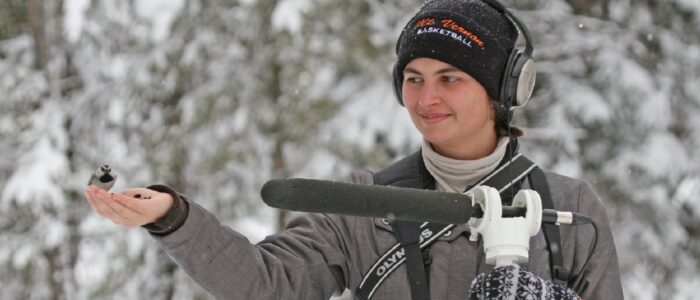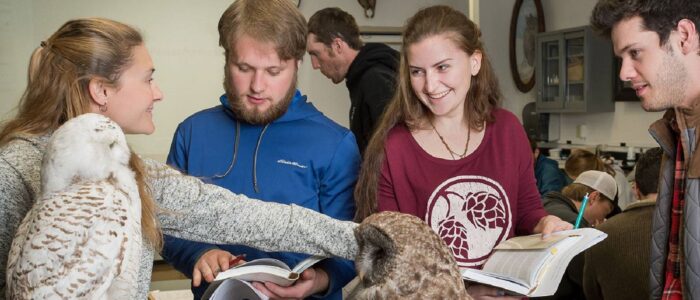
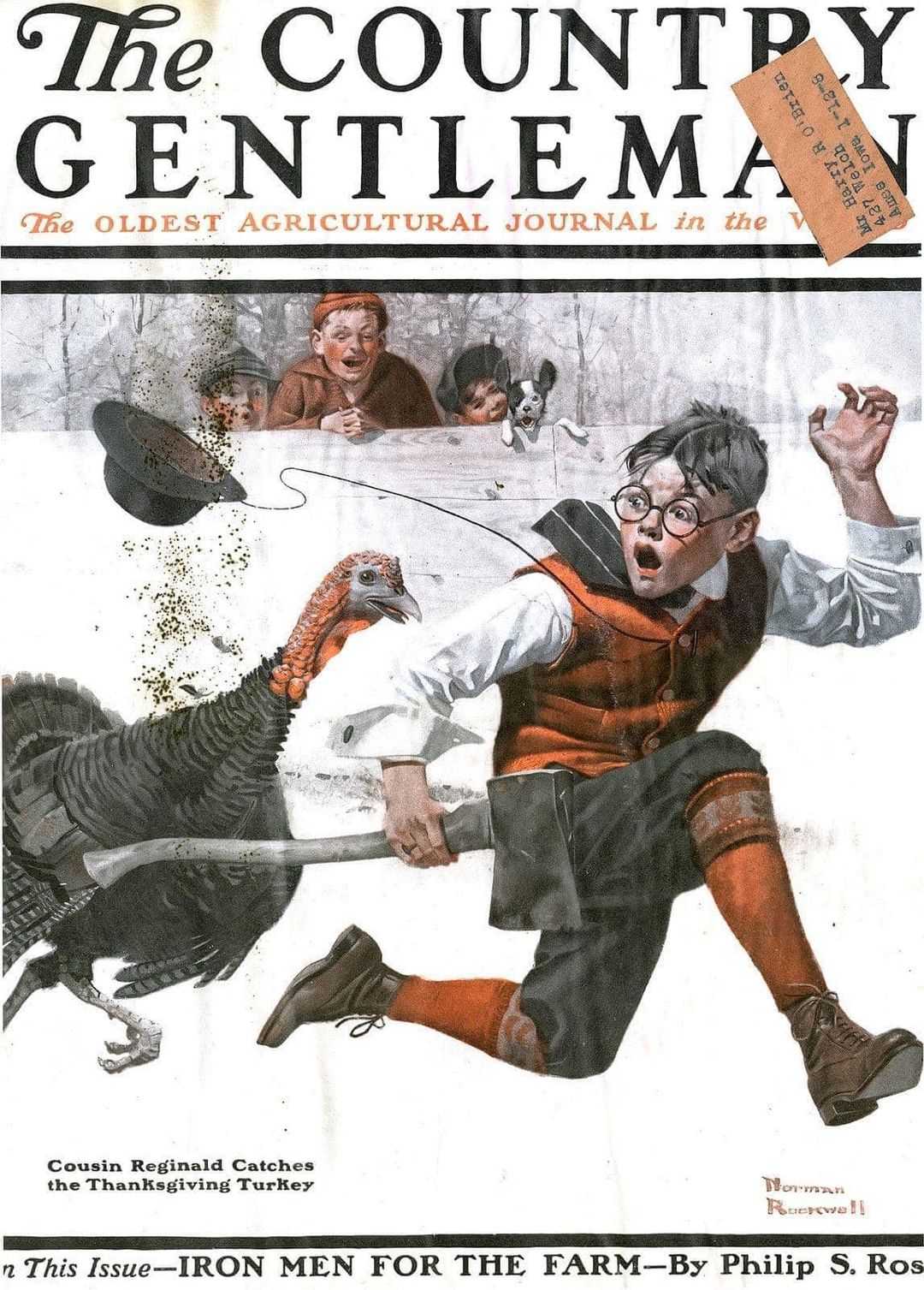
The Role of Hunting in Wildlife Conservation

Loading
loading...

Cloud Computing Paradigm

October 30, 2024
mike@standardsmichigan.com
No Comments

“The greatest danger in modern technology isn’t that machines will begin to think like people,
ut that people will begin to think like machines.”
— Michael Gazzaniga


NIST Cloud Computing Standards Roadmap

The “next big thing” reveals itself in hindsight.  Some areas of interest and potential advancements include:

  1. Edge Computing: Edge computing brings computation closer to the data source, reducing latency and bandwidth usage. It enables processing and analysis of data at or near the edge of the network, which is especially important for applications like IoT, real-time analytics, and autonomous systems.
  2. Quantum Computing: Quantum computing holds the promise of solving complex problems that are currently beyond the capabilities of classical computers. Cloud providers are exploring ways to offer quantum computing as a service, allowing users to harness the power of quantum processors.
  3. Serverless Computing: Serverless computing abstracts away server management, enabling developers to focus solely on writing code. Cloud providers offer Function as a Service (FaaS), where users pay only for the actual execution time of their code, leading to more cost-effective and scalable solutions.
  4. Multi-Cloud and Hybrid Cloud: Organizations are increasingly adopting multi-cloud and hybrid cloud strategies to avoid vendor lock-in, enhance resilience, and optimize performance by distributing workloads across different cloud providers and on-premises infrastructure.
  5. Artificial Intelligence and Machine Learning: Cloud providers are integrating AI and ML capabilities into their platforms, making it easier for developers to build AI-driven applications and leverage pre-built models for various tasks.
  6. Serverless AI: The combination of serverless computing and AI allows developers to build and deploy AI models without managing the underlying infrastructure, reducing complexity and operational overhead.
  7. Extended Security and Privacy: As data privacy concerns grow, cloud providers are investing in improved security measures and privacy-enhancing technologies to protect sensitive data and ensure compliance with regulations.
  8. Containerization and Kubernetes: Containers offer a lightweight, portable way to package and deploy applications. Kubernetes, as a container orchestration tool, simplifies the management of containerized applications, enabling scalable and resilient deployments.


Varieties of Innovation

October 28, 2024
mike@standardsmichigan.com
,
No Comments

History News Network: Why Do So Many Professors Hate America?

Business innovation involves creating new or improved business processes, models, or strategies to achieve organizational goals and gain a competitive advantage. It focuses on enhancing efficiency, customer experience, and overall business performance. Business innovation may encompass changes in marketing, operations, management, or other aspects of the business ecosystem.

On the other hand, technology innovation revolves around the development and application of new technologies or the improvement of existing ones. It aims to introduce novel solutions, products, or services by leveraging advancements in technology. Technology innovation can be driven by scientific research, engineering breakthroughs, or the integration of emerging technologies to address specific needs.

While business innovation is broad and encompasses various facets of organizational improvement, technology innovation specifically centers on advancements in technology and their strategic implementation. Successful companies often integrate both types of innovation to stay competitive, using business innovation to optimize processes and technology innovation to enable novel solutions and capabilities.


Noteworthy innovations relevant to the development and maintenance of the real assets of education settlements:

  1. Proptech Platforms: Various proptech (property technology) platforms have emerged to streamline property management tasks, including tenant communication, rent collection, and maintenance requests. Examples include Buildium, AppFolio, and Propertyware.
  2. Blockchain in Real Estate: Blockchain technology is being explored for its potential to enhance transparency, security, and efficiency in real estate transactions. Smart contracts on blockchain can automate and secure property transactions.
  3. Virtual and Augmented Reality (VR/AR): VR and AR technologies are being used for virtual property tours, allowing potential buyers or tenants to explore properties remotely. This helps in saving time and making more informed decisions.
  4. Predictive Analytics: Data analytics and machine learning are being employed to analyze market trends, predict property values, and assess investment opportunities. This enables more data-driven decision-making in real estate.
  5. IoT (Internet of Things): IoT devices are being integrated into buildings for smart property management. This includes smart thermostats, security systems, and energy-efficient solutions, enhancing overall property performance.
  6. Automated Valuation Models (AVMs): AVMs leverage algorithms and data analysis to estimate property values. These tools provide quick and automated property valuations, aiding in pricing decisions.
  7. Digital Transaction Platforms: Platforms that facilitate end-to-end digital real estate transactions are gaining popularity. These platforms aim to simplify the buying and selling process, reducing paperwork and increasing efficiency.
  8. Energy-efficient Technologies: Sustainable and energy-efficient solutions are becoming integral to real estate development. Innovations include smart building systems for energy management, green construction materials, and renewable energy integration.
  9. Crowdfunding for Real Estate: Crowdfunding platforms allow individuals to invest in real estate projects with smaller amounts of capital. This democratizing approach to real estate investment provides opportunities for a broader range of investors.
  10. Facial Recognition and Biometrics: Some property management systems are incorporating facial recognition and biometric technologies for enhanced security in access control and building management.

Celebrating the 150th Birthday of Gustav Holst

October 27, 2024
mike@standardsmichigan.com
,
No Comments

The Music of Gustav Holst

A British composer best known for The Planets suite Gustav Holst has had a profound impact on the Anglosphere by bridging classical music with broader cultural narratives and modernity. The Planets, with its bold orchestration and thematic explorations of astrological symbolism, has resonated deeply across English-speaking countries, shaping the orchestral landscape and inspiring generations of composers, particularly in film.

Holst’s music marries English folk influences with European classical traditions, embodying a distinctly English voice that celebrates both innovation and heritage. His works emphasize emotion and mysticism, reflecting a British identity while connecting to universal themes.

In the Anglosphere, Holst’s contributions have expanded the appreciation of orchestral music, influencing composers from Benjamin Britten to John Williams, whose iconic film scores owe much to Holst’s pioneering style. Holst’s legacy endures as a touchstone of British musical identity, evoking wonder, tradition, and a cosmic scope that resonates globally.

Sir Winston Churchill – Funeral (I Vow To Thee) – The Nation’s Farewell

Memorial Church Sunday Service

Sacred Spaces

Wool Throw Project

October 27, 2024
mike@standardsmichigan.com
,
No Comments

Wyoming’s climate and geography are well-suited for sheep farming and wool production. The state has vast expanses of grasslands and mountain ranges, providing ample grazing land for sheep. Additionally, Wyoming experiences cold winters and relatively dry conditions, which are favorable for sheep and help produce high-quality wool.
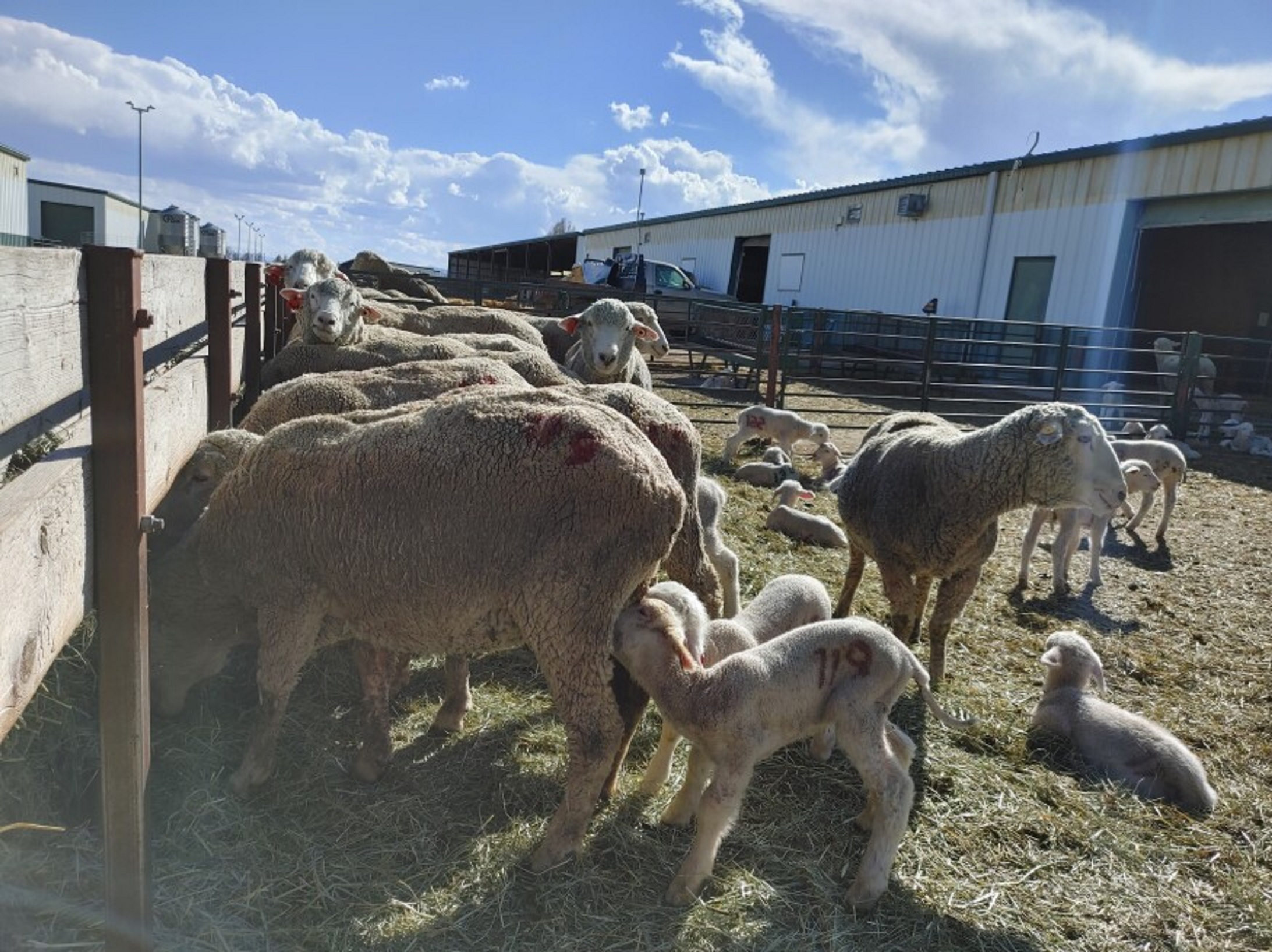
Animals 300

“The Valley of Wyoming” 1865 Jasper Cropsey


Wyoming


Green Bean Casserole

October 26, 2024
mike@standardsmichigan.com

No Comments

This content is accessible to paid subscribers. To view it please enter your password below or send mike@standardsmichigan.com a request for subscription details.

Fat Studies

October 26, 2024
mike@standardsmichigan.com
,
No Comments

This content is accessible to paid subscribers. To view it please enter your password below or send mike@standardsmichigan.com a request for subscription details.

Social networks and culture in birds

October 25, 2024
mike@standardsmichigan.com
, ,
No Comments

Birds are social creatures and many species have complex social networks. Social networks are defined as the patterns of social interactions between individuals within a population. Here are some things that are known about the social networks of birds:

  1. Flocking behavior: Many bird species form flocks, which are large groups of individuals that fly together and exhibit coordinated behavior. Flocking behavior is thought to help birds reduce the risk of predation, share information about food sources and mating opportunities, and maintain social connections with other birds.  §1202 of the International Building Code prohibits building envelope openings that encourage flocking behavior in attics, 
  2. Communication: Birds use a variety of vocal and visual cues to communicate with one another, such as calls, songs, displays, and body language. Communication plays an important role in establishing and maintaining social connections between individuals.
  3. Social hierarchies: Within bird flocks, there may be social hierarchies, where some individuals have more dominant positions than others. Dominant individuals may have access to better food sources, mating opportunities, and nesting sites.
  4. Mate choice: Many bird species choose mates based on social signals, such as displays, vocalizations, and courtship behavior. Mate choice can influence the structure of social networks within a population.
  5. Information sharing: Birds may share information about food sources and predator threats with one another. For example, some bird species engage in “public information use,” where they use the behavior of other individuals as a signal about the quality of a food source or the presence of predators.
  6. Family bonds: Some bird species form long-lasting family bonds, where parents and offspring remain together for extended periods of time. Family bonds can influence the social structure of bird populations and may contribute to the formation of social networks.

Overall, the social networks of birds are complex and dynamic, and play important roles in many aspects of bird behavior, including mating, foraging, and avoiding predators. Studying bird social networks can provide insights into the evolution of social behavior and the ecological factors that shape animal populations.  We examine the risks (and reward) of bird behavior on education community campuses.


Birds present several hazards to overhead electric and telecommunication circuits:

  • Electrocution: Birds that perch or nest on power lines or other electrical equipment can come into contact with live electrical wires and be electrocuted if their body presents a path to ground potential. 
  • Nesting: Birds may build nests on or near power lines or other electrical equipment, which can create a fire hazard if the nest materials come into contact with electrical components. Nests can also cause power outages if they interfere with the electrical flow or if birds build nests in inconvenient locations, such as on transformers or other important components.
  • Collisions: Birds may collide with power lines while in flight, which can cause injury or death to the birds and also damage power lines or equipment. In some cases, these collisions can also cause power outages or fires.
  • Droppings: Bird droppings can build up on power lines and electrical equipment, which can create a safety hazard if the droppings come into contact with electrical components. Droppings can also cause corrosion or damage to equipment over time.

Accordingly, the 2023 National Electrical Safety Code specifies minimum clearances between power lines and surrounding trees and vegetation to help prevent birds from coming into contact with the lines; requires the use of bird guards or other protective devices on power lines in areas where birds are likely to perch or nest and, where possible; removal of nests from power lines and equipment to prevent fire hazards and equipment damage.

Additionally, the U.S. Fish and Wildlife Service has developed guidelines for the protection of birds and other wildlife from power line hazards.  These guidelines provide recommendations for utilities on how to identify and manage potential bird hazards on power lines and equipment.  The International Electrotechnical Commission has developed similar standards

Flight is the most complex form of movement in the animal kingdom. Bird research has informed how humans design airplanes.  For example:

  • Wing design: Bird wings have evolved over millions of years to provide efficient lift and maneuverability. Researchers have studied the shape, size, and structure of bird wings to design airplane wings that are more efficient and fuel-efficient. For example, the shape of the wings of the Albatross inspired the design of the wings of the Boeing 777, which has one of the highest fuel efficiencies of any commercial aircraft.
  • Flight control: Researchers have studied how birds control their flight, particularly during takeoff and landing. This research has led to the development of technologies such as wing flaps, slats, and spoilers, which help airplanes achieve better control during takeoff and landing.
  • Aerodynamics: The study of bird flight has also helped researchers understand the complex physics of aerodynamics, such as airflow patterns, lift, drag, and turbulence. This understanding has led to the development of more advanced computer simulations and wind tunnel testing, which are used to design airplanes that are more aerodynamically efficient.
  • Materials: Birds have lightweight but strong bones and feathers, which have inspired researchers to develop new lightweight materials for use in airplane construction. For example, carbon fiber composites, which are used extensively in modern airplanes, were inspired by the lightweight but strong structure of bird bones.

"The little bird that doesn’t fly dies in the nest." (Toni Morrison, 'Song of Solomon')

There are standards and regulations for bird control in various industries and settings. These standards and regulations aim to prevent bird strikes, which can be dangerous for aircraft, and to manage bird populations that can cause damage or spread disease.  For example:

  • The Federal Aviation Administration in the United States requires airports to have a Wildlife Hazard Management Plan that includes bird control measures. This plan must address the potential for bird strikes and detail strategies for reducing the risk, such as habitat modification, bird scaring techniques, and lethal control methods in extreme cases.
  • In the agriculture industry, there are guidelines and regulations for bird control to prevent crop damage and protect public health. The US Environmental Protection Agency regulates the use of bird repellents and bird poisons to ensure that they are used safely and do not harm non-target species or the environment.  
  • There are also international standards for bird control in certain industries, such as the oil and gas industry, which has guidelines for managing bird populations that could be impacted by oil spills.

“A Girl Writing; The Pet Goldfinch” 1870 Henriette Browne

Bird control on college and university campuses should prioritize humane and non-lethal methods to manage bird populations and prevent bird-related hazards. Here are some best practices for bird control on college and university campuses:

  • Habitat modification: Modify the campus environment to make it less attractive to birds. This may involve removing or trimming trees and vegetation that provide food and shelter for birds, reducing open water sources, and using bird netting or barriers to block access to areas where birds may nest.
  • Education: Educate students, faculty, and staff about the importance of bird control and the negative impacts of feeding birds on campus. Encourage the campus community to report bird-related hazards, such as bird nests in building ventilation systems or bird droppings on walkways.
  • Non-lethal deterrents: Use non-lethal bird deterrents, such as visual scare devices, noise makers, and bird repellents, to discourage birds from congregating on campus. These methods are often effective in the short term but may need to be rotated or changed periodically to maintain their effectiveness.
  • Integrated pest management: Implement an integrated pest management (IPM) plan that includes bird control measures. IPM is a holistic approach that combines multiple strategies to manage pests, including birds, in an environmentally responsible and effective manner.
  • Monitoring and evaluation: Monitor the effectiveness of bird control measures on campus and evaluate their impact on bird populations and hazards. Adjust strategies as needed to ensure that they are effective and humane.

Overall, a comprehensive and humane approach to bird control on college and university campuses should prioritize prevention and management of bird hazards while minimizing negative impacts on bird populations and the environment.

Related Research

Design and Improvement of Anti-Bird Devices for Transmission Line Towers

Research on bird droppings flashover of 110kV transmission line composite insulator insulation-coated grading ring

Application and Challenges of an IoT Bird Repeller System As a result of Bird Behavior

A Bird-caused Damage Risk Assessment System for Power Grid Based on Intelligent Data Platform

Research and Implementation of Birds and Floating Objects Target Detection Technology in Transmission Lines


Layout mode
Predefined Skins
Custom Colors
Choose your skin color
Patterns Background
Images Background
Standards Michigan
error: Content is protected !!
Skip to content