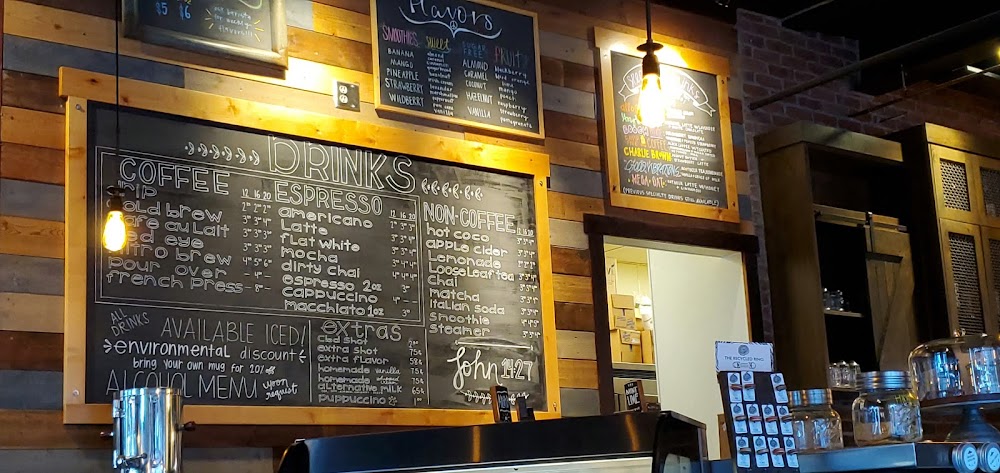
Texas Coffee School

Loading
loading...

Texas Coffee School

June 5, 2025
mike@standardsmichigan.com

No Comments

Standards Texas

Texas Building Codes

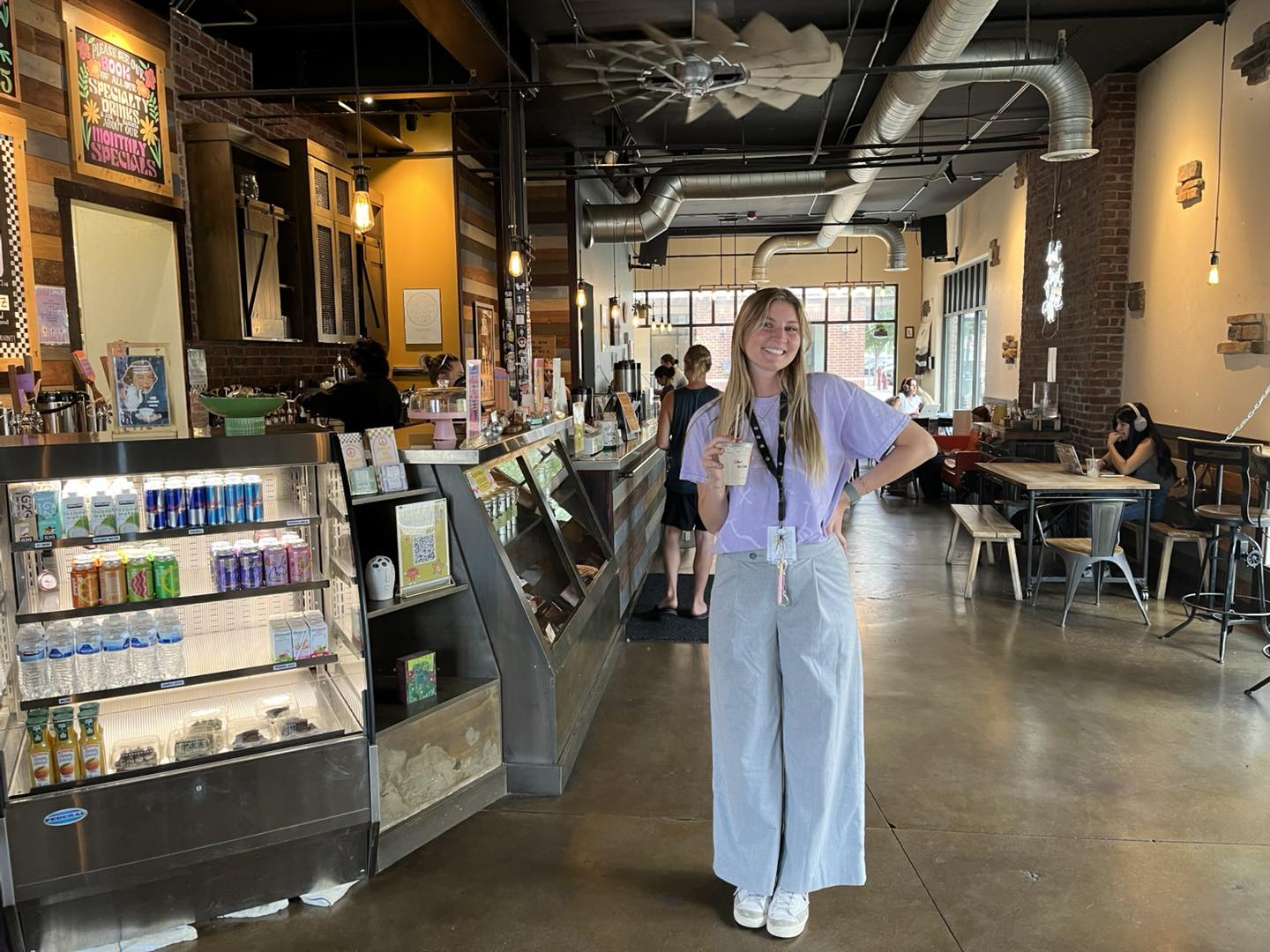
Opening and operating a small coffee shop in Texas requires adherence to various codes and standards to ensure safety, legality, and quality service.  Students get a front row view of the competing requirements of safety and economy even before the cafe atmospheric and economic viability make their passion a going concern.

1. Business Licenses and Permits:

  • Business License: Obtain a general business license from your local city or county authority. Requirements and fees vary by location.
  • Certificate of Occupancy: This certifies that your building complies with zoning laws and is safe for occupancy. It’s typically issued after necessary inspections.
  • Food Handler’s License: All employees involved in food preparation or service must obtain this certification within 60 days of employment.
  • Seller’s Permit: Required for businesses selling tangible goods subject to sales tax. You can register for this permit through the Texas Comptroller’s Office.

2. Health and Safety Regulations:

  • Texas Food Establishment Rules: These rules outline standards for food safety, including employee hygiene, equipment sanitation, and food handling procedures.
  • County and City Health Department Regulations

3. Building and Construction Codes:

  • Building Codes: Ensure compliance with local building codes, which cover structural integrity, electrical systems, plumbing, and fire safety.
  • Zoning Regulations: Verify that your chosen location is zoned appropriately for a food establishment.
  • Accessibility Standards: Adhere to the Americans with Disabilities Act requirements to ensure your facility is accessible to all patrons.

4. Additional Considerations:

  • Signage Permits: Obtain permits for exterior signs, as many municipalities have regulations governing signage size, lighting, and placement.
  • Waste Disposal: Comply with local ordinances regarding waste management, including grease disposal and recycling.
  • Insurance: While not a code or standard, securing appropriate insurance (e.g., general liability, property, and workers’ compensation) is crucial for protecting your business.

There’s enough “content” in the foregoing list of considerations to meet the requirement for an Associates Degree at any community college.

Starting and running a privately held coffee shop within a building located in the campus proper — think the franchise chains like Starbucks — is another layer of complexity in our session on Joint Use Agreements.

Pool, Spa & Recreational Waters

June 5, 2025
mike@standardsmichigan.com
, , , ,
No Comments

“Innenansicht des Kaiserbades in Aachen” | Jan Luyken (1682)


Education communities provide a large market for recreational and therapeutic water technology suppliers.  Some of the larger research universities have dozens of pools including those in university-affiliated healthcare facilities.  Apart from publicly visible NCAA swimming programs there are whirpools in healthcare facilities and therapeutic tubs for athletes in other sports.   Ownership of these facilities requires a cadre of conformance experts to assure water safety.

NSF International is one of the first names in this space and has collaborated with key industry stakeholders to make pools, spas and recreational water products safer since 1949.   The parent document in its suite is NSF 50 Pool, Spa and Recreational Water Standards  which  covers everything from pool pumps, strainers, variable frequency drives and pool drains to suction fittings, grates, and ozone and ultraviolet systems.  

The workspace for this committee is linked below:

Joint Committee on Recreational Water Facilities

(Standards Michigan is an observer on this and several other NSF committees and is the only “eyes and ears” for the user interest; arguably the largest market for swimming pools given their presence in schools and universities.)

There are 14 task groups that drill into specifics such as the following:

Chemical feeders

Pool chemical evaluation

Flotation systems

Filters

Water quality

Safety surfacing

The meeting packet is confidential to registered attendees.  You may communicate directly with the NSF Joint Committee Chairperson, Mr. Tom Vyles (admin@standards.nsf.org) about arranging direct access as an observer or technical committee member.   

Almost all ANSI accredited technical committees have a shortage of user-interests (compliance officers, manufacturers and installers usually dominate).  We encourage anyone in the education facility industry paying the bill for the services of compliance officers, manufacturers and installers to participate. 

We maintain this title on the standing agenda of our Water and Sport colloquia.  See our CALENDAR for the next onine meeting; open to everyone.

Fullerton College

Issue: [13-89]

Category: Water, Sport

Colleagues: Mike Anthony, Ron George, Larry Spielvogel


More

Model Aquatic Health Code

IAPMO Swimming Pool & Spa Standards 

UL 1081 Standard for Swimming Pool Pumps, Filters, and Chlorinators | (UL Standards tend to be product standards so we rank them lower in our priority ranking than interoperability standards.)

Aquatic Health Code

June Revision Cycle

June 4, 2025
mike@standardsmichigan.com
No Comments

Owing to the proposal deadline at 5 PM EST today’s Open Office Hours will not be hosted online as usual. We are busy writing proposals. You may, however, call the office at 888-748-3670 for any question. Normal sessions resume tomorrow.

Until the Public Consultation period closes on Wednesday, June 4th EST, we will examine transcripts of previous revisions where we have an interest and prepare fresh proposals to advance our safety and sustainability agenda for educational settlements.   Topmost: NFPA 70E, NFPA 72, NFPA 78, NFPA 110&111 and 1078.  Complete titles are expanded in the link below.

Electrical Safety

Facilities Management Job Description

June 1, 2025
mike@standardsmichigan.com
No Comments

This content is accessible to paid subscribers. To view it please enter your password below or send mike@standardsmichigan.com a request for subscription details.

Young Center for Anabaptist and Pietist Studies

June 1, 2025
mike@standardsmichigan.com

No Comments

This content is accessible to paid subscribers. To view it please enter your password below or send mike@standardsmichigan.com a request for subscription details.

Received Pronunciation

June 1, 2025
mike@standardsmichigan.com

No Comments

ASHRAE Landing Page (Lorem ipsum)

June 1, 2025
mike@standardsmichigan.com
No Comments

Draft: August 18, 2025


Public Review Drafts*

Guideline 12 – Managing the Risk of Legionellosis Associated With Building Water Systems

Guideline 13 – Specifying Building Automation Systems
Guideline 45P – Measurement of Performance for Buildings Except Low-Rise Residential Buildings
Public Review Draft July 29
Standard 90.1 – Energy Standard for Buildings Except Low-Rise Residential Buildings
Addendum BK June 30
Addendum cy June 30
Addendum ae June 16
 
Addendum cn June 16
 
Standard 127 – Method of Testing for Rating Computer and Data Processing Unitary Air Conditioners
Standard 135 – BACnet: A Data Communication Protocol for Building Automation and Control Networks
Standard 201 – Facility Smart Grid Information Model
170- Ventilation of Health Care Facilities

Addendum m July 7
Standard 214 – Standard for Measuring and Expressing Building Energy Performance in a Rating System


*ASHRAE staff typically removes the link to exposure drafts after consultation close date.


Evensong “Mr. Sandman”

June 1, 2025
mike@standardsmichigan.com
,
No Comments

This content is accessible to paid subscribers. To view it please enter your password below or send mike@standardsmichigan.com a request for subscription details.

Temple of Zeus

June 1, 2025
mike@standardsmichigan.com

No Comments

Consolidated Financial Statements – June 2024: Net Position $19.548B (Page 4)

The Temple of Zeus is a popular café located in the Groos Family Atrium of Klarman Hall at Cornell University in Ithaca, New York. Established in 1964, it began as a modest coffee and donut operation in a basement storage room in Goldwin Smith Hall, designed as a neutral space for students and faculty to meet. The café’s name comes from plaster casts of statues from the Temple of Zeus in Olympia, purchased by Andrew Dickson White in 1881, some of which still decorate the Arts & Sciences Career Development Center and Klarman Hall atrium.

Since moving to Klarman Hall in 2016, the café has grown significantly, serving nearly 900 customers daily. It offers a menu focused on healthy, locally sourced food, including creative soups (like Choklay’s Lentil, Tomato Garlic, and Curried Cauliflower), made-to-order sandwiches, salads, and baked goods. Beverages include locally roasted Copper Horse Coffee and Gimme Coffee, with a discount for bringing your own mug. The café is known for its vegetarian and vegan options, yogurt from Ithaca Milk, and seasonal fruit from local growers.

The current space is bright and spacious with 170 seats, a stark contrast to its original dingy basement setting with recycled Navy ROTC furniture. It’s a vibrant hub for students and faculty, fostering a communal atmosphere. The café employs four full-time staff, two student managers, and 50 student workers, and is managed by Keith Mercovich, who emphasizes high-quality, healthy food. It operates Monday through Friday, 8:00 AM to 3:00 PM, and is closed on weekends.

Historically, it was a gathering spot for notable faculty like Archie Ammons and Roald Hoffmann, and it remains a cherished part of Cornell’s campus culture, with a 2017 petition ensuring its name remained unchanged despite rumors of a potential rename. The café also faced a temporary closure in 2020 but reopened with a simplified menu focusing on classics like soups and scones.

Layout mode
Predefined Skins
Custom Colors
Choose your skin color
Patterns Background
Images Background
Standards Michigan
error: Content is protected !!
Skip to content