Hot Cross Buns & Eagle Coffee

Loading
loading...

Hot Cross Buns & Eagle Coffee

April 5, 2026
mike@standardsmichigan.com
,
No Comments

Hot Cross Buns | Nursery Rhymes | Super Simple Songs

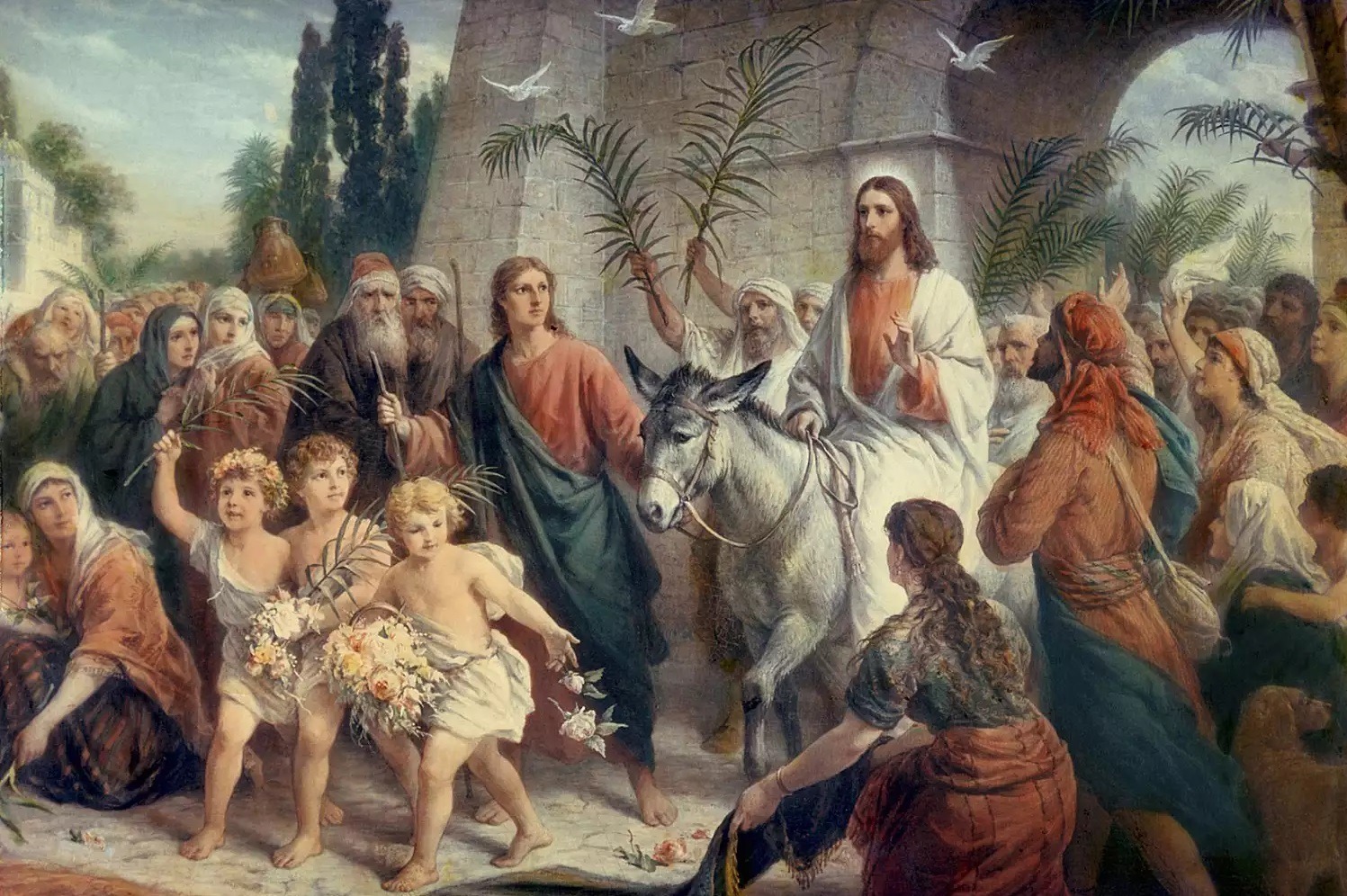
Hot cross buns (Library of Congress) are a traditional Easter treat dating back centuries, symbolizing both the end of Lent and the crucifixion of Jesus. These spiced sweet buns, often containing raisins or currants and marked with a cross on top, are typically eaten on Good Friday.

The cross represents the crucifixion, while the spices symbolize the spices used to embalm Jesus. Sharing hot cross buns fosters community and reflects on the religious significance of Easter, marking a solemn yet celebratory time in Christian tradition.

Link to Dining Services specialty at the Mean Greens Cafe at Maple Street Hall and recipes in other education settlement traditions.

Eagle Cafe Eagle Cawfee


Texas Croissants & Wyoming Cowboy Coffee

Microwave Brown Rice Bowl

Institute of Culinary Education: Hot Cross Buns

Weston College: Perfect Hot Cross Bun Recipe

Algonquin College: A Sweet Easter Tradition


Commercial Kitchens

Kitchen Wiring

Kitchen Exhaust

Food hygiene practices: Ergonomics versus safety

Ventilation for Commercial Cooking Operations

Hot Cross Buns

Colloquy (April)

April 3, 2026
mike@standardsmichigan.com
No Comments

Gallery: Doctoral Dissertations

About

American School and University: Northern Kentucky University plans to expand its main science research building


Gallery: Easter Bonnet Parades

April 2, 2026
mike@standardsmichigan.com
No Comments

2029 National Electrical Code

April 2, 2026
mike@standardsmichigan.com

No Comments

Public input on the 2029 Revision will be received until April 9th. Over the next weeks and months — typically meeting twice a day every Tuesday — we will pull forward our previous proposals and draft original proposals relevant to the education and healthcare electrotechnical infrastructure of educational settlements.  Link to Proposed Reorganization.


2029 National Electrical Code Panel 1

2029 National Electrical Code Panel 3


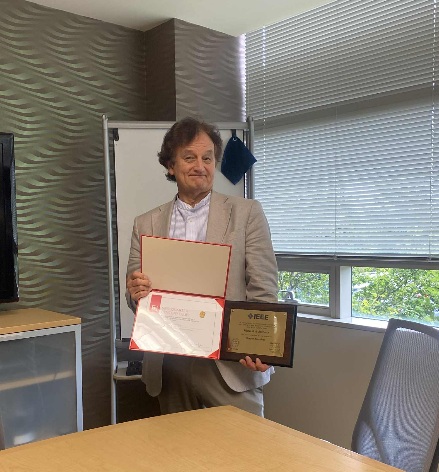
Photo at 2723 State Street Office*

Mike was part of the National Electrical Code Quarter Century Club but was at another conference and not able to receive the award at the June conference.  University of Michigan support began in 1993.  IEEE support began in 2014.

*New Office (a short walk across the street) starting October 1: 455 East Eisenhower, Ann Arbor, MI 48108


Current Issues and Recent Research

Today we examine Second Draft transcripts of the Special Equipment Chapter 6 (CMP-12) and product inspection, testing and certification listings that appear Annex A (CMP-1).


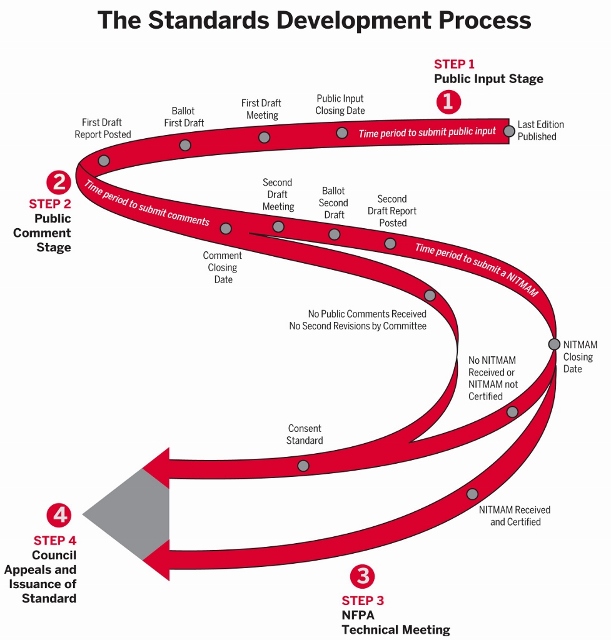
Once every eighteen months we spend a week drilling into the National Electrical Code by submitting new proposals or comments on proposed revisions.  Today we review the actions taken by the technical committees on the First Draft.   Responses to committee actions will be received until August 26th.

2026 National Electrical Code Workspace


Premise Wiring

Interconnected Electric Power Production Sources “Microgrids”

National Electrical Definitions

Kitchen Wiring

Solarvoltaic PV Systems

Hospital Plug Load

Data Center Wiring

Electrical Inspector Professional Qualifications

Critical Operations Power Systems

Arenas, Lecture Halls & Theaters

Appliances

Emergency and Standby Power Systems

Luminaires, Lampholders, and Lamps

Electric Vehicle Power Transfer System

Art, Design & Fashion Studios

Wiring for Luminaires in High Ceiling Occupancies

Hot Cross Buns

April 1, 2026
mike@standardsmichigan.com
, ,
No Comments

NYC Building Code | Kitchens

These are spiced sweet buns, typically studded with raisins or currants and marked with a cross on top. Their origins trace to pre-Christian pagan traditions, where ancient peoples (including Saxons honoring the goddess Eostre) baked crossed buns for spring festivals symbolizing rebirth and the moon’s quarters. In Christian tradition, an English monk at St. Albans Abbey is credited with baking spiced buns marked with a cross on Good Friday in 1361, distributing them to the poor.

The cross represents Jesus’ crucifixion, while spices evoke the embalming spices used on his body. Buns became linked to breaking the Lenten fast. In Tudor England, their sale was restricted except on Good Friday, Christmas, and funerals. Today, they are enjoyed worldwide during Easter as a symbol of faith, renewal, and the end of Lent.


hot cross buns fresh out of the oven to eat on easter

vvsfasdfasdf

Kitchens 300

Passover Menu

April 1, 2026
mike@standardsmichigan.com
, , , ,
No Comments

Standards Ohio

Bagel & Lox

April 1, 2026
mike@standardsmichigan.com
, , , ,
No Comments

Culture and Cuisine Recipe of the Week

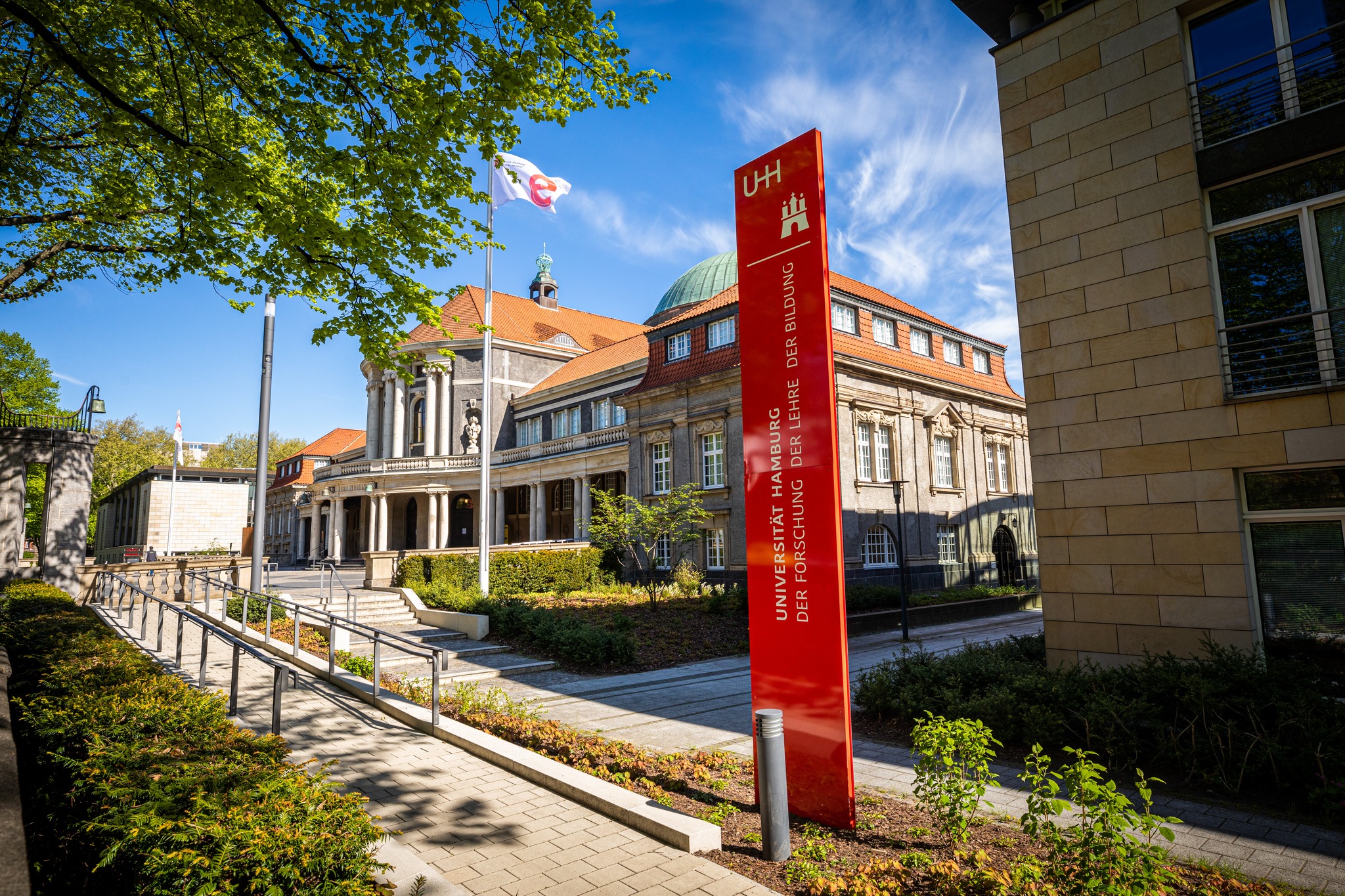
Hamburg’s Master Plan for Education for Sustainable Development 2030

“With this weekly post we want to introduce you into the culinary range of the English speaking world. Each week we present you an iconic dish and give you information around its origin, preparation and eating habits. This week we are visiting the Big Apple – New York. Bagels can be regarded as a true American melting-pot meal.”  — von Nadja Wostiera (Language graduate and blog author)

Standards Michigan: Food/Kitchen/Farm/Agriculture

EAT

Universität Hamburg

Evensong “Peace”

Practical Jokes 2026

April 1, 2026
mike@standardsmichigan.com

No Comments

Math Professor Fixes Projector Screen

Binary Test Result

Quick Adjustment

Keeping MIT Weird

Fake Professor

Gallery: Doctoral Dissertations, et al

Healthcare Facilities Code

April 1, 2026
mike@standardsmichigan.com
, , ,
No Comments

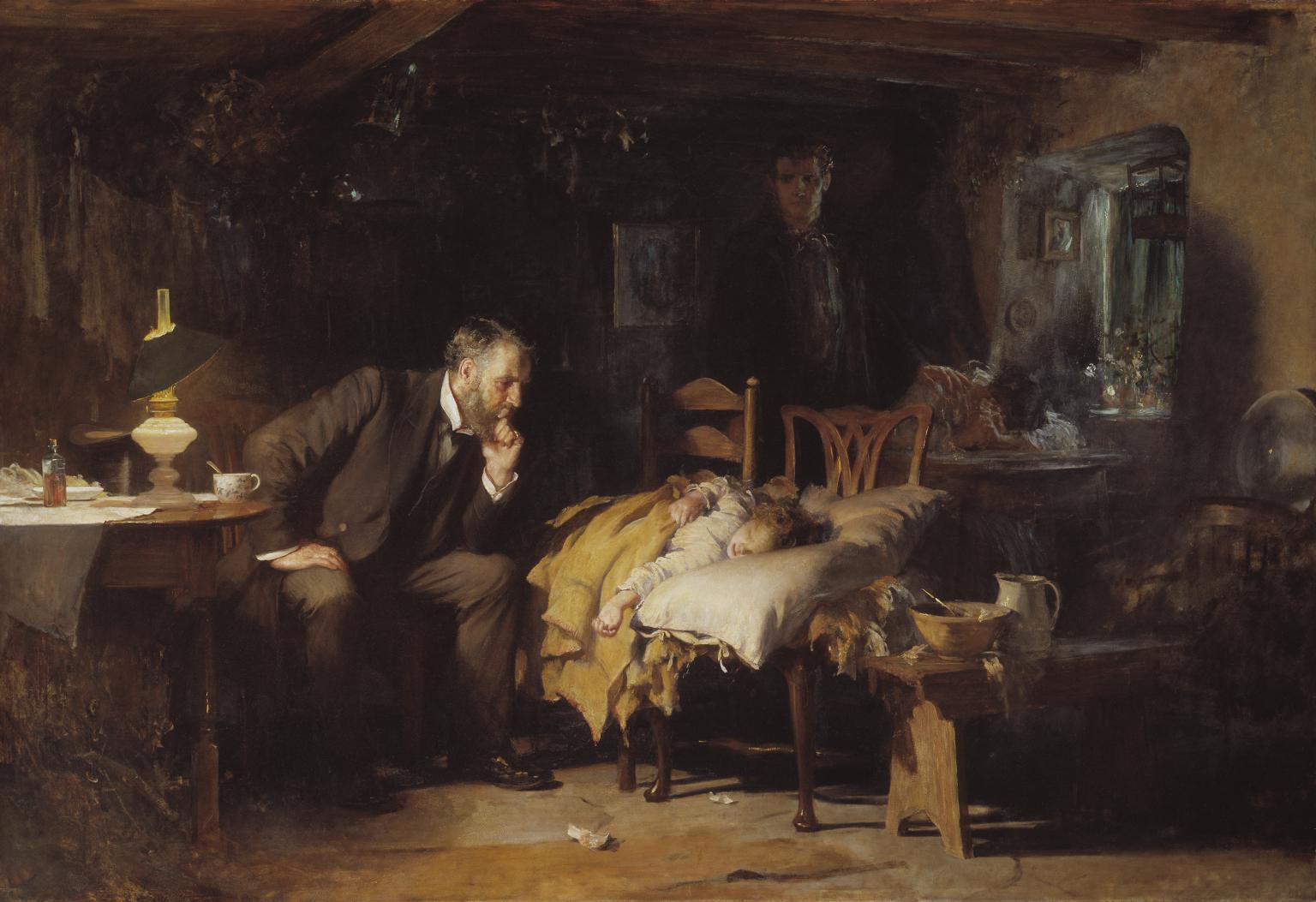
“The Doctor”  1891 Sir Luke Fildes

The NFPA 99 Healthcare Facilities Code committee develops a distinct consensus document (i.e. “regulatory product”) that is distinct from National Electrical Code Article 517; though there are overlaps and gaps that are the natural consequence of changing technology and regulations.  It is worthwhile reviewing the scope of each committee:

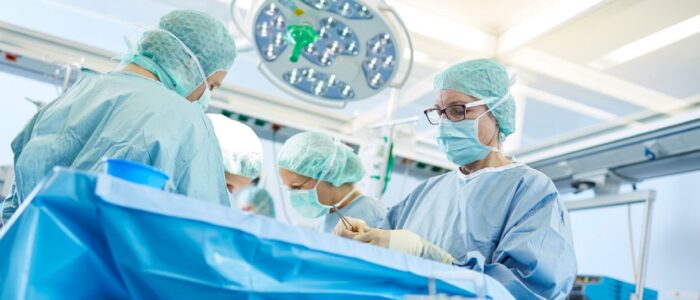
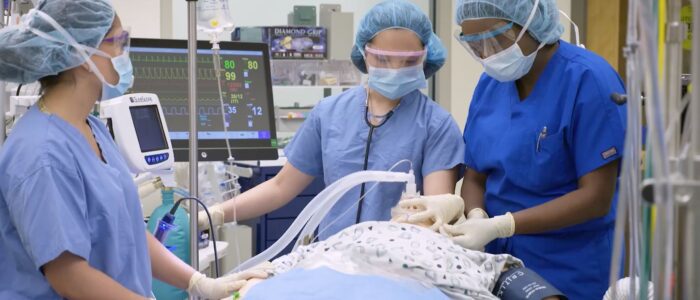
NFPA 99 Scope: This Committee shall have primary responsibility for documents that contain criteria for safeguarding patients and health care personnel in the delivery of health care services within health care facilities: a) from fire, explosion, electrical, and related hazards resulting either from the use of anesthetic agents, medical gas equipment, electrical apparatus, and high frequency electricity, or from internal or external incidents that disrupt normal patient care; b) from fire and explosion hazards; c) in connection with the use of hyperbaric and hypobaric facilities for medical purposes; d) through performance, maintenance and testing criteria for electrical systems, both normal and essential; and e) through performance, maintenance and testing, and installation criteria: (1) for vacuum systems for medical or surgical purposes, and (2) for medical gas systems; and f) through performance, maintenance and testing of plumbing, heating, cooling , and ventilating in health care facilities.

NFPA 70 Article 517 Scope:  The provisions of this article shall apply to electrical construction and installation criteria in healthcare facilities that provide services to human beings.  The requirements in Parts II and III not only apply to single-function buildings but are also intended to be individually applied to their respective forms of occupancy within a multi-function building (e.g. a doctor’s examining room located within a limited care facility would be required to meet the provisions of 517.10)   Informational Note: For information concerning performance, maintenance, and testing criteria, refer to the appropriate health care facilities documents.

In short, NFPA 70 Article 517 is intended to focus only on electrical safety issues though electrotechnology complexity and integration in healthcare settings (security, telecommunications, wireless medical devices, fire safety, environmental air control, etc.) usually results in conceptual overlap with other regulatory products such as NFPA 101 (Life Safety Code) and the International Building Code.

Several issues were recently debated by the Article 517 technical committee during the 2023 National Electrical Code Second Draft meetings

  • The conditions under which reconditioned electrical equipment be installed in healthcare settings; contingent on listing and re-certification specifics.
  • Relaxation of the design rules for feeder and branch circuit sizing through the application of demand factors.
  • Application of ground fault circuit interrupters.
  • “Rightsizing” feeder and branch circuit power chains (Demand factors in Section 517.22)
  • Patient care space categories
  • Independence of power sources (517.30)

There are, of course, many others, not the least of which involves emergency management.  For over 20 years our concern has been for the interdependency of water and electrical power supply to university hospitals given that many of them are part of district energy systems.

We need to “touch” this code at least once a month because of its interdependence on other consensus products by other standards developing organizations.  To do this we refer NFPA 99 standards action to the IEEE Education & Healthcare Facilities Committee which meets online four times monthly in European and American time zones.

The transcript of NEC Article 517 Public Input for the 2023 revision of NFPA 70 is linked below.  (You may have to register your interest by setting up a free-access account):

Code-Making Panel 15 (NEC-P15) Public Input Report

Code-Making Panel 15 (NEC-P15) Public Comment Report

Technical committees will meet in June to endorse the 2023 National Electrical Code.

Public consultation on the Second Draft closes May 31st. Landing page for selected sections of the 2024 revision  of NFPA 99 are linked below:

Electrical Systems (HEA-ELS)

Fundamentals (HEA-FUN)

Health Care Emergency Management and Security (HEA-HES)

Second Draft Comments are linked below:

Electrical Systems (HEA-ELS)

Fundamentals (HEA-FUN)

Health Care Emergency Management and Security (HEA-HES)

NITMAM closing date: March 28, 2023

We break down NFPA 70 and NFPA 99 together and keep them on the standing agenda of both our Power and Health colloquia; open to everyone.  See our CALENDAR for the next online meeting.

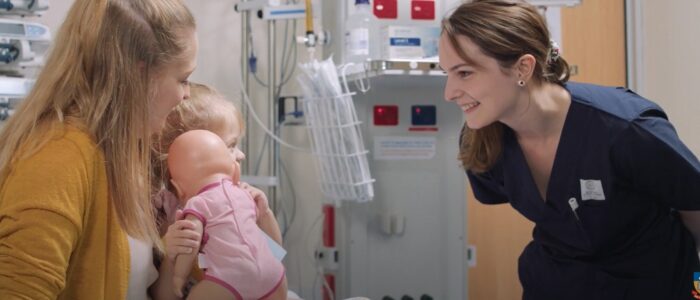
"The trained nurse has become one of the great blessings of humanity, taking a place beside the physician and the priest" - William Osler"While we try to teach our children all about life, our children teach us what life is all about" - Angela Schwindt "The true art of pediatrics lies not only in curing diseases but also in preventing them" - Abraham JacobiGermany

Issues: [12-18, [15-97] and [16-101]

Contact: Mike Anthony, Jim Harvey, Robert Arno, Josh Elvove, Joe DeRosier, Larry Spielvogel

NFPA Staff Liaison: Jonathan Hart

Archive / NFPA 99

2029 National Electrical Code Panel 3
March 31, 2026
mike@standardsmichigan.com
No Comments

Electrical Safety Stack

At the request of IEEE Joint IAS/PES Standards Michigan, Mike Anthony moved to CMP-3 from CMP-15.

Articles Under CMP 3

  • Article 300 — General Requirements for Wiring Methods and Materials
  • Article 335 — Instrumentation Tray Cable (in some references for the 2029 cycle)
  • Article 590 — Temporary Installations (being relocated/renumbered in the 2026 cycle, e.g., potentially to Article 140 in Chapter 1, as temporary wiring is not treated as a special occupancy)
  • Article 720 — Limited-Energy System Installations (new/general article covering wiring methods for limited-energy systems)
  • Article 721 — Limited-Energy Power Sources
  • Article 722 — Limited-Energy Cable (covers cables for power-limited, fault-managed, etc.)
  • Article 723 — Raceways, Cable Routing Assemblies, and Cable Trays for Limited-Energy Systems (newly created in the 2026 cycle)
  • Article 725 — Class 2 and Class 3 Remote-Control, Signaling, and Power-Limited Circuits
  • Article 726 — Class 4 Fault-Managed Power Circuits and Equipment
  • Article 727 — Instrumentation Tray Cable
  • Article 728 — Fire-Resistive Cable Systems
  • Article 760 — Fire Alarm Systems (power-limited and non-power-limited portions)

CMP 3 also handles associated content in: Chapter 9 — Tables, including Tables 11(A) & (B) and Tables 12(A) & (B) (related to conductor properties and other supporting tables for the above topics).


  • Notes on Changes and Scope
    CMP 3 focuses on general wiring rules, cable types, raceways/trays for low-energy applications, and signaling/communications-related wiring (distinct from higher-power utilization equipment or special occupancies handled by other panels).
  • In the 2026 NEC cycle, there has been significant reorganization of Chapter 7 to consolidate limited-energy systems under articles like 720–726 (and related ones), moving away from older structures. This includes new articles for raceways/cable trays specific to limited-energy systems and adjustments to scopes for clarity.
  • Article 206 (Non-Power-Limited Remote-Control and Signaling Circuits) appears in some 2026-related references as newly designated or relocated material handled in this area.
    Temporary installations (Article 590) are transitioning out of “special” categories in restructuring efforts.

During today’s sessions of the IEEE E&H Committee and our own we will prepare draft proposals relevant to the safety and sustainability agenda of the USA education facility industry.  Use the login credentials at the upper right of our home page.


Brown University Electrical Design Criteria | Information Technology Resources Policy


Posted December 20, 2025

The University of Michigan has supported the voice of the United States education facility industry since 1993 — the second longest tenure of any voice in the United States.  That voice has survived several organizational changes but remains intact and will continue its Safer-Simpler-Lower Cost-Longer Lasting priorities on Code Panel 3 in the 2029 Edition.

Today, during our customary “Open Door” teleconference we will examine the technical concepts under the purview of Code Panel 3; among them:

Article 206 Signaling Circuits

Article 300 General Requirements for Wiring Methods and Materials

Article 335 Instrumentation Tray Cable

Article 590 Temporary Installations

Chapter 7 Large sections of limited energy cabling for signaling and information technology

Chapter 9 Conductor Properties Tables 11A & B, Tables 12A&B

Public Input on the 2029 Edition will be received until April 9, 2026.

Related:
  • Since the lifespan of educational buildings make the building core and shell susceptible to multiple changes not typically associated with commercial buildings, additional pathways should be placed in areas where the core and shell components of the facility are likely to re-main for extended periods of time
  • It is recommended that all areas of an educational building have wireless coverage unless prohibited
Layout mode
Predefined Skins
Custom Colors
Choose your skin color
Patterns Background
Images Background
Standards Michigan
error: Content is protected !!
Skip to content