
International Mechanical Code

Loading
loading...

International Mechanical Code

October 16, 2025
mike@standardsmichigan.com
No Comments

2024 / 2025 / 2026 Code Development: Group B (2025)
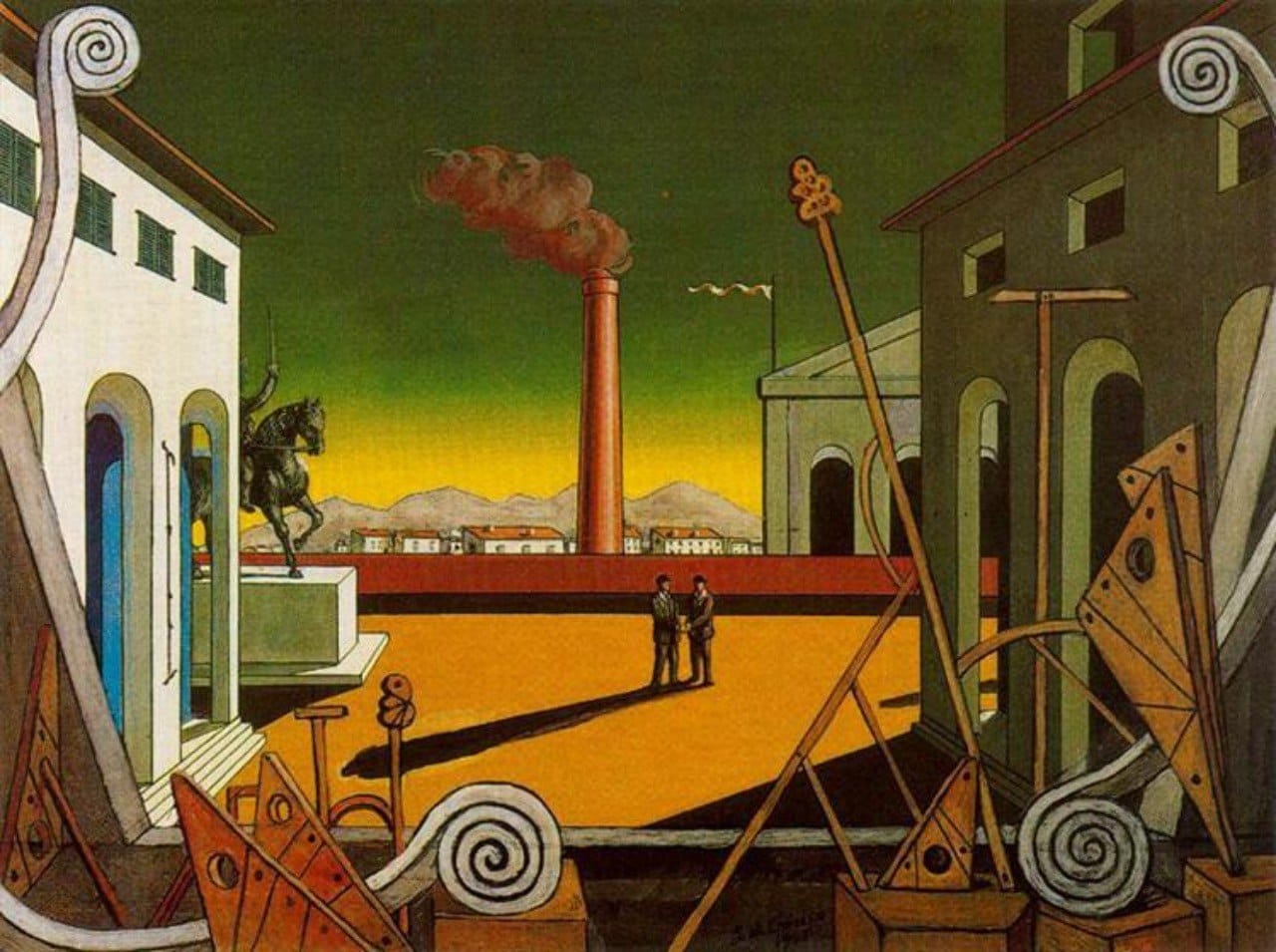
“Plaza Italia” 1971 | Giorgio de Chirico


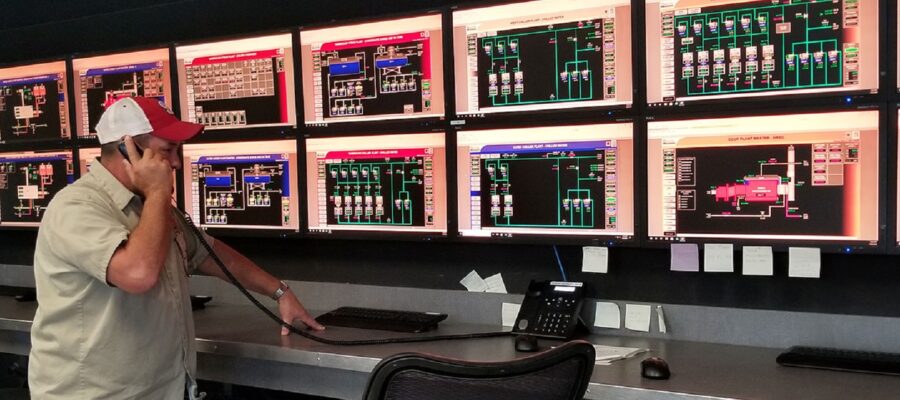
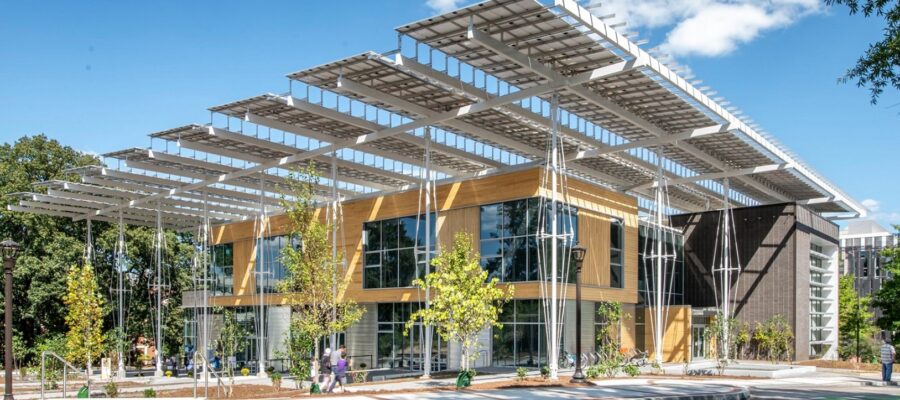
After architectural trades, the mechanical technologies occupy the largest part of building construction:

  1. HVAC:
    • Heating Systems: Technologies include furnaces, boilers, heat pumps, and radiant heating systems.
    • Ventilation Systems: Incorporating technologies like air handlers, fans, and ductwork to ensure proper air circulation.
    • Air Conditioning Systems: Including central air conditioning units, split systems, and variable refrigerant flow (VRF) systems.
  2. Plumbing:
    • Water Supply Systems: Involving technologies for water distribution, pumps, and pressure regulation.
    • Sanitary Systems: Including drainage, sewage systems, and waste disposal technologies.
    • Fixtures and Faucets: Incorporating technologies for sinks, toilets, showers, and other plumbing fixtures.
  3. Fire Protection:
    • Fire Sprinkler Systems: Employing technologies like sprinkler heads, pipes, pumps, and water tanks.
    • Fire Suppression Systems: Including technologies such as gas-based or foam-based suppression systems.
  4. Energy Efficiency Technologies:
    • Energy Management Systems (EMS): Utilizing sensors, controllers, and software to optimize energy consumption in HVAC systems.
    • Energy Recovery Systems: Incorporating technologies like heat exchangers to recover and reuse energy from exhaust air.
  5. Building Automation (BAS):
    • Control Systems: Using sensors, actuators, and controllers to manage and automate various mechanical systems for optimal performance and energy efficiency.
    • Smart Building Technologies: Integrating with other building systems for centralized control and monitoring.
  6. Materials and Construction Techniques:
    • Piping Materials: Selecting appropriate materials for pipes and fittings based on the application.
    • Prefab and Modular Construction: Leveraging off-site fabrication and assembly for mechanical components.

Our examination of the movement in best practice in the mechanical disciplines usually requires an understanding of first principles that appear in the International Building Code

2024 International Mechanical Code

Current Code Development Cycles (2024-2026)

2024/2025/2026 Code Development Schedule

“On the Mechanical Equivalent of Heat” | 1850 James Prescott Joule | Proceedings of the Royal Society of London

Representative Design Guidelines:

Michigan State University

Florida State University

US Department of Energy: Sandia National Laboratories

Related:

ICC Releases 2024 International Codes

Group A Model Building Codes

We are waiting for the link to the Complete Monograph for the Group A cycle in which one of our proposals (Chapter 27 Electrical) will be heard at the April 2023 Committee Action Hearings in Orlando.


Superceded:

Because of the larger, disruptive concepts usually require more than one revision cycle — i.e. 3 to 9 years — it is wise to track those ideas in the transcripts of public hearings on the revisions.   For example, the ICC Group A Committee Action Hearings were completed (virtually) in May 2021.  The complete monograph of proposals is linked below:

2021 Group A Complete Proposed Changes

Transcript of committee response is linked below:

2021 REPORT OF THE COMMITTEE ACTION HEARINGS ON THE 2021 EDITIONS OF THE GROUP A INTERNATIONAL CODES

A sample of the topics that need attention that involve the mechanical disciplines (e.g. energy, environmental air, water) :

  • Soil gas and carbon monoxide detection and mitigation
  • Minimum number of required plumbing fixtures in schools and higher education community facilities
  • Fixtures for adult changing stations and gender neutral toilet and bathing facilities
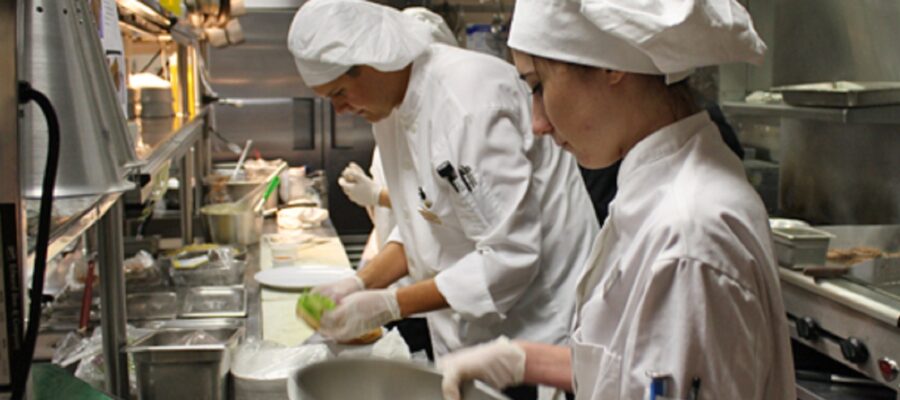
  • Fat, oil and grease interceptors in kitchens
  • Dormitories, residence halls

There are others ideas that can be tracked in the most recent Group B Hearings included April 6th:

LIVE: I-Code Group B Public Comment Hearings

Proposals for the 2024 IMC revision will be accepted until January 7, 2024.  We maintain this title among our core titles during our periodic Mechanical teleconferences.   See our CALENDAR for the next online meeting; open to everyone.
"Microgrids represent a transformational opportunity in how energy is generated, delivered, and consumed" - Robert F. Kennedy, Jr.

2024/2025/2026 ICC CODE DEVELOPMENT SCHEDULE

Issue: [Various]

Colleagues:  Mike Anthony, Richard Robben, Larry Spielvogel


Group A includes the following codes:

  • International Building Code (IBC) – Egress, Fire Safety, General Portions
  • International Fire Code (IFC)
  • International Fuel Gas Code (IFGC)
  • International Mechanical Code (IMC)
  • International Plumbing Code (IPC)
  • International Private Sewage Disposal Code (IPSDC)
  • International Residential Code (IRC) – Mechanical, Plumbing
  • International Swimming Pool and Spa Code (ISPSC)
  • International Zoning Code (IZC)
  • International Property Maintenance Code (IPMC)
  • International Wildland-Urban Interface Code (IWUIC)

ICC Code Development Process: Important Links

 

Workspace / ICC


Student Loans

October 15, 2025
mike@standardsmichigan.com
No Comments

This content is accessible to paid subscribers. To view it please enter your password below or send mike@standardsmichigan.com a request for subscription details.

Dance Wyoming

October 15, 2025
mike@standardsmichigan.com
No Comments

This content is accessible to paid subscribers. To view it please enter your password below or send mike@standardsmichigan.com a request for subscription details.

Wiener Melange

October 15, 2025
mike@standardsmichigan.com
,
No Comments

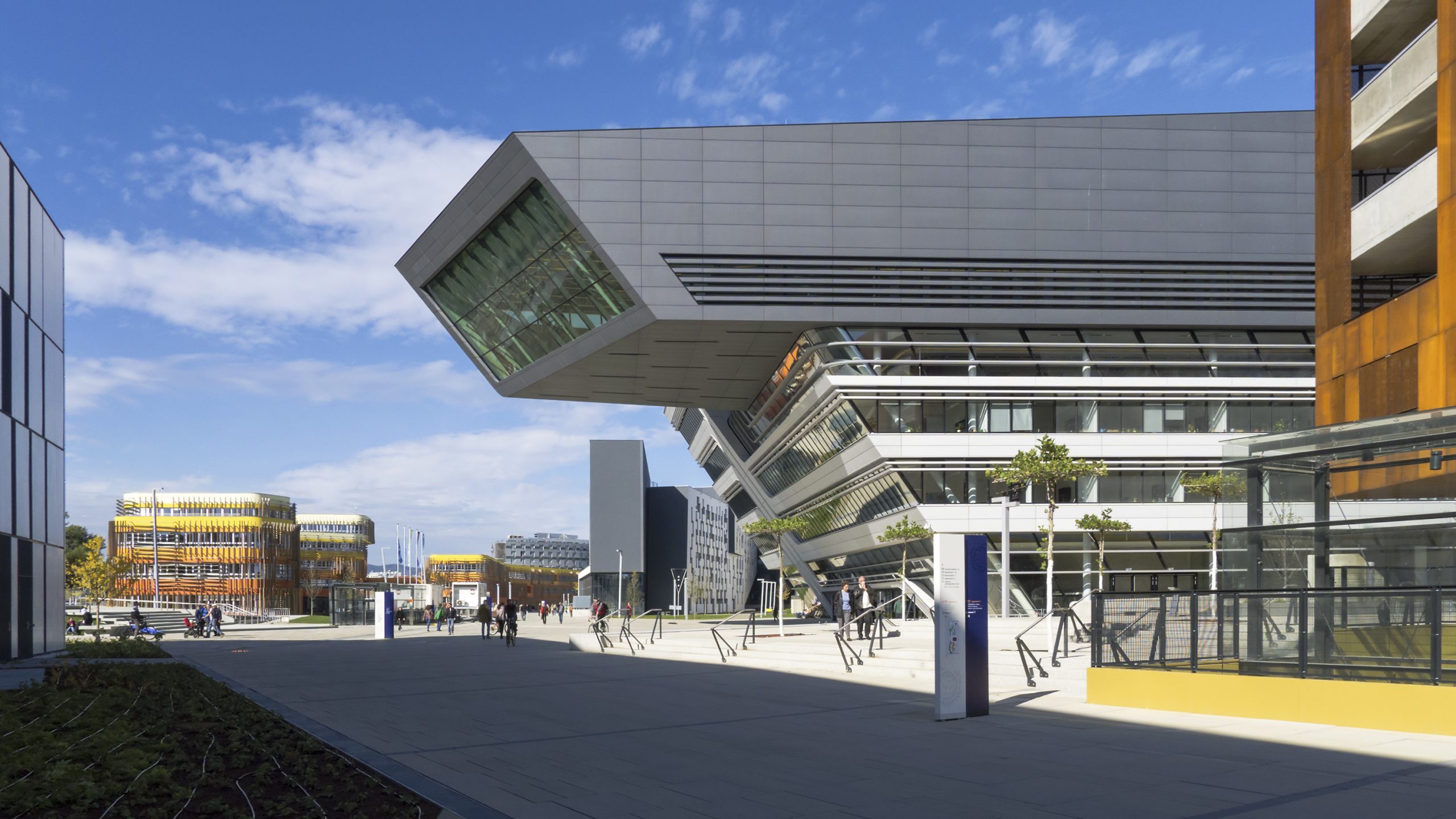
Zaha Hadid Architects | Standards Austria | International Commission on Illumination


Wiener Melange is a classic Viennese coffee specialty originating in 19th-century.  The traditional standard consists of a shot of espresso or strong black coffee (often Mokka) mixed with steamed milk in equal parts, topped with a generous dollop of frothy milk foam. Unlike a cappuccino, it skips cocoa dusting and emphasizes a velvety texture.

Sugar is optional, served on the side.  Frequently paired with Apfelstrudel and a glass of water.

Arcade Courtyard of the Main Building (Universitätsring 1)
Ground Floor of the Neues Institutsgebäude
Mensa-operated Cafeteria Campus


Working Dogs

October 15, 2025
mike@standardsmichigan.com
, , , ,
No Comments

Standards Wyoming

Animals 300

Technical Barriers to Trade

October 15, 2025
mike@standardsmichigan.com
No Comments

World According to Marco Polo


We track action in international administrative procedures that affect the safety and sustainability agenda of the education facility industry.  From time to time we find product purchasing contracts that contain “boilerplate” requiring conformity to applicable regulations found in the Agreement on Technical Barriers to Trade (TBT).   Common examples are found in contracts for the acquisition of information technology and specialty laboratory equipment.

The World Trade Organization TBT Agreement obliges all Parties  to maintain an inquiry point that is able to answer questions from interested parties and other WTO Members regarding technical regulations, standards developed by government bodies, and conformity assessment procedures, as well as provide relevant documents.  The TBT Agreement also requires that WTO Members notify the WTO of proposed technical regulations and conformity assessment procedures so interested parties can become acquainted with them and have an opportunity to submit written comments.

Technical Barriers to Trade Information Management System

The inquiry point and notification authority for the United States is operated by the National Institute of Standards and Technology an agency within the U.S. Department of Commerce.  We provide a link here for the convenience of faculty, specifiers and purchasing professionals.

Notify U.S. Standards Coordination Office USA WTO Enquiry Point

We include the TBT on the agenda of our Hello World! colloquium; open to everyone.  See our CALENDAR for the next online meeting.


More


Wires

October 14, 2025
mike@standardsmichigan.com

No Comments

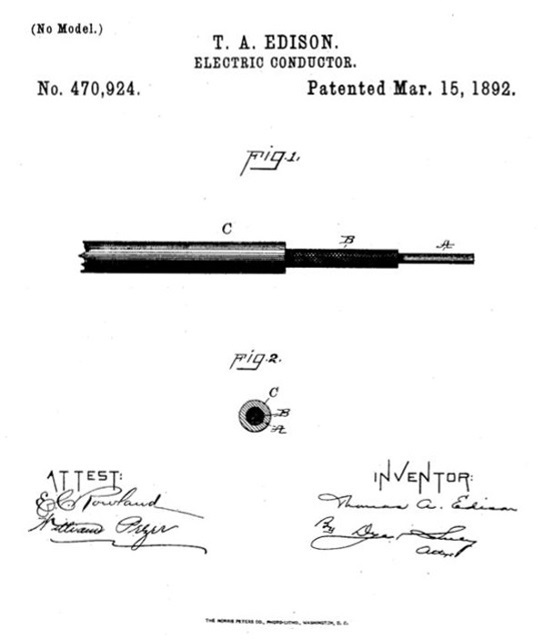
Ampere current flows through copper or aluminum conductor due to the movement of free electrons in response to an applied electric field of varying voltages.   Each copper or aluminum contributes one free electron to the electron sea, creating a vast reservoir of mobile charge carriers. When a potential difference (voltage) is applied across the ends of the conductor, an electric field is established within the conductor. This field exerts a force on the free electrons, causing them to move in the direction of the electric field.  The resulting current flow can be transformed into different forms depending on the nature of the device.

Heating: When current flows through a resistor, it encounters resistance, which causes the resistor to heat up. This is the principle behind electric heaters, toasters, and incandescent light bulbs.

Mechanical Work: Current flowing through an electric motor creates a magnetic field, which interacts with the magnetic field of the motor’s permanent magnets or electromagnets. This interaction generates a mechanical force, causing the motor to rotate. Thus, electrical energy is converted into mechanical energy; including sound.

Light: In an incandescent light bulb, a filament heats up ( a quantum phenomena) due to the current passing through it. This is an example of electrical energy being converted into light energy; including the chemical energy through light emitting diodes

Today we dwell on how conductors are specified and installed in building premise wiring systems primarily; with some attention to paths designed to carry current flowing through unwanted paths (ground faults, phase imbalance, etc).   In the time we have we will review the present state of the best practice literature developed by the organizations listed below:

International Electrotechnical Commission

60304 Low voltage installations: Protection against electric shock

Institute of Electrical and Electronic Engineers

National Electrical Safety Code

Insulated Cable Engineers Association

International Association of Electrical Inspectors

National Fire Protection Association

National Electrical Code

Code Making Panel 6

Transcript of CMP-6 Proposals for 2026 NEC

Other organizations such as the National Electrical Manufacturers Association, ASTM International, Underwriter Laboratories, also set product and installation standards.  Data center wiring; fiber-optic and low-voltage control wiring is covered in other colloquia (e.g. Infotech and Security) and coordinated with the IEEE Education & Healthcare Facilities Committee.

Use the login credentials at the upper right of our home page.


Related:

2017 National Electrical Code § 110.5

Neher-McGrath Calculation: Cable Calculation ampacity and Thermal Analysis

ETAP: Cabling Sizing – Cable Thermal Analysis


System Aspects of Electrical Energy

Impedance Grounding for Electric Grid Surviability

Electric Power Availability: Cold Weather Preparedness

Architecture of power systems: Special cases

Outdoor Deicing & Snow Melting

Campus Outdoor Lighting

High Voltage Electric Service

Campus Bulk Electrical Distribution

Layout mode
Predefined Skins
Custom Colors
Choose your skin color
Patterns Background
Images Background
Standards Michigan
error: Content is protected !!
Skip to content