



History of Western Civilization Told Through the Acoustics of its Worship Spaces


ICC Group A Monograph (April 2024)
Note 80 school-related entrance and egress concepts (Search term: “School”)
2024 Group A Proposed Changes to the I-Codes (October 2024)
Note 40 school-related entrance and egress concepts (Search term: “School”)
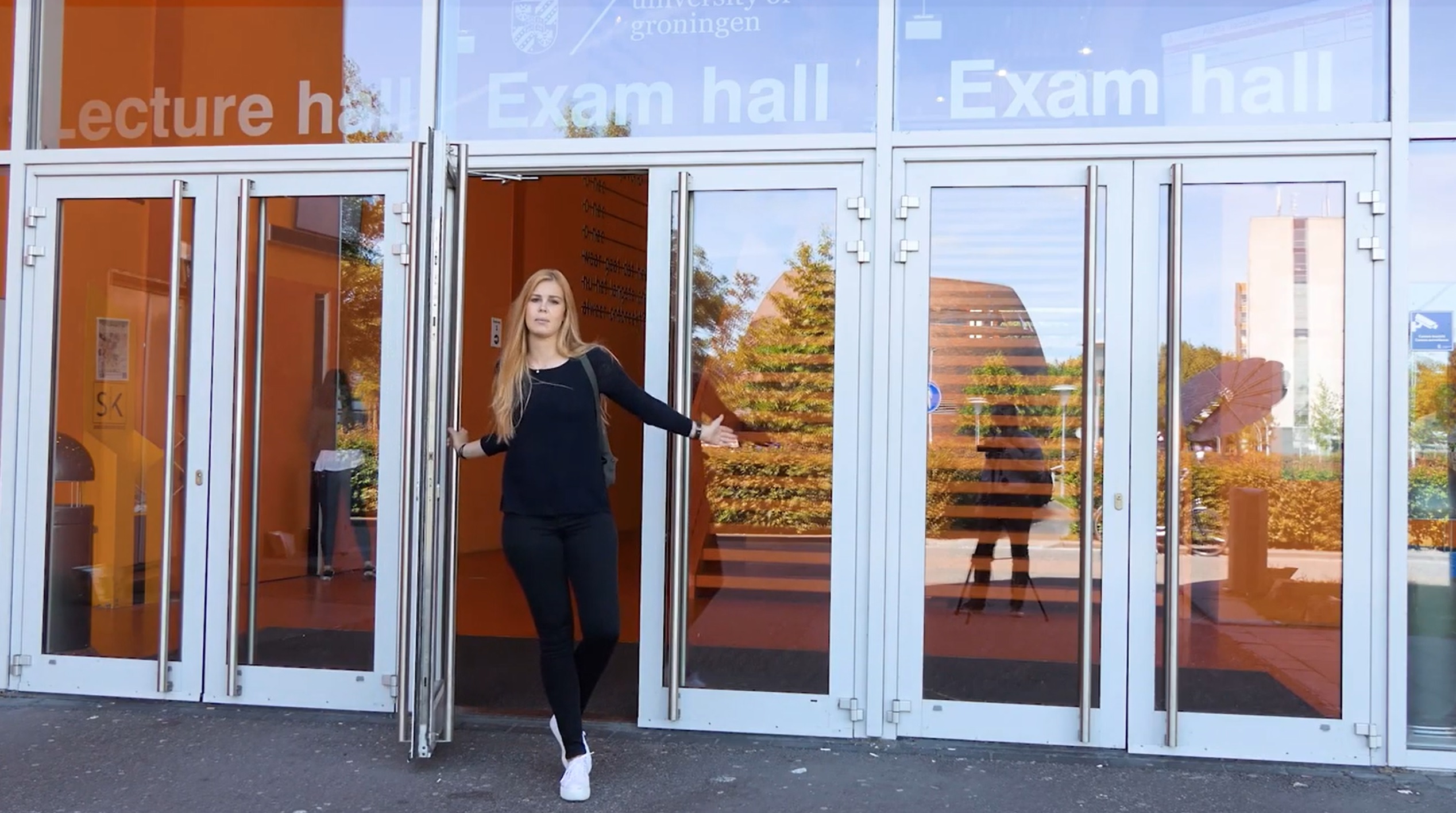 Doors have long since been a simple “opening” or “fenestration”. Doors are “portals”; nodes on the geometry of the Internet of Small Things. There are 100’s of thousands of these nodes on any single college, university or school district. First costs run from $1000 per door in a classroom to $100,000 per door in hospitals with maintenance and operation costs commensurate with complexity of the hardware and software needed to maintain integration of the door with building security and energy systems.
We find the bulk of best practice identified in the catalogs of the following accredited standards developers for the United States construction markets:
ASTM International
Conflicting Requirements of Exit Doors
Standard Practice for Installation of Exterior Windows, Doors and Skylights
Repair Methods for Common Water Leaks at Operable Windows and Sliding Glass Doors
Builders Hardware Manufacturers Association
International Code Council
International Building Code Chapter 10:
Chapter 24: Glass and Glazing
Accessibility Requirements (Referenced from ICC A117.1)
Energy Efficiency (Referenced from IECC)
“At School Doors” 1897 | Nikolay Bogdanov-Belskyhttps://t.co/FV2W5z42xY
46454E4553544154494F4Ehttps://t.co/1GCno4M9EV pic.twitter.com/nZFSx82gwk— Standards Michigan (@StandardsMich) April 17, 2024
IEEE Current Issues and Recent Research
National Fire Protection Association
Steel Door Institute
University of Michigan Design Guideline 4.7: Building Access Control
University of Michigan Electrical Division 28: Electronic Safety and Security
The oldest door still in use in Pantheon, Rome – Italy.
Cast in bronze for emperor Hadrian’s rebuilding, dated about 115 AD.#archaeohistories pic.twitter.com/Pjy4JYwDa2
— ArchaeoHistories (@histories_arch) September 14, 2022
The US federal government and all 50-states adapt safety and sustainability concepts from the foregoing publishers; either partially or whole cloth.
Today at the usual hour we examine the moment in the standard of care for doors in education communities in the United States. Join the colloquium with the login credentials at the upper right of our home page.

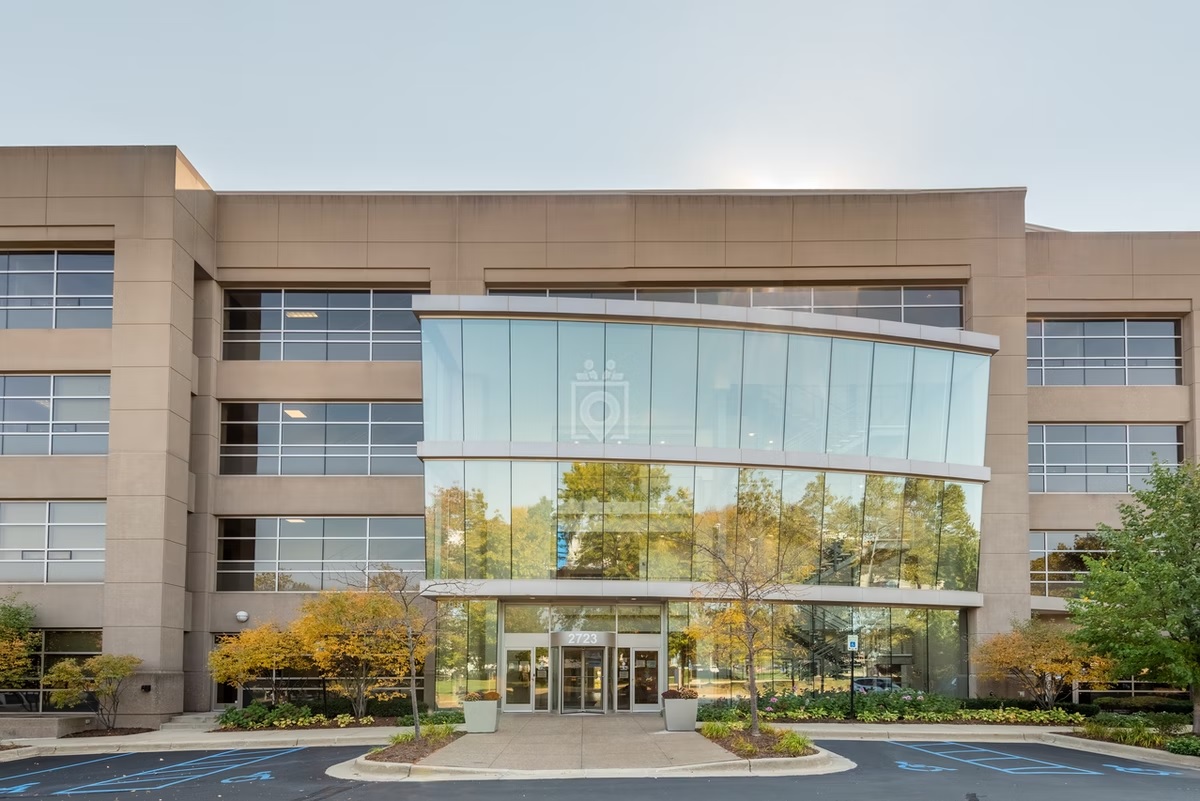
Standards Michigan Office Ann Arbor Michigan | 2723 South State Street Suite 150
It's all about those little details, folks! How cool is this hand-finished brass hinge??! It's one of our favorites.
You can find at House of Antique Hardware in their antique-by-hand finish. You can thank us later 🙂 pic.twitter.com/7C0kxGe31N
— Building Culture (@Build_Culture) January 19, 2025
When the startup matures to the point of getting a front door sign 🥹 pic.twitter.com/vGDXRb2o6x
— Lauren Stopfer, PhD (@lstops) September 25, 2023
It’s lovely to see us all together 😍 pic.twitter.com/nNz8q9OJfw
— Magdalen College (@magdalenoxford) September 27, 2023
Scope: Standardization in the field of doors, doorsets, windows, and curtain wall including hardware, manufactured from any suitable material covering the specific performance requirements, terminology, manufacturing sizes and dimensions, and methods of test. The Japanese Engineering Standards Committee is the Global Secretariat.
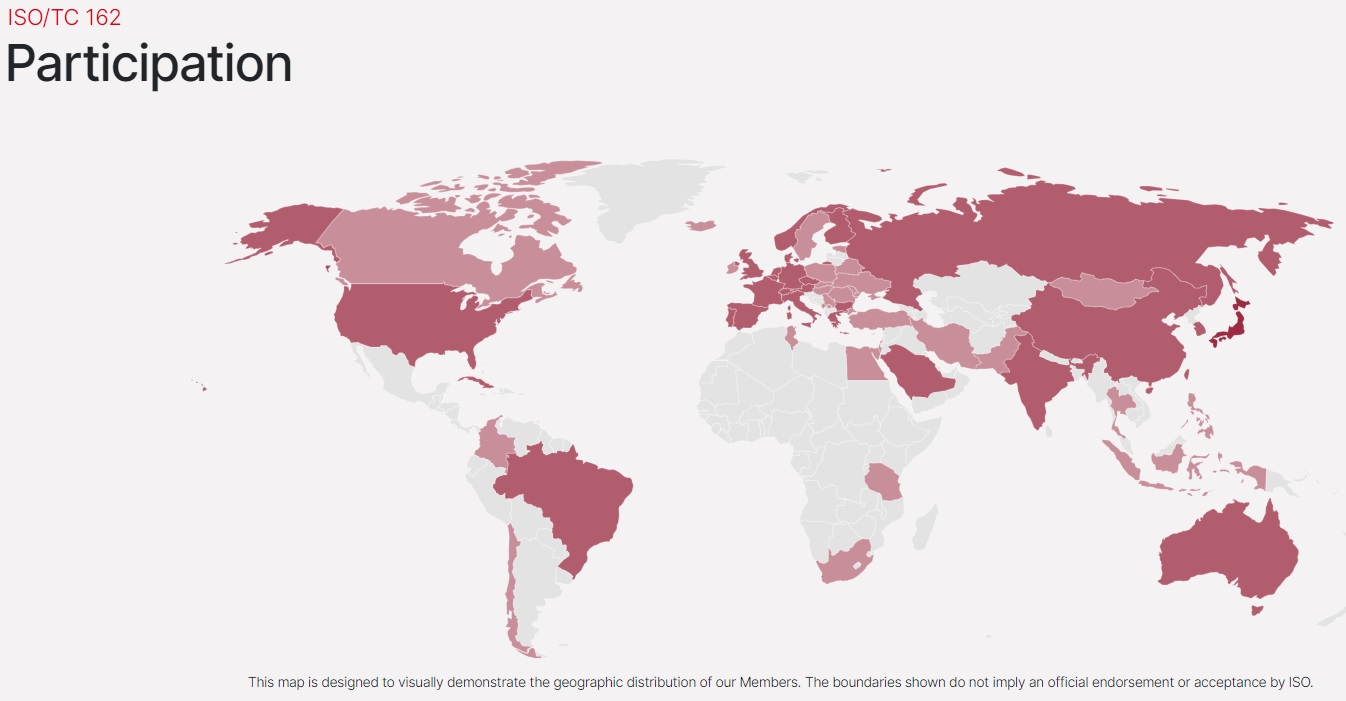
Multinational manufacturing and trade in the door manufacturing industry involve the production, distribution, and sale of doors across international borders. This industry encompasses a wide range of door types, including residential, commercial, industrial, and specialty doors. Here are some of the key fine points to consider in multinational manufacturing and trade within the door manufacturing sector:
In summary, multinational manufacturing and trade in the door manufacturing industry require a comprehensive understanding of global markets, regulatory compliance, cultural differences, and logistics. Successfully navigating these complexities can help manufacturers expand their reach and compete effectively in a globalized world.

Relevant agencies:
ASTM International: ASTM develops and publishes voluntary consensus standards used in various industries, including construction. ASTM standards cover materials, testing procedures, and specifications related to doors, windows, and associated components.
National Fenestration Rating Council (NFRC): NFRC is a U.S.-based organization that focuses on rating and certifying the energy performance of windows, doors, and skylights. They provide performance ratings and labels used by manufacturers to communicate product energy efficiency to consumers.
American Architectural Manufacturers Association (AAMA): AAMA is a U.S.-based organization that develops standards and specifications for windows, doors, and curtain walls. Their standards cover performance, design, and testing.
National Institute of Building Sciences (NIBS): NIBS is involved in research, education, and the development of standards for the building and construction industry in the United States.
This content is accessible to paid subscribers. To view it please enter your password below or send mike@standardsmichigan.com a request for subscription details.
This content is accessible to paid subscribers. To view it please enter your password below or send mike@standardsmichigan.com a request for subscription details.
This content is accessible to paid subscribers. To view it please enter your password below or send mike@standardsmichigan.com a request for subscription details.
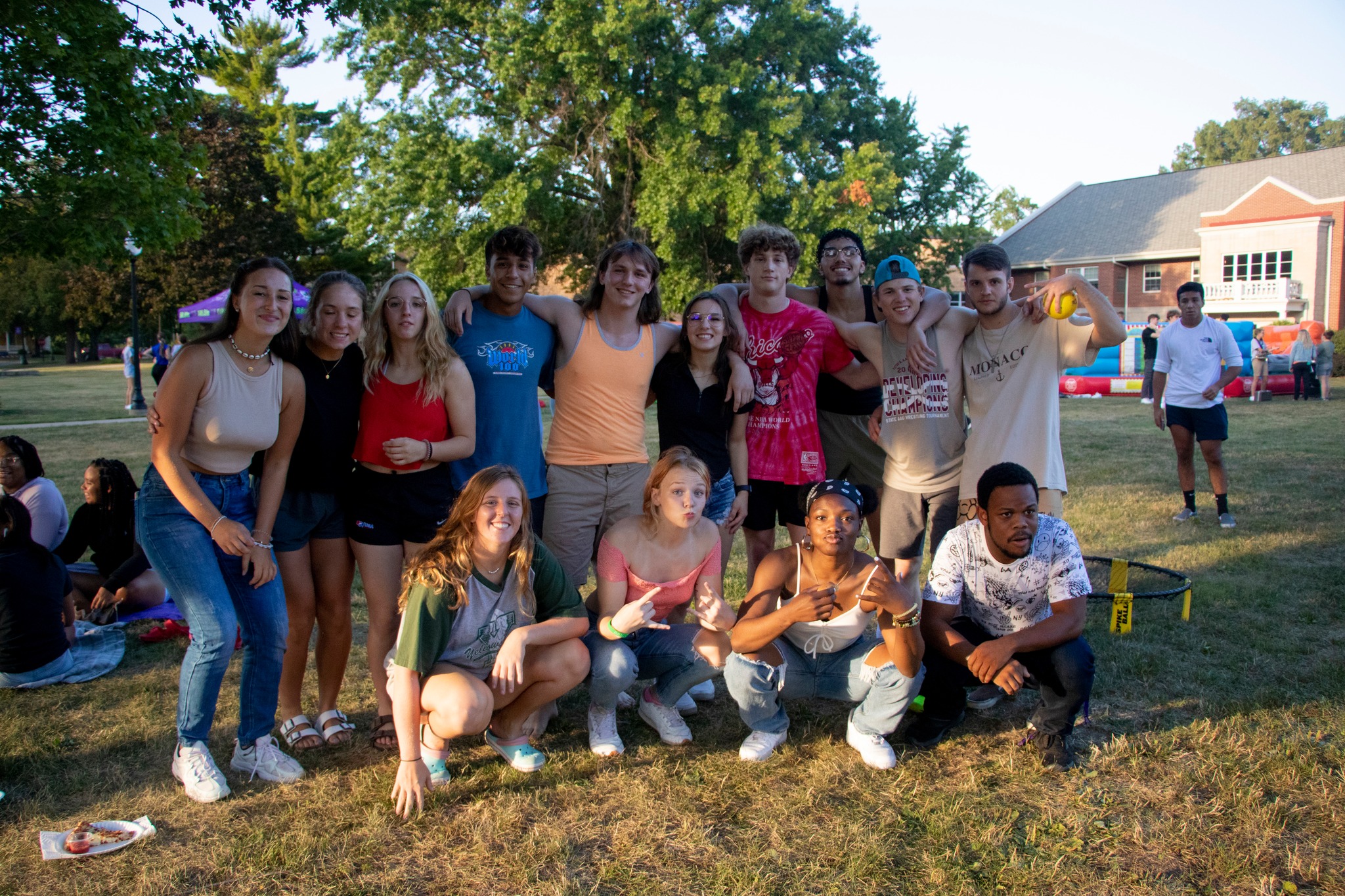
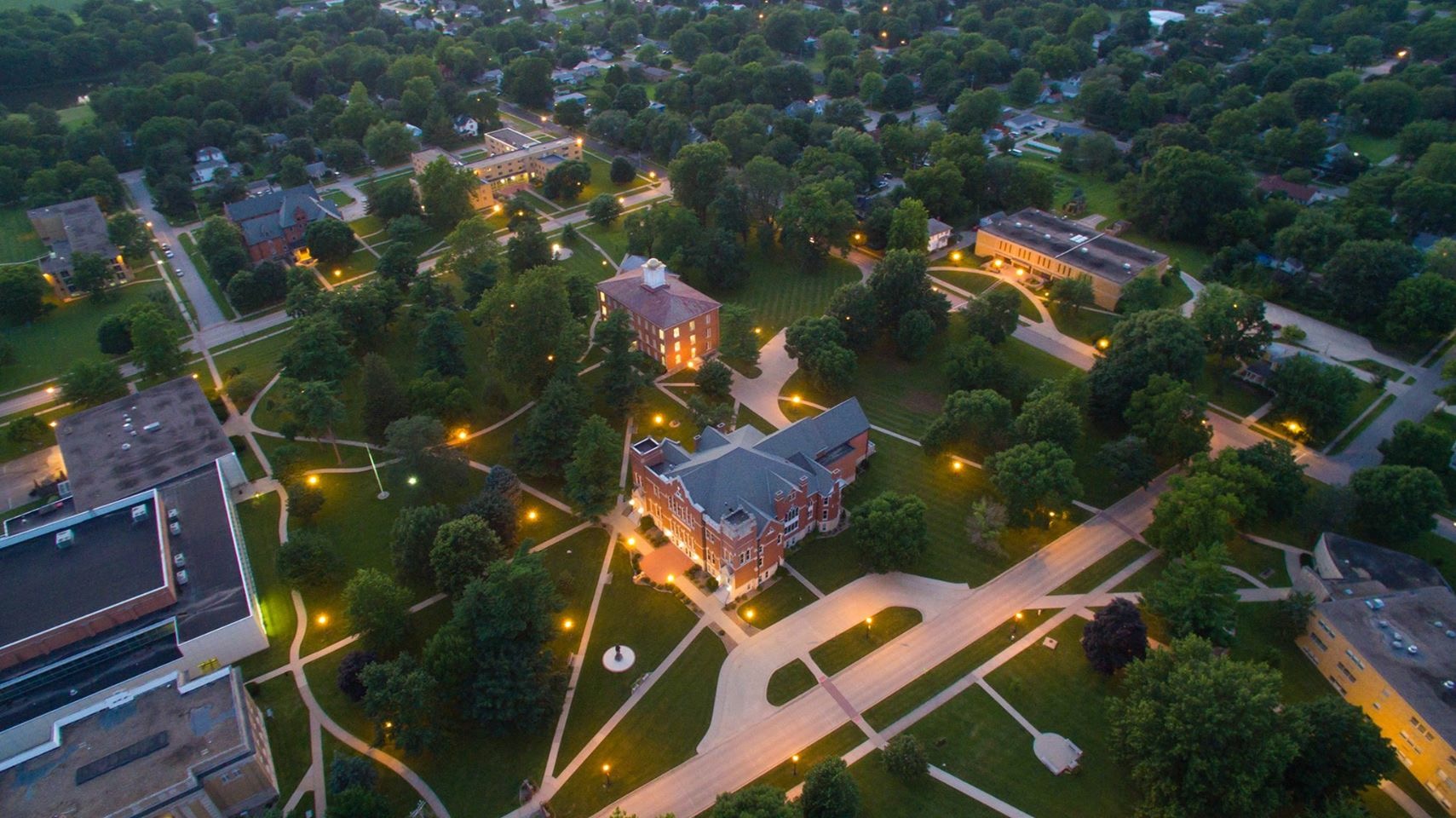
Iowa Wesleyan University is a private university in Mount Pleasant, Iowa with a founding affiliation with the United Methodist Church. It is Iowa’s first co-educational institution of higher learning and the oldest of its type west of the Mississippi River. It is one of several colleges and universities in the United States funded through the National Institute of Food and Agriculture program. These institutions receive funding for research, education, and outreach programs related to agriculture, food, and natural resources.
With an enrollment consistently below 1000 students the university will close at the end of the 2022–23 academic year owing to financial challenges.
More:
Iowa Wesleyan University to close after nearly 2 centuries
Long-struggling Iowa Wesleyan to close due to budget shortfall; USDA to take over campus
Owing $26 million to the USDA, Iowa Wesleyan University announces closure
This poem about Julian of Norwich from WOUND is one of the most meaningful to me, written at the height of pandemic spring.
I am so grateful to @GrantaMag for giving it an online home: pic.twitter.com/k4SveIBAJh
— Dr. Maya C. Popa (@MayaCPopa) May 23, 2023
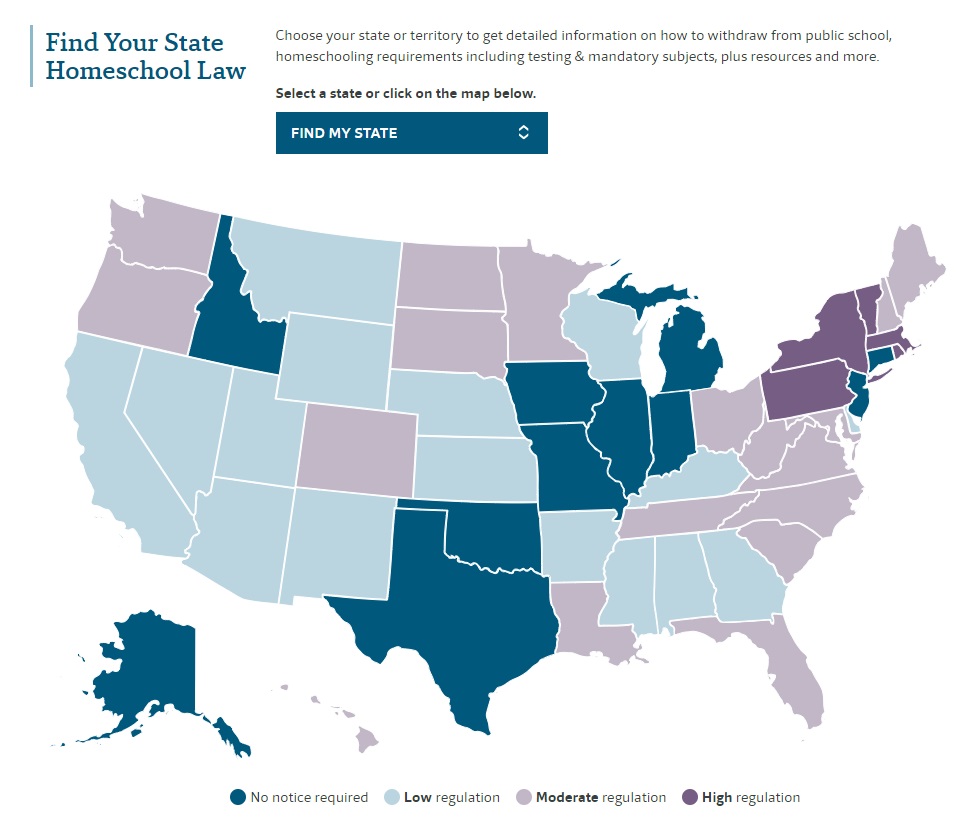
Education happening outside the home offers several advantages that contribute to the holistic development of children:
Socialization: Interacting with peers and teachers in a structured environment helps children learn social skills, cooperation, and conflict resolution, which are essential for navigating the complexities of adult life.
Diverse Perspectives: Schools expose children to a variety of viewpoints, backgrounds, and cultures, fostering tolerance, empathy, and understanding of diversity.
Specialized Instruction: Qualified educators are trained to teach specific subjects and tailor instruction to different learning styles, ensuring that children receive a well-rounded education.
Access to Resources: Schools provide access to resources such as libraries, laboratories, sports facilities, and technology that may not be available at home, enriching the learning experience.
Extracurricular Activities: Schools offer extracurricular activities like sports, music, drama, and clubs, which help children discover their interests, develop talents, and build leadership skills.
Preparation for the Real World: Schools simulate real-world environments, teaching children important life skills such as time management, responsibility, and teamwork, which are crucial for success in adulthood.
Professional Development: Educators undergo continuous training and development to stay updated with the latest teaching methodologies and educational practices, ensuring high-quality instruction for students.
While home-based learning can complement formal education and offer flexibility, the structured environment and resources provided by schools play a vital role in shaping well-rounded individuals ready to thrive in society.
This content is accessible to paid subscribers. To view it please enter your password below or send mike@standardsmichigan.com a request for subscription details.
New update alert! The 2022 update to the Trademark Assignment Dataset is now available online. Find 1.29 million trademark assignments, involving 2.28 million unique trademark properties issued by the USPTO between March 1952 and January 2023: https://t.co/njrDAbSpwB pic.twitter.com/GkAXrHoQ9T
— USPTO (@uspto) July 13, 2023
Standards Michigan Group, LLC
2723 South State Street | Suite 150
Ann Arbor, MI 48104 USA
888-746-3670
 |
 |
|
 |
 |
|
 |
 |