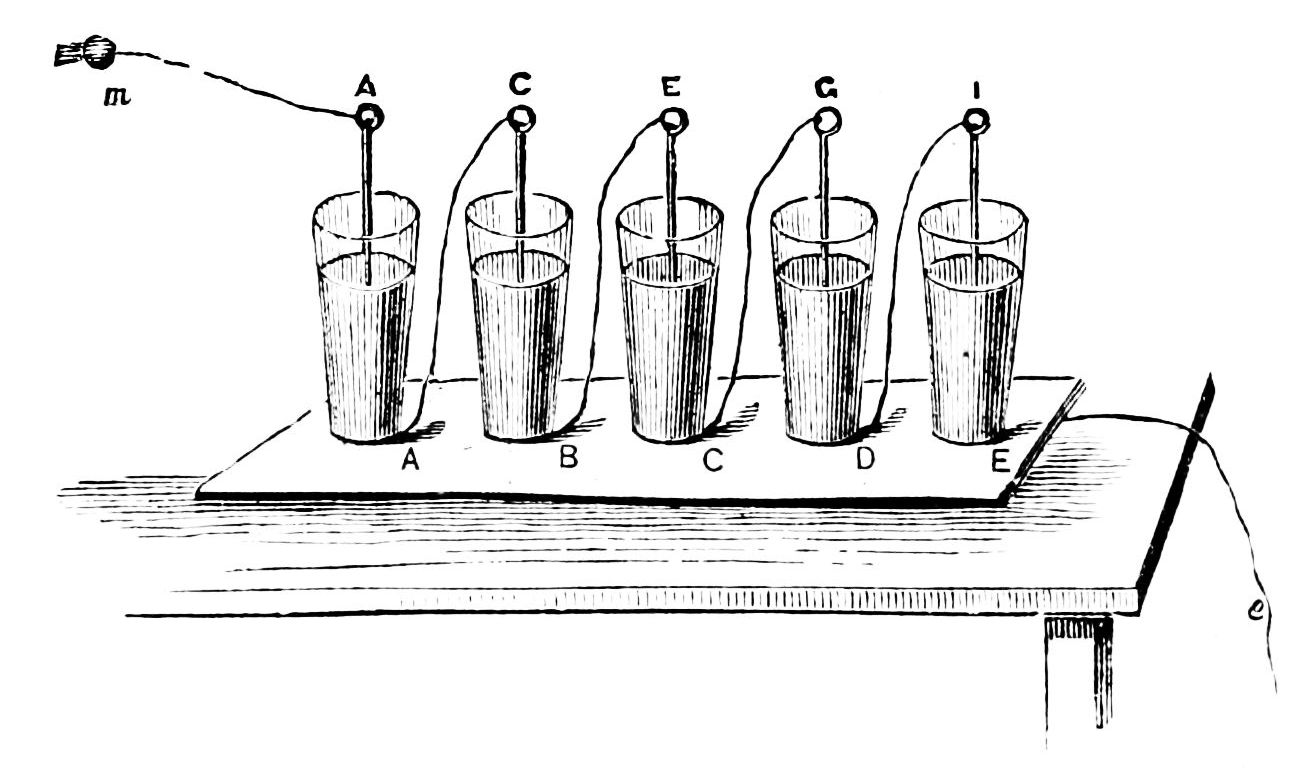
Leyden Jar electric energy storage; and early form of a microgrid. CLICK ON IMAGE for more information

The National Electrical Contractors Association develops a suite of consensus standards titled National Electrical Installation Standards (NEIS) that meet the intent of the National Electrical Code (NEC); particularly where the NEC asserts that an installation be constructed in a “neat and workmanlike manner”. The scope of the original undertaking, begun in the early 1990’s with University of Michigan as an early adopter, has since expanded into operation and maintenance standards; and more recently into design, installation, operating and maintaining integrated systems such as microgrids*.
Some electrotechnology professionals struggle with the notion of a “microgrid” — a trendy term of art for an integrated system of interactive and distributed power sources that many large research universities have had for decades in their district energy plant. There are some noteworthy operational differences, however; as a trend toward local power storage accelerates and education facility leaders are under pressure to prove the they have a Smart Grid (even if they already have one). None of the #SmartCampus conceptions for expansion of microgrids into individual buildings, or regions on campuses, will ever pay for themselves we cannot operate and maintain many of them economically (when set against the operational economics of the electrical supply delivered by the university district energy plant). The university-affiliated medical research and healthcare delivery campus may be a proof-point, however.
The NECA documents are used by construction owners, specifiers, contractors and electricians to clearly illustrate the performance and workmanship standards essential for different types of electrical construction. Because the NEC is intended to be primarily a wiring safety standard, the NEIS suite is referenced throughout the National Electrical Code. Electrical shop foremen and front line electricians take note.
Recommended Practice for Designing, Installing, Operating, and Maintaining Microgrids (Redline)
You may obtain an electronic copy from neis@necanet.org. Send comments to Aga Golriz, (301) 215-4549, Aga.golriz@necanet.org with a copy of your comments psa@ansi.org. Because the proposed change is relatively minor editorial/grammatical change, we will not comment on it but encourage other user-interests in the education facilities industry (electric shops, engineering managers, etc.) to at least become familiar with the NECA suite of standards and to incorporate them by reference into their standard practice guides for electrical trades.
NECA Standards and Publication Development Home Page
Our door is open every day at 11 AM for consultation on this and other standards. Use the login credentials at the upper right of our home page. Additionally, we will refer this to the IEEE Education & Healthcare Committee, which is a subcommittee in the IEEE Industrial Applications Society which follows — and leads — the development of the emergent #SmartCampus. That committee meets online 4 times monthly in European and American time zones. See the IEEE E&H Calendar for date, time and login credentials.
Click on image
Issue:
Category: Electrical, Energy
Colleagues: Mike Anthony, Jim Harvey, Van Wagner
ARCHIVE / NECA 417 Microgrids
LEARN MORE:
NEIS Open Review: Fourth Ballot
NECA SMART GRID: INSTALLATION AND CONSTRUCTION MANAGEMENT ASPECTS FOR ELECTRICAL CONTRACTORS
US DOE: Smart Grid Demonstration Program
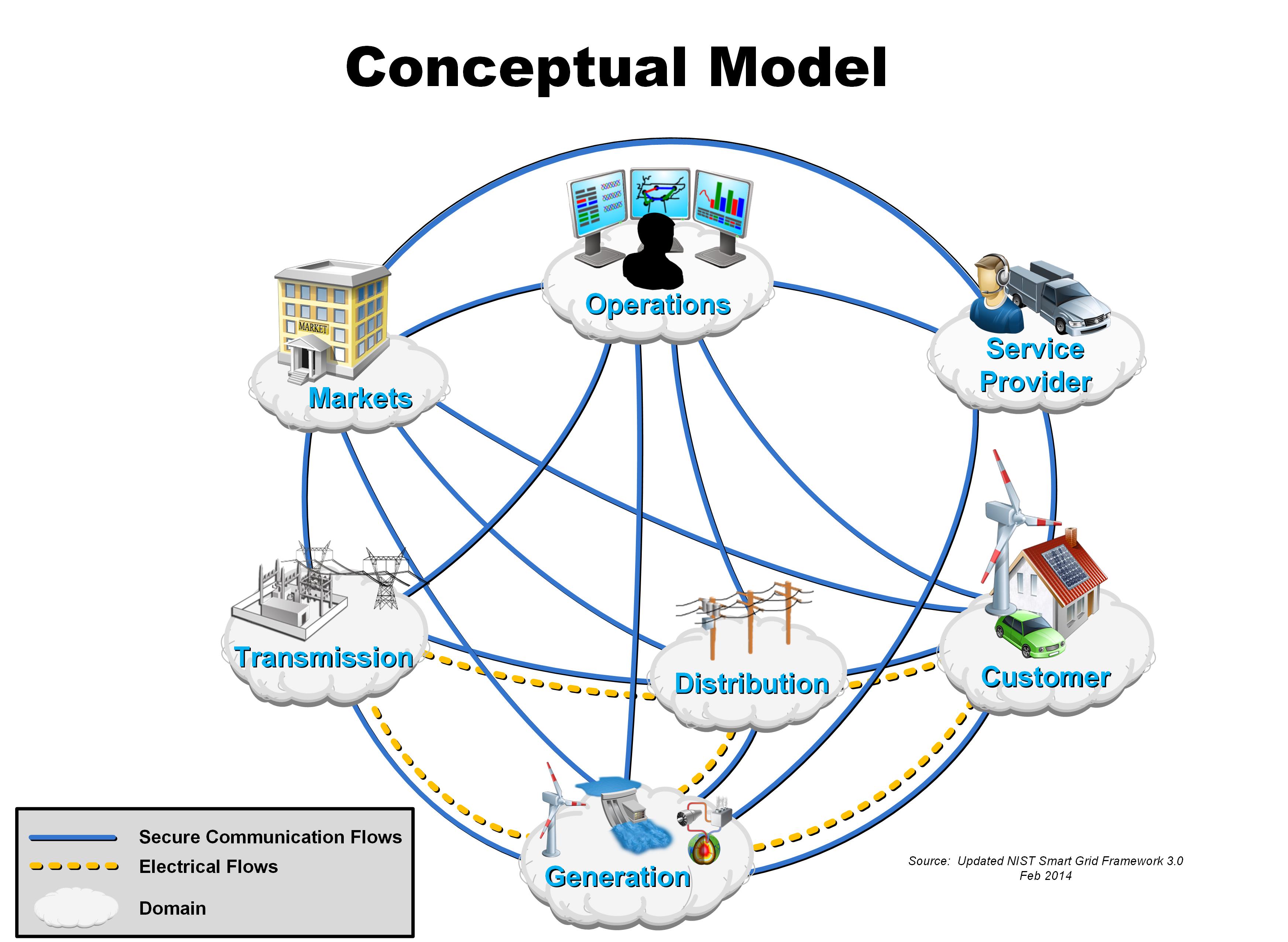
NIST and the Smart Grid
IEEE: Utility and Other Energy Company Business Case Issues Related to Microgrids and Distributed Generation
IEEE Standards Association: Microgrids: Back to the Future
Standards Michigan Smart Campus Bibliography (A collection of case studies for the education and healthcare industry)
*Most seasoned electrical power professionals recognize that many large research universities with district energy systems that generate in parallel with a public utility have, for decades, operated with all the essential characteristics of a microgrid (save for the political “buzz”). On-site power storage for telecommunication and mission critical facilities have been in place for decades; so has back up on-site generation. Scaling these known sources to provide normal power to a single building, or groups of buildings, is an essential difference, however. Electrical engineering expertise and judgement is needed to determine the optimal balance between a smart distributed resource (such as a microgrid) and a central resource from an existing district energy system. An array of microgrids on a large research university campus will have a cost associated with of installing, operating and maintaining them.