Design Standard Readability

Loading
loading...

Design Standard Readability

December 22, 2025
mike@standardsmichigan.com
, ,
No Comments

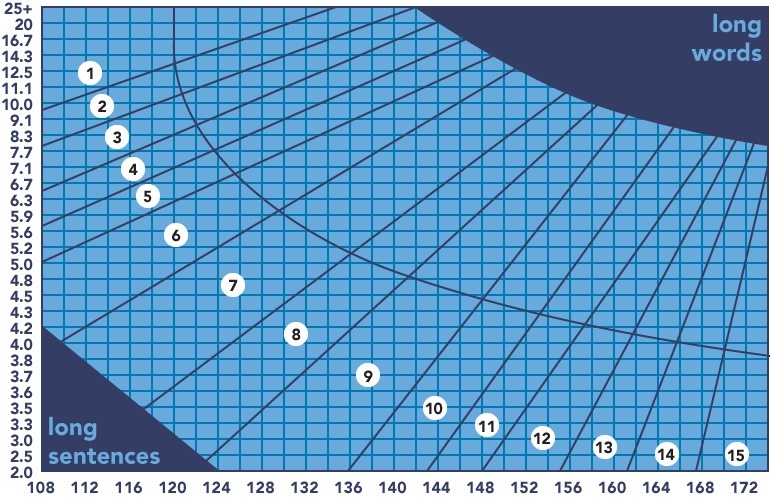
Fry readability formula

How Consistent Are the Best-Known Readability Equations in Estimating the Readability of Design Standards?

Shixiang Zhou & Heejin Jeong
Industrial and Operations Engineering Department, University of Michigan, Ann Arbor, MI, USA
Transportation Research Institute Driver Interface Group
Department of Industrial and Operations Engineering, University of Michigan, Ann Arbor, MI, USA


Abstract.  Research problem: Readability equations are widely used to compute how well readers will be able to understand written materials. Those equations were usually developed for nontechnical materials, namely, textbooks for elementary, middle, and high schools. This study examines to what extent computerized readability predictions are consistent for highly technical material – selected Society of Automotive Engineers (SAE) and International Standards Organization (ISO) Recommended Practices and Standards relating to driver interfaces. Literature review: A review of original sources of readability equations revealed a lack of specific criteria in counting various punctuation and text elements, leading to inconsistent readability scores. Few studies on the reliability of readability equations have identified this problem, and even fewer have systematically investigated the extent of the problem and the reasons why it occurs.  Research questions:

(1) Do the most commonly used equations give identical readability scores?
(2) How do the scores for each readability equation vary with readability tools?
(3) If there are differences between readability tools, why do they occur?
(4) How does the score vary with the length of passage examined?

Method: Passages of varying lengths from 12 selected SAE and ISO Recommended Practices and Standards were examined using five readability equations (Flesch-Kincaid Grade Level, Gunning Fog Index, SMOG Index, Coleman-Liau Index, and Automated Readability Index) implemented five ways (four online readability tools and Microsoft Word 2013 for Windows). In addition, short test passages of text were used to understand how different readability tools counted text elements, such as words and sentences. Results and conclusions: The mean readability scores of the passages from those 12 SAE and ISO Recommended Practices and Standards ranged from the 10th grade reading level to about 15th. The mean grade reading levels computed across the websites were: Flesch-Kincaid 12.8, Gunning Fog 15.1 SMOG 12.6, Coleman-Liau 13.7, and Automated Readability Index 12.3. Readability score estimates became more consistent as the length of the passage examined increased, with no noteworthy improvements beyond 900 words. Among the five readability tools, scores typically differed by two grade levels, but the scores should have been the same. These differences were due to how compound and hyphenated words, slashes, numbers, abbreviations and acronyms, and URLs were counted, as well other punctuation and text elements. These differences occurred because the sources for these equations often did not specify how to score various punctuation and text elements. Of the tools examined, the authors recommend Microsoft Word 2013 for Windows if the Flesch-Kincaid Grade Level is required.


Christ Chapel

December 21, 2025
mike@standardsmichigan.com
,
No Comments

Michigan West

“De re aedificatoria”Leon Battista Alberti

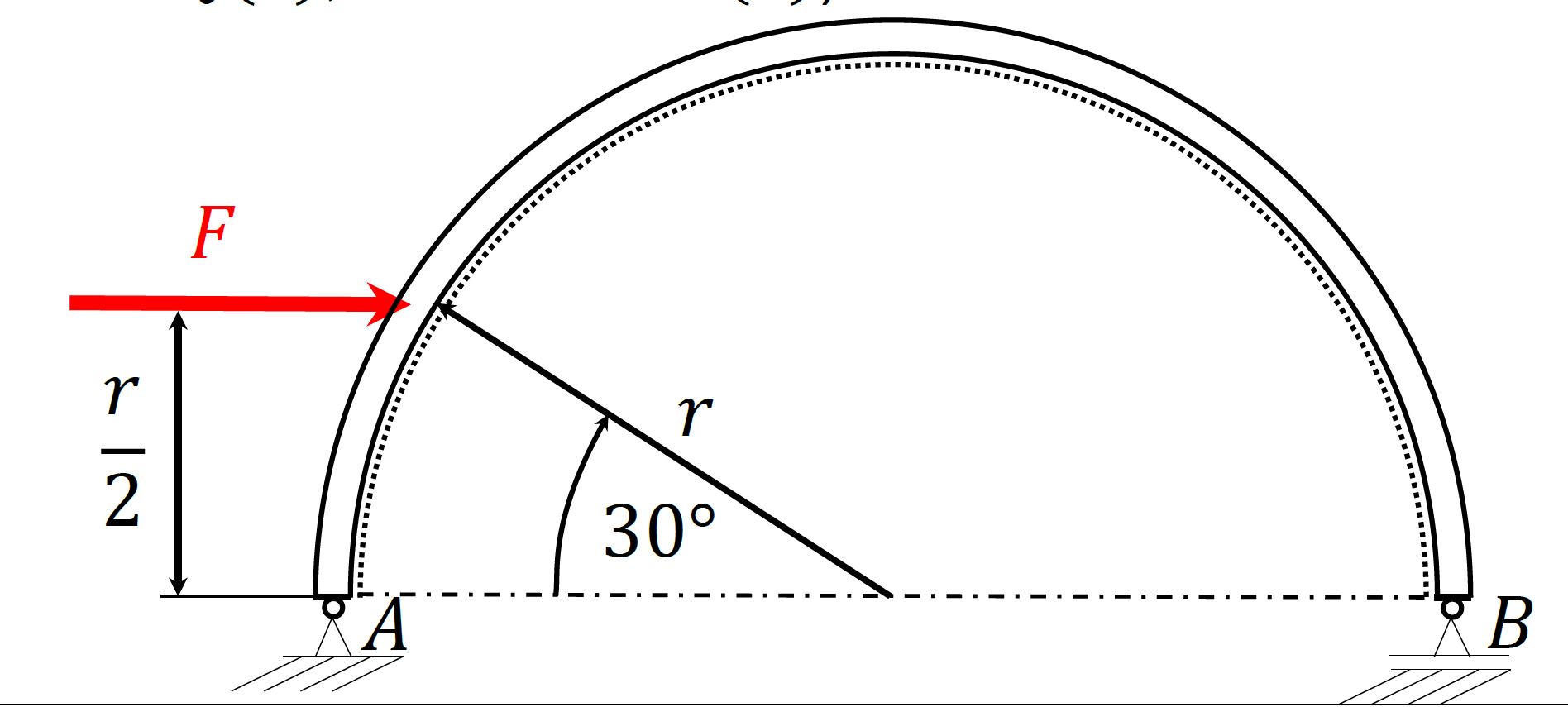
Compute the stress curves for the half-circular arch beam

Duncan Stroik Architect

Sacred Spaces

Gallery: Graduation Commencement Speeches

December 21, 2025
mike@standardsmichigan.com
, , , , , , , ,
No Comments

“It is at leaving the college and entering the world that the education of youth begins…

It is less uniform than that of childhood but more dependent on chance, and doubtless more important.

The youth is then attacked by a greater number of sensations: all that surrounds him strikes him,

and strikes him forcibly.”

—  Claude-Adrien Helvétius (A Treatise on Man)


Constructor University (formerly, Jacobs University Bremen Germany) Graduation Band: “Freebird”

Intercollegiate Studies Institute | What Makes the West Strong (Sir Roger Scruton)

International Building Code Assembly Group A

December 19, 2025
mike@standardsmichigan.com
No Comments

Section 303

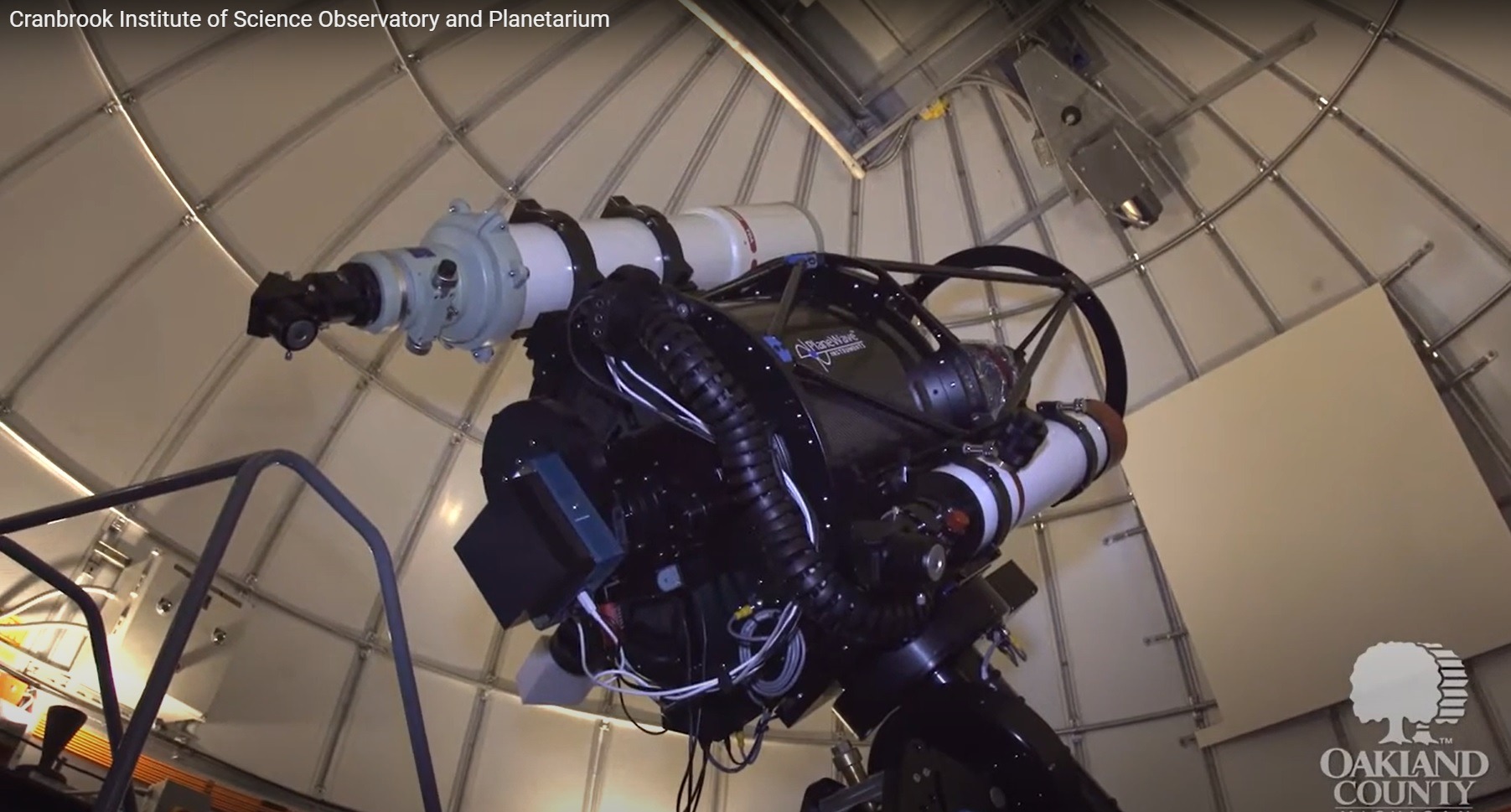
Cranbrook Academy | Oakland County Michigan

LIVE: I-Code Group B Public Comment Hearings

I-Code Group B Committee Action Hearings

Occupancy classifications inform every dimension and every discipline of the built environment.  Classifications are grouped primarily based on their relative fire hazard and life safety properties such as how many people will be in the area, are there hazardous materials or manufacturing, and are people sleeping, cooking, living etc.  Getting people and animals out of a built space with an unobstructed egress path to exit buildings, structures, and spaces inform occupancy classifications. A means of egress is comprised of exit access, exit, and exit discharge.

CLICK HERE for 2021 Edition

Workspace / ICC

Baked Potato Strips

December 18, 2025
mike@standardsmichigan.com
,
No Comments

Recipe Guide

Maine Major Capital School Construction Programs | Maine Farm Safety Programs

Maine Extension Homemakers Newsletter, January-February-March 2025


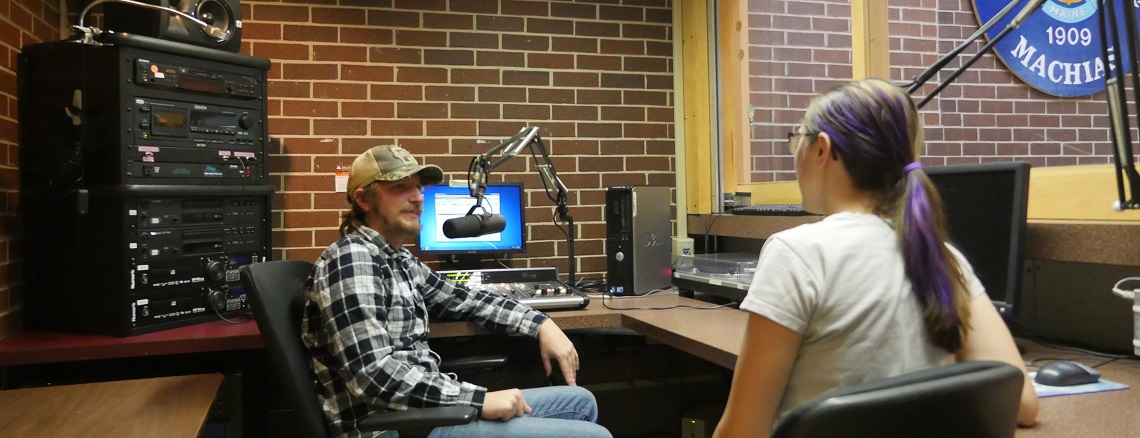
Radio Machias WUUM 91.1 MHz FM

Maine


https://standardsmichigan.com/category/kitchen/

Kitchens 300

December 18, 2025
mike@standardsmichigan.com
,
No Comments

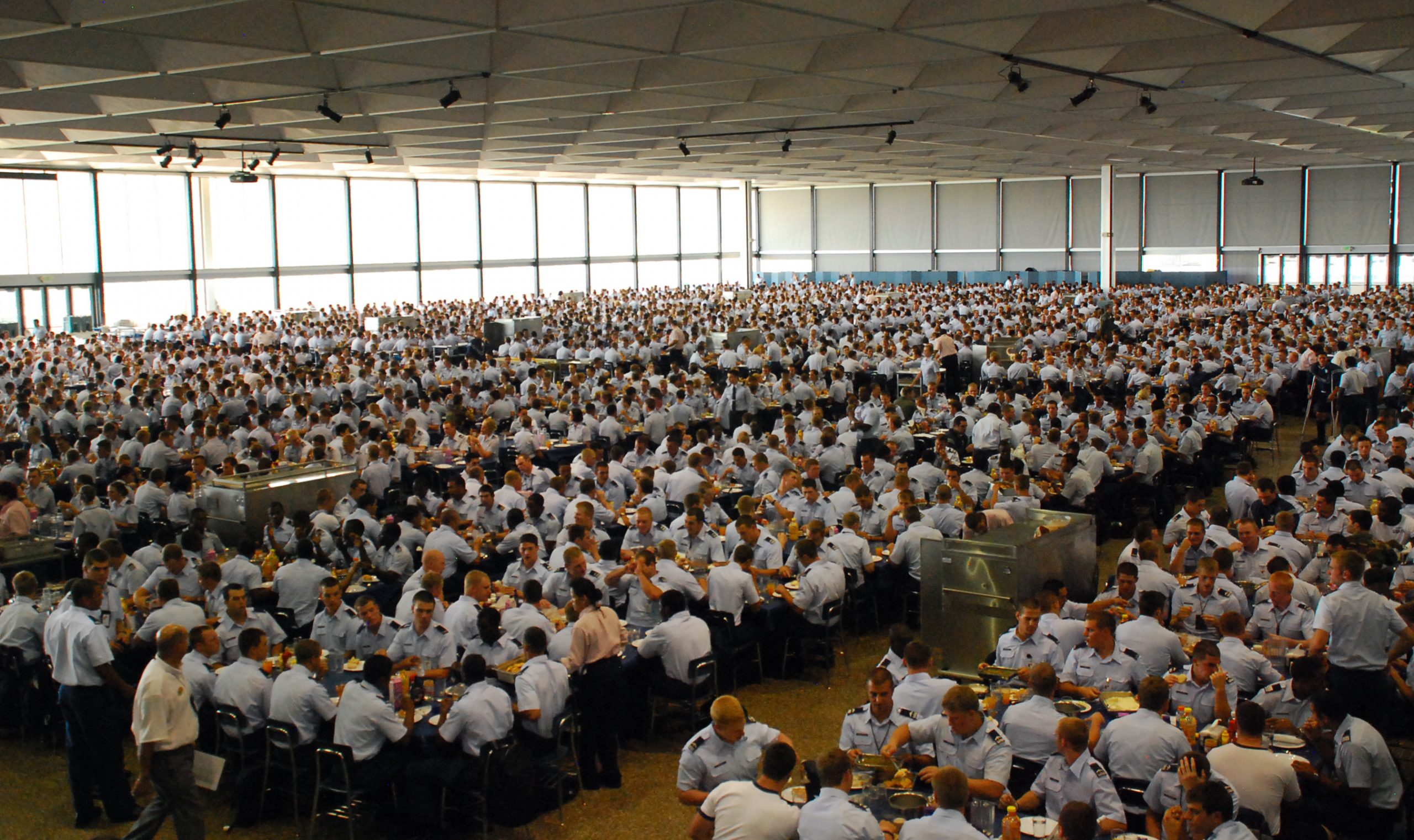
United States Air Force Military Academy

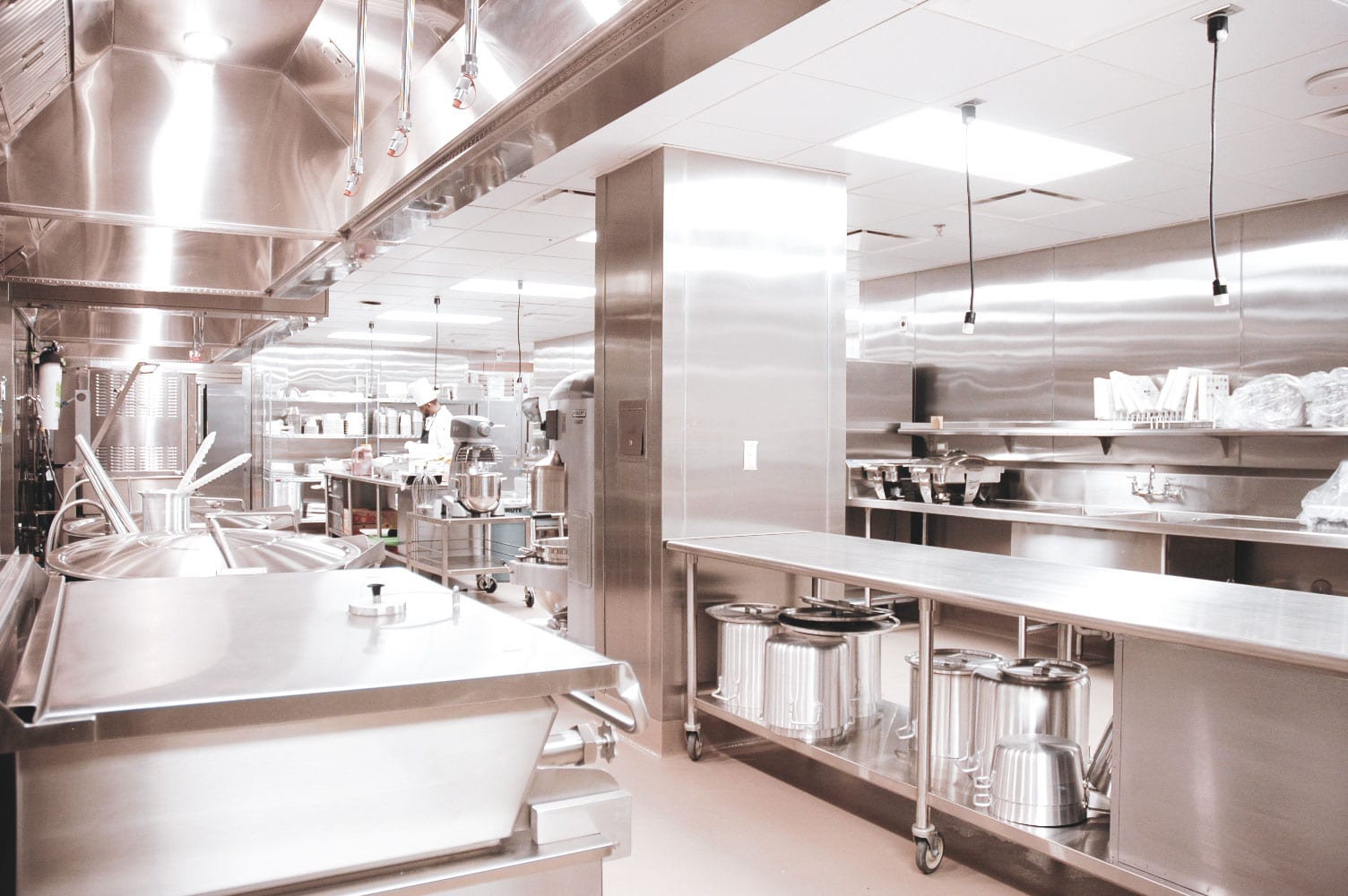
Commercial kitchens in school cafeterias and college dormitories are designed to meet strict health and safety standards, accommodate high-volume food production, and provide nutritious meals to students in an efficient and organized manner.  Some common features:

  • Industrial-grade cooking equipment: This may include commercial ovens, grills, ranges, fryers, steamers, and other specialized cooking equipment designed for high-volume cooking.
  • Food preparation areas: These may include spacious prep tables, cutting boards, sinks, and other food preparation stations for washing, chopping, and assembling ingredients.
  • Walk-in refrigerators and freezers: These are used for storing large quantities of perishable food items at appropriate temperatures to maintain freshness and safety.
  • Food storage facilities: These may include shelves, racks, and cabinets for storing dry goods, canned goods, and other non-perishable food items.
  • Dishwashing area: This may include commercial dishwashers capable of handling a large number of dishes and utensils efficiently.
  • Serving stations: These may include counters, warming stations, and other facilities for serving food to students.
  • Ventilation and exhaust systems: These are essential for maintaining a clean and safe kitchen environment by properly removing smoke, steam, and odors generated during cooking.
  • Safety features: These may include fire suppression systems, emergency exits, and other safety measures to ensure compliance with local health and safety regulations.

Owing to the complexity of the domain, starting 2023 we will break down the standards for education community safety and sustainability into two separate colloquia:

Kitchens 100 will deal primarily safety — fire, shock hazard, sanitation, floors, etc.

Kitchens 300 will deal with sustainability criteria in large commercial kitchens common in school cafeterias, dormitories, sports venues and hospitals.

Williams P. Clements Jr. University Hospital

Owing to the complexity of the domain, starting 2023 we will break down the standards for education community safety and sustainability into two separate colloquia:

Kitchens 100 will deal primarily safety — fire, shock hazard, sanitation, floors, etc.

Kitchens 300 will deal with sustainability criteria in large commercial kitchens common in school cafeterias, dormitories, sports venues and hospitals.

Relevant catalogs:

3-A Sanitary Standards

American Gas Association

AGA Response to The Atlantic Article about Natural Gas Cooking

ASHRAE International

Ventilation for Commercial Cooking Operations

ASTM International

Institute of Electrical and Electronic Engineers

Noteworthy Research:

Design Application of Smart Kitchen for Aging Based on Interactive Behavior Analysis

IAPMO International

Prefabricated Gravity Grease Interceptors

International Code Council

International Building Code Sections 303 Commercial Kitchens

National Fire Protection Association

National Electrical Code

Standard for the Installation of Air-Conditioning and Ventilating Systems

NSF International

The Association for Packaging and Processing Technologies

We will also review federal and state-level regulatory action.   Open to everyone.  Use the login credentials at the upper right of our home page.

Related:

Kitchen Flooring Standards

Food 500


Kitchen Exhaust

December 18, 2025
mike@standardsmichigan.com
No Comments


God walks among the pots and pans.

— Saint Teresa of Ávila c.1582


One of the concentrated risk aggregations in any school district, college, university and technical school, athletic venues and university-affiliated healthcare systems, rests in the food preparation units.  On a typical large research university there are hundreds of kitchens in dormitories, student unions, athletic venues, hospitals and — to a surprising degree — kitchen facilities are showing up in classroom buildings.  Kitchens that used to be located on the periphery of campus and run by private industry are now moving into instructional spaces and operated by private food service vendors. 

Food preparation facilities present safety challenges that are on the same scale as district energy plants, athletic concession units, media production facilities and hospital operating rooms.   There are 20 accredited standards setting organizations administering leading practice discovery in this space.  Some of them concerned with fire safety; others concerned with energy conservation in kitchens, still others concerned with sanitation.    The International Kitchen Exhaust Cleaning Association is one of the first names in this space and maintains an accessible standards development home page; linked below:

IKCEA Standards

The IKECA catalog of titles establish a standard of care for cleaning activity that fills gaps in related ASHRAE, ASME, ICC and NFPA titles.  For example:

IKECA I10 Standard for the Methodology for Inspection of Commercial Kitchen Exhaust Systems

IKECA C10 Standard for the Methodology for Cleaning Commercial Kitchen Exhaust Systems

Hazards posed by un-maintained exhaust systems are covered in the NFPA Report: Structure Fires in Eating and Drinking Establishments

Princeton University Teaching Kitchen

We encourage subject matter experts in food enterprises in the education industry to communicate directly with John Dixon at IKCEA (jdixon@fernley.com) or Elizabeth Franks, (215) 320-3876, information@ikeca.org, International Kitchen Exhaust Cleaning Association, 100 North 20th Street, Suite 400, Philadelphia, PA 19103.   

We are happy to get specific about how the IKECA suite contributes to lower education community cost during our Food  teleconferences.  See our CALENDAR for the next online meeting; open to everyone.

Issue: [18-24]

Category: Facility Asset Management

Colleagues:  Larry Spielvogel, Richard Robben


LEARN MORE:

Dormitories, Fraternities, Sororities and Barracks

Keele University “Look When You Cook”

Commercial Kitchen Ventilation

Traps, Interceptors and Separators

Workspace / IKCEA


Layout mode
Predefined Skins
Custom Colors
Choose your skin color
Patterns Background
Images Background
error: Content is protected !!
Skip to content