
“De re aedificatoria” | Leon Battista Alberti
Christianity is surging in America.
We will not become Europe.
— Eric Daugherty (@EricLDaugh) October 25, 2025
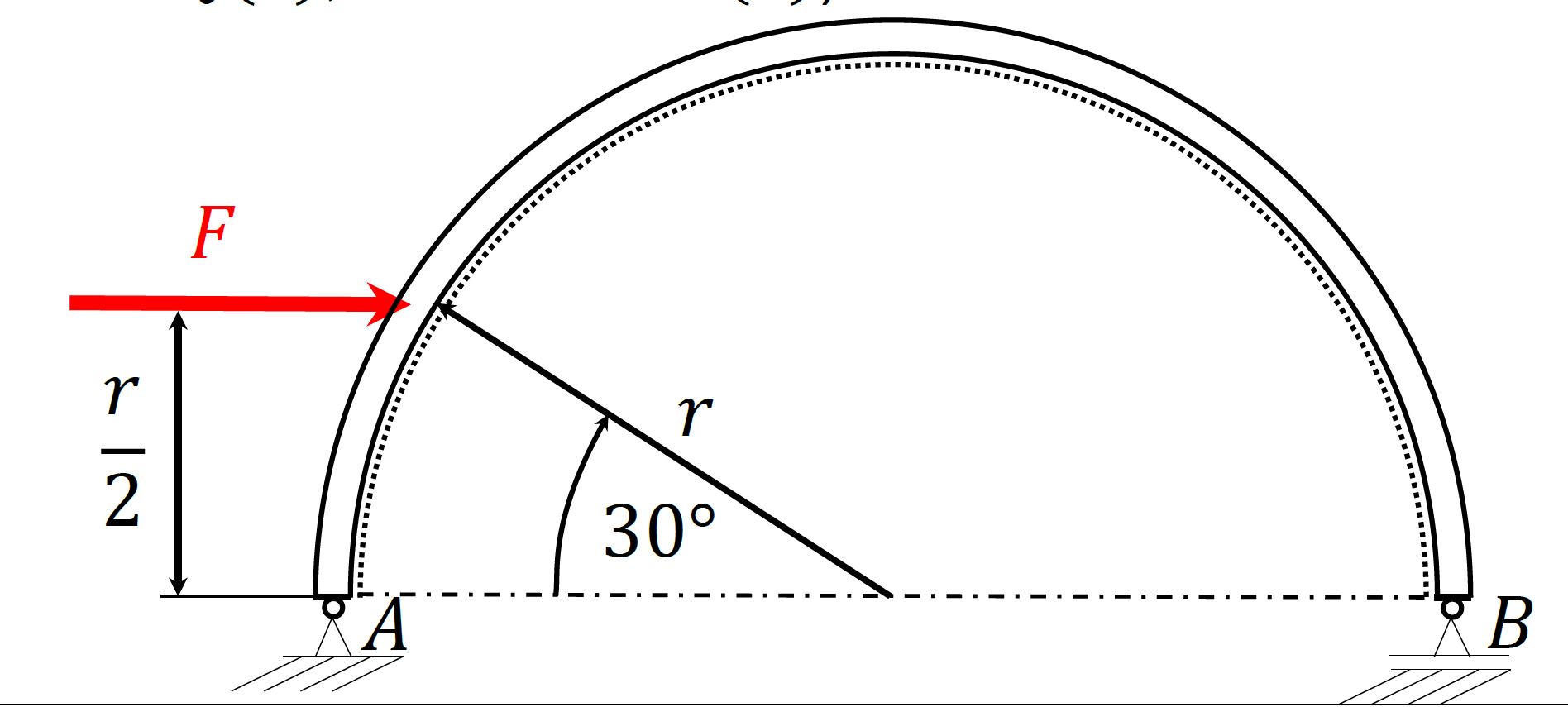
Compute the stress curves for the half-circular arch beam


“De re aedificatoria” | Leon Battista Alberti
Christianity is surging in America.
We will not become Europe.
— Eric Daugherty (@EricLDaugh) October 25, 2025
Compute the stress curves for the half-circular arch beam
“It is at leaving the college and entering the world that the education of youth begins…
It is less uniform than that of childhood but more dependent on chance, and doubtless more important.
The youth is then attacked by a greater number of sensations: all that surrounds him strikes him,
and strikes him forcibly.”
— Claude-Adrien Helvétius (A Treatise on Man)
Constructor University (formerly, Jacobs University Bremen Germany) Graduation Band: “Freebird”
Intercollegiate Studies Institute | What Makes the West Strong (Sir Roger Scruton)

Internet Archive: “Catcher in the Rye” 1951 , J.D. Salinger
Harold Bloom’s Catcher in the Rye Critical Readings
Selected quotes:
“I’m quite illiterate, but I read a lot.”
“It’s funny. All you have to do is say something nobody understands and they’ll do practically anything you want them to.”
“The mark of the immature man is that he wants to die nobly for a cause, while the mark of the mature man is that he wants to live humbly for one.”
“I like it when somebody gets excited about something. It’s nice.”
“If a girl looks swell when she meets you, who gives a damn if she’s late? Nobody.”
Related:
“For Esme, with Love and Squalor” 1950, J.D. Salinger
— Edward Elderman (@edwereddie) November 26, 2025
BSI Group: Consumer, Retail & Food Standards
Higher Education (Freedom of Speech) Act 2023

This British festive pastry has origins dating back to the 13th century when European Crusaders returned from the Middle East with recipes containing meats, fruits, and spices. These early pies, known as “mincemeat pies,” combined minced meat (usually mutton), suet, fruits, and spices such as cinnamon, cloves, and nutmeg, symbolizing the gifts of the Magi. In the 16th century, the pies were rectangular, representing Jesus’ crib.
Over time, the meat content reduced, and by the Victorian era, the recipe had evolved to primarily include dried fruits, suet, and spices, aligning with the modern version of the mince pie. Traditionally enjoyed during the Christmas season, mince pies are now small, round pastries filled with a mixture called mincemeat, which typically contains no meat but a blend of dried fruits, sugar, spices, and sometimes brandy or other spirits.
Good luck to all candidates doing their Oxford interviews over the next couple of weeks 🤞
📷 Instagram | Juncao_Oxford#ApplyingToOxford pic.twitter.com/sqj0LpKdgD
— University of Oxford (@UniofOxford) December 9, 2024
Last night, after a 3 year break, we were delighted to once again host our Festive Networking Drinks 🎄 in person, at the Oxford & Cambridge Club, London.
We had a great turn out with almost 60 fellows, students & alumni braving the cold to socialise & network with their peers. pic.twitter.com/WX7aVskMsi— Kellogg College, University of Oxford (@KelloggOx) December 14, 2022
Which one of those bright little dots is the city of Ellinwood, KS? That's where I spent an enjoyable morning presenting a #planetarium show to the 7th graders at Ellinwood Middle School. Thanks to teacher Kelsie Riedl for having me back to work with her students again this year! pic.twitter.com/pq3g0Zg4XF
— Ad Astra Planetarium (@aa_planetarium) December 15, 2025
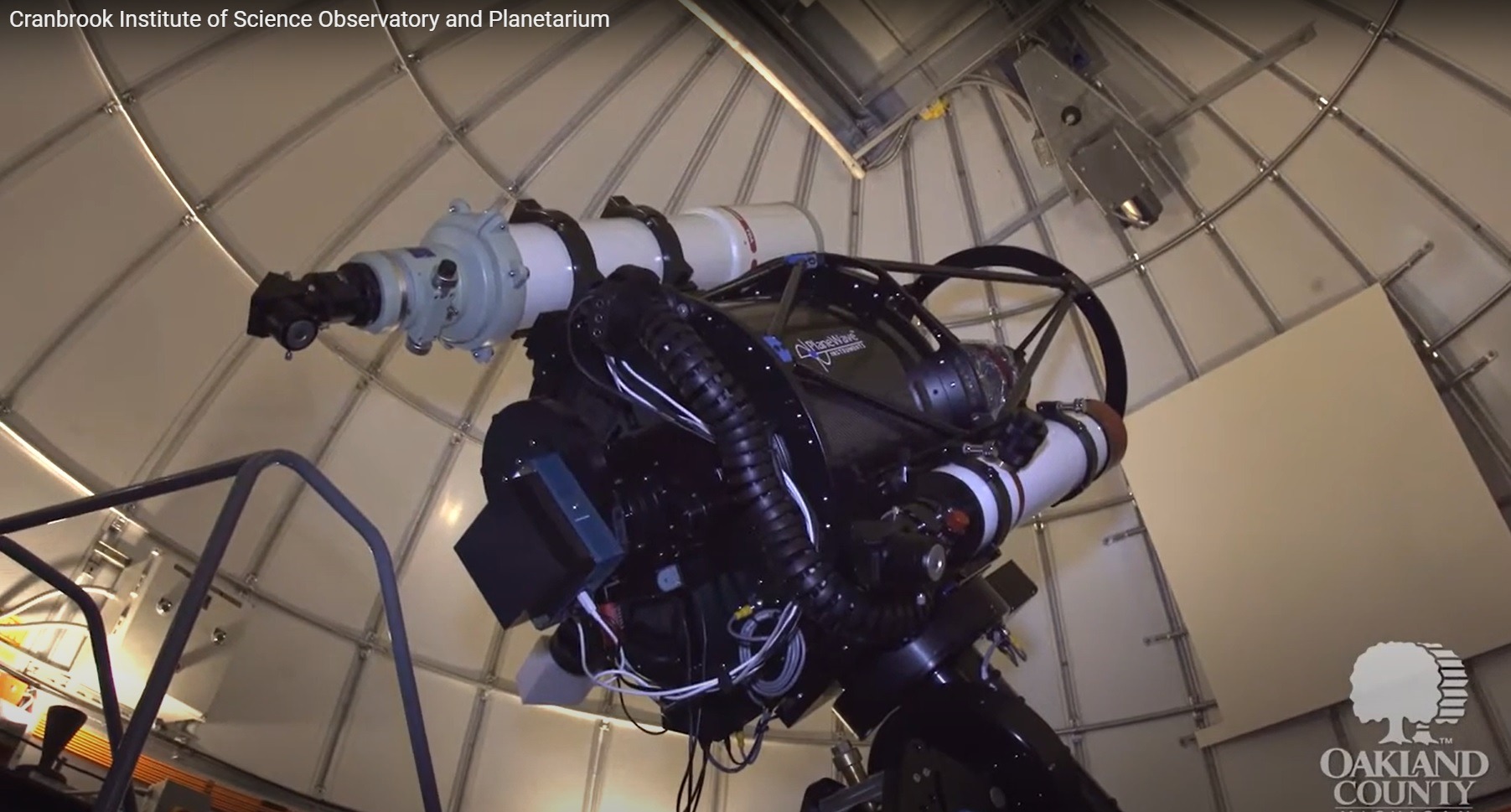
Cranbrook Academy | Oakland County Michigan

Occupancy classifications inform every dimension and every discipline of the built environment. Classifications are grouped primarily based on their relative fire hazard and life safety properties such as how many people will be in the area, are there hazardous materials or manufacturing, and are people sleeping, cooking, living etc. Getting people and animals out of a built space with an unobstructed egress path to exit buildings, structures, and spaces inform occupancy classifications. A means of egress is comprised of exit access, exit, and exit discharge.
Maine Major Capital School Construction Programs | Maine Farm Safety Programs
Maine Extension Homemakers Newsletter, January-February-March 2025
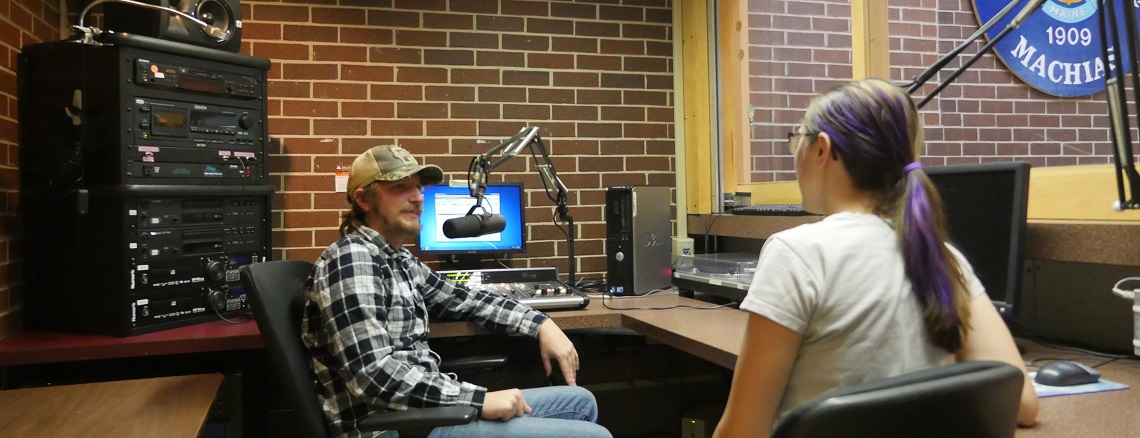
Radio Machias WUUM 91.1 MHz FM
Our volunteers are busy, 78.3% of our volunteers serve other organizations.
Maine 4-H Volunteers, where else do you volunteer?
FMI on how you can give a little or give a lot of your time: https://t.co/9CZycRe80H #NE4HVolunteer
N E Reg Vol Impact Survey, 2020 pic.twitter.com/8q6MSEGfYj— UMaine Extension (@UMaineExtension) April 22, 2022
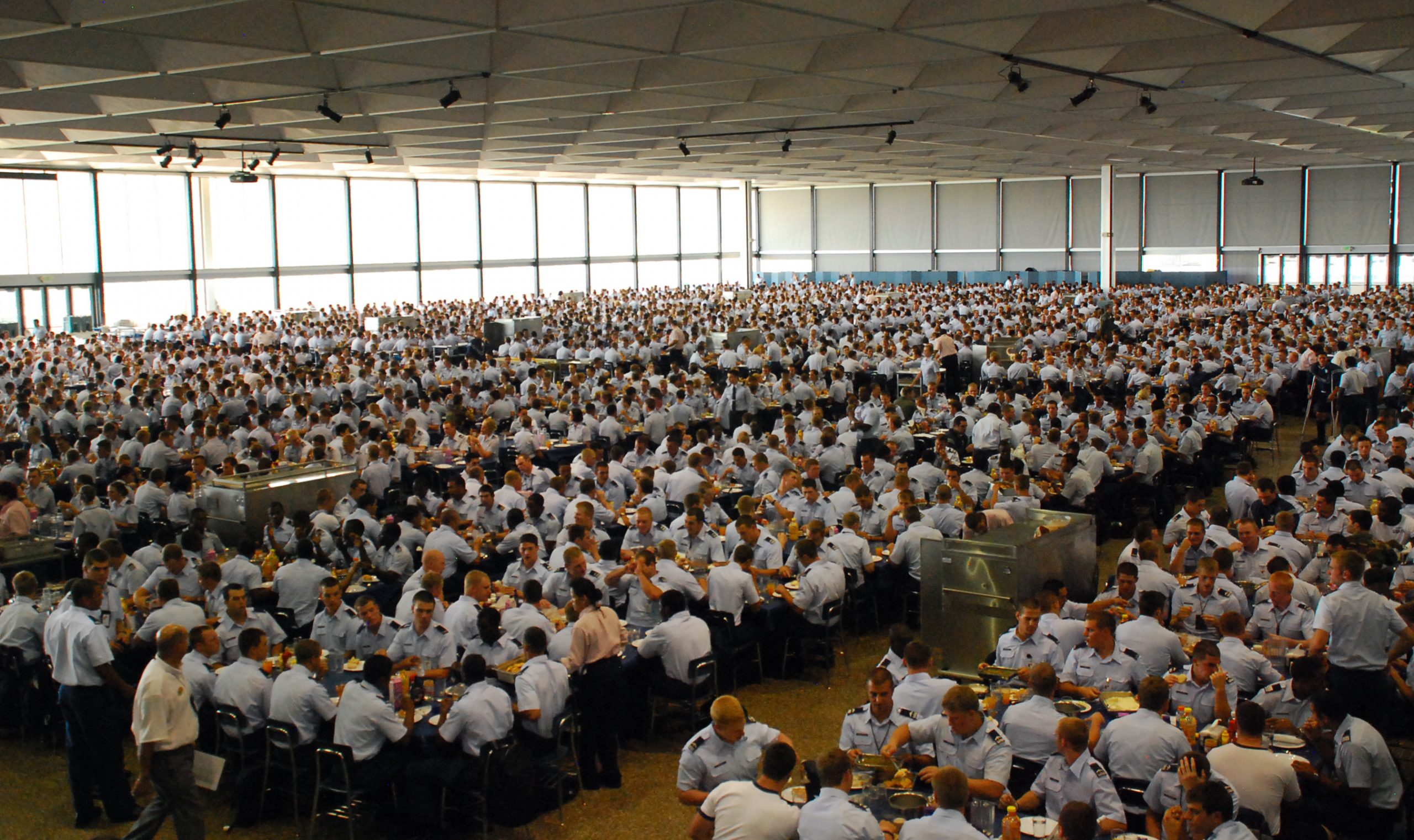
United States Air Force Military Academy
Commercial kitchens in school cafeterias and college dormitories are designed to meet strict health and safety standards, accommodate high-volume food production, and provide nutritious meals to students in an efficient and organized manner. Some common features:
Owing to the complexity of the domain, starting 2023 we will break down the standards for education community safety and sustainability into two separate colloquia:
Kitchens 100 will deal primarily safety — fire, shock hazard, sanitation, floors, etc.
Kitchens 300 will deal with sustainability criteria in large commercial kitchens common in school cafeterias, dormitories, sports venues and hospitals.
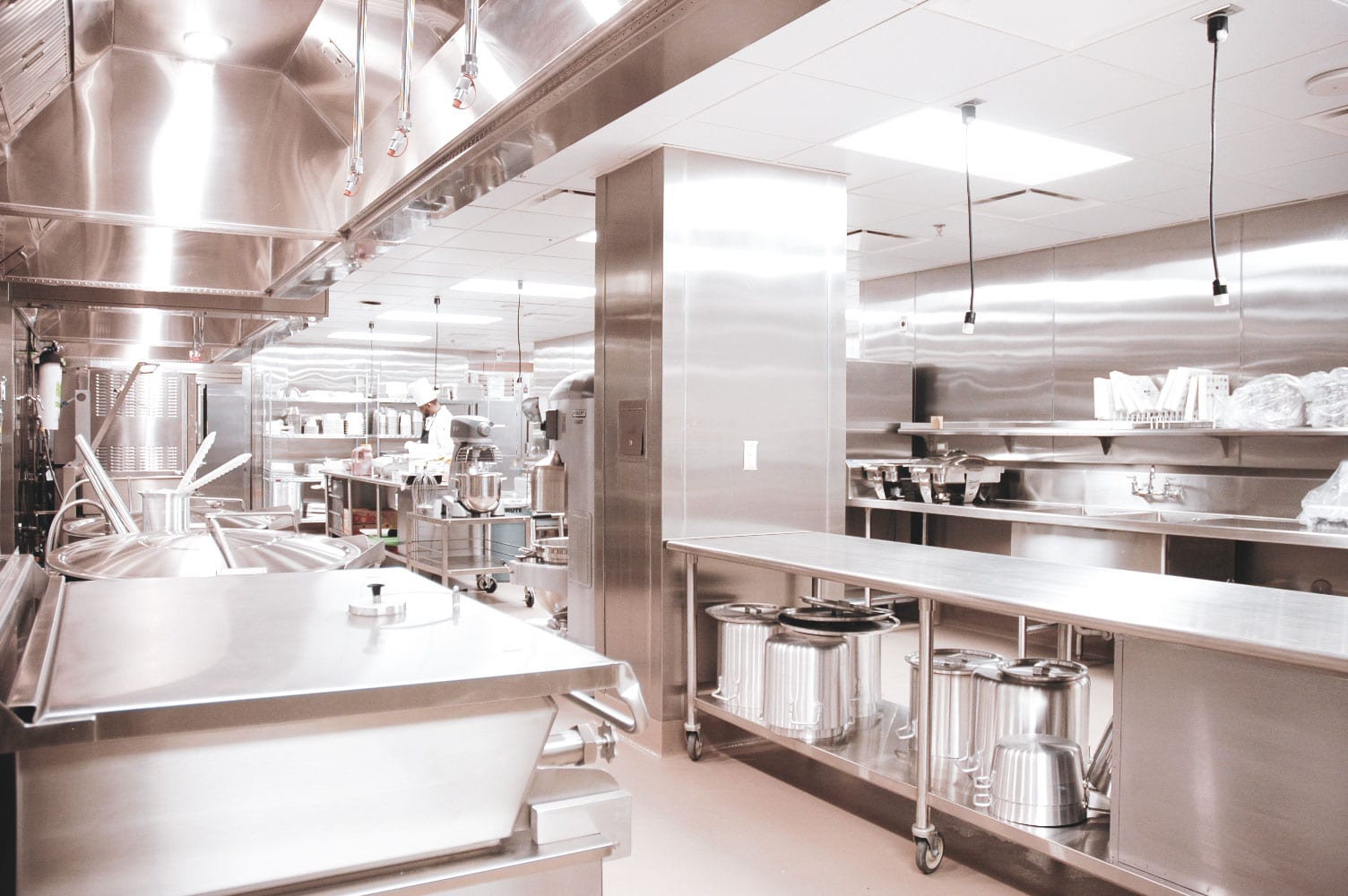
Williams P. Clements Jr. University Hospital
Owing to the complexity of the domain, starting 2023 we will break down the standards for education community safety and sustainability into two separate colloquia:
Kitchens 100 will deal primarily safety — fire, shock hazard, sanitation, floors, etc.
Kitchens 300 will deal with sustainability criteria in large commercial kitchens common in school cafeterias, dormitories, sports venues and hospitals.
Relevant catalogs:
3-A Sanitary Standards
AGA Response to The Atlantic Article about Natural Gas Cooking
ASHRAE International
Ventilation for Commercial Cooking Operations
ASTM International
Institute of Electrical and Electronic Engineers
Noteworthy Research:
Design Application of Smart Kitchen for Aging Based on Interactive Behavior Analysis
A Futuristic Kitchen Assistant – Powered by Artificial Intelligence and Robotics
Environmental analyses of waste cooking oil recycling and complete use practices in Bogor, Indonesia
IAPMO International
Prefabricated Gravity Grease Interceptors
International Code Council
International Building Code Sections 303 Commercial Kitchens
National Fire Protection Association
National Electrical Code
Standard for the Installation of Air-Conditioning and Ventilating Systems
The Association for Packaging and Processing Technologies
We will also review federal and state-level regulatory action. Open to everyone. Use the login credentials at the upper right of our home page.
Related:

God walks among the pots and pans.
— Saint Teresa of Ávila c.1582
One of the concentrated risk aggregations in any school district, college, university and technical school, athletic venues and university-affiliated healthcare systems, rests in the food preparation units. On a typical large research university there are hundreds of kitchens in dormitories, student unions, athletic venues, hospitals and — to a surprising degree — kitchen facilities are showing up in classroom buildings. Kitchens that used to be located on the periphery of campus and run by private industry are now moving into instructional spaces and operated by private food service vendors.
Food preparation facilities present safety challenges that are on the same scale as district energy plants, athletic concession units, media production facilities and hospital operating rooms. There are 20 accredited standards setting organizations administering leading practice discovery in this space. Some of them concerned with fire safety; others concerned with energy conservation in kitchens, still others concerned with sanitation. The International Kitchen Exhaust Cleaning Association is one of the first names in this space and maintains an accessible standards development home page; linked below:

The IKECA catalog of titles establish a standard of care for cleaning activity that fills gaps in related ASHRAE, ASME, ICC and NFPA titles. For example:
IKECA I10 Standard for the Methodology for Inspection of Commercial Kitchen Exhaust Systems
IKECA C10 Standard for the Methodology for Cleaning Commercial Kitchen Exhaust Systems
Hazards posed by un-maintained exhaust systems are covered in the NFPA Report: Structure Fires in Eating and Drinking Establishments

Princeton University Teaching Kitchen
We encourage subject matter experts in food enterprises in the education industry to communicate directly with John Dixon at IKCEA (jdixon@fernley.com) or Elizabeth Franks, (215) 320-3876, information@ikeca.org, International Kitchen Exhaust Cleaning Association, 100 North 20th Street, Suite 400, Philadelphia, PA 19103.
We are happy to get specific about how the IKECA suite contributes to lower education community cost during our Food teleconferences. See our CALENDAR for the next online meeting; open to everyone.
Issue: [18-24]
Category: Facility Asset Management
Colleagues: Larry Spielvogel, Richard Robben
LEARN MORE:
Dormitories, Fraternities, Sororities and Barracks
Keele University “Look When You Cook”
Commercial Kitchen Ventilation
Traps, Interceptors and Separators
New update alert! The 2022 update to the Trademark Assignment Dataset is now available online. Find 1.29 million trademark assignments, involving 2.28 million unique trademark properties issued by the USPTO between March 1952 and January 2023: https://t.co/njrDAbSpwB pic.twitter.com/GkAXrHoQ9T
— USPTO (@uspto) July 13, 2023
Standards Michigan Group, LLC
2723 South State Street | Suite 150
Ann Arbor, MI 48104 USA
888-746-3670
 |
 |
|
 |
 |
|
 |
 |