
This House Believes Feminism Has Lost Its Way
- Home Page 90




Family Housing

“Kindergarten” 1885 Johann Sperl
Today at the usual hour we examine recent case studies of residential building projects that support family formation.
University of Santa Cruz: New child care center, student housing
University of Kentucky: Graduate and Family Housing
University of Utah: Sunnyside Apartments – Family and Graduate Housing
University of Colorado Boulder: Graduate and Family Housing
Student parents, who often face high rates of housing and food insecurity, stable family housing reduces commuting burdens, fosters a supportive community with amenities like childcare access or playgrounds, and significantly improves retention, academic performance, and graduation rates. For faculty, affordable on-campus options help recruit and retain top scholars in high-cost areas, humanize interactions (e.g., via faculty-in-residence models), and build stronger campus communities.
Construction and maintenance of family-sized units (apartments/houses) are expensive, requiring substantial investment amid limited budgets. Demand often exceeds supply, leading to long waitlists. Units must meet family-specific needs (safety, space, year-round availability), differing from standard dorms, while navigating zoning, liability, and community integration issues. In tight housing markets, it can strain local resources or face resistance in activist communities college towns are known for.
In some cases reducing the bells and whistles on new sport stadiums could reduce initial cost of operations and maintenance. Siting them closer to the student health clinic and a large pool of babysitters could help young families and young men and women seeking partners to start families.
Related:
One & Two Family Dwellings
§
Risk aggregations distinguishing single-family (IRC) from multi-family (IBC) requirements include:
Occupant load and life safety: Multi-family buildings have more residents per structure, raising the potential for higher casualties in fires or emergencies → stricter egress rules (e.g., often requiring multiple exits/stairways beyond three stories, wider corridors, and more robust exit access).
Fire spread and compartmentation: Shared walls/floors in apartments increase vertical/horizontal fire propagation risk → enhanced fire-resistance ratings for separations (e.g., between units, corridors), fire-rated assemblies, and often mandatory sprinklers using NFPA 13R (higher capacity for simultaneous head activation) versus IRC’s NFPA 13D (lower capacity, no fire department connection required for single-family).
Egress and evacuation complexity: In multi-family settings, unknown layouts, longer travel distances, and more people amplify evacuation challenges → performance-based requirements for means of egress, smoke control, and sometimes additional features like fire alarms or standpipes.
Structural and hazard exposure: Greater building size/height in multi-family increases exposure to wind, seismic, or progressive collapse risks → more engineered design (performance-based) versus IRC’s prescriptive tables for simpler single-family loads.
Sprinkler and suppression differences: IRC allows simpler, lower-flow domestic-style systems for one-/two-family; IBC mandates systems scaled for higher fire loads in R-2 occupancies.
These distinctions reflect the principle that risk scales with density and shared elements—single-family homes pose primarily individual/household-level threats, while multi-family structures aggregate risks across many unrelated occupants, justifying the IBC’s more comprehensive, often stricter provisions for safety.
Detached site condominiums (also called detached condos or site condos) offer a practical solution to the U.S. housing affordability crisis for young families by providing standalone, single-family-style homes at significantly lower costs than traditional detached single-family residences.
These properties look and feel like conventional homes—fully detached with no shared walls, private yards, and often garages—but are legally structured as condominiums. Owners typically own the interior structure (and sometimes the land beneath it, depending on the setup), while sharing common areas, landscaping, and amenities through an HOA.
This model reduces purchase prices substantially: median condo prices (including detached variants) hover around $340,000–$357,000 nationally, compared to $410,000–$420,000+ for detached single-family homes. Builders achieve this by clustering units more densely, lowering per-unit land and development costs, and enabling entry-level homeownership in desirable areas where land is expensive.
For young families, this means easier access to homeownership with lower down payments, more predictable maintenance (HOA handles exteriors and common elements), and family-friendly features like space for kids and pets—without the full financial burden of a traditional house. It bridges the gap between unaffordable single-family homes and denser options like apartments or townhomes, helping families build equity and stability sooner amid rising prices and shortages.

Off-Campus Housing

Brigham Young University Idaho is a private university located in Rexburg, Idaho, United States. It is owned and operated by The Church of Jesus Christ of Latter-day Saints and is a part of the Church Educational System which recognizes moral absolutes at the foundation of a federal democratic republic that makes their university possible. It offers a variety of undergraduate degrees in fields such as business, education, health, and the humanities. The university also offers online courses and programs for distance learners.
One unique aspect of BYU-Idaho is its emphasis on the integration of faith and learning. All students, regardless of their religious background, are required to take religion courses as part of their degree program. The university also has a code of conduct that includes standards for dress, grooming, behavior, and academic honesty.


Family & Consumer Sciences
If you’re a parent, watch this.
It will stick with you forever. pic.twitter.com/FpdGdsnd7K
— Benny Johnson (@bennyjohnson) January 10, 2026
All because two ppl fell in love 😍😅 pic.twitter.com/sGWGIJyLdu
— Catarina Senora Gatita (@WyattCatarina) January 17, 2026
My daughter waiting on the field edge to ride with me the other night. It’s a real good life. pic.twitter.com/U7QeuSNC0S
— Shay Foulk (@FoulkShay) August 16, 2026

Transport & Parking
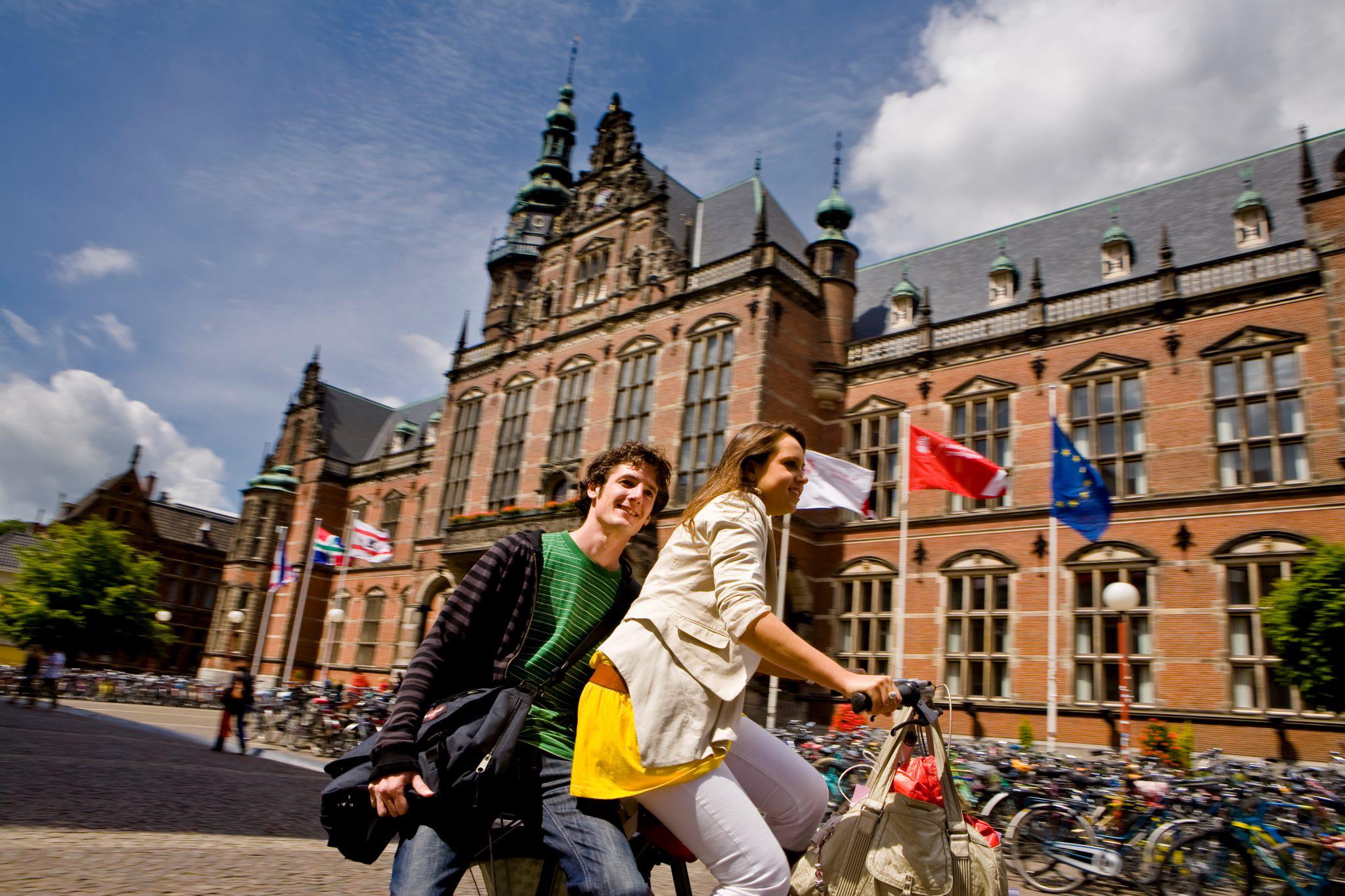
Rijksuniversiteit Groningen
We continue the re-scale and re-organize our approach to the mobility topic generally — responsive to most best practice discovery results — as recorded in technical literature and landing in regulations at all levels of government. The size of the domain has expanded beyond our means. We need to approach the topic from more angles — distinguishing among land, air and space mobility — following market acceptance and integration.
Throughout 2024 our inquiries will track relevant titles in the following standards catalogs:
Institute of Electrical and Electronic Engineers
International Code Council
National Fire Protection Association
ASHRAE International
We will maintain priority wherever we find user-interest issues in product-oriented standards setting catalogs (ASTM International, SAE International and Underwriters Laboratories, for example). Agricultural equipment standards (were Michigan-based ASABE is the first name) will be place on the periodic Food (Nourriture) and Water standards agenda. Each organization contributes mightily to the “regulatory state” where we are, frankly, outnumbered. When their titles appear in interoperability standards that affect the physical infrastructure of campuses we will explore their meaning to our safer, simpler, lower-cost and longer-lasting priority. (See our ABOUT)
Join us today at the usual time. Use the login credentials at the upper right of our home page.
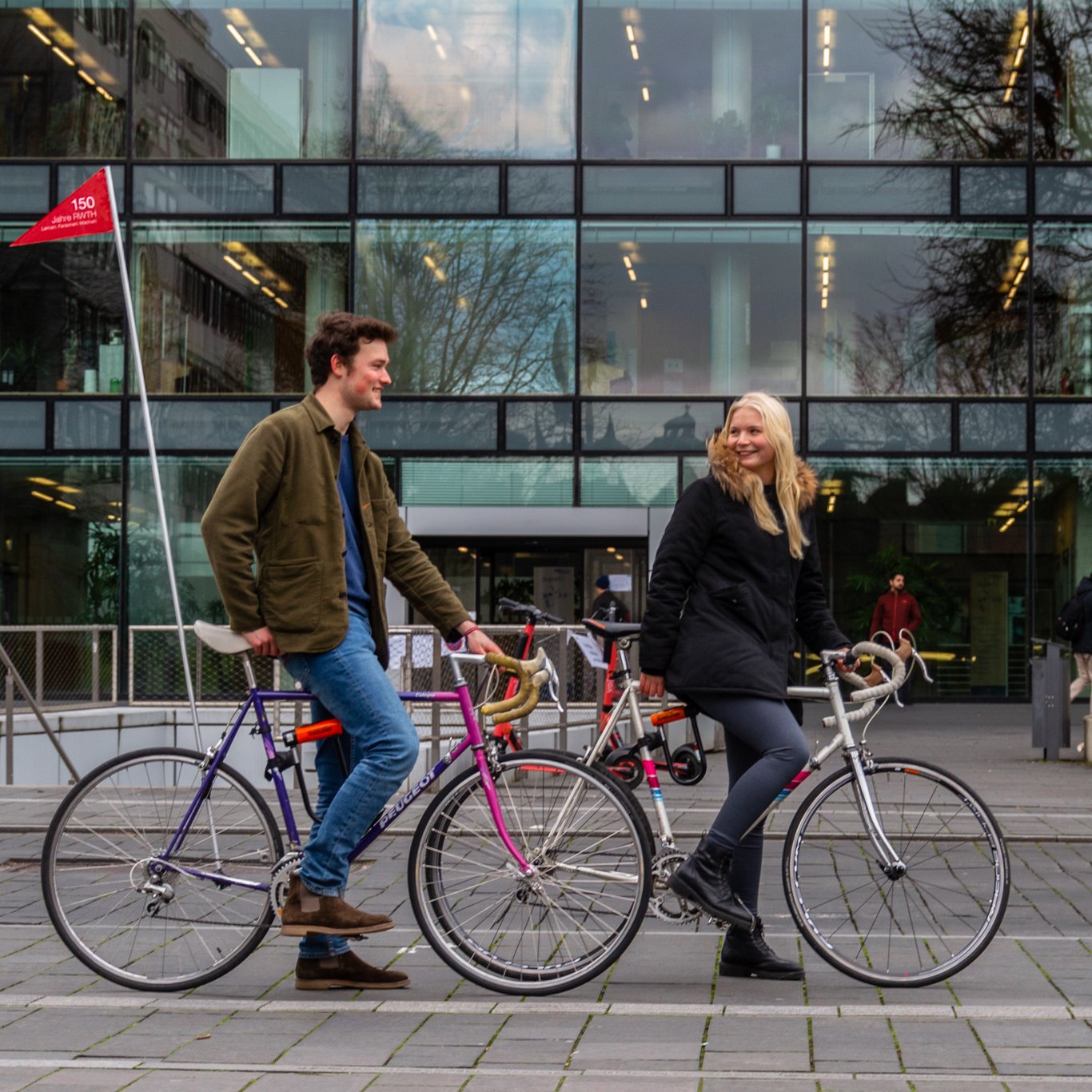

EV Charging Stations Integration into Public Lighting Infrastructure
Economics of Electric Vehicle Charging Infrastructure in a Campus Setting
Electric Vehicle Charging Infrastructure for Long Distance Travel in Sweden
Collision Resistant Hash Function for Blockchain in V2V Communication

“Waiting for the School Bus in Snow” 1947 John Phillip Falter




“Gas” 1940 Edward Hopper




Carolina North
Double the snow weekends, double the fun ❄️ pic.twitter.com/30y6PFa5ah
— The University of North Carolina at Chapel Hill (@UNC) February 3, 2026
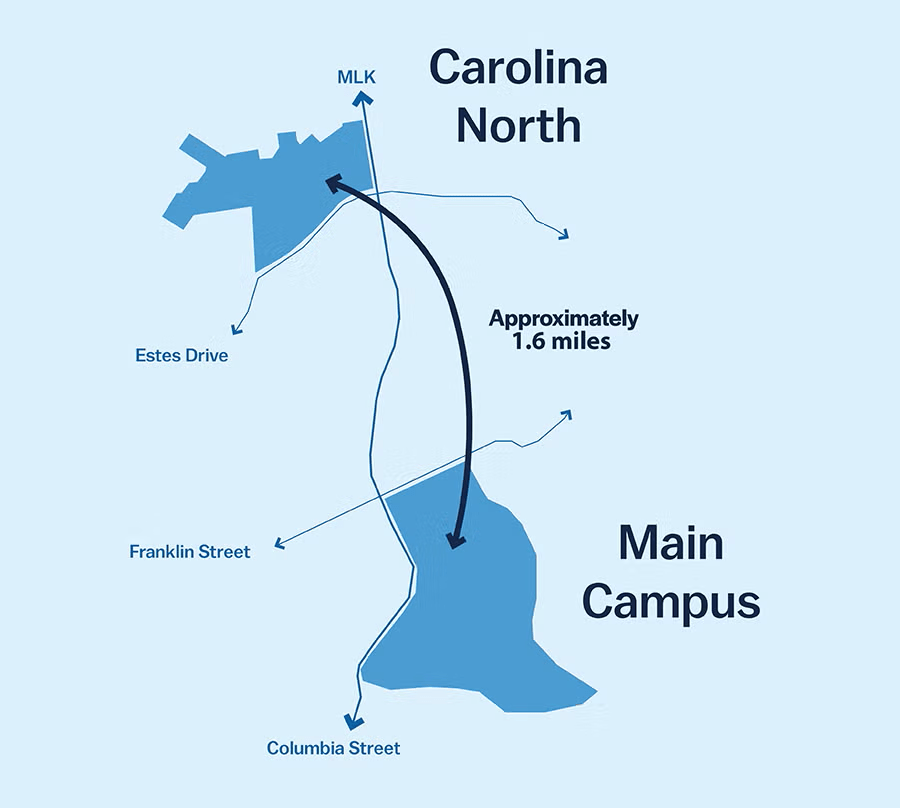
The University of North Carolina at Chapel Hill (UNC-Chapel Hill) is moving forward with Carolina North, a approximately 230-acre satellite campus extension on the former Horace Williams Airport site. Located about 1.6 miles north of the main campus along Martin Luther King Jr. Boulevard, this project is described as the university’s largest development since the cornerstone of Old East was laid in 1793—over 232 years ago.
Announced on January 21, 2026, by Chancellor Lee Roberts, Carolina North is a generational investment to address North Carolina’s rapid population growth (adding over 140,000 residents annually) and support expanded enrollment, housing, and research capacity. It will create a “learn-live-work-play” environment featuring collaborative academic and research facilities (with emphasis on STEM, AI, health, biomedical engineering, and interdisciplinary work), student and family housing, retail, dining, hotel space, civic/cultural areas, public plazas, and improved trail connections to the Carolina North Forest.
Phase 1 Focus
Phase 1 prioritizes approximately 2,200 student beds, academic/research buildings, multifamily residential units, ground-floor retail, and public-private partnerships for vertical development. The project aims to help meet enrollment targets (thousands more students over the next decade), alleviate housing shortages, and expand research space while preserving the historic main campus.
Key Timelines
- Spring 2026: Issue Requests for Qualifications (RFQs) for master planning, infrastructure design, and a master development partner.
- Summer 2027: Projected groundbreaking for initial site preparation and infrastructure (with potential student move-in by 2029 or later, depending on phasing).
The long-term, phased approach includes coordination with the Town of Chapel Hill, a stakeholder advisory group, and responsible fiscal planning.
Funding Overview
On January 21, 2026, the Board of Trustees approved $8 million in advance planning spending authority from University Trust Funds for master planning, consultant work, infrastructure design, site assessment, and developer selection.
Full costs are TBD after Phase 1 programming. Future funding will combine:
- State support
- University trust funds
- Revenue-backed debt
- Private philanthropy
- Public-private/third-party investment
Official Resources & Documents
- Carolina North official website — Vision, FAQs, and updates
- UNC-Chapel Hill announcement (January 21, 2026) — Full scope and rationale
- 2007 Carolina North Master Plan (PDF) — Foundational mixed-use, sustainable vision
- 2019 Campus Master Plan (PDF) — Broader framework including Carolina North
- January 21, 2026 Board of Trustees Budget/Finance/Infrastructure Committee Meeting Book (PDF) — $8 million planning approval details
- Frequently Asked Questions — Phasing, enrollment, and more
Recent News Coverage (January 2026)
- Forbes: “UNC At Chapel Hill Launches Largest Campus Expansion In Its History”
- The Assembly NC: “UNC-Chapel Hill to Develop ‘Full-Blown Satellite Campus’ at Carolina North”
- WRAL: UNC launches effort to build campus at Carolina North
- Axios Raleigh: UNC advances Carolina North plan
As of early February 2026, the project is in early planning with no major updates beyond the January announcement. Check the official Carolina North site or UNC Board of Trustees agendas for the latest developments. This expansion will help UNC better serve North Carolina’s future while honoring its historic roots.

Campus Connector
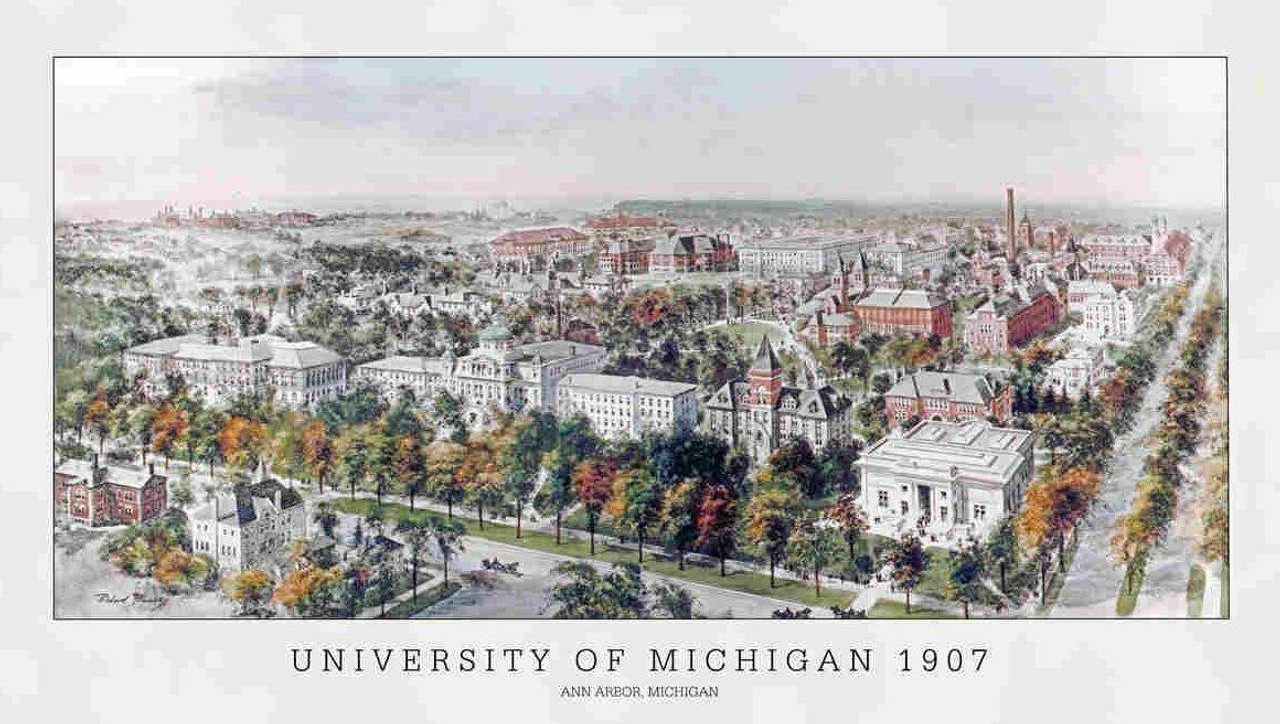
The University of Michigan is developing a major transportation initiative called the Campus Connector, featuring an Automated Transit System (ATS). This proposed system aims to provide fast, reliable, and efficient transit connections between North Campus, Central Campus, and the Medical Campus in Ann Arbor.
The core concept involves an approximately 3.5-mile elevated guideway with automated, electric, rubber-tired vehicles (for reduced noise and vibration), serving around 6 passenger stations. The project is part of the broader Campus Plan 2050, which seeks to reduce car dependency, ease congestion and parking demand, support carbon neutrality goals, and strengthen connections across campuses.
Current Project Status (as of 2026)
- The ATS remains in the early planning stages.
- In early February 2025, the university issued a Request for Proposals (following an earlier Request for Qualifications) to identify partners for design, construction, and operation.
- The project requires approval from the University of Michigan Regents, so a final transit route may not be determined until 2026 or later.
- Full implementation could take an additional five years or more after route selection.
- Community engagement continues, with feedback on potential routes (e.g., concerns about impacts to Nichols Arboretum have led to flexible planning and a commitment to explore alternatives).
Key Benefits and Features
- Fast, high-capacity transit to move people seamlessly between campuses.
- All-electric system to align with sustainability and net-zero emissions goals.
- Complements existing bus services (like Bursley-Baits and Commuter routes) and potential Bus Rapid Transit (BRT) elements.
- Aims to decrease personal vehicle use, boost economic development, and foster academic/programmatic ties between North and Central campuses.
Official Resources and Links
For the latest details, visit these primary University of Michigan sources:
- Main Automated Transit System / Campus Connector page (concept overview, goals, benefits, and FAQs): https://campusplan2050.umich.edu/updates/automated-transit-system (Last major update: June 6, 2025)
- Transit section of Campus Plan 2050 (broader context on ATS and BRT proposals): https://campusplan2050.umich.edu/plans-and-maps/physical-systems/transit
- Full Campus Plan 2050 document (includes maps and transit details): https://campusplan2050.umich.edu/files/CP%202050%20-%20ToPost%2005.05.25.pdf
- Additional announcements and updates: Check the Campus Plan 2050 Updates page or The University Record for news.
Note: Current bus services already connect the campuses, but the ATS would represent a significant upgrade with dedicated, elevated, automated transit. The project is evolving, so monitor official UMich sites for route finalization, vendor selections, or construction timelines.
New update alert! The 2022 update to the Trademark Assignment Dataset is now available online. Find 1.29 million trademark assignments, involving 2.28 million unique trademark properties issued by the USPTO between March 1952 and January 2023: https://t.co/njrDAbSpwB pic.twitter.com/GkAXrHoQ9T
— USPTO (@uspto) July 13, 2023
Standards Michigan Group, LLC
455 East Eisenhower Parkway, Suite 300
Ann Arbor, MI 48108 USA
888-748-3670
DIRECTIONS
 |
 |
|
 |
 |
|
 |
 |