Facilities Operations and Development | Office of Student Life: How to Operate a Fire Extinguisher

Click Image

Why Are So Many Women Not Having Children?


Facilities Operations and Development | Office of Student Life: How to Operate a Fire Extinguisher
Click Image
Why Are So Many Women Not Having Children?
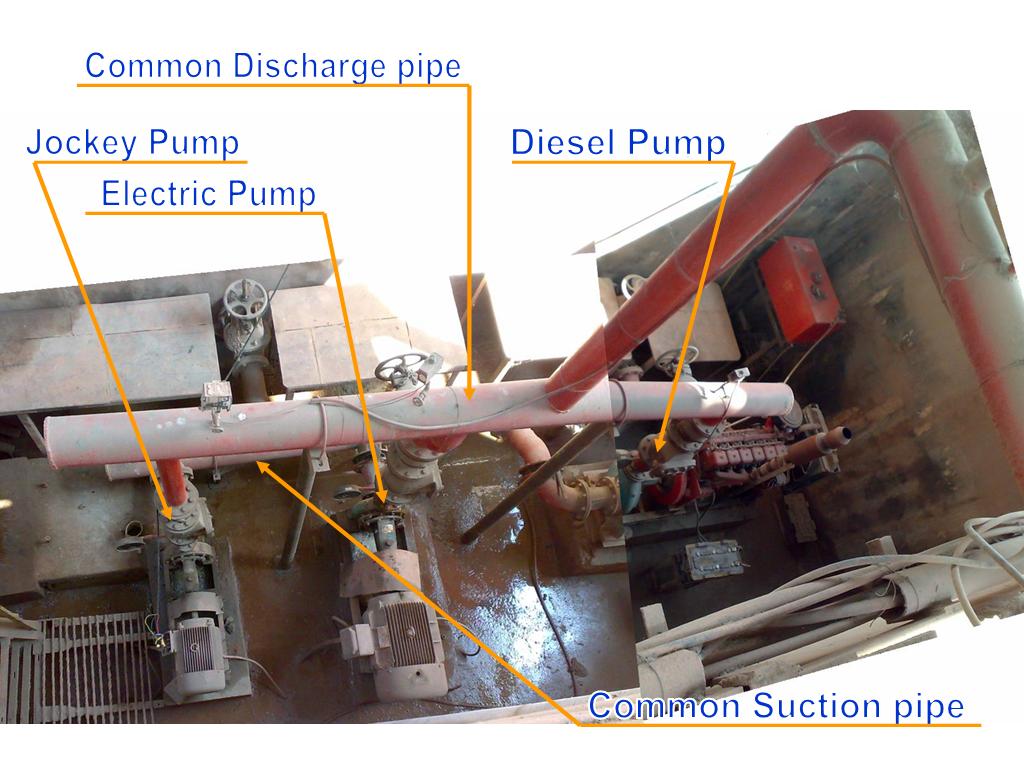

Reliability Analysis for Power to Fire Pump Using Fault Tree and RBD
Robert Schuerger | HP Critical Facilities (Project Lead, Corresponding Author)
Robert Arno | ITT Excelis Information Systems
Neal Dowling | MTechnology
Michael A. Anthony | University of Michigan
Abstract: One of the most common questions in the early stages of designing a new facility is whether the normal utility supply to a fire pump is reliable enough to “tap ahead of the main” or whether the fire pump supply is so unreliable that it must have an emergency power source, typically an on-site generator. Apart from the obligation to meet life safety objectives, it is not uncommon that capital on the order of 100000to1 million is at stake for a fire pump backup source. Until now, that decision has only been answered with intuition – using a combination of utility outage history and anecdotes about what has worked before. There are processes for making the decision about whether a facility needs a second source of power using quantitative analysis. Fault tree analysis and reliability block diagram are two quantitative methods used in reliability engineering for assessing risk. This paper will use a simple one line for the power to a fire pump to show how each of these techniques can be used to calculate the reliability of electric power to a fire pump. This paper will also discuss the strengths and weakness of the two methods. The hope is that these methods will begin tracking in the National Fire Protection Association documents that deal with fire pump power sources and can be used as another tool to inform design engineers and authorities having jurisdiction about public safety and property protection. These methods will enlighten decisions about the relative cost of risk control with quantitative information about the incremental cost of additional 9’s of operational availability.

CLICK HERE to order complete paper
Standards Indiana | Indiana University Total Net Position: $5.223B
Evie Mendelsohn: Campus Symphony – The Art and Architecture of Indiana University
“Beau Soir” 1878 Claude Debussy
Abhik Mazuimder & Bryson Karrer
Indiana University @IUJSoM
print(“Evensong”)https://t.co/vgfbVyudWM pic.twitter.com/fznFUJZHMK— Standards Michigan (@StandardsMich) September 26, 2022
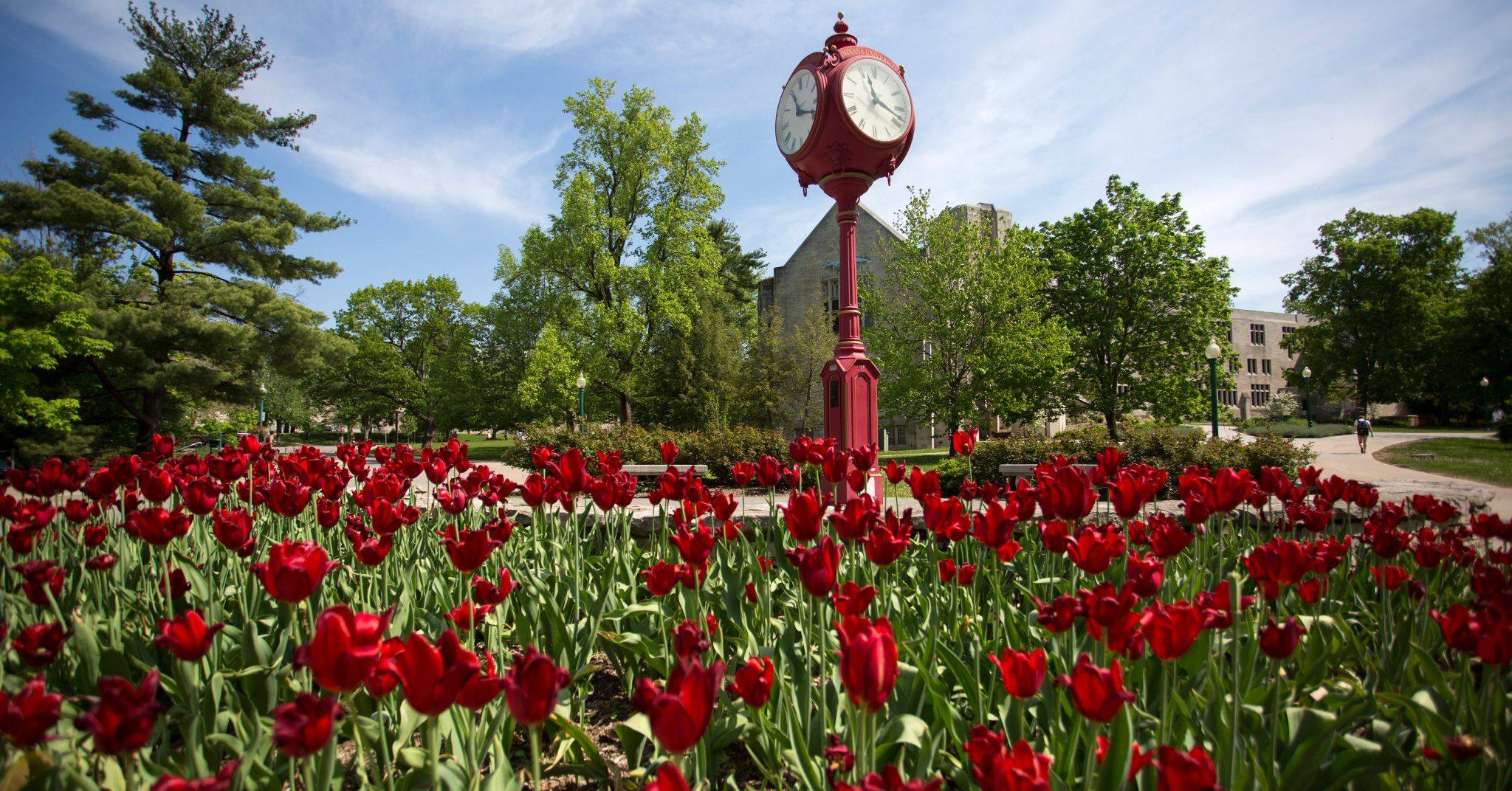
I taught these boys (grown men!) when they were just 6 and now they are graduating from college 😮 pic.twitter.com/eNmVf6HiXy
— Sarah Oberle (@S_Oberle) May 21, 2024
Sometimes there are no standards; only comparisons. An examination of representative essential works (infrastructure) charges that appear on student invoices.
“The Consummation of Empire” 1836 Thomas Cole
Room, Board & Boiler: A Selection
University of Mississippi (Ole Miss):
Capital Improvements Fee
— used to fund facility construction and improvements. The fee is assessed by term and prorated by credit hour, with a full-time maximum.
University of Oregon:
Building Fee
— supports construction and debt service for capital projects, principally student centers, health centers and recreation facilities. A separate Recreation Center Fee also supports construction, debt service, maintenance and operations.
University of Central Florida:
Capital Improvement Fee
— $6.76 per credit hour, shown separately in the university’s tuition and fee schedule.
Florida Gulf Coast University:
Capital Improvement Fee
— $6.76 per credit hour, separately identified in the published tuition and fee schedule.
Florida Atlantic University:
Capital Improvement Fee
— $6.76 per credit hour, itemized separately from tuition and other mandatory fees.
University of Kansas:
Building Fee
— separately identified among required student fees. KU also identifies facilities, maintenance and equipment charges within student health and recreation fees.
Kean University:
Capital Improvement Fee
— supports debt and qualifying renovation and construction projects. The university also identifies building maintenance and upgrades within its University Centers Fee.
Western Michigan University: Tuition and Required Fees
“Dormitory Room Fireplace” Harvard Universityhttps://t.co/zNBMdMnRjP@smithsonian @Harvardhttps://t.co/c0uk48EHJvhttps://t.co/fsZHmWLsH2 pic.twitter.com/hkvfbyu0KJ
— Standards Michigan (@StandardsMich) January 18, 2024
This content is accessible to paid subscribers. To view it please enter your password below or send mike@standardsmichigan.com a request for subscription details.
Ball State University was founded in 1918 and was originally named the Eastern Indiana Normal School and primarily a teacher’s college. The university was renamed Ball State University in 1965, in honor of the five Ball brothers, who began by manufacturing and selling wooden jacketed tin cans. In 1884, the company introduced the Ball Improved Mason Jar, which became a popular way to preserve food.
The university is home to the Center for Middletown Studies, which conducts research on the social and cultural dynamics of small-town America.

CLICK IMAGE to start livestream
 v

Ralph Vaughan Williams set a traditional English folk song of parting, fidelity and promised return—as surely as summer will return again next year.
This content is accessible to paid subscribers. To view it please enter your password below or send mike@standardsmichigan.com a request for subscription details.
“A drink to the living, a toast to the dead.”
— Some guy.
“John Barleycorn” is a figure in English and Scottish folklore who represents the personification of barley and the alcoholic beverages made from it, such as beer and whiskey. In folklore, John Barleycorn is often depicted as a person who is subjected to various forms of mistreatment and violence, such as being crushed, ground, and fermented, before eventually being reborn in the form of alcoholic beverages.
The figure of John Barleycorn has been the subject of various poems, songs, and other works of literature throughout English and Scottish history. One of the most famous works about John Barleycorn is the traditional English folk song of the same name, which tells the story of John Barleycorn’s journey from a growing plant to a fully fermented alcoholic beverage. The song has been covered by many artists over the years, including the British group Traffic.
The legend of John Barleycorn is not widely known in the United States, but it does have some cultural resonance in certain regions and among certain groups of people. The legend is a traditional British folk song that tells the story of a man named John Barleycorn, who is personified as a personification of the cereal crop barley, which is used to make beer and other alcoholic beverages. Some breweries in the US have even named beers after John Barleycorn, as a nod to the traditional English roots of brewing. The legend of John Barleycorn also has some resonance in American literature and popular culture. The American author Jack London wrote a novel titled “John Barleycorn” in 1913, which was a semi-autobiographical account of his own struggles with alcoholism. The novel has since become a classic of American literature and is still widely read today.

New update alert! The 2022 update to the Trademark Assignment Dataset is now available online. Find 1.29 million trademark assignments, involving 2.28 million unique trademark properties issued by the USPTO between March 1952 and January 2023: https://t.co/njrDAbSpwB pic.twitter.com/GkAXrHoQ9T
— USPTO (@uspto) July 13, 2023
Standards Michigan Group, LLC
455 East Eisenhower Parkway, Suite 300
Ann Arbor, MI 48108 USA
888-748-3670
 |
 |
|
 |
 |
|
 |
 |