




Tufts University Financial Statement: $4.602B
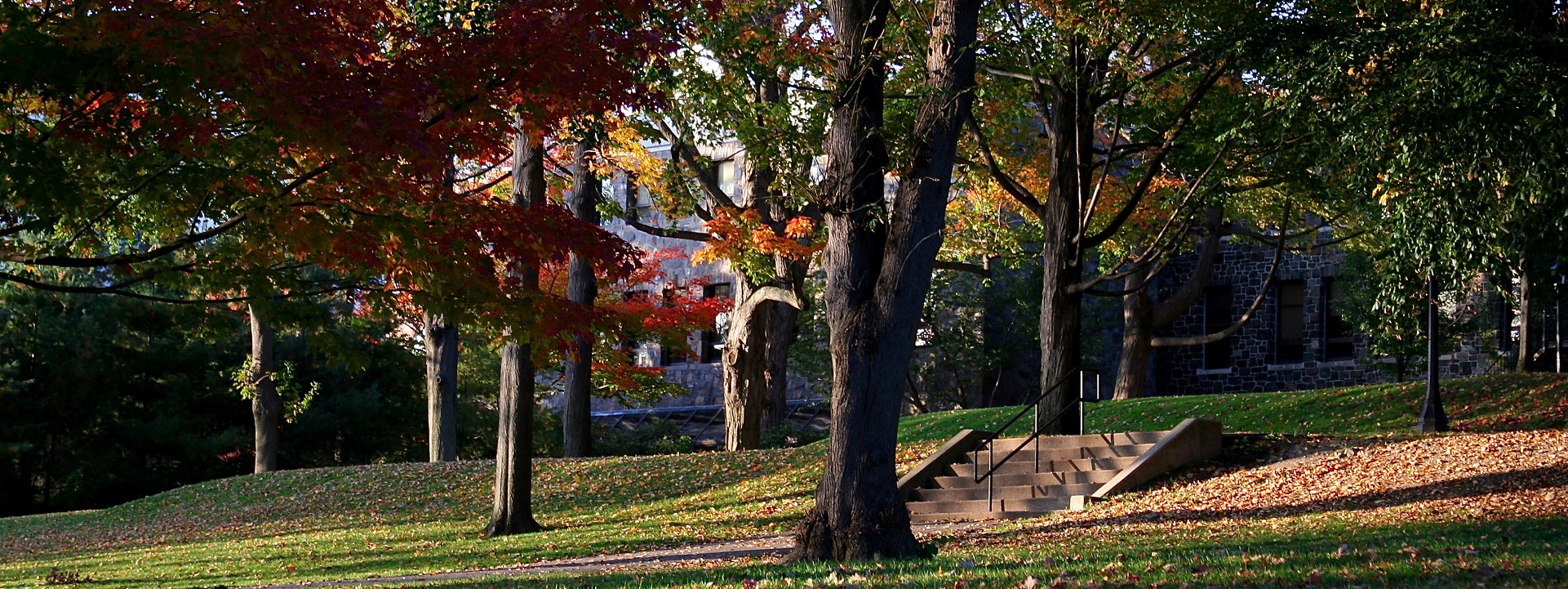
Middlesex County Massachusetts
Philanthropy — Brighter World
Tufts’ comprehensive campaign raised more than $1.5 billion from over 132,000 donors, supporting financial aid, research and campus living and learning spaces.
Tufts Giving / Brighter World
Capital — Capital Projects
Current and recent investments in housing, laboratories, engineering facilities, renovations and other physical assets across the university.
Tufts Capital Projects
Essential Works — Operations Division
Tufts describes Operations as directing the university’s “essential functions and services” across four campuses, including physical plant, construction, safety, dining, grounds and waste.
Tufts Operations Division
The word “fecund” comes from the Latin word “fecundus,” which means fertile or fruitful. Historically, it has been used to describe land, animals, or people that are capable of producing abundant offspring or vegetation.
The term conveys a sense of richness and productivity, often associated with fertility and the ability to generate new life or growth. In a broader sense, it can also be applied metaphorically to describe creative or intellectual productivity.
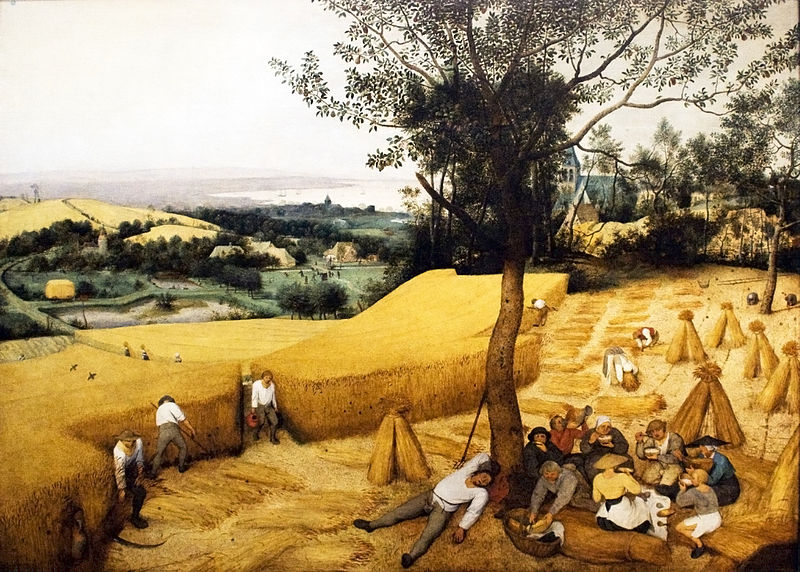
“The Harvesters” 1565 | Pieter Bruegel the Elder
Related:
Boston Public Library: The Origins and Practices of Mabon
Standards Michigan: Kitchen Safety & Sustainability
https://alumni.furman.edu/furmanathome-tailgating-recipes?utm_source=chatgpt.com
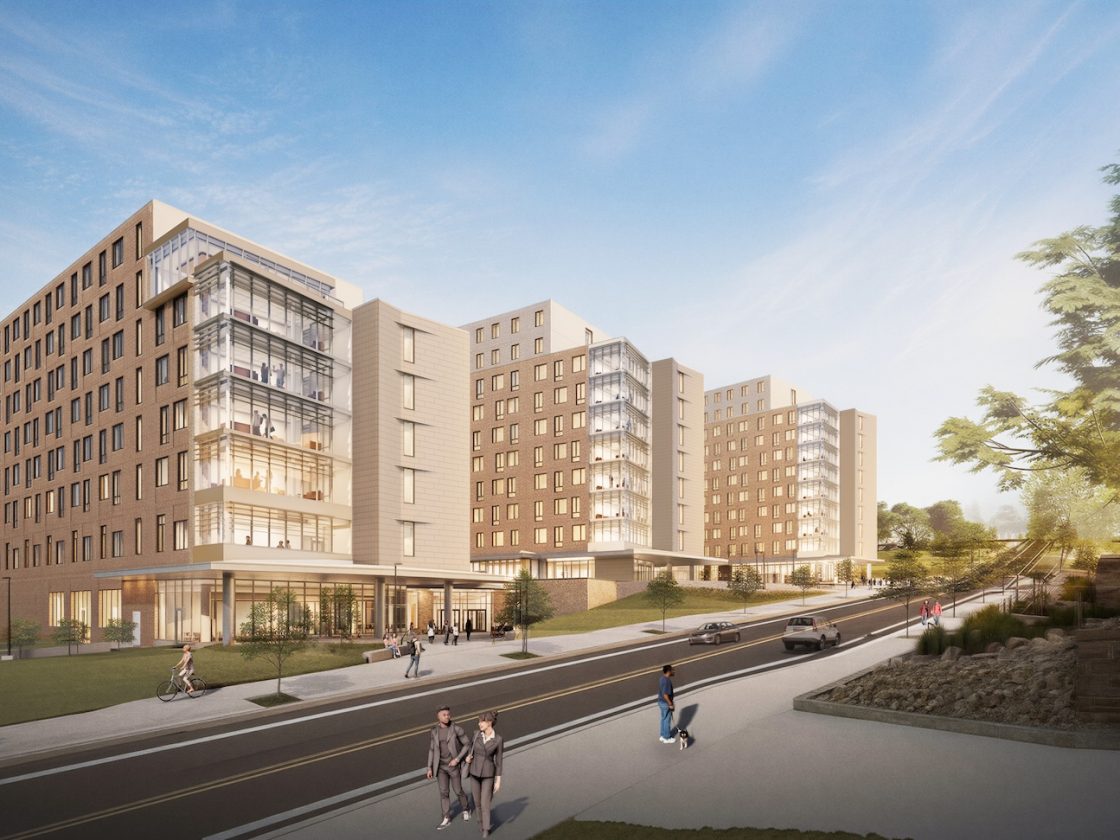
Inside the University’s Three Newest Residence Halls ($458M of new borrowing)
Syracuse University Financial Statement 2023 | Net Position $4.263B
Campus Planning, Design and Construction | Syracuse University Facilities Services

“Autumn on the Hudson River” 1860 | Jasper Francis Cropsey
“While the earth remaineth, seedtime and harvest, cold and heat,
and summer and winter, day and night will never cease.”
Syracuse University College Eats

Chris Williamson Podcast:
Mads Larsen is an author and journalist whose research focuses on the history of human mating ideologies. The truth can be a tough pill to swallow, but when it comes to saving humanity, even the hardest truth is better than the softest lie. So why is Mads facing outrage for speaking a truth that could save a country? Expect to learn why Mads was cancelled for talking about Norway’s declining birth rates, the key reasons why people aren’t having more kids, the underlying psychology behind modern mating, the potential interventions to fix this and much more…
https://lsa.umich.edu/lsa/news-events/all-news/search-news/texas-flavor–ann-arbor-style.html?utm_source=chatgpt.com
At a $137.4B annual rate, educational settlements represent the second-largest building construction market in the United Stateshttps://t.co/VIRZythRdBhttps://t.co/5NGDbqJIFk@uscensusbureau
Saugatuck High School | Allegan County Michiganhttps://t.co/pnQlUONrDj pic.twitter.com/w0ZyiuEYCL— Standards Michigan (@StandardsMich) October 1, 2026
Total #construction spending for July 2026 ($2,157.6 billion) was 0.5% below the revised June 2026 estimate ($2,167.7 billion).
Learn more: https://t.co/vO6ZkjBJMY #CensusEconData #ConstructionSpending pic.twitter.com/wplVG4338Z
— U.S. Census Bureau (@uscensusbureau) September 1, 2026
New Construction Release Schedule: https://www.census.gov/construction/c30/release.html
Reports are usually released at 10 AM EST the first day of every month except this month. (May 2026)
There’s been a significant redesign of the look and feel of the monthly Census Bureau reports construction activity. Today we sort through the rather more granular statistics that inform our recommendations for facility spend.
Total #construction activity for May 2026 ($2,210.2 billion) was 0.1% above the revised April 2026 estimate ($2,207.1 billion).
Learn more: https://t.co/vO6ZkjBJMY#CensusEconData #ConstructionSpending pic.twitter.com/0YZyIxT3F7
— U.S. Census Bureau (@uscensusbureau) July 1, 2026
Total #construction activity for October 2025 ($2,175.2 billion) was 0.5% above September 2025 ($2,164.3 billion).
Learn more: https://t.co/vO6ZkjBJMY #CensusEconData #ConstructionSpending pic.twitter.com/CYux8HXJ3W
— U.S. Census Bureau (@uscensusbureau) January 21, 2026
December 1, 2025
It has been 20 years since we began tracking educational settlement facility spend. Starting this month we will examine federal government data together with the best available data about space utilization to enlighten our response to the perfectly reasonable question: “Are we over-building or under-building or building ineffectively”. Use the login credentials at the upper right of our home page.
United States: Schools of Architecture
The Society for College and University Planning (Ann Arbor, Michigan)
National Center for Education Statistics
The Financial Impact of Architectural Design: Balancing Aesthetics and Budget in Modern Construction

Homeschooling
2022 International Existing Building Code

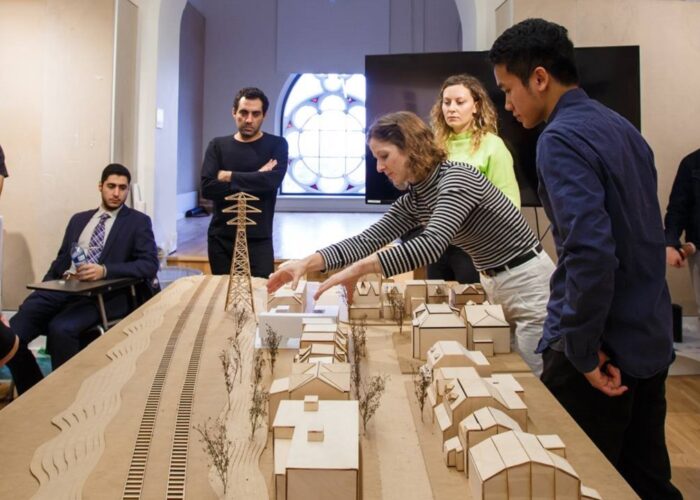
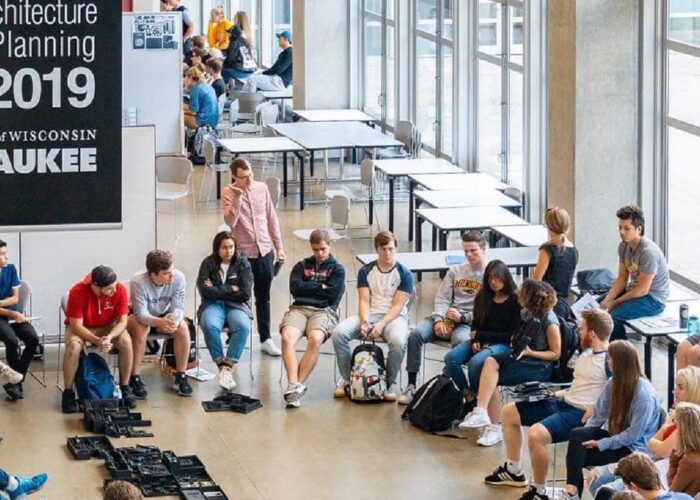
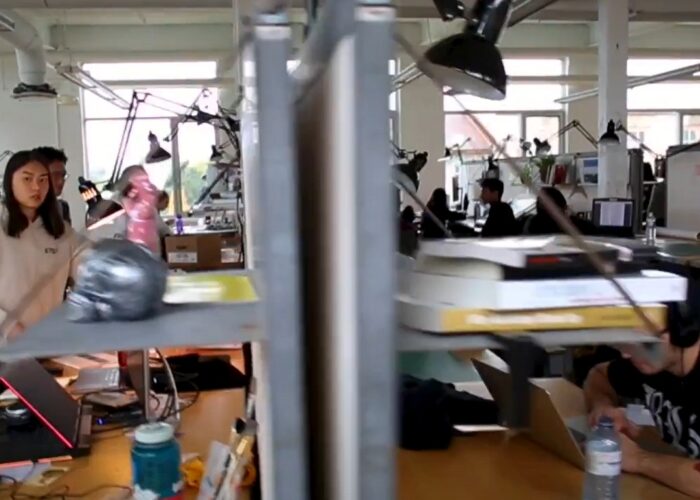
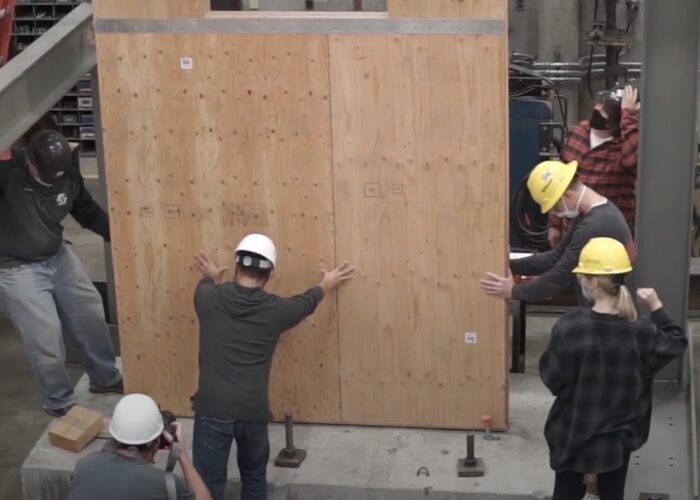

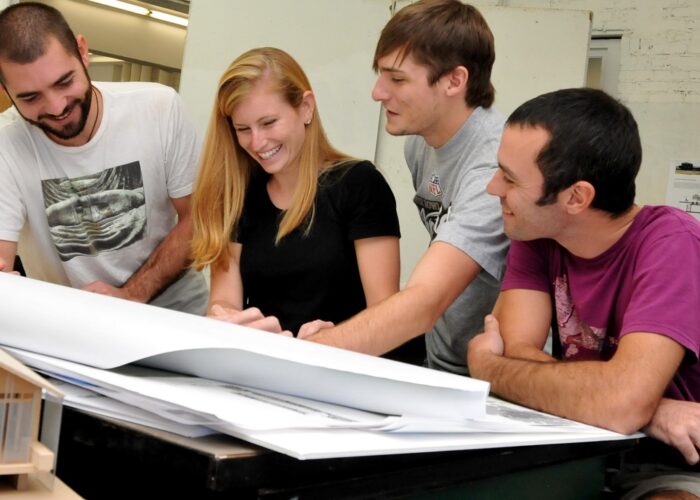
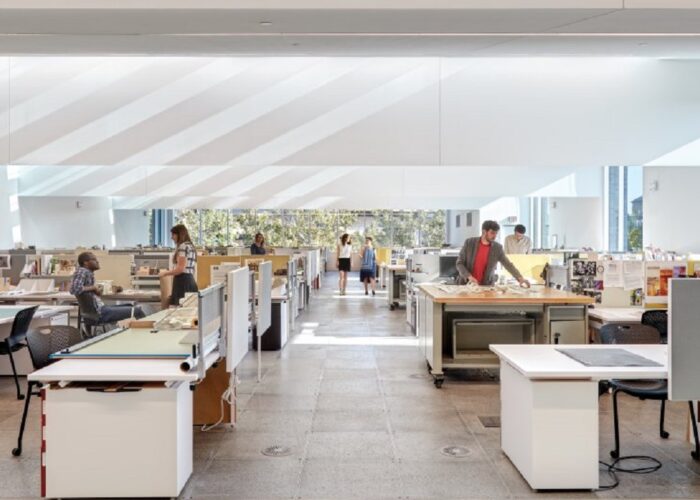
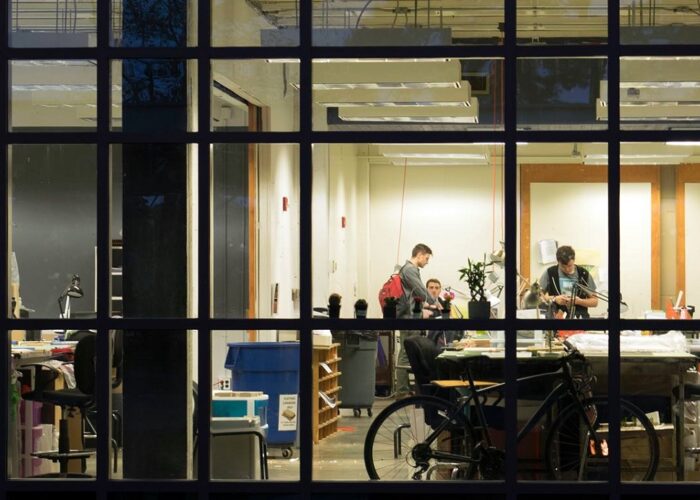
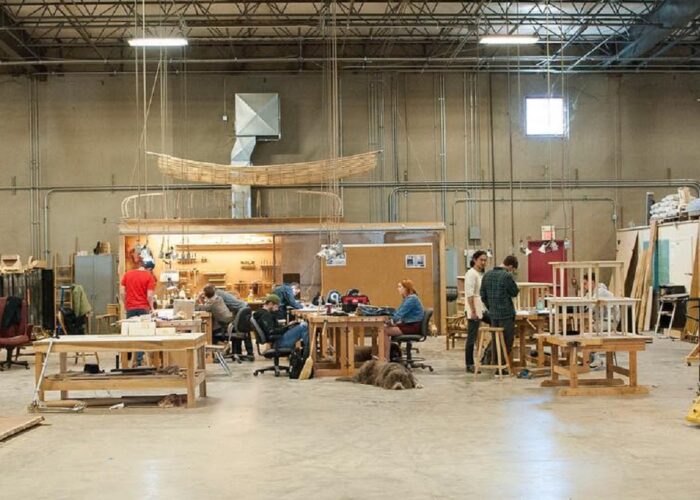
As reported by the US Department of Commerce Census Bureau the value of construction put in place by August 2025 by the US education industry proceeded at a seasonally adjusted annual rate of $137.604 billion. This number does not include renovation for projects under 50,000 square feet and new construction in university-affiliated health care delivery enterprises. Reports are released two months after calendar month. The complete report is available at the link below:
MONTHLY CONSTRUCTION SPENDING August 2025 (released two months after calendar month)
Total construction activity for June 2025 ($2,136.2 billion) was 0.4 percent below the revised May 2025 estimate ($2,143.9 billion).
Learn more: https://t.co/ljpaYyKjuX#CensusEconData pic.twitter.com/TS6ewzZhc4
— U.S. Census Bureau (@uscensusbureau) August 1, 2025
This spend makes the US education facilities industry (which includes colleges, universities, technical/vocational and K-12 schools, most university-affiliated medical research and healthcare delivery enterprises, etc.) the largest non-residential building construction market in the United States after commercial property; and fairly close. For perspective consider total public + private construction ranked according to the tabulation most recently released:
$137.604 billion| Education Facilities
$155.728 billion | Power (Note data center buildout)
$69.625 billion | Healthcare
Keep in mind that inflation figures into the elevated dollar figures. Overall — including construction, energy, custodial services, furnishings, security. etc., — the non-instructional spend plus the construction spend of the US education facilities is running at a rate of about $300 – $500 billion per year.
LIVE: A selection of construction cameras at US schools, colleges and universities

We typically pick through the new data set; looking for clues relevant to real asset spend decisions. Finally, we encourage the education facilities industry to contribute to the accuracy of these monthly reports by responding the US Census Bureau’s data gathering contractors.

Reconstruction of Ancient Agora
As surely as people are born, grow wealthy and die with extra cash,
there will be a home for that cash to sustain their memory and to steer
the cultural heritage of the next generation in beautiful settings.


More
National Center for Educational Statistics
AIA: Billings Index shows but remains strong May 2022
National Center for Education Statistics
Sightlines: Capital Investment College Facilities
OxBlue: Time-Lapse Construction Cameras for Education
US Census Bureau Form F-33 Survey of School System Finances
New Report from Occuspace Finds U.S. Campuses Face Significant Underutilization
Global Consistency in Presenting Construction & Life Cycle Costs

This content is accessible to paid subscribers. To view it please enter your password below or send mike@standardsmichigan.com a request for subscription details.
University of Wisconsin System Financial Report | $6.4B (2023)
The Haus always wins. 🃏 pic.twitter.com/SbHaIQtECT
— Wisconsin Hockey (@BadgerMHockey) April 10, 2026
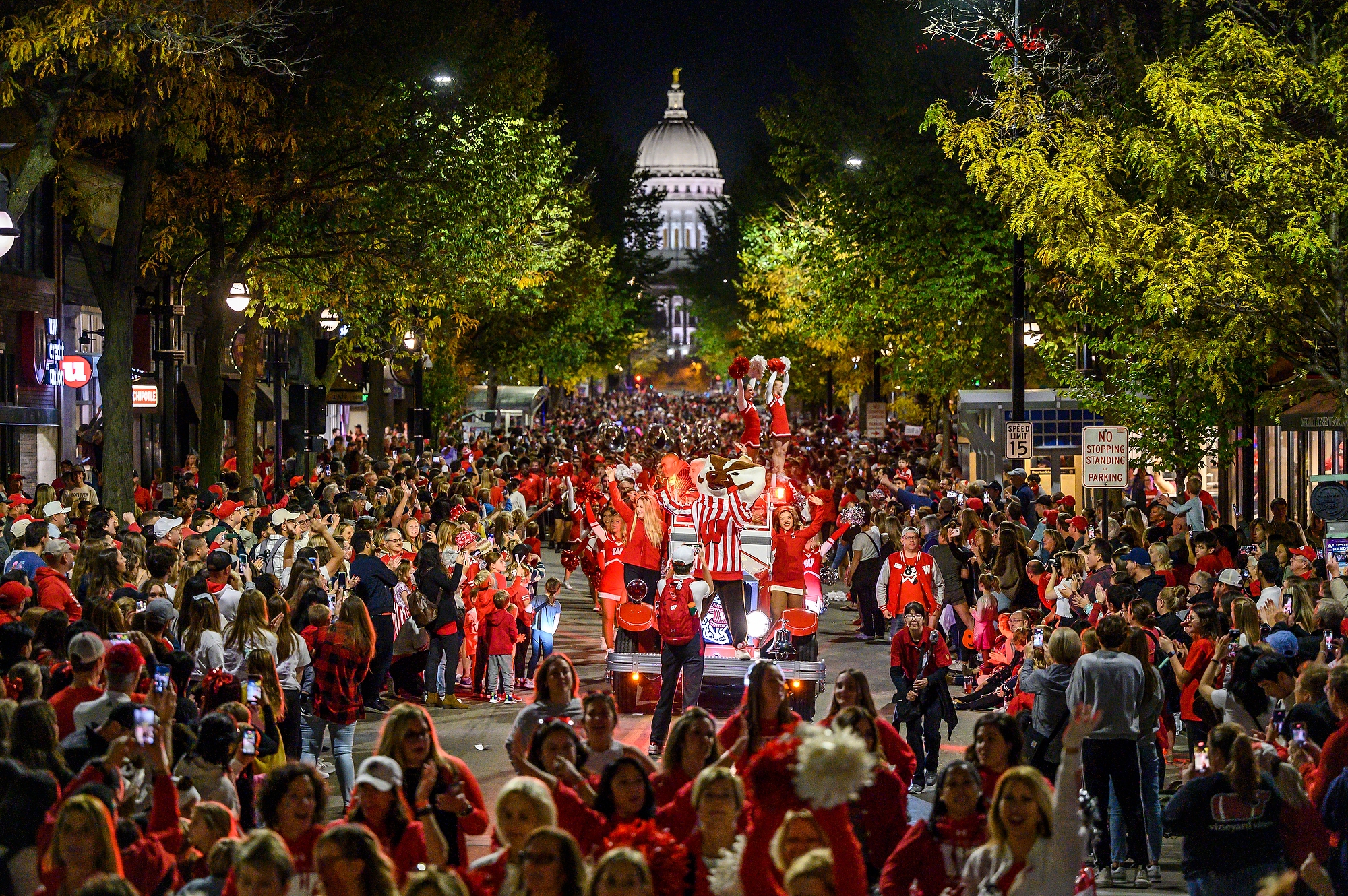
University of Wisconsin | Dane County

The University of Wisconsin in Madison, ladies and gentlemen.
As a University of Florida 🐊 grad it’s hard for me to admit, but this is the prettiest campus I’ve ever seen. #OnWisconsin pic.twitter.com/9rxGFScZa5
— Marc Ryan (@MarcRyanOnAir) August 4, 2025
Democrat Wisconsin Secretary of State refuses to remove RFK from ballot
“Liberal woman WILL NOT date conservatives” – Bombshells
Heather McDonald: The feminization of the American university is all but complete
Heather McDonald: Why have young women been so prominent in the recent campus chaos?
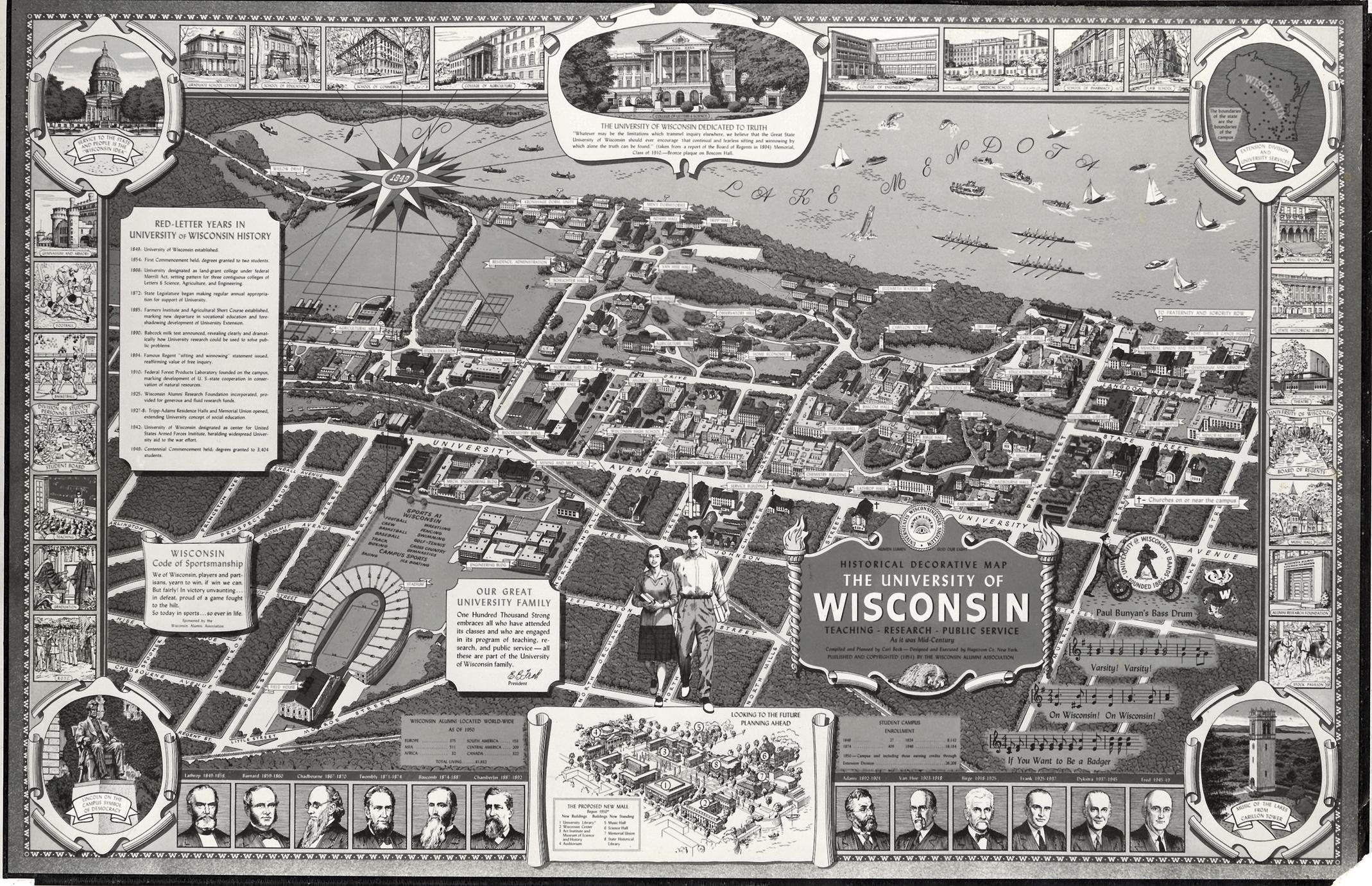
Facilities Planning & Management
I’m so excited to share that I will be joining the University of Wisconsin-Madison Department of Neurology as a Neuropsychologist this fall, with a special focus on neuro-oncology and epilepsy! #OnWisconsin pic.twitter.com/JuS1Von6AB
— Taylor McMillan, PhD (@McMillanNeuro) August 27, 2025

A Procedure to Estimate the Energy Requirements for Lighting
Giuseppe Parise – Luigi Martirano – Luigi Parise
Sapienza, University of Rome
Abstract: The amount of the electrical energy used for the interior lighting of medium and large buildings is generally considerable. The European Standard EN15193 was devised to establish conventions and procedures for the estimation of energy requirements of lighting in buildings by an energy performance numeric indicator. This methodology is based on the three derating factors that consider the influence of the daylight exploitation, the occupancy behavior and, if present, of a constant illuminance sensor. The factors are evaluated by a statistical approach on the basis of general reference data tabulated by the same Standard, not considering more detailed parameters of the control system that can impact severely in the effective energy savings. The Standard methodology appears extremely useful for a preliminary evaluation. For a more accurate evaluation, this paper suggests an improvement of the procedure that considers the effective operation time and occupancy behavior, the type of control and lamps, the number of control groups, the technique of modulation (dimming or switching), and the delay in turning off. The suggested procedure is compared with the Standard one to highlight the improvements.
Related:
Energy performance of interior lighting systems
Topology of Continuous Availability for LED Lighting Systems
Carnegie Mellon University Announces Historic $3 Billion Gift from Ken Griffin, Pioneering a New Model for Higher Education https://t.co/lV9ShArPAD
— Standards Michigan (@StandardsMich) October 1, 2026
First there was Michael Bloomberg’s $1.8 billion Johns Hopkins gift in 2018
Then there was Phil and Penny Knight’s $2 billion gift to Oregon Health & Science University in 2025
Now comes $3 billion Ken Griffin gift — $1 billion to strengthen CMU Pittsburgh and $2 billion to build a new CMU in Dade County Miami Florida.
[FSC 003242]
New update alert! The 2022 update to the Trademark Assignment Dataset is now available online. Find 1.29 million trademark assignments, involving 2.28 million unique trademark properties issued by the USPTO between March 1952 and January 2023: https://t.co/njrDAbSpwB pic.twitter.com/GkAXrHoQ9T
— USPTO (@uspto) July 13, 2023
Standards Michigan Group, LLC
455 East Eisenhower Parkway, Suite 300
Ann Arbor, MI 48108 USA
888-748-3670
 |
 |
|
 |
 |
|
 |
 |