Confédération Nationale de la Boulangerie et Boulangerie-Pâtisserie Française

Association française de normalisation
Ecole Polytechnique | Arrondissement of Palaiseau
Alexis de Tocqueville on the Foundations of American Democracy


Congratulations to all our students who placed on the 2023 Fall Dean’s List! #GoEags #studentsuccess
Full list: https://t.co/JFMZpggRU8 pic.twitter.com/6ELJKW1hfO
— EWU (@EWUEagles) January 26, 2024
Thank you to our friends at @BECU for a generous $10,000 #GivingTuesday donation to support EWU student success! If you would like to help us ensure Eastern students remain Eagle Strong, please give online at https://t.co/MEhLdEm5J9 by midnight tonight. pic.twitter.com/TljlUooxfx
— EWU (@EWUEagles) December 1, 2021

“One of the Family” 1880 | Frederick George Cotman

NFPA 150 Fire and Life Safety in Animal Housing Facilities Code has entered its s025 revision cycle. Many education communities are responsible for animal safety in academic units, research enterprises. museums and even — as in the United Kingdom — large farm animals that wander freely on campus with students, faculty and staff. The number of colleges and universities that permit students to live with their pets has expanded; and with it the responsibilities of university administration.
From the document scope:
This standard shall provide the minimum requirements for the design, construction, fire protection, and classification of animal housing facilities. The requirements of NFPA 150 recognize the following fundamental principles:
(1) Animals are sentient beings with a value greater than that of simple property.
(2) Animals, both domesticated and feral, lack the ability of self-preservation when housed in buildings and other structures.
(3) Current building, fire, and life safety codes do not address the life safety of the animal occupants. The requirements found in NFPA 150 are written with the intention that animal housing facilities will continue to be designed, constructed, and maintained in accordance with the applicable building, fire, and life safety codes.
The requirements herein are not intended to replace or rewrite the basic requirements for the human occupants. Instead, NFPA 150 provides additional minimum requirements for the protection of the animal occupants and the human occupants who interact with those animals in these facilities.
A full description of the project is linked below:
Fire and Life Safety in Animal Housing Facilities Code
Access to the 2025 Edition is linked below:
We provide the transcript of the back-and-forth on the current 2022 edition to inform how education communities can contribute to the improvement of this title; a subject that stirs deep feelings about animal safety in research enterprises.
We contribute to NFPA 150: SAFETY IN ANIMAL HOUSING FACILITIES https://t.co/PxSznGDGw1 #TotalCostofOwnership pic.twitter.com/BmJ0HgvpQ3
— Standards Michigan (@StandardsMich) March 9, 2016
Public comment on the Second Draft of the 2025 Edition will be received until March 27, 2024.
We have been advocating risk-informed animal safety concepts in this document since the 2013 Edition and have found that it is nearly impossible to overestimate the sensitivity of educational communities to the life safety of animals — either for agriculture or medical research.
We maintain the entire NFPA catalog on the standing agenda of our Prometheus colloquia. See our CALENDAR for the next online meeting; open to everyone.
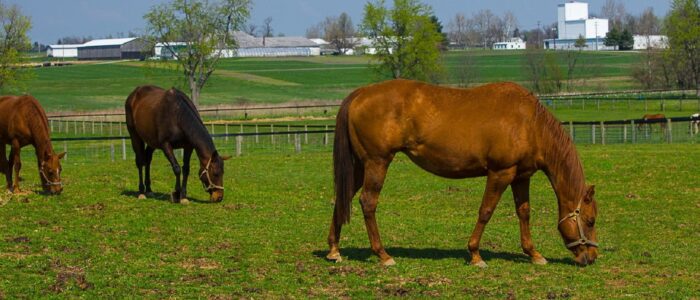
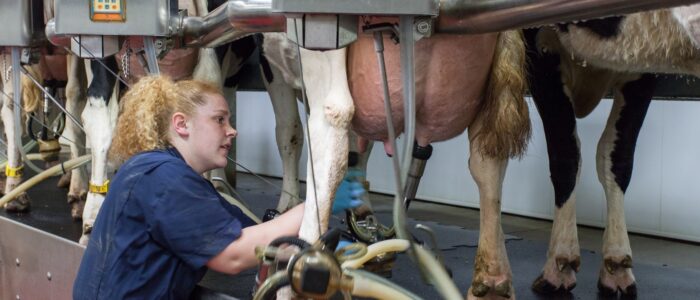
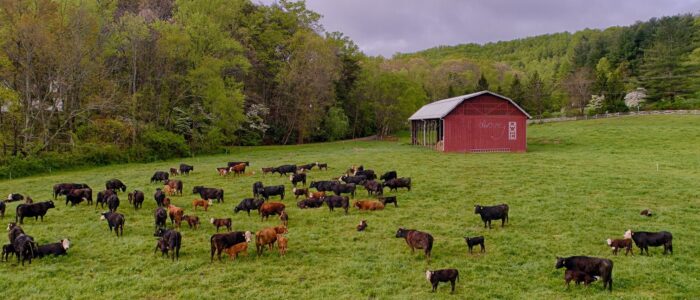
Kids raised right….
— Carissa (@njoyzgrl81) April 6, 2024
Issue: [11-1] and [19-5]
Category: Fire Protection, Facility Asset Management, Academic, Risk Management
Colleagues: Mike Anthony, Josh Elvove, Joe DeRosier
More:
”Create in me a pure heart, O God, and renew a steadfast spirit within me.„ Psalms 51:10
Have a blessed Sunday all who feed humanity! #dairy #beef … pic.twitter.com/BG68A4Sn5h— Ion Moraru 🇺🇦 (@IonMoraruDairy) February 18, 2024
‘Tension and Uncertainty’: How a diverse technical committee rife with opposing viewpoints created the new NFPA 150 https://t.co/sqam82C0G7 pic.twitter.com/BvcveX6dwM
— NFPA (@NFPA) December 31, 2018
Bibliography:
National Institute of Health: Policy on Humane Care and Use of Laboratory Animals
International Building Code: Section 304 (Business Group B): Animal hospitals, kennels and pounds
Terrestrial Animal Health Code
IEEE Guide for Animal Deterrents for Electric Power Supply Substations
IEEE Livestock Monitoring System
Ventilation Design Handbook on Animal Research Facilities
HVAC Design in Animal Facilities
USDA Animal Welfare Information Center
US Department of Agriculture: Animal Welfare Act and Animal Welfare Regulations
S. 4288: Reducing Animal Testing Act
Protecting Animals When Disaster Strikes
“De re aedificatoria” | Leon Battista Alberti
Christianity is surging in America.
We will not become Europe.
— Eric Daugherty (@EricLDaugh) October 25, 2025
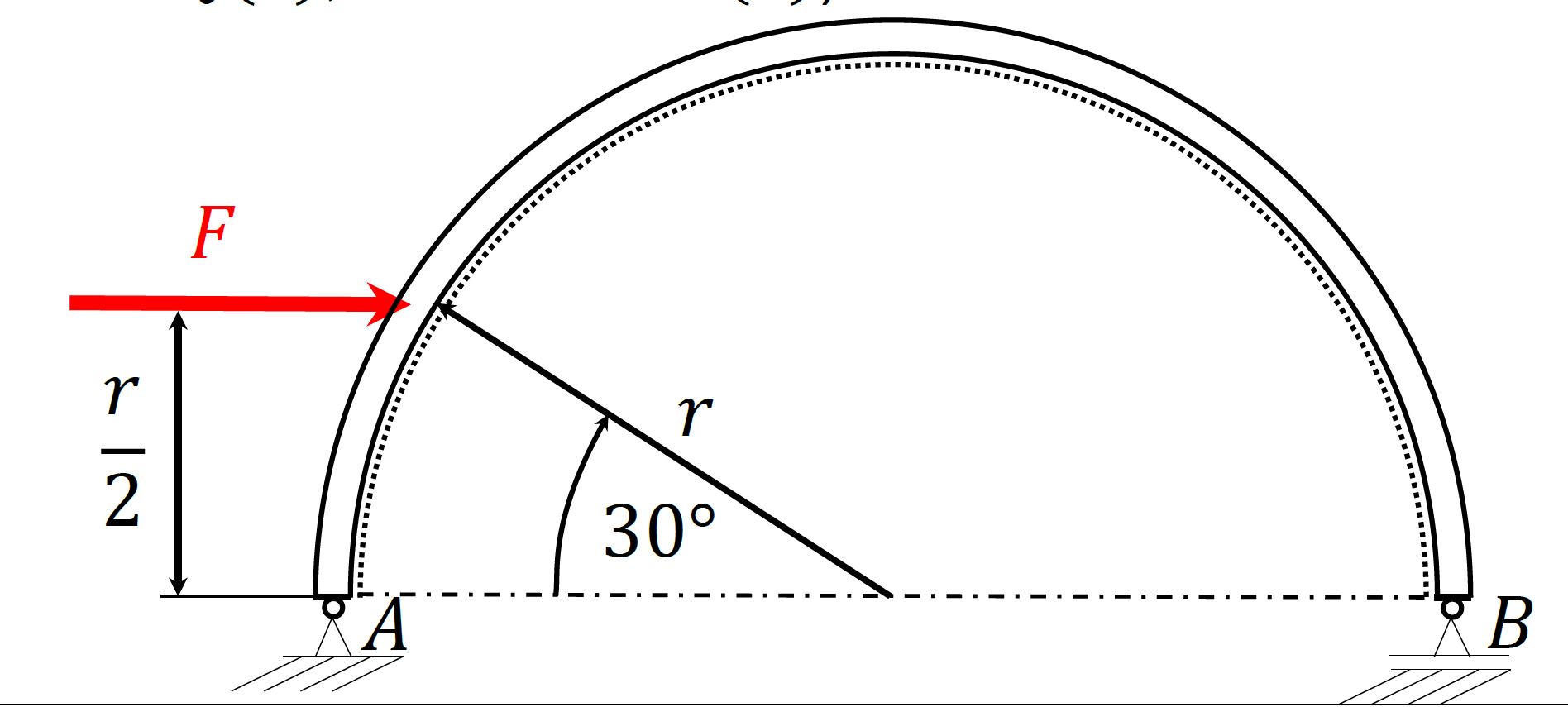
Compute the stress curves for the half-circular arch beam

“Royal Fireworks 1749” | CLICK ON IMAGE
FIREWORKS: PYROTECHNIC ARTS AND SCIENCES IN EUROPEAN HISTORY
Simon Werrett | University College London
Fireworks are synonymous with celebration in the twenty-first century. But pyrotechnics—in the form of rockets, crackers, wheels, and bombs—have exploded in sparks and noise to delight audiences in Europe ever since the Renaissance. Here, Simon Werrett shows that, far from being only a means of entertainment, fireworks helped foster advances in natural philosophy, chemistry, mathematics, and many other branches of the sciences.
Fireworks brings to vibrant life the many artful practices of pyrotechnicians, as well as the elegant compositions of the architects, poets, painters, and musicians they inspired. At the same time, it uncovers the dynamic relationships that developed between the many artists and scientists who produced pyrotechnics. In so doing, the book demonstrates the critical role that pyrotechnics played in the development of physics, astronomy, chemistry and physiology, meteorology, and electrical science. Richly illustrated and drawing on a wide range of new sources, Fireworks takes readers back to a world where pyrotechnics were both divine and magical and reveals for the first time their vital contribution to the modernization of European ideas.

Municipalization refers to a local governmental unit purchasing a merchant utility; a practice gathering pace in university towns in recent years. It is a very large transaction. Best practice discovery and promulgation begins with an accumulation of case studies before any concepts stabilize into a “standard”. Today at the usual hour we examine a few representative case studies. Use the login credentials at the upper right of our home page.
This topic is a standing item on the agenda of the IEEE Education & Healthcare Facilities Committee
Relata:
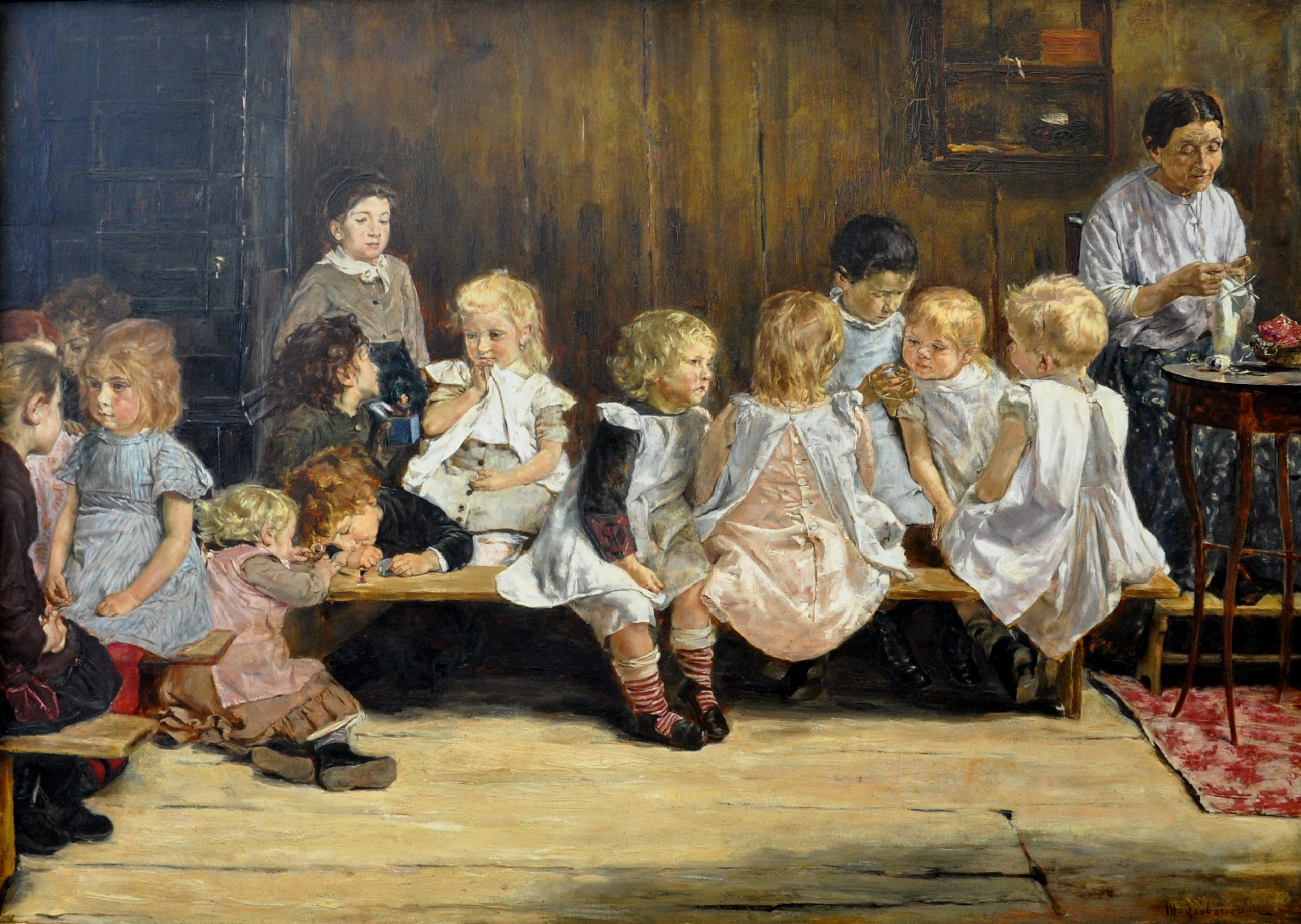
Today at the usual hour we review a selection of global building codes and standards that guide best practice for safety, accessibility, and functionality for day care facilities; with special interest in the possibilities for co-locating square footage into the (typically) lavish unused space in higher education facilities.
Use the login credentials at the upper right of our home page.
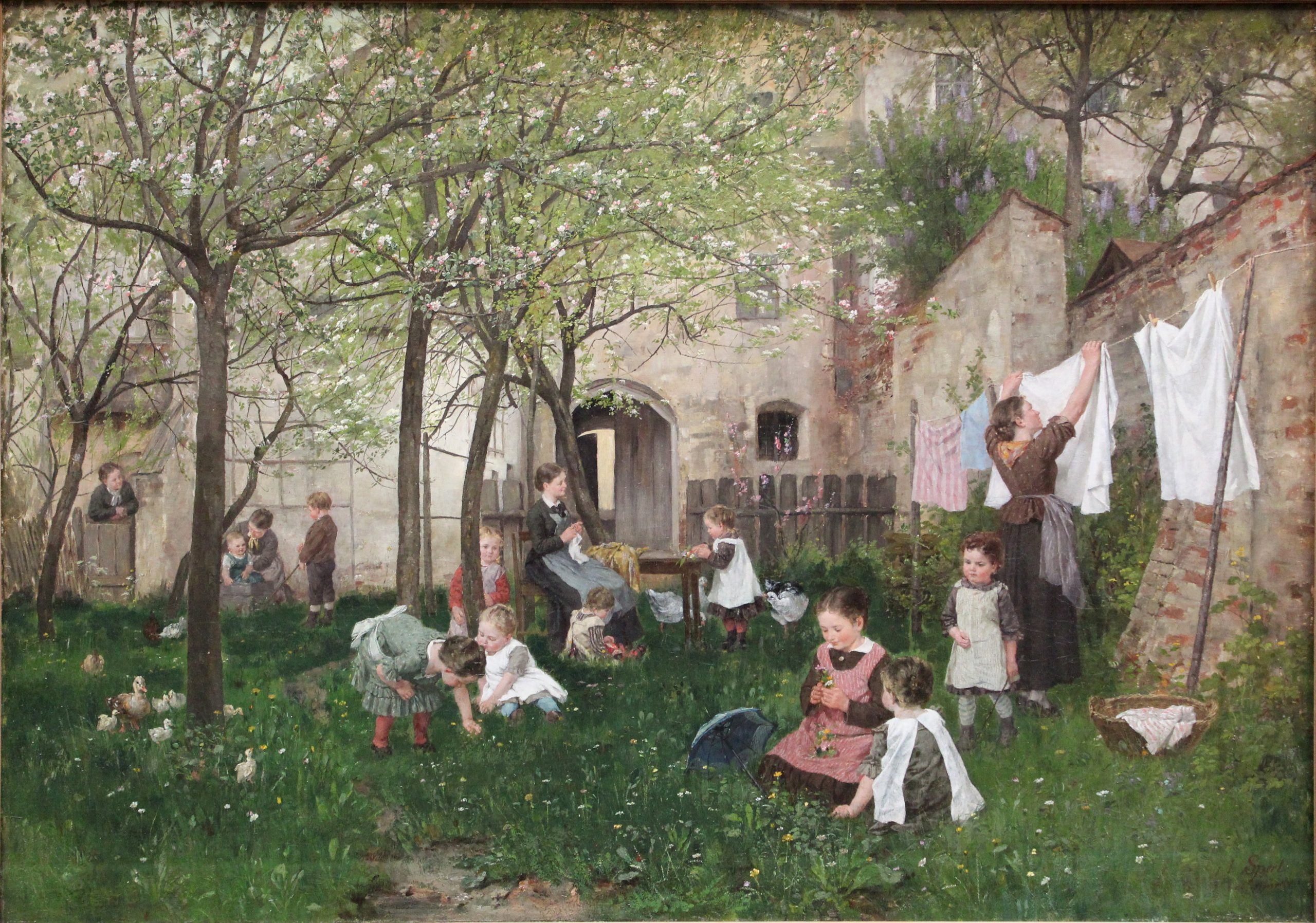
“Kindergarten” 1885 Johann Sperl
“A Group of Children Playing the Game ‘Oranges and Lemons’ in a Domestic Interior”
Harry Brooker (1848-1940)https://t.co/YpxsSUf8nV pic.twitter.com/kjhgJvYxPs— Standards Michigan (@StandardsMich) February 24, 2025
National Center for Health Statistics: Birth Data Files
From Cheerleader & Footballer To Pregnant at 15
Jordan Peterson: Accidental Childlessness, The Epidemic That Dare Not Speak Its Name
REDDIT: An estimated 1/3 of all GenZ were aborted

Today we break down the stack of regulations, codes, standards and open-source literature governing the safety and sustainability of university-affiliated medical research and healthcare delivery facilities. Because of the complexity of the topic we break down our coverage:
Health 200. Survey of all relevant codes, standards, guidelines and recommended practices for healthcare settings.
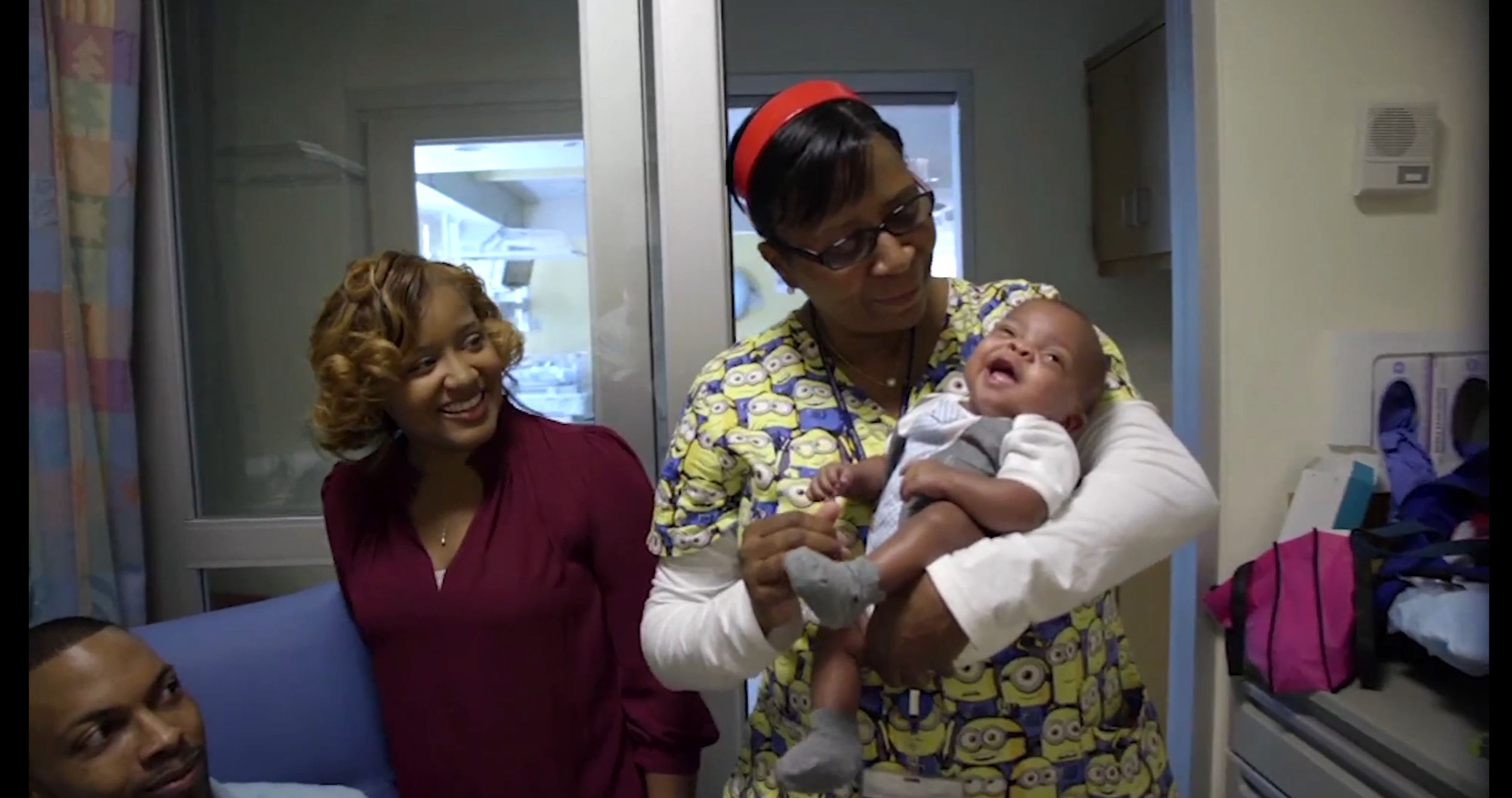
Health 400. All of the above with special consideration needed for obstetrics, gynecological and neonatal clinical practice and research.
We limit our interest to systems — water, power, telecommunication and security; for example — that are unique to campus-configured, city-within-city risk aggregations. Electrotechnologies (voltage stability, static electricity control, radio-interference, etc.) in these enterprises are subtle, complex and high risk. Sample titles from legacy best practice literature in this domain are listed below:
American College of Obstetricians and Gynecologists: Levels of Maternal Care
Provision of Care, Treatment, and Services standards for maternal safety
Since our interest lies in the habitable spaces for these enterprises we usually start with a scan of the following titles:
International Building Code Section 407 (Institutional Group I-2) identifies requirements specific to healthcare settings, covering aspects such as fire safety, means of egress, and smoke compartments. Maternity and obstetric facilities within hospitals fall under this classification.
K-TAG Matrix for Healthcare Facilities
NFPA 70 National Electrical Code Article 517
NFPA 99 Healthcare Facilities Code
NFPA 101 Life Safety Code Chapters 18 & 19
ASHRAE 170 Ventilation of Healthcare Facilities
Relevant Institute of Electrical and Electronic Engineers research
Towards Deeper Neural Networks for Neonatal Seizure Detection
A System to Provide Primary Maternity Healthcare Services in Developing Countries
Deep Learning for Continuous Electronic Fetal Monitoring in Labor
Reorganizing of University Hospital of Oran’s operating theatre: Simulation approach
Finally, we collaborate with the IEEE E&H Committee on the following IEC committee projects from IEC/TC 62 Electrical equipment in medical practice:
– Common aspects of electrical equipment used in diagnostic imaging equipment
– Equipment for radiotherapy, nuclear medicine and radiation dosimetry
– Electromedical equipment for neonatal care
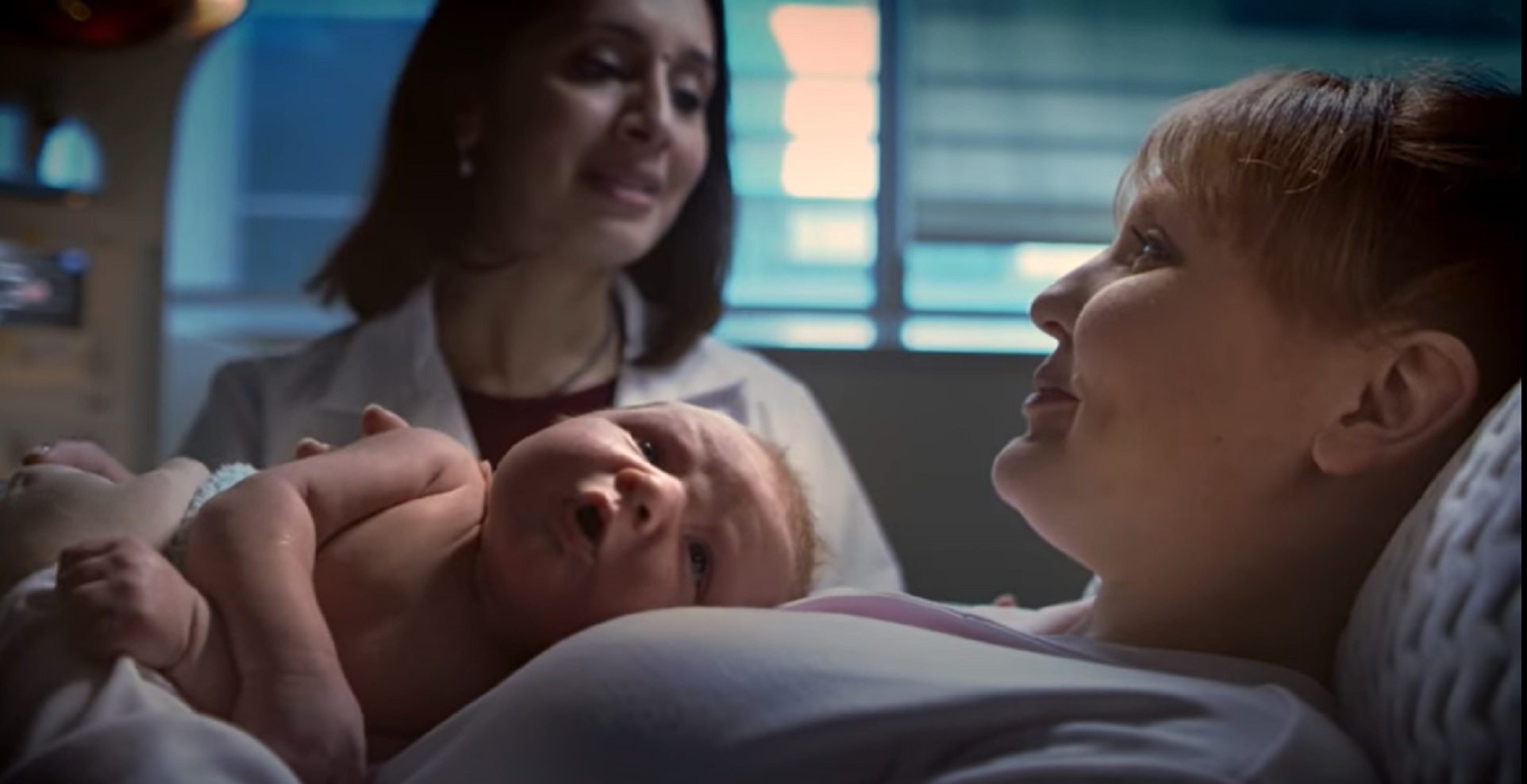
More
A relatively new publisher of related standards is the Facility Guidelines Institute. We are monitoring its catalog and its processes. The healthcare facility industry is likely large enough for another non-profit but we have yet to see meaningful leading practice discovery and promulgation that is unrelated to the literature that is already out there.
Health Insurance Portability and Accountability Act (HIPAA)
Health care cost as percentage of Gross Domestic Product for six representative nations.
Association of Academic Health Centers
International Conference on Harmonization: The ICH guidelines provide guidance on the development of pharmaceuticals and related substances, including clinical trials, drug safety, and efficacy.
Animal Welfare Act and the Institutional Animal Care and Use Committee
Good Laboratory Practice: GLP is a set of principles that ensure the quality and integrity of non-clinical laboratory studies. It ensures that data generated from non-clinical laboratory studies are reliable, valid, and accurate.
International Code Council Representation of Interests
University of Chicago
In the early to mid-1900s, some US colleges used orphaned babies in home economics programs to teach child-rearing skills
These children were referred to as "practice babies" pic.twitter.com/FZCkeu0p2m
— UberFacts (@UberFacts) August 17, 2023
👩⚕️👩🎓 Warmest congratulations to UCD School of Nursing, Midwifery and Health Systems’ Higher Diploma in Midwifery group (2022-2024), who have officially completed their 18-month programme to become registered midwives 👏👏👏 pic.twitter.com/hixD1gT1no
— University College Dublin (@ucddublin) March 7, 2024
This content is accessible to paid subscribers. To view it please enter your password below or send mike@standardsmichigan.com a request for subscription details.
New update alert! The 2022 update to the Trademark Assignment Dataset is now available online. Find 1.29 million trademark assignments, involving 2.28 million unique trademark properties issued by the USPTO between March 1952 and January 2023: https://t.co/njrDAbSpwB pic.twitter.com/GkAXrHoQ9T
— USPTO (@uspto) July 13, 2023
Standards Michigan Group, LLC
455 East Eisenhower Parkway, Suite 300
Ann Arbor, MI 48108 USA
888-748-3670
 |
 |
|
 |
 |
|
 |
 |