The Princeton Bonfire (a cherished campus tradition celebrating a sweep of football victories over Big Three rivals Harvard and Yale) has not yet occurred in 2025, as it depends on the outcomes of those games. The relevant schedule is:
vs. Harvard: October 25, 2025 (home game at Princeton Stadium)
vs. Yale: November 15, 2025 (home game at Princeton Stadium)
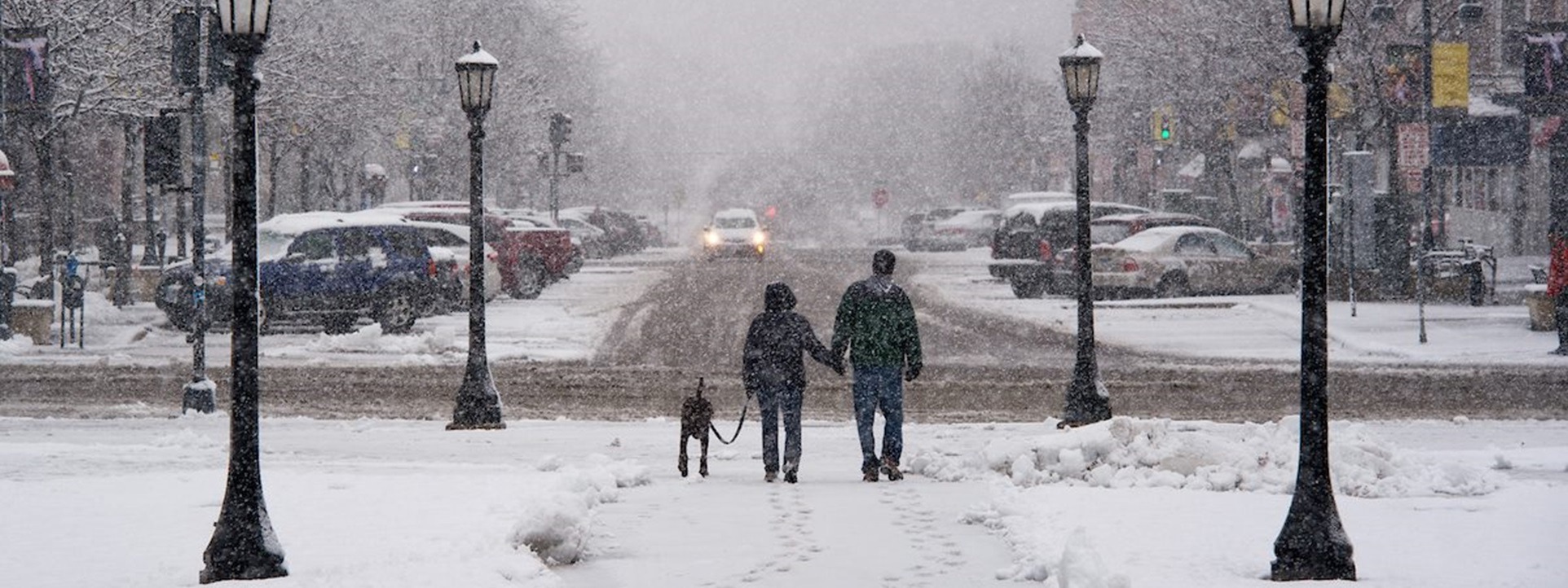
If Princeton wins both (securing the “Big Three” title), the bonfire is traditionally lit on the Sunday evening immediately following the Yale game—that is, November 16, 2025, around 7 p.m. on Cannon Green. It would feature student-built stacks of wood, speeches, the Princeton University Band, and communal festivities.
This content is accessible to paid subscribers. To view it please enter your password below or send mike@standardsmichigan.com a request for subscription details.
The term “lively arts” is attributed to American writer and poet James Thurber. It was popularized in the mid-20th century as a way to describe various forms of performing arts, such as theater, dance, music, and other creative expressions.
“What art is, in reality, is this missing link, not the links which exist.
It’s not what you see that is art; art is the gap”
— Marcel Duchamp
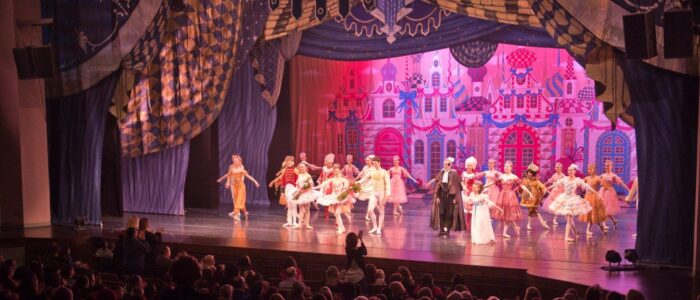
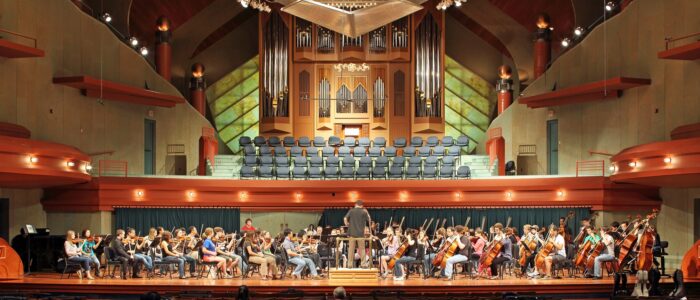
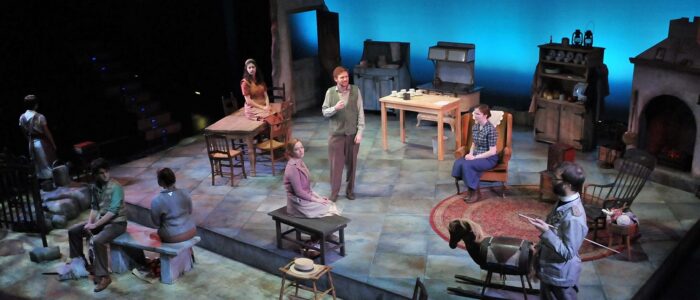
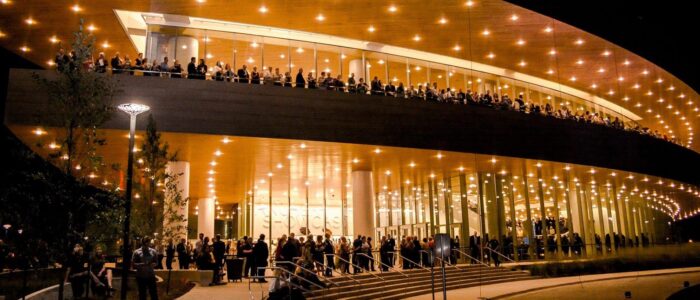
Today we refresh our understanding of the literature that guides the safety and sustainability goals of lively art events in educational settlements. Consortia have evolved quickly in recent years, leading and lagging changes in the content creation and delivery domain. With this evolution a professional discipline has emerged that requires training and certification in the electrotechnologies that contribute to “event safety”; among them:
ASHRAE International
Standard 62.1: This standard establishes minimum ventilation rates and indoor air quality requirements for commercial buildings, including theaters and auditoriums.
Standard 55: This standard specifies thermal comfort conditions for occupants in indoor environments, which can have an impact on air quality.
RP-16-17 Lighting for Theatrical Productions: This standard provides guidance on the design and implementation of lighting systems for theatrical productions. It includes information on the use of color, light direction, and light intensity to create different moods and effects.
RP-30-15 Recommended Practice for the Design of Theatres and Auditoriums: This standard provides guidance on the design of theaters and auditoriums, including lighting systems. It covers topics such as seating layout, stage design, and acoustics, as well as lighting design considerations.
DG-24-19 Design Guide for Color and Illumination: This guide provides information on the use of color in lighting design, including color temperature, color rendering, and color mixing. It is relevant to theater lighting design as well as other applications.
Dance and Athletic Floor Product Standards: ASTM F2118, EN 14904, DIN 18032-2
Incumbent standards-setting organizations such as ASHRAE, ASTM, ICC, IEEE, NFPA have also discovered, integrated and promulgated event safety and sustainability concepts into their catalog of best practice titles; many already incorporated by reference into public safety law. We explore relevant research on crowd management and spectator safety.
By design, we do not provide a SEARCH function. We are a niche practice in a subtle, time-sensitive domain with over 30 years of case history. We were the first movers in the largest building construction market in the world. We are happy to answer all questions but place priority on collaborations. We provide links to the most accessed topics in recent days. All queries presented during our “Open Office Hours” every work day, or via email, are gratefully received and prompt a near-immediate response.
As part of its ongoing, exhaustive effort to continually promote campus safety, the University of Georgia announced today several additional measures, totaling more than $7.3 million, to further strengthen campus security on its Athens campus. https://t.co/bTg6b4DLUX
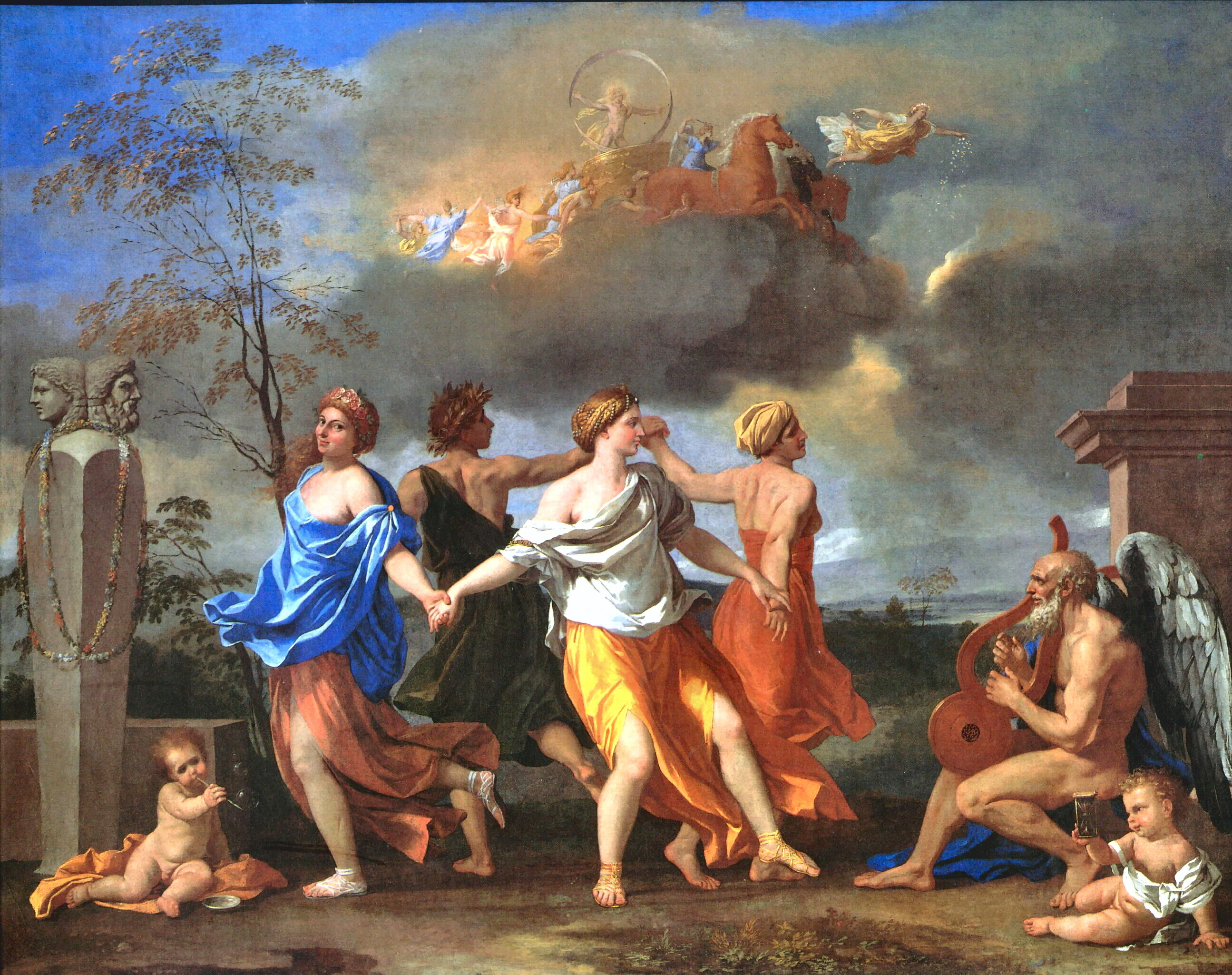
“A Dance to the Music of Time” 1640 Nicolas Poussin
“The voice of the intellect is a soft one,
but it does not rest until it has gained a hearing.”
— Sigmund Freud
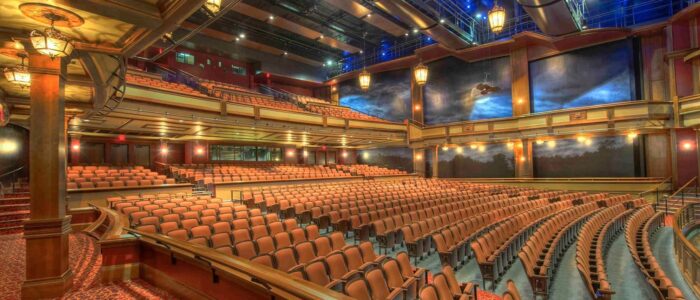
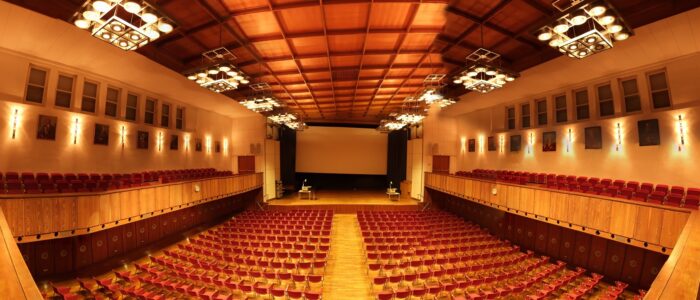
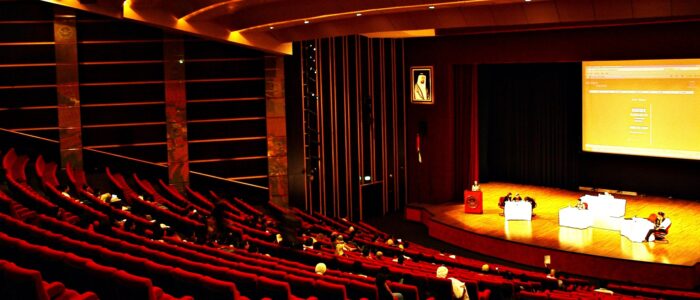
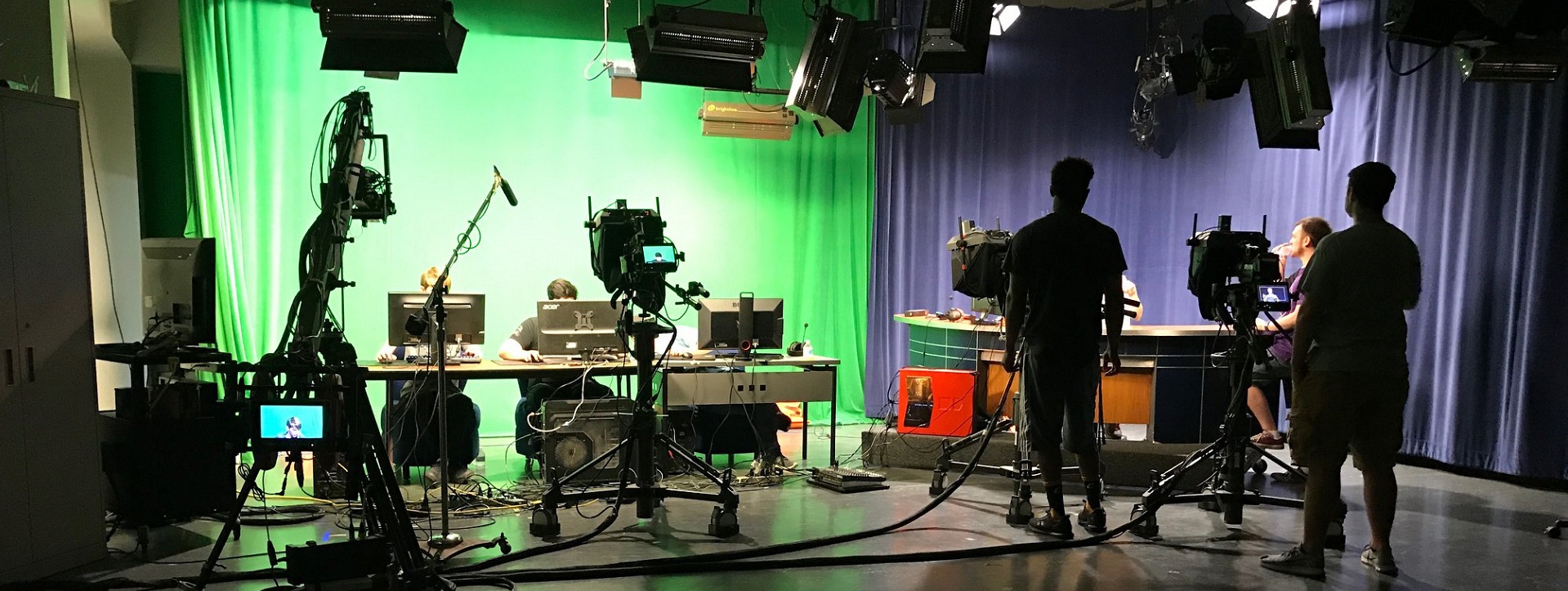
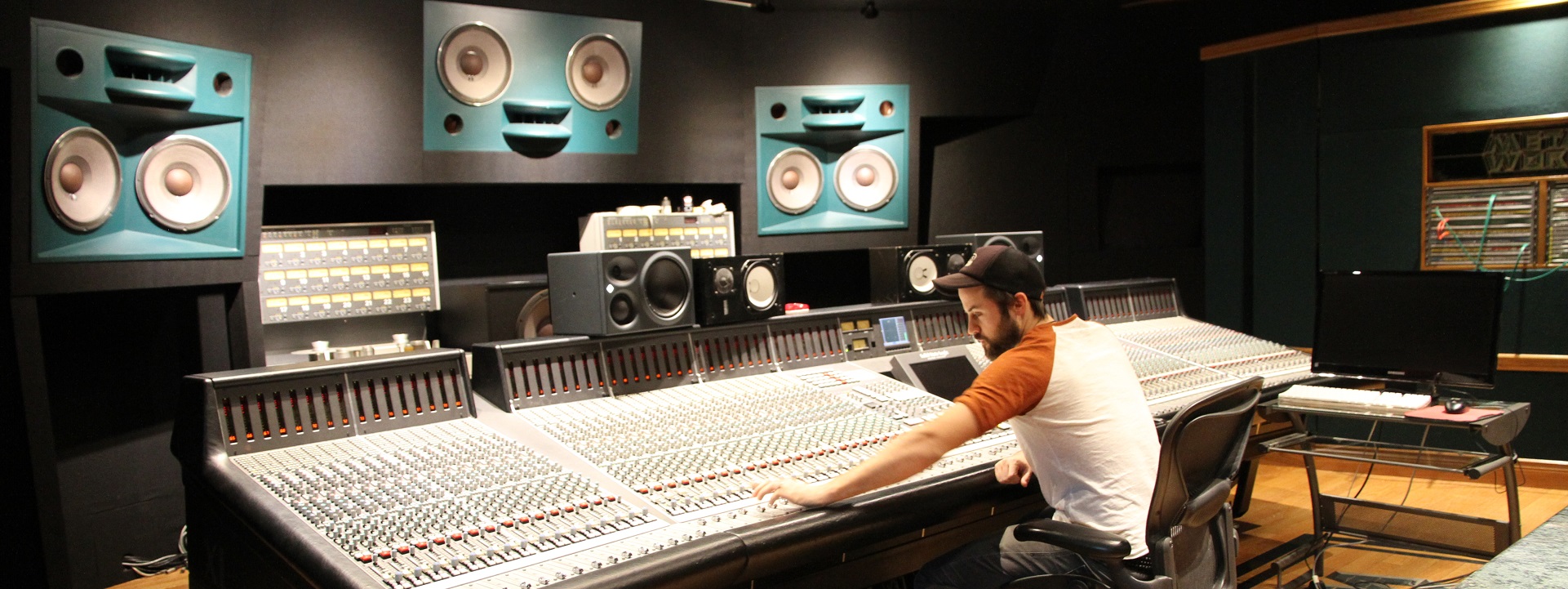
The education industry provides a large market for occupancy classes — athletic stadiums, student assembly spaces, performance theaters, large lecture halls– that depend upon effective audio systems*. To an unexpected degree the structural engineering, specification of materials and electrical system design and operation is informed by acoustical considerations. So does the integration of fire safety and mass notification systems into normal state enterprises so it is wise to follow and, ideally, participate in leading practice discovery and promulgation of audio standards.
The Audio Engineering Society — one of the first names in this space — has a due process platform that welcomes public participation. All of its standards open for public comment completed their revision cycle mid-November as can be seen on its standards development landing page below:
Note that AES permits access to those revision even after the comment deadline. You are encouraged to communicate directly with the Direct communication with the standards staff at Audio Engineering Society International Headquarters, 551 Fifth Avenue, Suite 1225, New York NY 10176, Tel: +1 212 661 8528
We keep the AES suite on the standing agenda of our periodic Lively Arts teleconference. See our CALENDAR for the next online meeting.
This facility class is one of most complex occupancy classes in education facilities industry so we also collaborate with experts active in the IEEE Education & Healthcare Facilities Committee. Much of the AES suite references, and borrows from, International Electrotechnical Commission system integration and interoperability standards. The IEEE E&H committee meets online again four times monthly in European and American time zones. The meeting dates are available on the IEEE E&H website
Issue: [19-23]
Category: Electrical, Academic, Athletics, Fire Safety, Public Safety, #WiseCampus
Contact: Mike Anthony, Jim Harvey
*Mass notification systems are governed by NFPA 72 and, while life safety wiring is separate from other wiring, the management of these systems involve coordination between workgroups with different business objectives and training.
This content is accessible to paid subscribers. To view it please enter your password below or send mike@standardsmichigan.com a request for subscription details.
This content is accessible to paid subscribers. To view it please enter your password below or send mike@standardsmichigan.com a request for subscription details.
New update alert! The 2022 update to the Trademark Assignment Dataset is now available online. Find 1.29 million trademark assignments, involving 2.28 million unique trademark properties issued by the USPTO between March 1952 and January 2023: https://t.co/njrDAbSpwBpic.twitter.com/GkAXrHoQ9T