
Pytorch | TensorFlow | JAX


An AVP responsible for essential works at a Catholic educational settlement may inherit obligations extending beyond ordinary physical stewardship. Chapels, shrines, cemeteries, religious art and spaces for worship carry sacramental and cultural significance as well as maintenance costs. Capital decisions may therefore require consultation with clergy, religious orders and diocesan authorities alongside trustees, architects and engineers. The liturgical calendar can influence operations while Catholic social teaching may shape decisions about labor, energy, land and investment. At a secular settlement these considerations may exist as heritage or community concerns; at a Catholic institution they remain part of the living mission the physical estate serves.
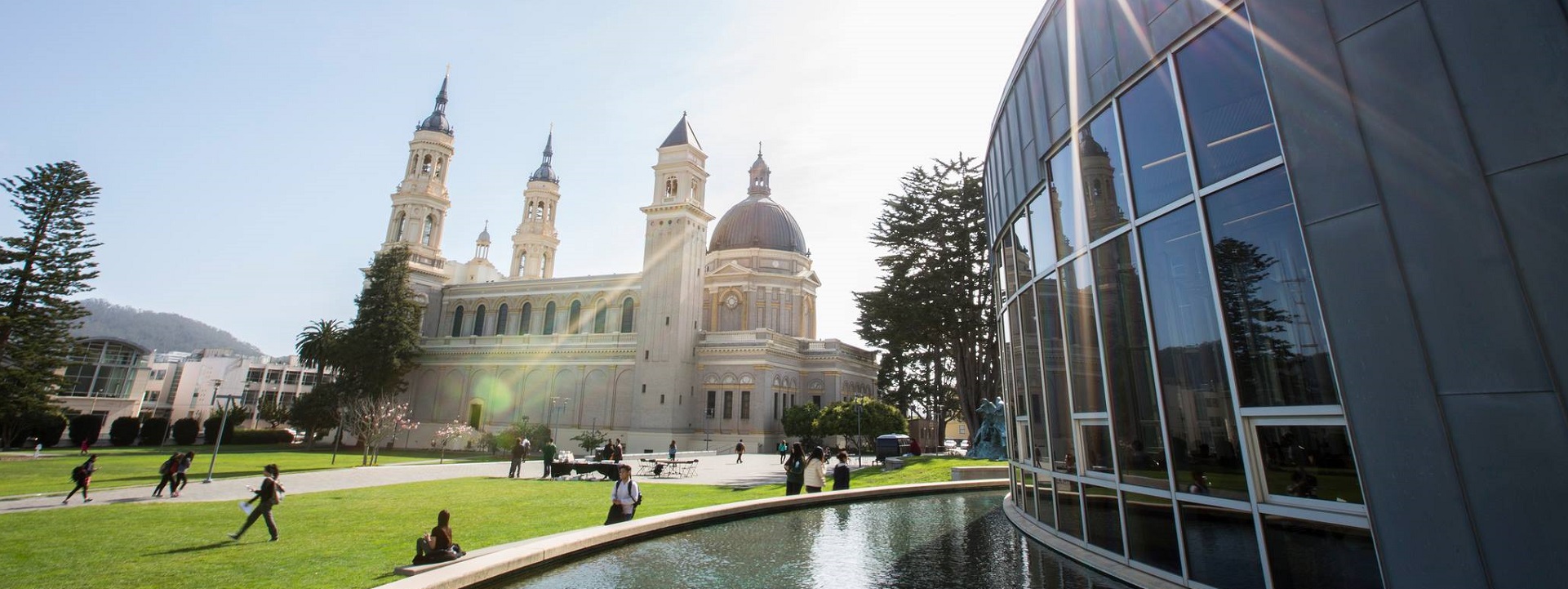
We follow up on yesterday’s topic: Examination of the Job Summary of the recently hired Vice President and Chief Financial Officer. We explore the duties of the highest level settlement functionary responsible for the beauty and economics of essential works of our settlements.
University of San Francisco | Vice President & Chief Financial Officer (Full Description)
Reporting directly to the President, the University of San Francisco’s Chief Financial Officer is a senior institutional steward whose responsibilities extend well beyond finance. The position directs financial planning, investments, debt and liquidity while also participating in long-range decisions affecting the University’s physical estate.
The CFO leads capital improvement planning, construction and campus development; oversees maintenance and facilities operations; evaluates real estate opportunities; directs acquisition, disposition, sale and leasing transactions; and helps steward University assets in alignment with the institutional Master Plan.
As a member of the President’s Cabinet and liaison to the Board’s Audit, Physical Facilities & Master Plan, Finance and Investment Committees, the position joins financial authority with responsibility for the long-term stewardship of the educational settlement.
The salary range for this position is $350,000 to $400,000, depending on experience and qualifications. Beyond compensation, this role offers the opportunity to steward the university’s financial health in service of its Jesuit Catholic mission.
Michigan Central Summer Fall | Michigan Central Winter Spring
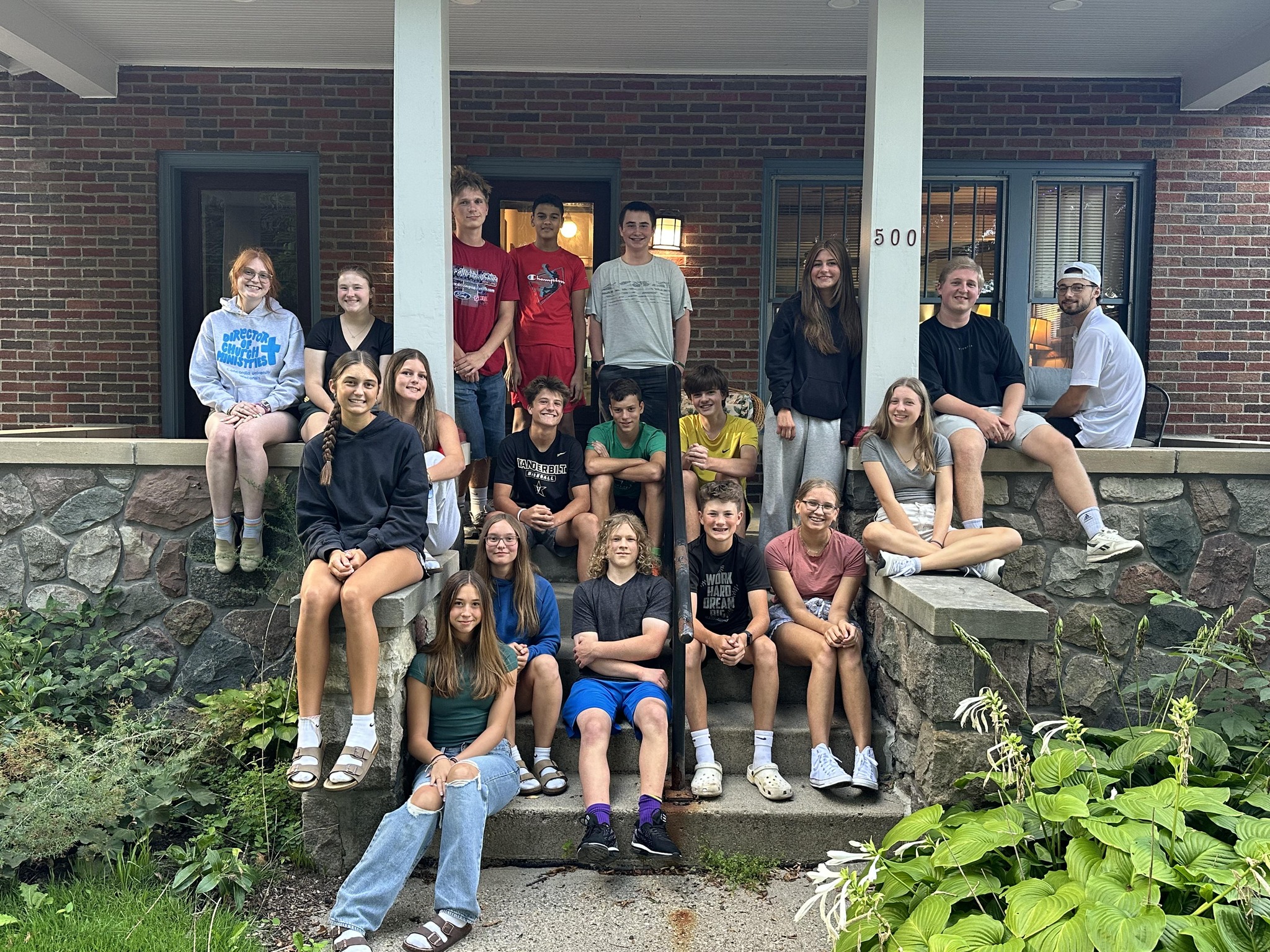
Open every day since 2007: offering locally sourced coffee, teas, baked goods, and a welcoming space for studying or events. Across Linden Street from First Presbyterian Church of Ann Arbor, Angell Elementary School and footsteps away from Chi Omega and seven other sororities and fraternity houses on the oddly-shaped lot bounded by South University. Washtenaw and Hill Streets.
A post shared by The Common Cup (@thecommoncupcoffee)
The University Lutheran Chapel in Ann Arbor, Michigan was designed by architect Glen Paulsen in 1959; a local Ann Arbor architect known for his modernist work and close ties to the University of Michigan community. The chapel is one of his most celebrated designs and is widely regarded as an outstanding example of mid-20th-century ecclesiastical architecture in the Midwest. The dramatic hyperbolic-paraboloid roof and the integration of natural light through colored glass strips are signature elements of the building.His work often emphasized clean lines, structural expression (e.g., exposed concrete and steel), and integration with natural surroundings, influenced by his time with Eero Saarinen and his teaching roles at the University of Michigan and Cranbrook Academy of Art. While the University Lutheran Chapel (1959) in Ann Arbor exemplifies his ecclesiastical modernism with its hyperbolic-paraboloid roof, below is a curated list of his other key projects, drawn from biographical records, architectural archives, and historical surveys. In the fullness of time his private practice from 1958 to 1969 morphed into TMP (Tarapata-MacMahon-Paulsen, 1969–1977).
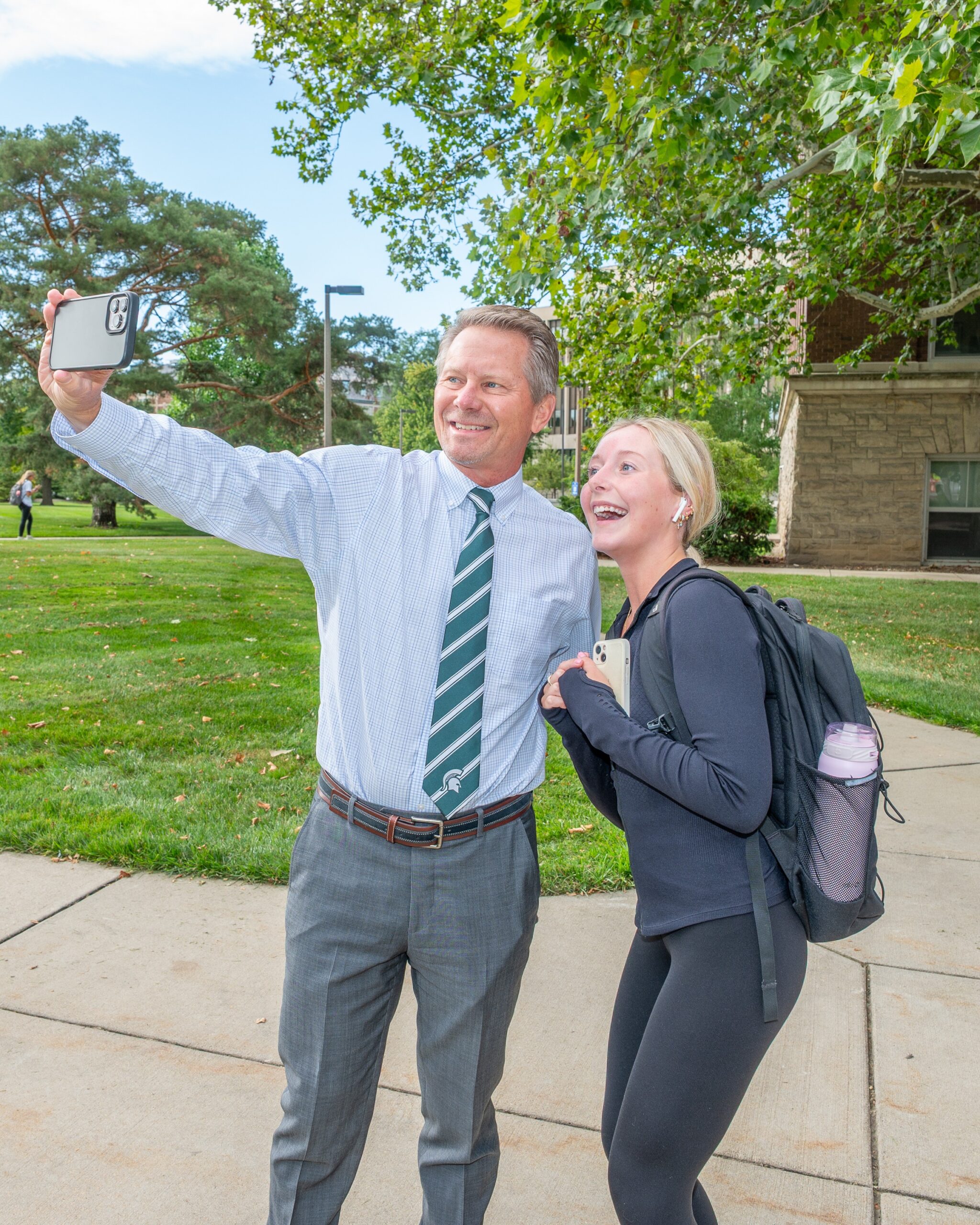
MSU Infrastructure Planning & Facilities

“From College Town to Chinatown” | The Chronicle of Higher Education, December 2018 This article directly addresses how the boom in Asian international students (heavily Chinese) has turned numerous U.S. college towns into “quasi-Chinatowns,” with examples of economic benefits from Asian-owned businesses but also vulnerabilities when enrollment drops. It covers the nationwide trend across multiple universities.
In 2005 in Louisville, Kentucky, a volunteer discovered that many elementary school children relied on school meals and faced hunger over the weekend. While the organization serves children of every background and partners with public schools nationwide, its name reflects a simple faith-inspired conviction: caring for one’s neighbor through practical acts of compassion.
Local volunteers, congregations, civic groups and businesses work together to place child-friendly food into students’ backpacks each Friday, helping ensure they return to school on Monday nourished, ready to learn and reminded that their community has not forgotten them.
In 2012 the Royal Oak Rotary Club launched a branch in Michigan Oakland County Michigan.
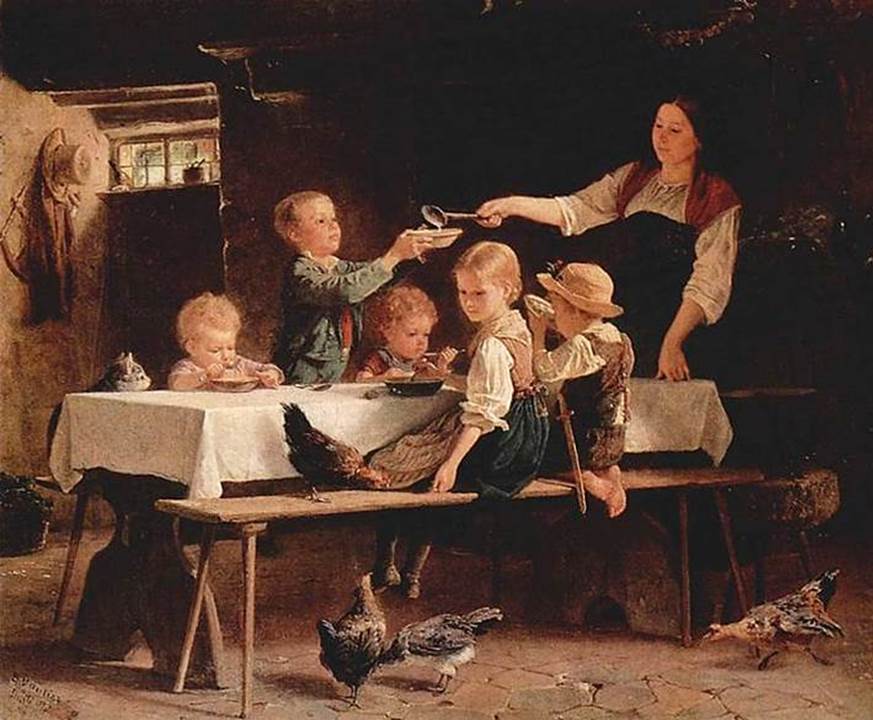
“Children at Lunch” 1857 Benjamin Vautier
Child Nutrition Programs News from the Michigan Department of Education
School Influences on Parents’ Role Beliefs
Crockett Elementary School Kitchen and Cafeteria Addition
Relata:
This content is accessible to paid subscribers. To view it please enter your password below or send mike@standardsmichigan.com a request for subscription details.
Standards Pennsylvania | Summer Watersport
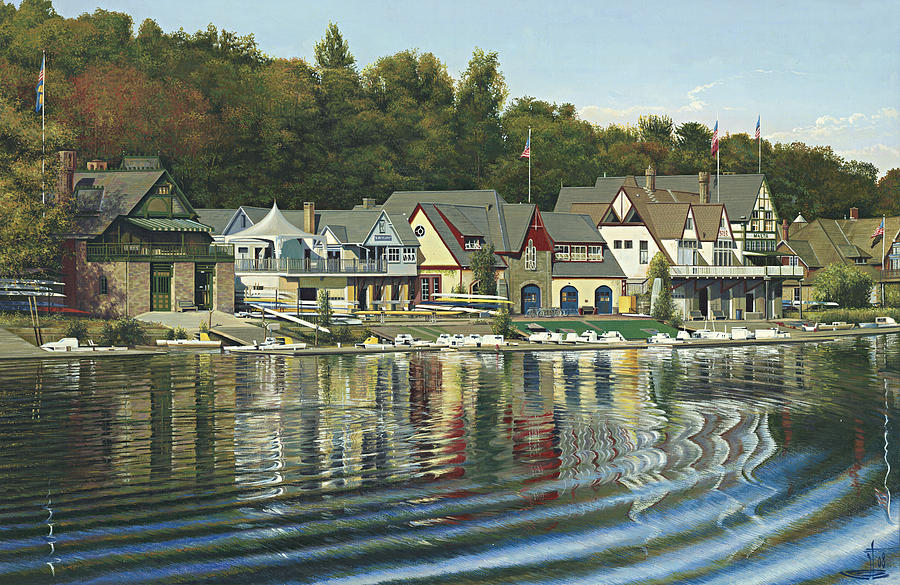
Painting by Ed Ryder
The Burk-Bergman Boathouse is one of the oldest and most distinguished collegiate rowing facilities in the United States. Located at 11 Kelly Drive on Philadelphia’s historic Boathouse Row, it serves as the home of the University of Pennsylvania’s men’s heavyweight, men’s lightweight, and women’s varsity rowing programs. It is also the only collegiate boathouse on Boathouse Row; the remaining boathouses belong to rowing clubs and other organizations.
A medal in the Champ Fours, and we’re bringing the MacMahon Cup Team Points trophy back to Boathouse Row! Great weekend up in Boston!
📰 https://t.co/xxJncv8jgk#FightOnPenn 🔴🔵 pic.twitter.com/zI3Lirsn4Q
— Penn Heavyweight Rowing (@pennhwtrowing) October 22, 2023
A little less dramatic than a year ago (THANK GOODNESS!!!) but it’s always exciting to see your name come up during the NCAA selection show! Still feeling the vibes this morning! Work ahead.#FightOnPenn ❤️💙 pic.twitter.com/8IjPwG3Zun
— Penn Women’s Rowing (@PennWRowing) May 17, 2023
Penn rowing traces its origins to 1854, but the present boathouse was constructed in 1875–1876 for the University’s College Boat Club, making it among the oldest surviving collegiate boathouses in America. Over the next century, successive additions responded to growing participation, but the resulting building became a patchwork of spaces with limited accessibility and aging infrastructure. In 2022, following a comprehensive restoration and expansion, the facility was renamed the Burk-Bergman Boathouse in honor of legendary Penn rowing coaches Joe Burk and Stan Bergman, whose combined coaching careers span much of the twentieth century and produced national champions, Olympians, and Ivy League titles.
How to Get Recruited for Men’s College Rowing: Times, Standards and What Coaches Look For https://t.co/iwdmGimQvh
— Standards Michigan (@StandardsMich) July 31, 2026
Relata:
NCAA USA Rowing Host Operations Manual
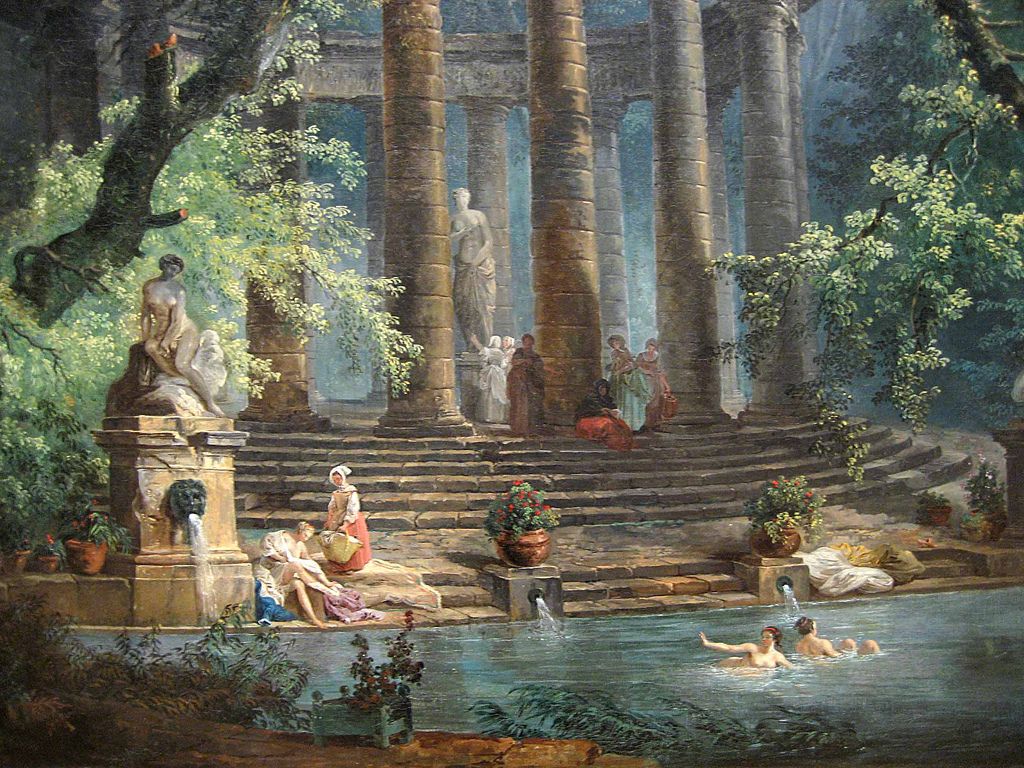
“The Bathing Pool” / Hubert Robert (French, 1733–1808) / Gift of J.P. Morgan
2024 Uniform Swimming Pool, Spa and Hot Tub Code
The IAPMO code development process is one of the best in the land. Its Read-Only Access — needed for light research — is also the best in the land; unlike other ANSI accredited standards developers (who shall be un-named). The current edition is dated 2024, with the 2027 revision accepted public input until March 3, 2025 according the schedule linked below:
2027 USPSHTC Code Development Calendar
Related:
Supporting swimming pools with electricity involves various essential functions such as filtration, heating, lighting, and sanitation. Ensuring safety and energy efficiency is crucial, and pool owners can take steps to minimize electricity costs and environmental impact. Key points:
Filtration and Circulation: Swimming pools rely on electric pumps to circulate water through filters, removing debris and maintaining water quality.
Heating: Electric heaters or heat pumps are used to regulate water temperature for comfort, especially in colder seasons.
Lighting: Underwater and pool area lighting enhance safety and aesthetics, typically powered by electricity.
Chlorination and Sanitation: Electric chlorinators or ozone generators help maintain water cleanliness and hygiene.
Automation: Electric control systems enable pool owners to manage filtration, heating, and lighting remotely for convenience and energy efficiency.
Energy Efficiency: Pool owners can invest in energy-efficient equipment, like variable-speed pumps and LED lighting, to reduce electricity consumption and operating costs.
Operations and Maintenance: Regular electrical maintenance ensures safe and reliable pool operation, preventing electrical faults and hazards. The electricity cost for pool operation can be significant, so pool owners should consider energy-efficient practices and equipment to reduce expenses.
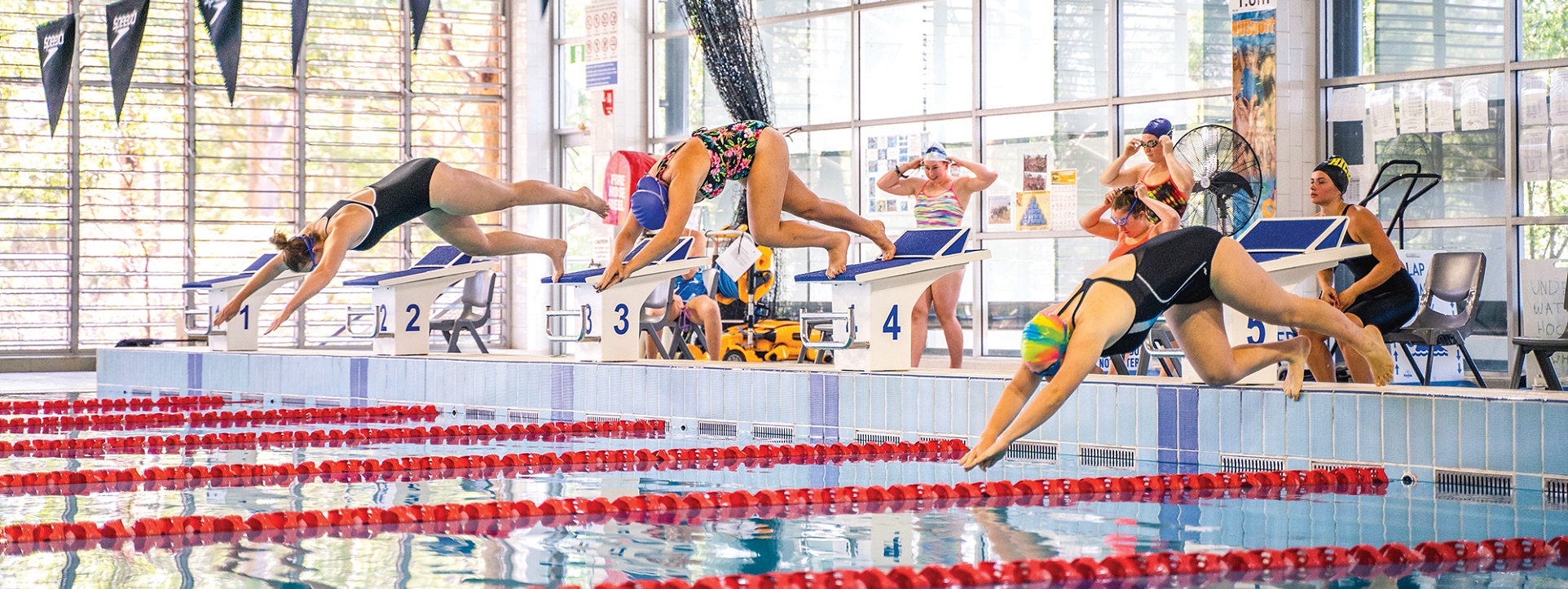
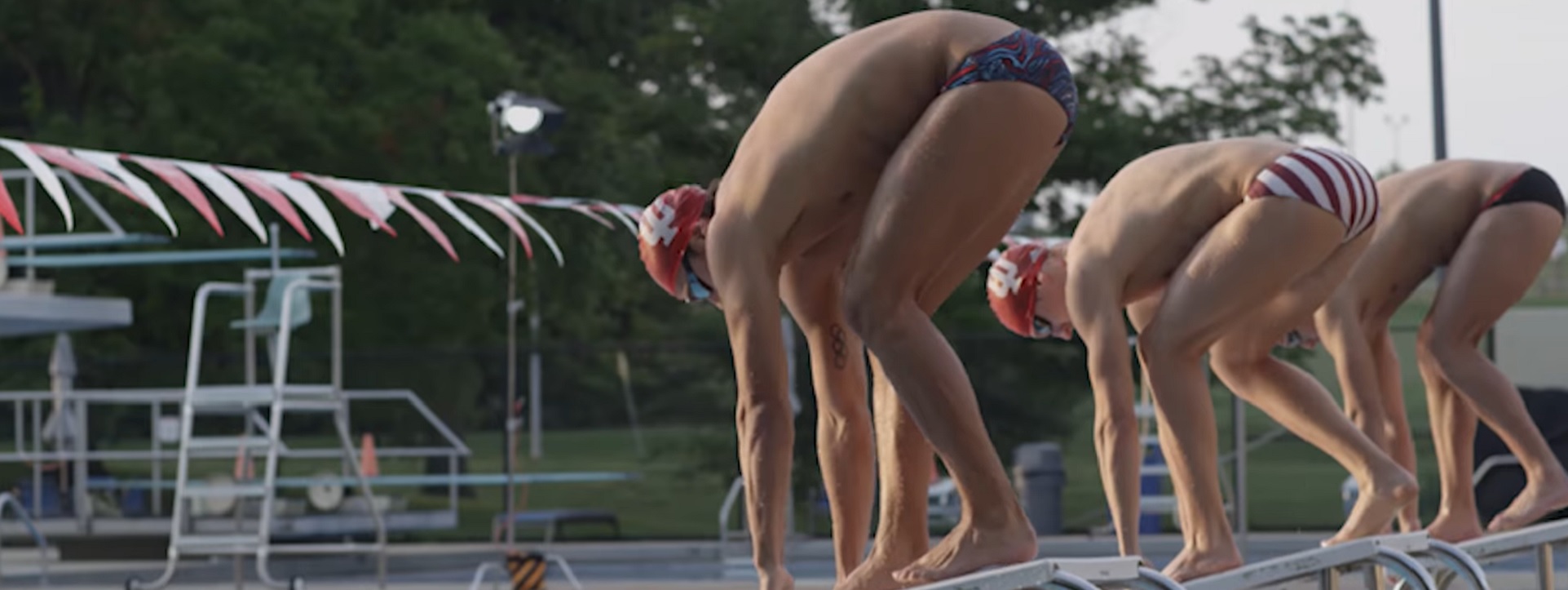
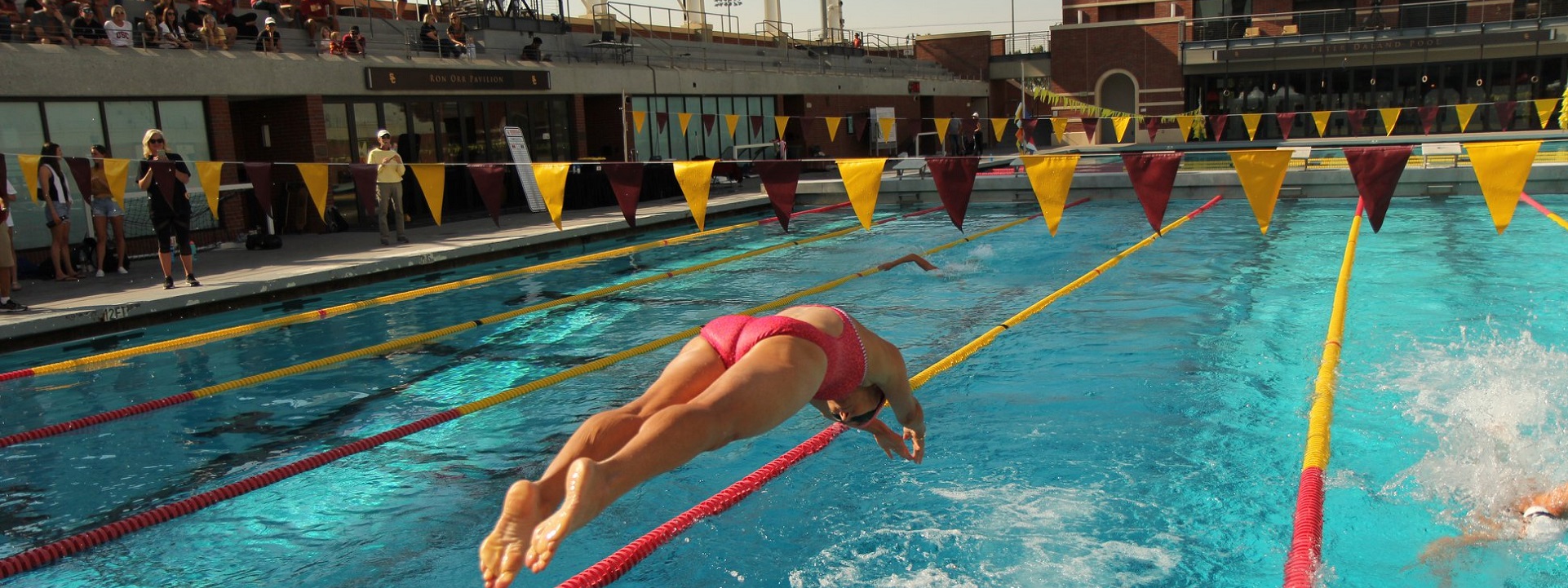
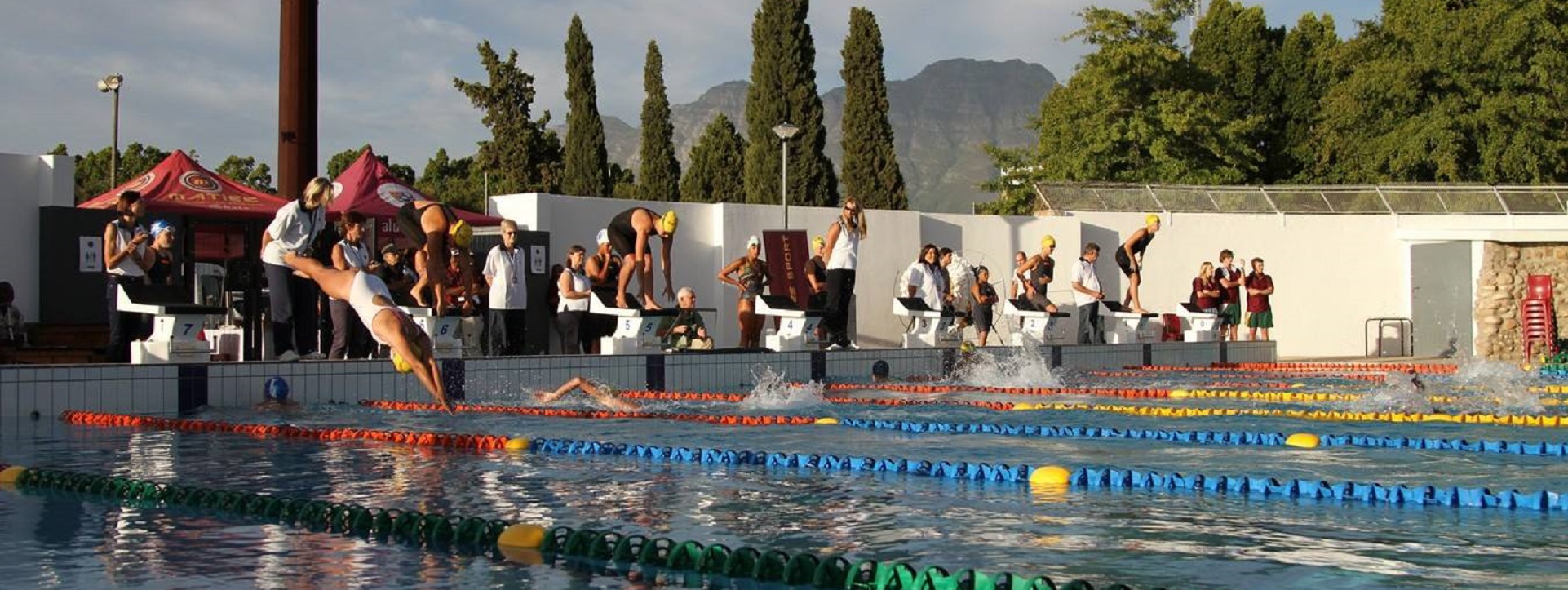
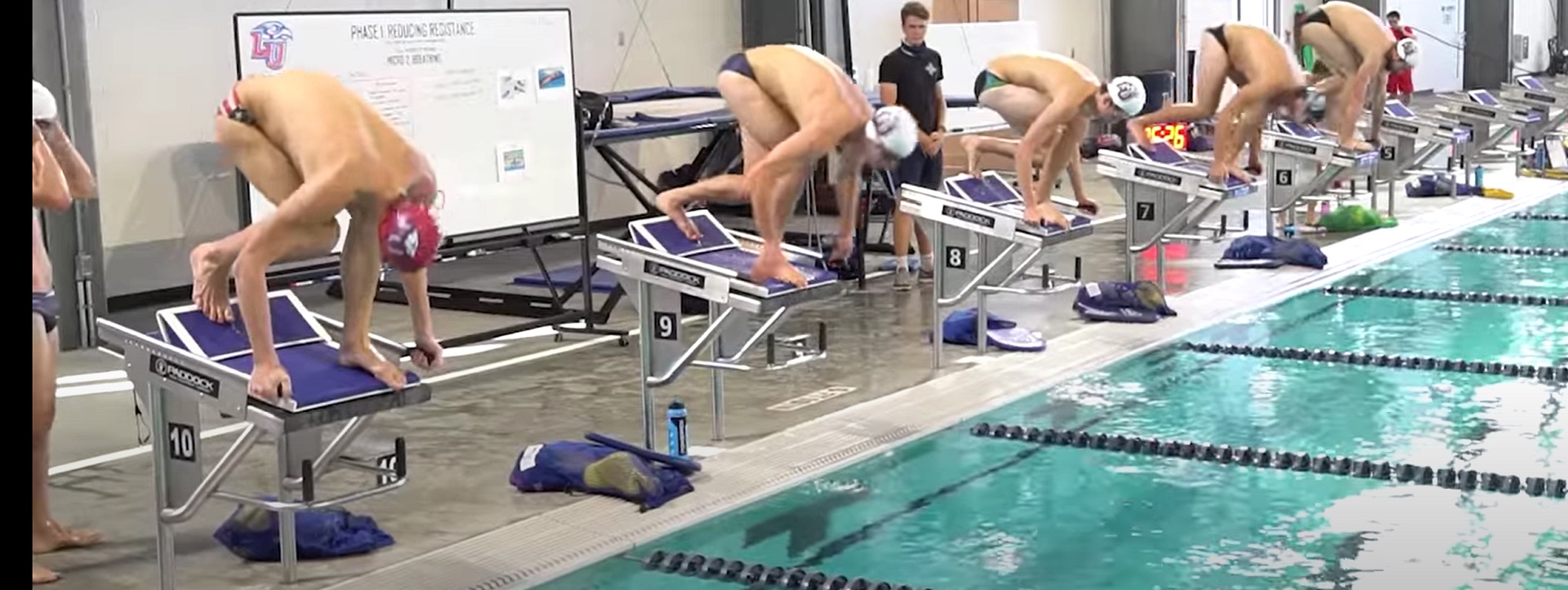
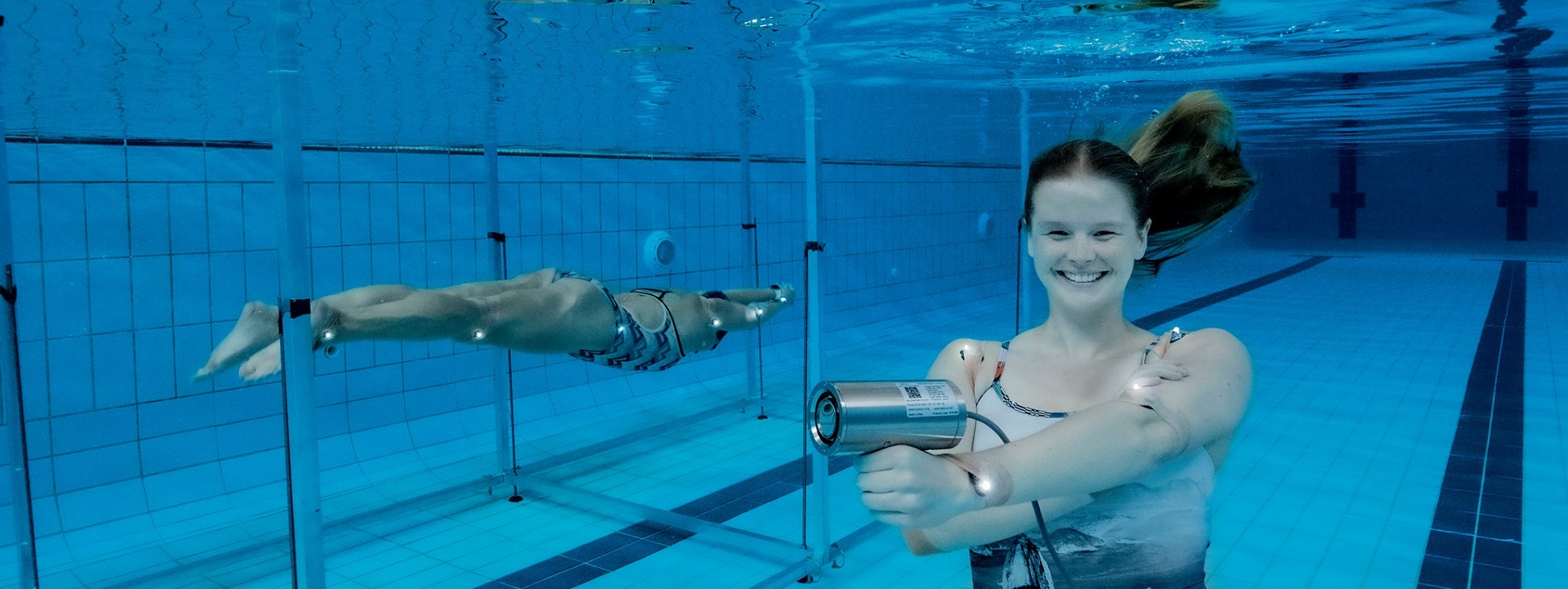
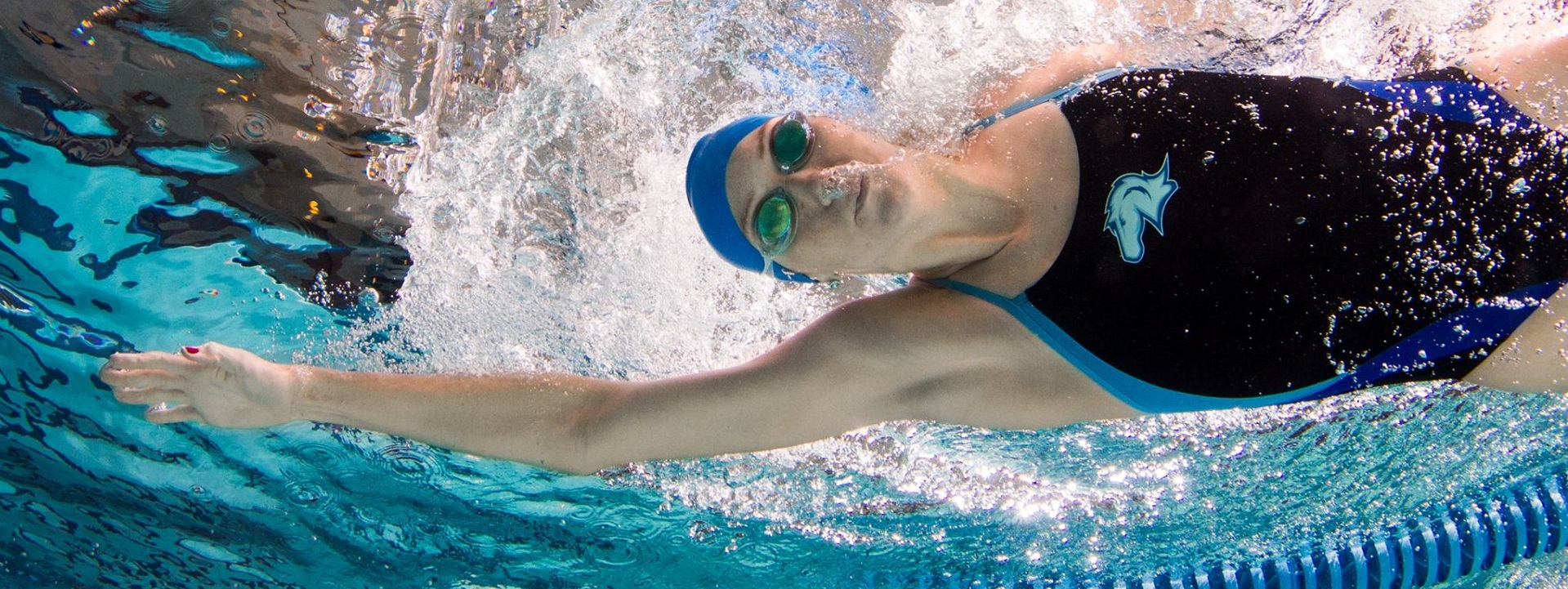
Education communities present one of the largest installed bases of artificially created bodies of water; the most abundance resource on earth. These bodies vary in size, purpose, and design but are all created by human intervention to serve specific needs, whether practical, recreational, or aesthetic. Safe and sustainable management of them in the Unite States are informed by best practice found in Article 680 of the National Electrical Code with scope statement below:
Construction and installation of electrical wiring for, and equipment in or adjacent to, all swimming, wading, therapeutic, and decorative pools; fountains; hot tubs; spas; and hydromassage bathtubs, whether permanently installed or storable, and to metallic auxiliary equipment, such as pumps, filters, and similar equipment.
Consultation on the First Draft of the 2026 revision closes August 24, 2024.
Related:
Pool, Fountain, Agriculture & Water Infrastructure Electrical Safety
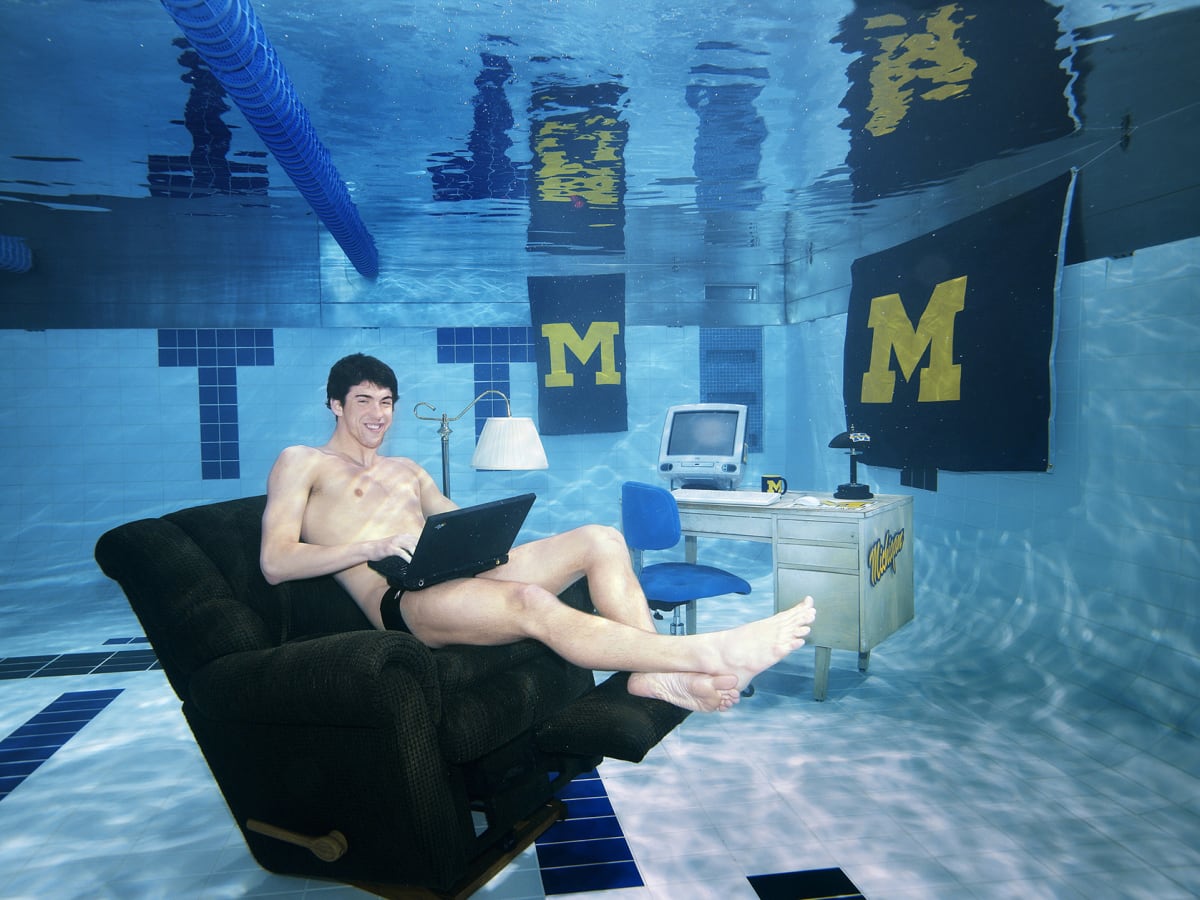
https://www.si.com/extra-mustard/2016/08/15/michael-phelps-poses-bottom-university-michigan-pool-2005
“The secret of great fortunes without apparent cause
is a crime forgotten, for it was properly done.”
CASE FAQ for Standards: Definition of Educational Philanthropy

Are they hedge funds with a side hustle in teaching, research and building construction? Are they tricked out memorial gardens for philanthropists? In either case leaders of educational settlements are expected to act in the best interests of both their institution and their donors, and to maintain high standards of transparency, accountability, and ethical conduct when accepting charitable gifts.
University endowments are comprised of money or other financial assets that are donated to academic institutions. Charitable donations are the primary source of funds for endowments. Endowment funds support the teaching, research, and public service missions of colleges and universities.
In the case of endowment funds for academic institutions, the income generated is intended to finance a portion of the operating or capital requirements of the institution. In addition to a general university endowment fund, institutions may also maintain a number of restricted endowments that are intended to fund specific areas within the institution, including professorships, scholarships, and fellowships.

More
2021 NACUBO-TIAA Study of Endowments
University of Michigan: Policy Guidelines for Naming of Facilities, Spaces and Streets
Dartmouth University Endowment Report 2023
https://www.dartmouth.edu/investments/docs/dartmouthendowmentreport2023.pdf
The largest philanthropic gift ever given to a United States college or university is the donation of $9.6 billion made by MacKenzie Scott to various organizations, including several universities, in 2020. Scott, the ex-wife of Amazon founder Jeff Bezos, made the donation as part of her commitment to give away the majority of her wealth to charitable causes. The universities that received donations from Scott include historically black colleges and universities, community colleges, and research universities such as the University of California, San Diego, and Johns Hopkins University. The donation was considered significant not only for its size but also for its focus on supporting organizations that serve underrepresented and marginalized communities.
There are several standards and best practices that are generally followed by universities and colleges when accepting charitable gifts. These standards are designed to ensure that the gift is used effectively and that the interests of both the donor and the institution are protected. Some of the key standards include:
Overall, universities and colleges are expected to act in the best interests of both their institution and their donors, and to maintain high standards of transparency, accountability, and ethical conduct when accepting charitable gifts.
New update alert! The 2022 update to the Trademark Assignment Dataset is now available online. Find 1.29 million trademark assignments, involving 2.28 million unique trademark properties issued by the USPTO between March 1952 and January 2023: https://t.co/njrDAbSpwB pic.twitter.com/GkAXrHoQ9T
— USPTO (@uspto) July 13, 2023
Standards Michigan Group, LLC
455 East Eisenhower Parkway, Suite 300
Ann Arbor, MI 48108 USA
888-748-3670
 |
 |
|
 |
 |
|
 |
 |