Tag Archives: D1/1

Loading
loading..

Water and Sanitation

Standards March: Water

Water is essential for sanitation and hygiene — and proper sanitation is essential for protecting water sources from contamination and ensuring access to safe drinking water.  Access to safe water and sanitation is crucial for preventing the spread of waterborne diseases, which can be transmitted through contaminated water sources or poor sanitation practices. Lack of access to safe water and sanitation can lead to a range of health problems, including diarrheal diseases, cholera, typhoid, and hepatitis A.  

On the other hand, poor sanitation practices, such as open defecation, can contaminate water sources, making them unsafe for drinking, bathing, or cooking. This contamination can lead to the spread of diseases and illness, particularly in developing countries where access to clean water and sanitation facilities may be limited.

We track the catalog of the following ANSI accredited standards developers that necessarily require mastery of building premise water systems:

American Society of Heating, Refrigerating and Air-Conditioning Engineers: ASHRAE develops standards related to heating, ventilation, air conditioning, refrigeration systems — and more recently, standards that claim jurisdiction over building sites.

American Society of Mechanical Engineers: ASME develops standards related to boilers, pressure vessels, and piping systems.

American Water Works Association: AWWA is a standards development organization that publishes a wide range of standards related to water supply, treatment, distribution, and storage.

ASTM International: ASTM develops and publishes voluntary consensus standards for various industries, including water-related standards. They cover topics such as water quality, water sampling, and water treatment.

National Fire Protection Association: NFPA develops fire safety standards, and some of their standards are related to water, such as those covering fire sprinkler systems and water supplies for firefighting within and outside buildings.  We deal with the specific problems of sprinkler water system safety during our Prometheus colloquia.

National Sanitation Foundation International (NSF International): NSF International develops standards and conducts testing and certification for various products related to public health and safety, including standards for water treatment systems and products.

Underwriters Laboratories (UL): UL is a safety consulting and certification company that develops standards for various industries. They have standards related to water treatment systems, plumbing products, and fire protection systems.


United States Standards System


* The evolution of building interior water systems has undergone significant changes over time to meet the evolving needs of society. Initially, water systems were rudimentary, primarily consisting of manually operated pumps and gravity-fed distribution systems. Water was manually fetched from wells or nearby sources, and indoor plumbing was virtually nonexistent.

The Industrial Revolution brought advancements in plumbing technology. The introduction of pressurized water systems and cast-iron pipes allowed for the centralized distribution of water within buildings. Separate pipes for hot and cold water became common, enabling more convenient access to water for various purposes. Additionally, the development of flush toilets and sewage systems improved sanitation and hygiene standards.

In the mid-20th century, the advent of plastic pipes, such as PVC (polyvinyl chloride) and CPVC (chlorinated polyvinyl chloride), revolutionized plumbing systems. These pipes offered durability, flexibility, and ease of installation, allowing for faster and more cost-effective construction.

The latter part of the 20th century witnessed a growing focus on water conservation and environmental sustainability. Low-flow fixtures, such as toilets, faucets, and showerheads, were introduced to reduce water consumption without compromising functionality. Greywater recycling systems emerged, allowing the reuse of water from sinks, showers, and laundry for non-potable purposes like irrigation.

With the advancement of digital technology, smart water systems have emerged in recent years. These systems integrate sensors, meters, and automated controls to monitor and manage water usage, detect leaks, and optimize water distribution within buildings. Smart technologies provide real-time data, enabling better water management, energy efficiency, and cost savings.

The future of building interior water systems is likely to focus on further improving efficiency, sustainability, and water quality. Innovations may include enhanced water purification techniques, decentralized water treatment systems, and increased integration of smart technologies to create more intelligent and sustainable water systems.

The first mover in building interior water supply systems can be traced back to the ancient civilizations of Mesopotamia, Egypt, and the Indus Valley. However, one of the earliest known examples of sophisticated indoor plumbing systems can be attributed to the ancient Romans.

The Romans were pioneers in constructing elaborate water supply and distribution networks within their cities. They developed aqueducts to transport water from distant sources to urban centers, allowing for a centralized water supply. The water was then distributed through a network of lead or clay pipes to public fountains, baths, and private residences.

One notable example of Roman plumbing ingenuity is the city of Pompeii, which was buried by the eruption of Mount Vesuvius in 79 AD. The excavation of Pompeii revealed a well-preserved plumbing system that included indoor plumbing in some houses. These systems featured piped water, private bathrooms with flushing toilets, and even hot and cold water systems.

The Romans also invented the concept of the cloaca maxima, an ancient sewer system that collected and transported wastewater away from the city to nearby bodies of water. This early recognition of the importance of sanitation and wastewater management was a significant advancement in public health.

While the Romans were not the only ancient civilization to develop indoor plumbing systems, their engineering prowess and widespread implementation of water supply and sanitation infrastructure make them a key player in the history of building interior water systems.

Bruin Café

“Europe today has little desire to reproduce itself,
fight for itself or even take its own side in a argument.
By the end of the lifespans of most people currently alive,
Europe will not be Europe and the peoples of Europe
will have lost the only place in the world we had to call home”

– Douglas Murry (“The Strange Death of Europe”)

Nederland

Large European universities such as Rijksuniversiteit Groningen are integrated into the fabric of the surrounding city. There are several ways in which this integration takes place:

Physical location: Many European universities are located in the heart of the city, often in historic buildings that have been repurposed for educational use. This central location means that the university is easily accessible to students and the general public, and that it is often surrounded by other cultural institutions, such as museums, theaters, and libraries.

Student life: The presence of a large student population can have a significant impact on the city’s culture and economy. Many European cities have developed a vibrant student culture, with cafes, bars, and other venues catering to the needs and interests of young people. This can help to create a sense of community between the university and the city, and can also bring economic benefits to local businesses.

Facilities Organization

Research and innovation: Large European universities are often at the forefront of research and innovation, and they can be important drivers of economic growth in the surrounding region. Many universities work closely with local businesses and industries, and they may also collaborate with other universities and research institutions in the area.

Cultural exchange: Universities can be important centers of cultural exchange, both for international students and for local residents. Many European universities offer language classes and other cultural programs that are open to the public, and they may also host lectures, concerts, and other events that are designed to promote cross-cultural understanding.

Overall, the integration of large European universities into the city is a complex and multifaceted process that can have a significant impact on the social, cultural, and economic life of the surrounding region.

Sinterklaas Koffie


The origin of brown cafés can be traced back to the 17th century, during the Dutch Golden Age. At that time, the Netherlands was a prosperous and influential trading nation, and Amsterdam was a bustling city with a thriving port. Sailors, merchants, and locals needed places to socialize, relax, and conduct business, leading to the emergence of taverns and pubs.

The term “brown café” is believed to have originated from the brownish stains that formed on the walls and ceilings due to tobacco smoke, candle soot, and other atmospheric elements. These stains gave the cafés a distinct, cozy ambiance and a sense of history.

Brown cafés became an integral part of Dutch culture, serving as communal gathering spots for people of all walks of life. They were places where locals would meet friends, engage in conversations, enjoy a drink, and sometimes play board games like chess or backgammon. Over time, brown cafés became associated with an authentic, unpretentious, and relaxed atmosphere, attracting both locals and tourists.

The unique charm of brown cafés lies in their preserved historical interiors, with old wooden furniture, dim lighting, and a wide selection of local beers and spirits. Many brown cafés still retain their original character, transporting visitors back in time and providing a cozy retreat from the hustle and bustle of modern life.

While the concept of brown cafés originated in the Netherlands, similar types of establishments can also be found in other European countries, such as Belgium and parts of Germany. However, the term “brown café” is primarily associated with the Dutch tradition of cozy, atmospheric, and convivial drinking establishments.


Nederland

Smart Grid Blockchains

Energy Academy

Media stúdzjes

Promovendus maakt recyclebaar rubber


Retrodiction

“In a world of infinite information,

the scarce resource is attention.”

Eric Weinstein


By design, we do not provide a SEARCH function. We are a niche practice in a subtle, time-sensitive domain with over 30 years of case history.  We were the first movers in the largest building construction market in the world.  We are happy to answer all questions but place priority on collaborations.  We provide links to the most accessed topics in recent days. All queries presented during our “Open Office Hours” every work day, or via email, are gratefully received and prompt a near-immediate response.

Community Hub Schools

“Imitation is not just the sincerest form of flattery
—it’s the sincerest form of learning.”

Podcast Production

Secretariat: China

Performance Monitoring for Power Plants

Flying Tigers

Apple Picking Robot

Babcock Neighborhood School

Towards Crafting Beer with Artificial Intelligence

Sisu

Promovendus maakt recyclebaar rubber

Sport Lighting

Architectural Billings

Storm Shelters

Masonry

Fireplace Brickwork

Trowel Trades

Soils and Foundations

Installer Tile Specialist Installation Standards

General Conditions of the Construction Contract

Occupancy Classification and Use

Naming & Signs

Life Safety Code

Abiit sed non oblita | Rebecca Luker

International Property Maintenance Code

THE GLOBAL LANGUAGE FOR COLOUR

Fireplace Safety

Inglenook

Radio 400

Maslenitsa “Pancake Week”

Home Economics

Birds in Winter

Cultural Resource Properties

The “Groundhog Day” Effect

Athletic Equipment Safety Standards

Punxsutawney High School Groundhog Day Assembly

Animal Safety

Throwing Stones

International Zoning Code

City Chickens 101

Abiit sed non oblitus | Houghton County Michigan

Shoe Fly Pie

Pink Squirrel

7th Edition (2018): Geometric Design of Highways & Streets

Wayfinding

Throwing Stones

Concrete Matters

Life Safety Code

International Zoning Code

Sabbath

Bowling and Billiards

How to Care for Horses in the Winter

Uniform Swimming Pool, Spa & Hot Tub Code

LIVE: KWVS 101.5 FM

California Code Adoption for Local Jurisdictions

Climate Psychosis

Sacred Spaces

Chanson de Nuit, Op. 15, No. 1

Slow Cooker Beef Stew

Gallery: Planetariums

Peach Mountain Radio Observatory

Observatories & Planetariums

Catcher in the Rye

Mince Pie & Tea

“Season of Light Illumination”

Animal Care during the Holidays

Evensong “Simple Gifts”

Special Events

Dahlgren Hall & “Seasoned” Coffee Mug Stories

Egg Nog Riot of 1826

Pain aux Raisins & Café au lait avec presse française

Textiles

Dresdner Stadtfest

“Season of Light Illumination”

Gallery: Graduation Commencement Speeches

Acoustics

La Loi Ne Fait Plus Le Bonheur

Theater Safety

Pain aux Raisins & Café au lait avec presse française

Alexis de Tocqueville on the Foundations of American Democracy

Abiit sed non oblita | Rebecca Luker

Christmas Bread & “Liberty Teas”

International Property Maintenance Code

What is Happening to the Family, and Why?

Charcuterie

BEAUJOLAIS NOUVEAU

Clery Act

Sports Equipment & Surfaces

Guide to Premises Security

World Census of Agriculture

Healthcare Organization Management

Cinq ans après

International Fire Code

Traditional Latin Mass

Inglenook

Fireplace Lounges

Standard for Portable Fire Extinguishers

Oxford College Student Center

Preparing Your Garden for Winter

Create a Winter Bird Haven

Duncan Stroik Architect

Code ignis MMXXVII

International Fire Code

Gallery: School Bond Referenda

Refrigeration Systems: Cadaver Preservation

Mortuary Arts

Standard for Interactions Between Medical Examiner, Coroner and Death Investigation Agencies

The Halloween Problem

Waterfowl Research

Monster Culture

Gross Anatomy Lab Renovation

Falsus in uno, Falsus in omnibus

Construction Technology Careers: Carpentry, HVAC, Plumbing

Data Center Bust & Boom

Data Center Wiring

Refrigeration Systems: Cadaver Preservation

Energy Standard for Data Centers

August 14, 2003

Social networks and culture in birds

Color Metrology

Interior Finishes

Color Calculation Standard E3415

GET TO KNOW YOUR CREWS: PAINT SHOP

What Is A Standard Drink?

Uniform Swimming Pool, Spa & Hot Tub Code

Paint Hazard Management

Electrical Commissioning Specifications

Construction Technology Careers: Carpentry, HVAC, Plumbing

Sport Lighting

City Chickens 101

LIVE: 91.3 FM Cal Poly Student Radio

Data Center Wiring

High-voltage switchgear and controlgear

Lingua Franca

Water and Sanitation

Bleachers, Folding Seating & Grandstands

Classroom Furniture

First Day of School

Uniform Swimming Pool, Spa & Hot Tub Code

“The Boys in the Boat”

Group A Model Building Codes

Acceptable Performance Standard for District Cooling Systems

Farm Electrical Power

Keeping Animals Cool

Farm Electrical Power

Evensong “Knoxville: Summer of 1915”

Peach Mountain Radio Observatory

Uniform Plumbing Code

Uniform Swimming Pool, Spa & Hot Tub Code

International Zoning Code

Energy Standard for *Sites* and Buildings

Protecting Animals When Disaster Strikes

S. 5: Laken Riley Act

Entertainment Occupancies

Steeplechase Water Jump

C++

The Best Student-Friendly Brownies

print(“Python”)

Michigan State University

Oxford College Student Center

Sacred Spaces

Laboratory Fume Hood Safety

University of Iowa | Johnson County

2028 National Electrical Safety Code

Национа́льный иссле́довательский То́мский госуда́рственный университе́т

Robie House

Making Greenwich the centre of the world

Roger Scruton Memorial Lectures

Electrical heat tracing: international harmonization-now and in the future


Winter Vegetable Soup

Electrical heat tracing: international harmonization-now and in the future

Brankscom Hall Toronto

Fire Alarm & Signaling Code

Ice Swimming

Uniform Plumbing Code


Banished Words 2025 (And words that refuse to be banished)

Ædificare & Utilization


“It is a truth universally acknowledged, that a single man in possession

of a good fortune, must be in want of a wife.”

Pride and Prejudice by Jane Austen


Morning Shower (And All That)

Complete Monograph: 2024 GROUP A PROPOSED CHANGES TO THE I-CODES

Annual Conference Home Page

“The Bathing Pool” | Hubert Robert (1733–1808)

CLICK IMAGE to access complete text

Design Considerations for Hot Water Plumbing

Baseline Standards for Student Housing

2024/2025/2026 ICC CODE DEVELOPMENT SCHEDULE

Indoor plumbing has a long history, but it became widely available in the 19th and early 20th centuries. In the United States, for example, the first indoor plumbing system was installed in the Governor’s Palace in Williamsburg, Virginia in the early 18th century. However, it was not until the mid-19th century that indoor plumbing became more common in middle-class homes.

One important milestone was the development of cast iron pipes in the 19th century, which made it easier to transport water and waste throughout a building. The introduction of the flush toilet in the mid-19th century also played a significant role in making indoor plumbing more practical and sanitary.

By the early 20th century, indoor plumbing had become a standard feature in most middle-class homes in the United States and other developed countries. However, it was still not widely available in rural areas and poorer urban neighborhoods until much later.

International Plumbing Code

Form v. Function | Function v. Form

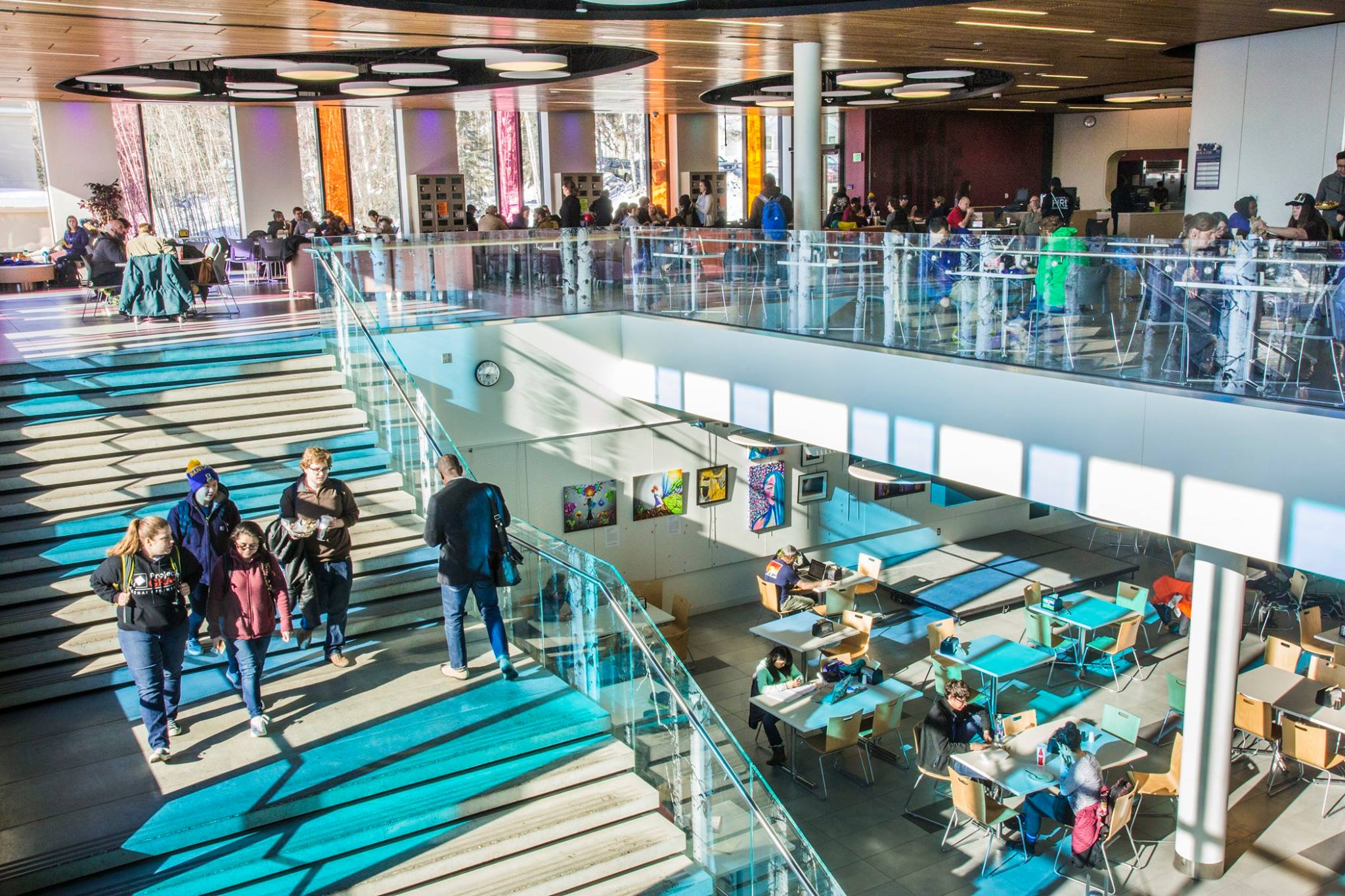
Seawolf Grounds

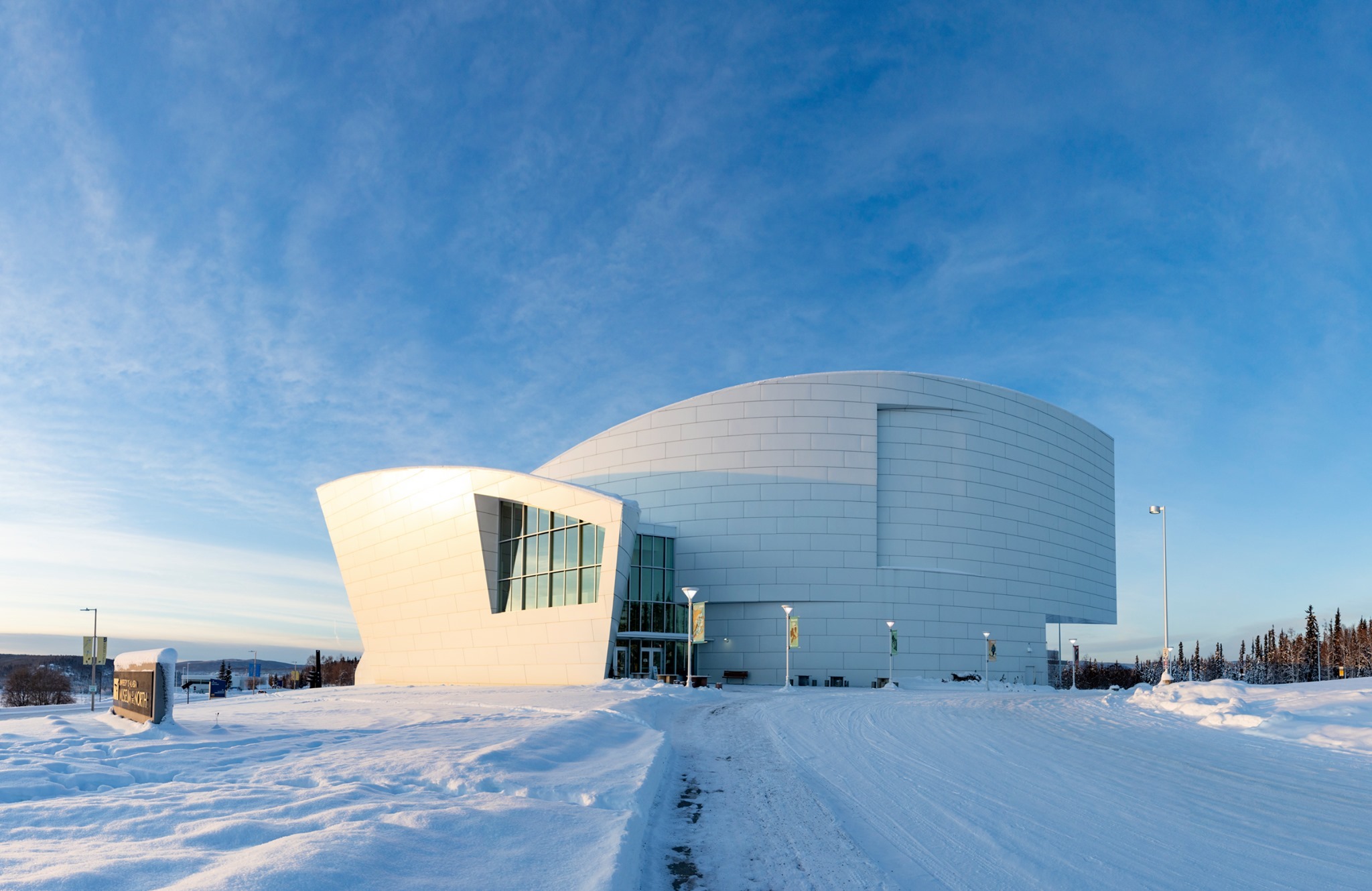
University of Alaska System Financial Reports 2024: $1.490B (p. 4)

Facilities & Campus Services


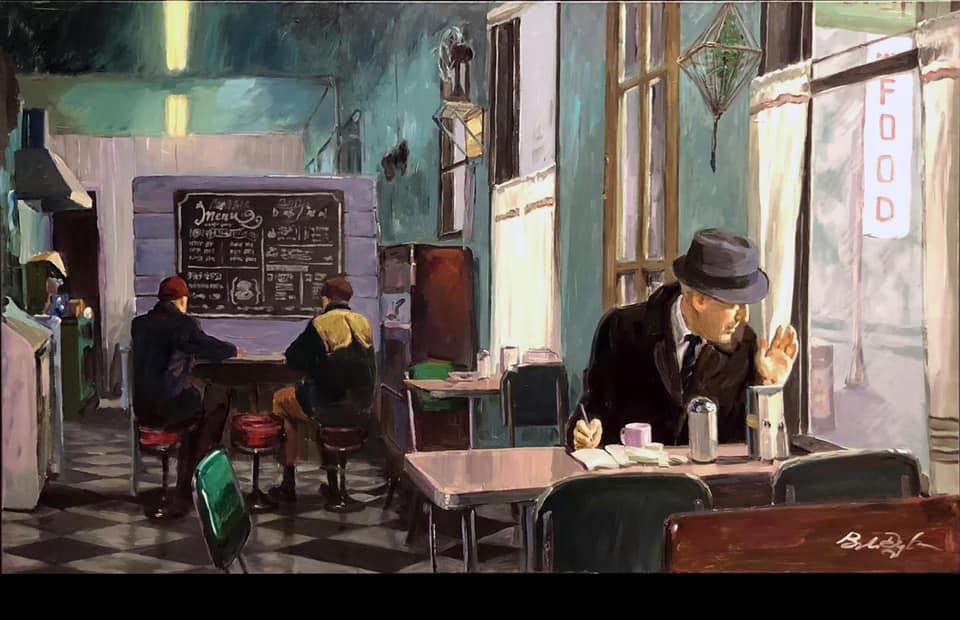
Fellows Coffee Shop

“I have found that it is the small everyday deeds of ordinary folk

that keep the darkness at bay.”

— J.R. R. Tolkein


Annual Report and Accounts 2023/24: £1.310 billion

Tolkien, author of “The Lord of the Rings” and “The Hobbit,” completed his studies at the University of Birmingham in 1915. He graduated with first-class honors in English Language and Literature. After graduation, Tolkien went on to serve in World War I before embarking on his distinguished career as a writer and academic.

Old Joe: Campus Romances

Old Joe Clocktower | Fixing Old Joe

Home

Roger Scruton “Why Intellectuals are Mostly Left”


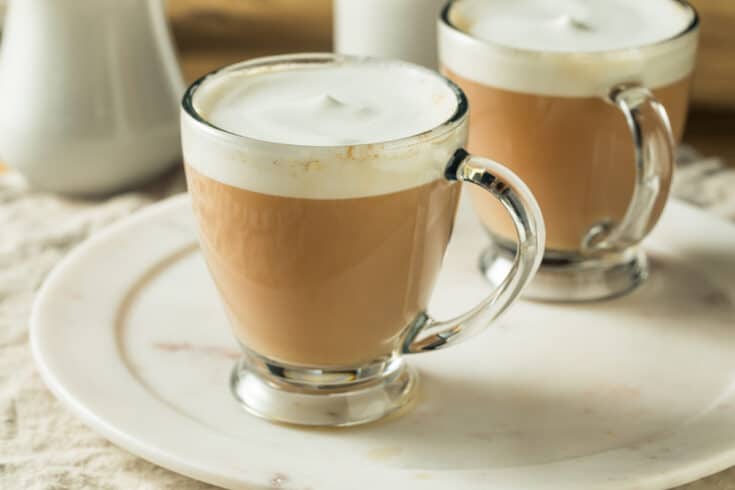
Coffee

How Coffee Loves Us Back

The Perfect Cup of Coffee

Best Coffee Spots Near Campus

Social Experiment: Giving College Students Coffee

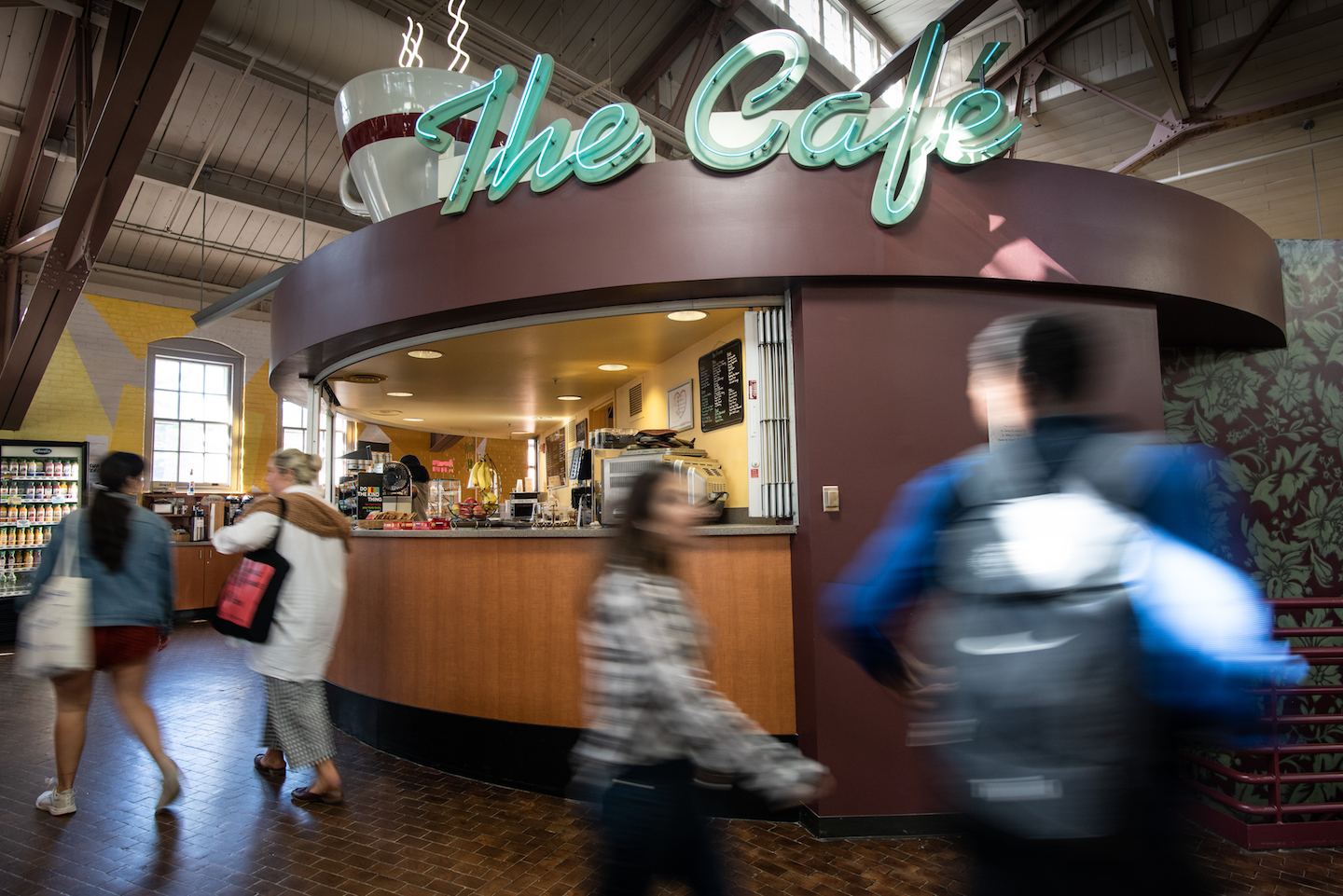
Bruin Café


The Hunt for the Superior Matcha

This content is accessible to paid subscribers. To view it please enter your password below or send mike@standardsmichigan.com a request for subscription details.

Writing Headlines

This content is accessible to paid subscribers. To view it please enter your password below or send mike@standardsmichigan.com a request for subscription details.

Coconut Cold Brew


Standards North Carolina

2023 Financial Report & Audit | $1.092B 

Master Plan: Vision 2030

The United States Food and Drug Administration and the National Coffee Association recommended standard temperature for safe hot coffee is around 160°F to 165°F (71°C to 74°C). This temperature range is considered hot enough to be enjoyable while minimizing the risk of scalding or burning.

These agencies do not have specific regulations or guidelines solely dedicated to cold brew coffee.  However, there are general principles and best practices for handling and storing perishable food products that can be applied to cold brew coffee to ensure safety.*

Cold brew coffee typically requires more time to prepare than traditional hot brew coffee. While hot brew coffee can be made in just a few minutes, cold brew coffee is made by steeping coffee grounds in cold water for an extended period of time, usually between 12 to 24 hours.

The longer steeping time allows the coffee to extract more slowly and results in a smoother, less acidic coffee concentrate. After steeping, the coffee grounds are usually filtered out and the resulting concentrate can be diluted with water, milk, or other liquids and served over ice.

While cold brew coffee does require more time to prepare, many coffee drinkers prefer its smoother, less bitter taste and lower acidity compared to hot brewed coffee. Additionally, the longer shelf life of cold brew coffee concentrate makes it a popular choice for those who like to prepare coffee in advance and have it ready to drink throughout the day.

https://youtu.be/p9_zQUVbwn0?si=JsBMJLZyq4S0aF7t two guys talkingme talking icon coffee

The Sacred Myths of Liberalism | Eric Kaufman (University of Buckingham)

Elon University Facilities Management

Coffee

We cover the technical standards applicable to small to medium sized coffee preparation installations in a cross-cutting way during our Kitchens 200 colloquium.

Relevant IEEE Research:

COVID-19 pandemic affected on coffee beverage decision and consumers’ behavior

Quality-Anomaly Identification in Liquid-Coffee Vending Machines Through Electrical Current Waveforms and Olfactory Data

Using Digital Marketing to Enhance Sustainability in The Coffee Business


* These recommendations are based on general food safety practices:

Water quality: Start with clean, potable water to brew your cold brew coffee. Make sure the water source is safe and free from contaminants.

Brewing process: Follow good manufacturing practices and ensure that your brewing equipment and utensils are clean and sanitized. Cold brew coffee is typically brewed using room temperature or cold water over an extended period. Ensure that the brewing container is properly sealed and protected from any potential sources of contamination.

Filtration: After the brewing process, filter the cold brew coffee to remove any sediment or particles. This can be done using a fine-mesh sieve or a dedicated filtration system.

Storage: Store the cold brew coffee in a clean, airtight container in the refrigerator. This helps to inhibit the growth of bacteria and maintain the quality of the coffee. Cold brew coffee can typically be stored for a few days to a couple of weeks, depending on the specific recipe and preparation method.

Temperature control: Keep the cold brew coffee refrigerated at a temperature below 41°F (5°C) to prevent the growth of harmful bacteria.

Serve safely: When serving cold brew coffee, use clean and sanitized utensils, containers, and dispensing equipment to avoid cross-contamination. If you add any additional ingredients like milk or sweeteners, ensure that they are stored properly and do not exceed their recommended storage times.

Layout mode
Predefined Skins
Custom Colors
Choose your skin color
Patterns Background
Images Background
Standards Michigan
error: Content is protected !!
Skip to content