— Barefoot Pregnant (@usuallypregnant) May 18, 2025
…”Your children are not your children. They are the sons and daughters of Life’s longing for itself. They come through you but not from you, And though they are with you yet they belong not to you.
You may give them your love but not your thoughts, For they have their own thoughts. You may house their bodies but not their souls, For their souls dwell in the house of tomorrow,
This content is accessible to paid subscribers. To view it please enter your password below or send mike@standardsmichigan.com a request for subscription details.
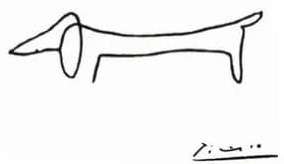
Two universes mosey down the street
Connected by love and a leash and nothing else.
Mostly I look at lamplight through the leaves
While he mooches along with tail up and snout down,
Getting a secret knowledge through the nose
Almost entirely hidden from my sight.
We stand while he’s enraptured by a bush
Till I can’t stand our standing any longer
And haul on the leash to bring him away.
He lives in the moment, which is good for him,
But when I see a stone wall, I think of Greece,
The sort of place he’d have a lot to say about—
The sniffable pots and broken statues,
The seas, the Ionic evenings all in a row.
But he just gives a yelp and comes running over
To smell my palm, and what can I do but
Smile and bend down to give him a hello?
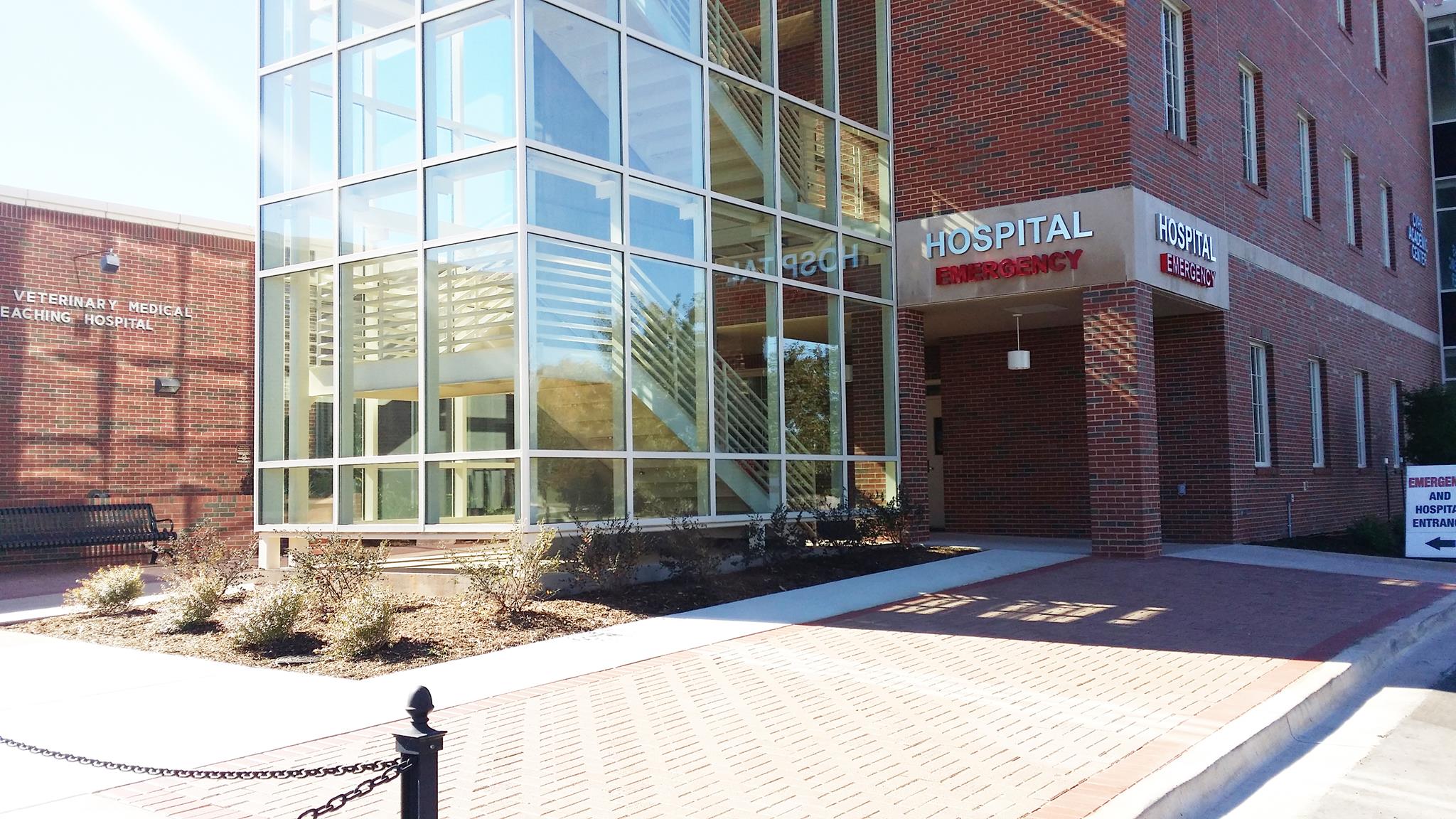
The Boren Veterinary Medical Teaching Hospital in Stillwater was named after David Boren, who played a significant role in securing funding for Oklahoma’s only animal medical research and clinical delivery facility during his tenure as the Governor of Oklahoma in the 1970s. An additional $250 million has been allocated by the state for upgrades and operational costs — essential for maintaining the program’s accreditation.
Congratulations to the seven outstanding researchers from the OSU College of Veterinary Medicine who were named on the Stanford/Elsevier Top 2% Scientists List! We’re proud to celebrate their achievements! 🎉https://t.co/9R6z518v6z
This content is accessible to paid subscribers. To view it please enter your password below or send mike@standardsmichigan.com a request for subscription details.
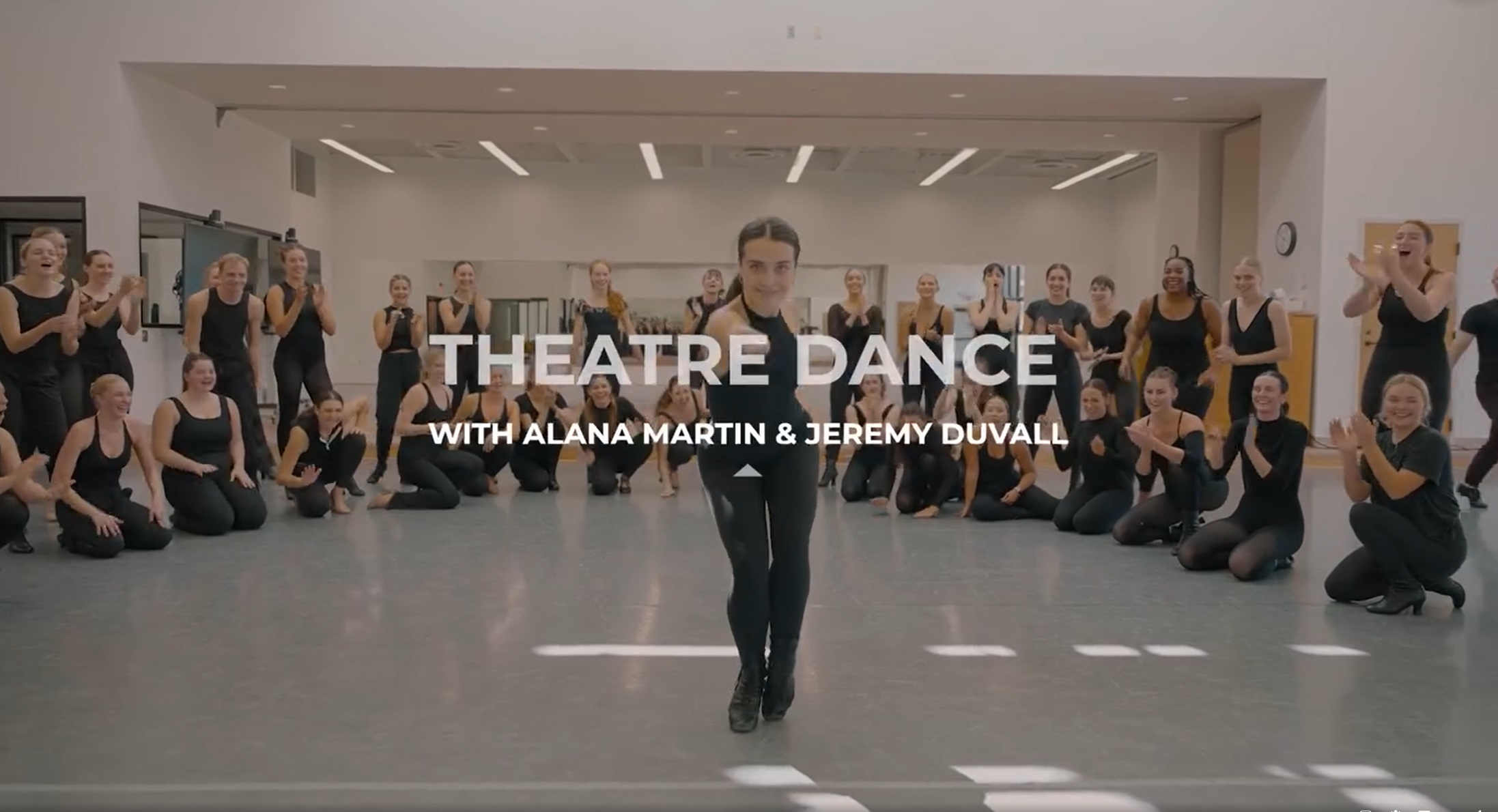
Artificial lighting was first introduced to theater dramatic performance stages in the 17th century. The use of candles and oil lamps initially provided a means to illuminate the stage, allowing performances to take place in the evening and enhancing the visibility for both actors and the audience. Before this development, theatrical performances were typically held during daylight hours due to the reliance on natural light.
In the early 17th century, theaters in England began experimenting with various lighting techniques. Thomas Killigrew’s Theatre Royal, Drury Lane, in London, is often credited as one of the first theaters to use artificial lighting. The use of candles and later oil lamps evolved over time, leading to more sophisticated lighting setups as technology advanced.
The 18th and 19th centuries saw further innovations in stage lighting, including the use of gas lamps. Eventually, the introduction of electric lighting in the late 19th and early 20th centuries revolutionized stage lighting, providing theaters with a more reliable and controllable source of illumination. This allowed for greater creativity in the design and execution of lighting effects, contributing significantly to the overall theatrical experience.
New update alert! The 2022 update to the Trademark Assignment Dataset is now available online. Find 1.29 million trademark assignments, involving 2.28 million unique trademark properties issued by the USPTO between March 1952 and January 2023: https://t.co/njrDAbSpwBpic.twitter.com/GkAXrHoQ9T